
You won't surprise anyone if you take your bicycle aboard a train, but what if I told you that you can take your canoe on a train instead? Yes, you heard me right: VIA Rail Canada offers a few unique options to do exactly that, including one on the scenic route between Sudbury and White River in Northern Ontario. Needless to say, this kind of train-and-canoe wilderness journey has been high on my bucket list, and in August 2026, I was finally able to do it together with my family and friends on a 3-day trip along the Spanish River.
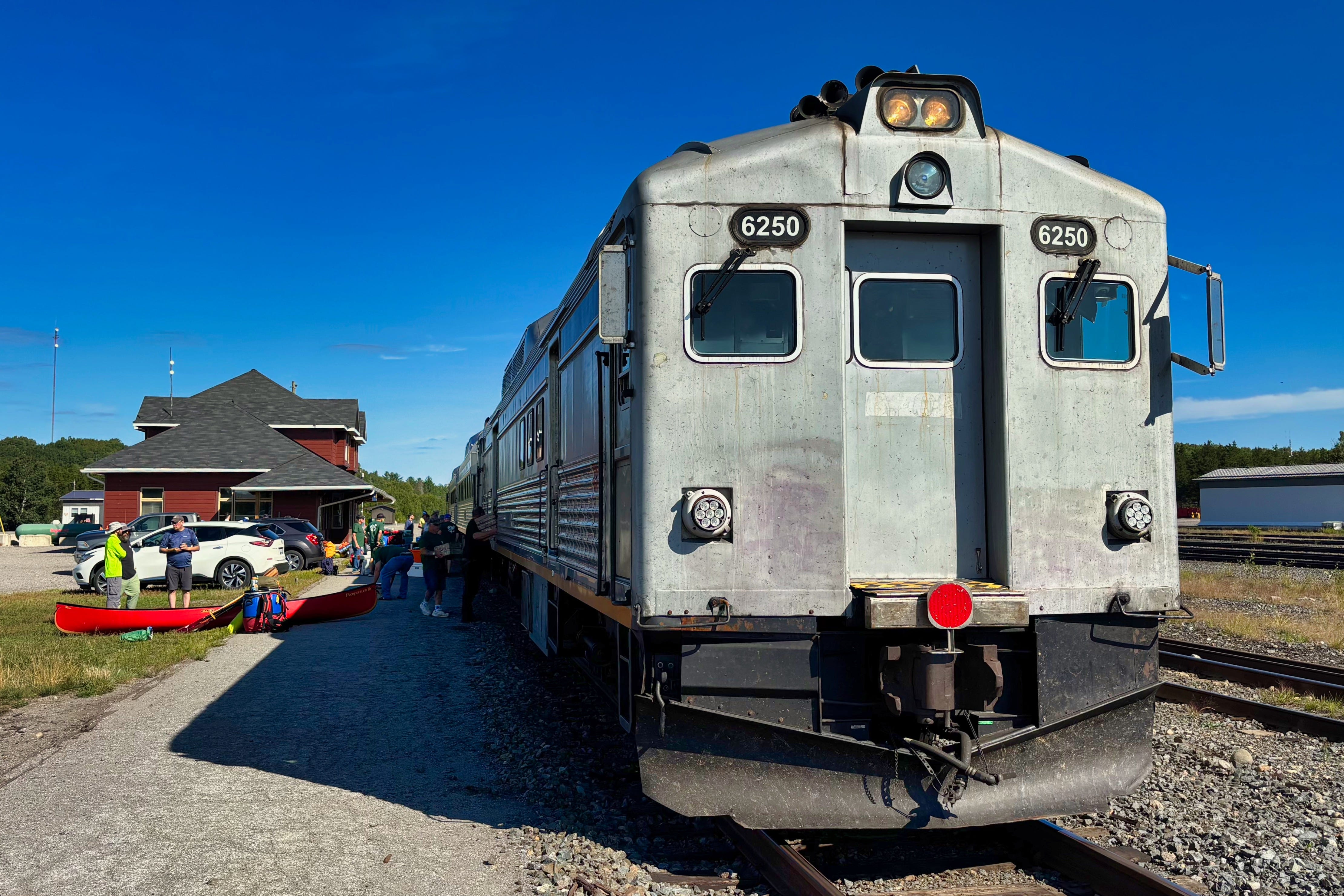
Canada is blessed with many beautiful wild rivers, but the Spanish River is one of the few that you can access by train. People come here from afar to paddle its very scenic and fun 164 km / 102-mile section between Biscotasing Lake and Agnew Lake. What do I mean by "fun"? The Spanish River is officially a whitewater river with numerous swifts, rapids, and occasional chutes or mini-waterfalls. In spring, when the water level is high due to melting snow, the river can turn quite dangerous to run, especially for novice paddlers. However, once the water level drops in June, it becomes a beginner-friendly whitewater river, assuming, of course, that canoeists follow all the safety precautions.
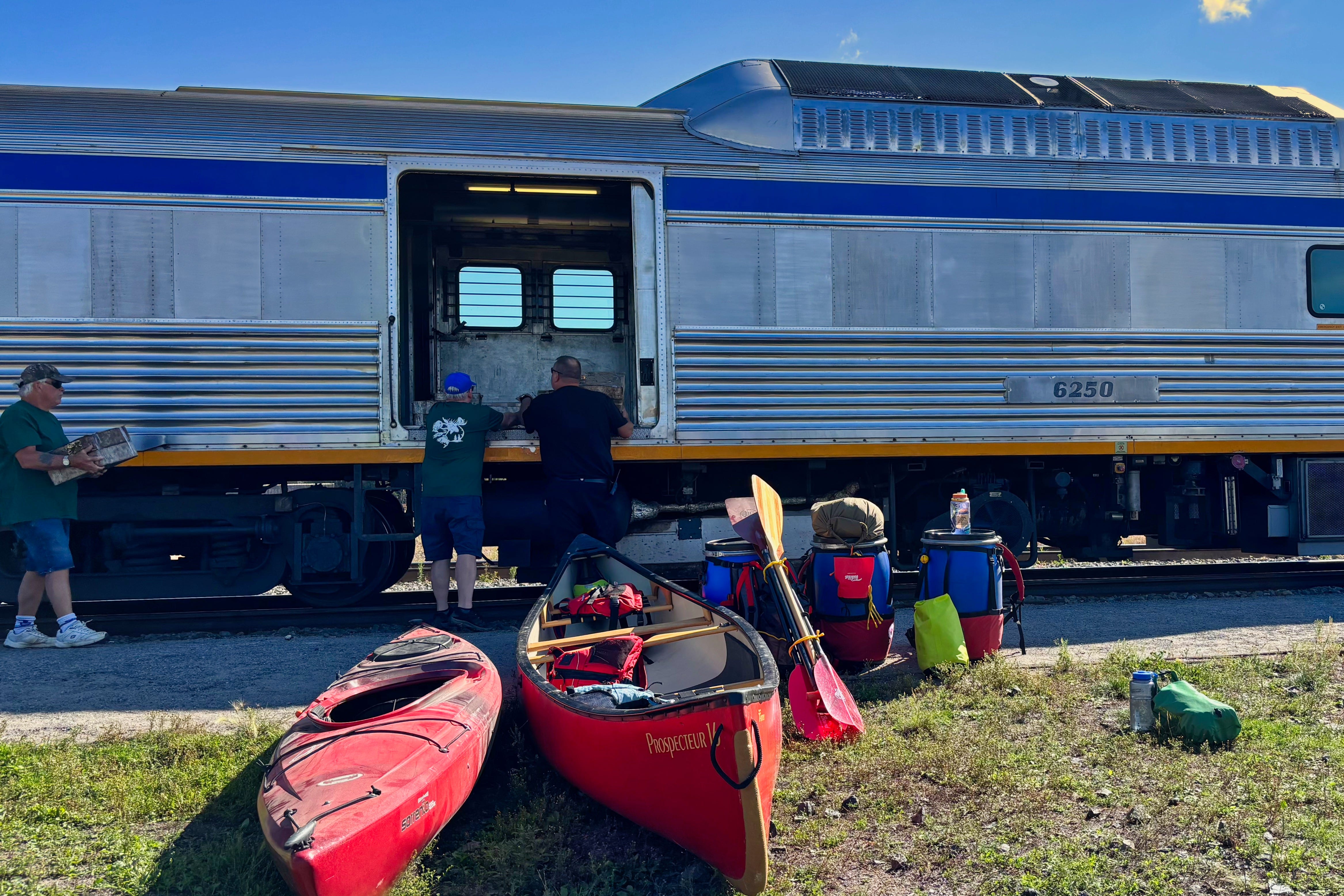
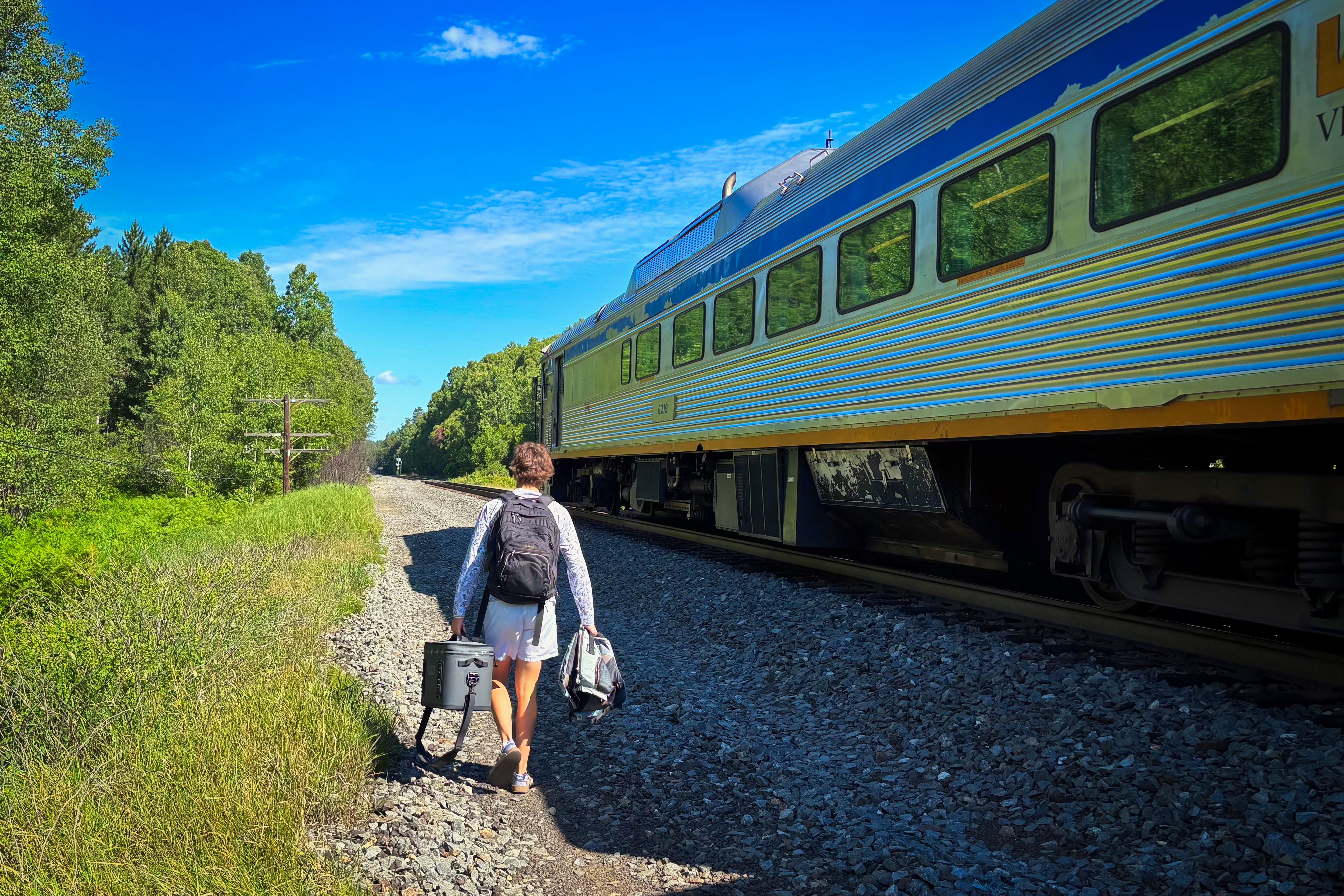
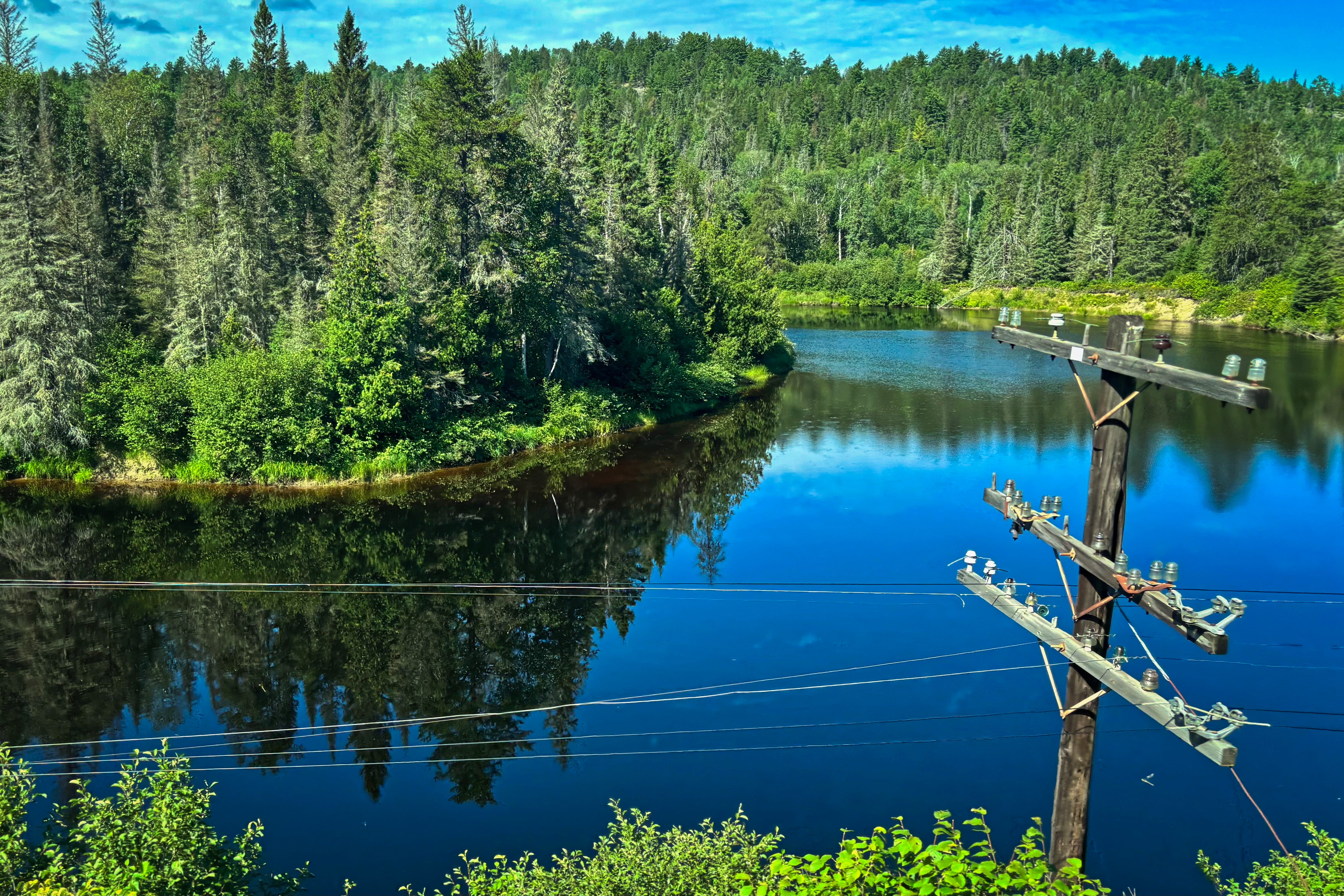
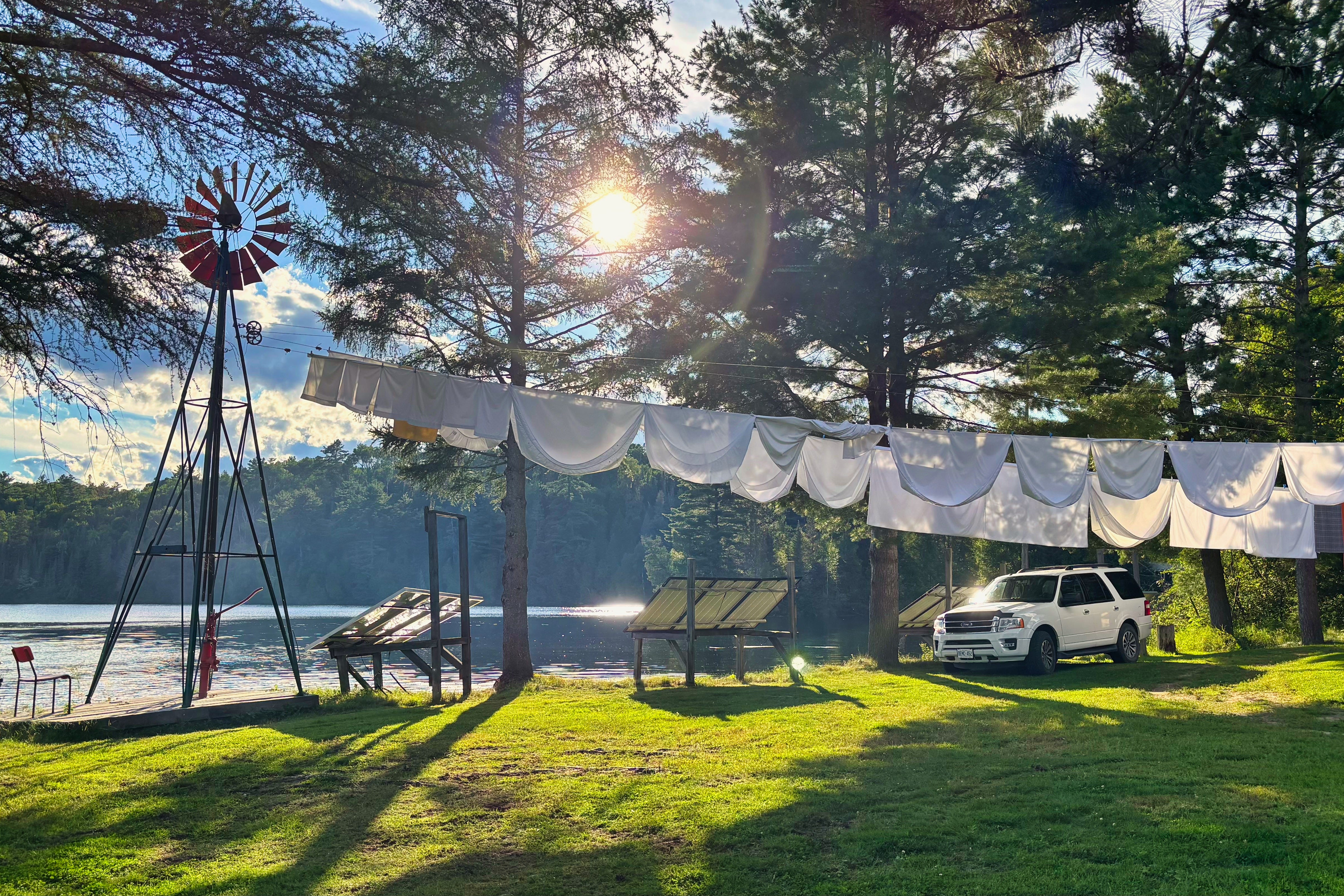
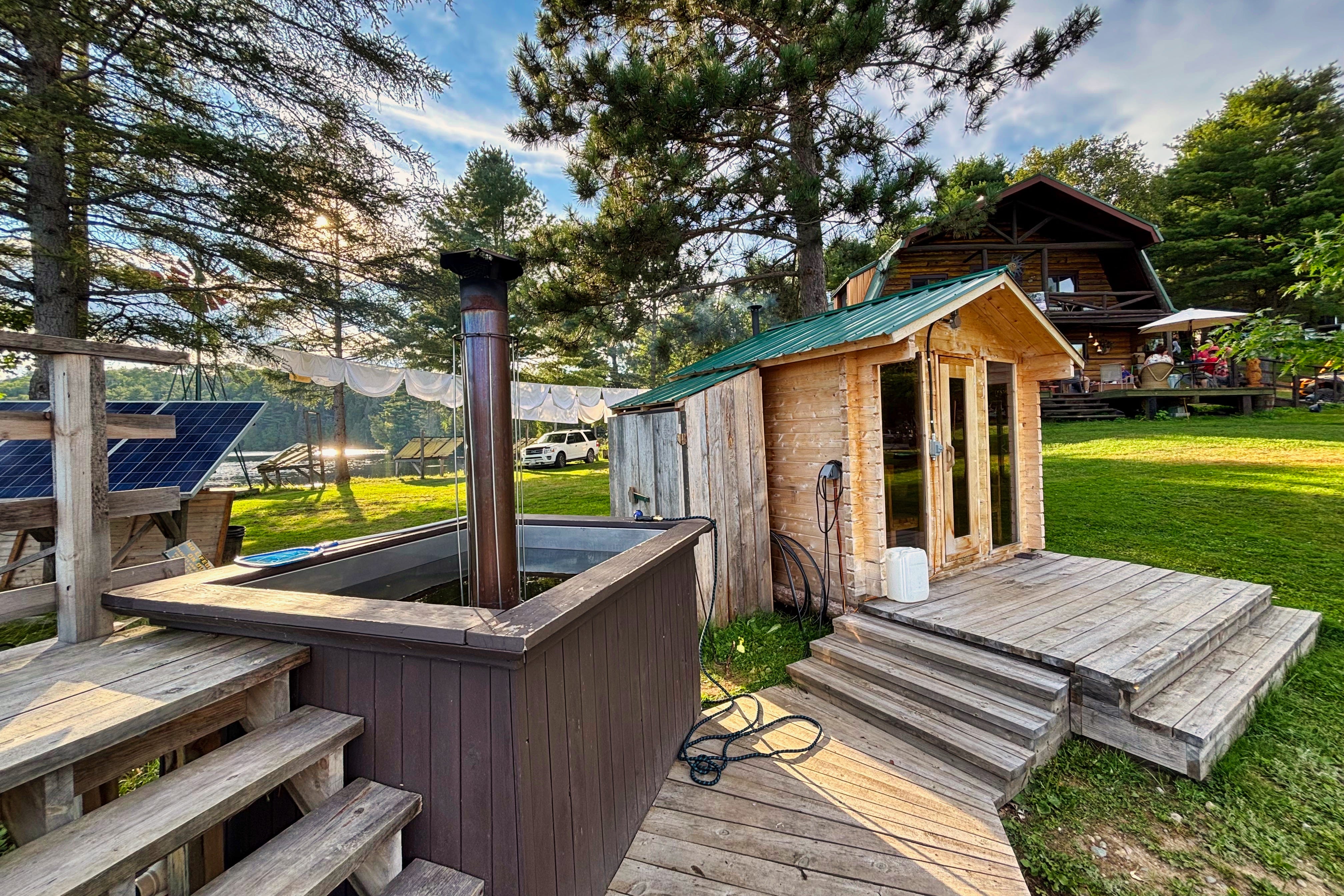
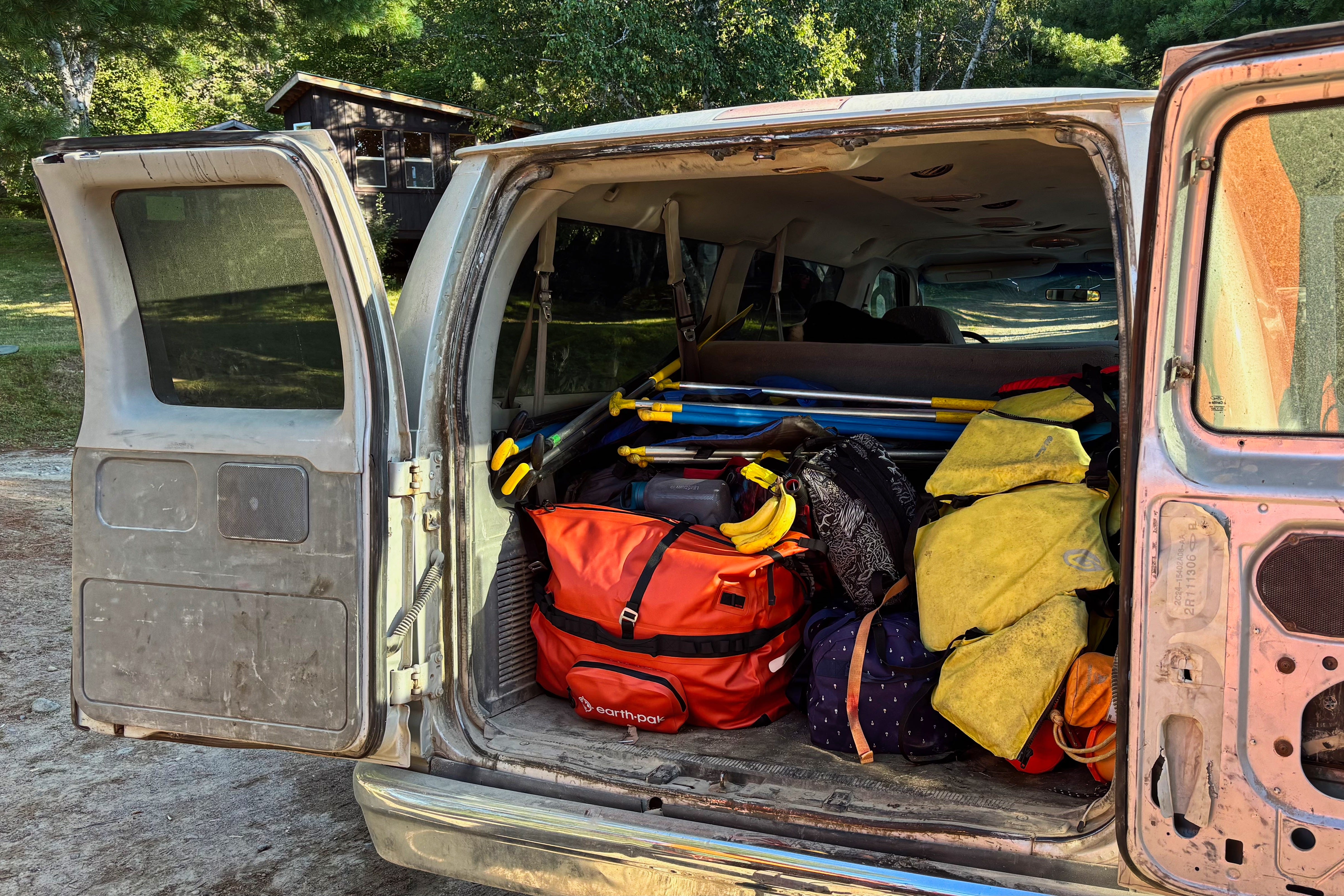
Most paddlers start their journey in Sudbury or Cartier, a little village just north of Sudbury. While individual itineraries may vary, most people use the help of outfitters to shuttle their canoes and cars to either the start or the end point of their paddling journeys. In our case, we parked our car at Fox Lake Lodge, where we camped overnight after swimming in a stunning lake and taking a wooden sauna. Wayne, the owner of both the lodge and Spanish River Outfitters, drove us in a van, together with our canoes and gear, to Cartier, where we boarded a train.
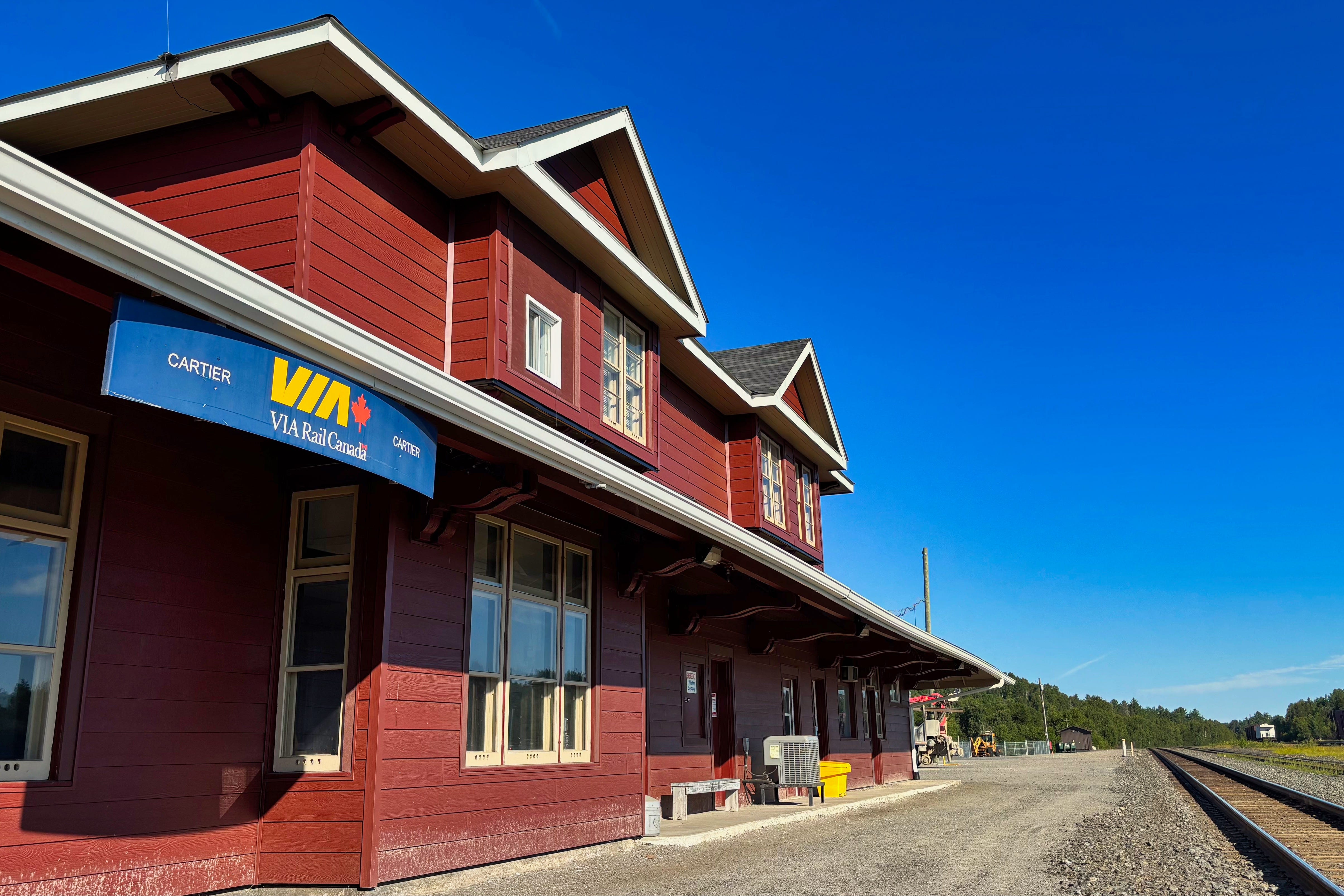
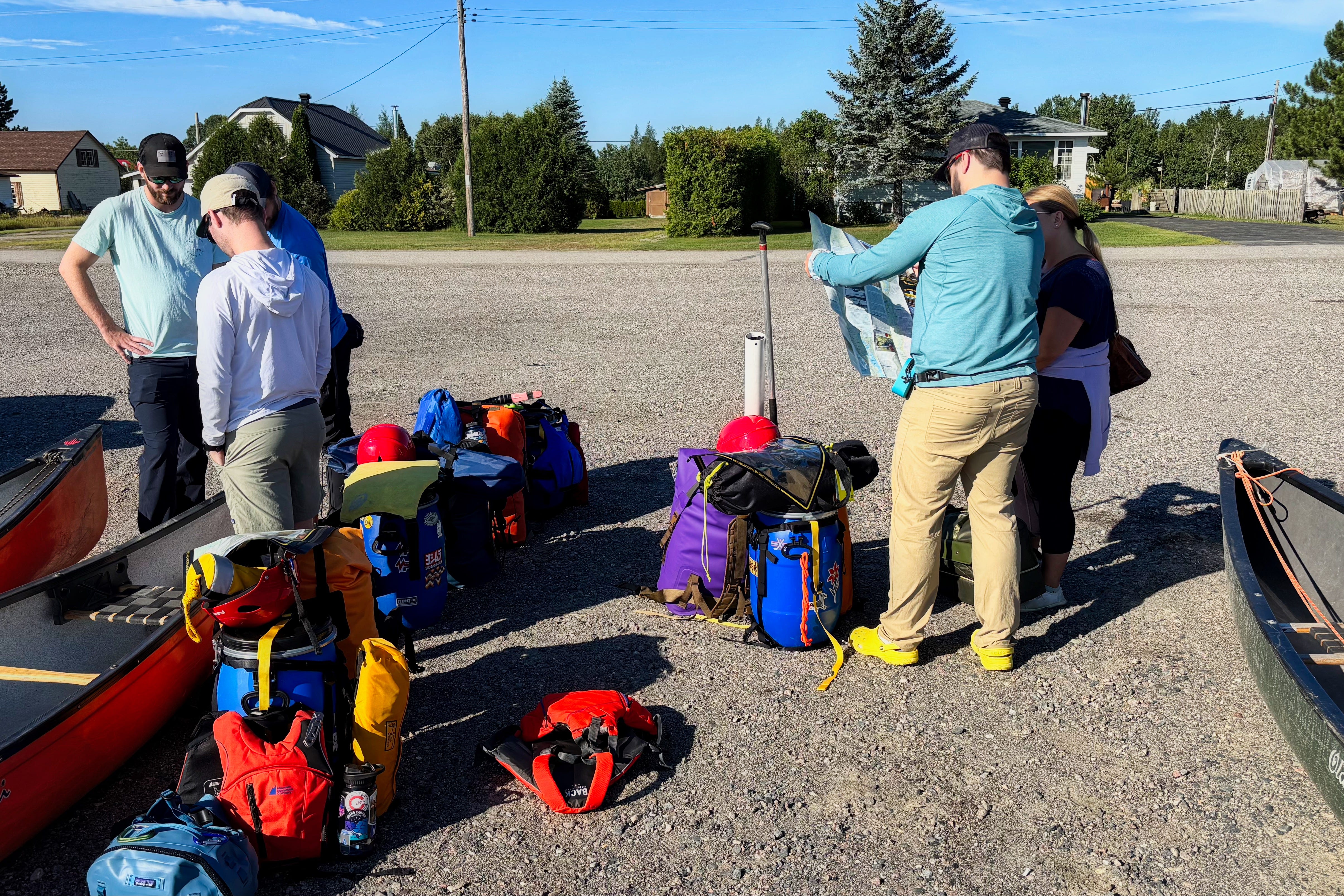
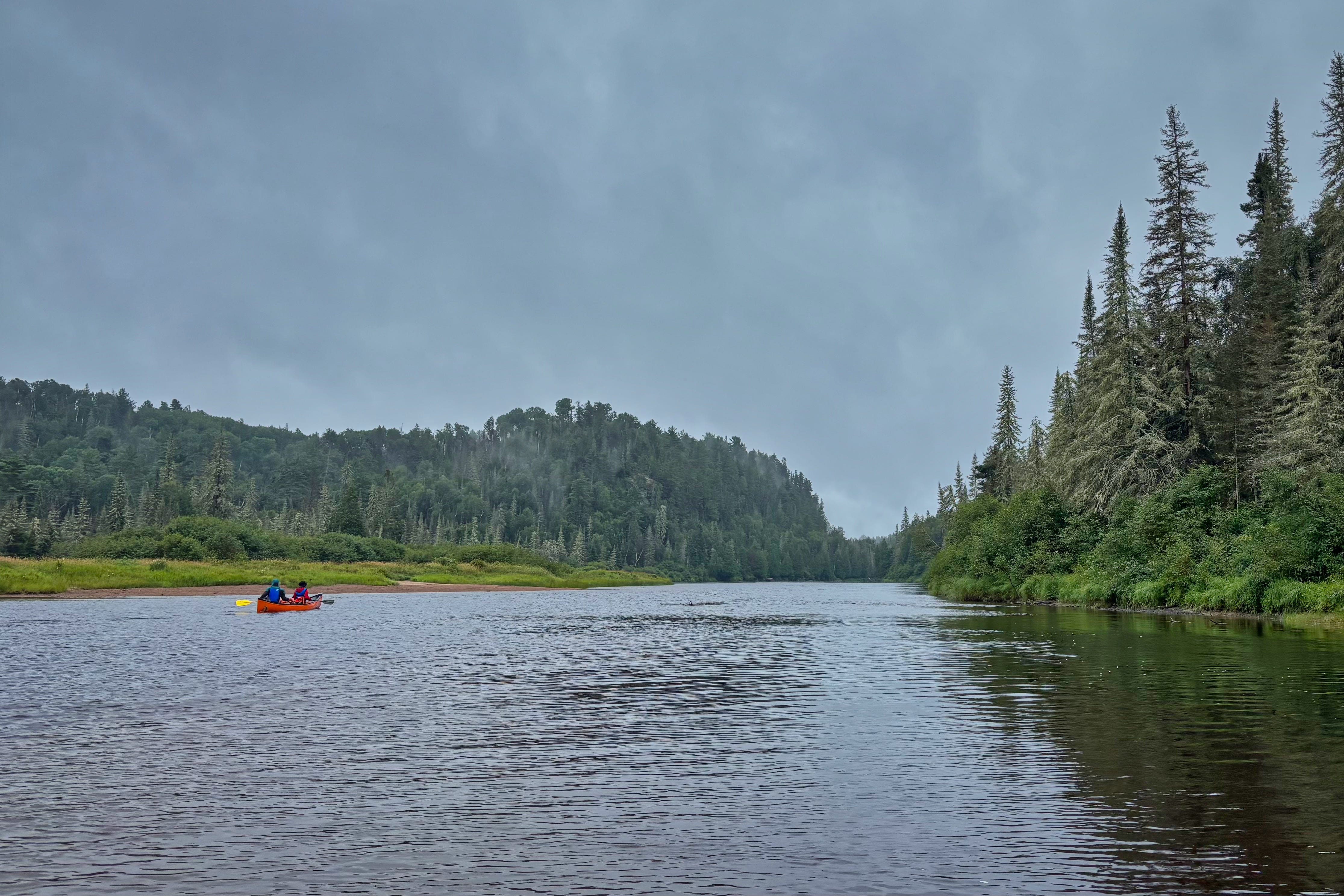
Then we rode the train for about 45 minutes to the former logging hamlet of Sheahan, where we were dropped off with our gear in the middle of nowhere. Once there, we dragged our canoes to the river and, over the next two days, paddled 50 km / 30 miles south to the Elbow, a former village near Fox Lake Lodge, where we picked up our car.
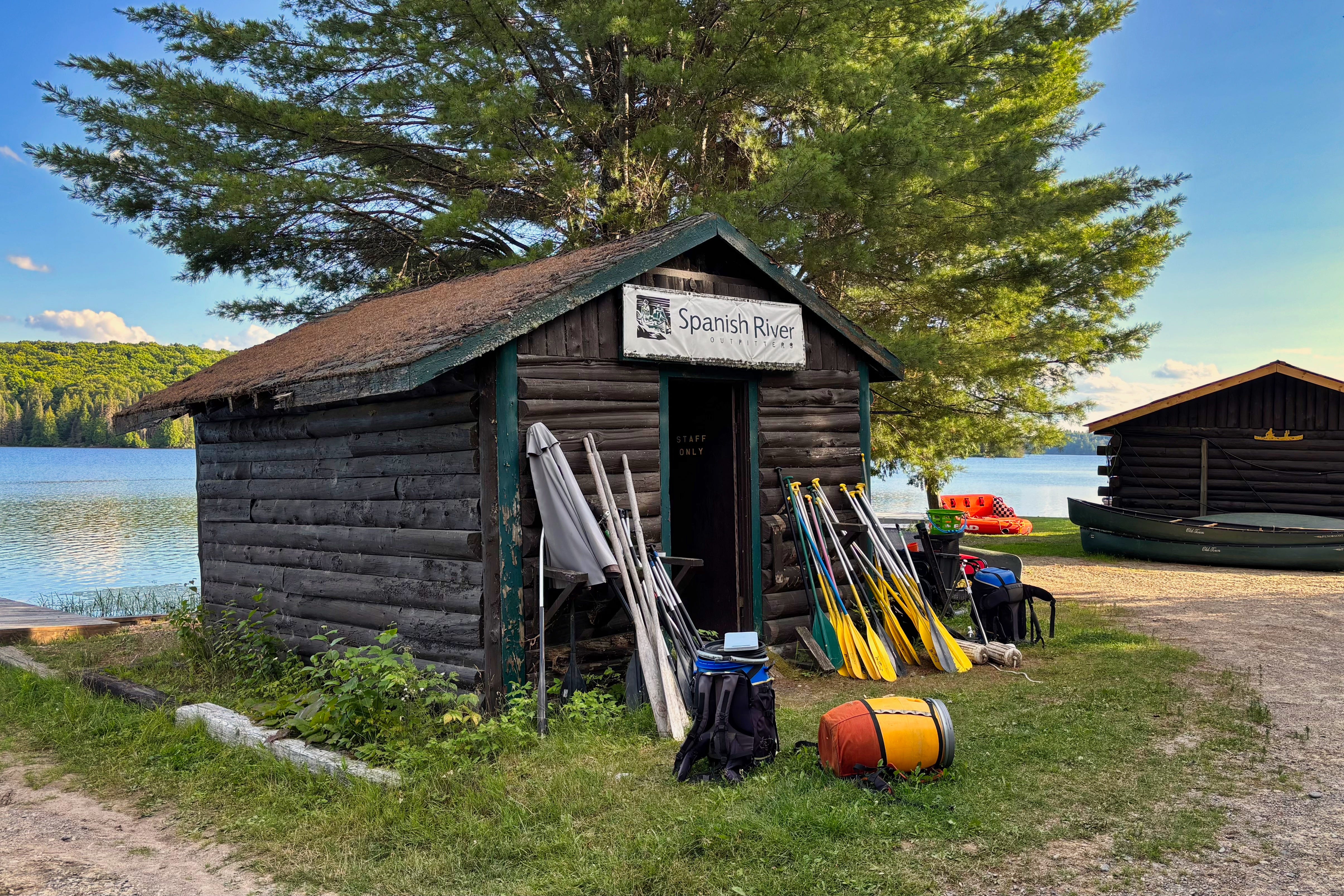
Other canoe groups we met at Cartier while waiting for the train were a bit more adventurous and went a bit further north to Sinker Creek and Biscotasing Lake, respectively. The beauty of this train is that it can pick up and drop off passengers literally anywhere, assuming notice is given at least 24 hours in advance. One of the groups we met was not planning any paddling at all and had instead bought a truckload of food and drinks from a local Costco store for a week-long, off-the-grid cabin stay in the Canadian wilderness.
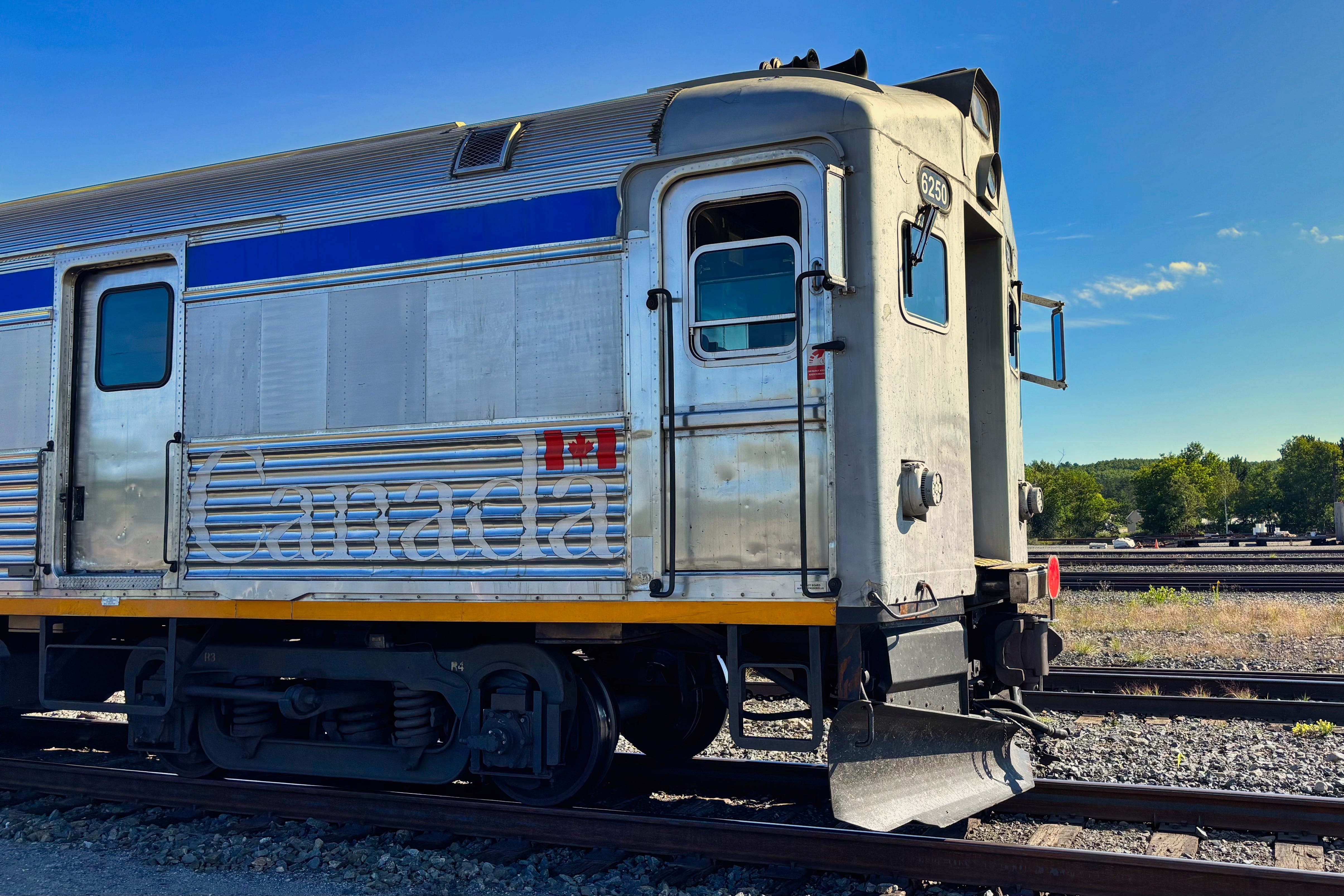
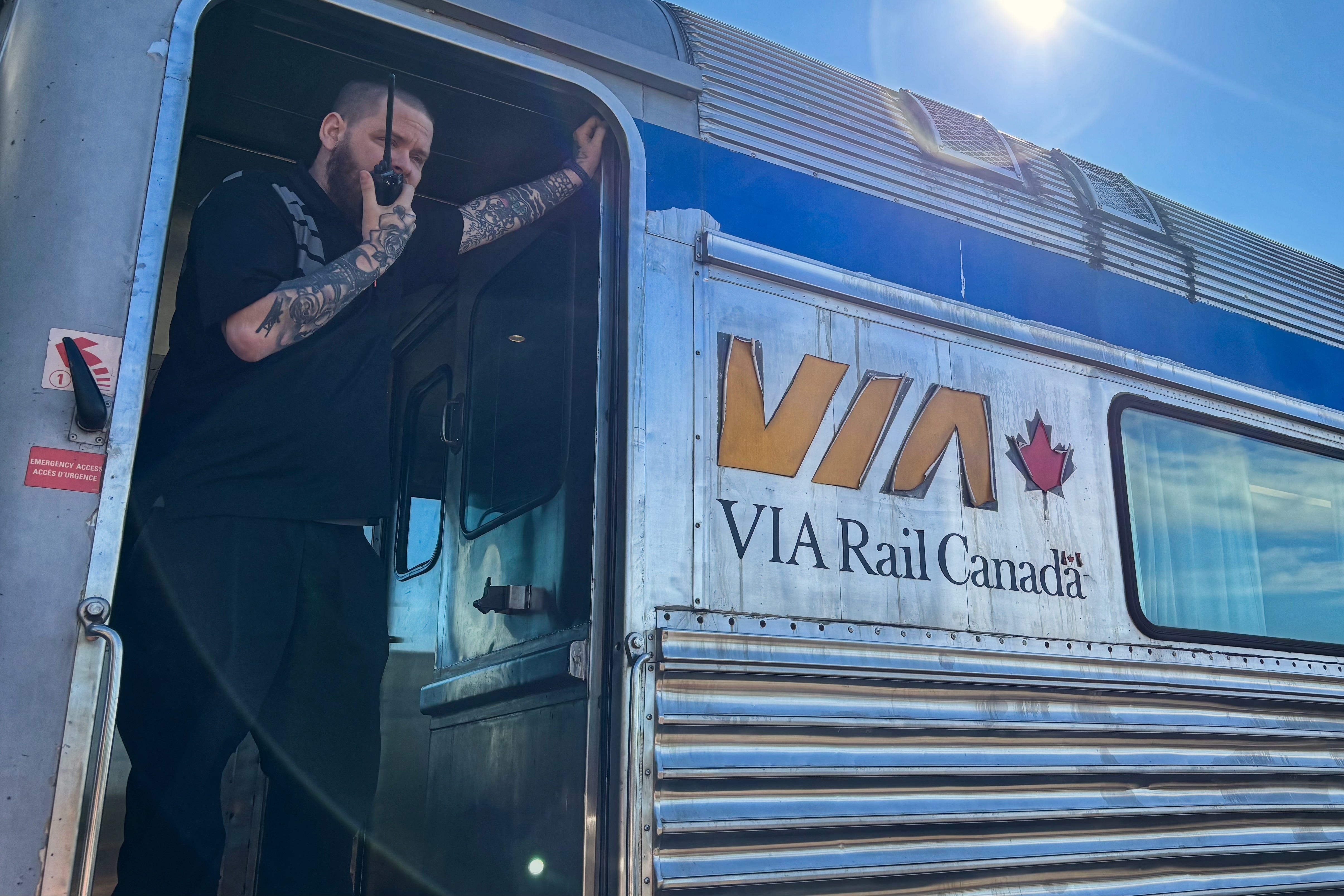
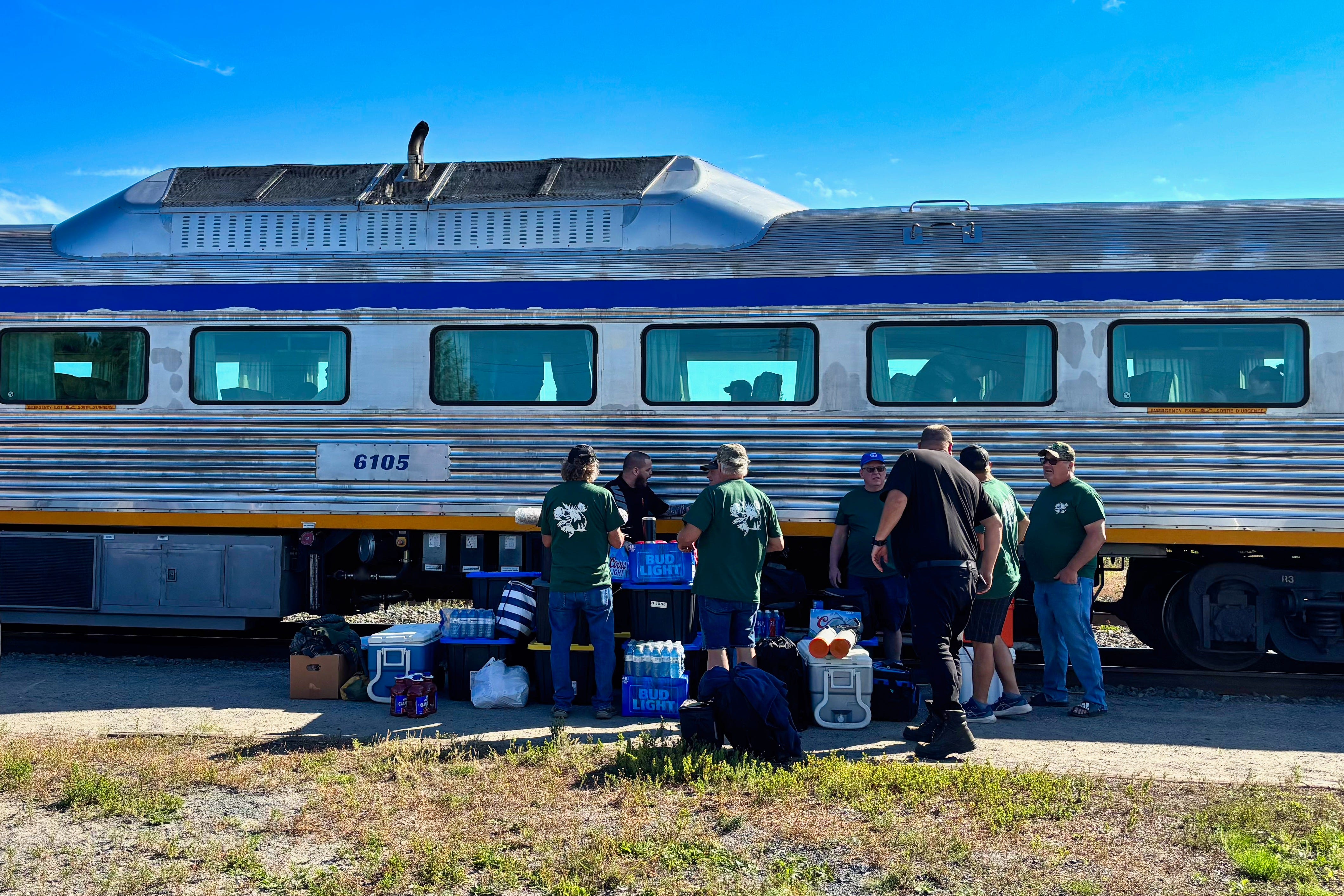
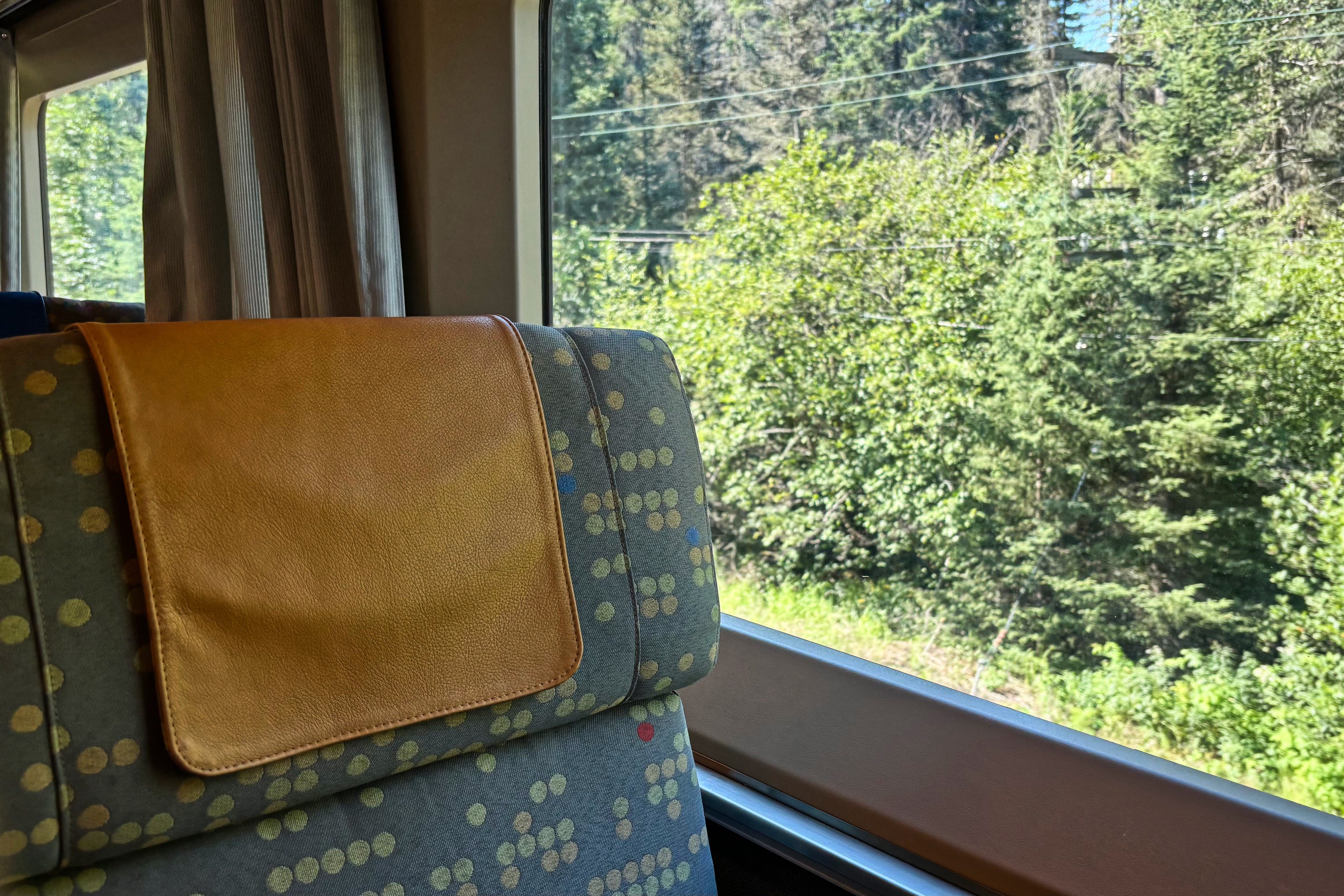
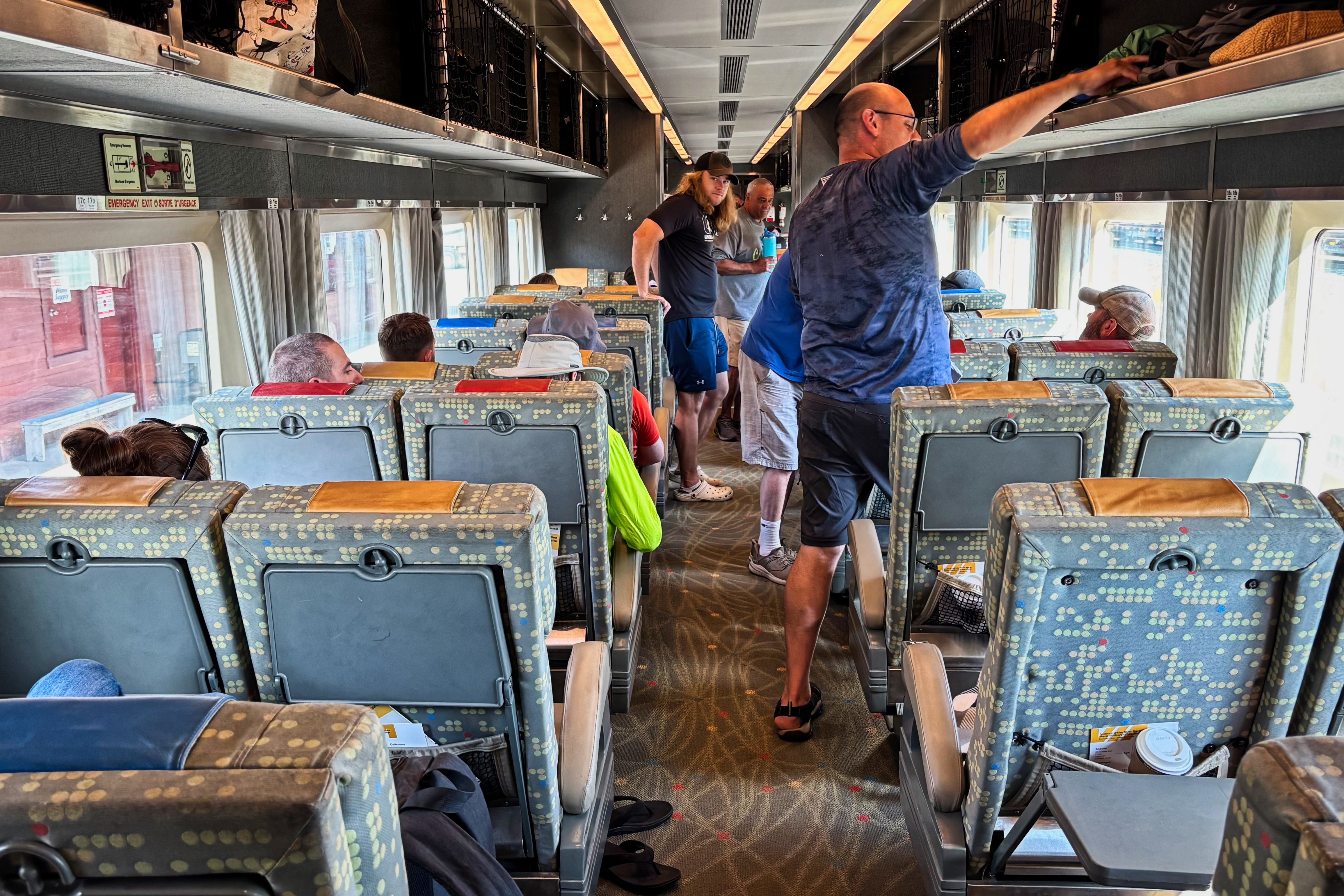
The train route between Sudbury and White River is also unique because VIA Rail runs its last Budd cars still in operation. They were built in the 1950s and, as you can imagine, are long overdue for replacement. To their credit, the cars look very nice inside, a testament to their durability and to a likely recent refurbishment.
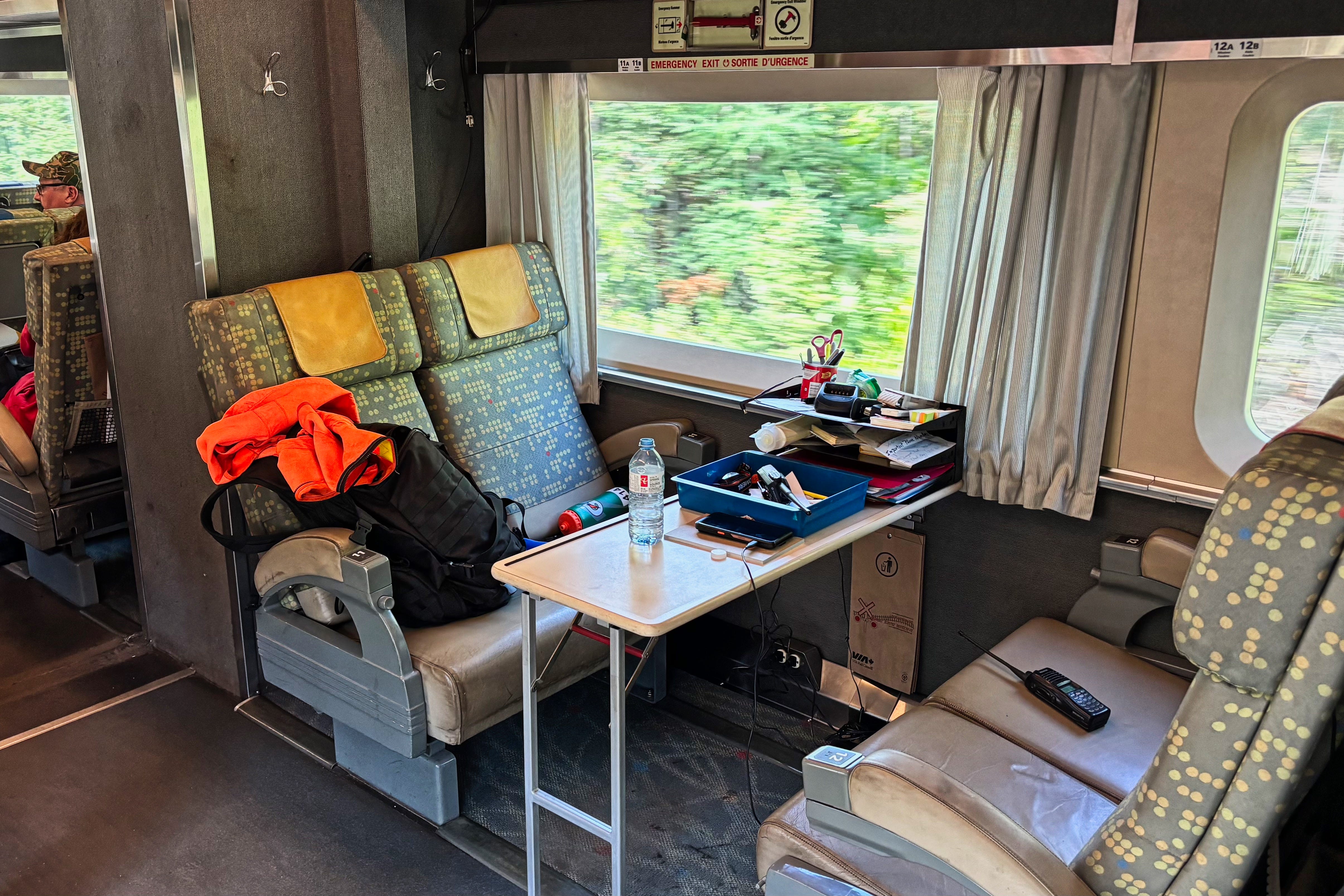
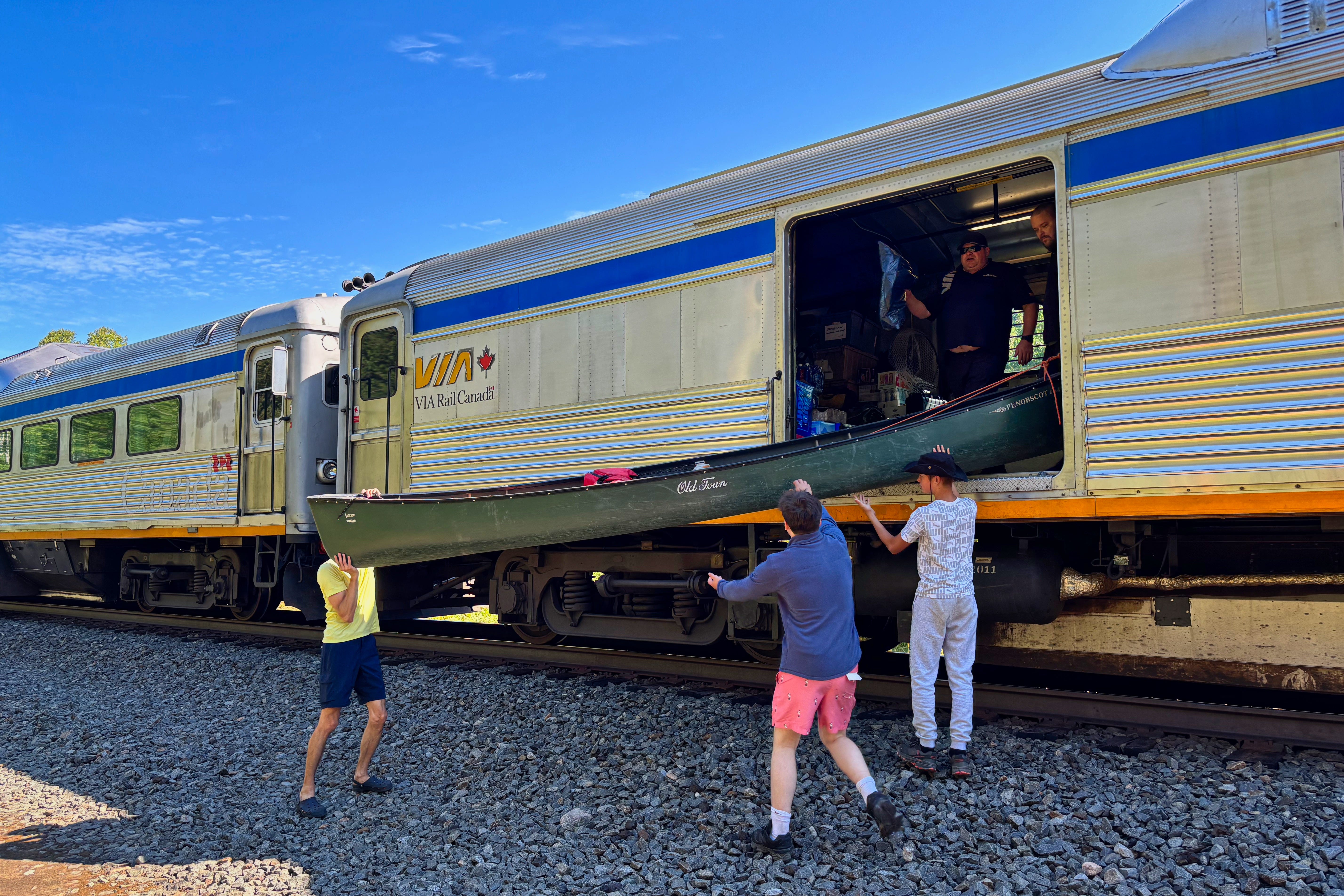
The train runs three times a week in each direction, and it takes about eight hours to ride the full route. Last year, I was planning to take this train from White River to Sudbury on my Lake Superior hiking trip in September, but due to unexpected mechanical issues, my train was cancelled, so I had to take a bus and a plane instead. This time, I was beyond excited to finally ride this iconic train!
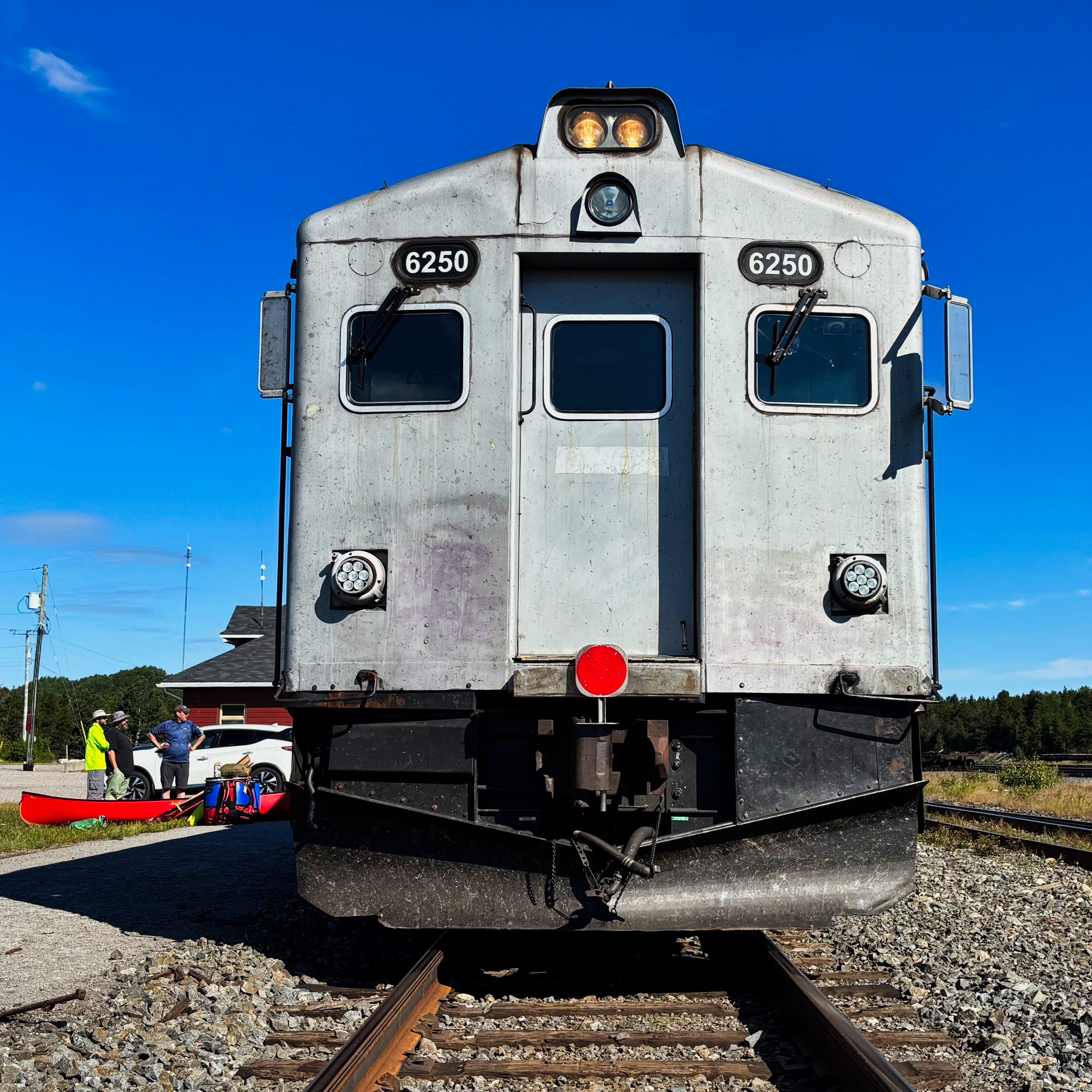
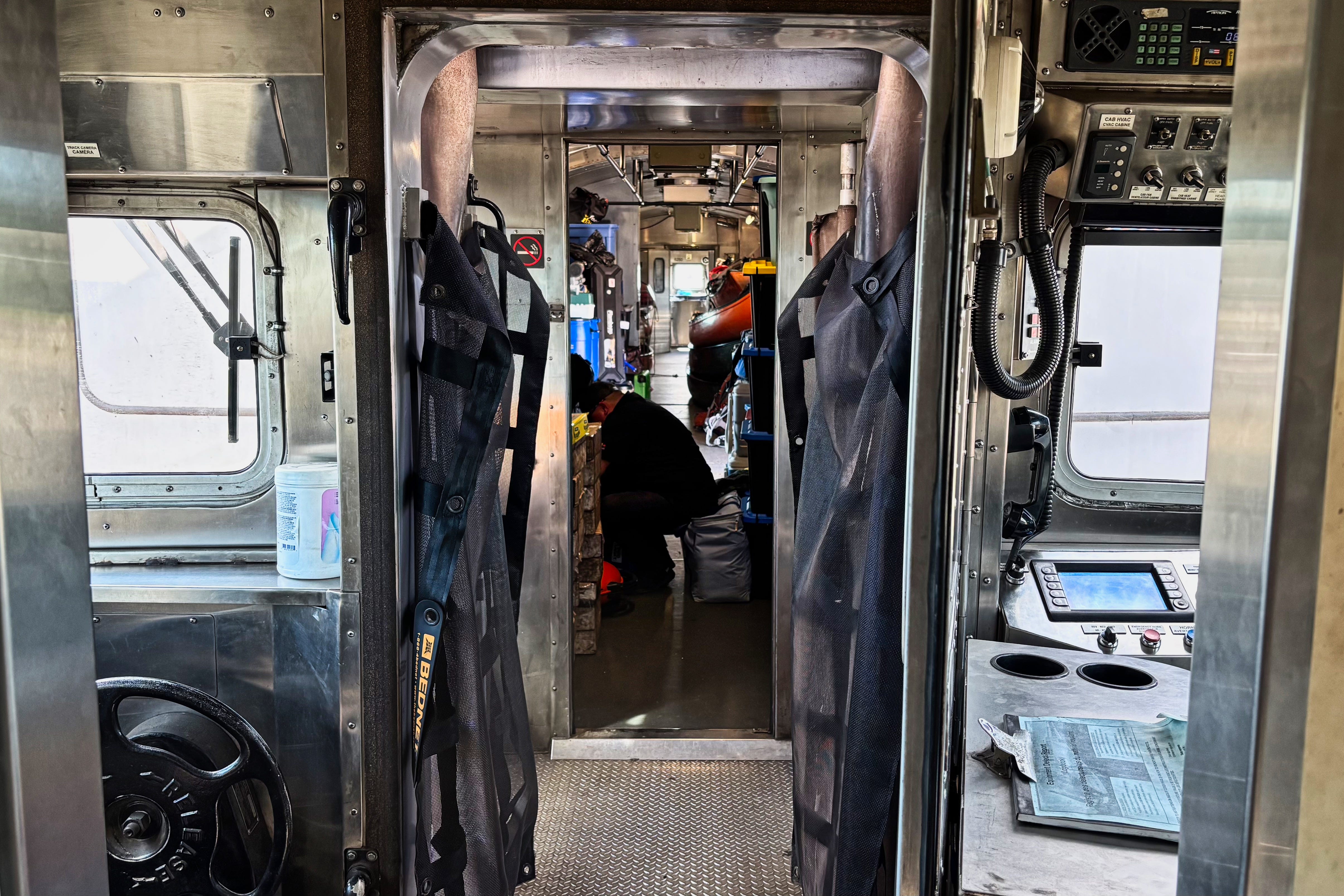
The trainset includes only three cars, with a self-propelled Budd Rail Diesel Car (RDC) at each end: an RDC-2 with a baggage area and passenger seating, and an RDC-4 with baggage and mail areas. In the middle, there is a normal passenger car. "Self-propelled" means that these trains don't need a separate locomotive to pull or push them. The baggage and mail car is key to this trainset because a typical canoe is around 15-17 feet long, so storing it requires much more space than storing a bike. VIA Rail charges $100 per canoe, and I believe I saw somewhere that there is a limit of 17 canoes per train. Needless to say, I recommend booking such a trip well in advance to avoid last-minute disappointment.
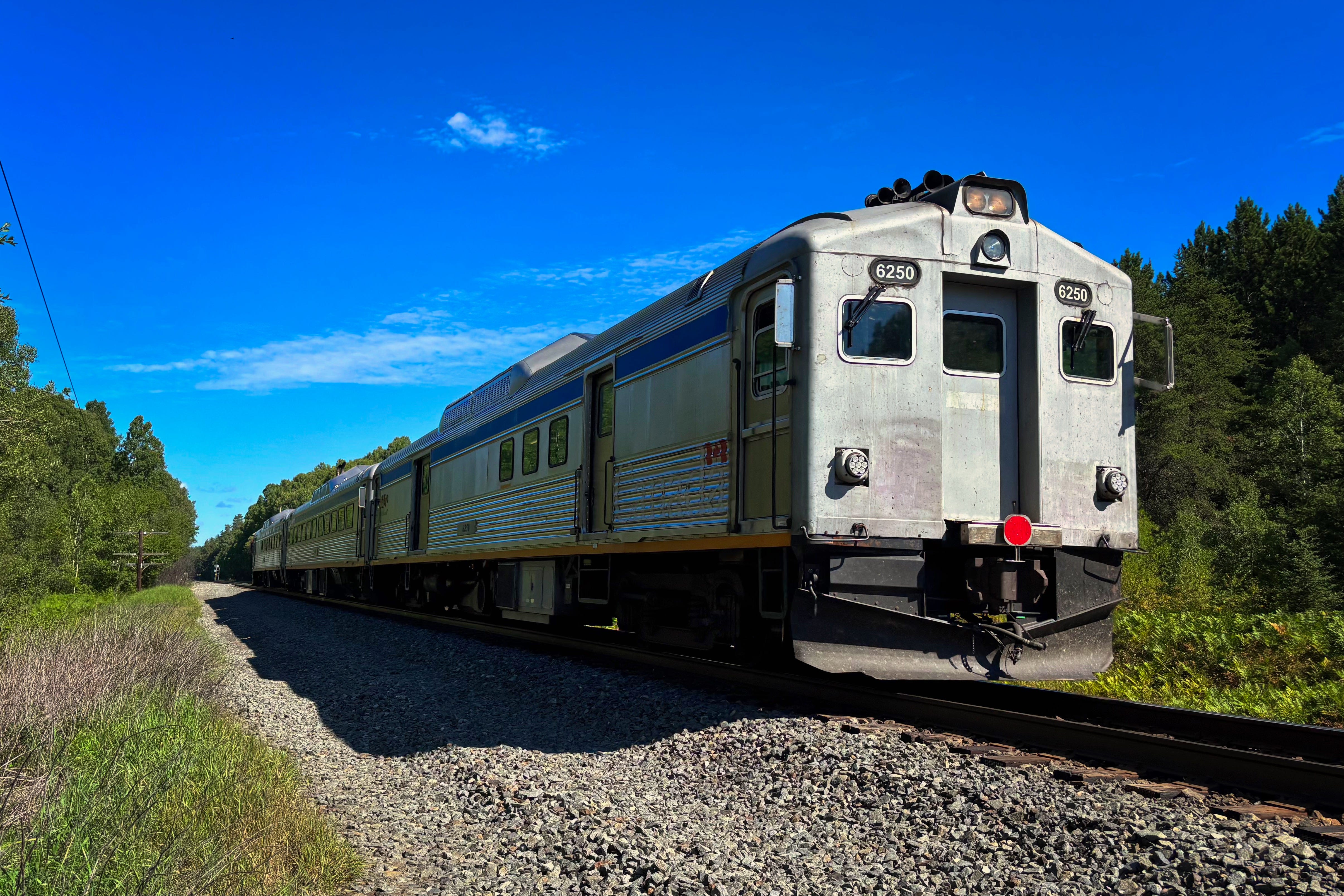
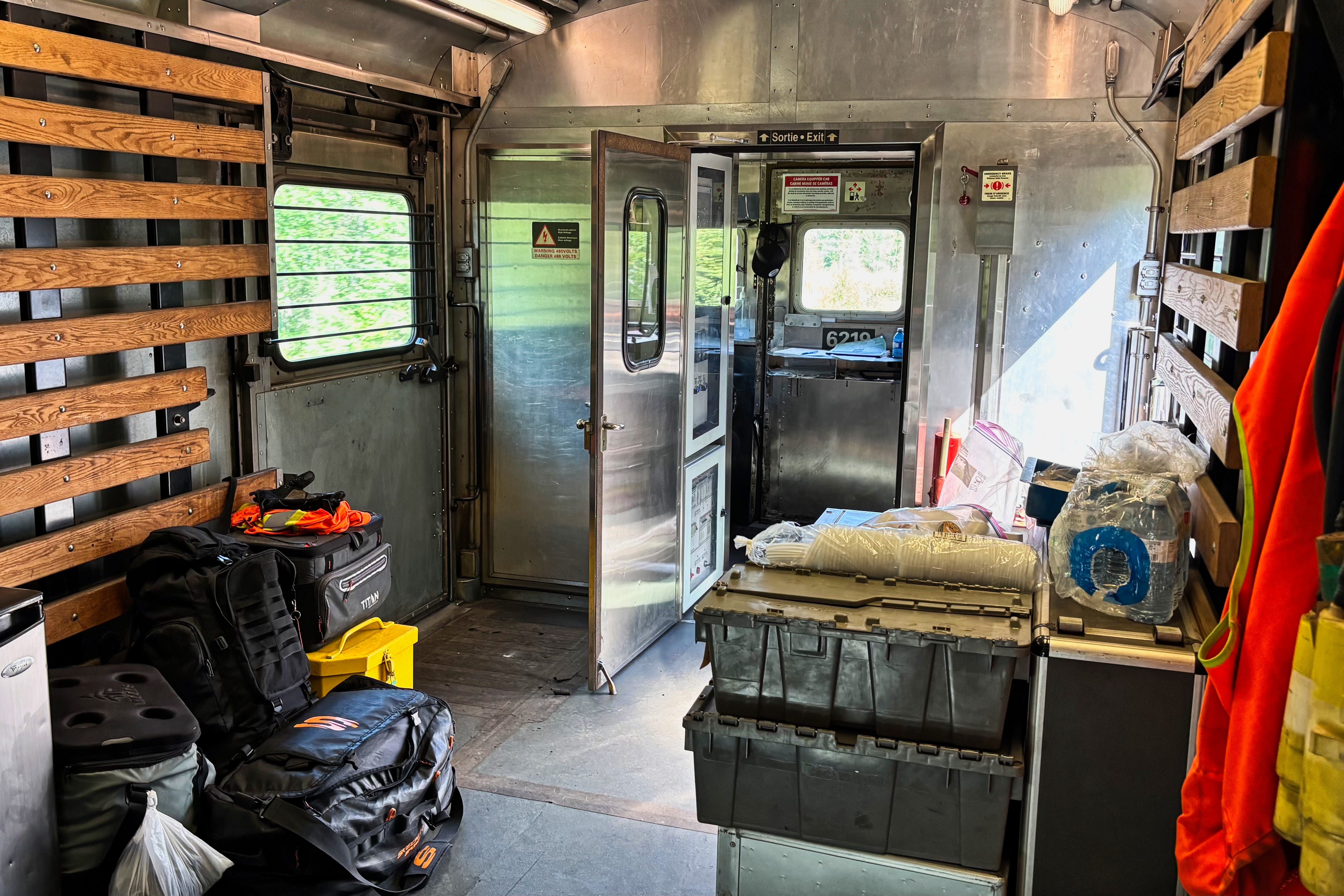
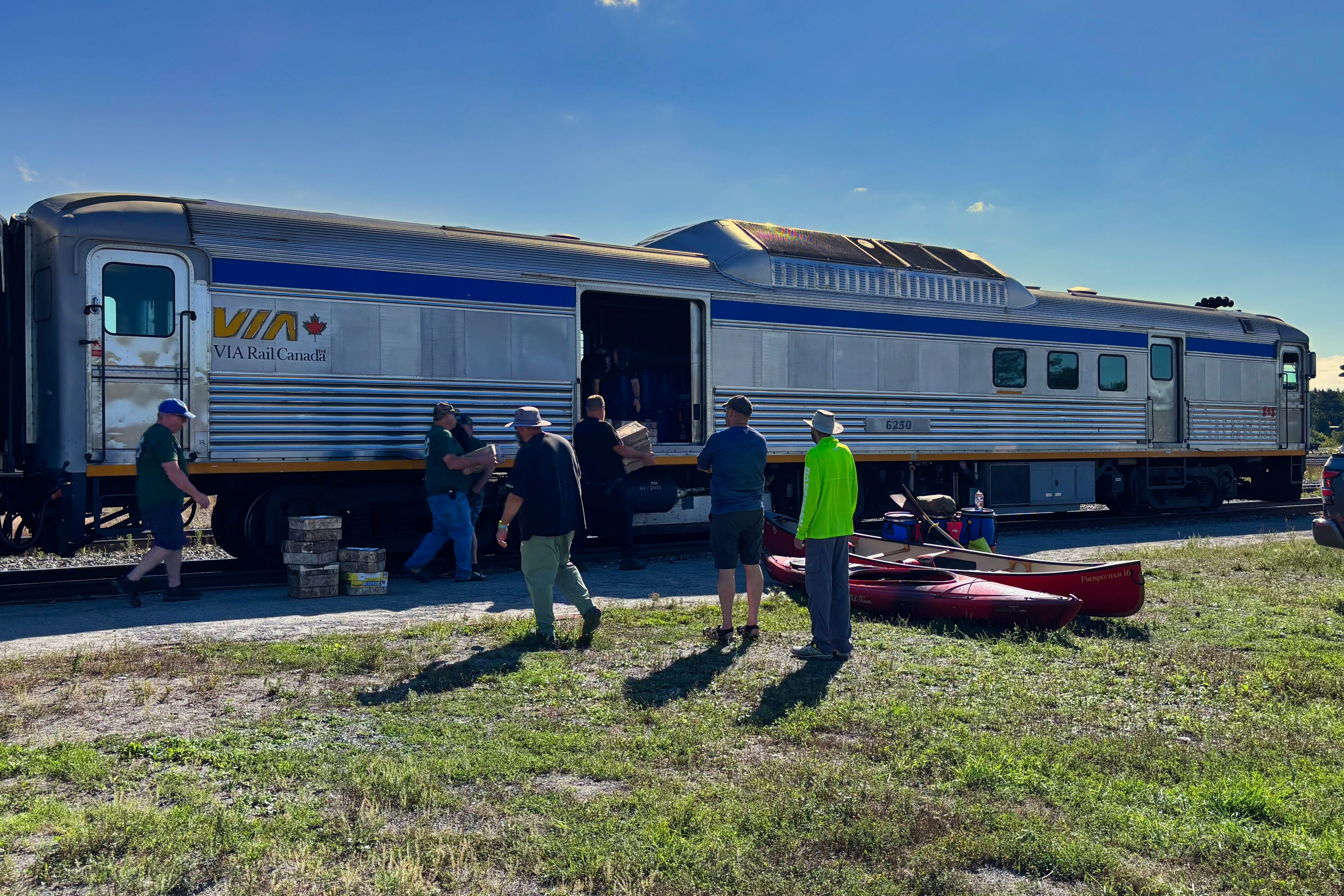
A few things about the Spanish River. Over the years, I've completed paddling trips on other rivers in Ontario - the Madawaska, Barron, Mattawa, and Oxtongue - and the Spanish is my favourite so far. Everywhere you look, you can see the work of a huge 1-km-thick glacier that receded around 10,000 years ago: large rock gardens, deep sandbars, towering cliffs, and wide-cut valleys. The paddling experience on the Spanish River is as thrilling as it is relaxing and meditative during long stretches of calm water between swifts and rapids.
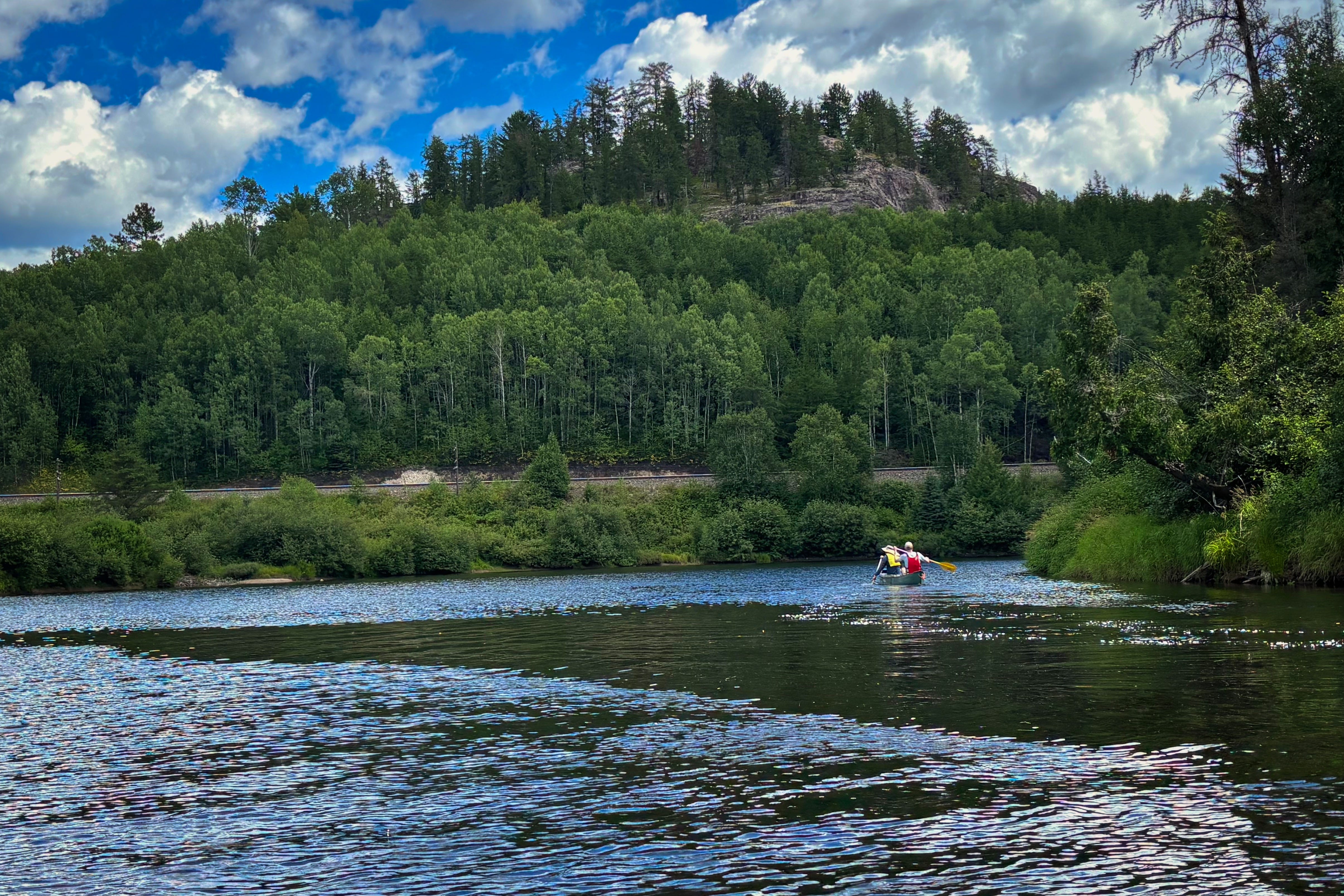
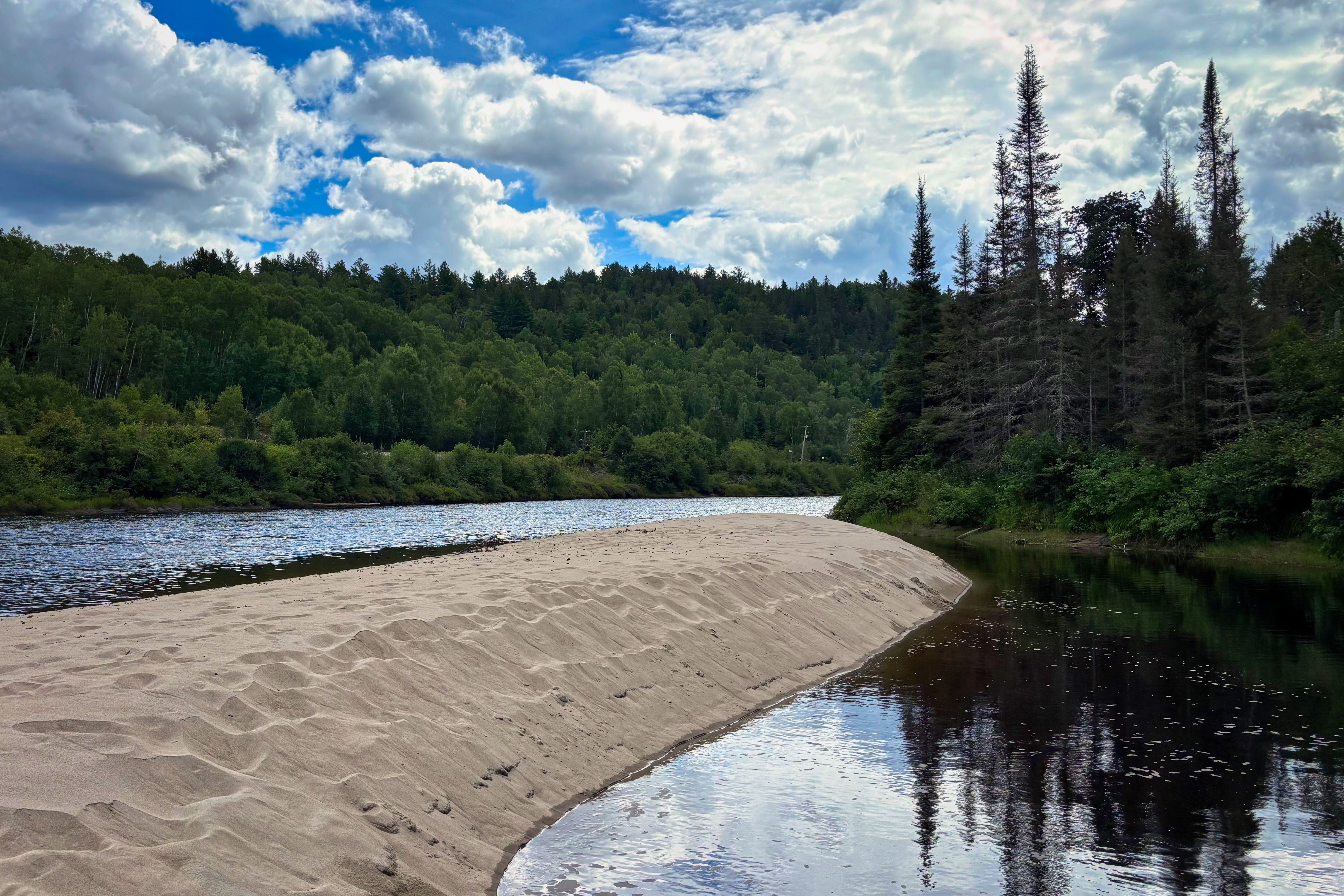
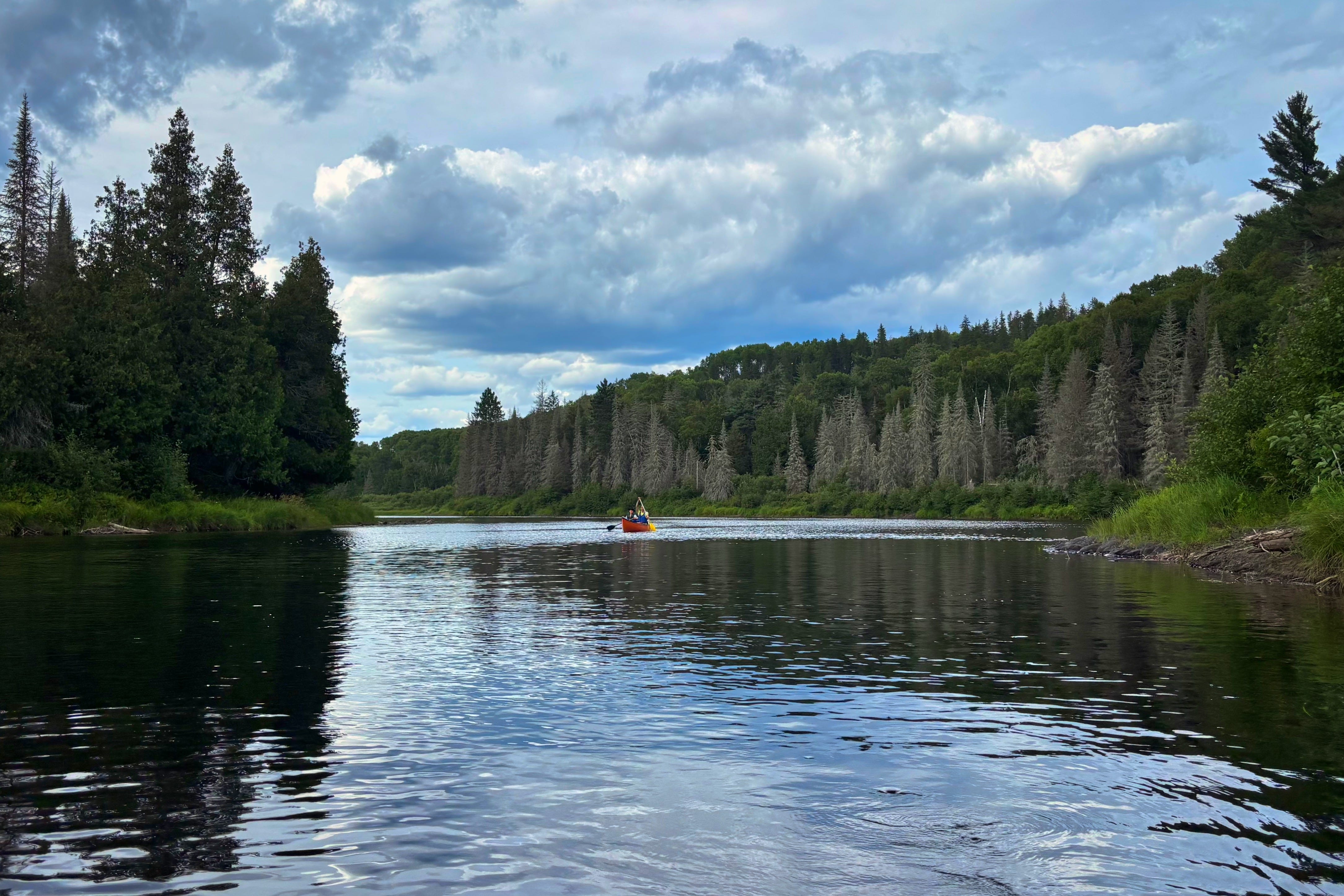
Flora and fauna are also impressive. Two large Canadian forest zones converge here: the Boreal and the Great Lakes–St. Lawrence. We were lucky to see a beaver, an osprey, and a bald eagle, as well as fresh footprints of a black bear. But there are many more bird and mammal species living in the area, including deer, moose, otters, wolves, lynx, pine martens, foxes, and even elusive wolverines.
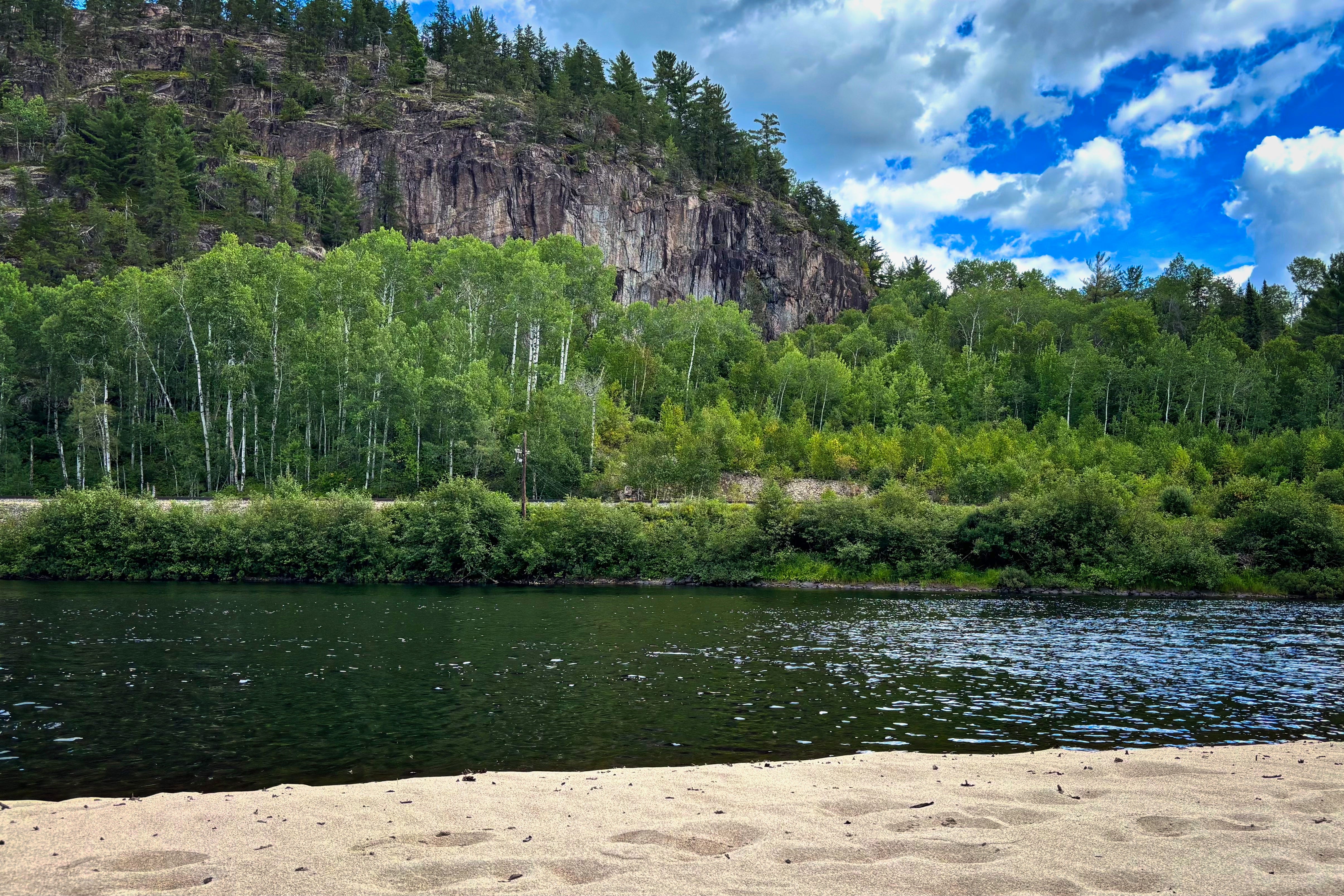
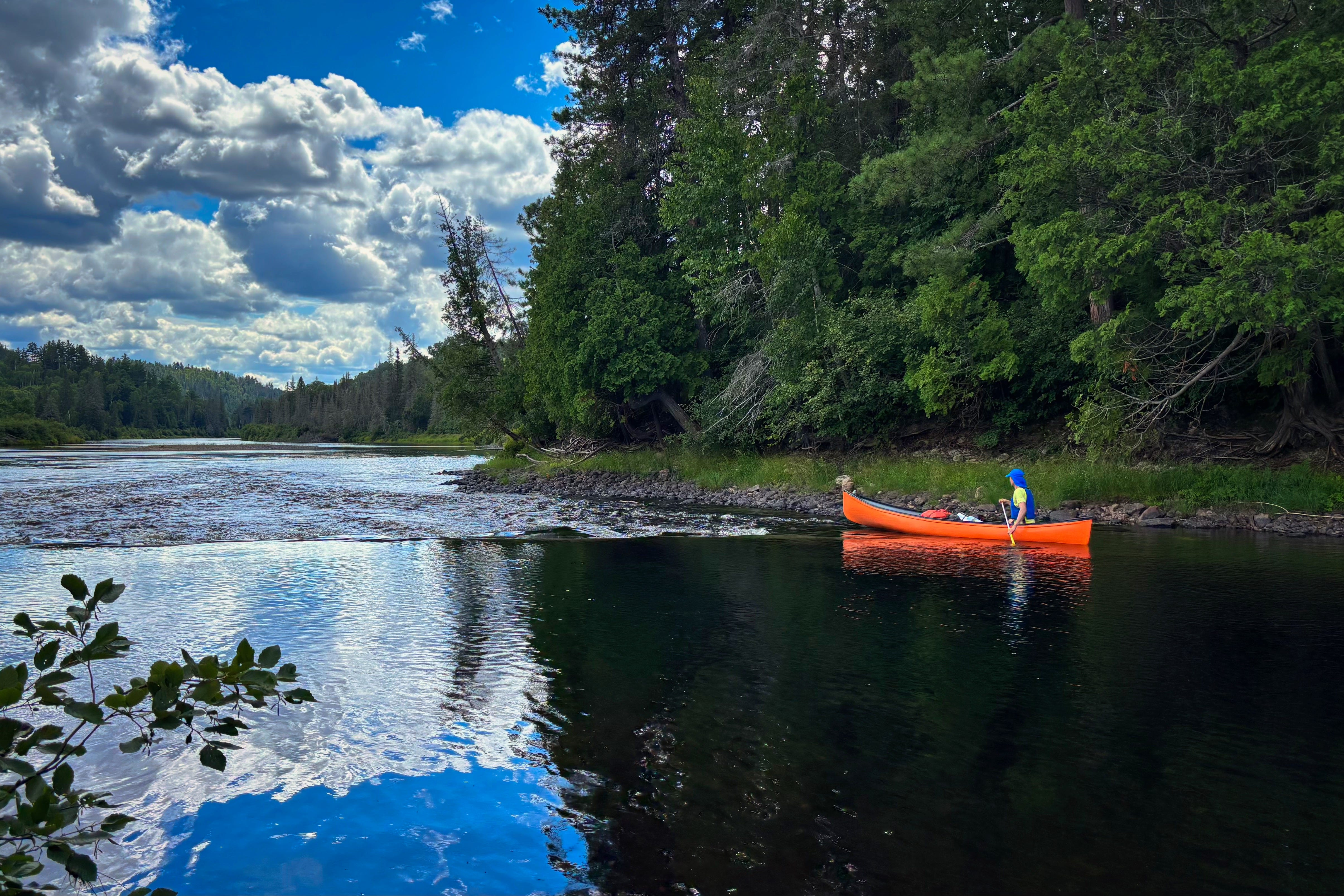
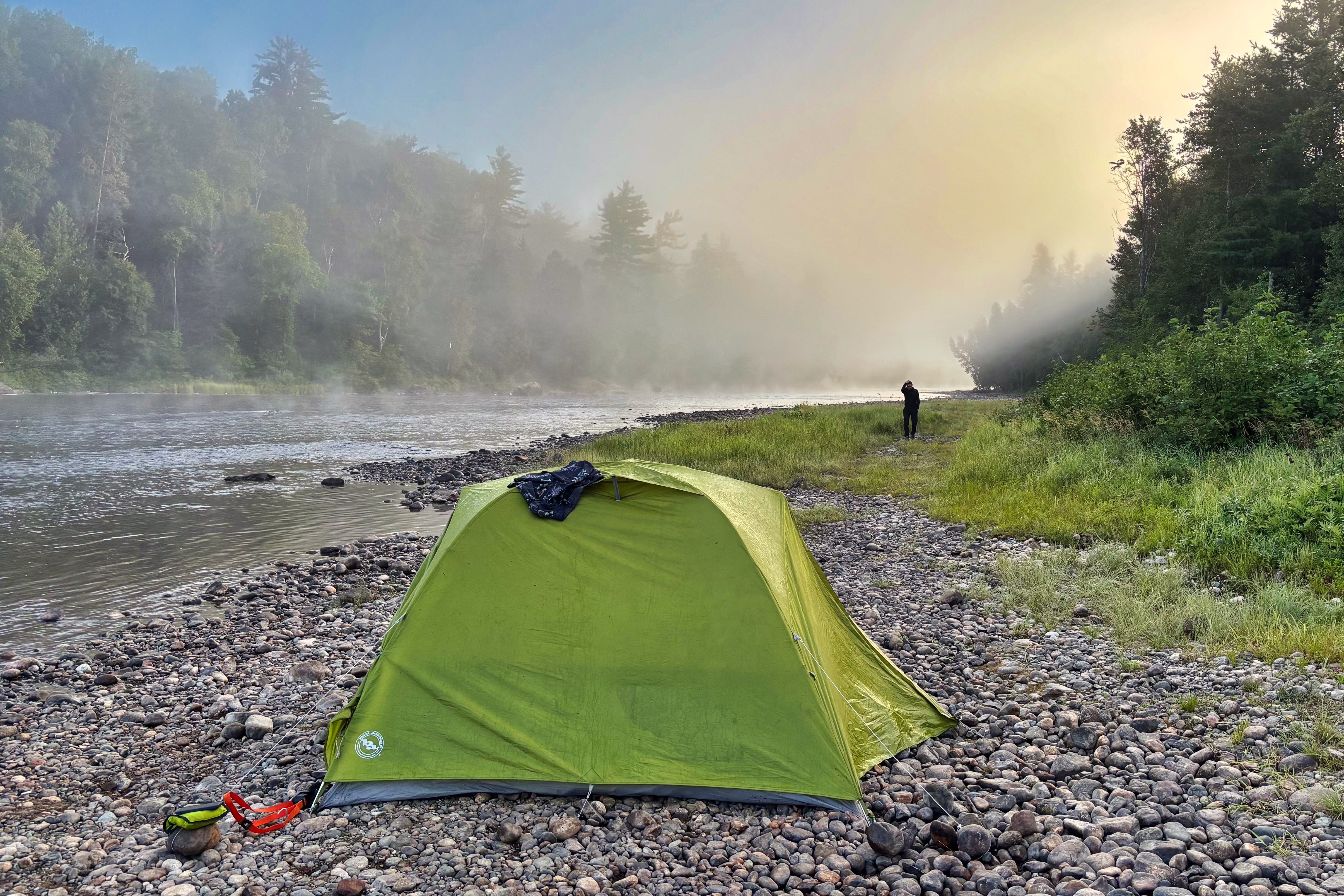
Camping is also world-class on the Spanish River. Take my word for it: once you've tried backcountry camping, you won't want to go back to front-country camping, where everyone drives their car to the campsite. Campsites can be spotted from the water by their orange signs and are first come, first served. There is definitely an element of uncertainty and friendly competition between different paddling groups. The campsites vary in size, but there should be plenty of room to pitch at least three tents, make a bonfire, fish, swim, and just relax. For added comfort, each campsite on this river is equipped with a thunder box: an open-air wooden box toilet placed over a hole in the ground and overlooking a pristine forest. But be warned: you have to be quick; otherwise, you can experience firsthand what it means that Northern Ontario has one of the highest concentrations of blood-sucking insects in the world.
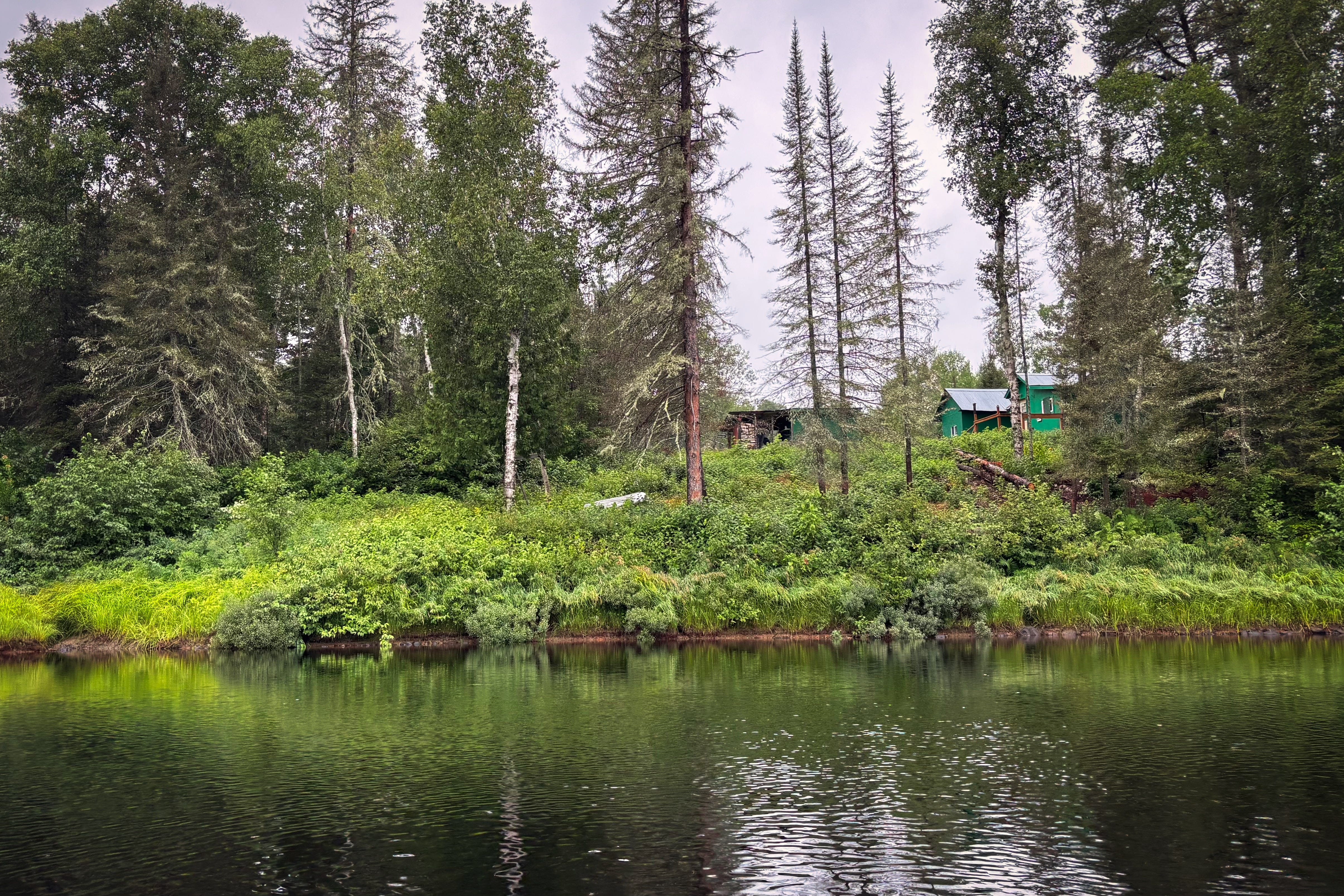
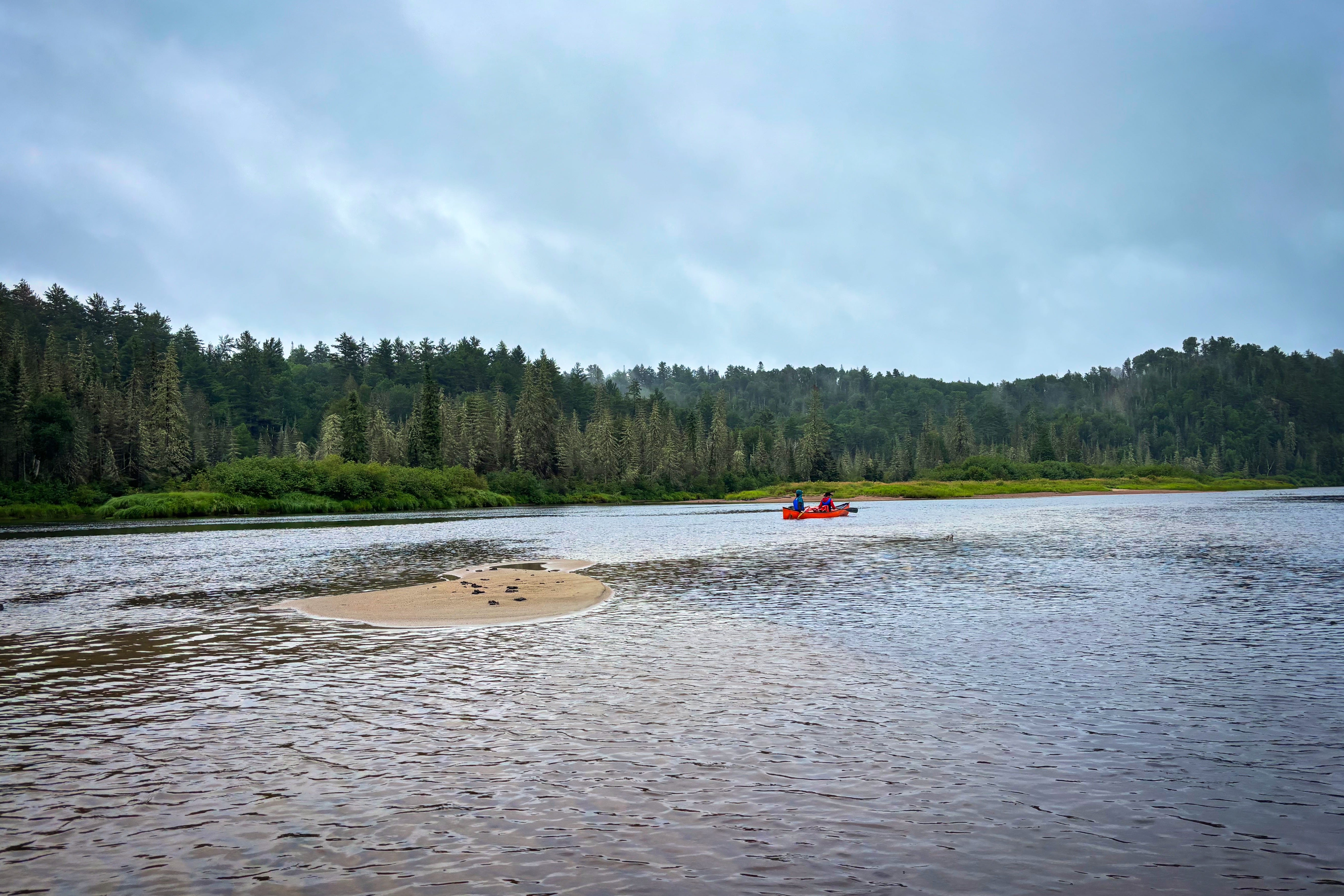
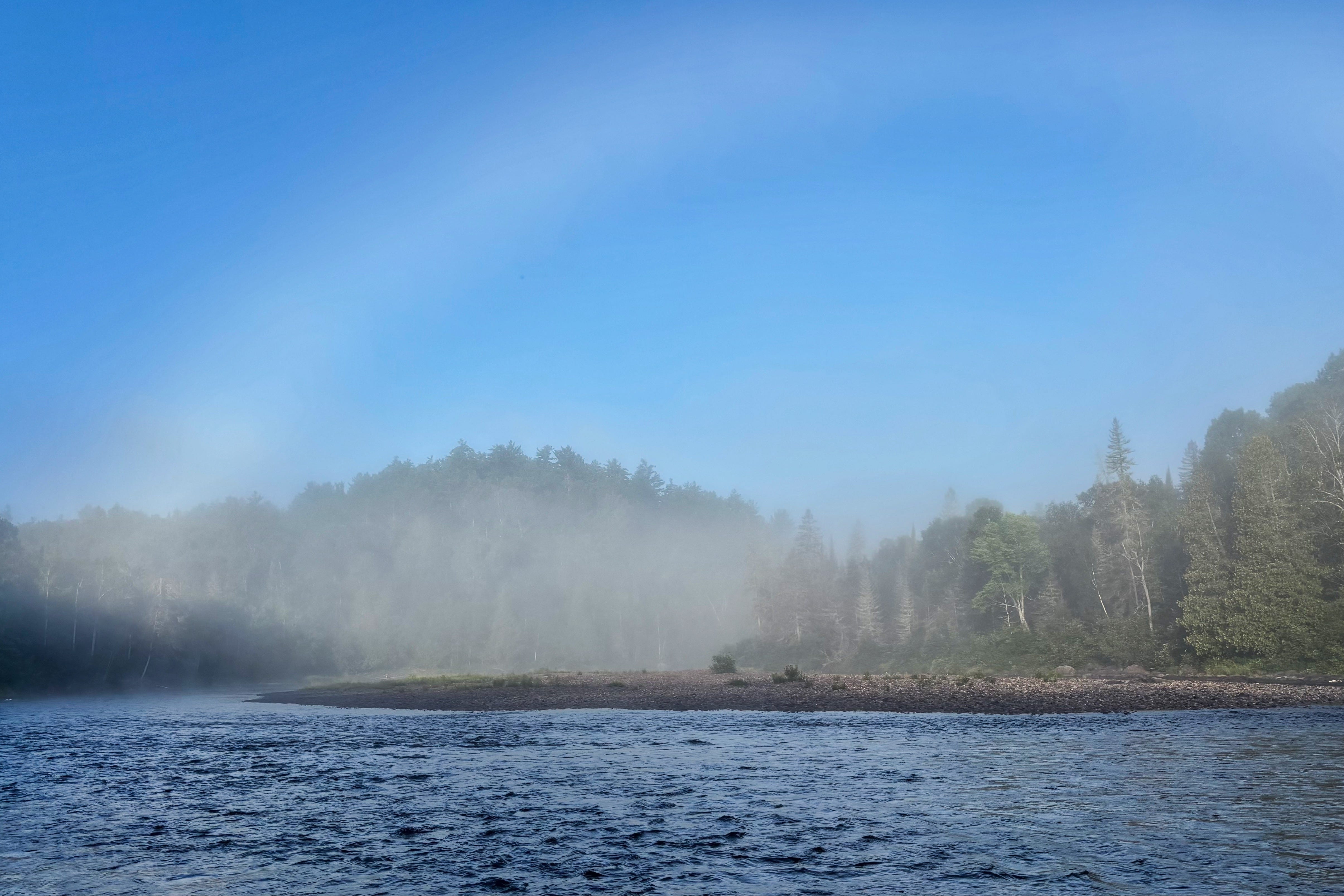
Since the river runs almost perfectly north-south, Indigenous peoples historically used it to travel from Lake Huron toward the James Bay watershed.
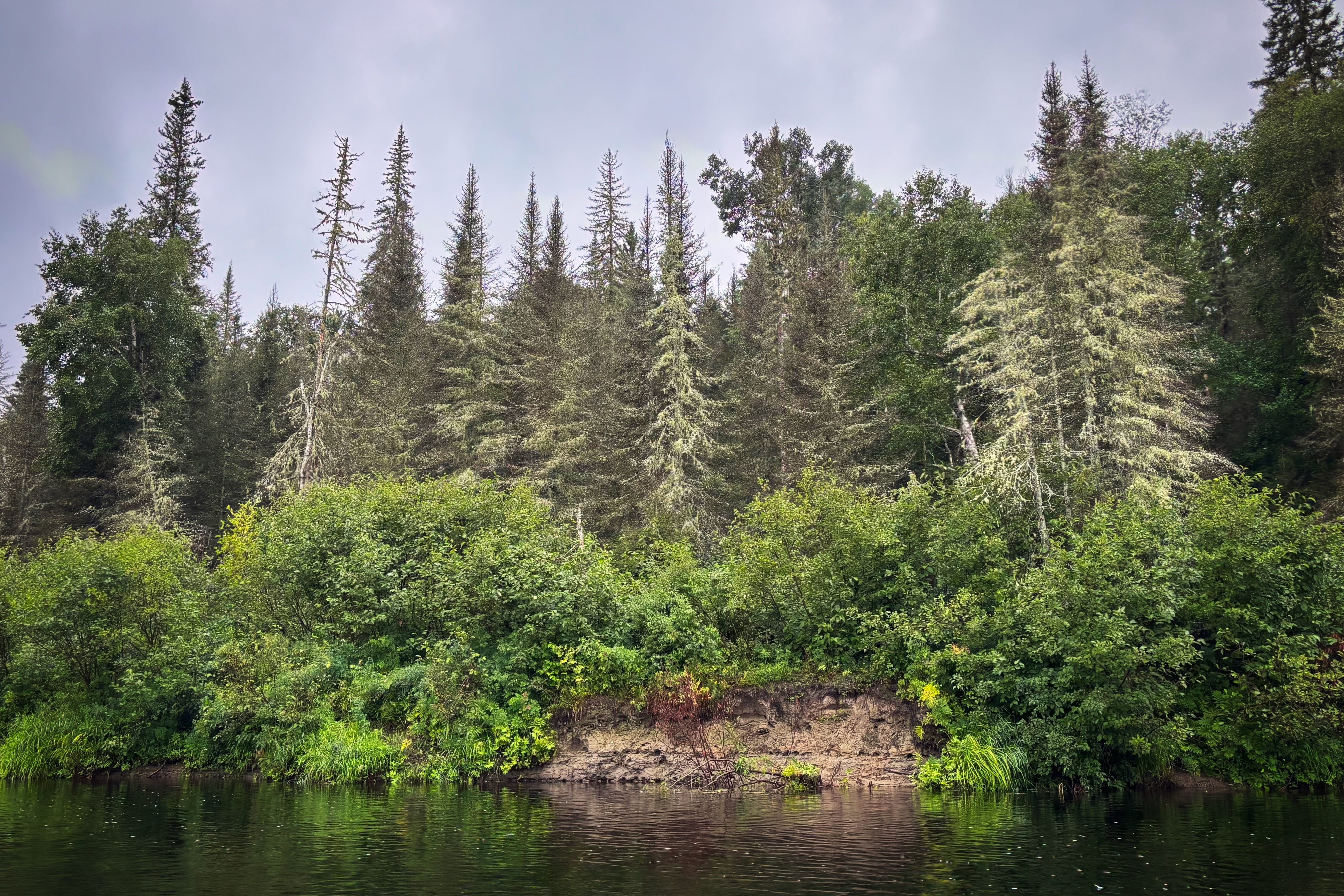
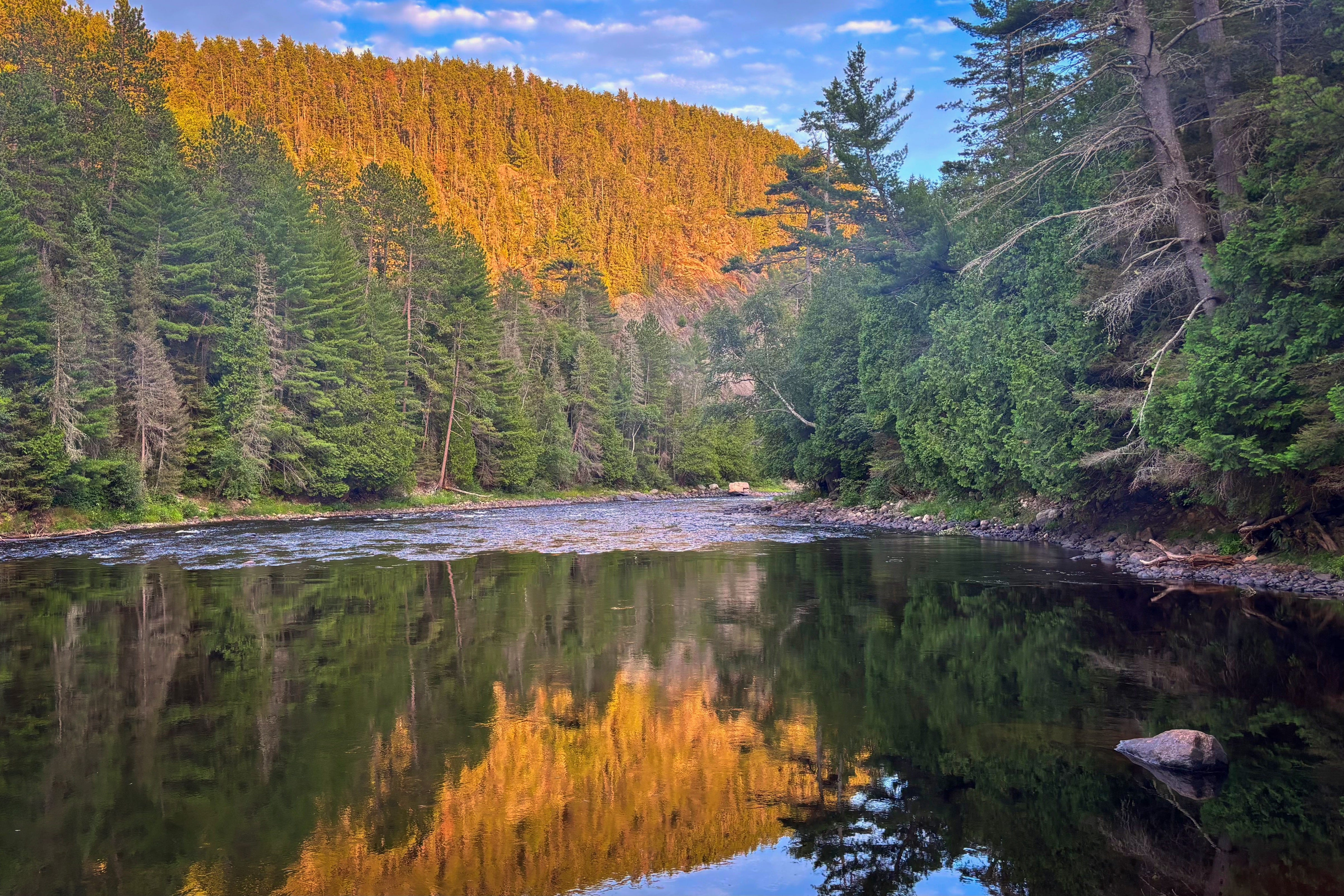
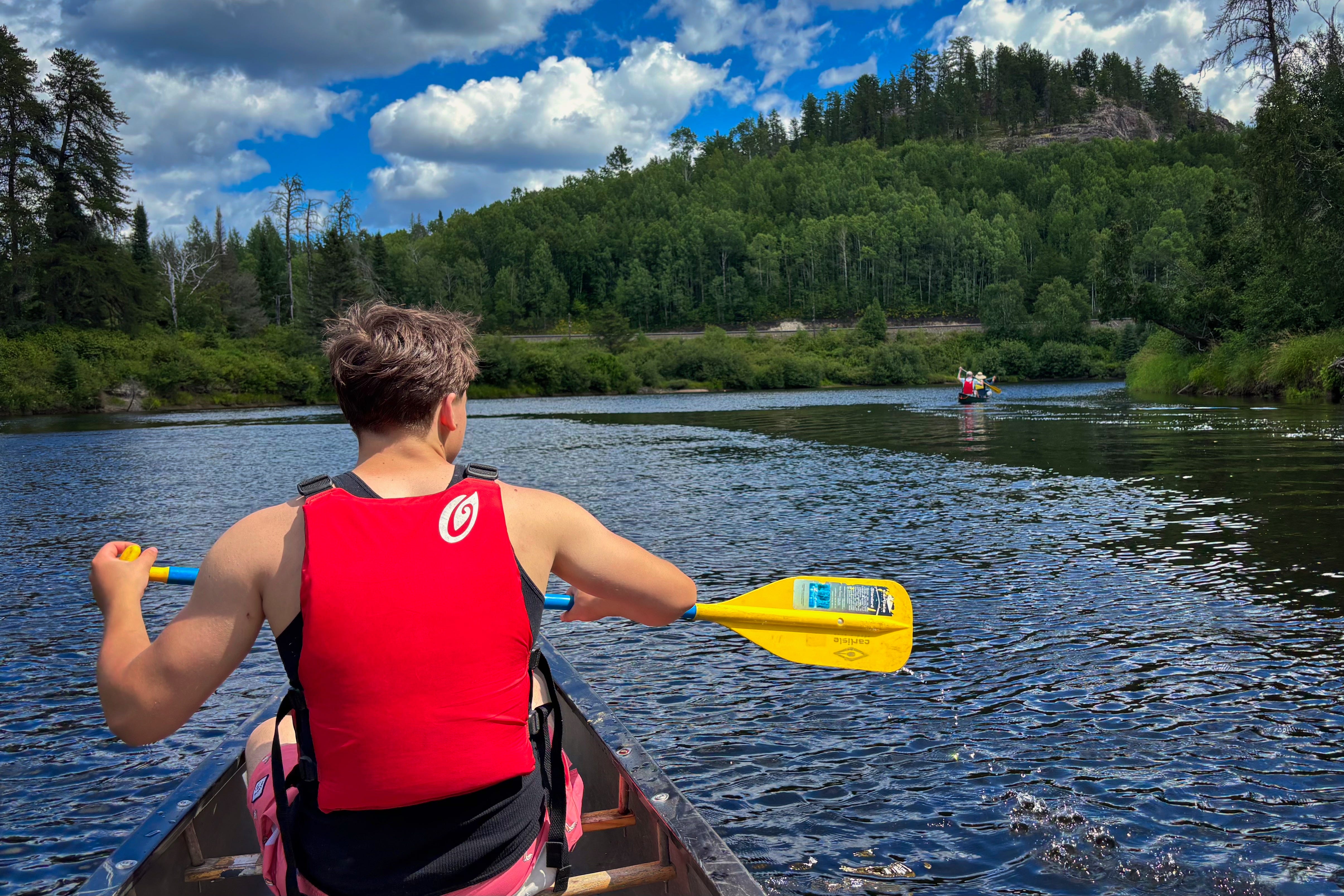
In case you were wondering why this river, so far from Spain or any Spanish-speaking people, has such a strange name, you are not alone. Legend has it that French voyageurs encountered a tribe returning from its raid in the south with a captive who spoke Spanish to his children, whom he had with a woman from this tribe. Whether it was true or not, it's impossible to prove now, so we'll just leave it there ∎.
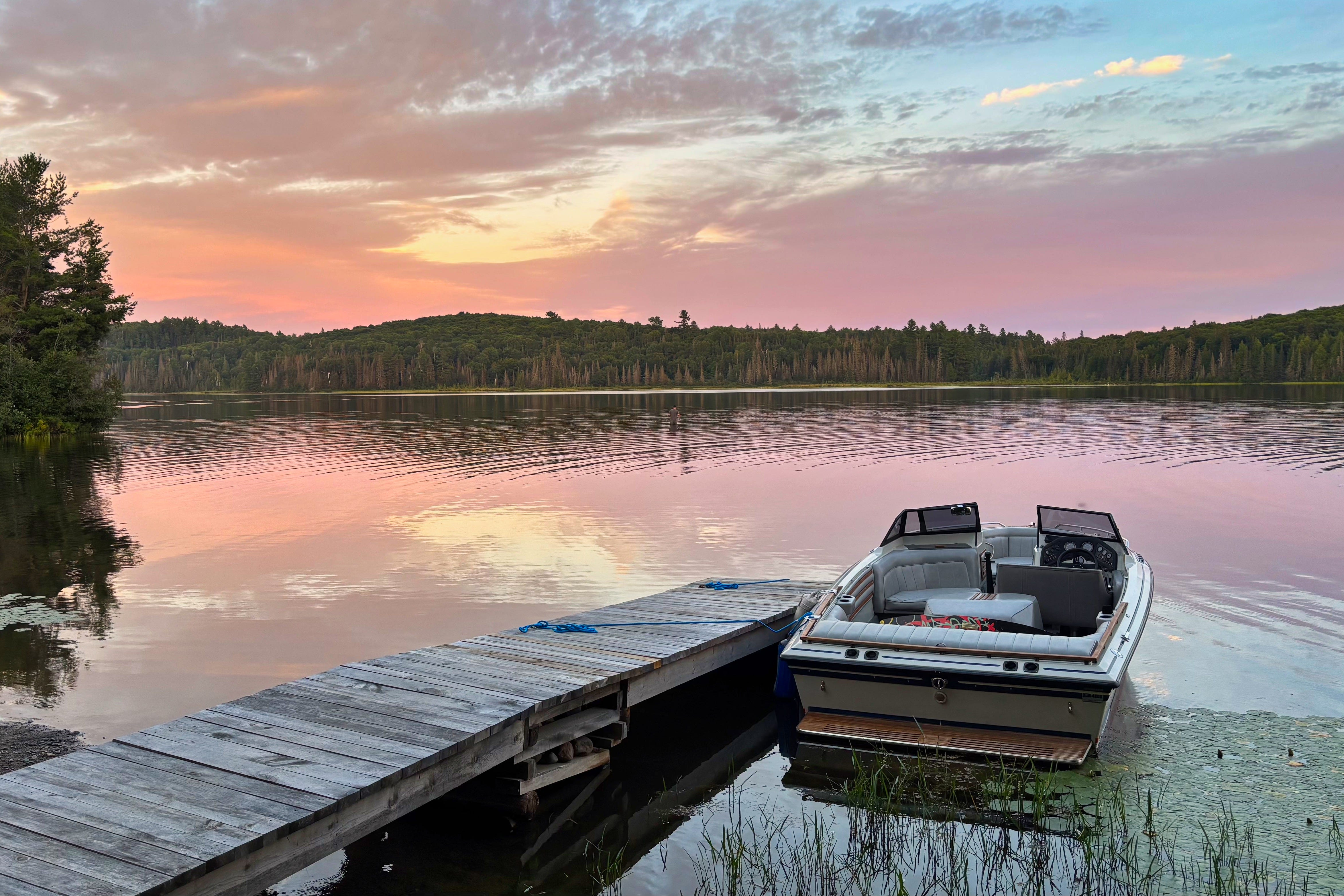
Some useful links for organizing a similar trip
Spanish River Outfitters and Fox Lake Lodge: https://www.foxlakelodge.ca/spanish-river-outfitters.
VIA Rail Canada: https://www.viarail.ca/en/travel-info/booking/buy-train-ticket.
Map of Spanish River Provincial Park by Chrismar: https://chrismar.com/products/spanish-river-provincial-park-area.
I think you could certainly get an inflatable raft into checked luggage on Amtrak. I know on my previous trip I saw boaters using the morning Amtrak to hitch a ride back up river from Prince to Hinton WV on the train. I think they deflated their raft to get it in the baggage car. I know there is a company called Oru that makes these folding kayaks. They fold down to carryon size. But I don’t think Amtrak would accommodate a rigid 14 foot canoe. What a cool thing that Via does!
This is awesome