Last Ferry to Boston’s Peddocks Island
A ferry journey through Boston Harbour and camping on its most historic island

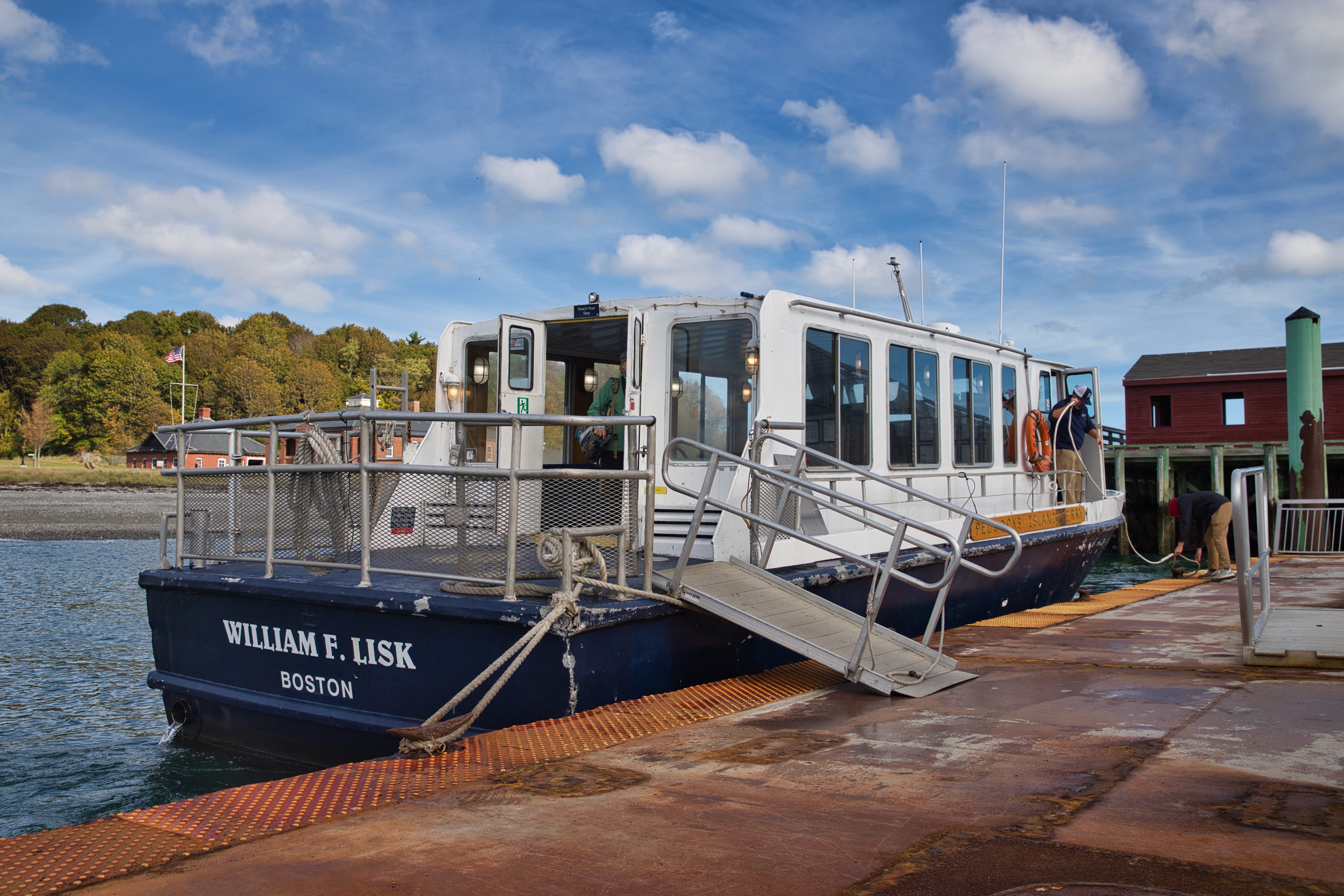
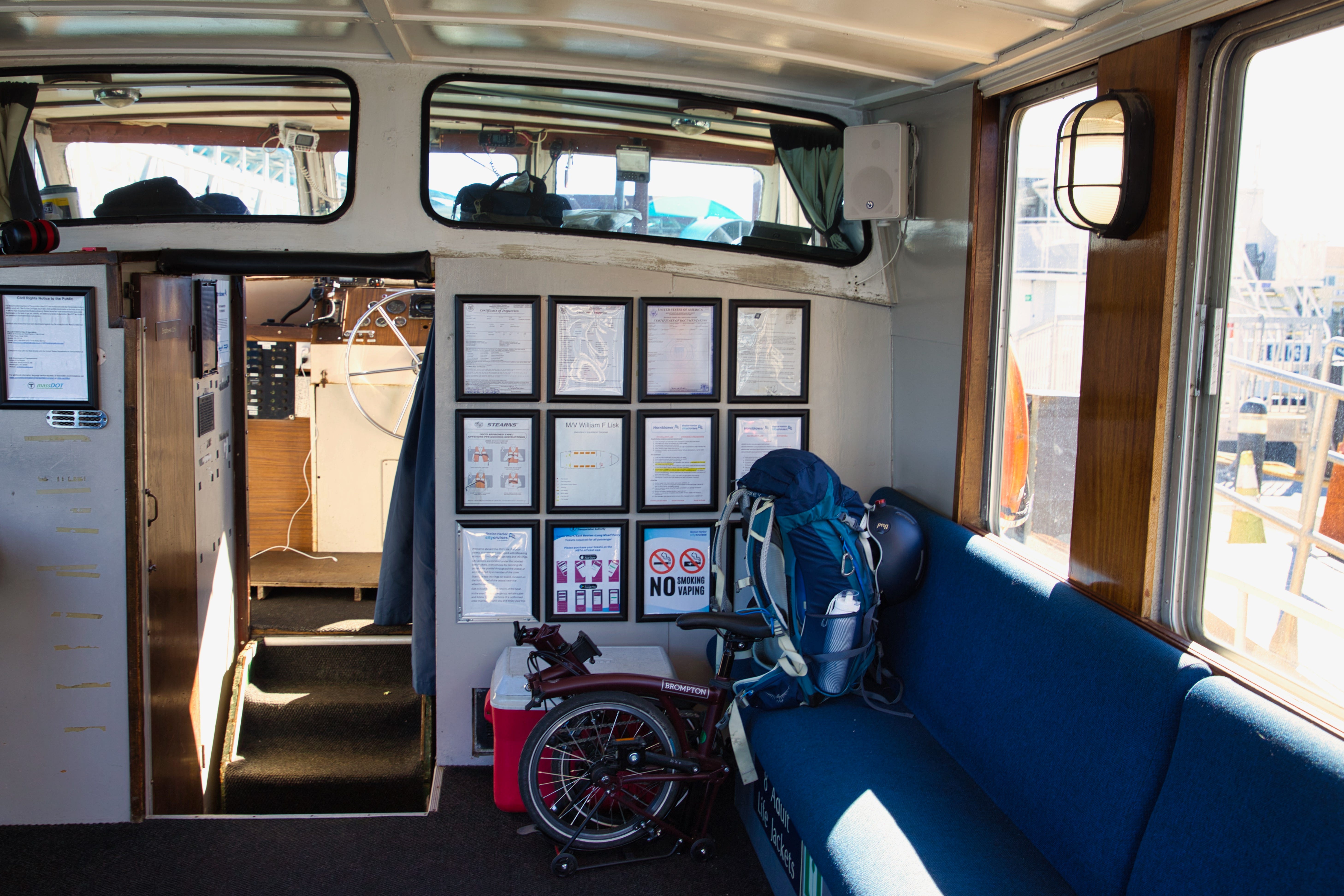
My ferry bound for Peddocks Island was scheduled to depart Hingham at 2:30 pm. It’s already 2:35, and I’m still the only passenger on the boat. Suddenly, I hear loud laughter from a group of six young people, mostly girls, who keep saying “sorry” and blaming heavy traffic, first to the ferry staff and then to me. I don’t mind. It’s a beautiful sunny day in October, the ferry ride is short anyway, and getting to the island ten minutes earlier makes no difference to me. The group has brought a lot of stuff, probably enough for a week, I think to myself, but I’m too curious not to ask. “No, just one night,” they reply, laughing, obviously realizing how ridiculous they look with their bedroom duvets, pillows, and oversized plush toys. They can be forgiven, since this isn’t truly backcountry camping. Most people park right at the shipyard and carry their stuff onto the ferry in a minute or so. Once on the island, there are carts you can borrow to take your gear straight to your campsite.
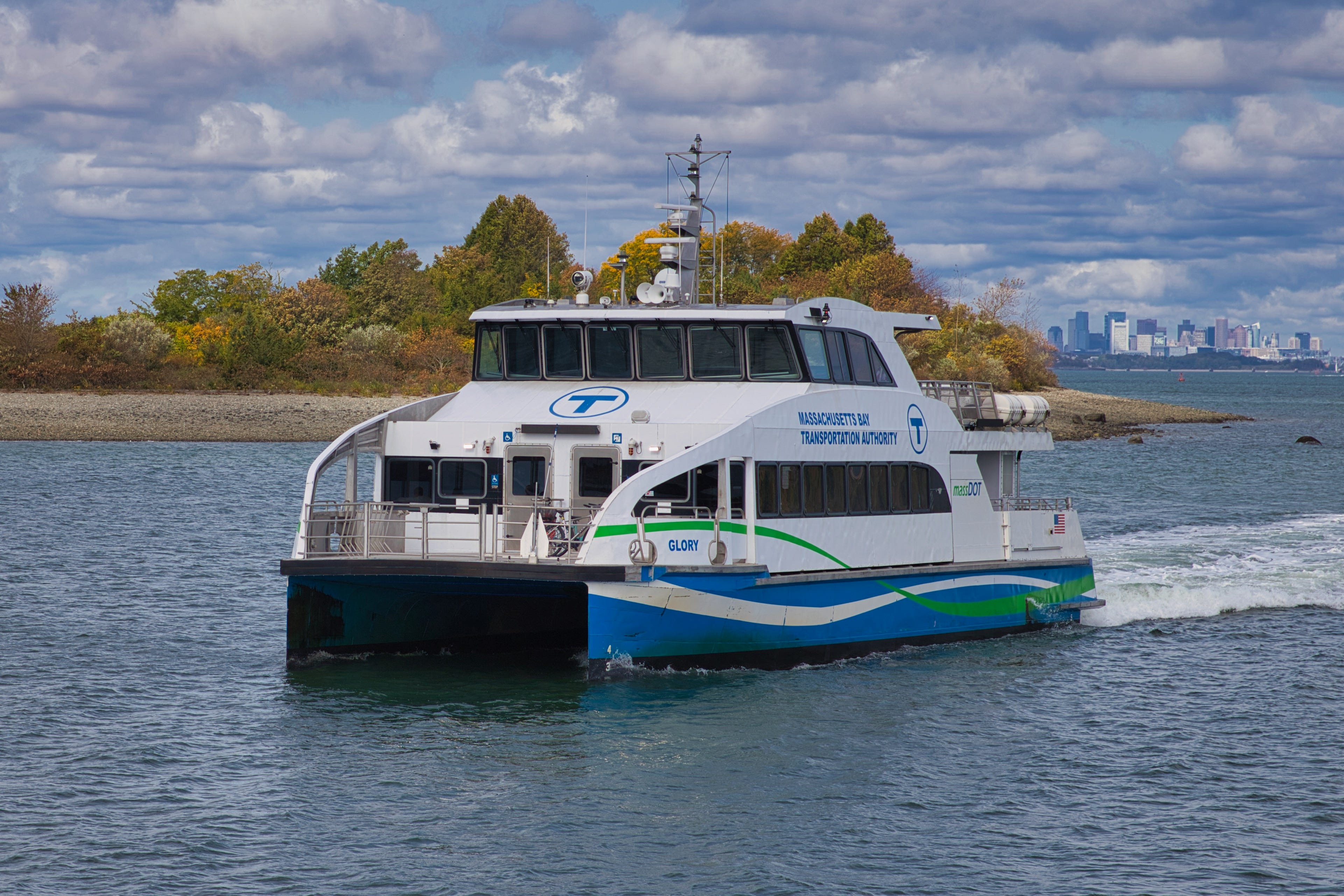
Sitting right on the Atlantic Ocean with an expansive natural harbour, Boston has an interesting ferry service, both seasonal and year-round, run by the Massachusetts Bay Transportation Authority, or MBTA for short. Ferries are one of the best ways to see Boston and its recognizable skyline, but it’s not only tourists who take them. In fact, many people commute to work by ferry, and in many ways it makes more sense than taking a train or driving.
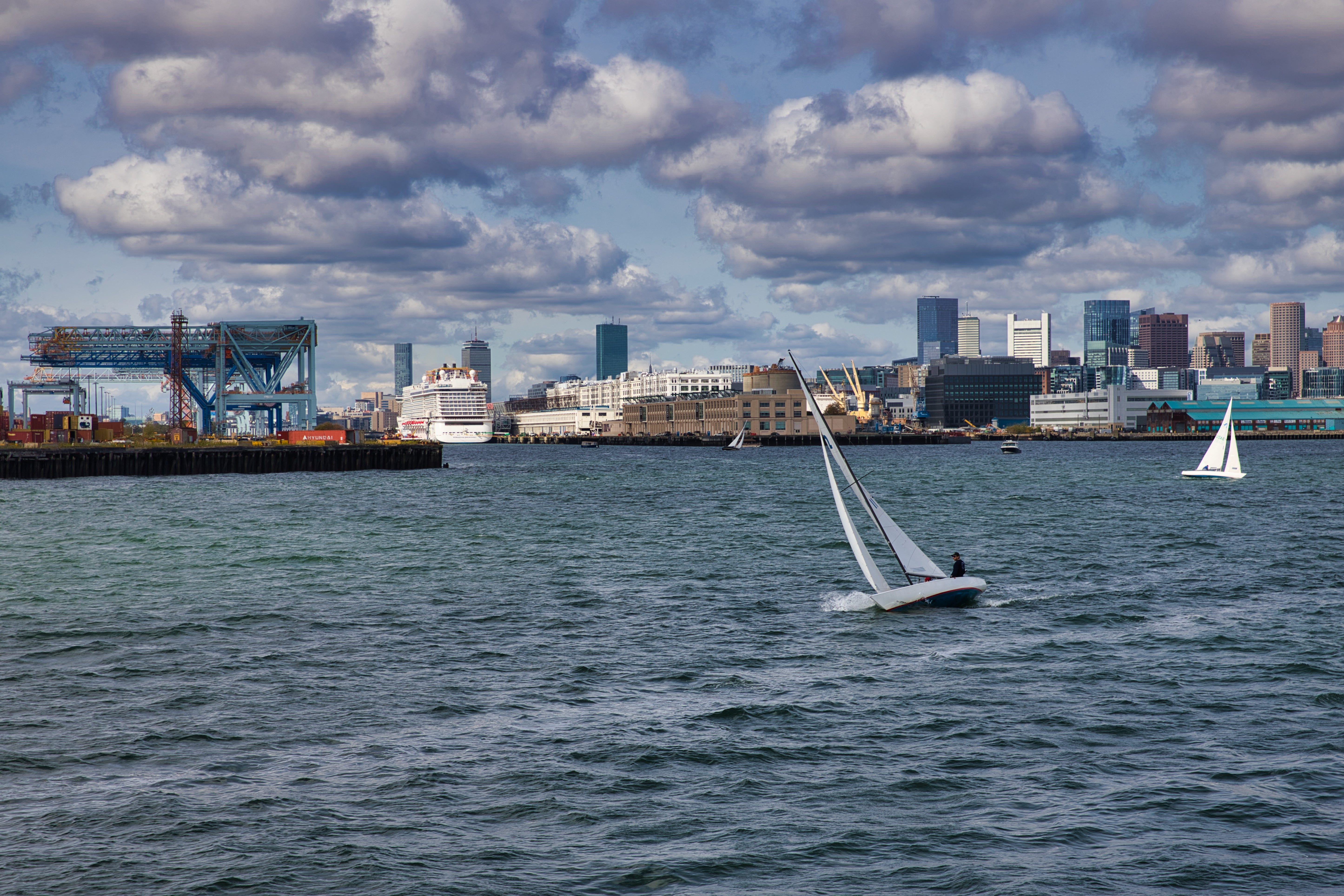
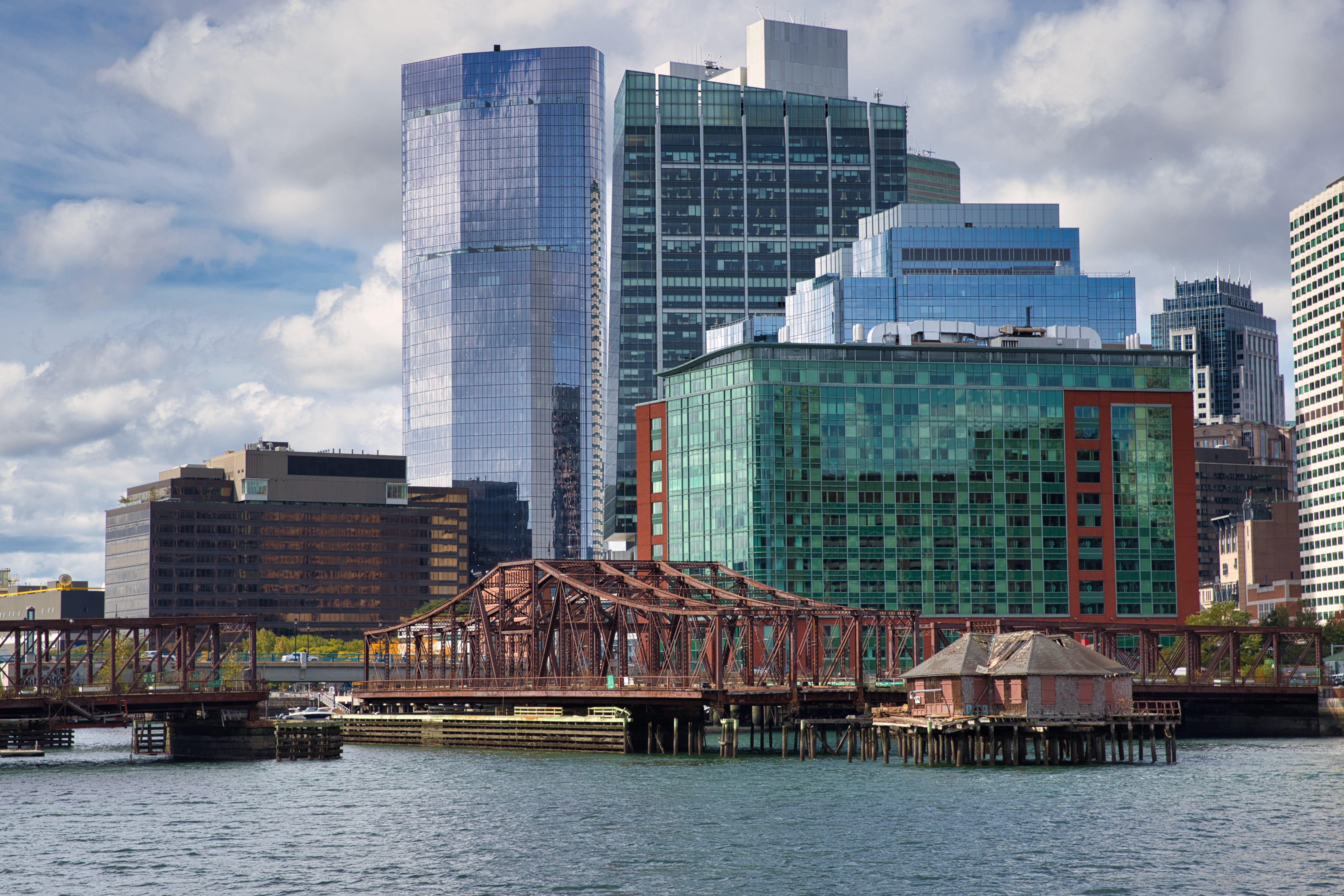
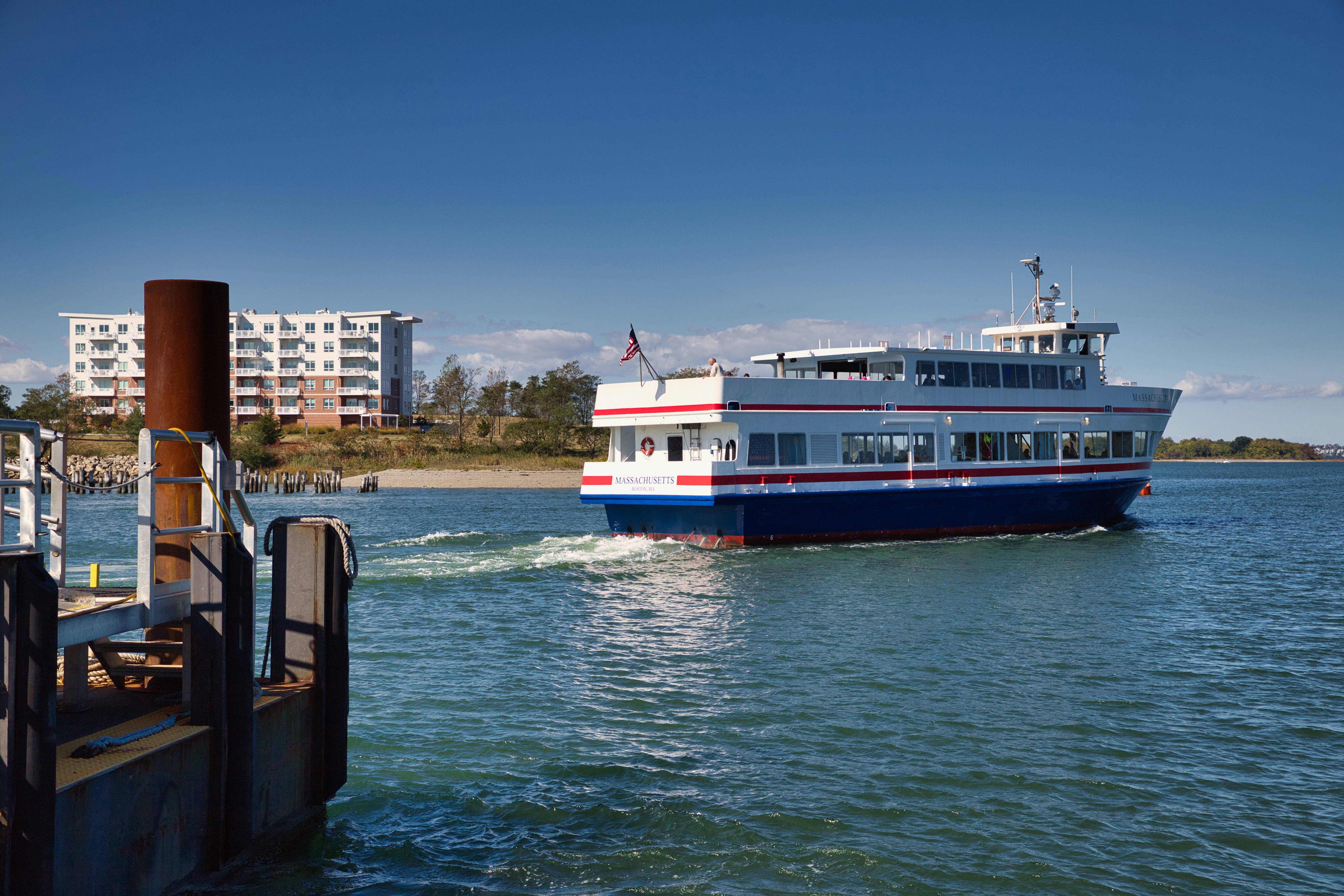
While waiting for my ferry at Hingham, I overheard a conversation between an older gentleman and a woman at the ticket office. It was around 2 pm on a Saturday, and he was trying to get to Boston Logan Airport for a domestic flight at about 5 pm. If I were him, I would be sweating that far from the airport, but he was chill and cracking jokes. Not surprisingly, he still had a few ferry options, including a direct boat to the airport.
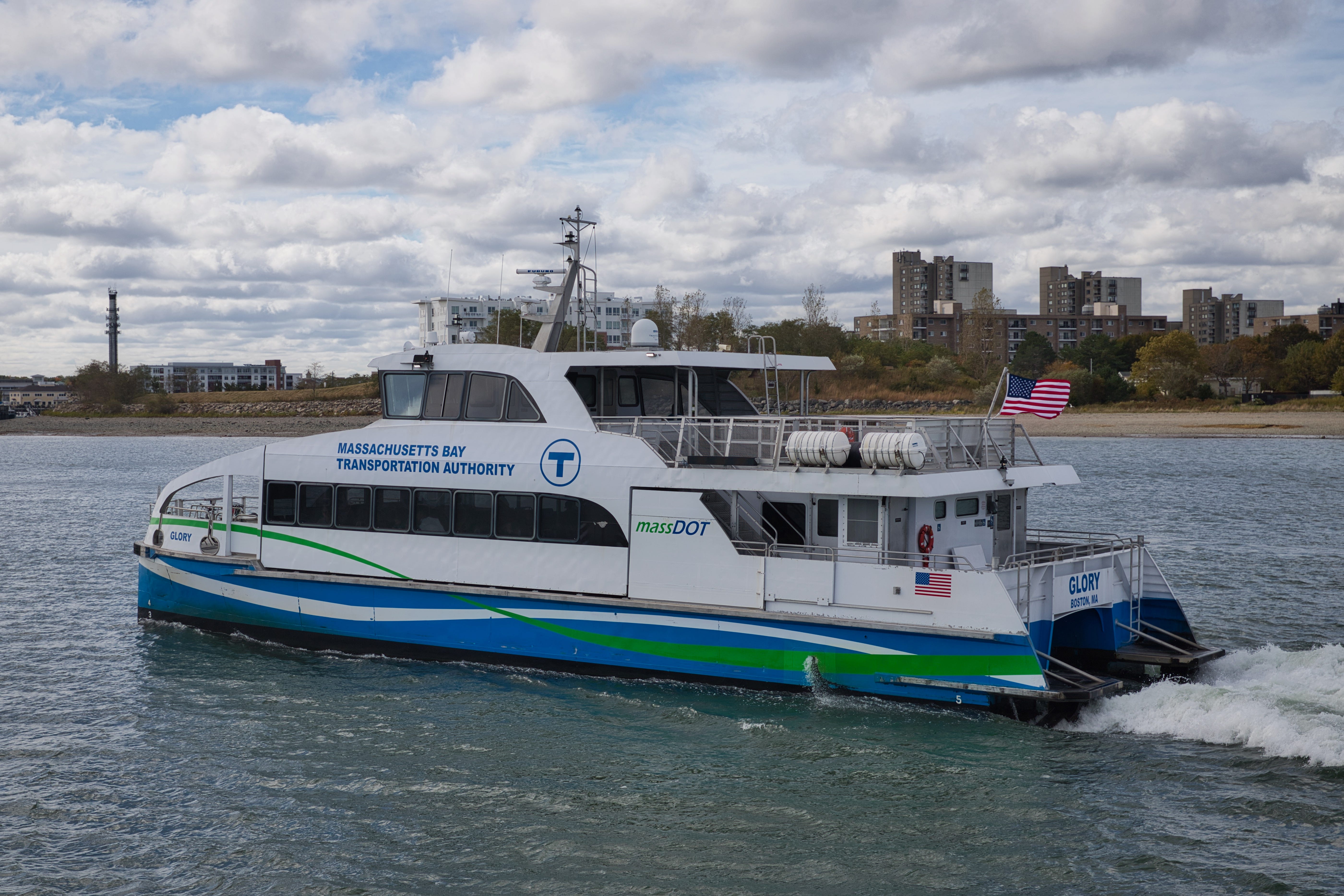
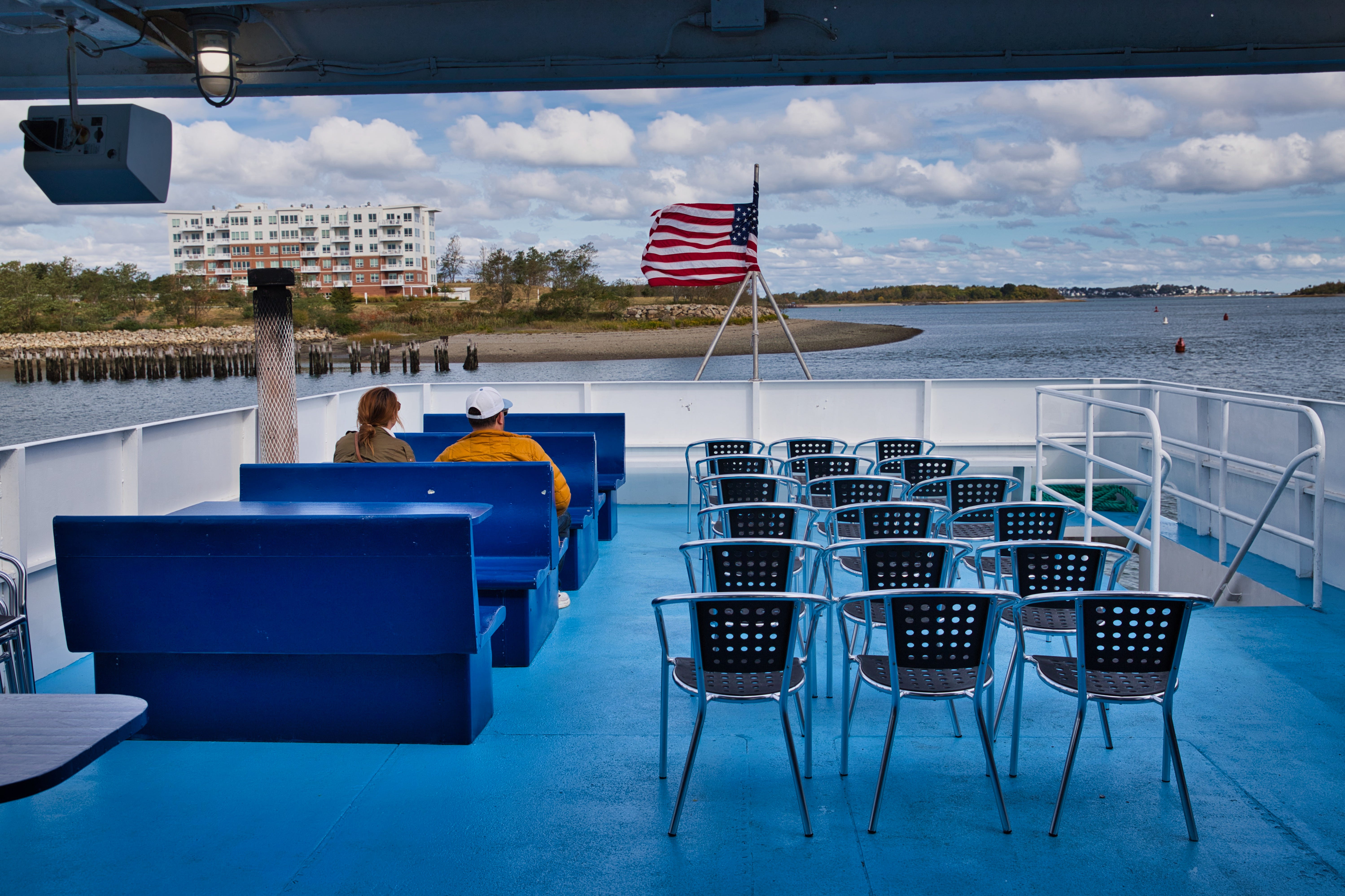
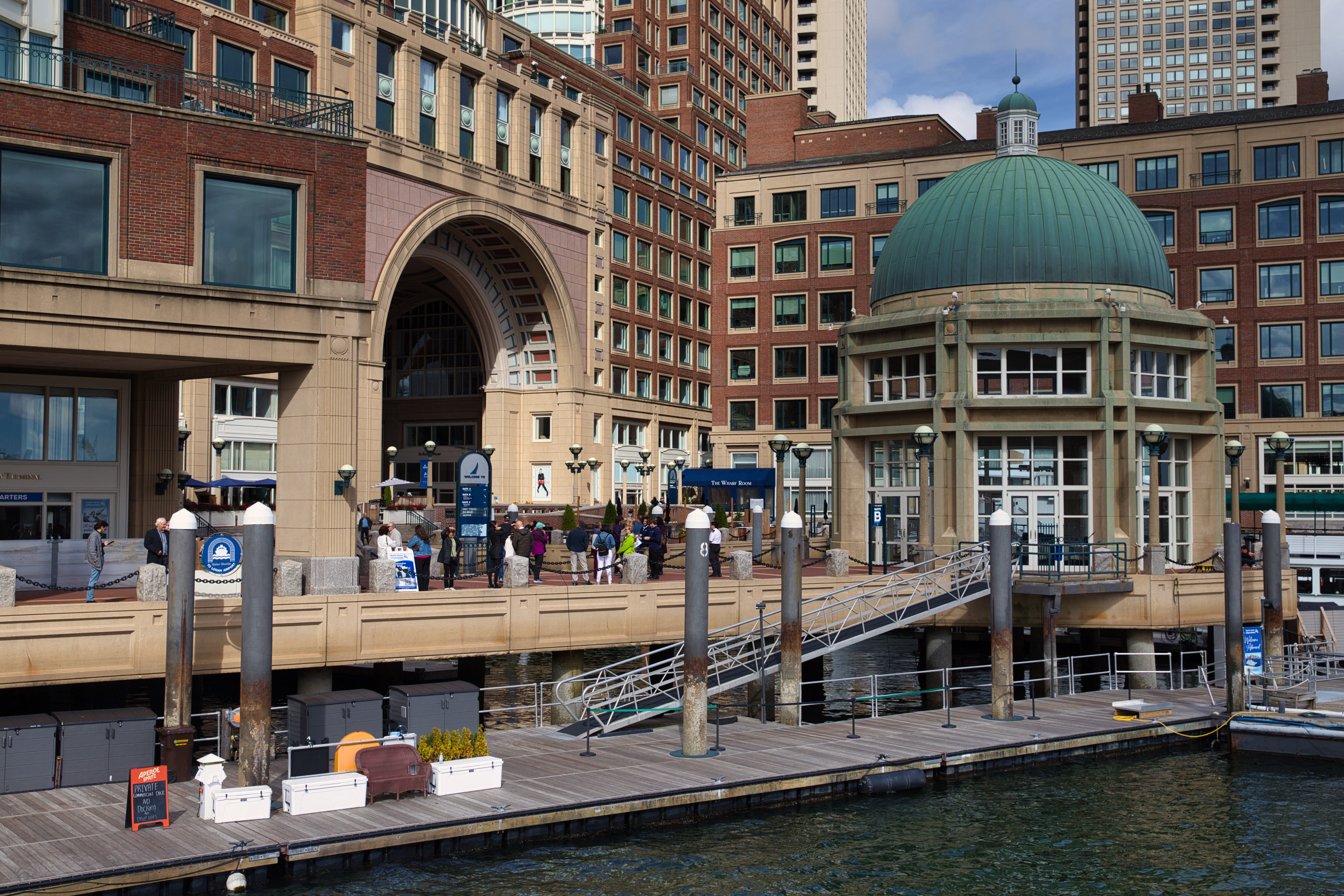
What I love about trains and ferries in general, and Boston is no exception, is that they drop you right in the city centre. The two main ferry terminals are both on Atlantic Avenue, within a short walk of the New England Aquarium, Little Italy, Haymarket and many other places people want to go.
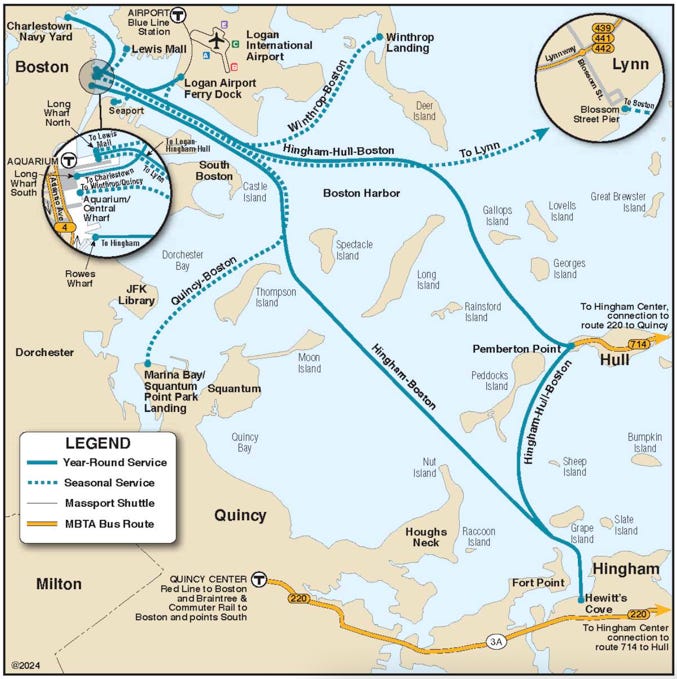
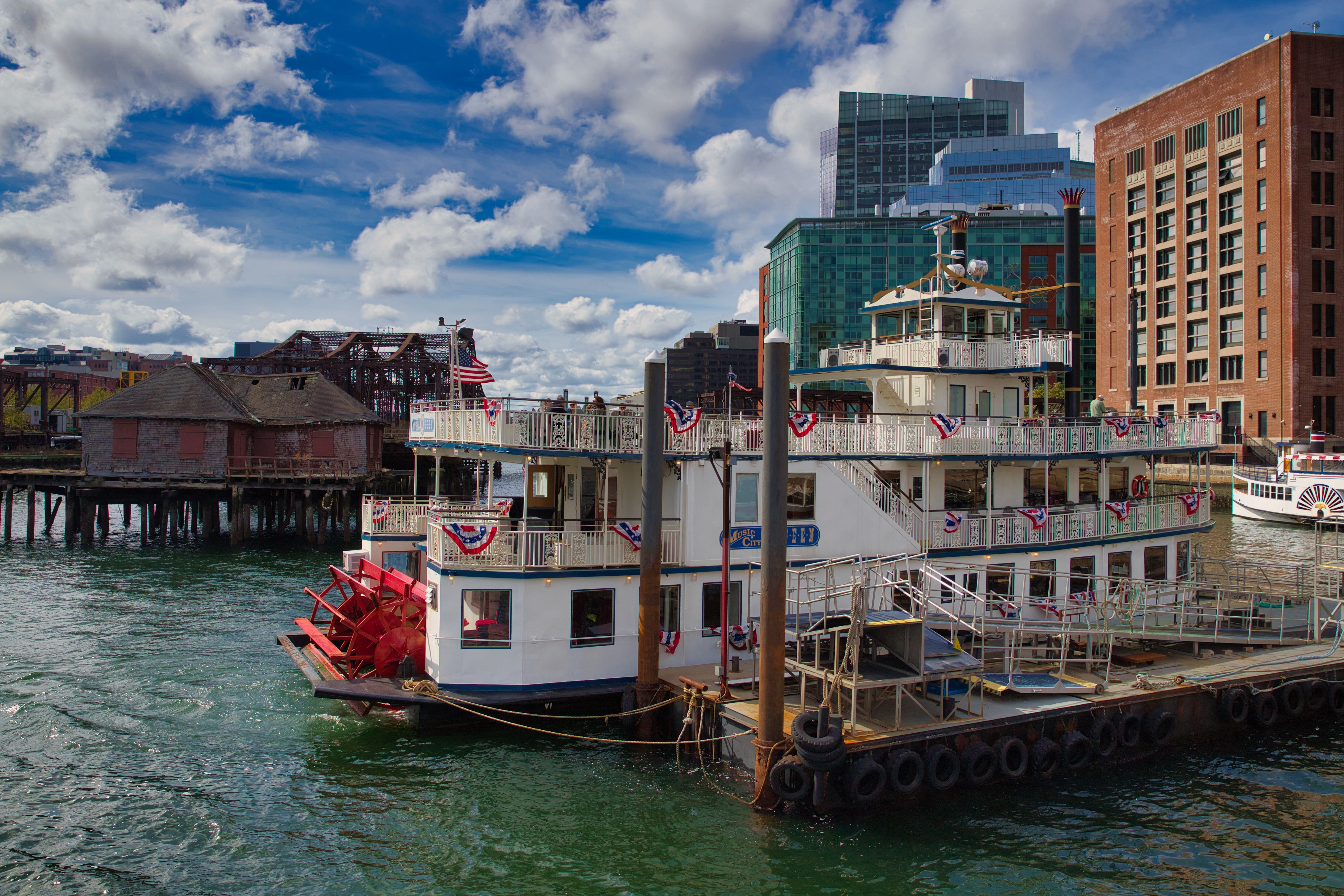
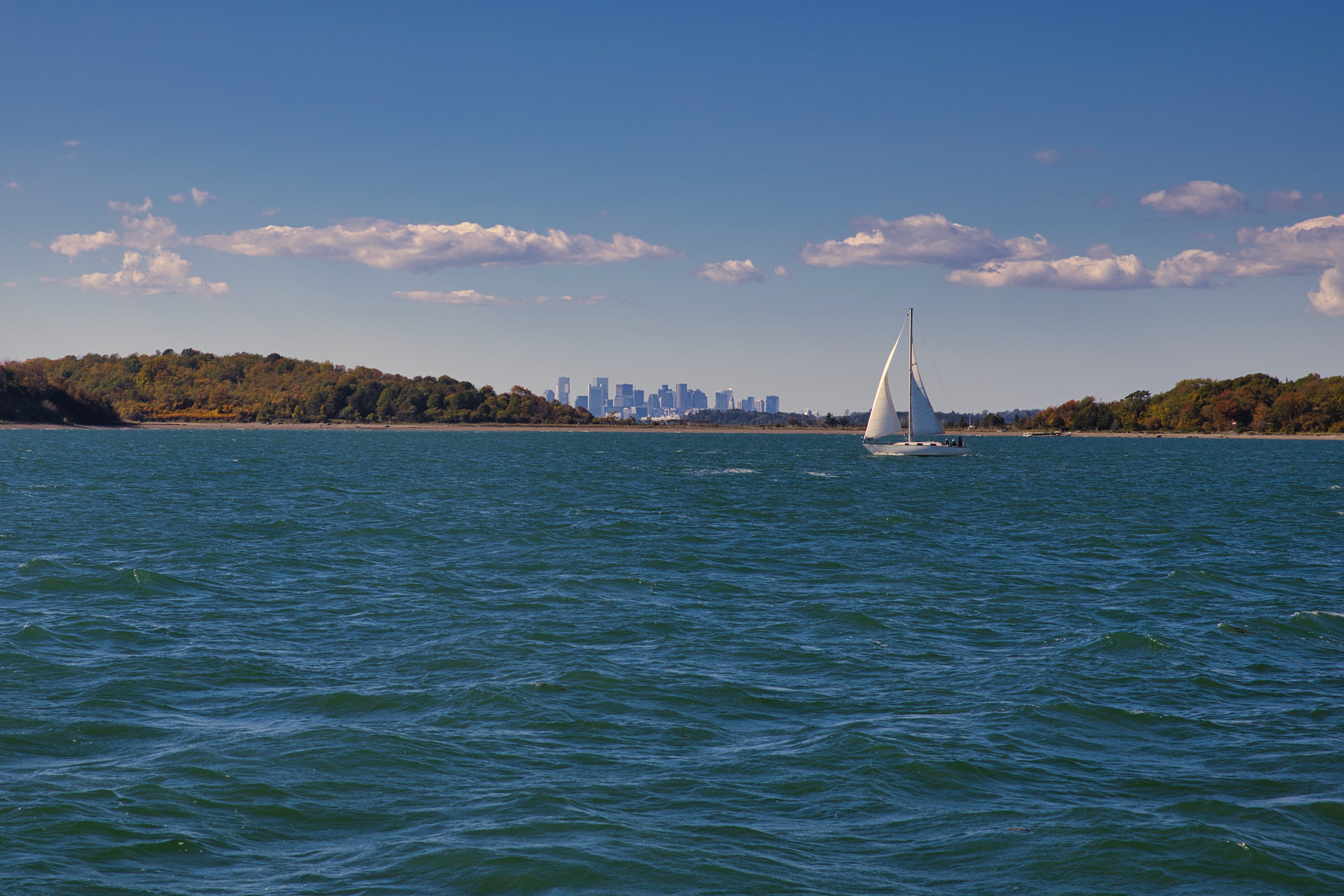
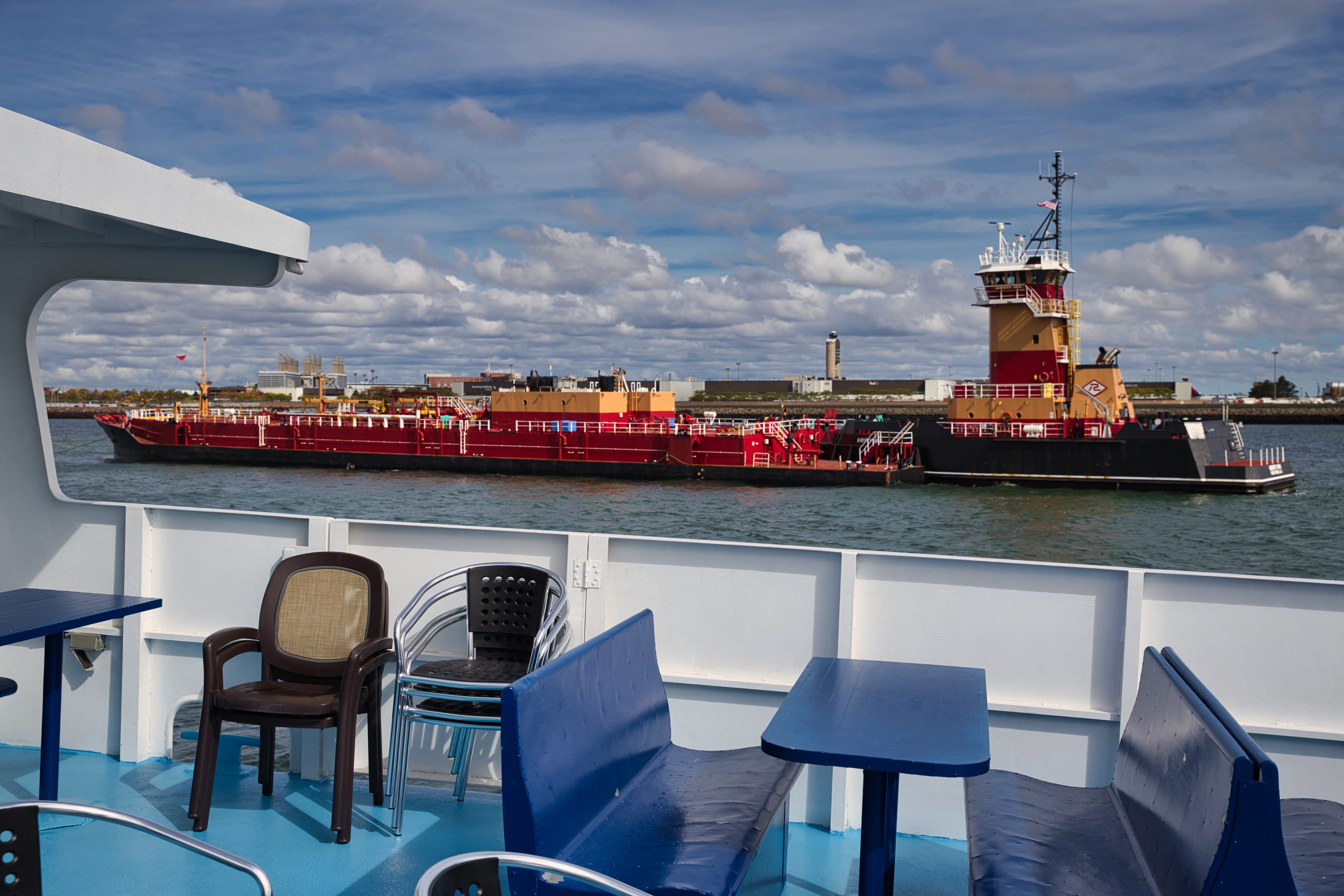
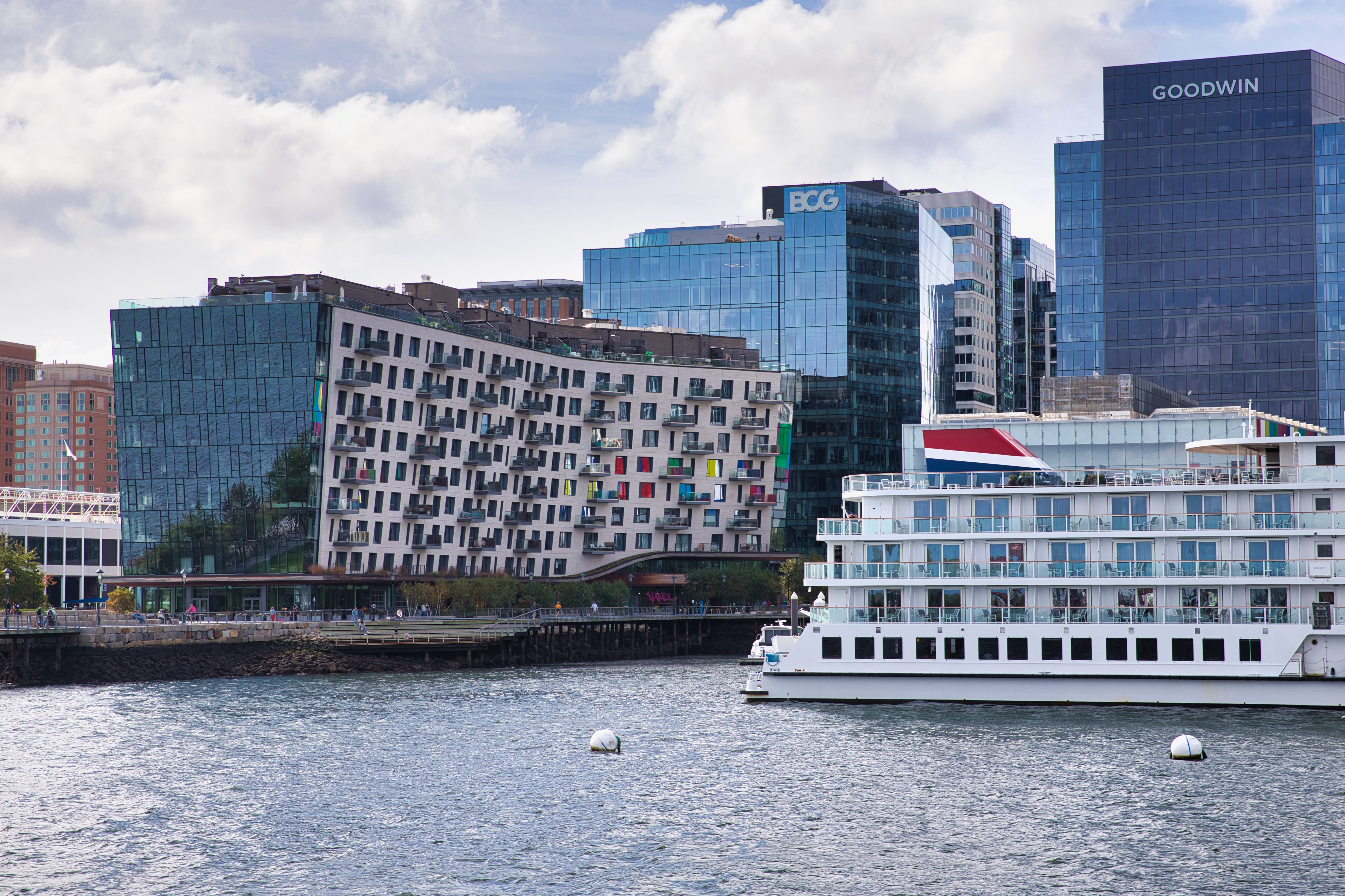
And speaking of views, the ones from a ferry are spectacular! Coming from Hingham to Boston, you pass shore communities around Quincy; Spectacle Island, with its visitor center and beloved beach; Fort Independence, one of the oldest continuously fortified military sites of English origin in North America, dating back to 1634; the Seaport, a revitalized neighbourhood buzzing with new condos, fancy cafes and restaurants; and Logan Airport.
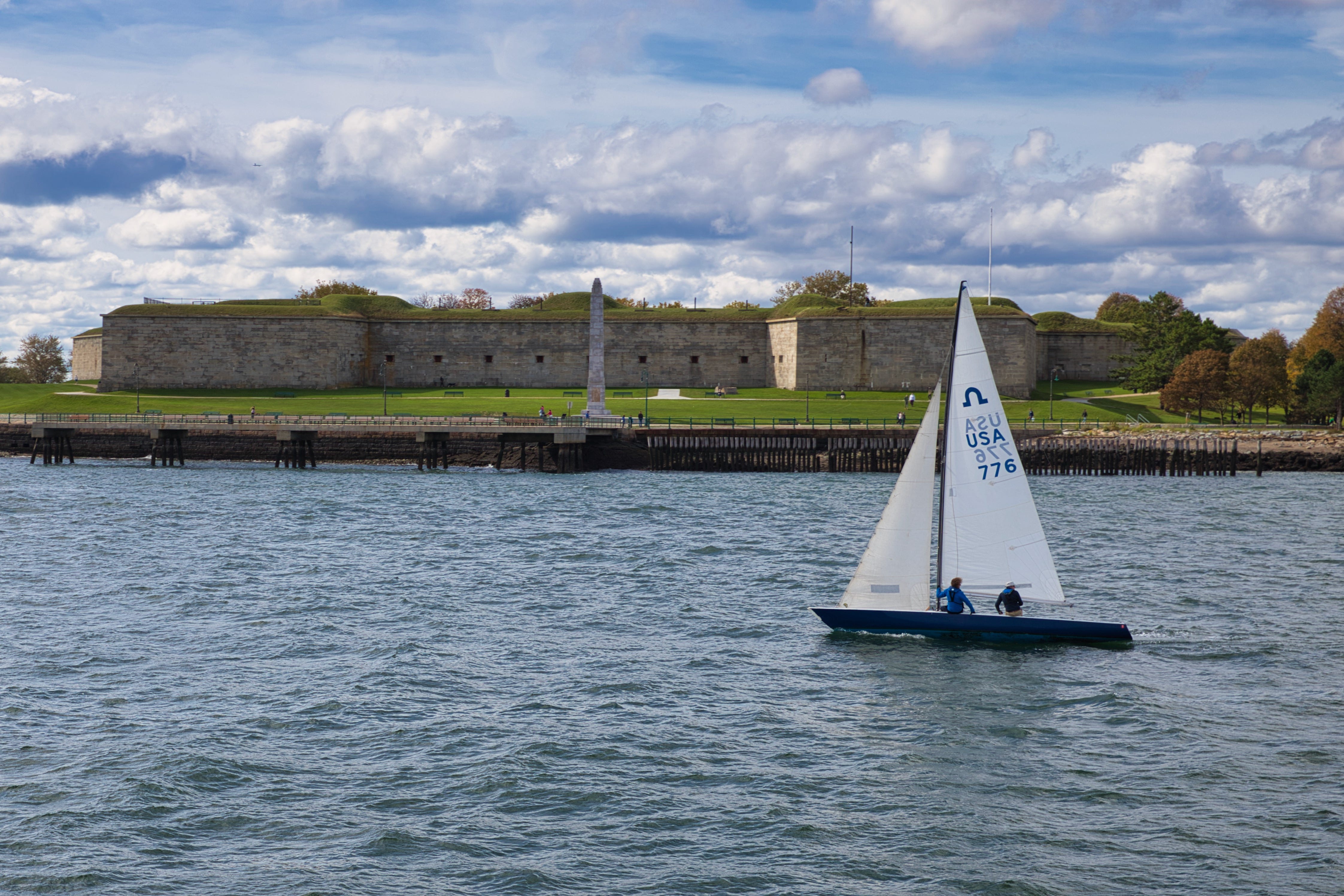
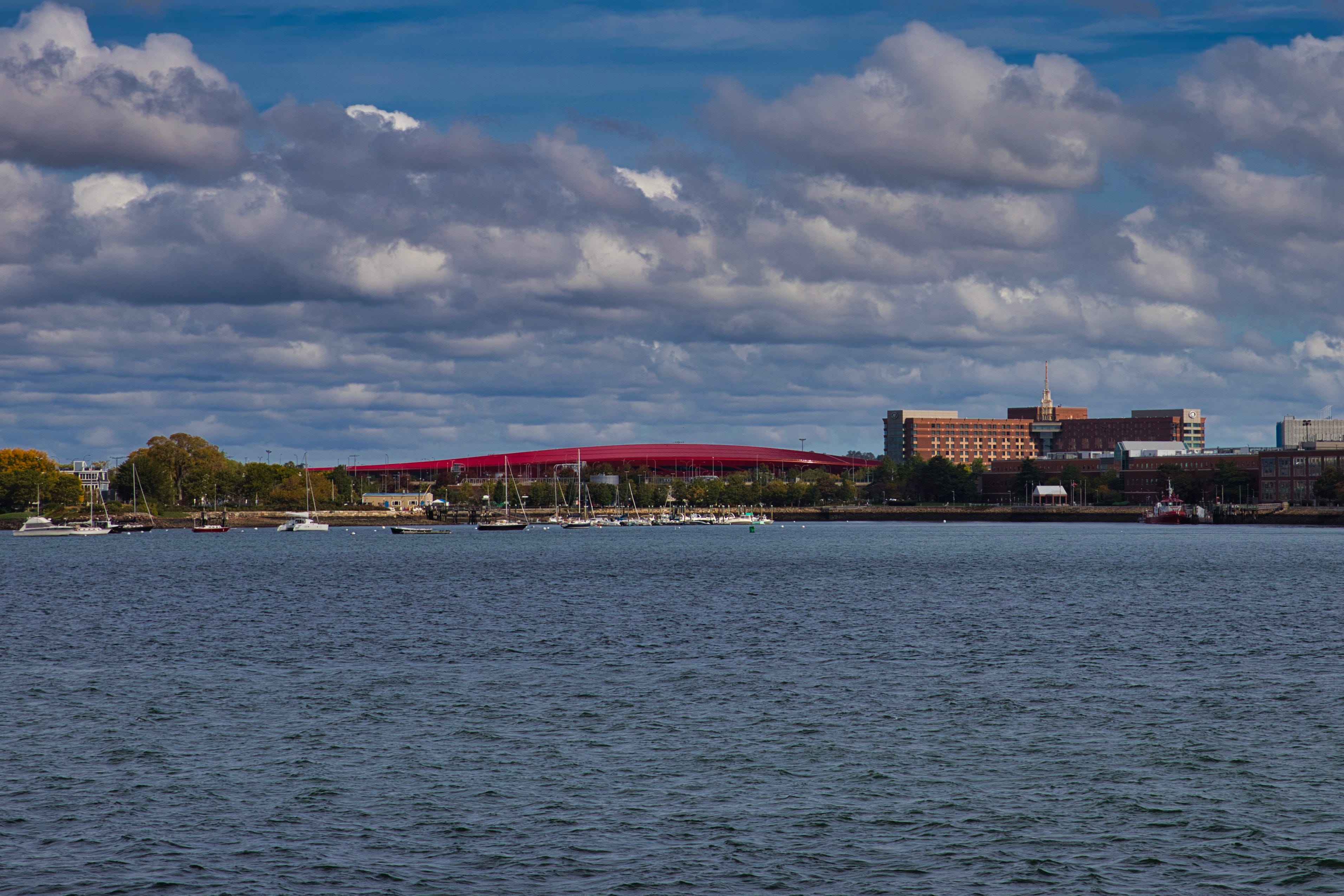
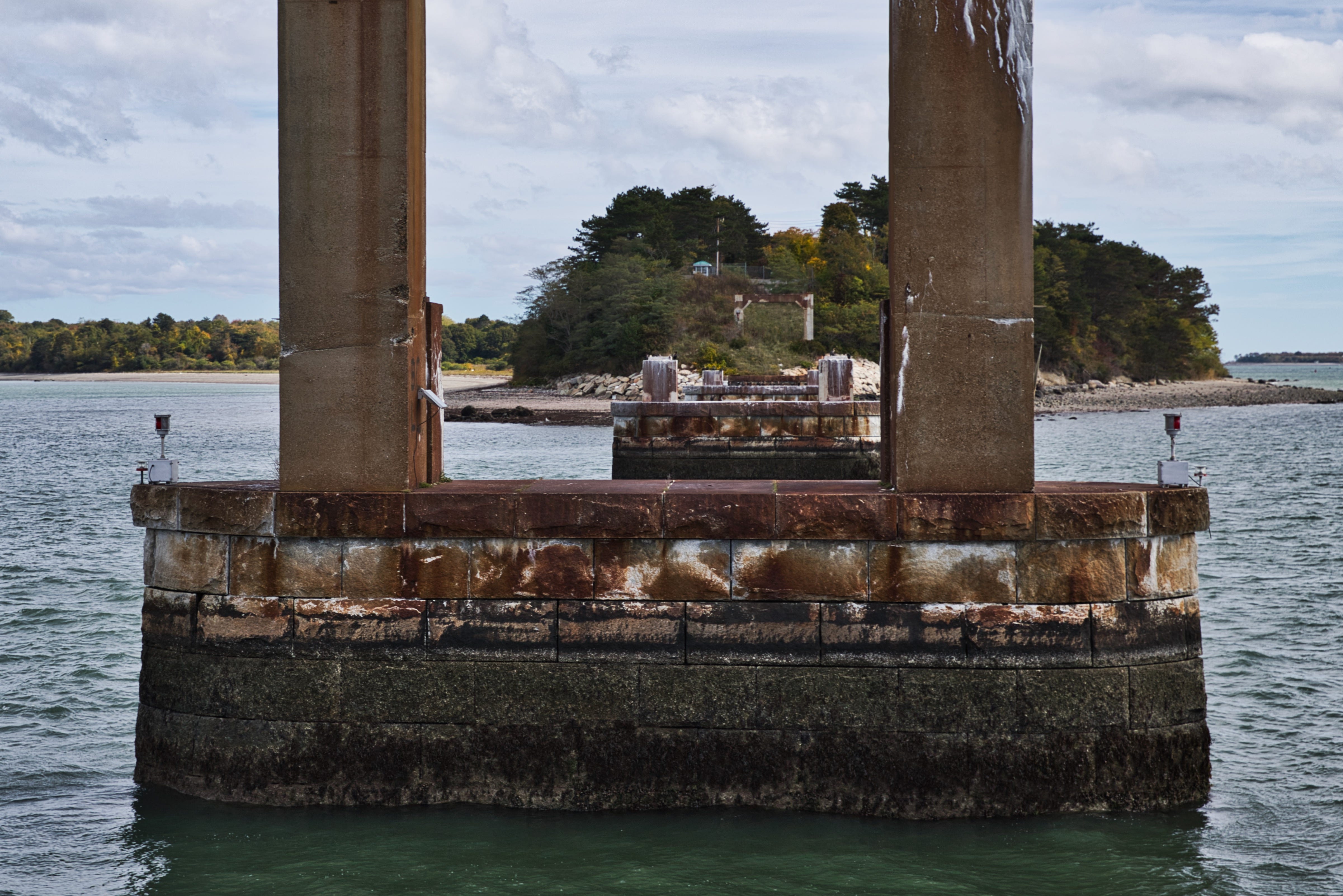
About halfway through the journey, you can’t miss the concrete structures standing in the water. These are the remaining support piers of the Long Island Bridge, which connected Moon Island and Long Island from 1951 to 2014. It was the only road link between Quincy and Long Island’s homeless shelter, hospital, and addiction recovery facilities. The bridge was closed due to safety issues and has not reopened since, mostly because of legal and permitting issues in Quincy.
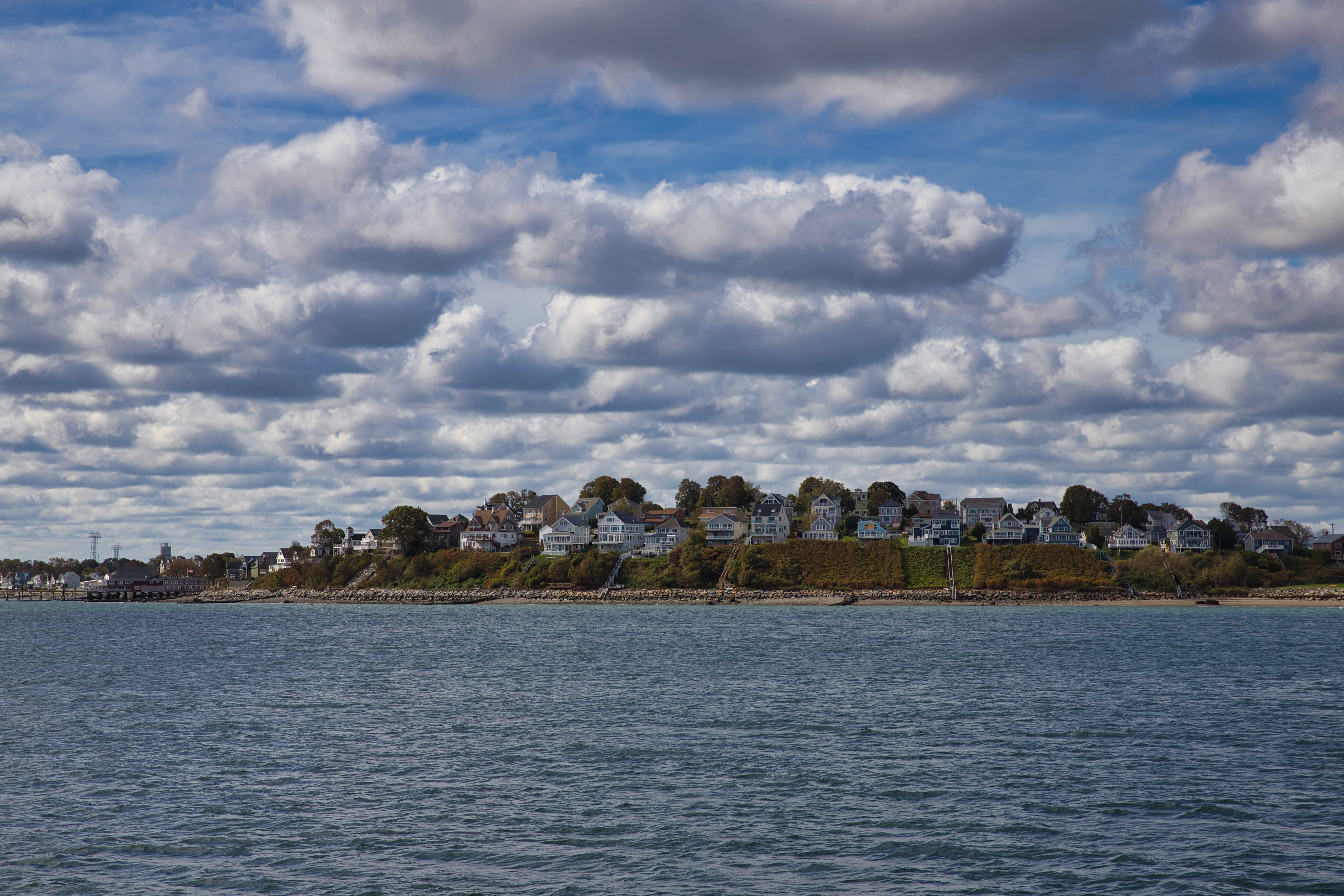
Back to Peddocks Island, which has a fascinating history. Boston is one of the most important ports in the US, thanks to a safe harbour sheltered by numerous islands that form a natural breakwater.
A British exploration party under Captain Myles Standish sailed into the harbour on September 29, 1629. In 1634, the island was granted to Charlestown, Massachusetts, for keeping cattle, which is exactly what it was used for over the next 140 years.
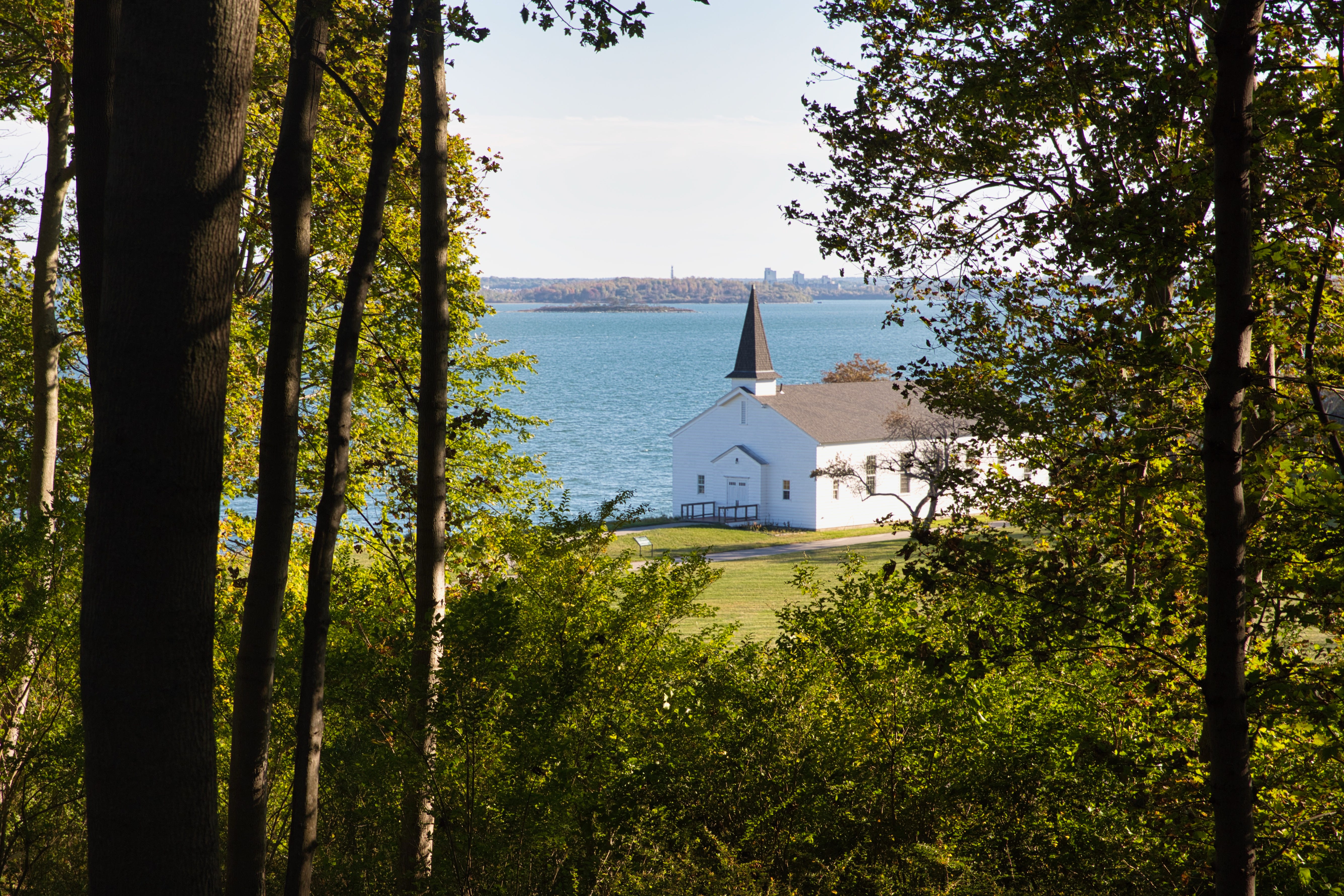
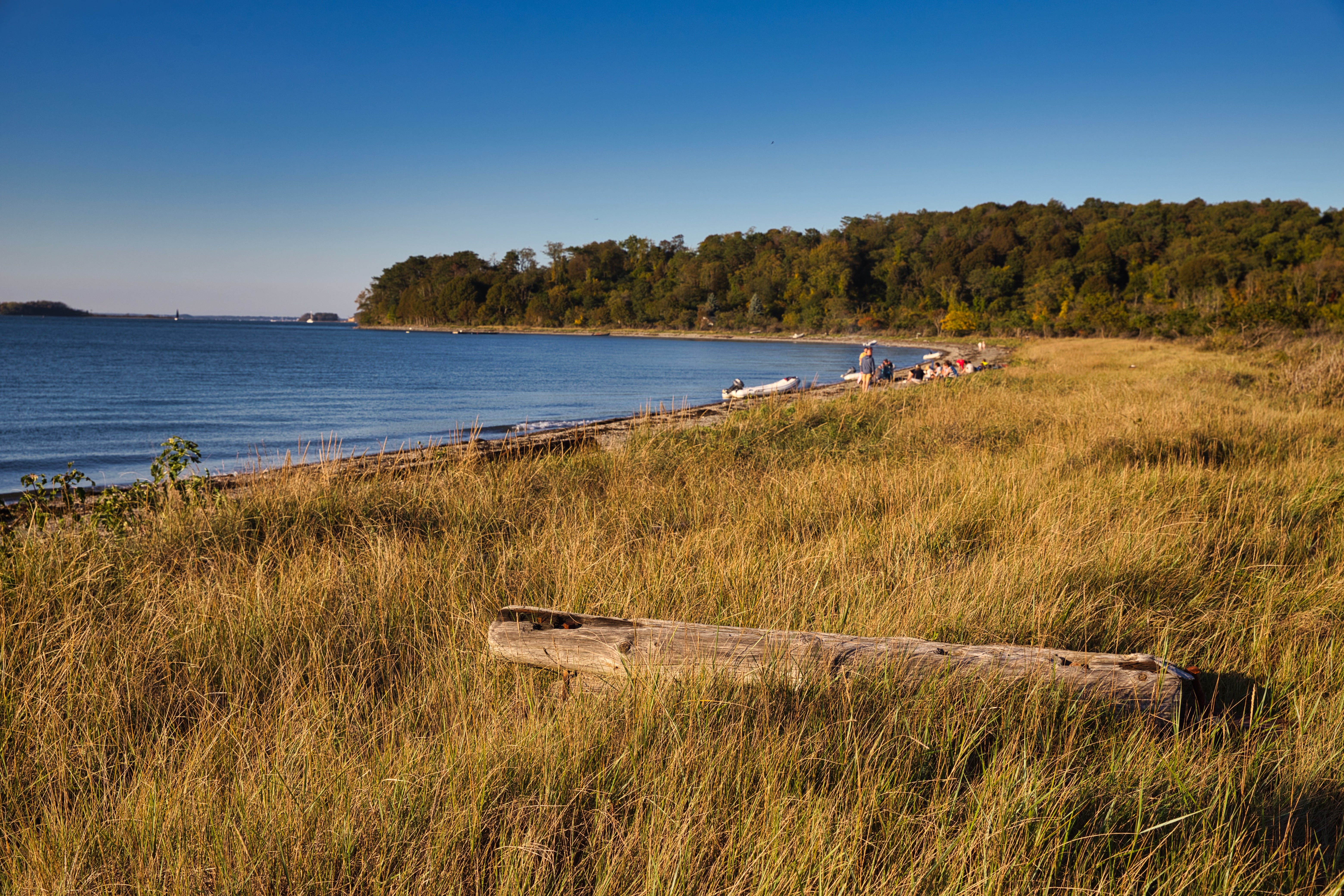
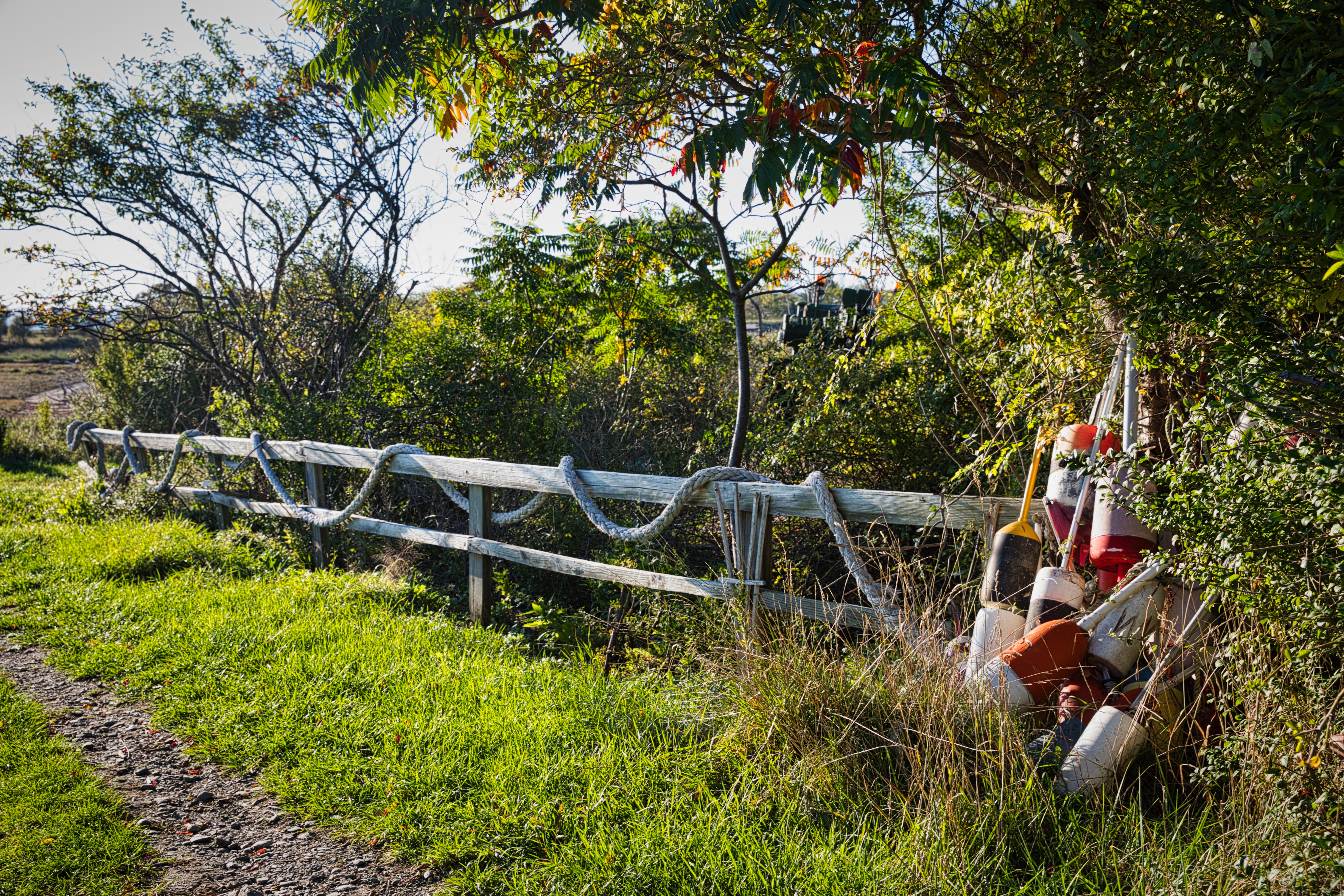
In May 1775, the island’s fate changed when it became an important point for American infantry protecting the harbour entrance from the British. In 1776, 600 militia from Boston encamped there to guard the same entrance. Fast forward to 1897, when the Andrew Estate transferred the island’s eastern end, called East Head, with its natural high bluffs, to the United States for fortification. The US was becoming a world power and needed to protect one of its main cities from invasion.
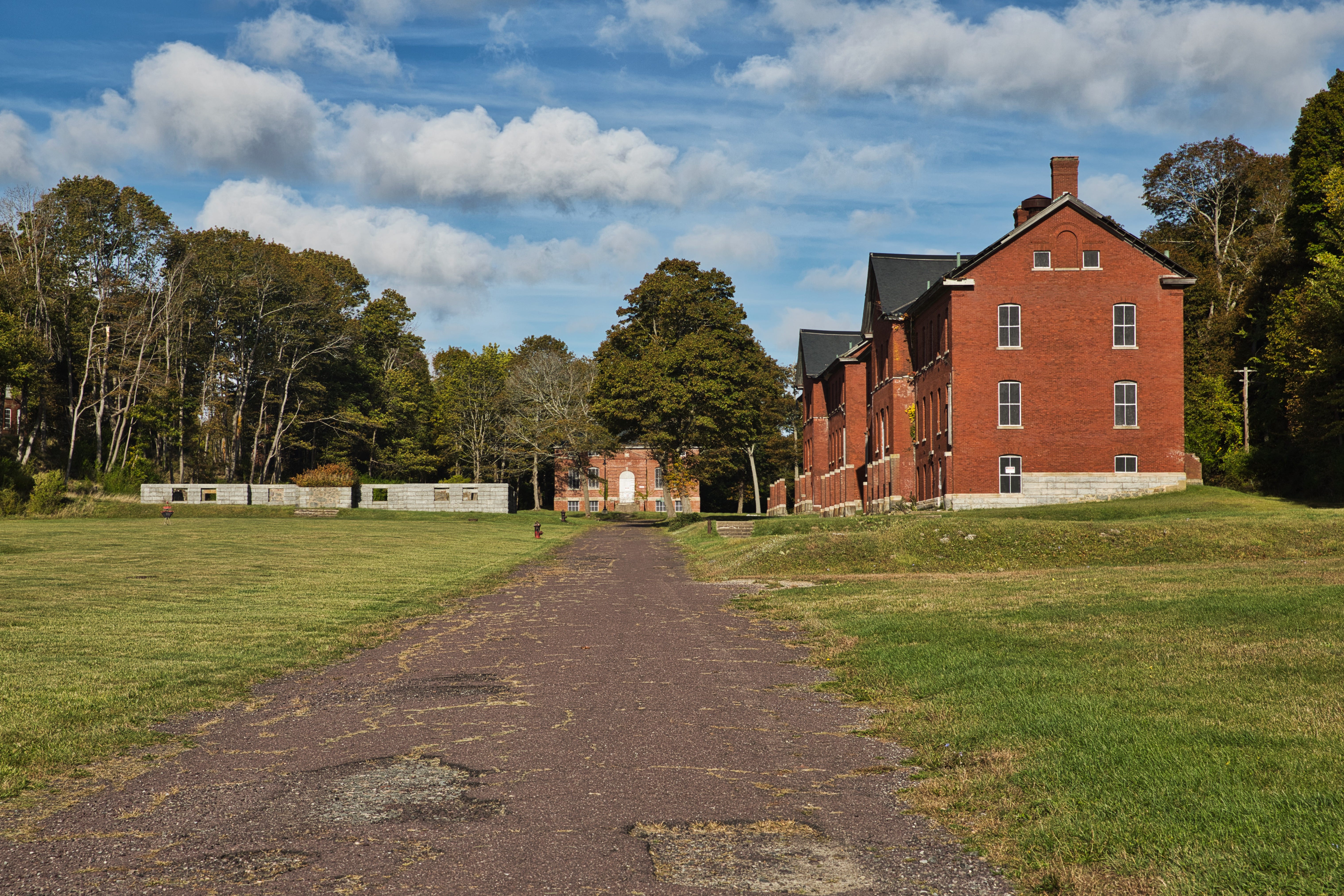
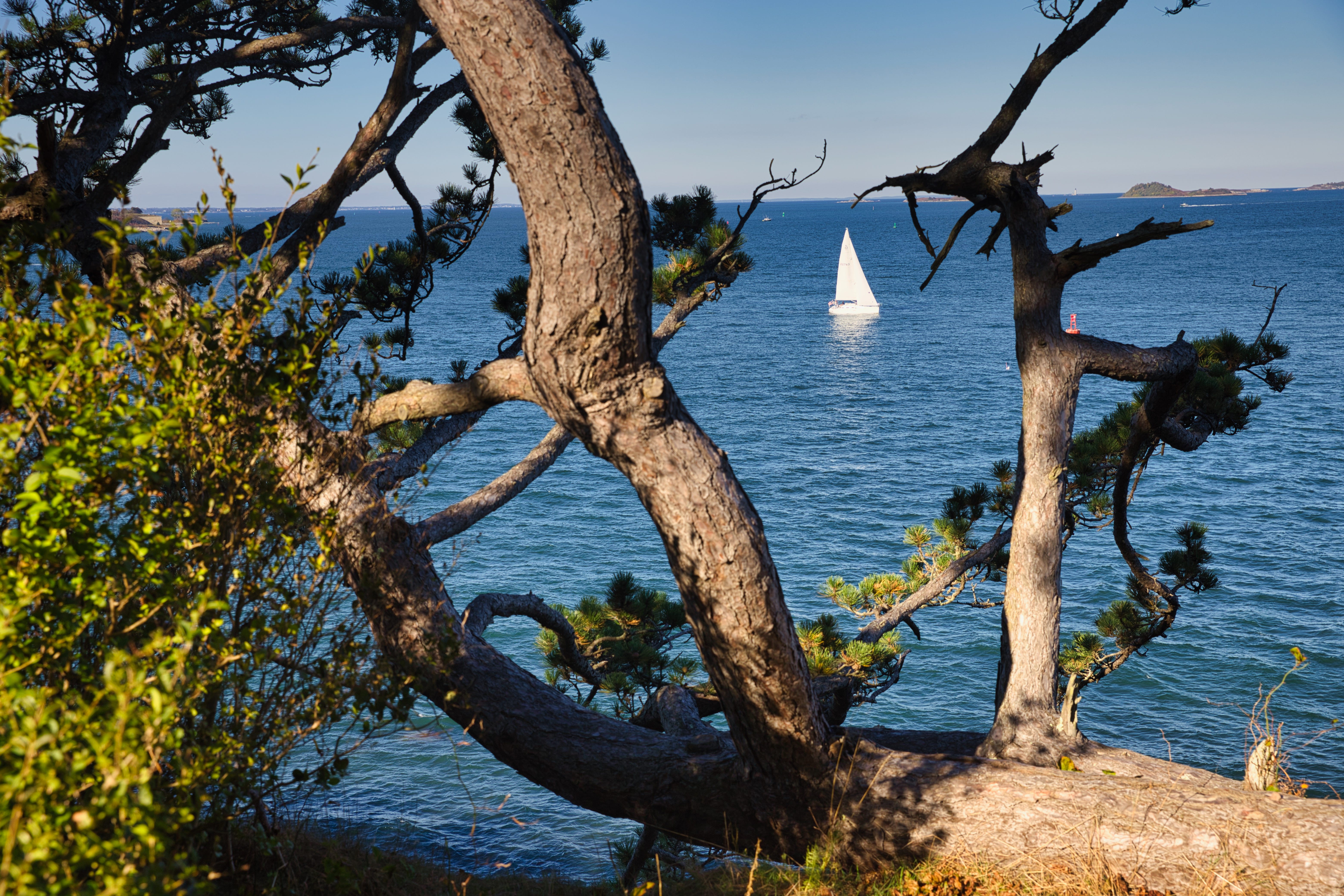
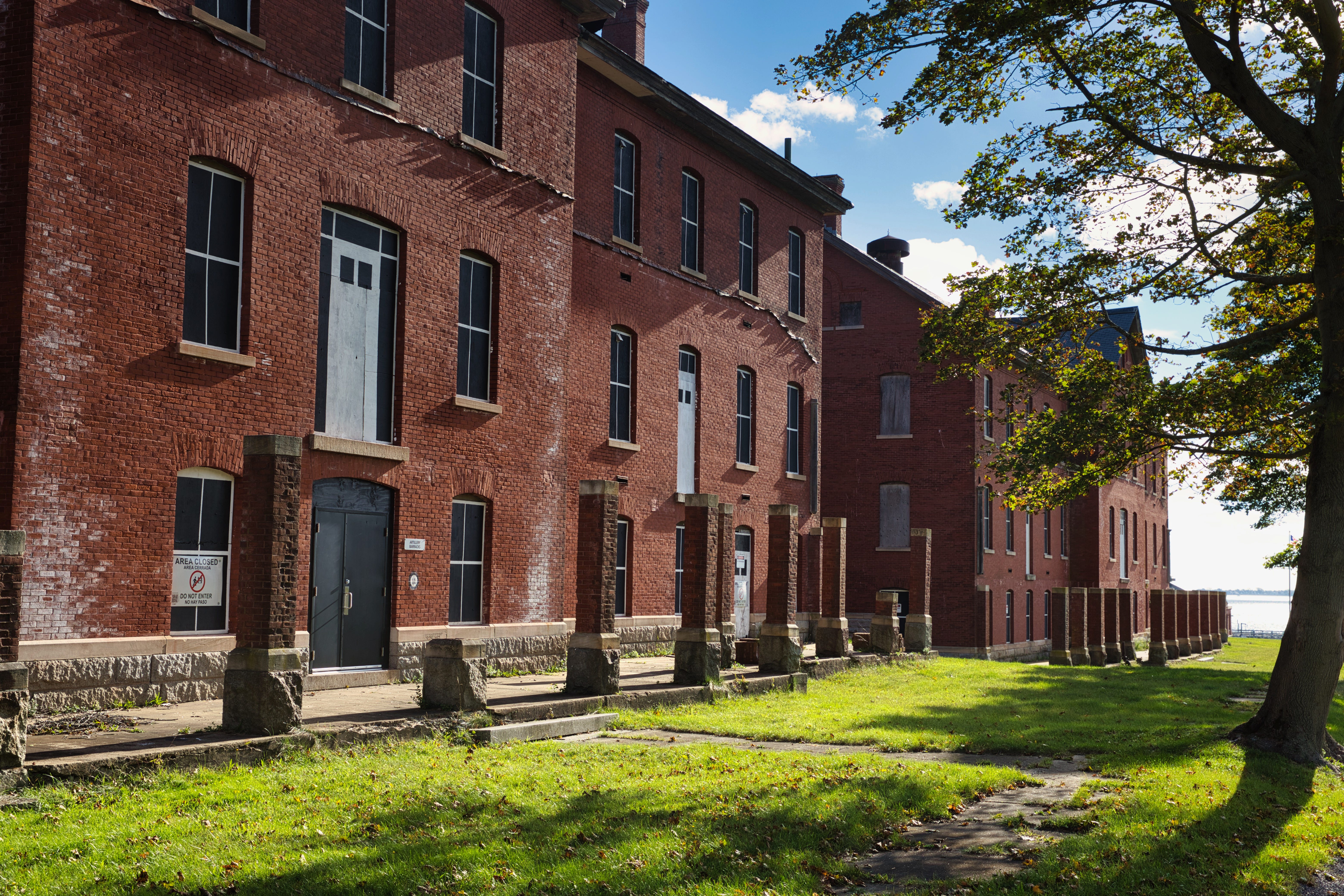
In 1898, Fort Andrews officially joined the network of military installations in Boston Harbour, which remained active until shortly after World War II. At one point, the fort’s weapons included long-range mortars that could fire up to 8 miles. The wider harbour defence system also included other bases like this one, minefields, and submarine nets.
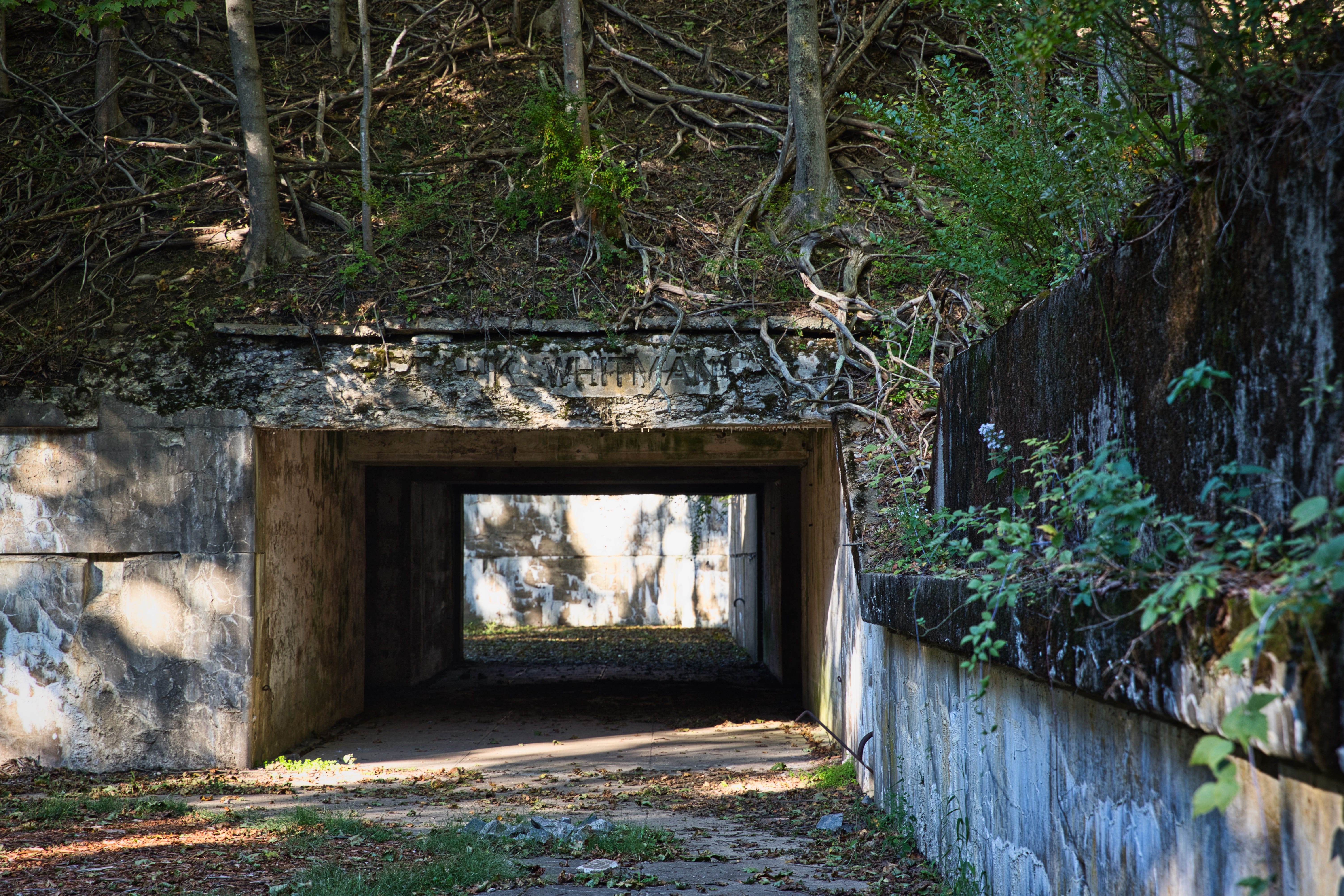
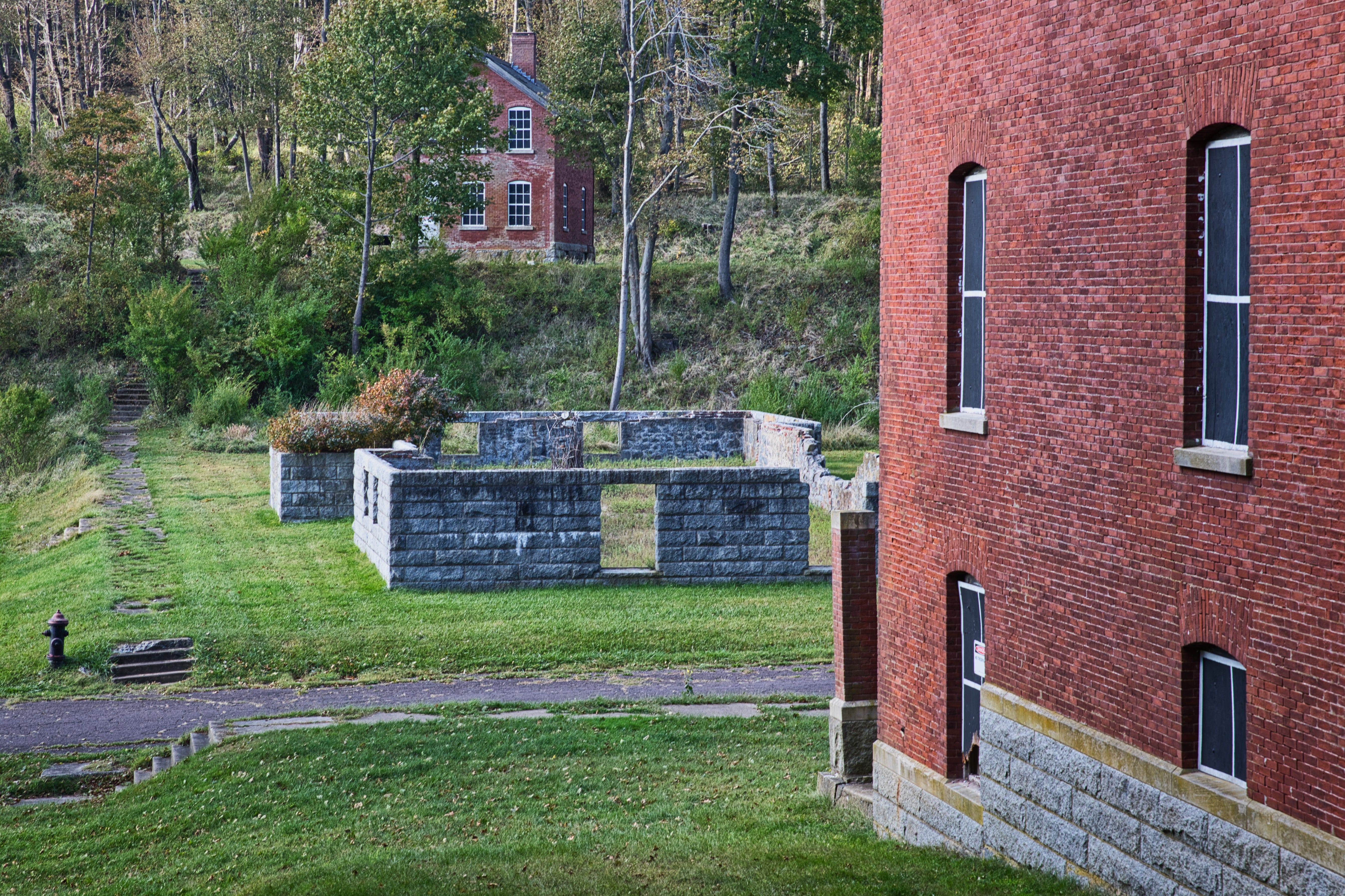
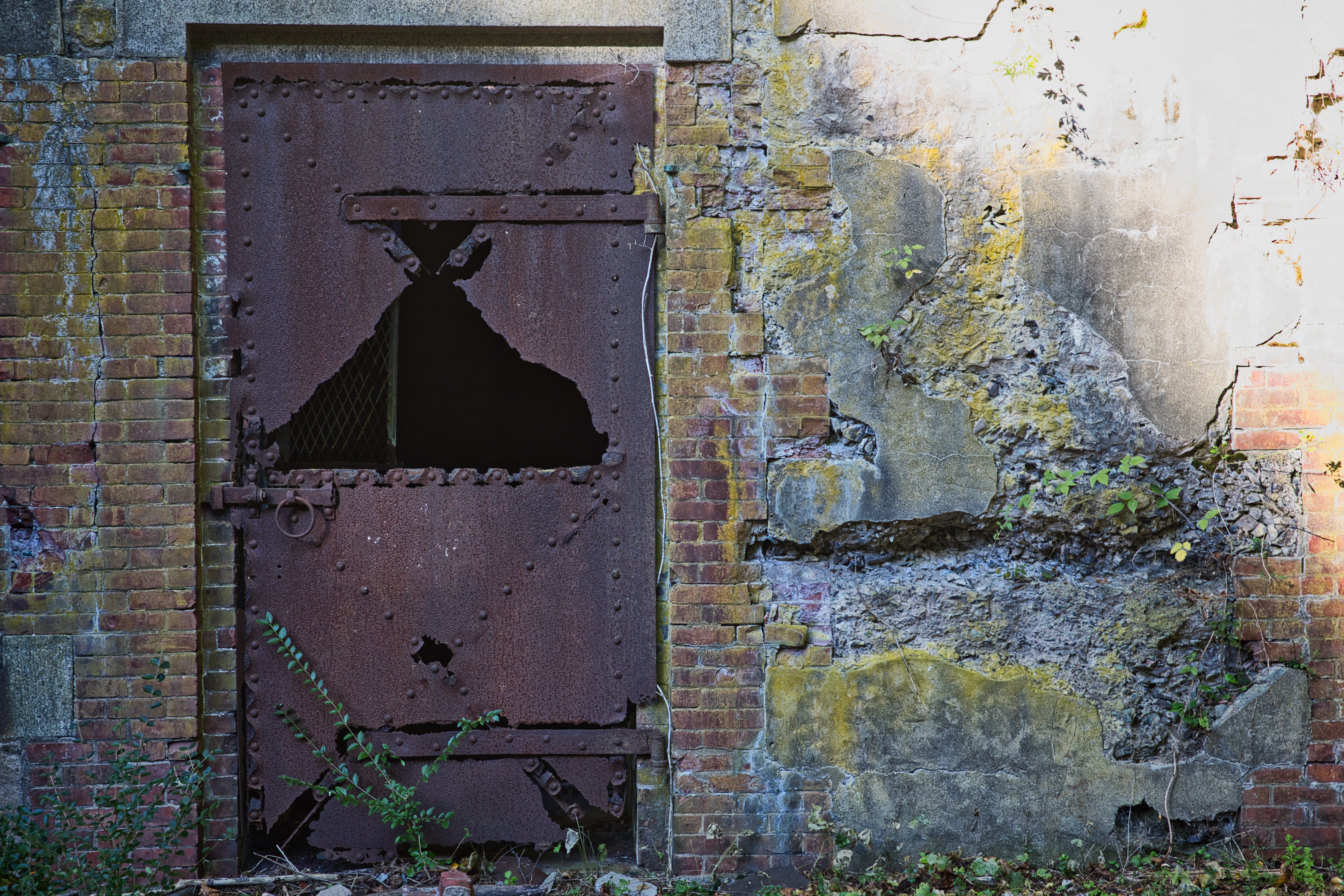
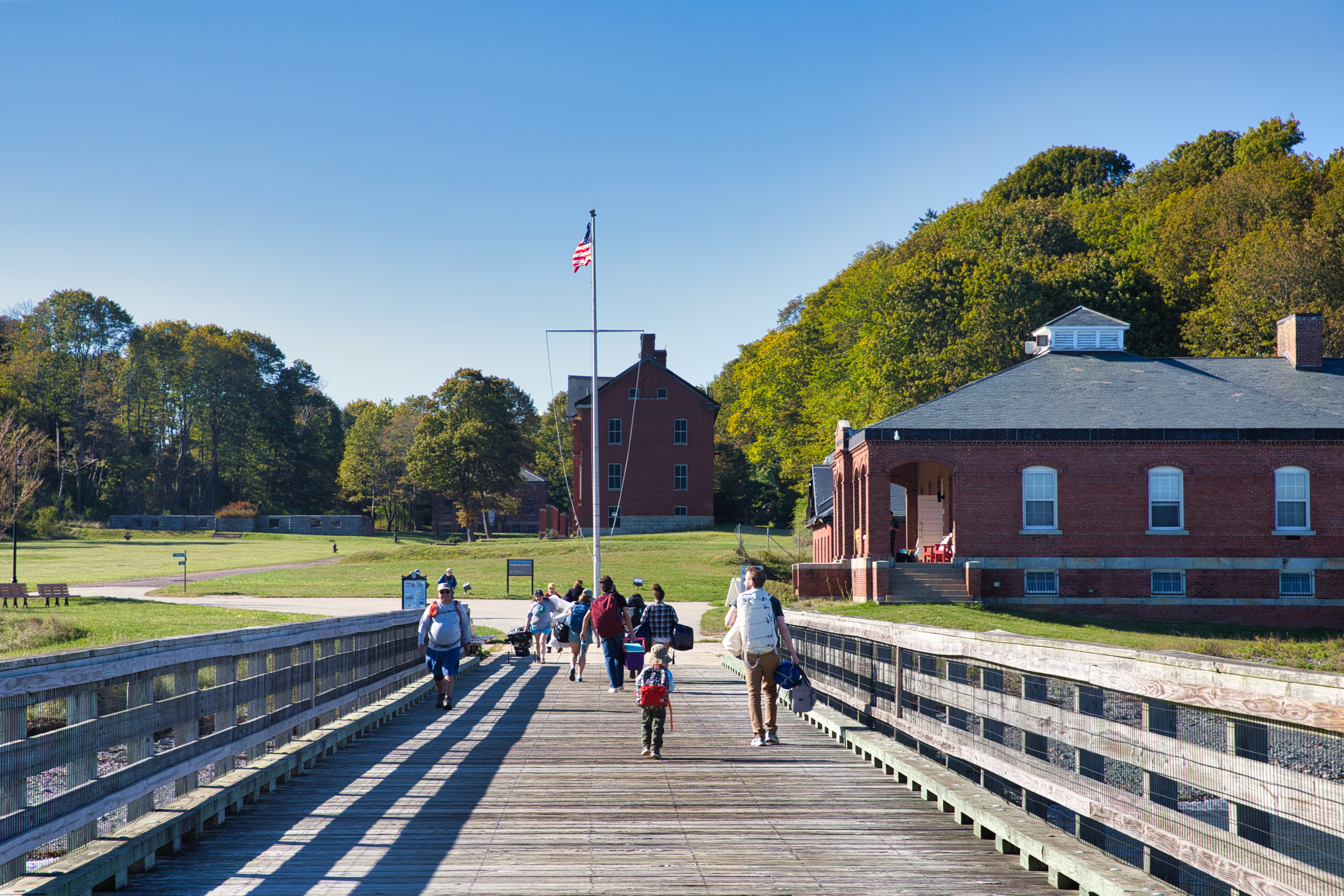
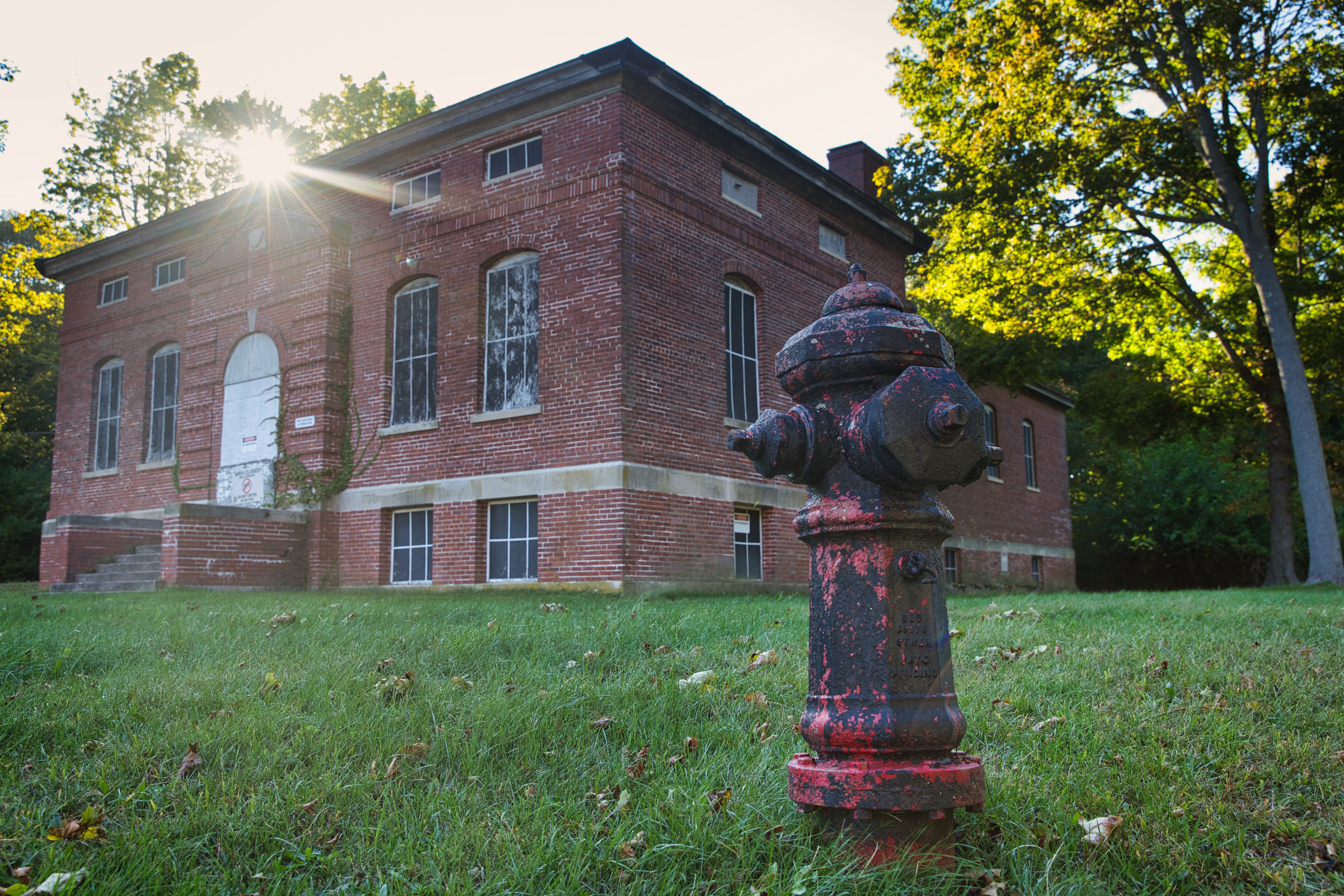
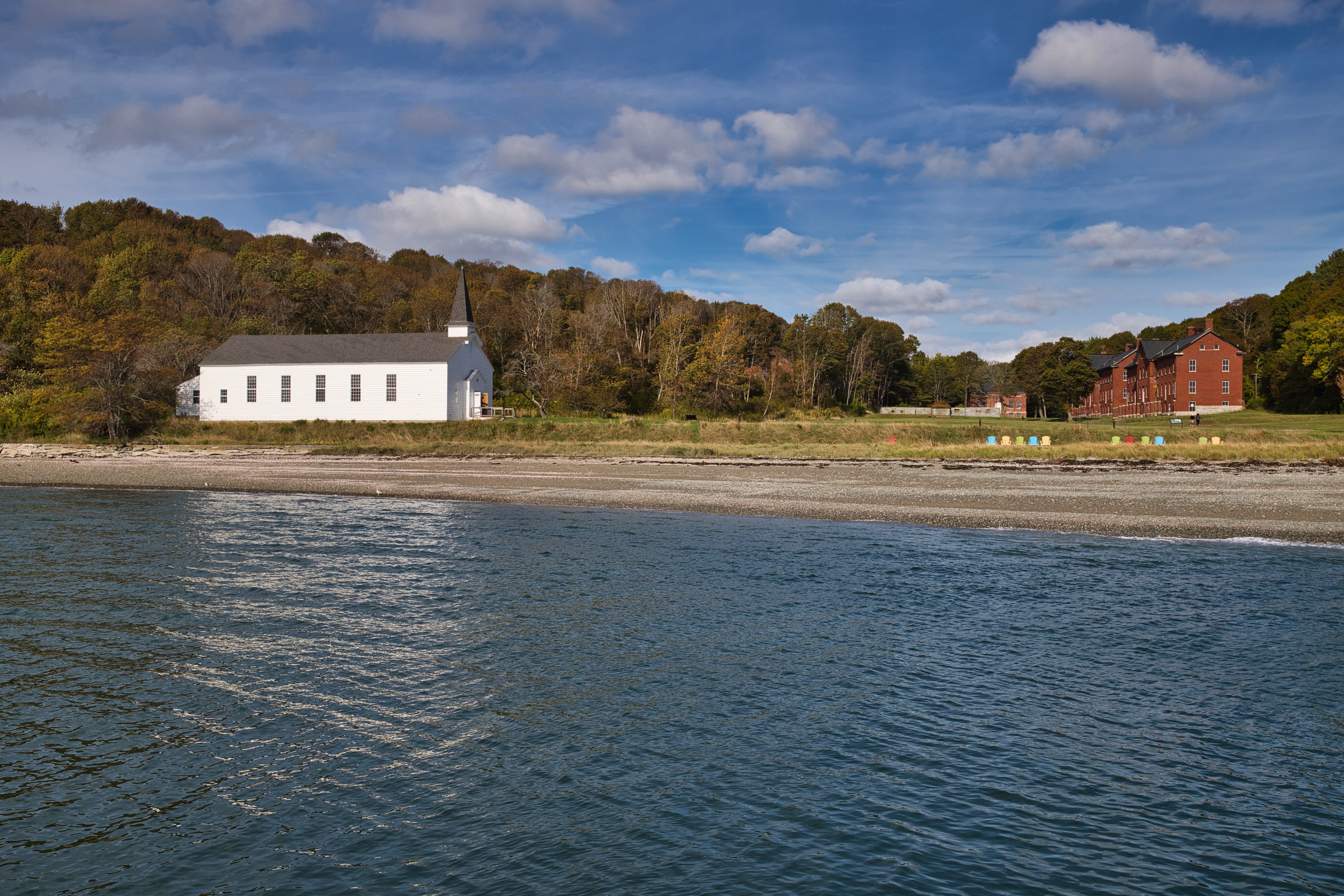
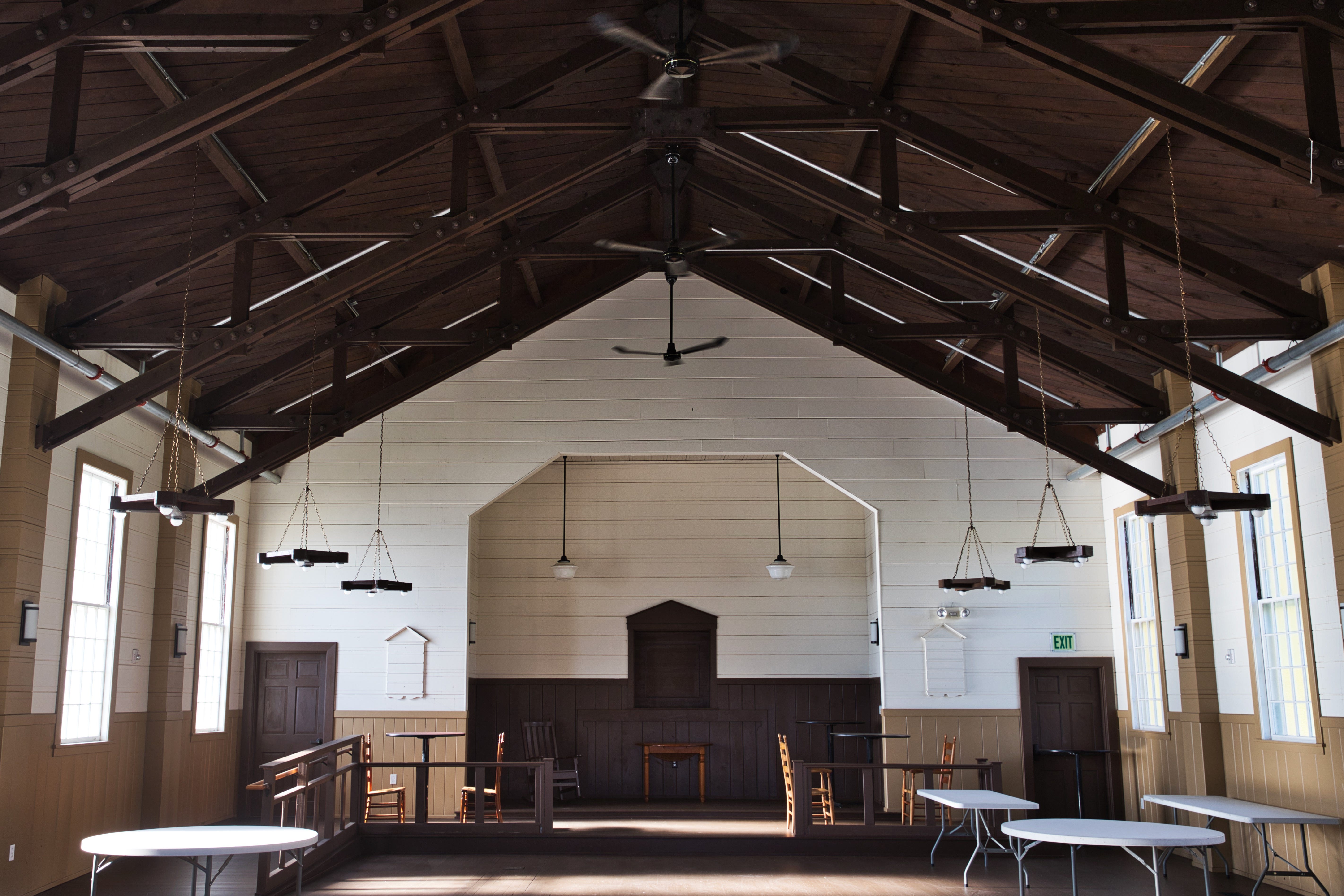
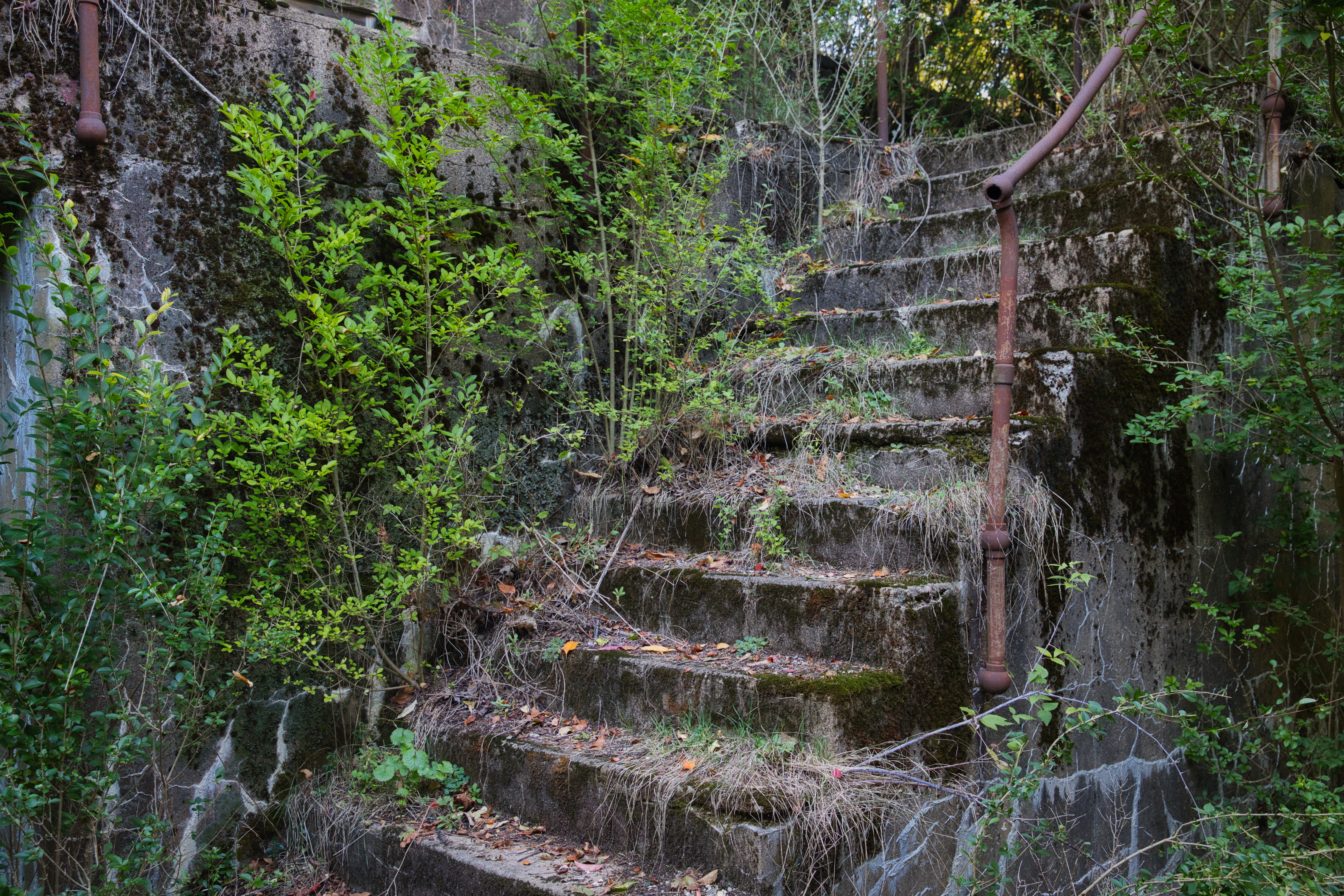
In the early 1950s, the fort was declared excess and abandoned by the US military, which created an opportunity to turn the land into a park. And that’s what it is today. One of the most fascinating things about the place is being able to explore the abandoned buildings and fortifications up close. While most of them are sealed for safety reasons and to discourage vandalism, you can still see some from the outside. Take the Peddocks Island Chapel, one of the few remaining wooden military chapels built before and during World War II. A park ranger told me it’s a favourite spot for weddings, even in the off-season, when the park is closed to the general public.
The island is also home to about 30 summer cottages. It recently gained fame through a documentary about its only year-round resident, Mike McDevitt, who has lived there his whole life. He keeps roosters, chickens and two dogs, and occasionally works as a tugboat captain. His house has a very nice view of the Boston skyline, but his life could probably be described as semi-hermit: there is no electricity or running water, and between October and March there are no other people on the island.
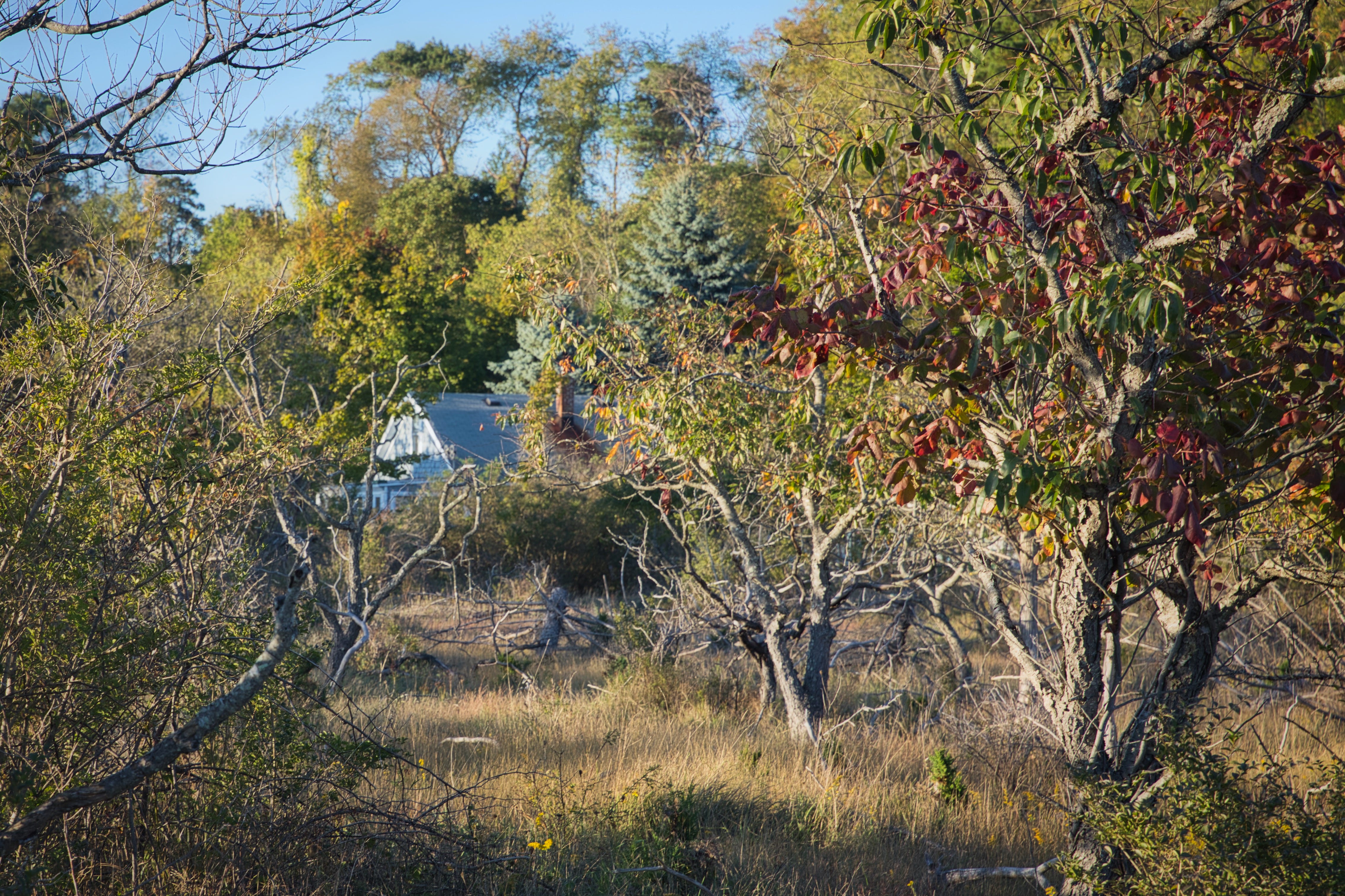
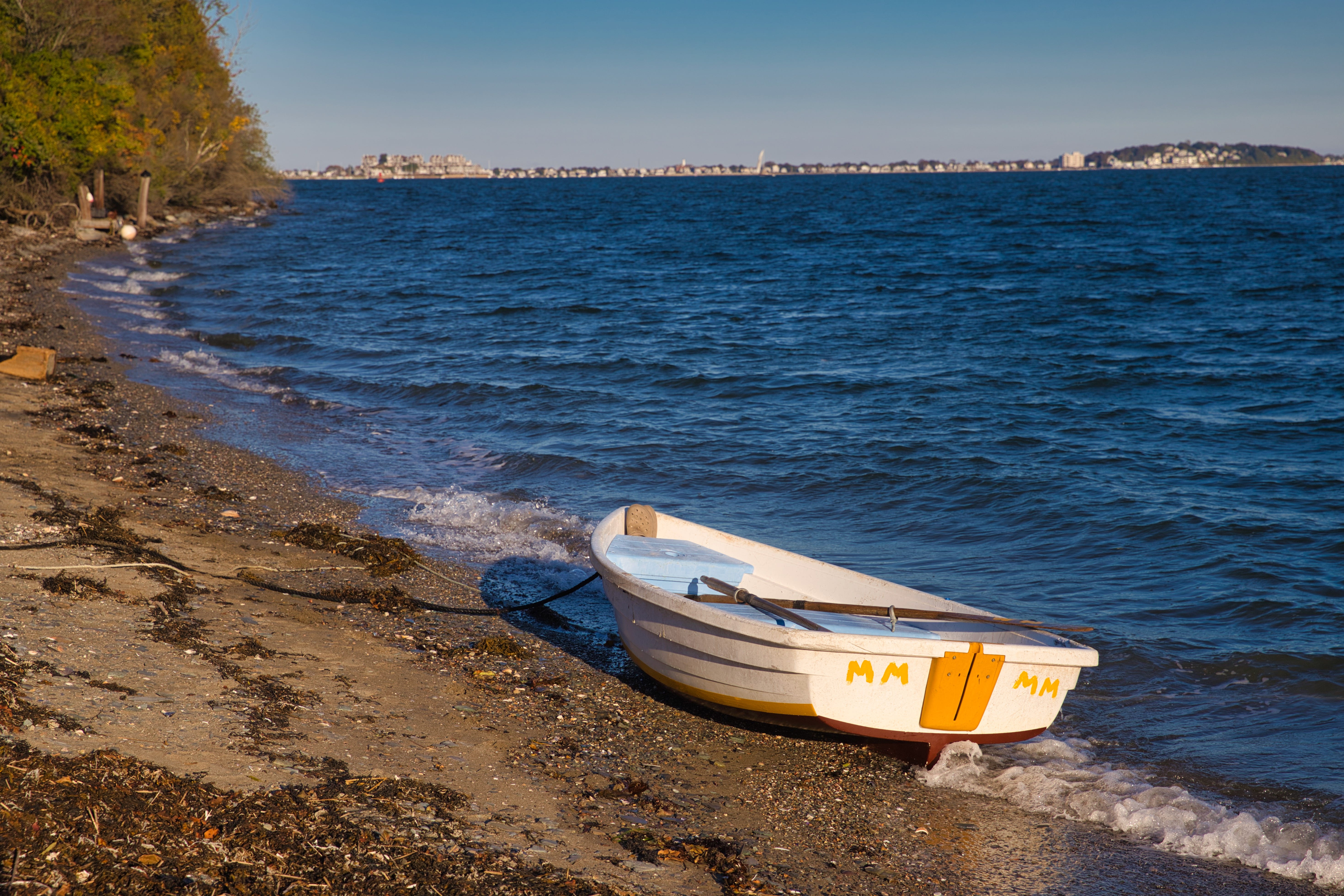
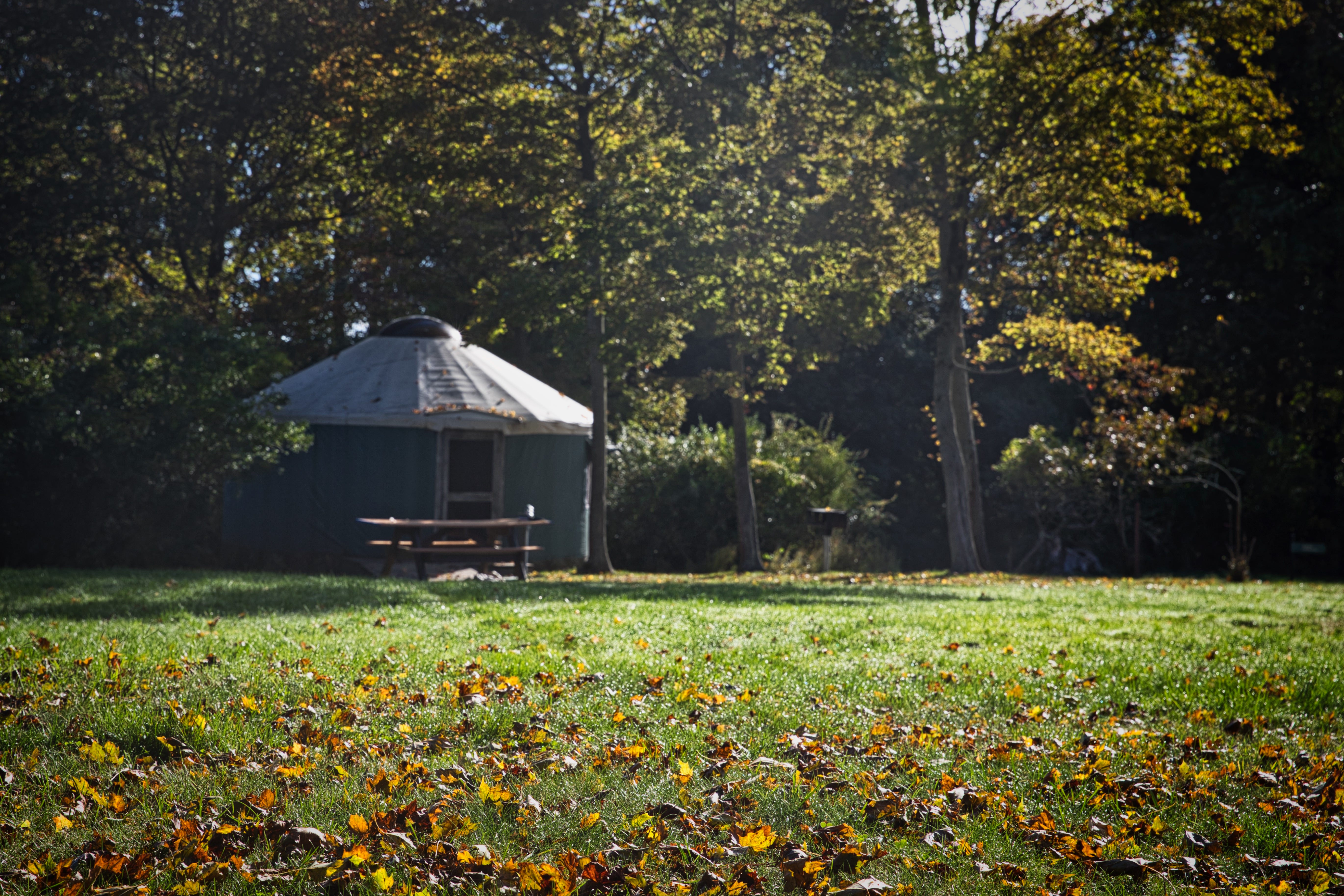
Camping on the island was fun, mostly because of all the history. Since I couldn’t figure out how to reserve a tent campsite, I booked a yurt instead, and I had it all to myself. It was super comfortable, especially on a cold, crisp mid-October night. As a bonus, the park provides flush toilets and hot showers. However, you need to bring all your food and drinks, as there is no cafe. Remember also to take all your garbage back to the mainland, as the park has no trash bins.

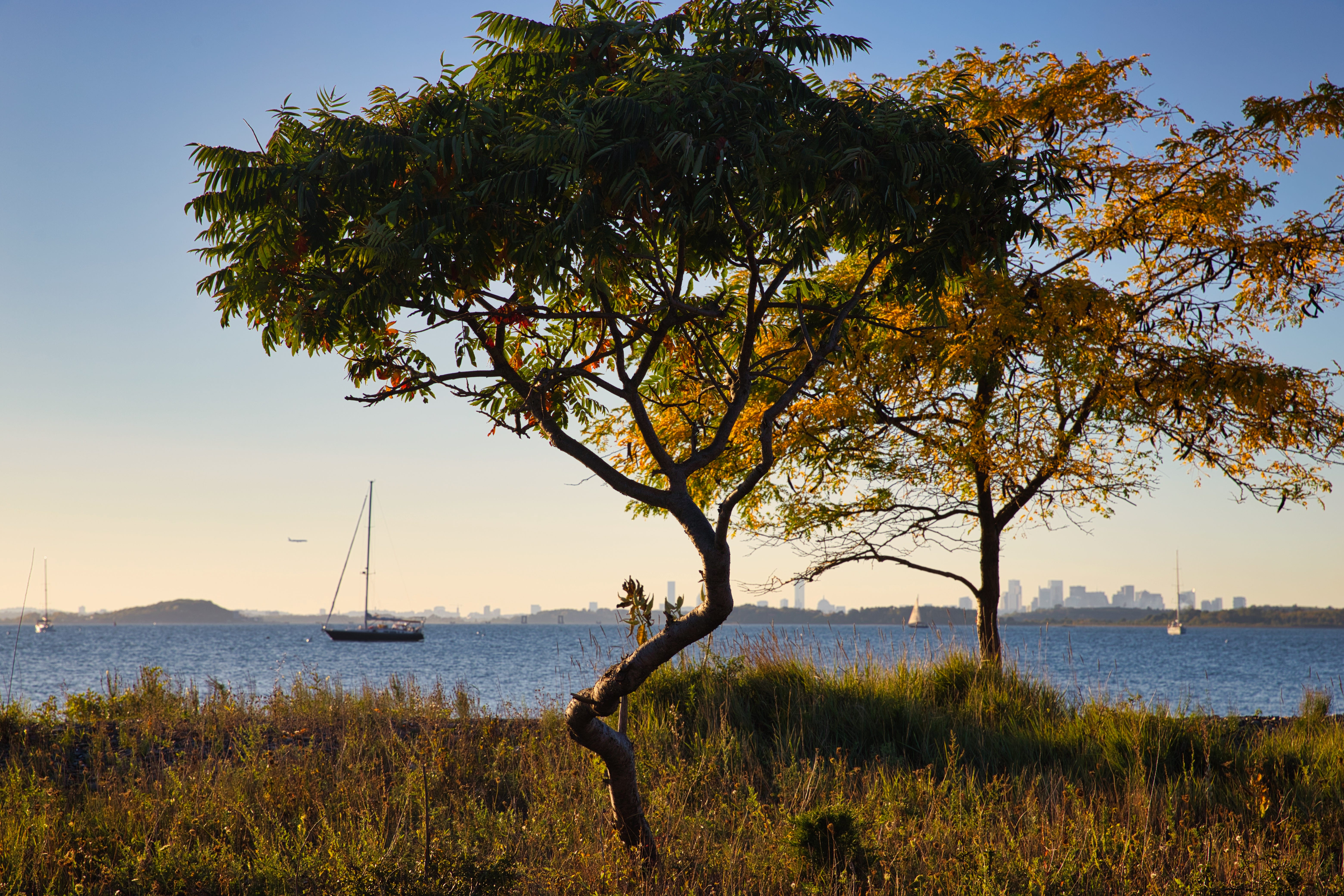
As my ferry pulled away from the island the next morning, I thought to myself that Peddocks Island is proof that you don’t need to travel far to feel far away. The Boston skyline was slowly growing larger ahead of me, it was hard to believe I had spent the night in a yurt on a former military fort, just a short boat ride from a major city. ∎
Very interesting and unique experience on an island that is so close yet feels so far from the civilisation
Wow you get to Boston a lot. Cities with geography that require ferries are cool, because of what you say, that feeling of getting away without being far away. I got to experience Seattle’s ferries this summer. But this little island near Boston seems more tranquil. I gather this is a passenger only ferry? No cars? That’s wonderful, I had no idea this place existed.