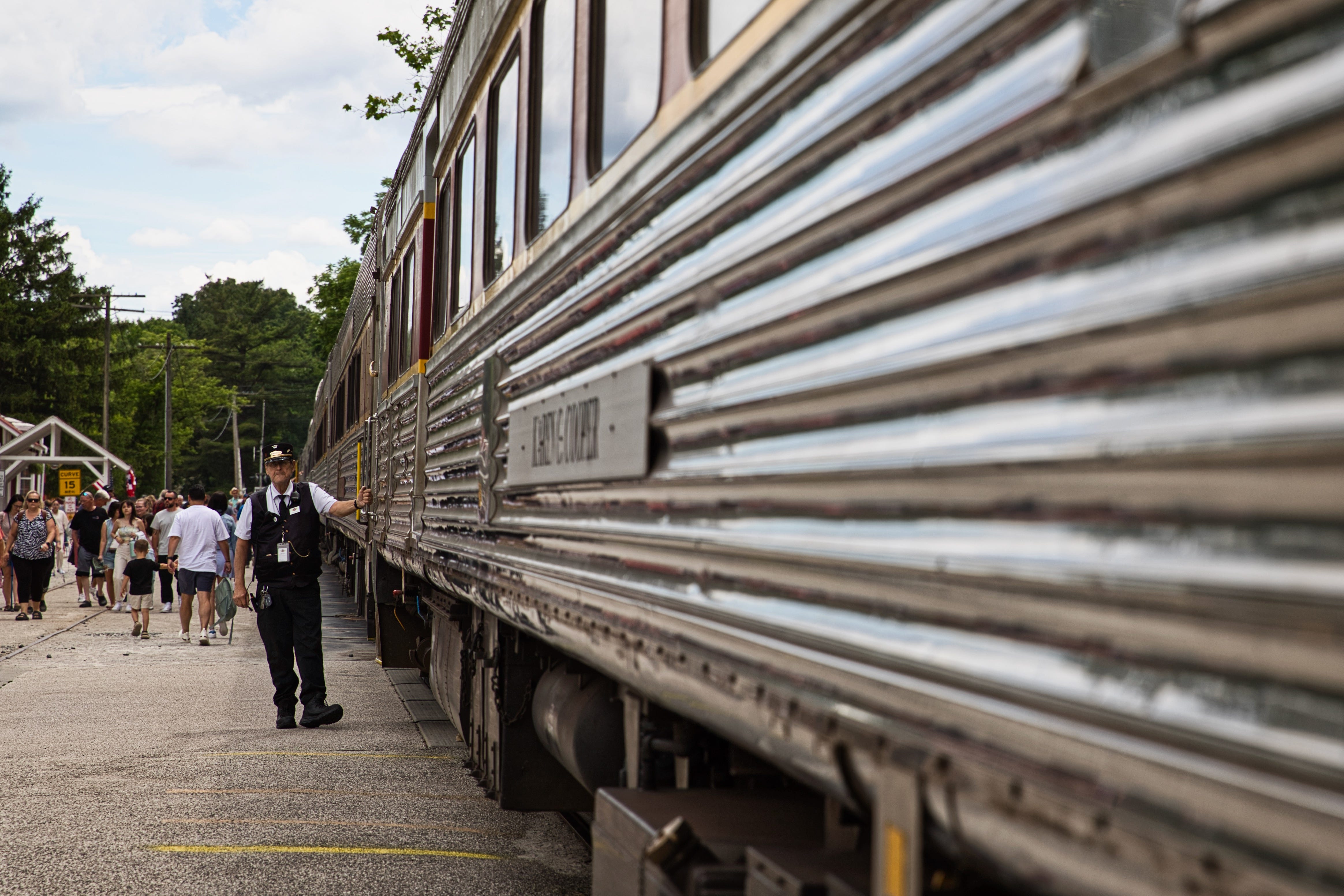
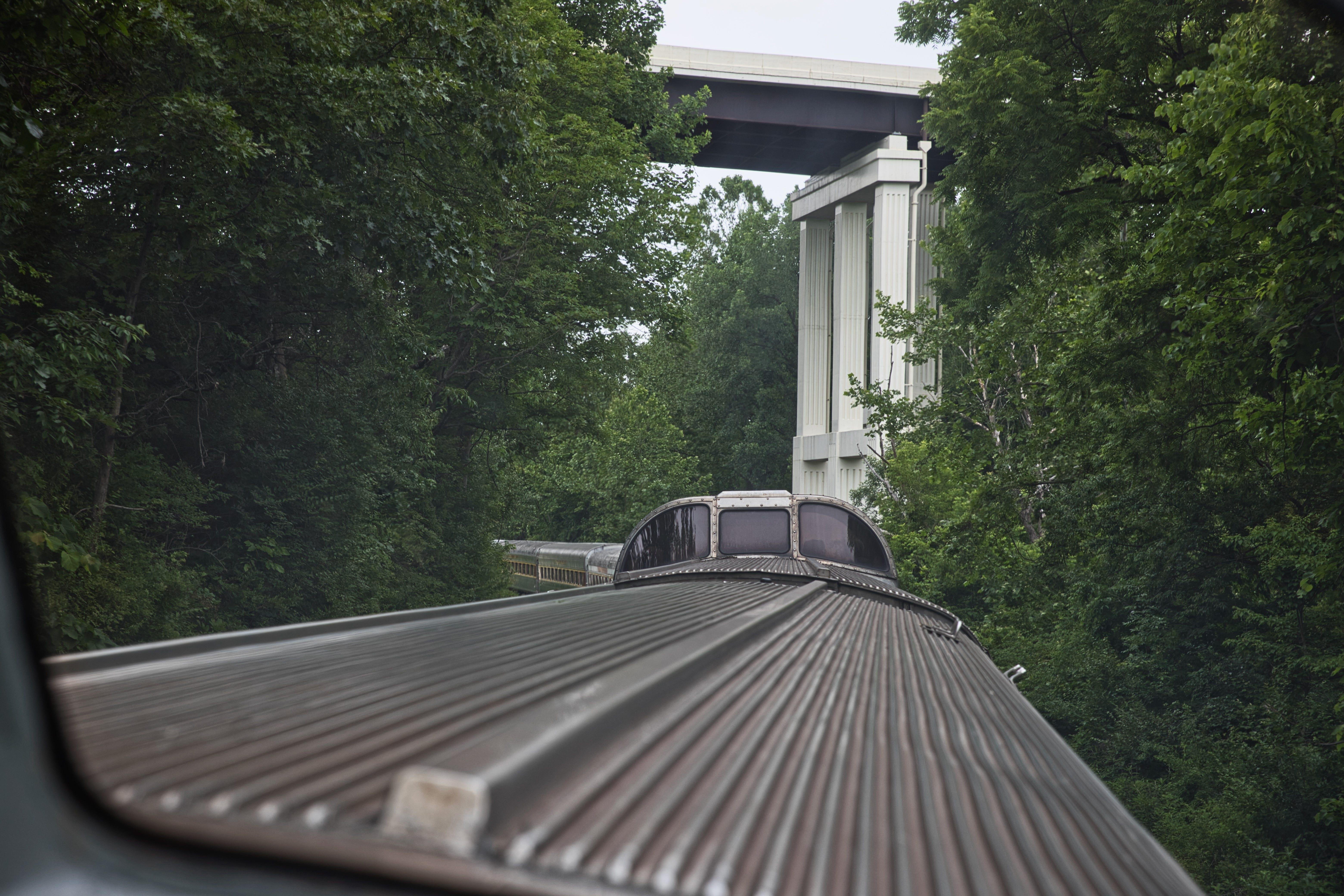
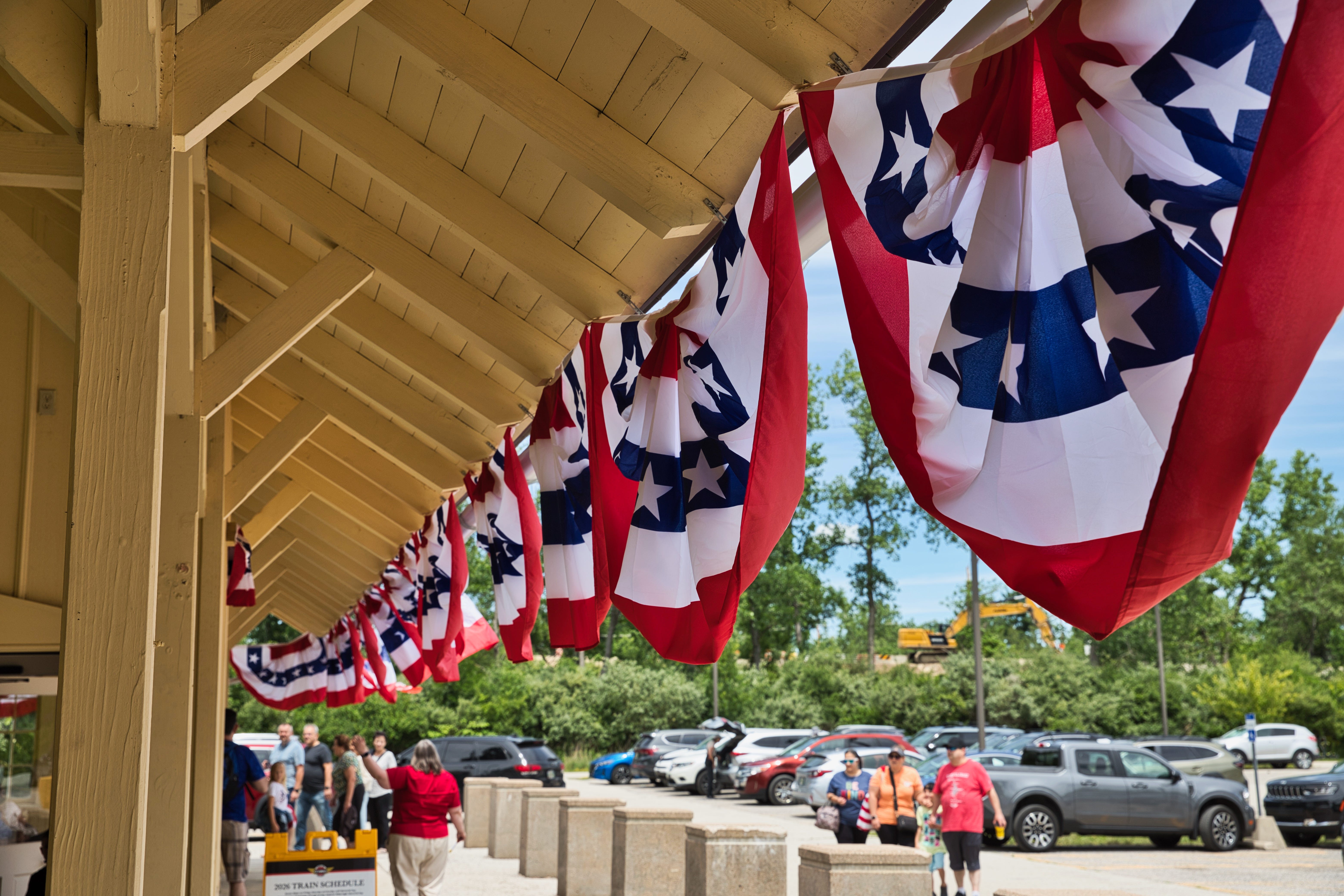
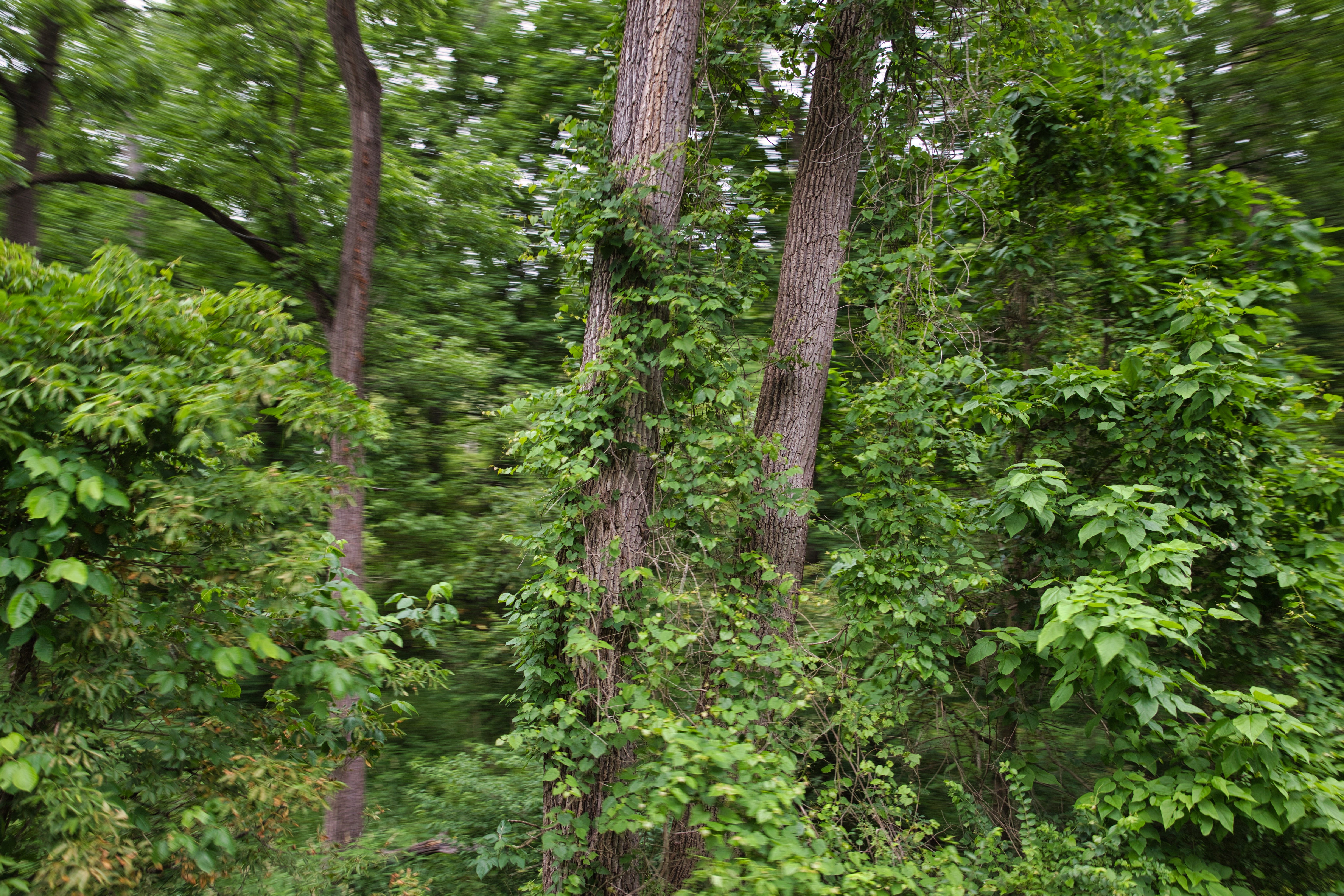
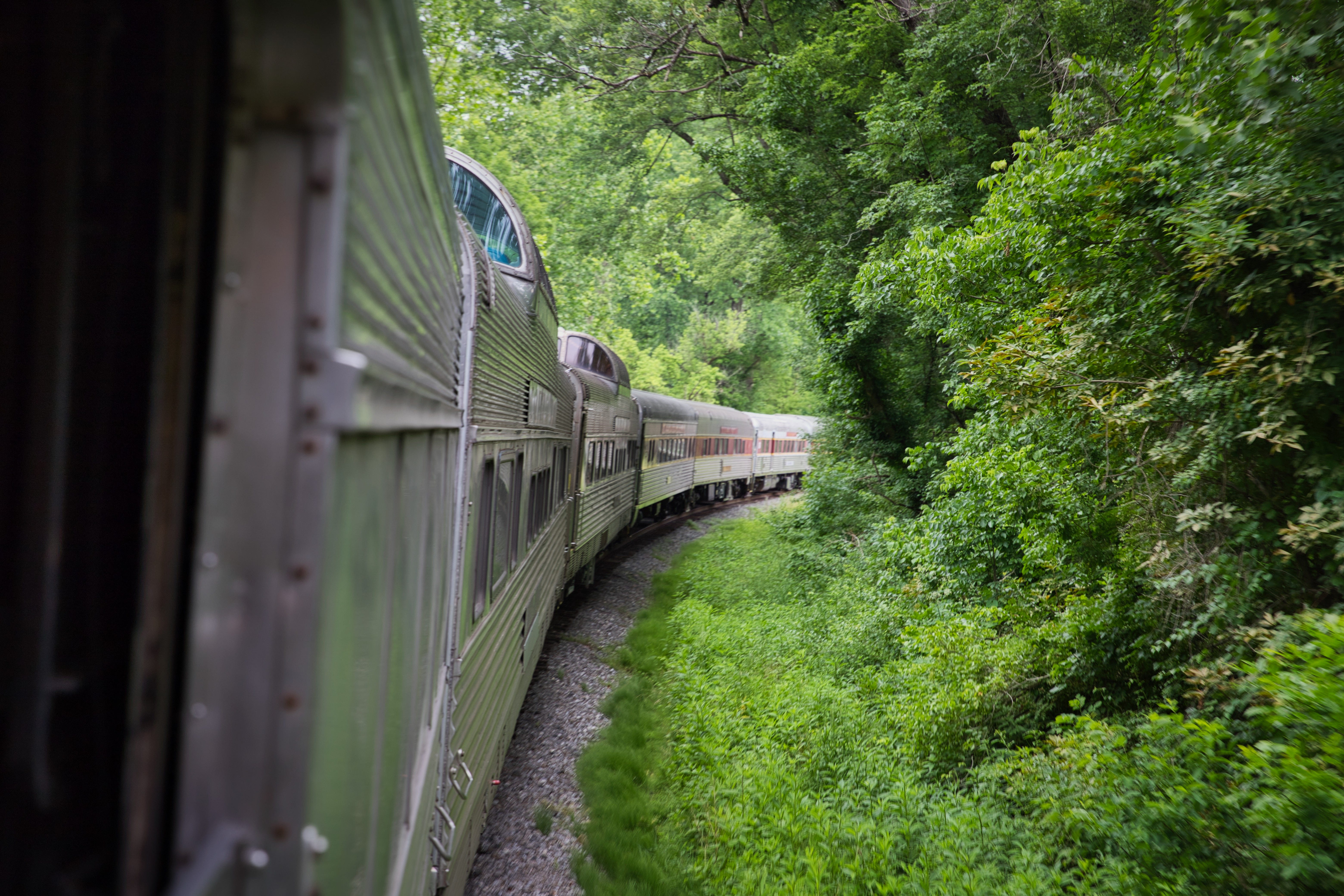
I spent the last hour of my ride on the Cuyahoga Valley Scenic Railroad in Cleveland standing in the open-air car, with my bulky camera in hand, enjoying the smell of a forest and admiring the size of poison ivy vines that envelop grown trees. It was a Sunday in mid-June, but not just a normal Sunday - it was Father’s Day. Judging by the number of dads with their kids, a scenic ride on a historic train like this is an ultimate gift for most fathers. My kids, take a note - I would certainly appreciate it! For four hours of my journey end-to-end, it felt a bit weird riding a train through a national park that sits so close to a major American city that you could, in theory, take a quick hike or paddle a river in your kayak and be back at your office desk before the lunch is over.
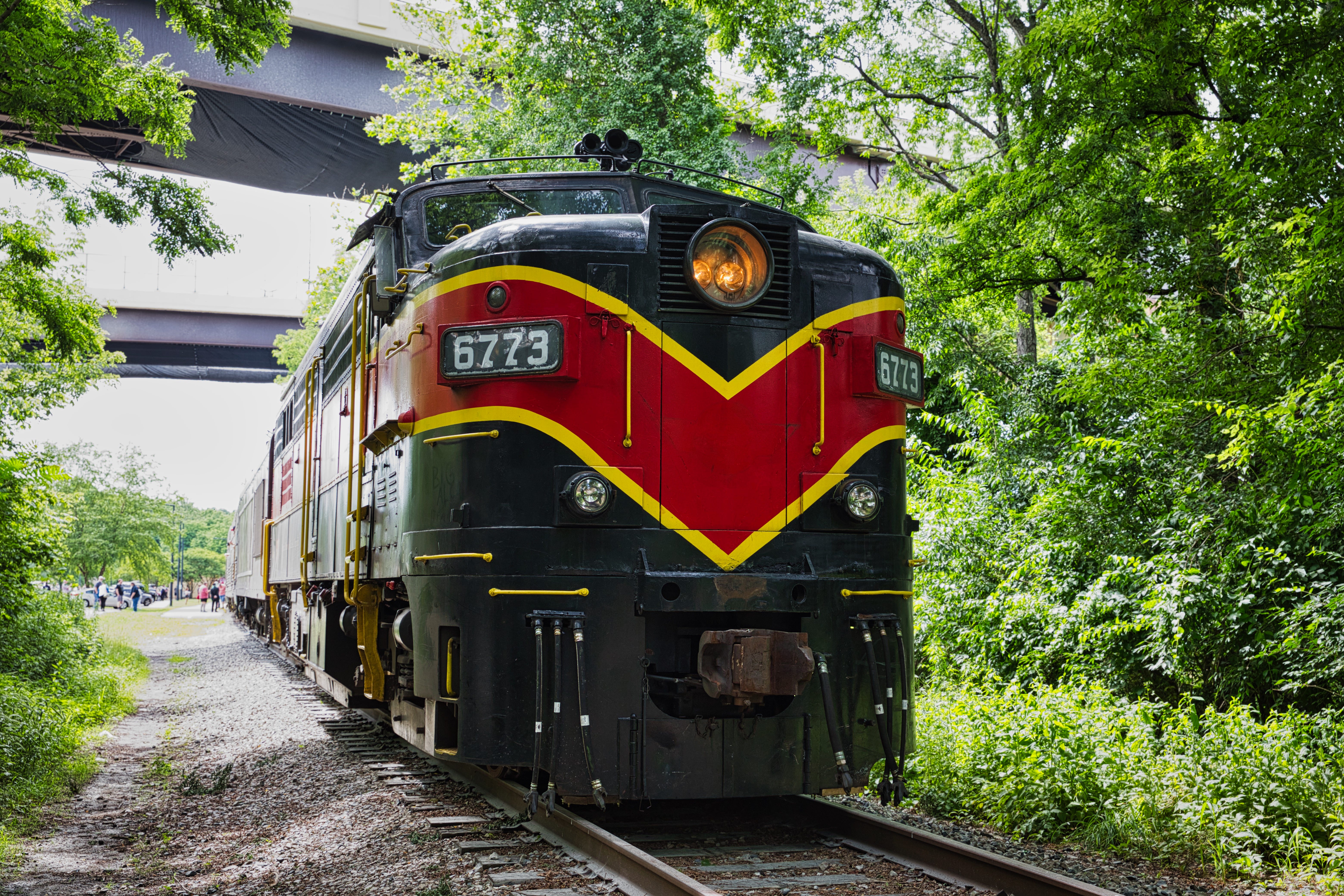
The idea for a railroad through the Cuyahoga Valley emerged in the late 1860s and was supported by Cleveland, Akron, and Canton businessmen as a faster alternative to the Ohio and Erie Canal, which had been moving coal and freight up from the Tuscarawas River Valley since the 1830s at a snale’s pace. The timing was rough though: the Panic of 1873 stalled construction for years. It’s a bit ironical given that crash was for decades known as “the Great Depression,” before the ever larger series of events in late 1920s - early 1930s took this name and kept it since.
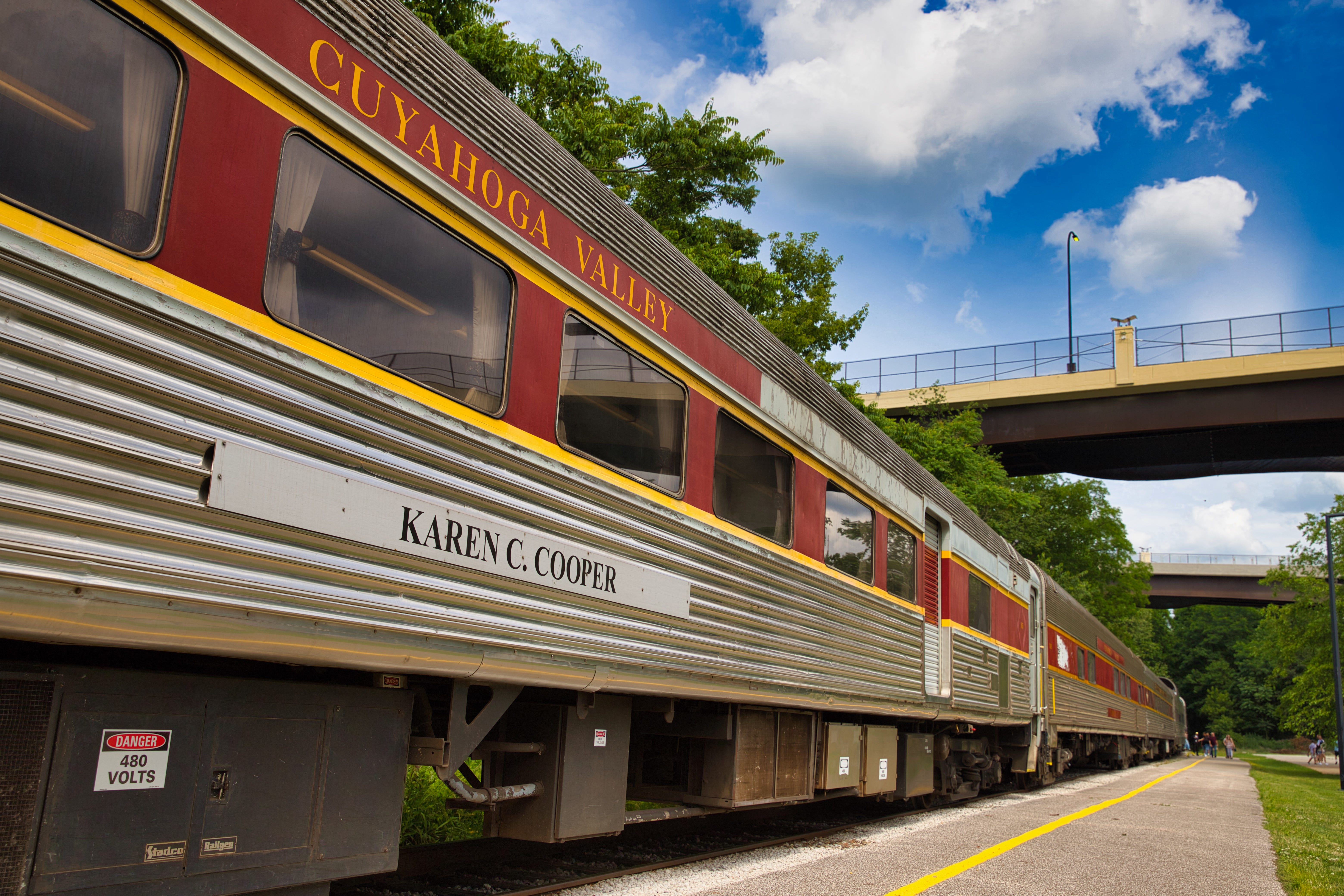
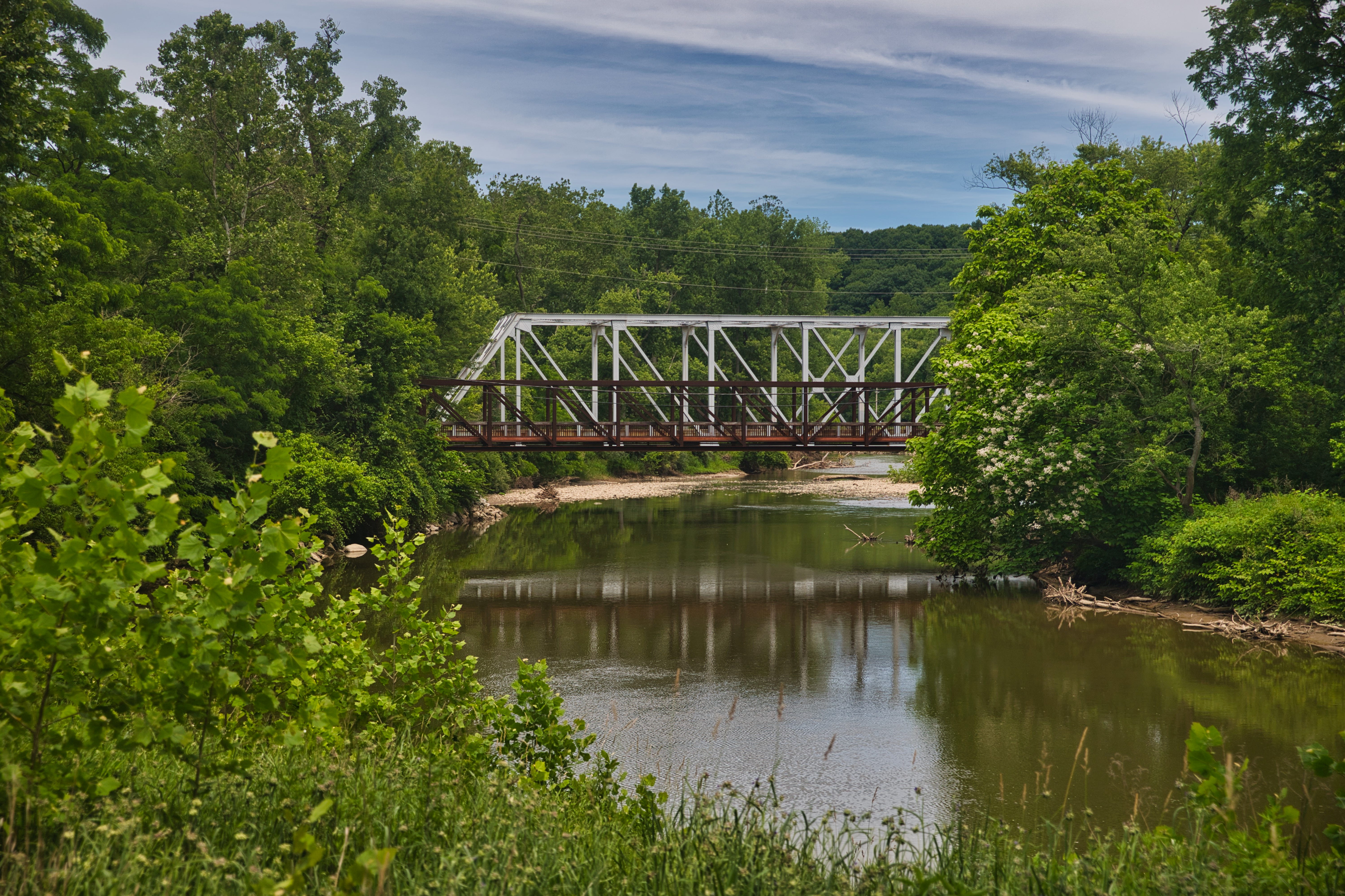
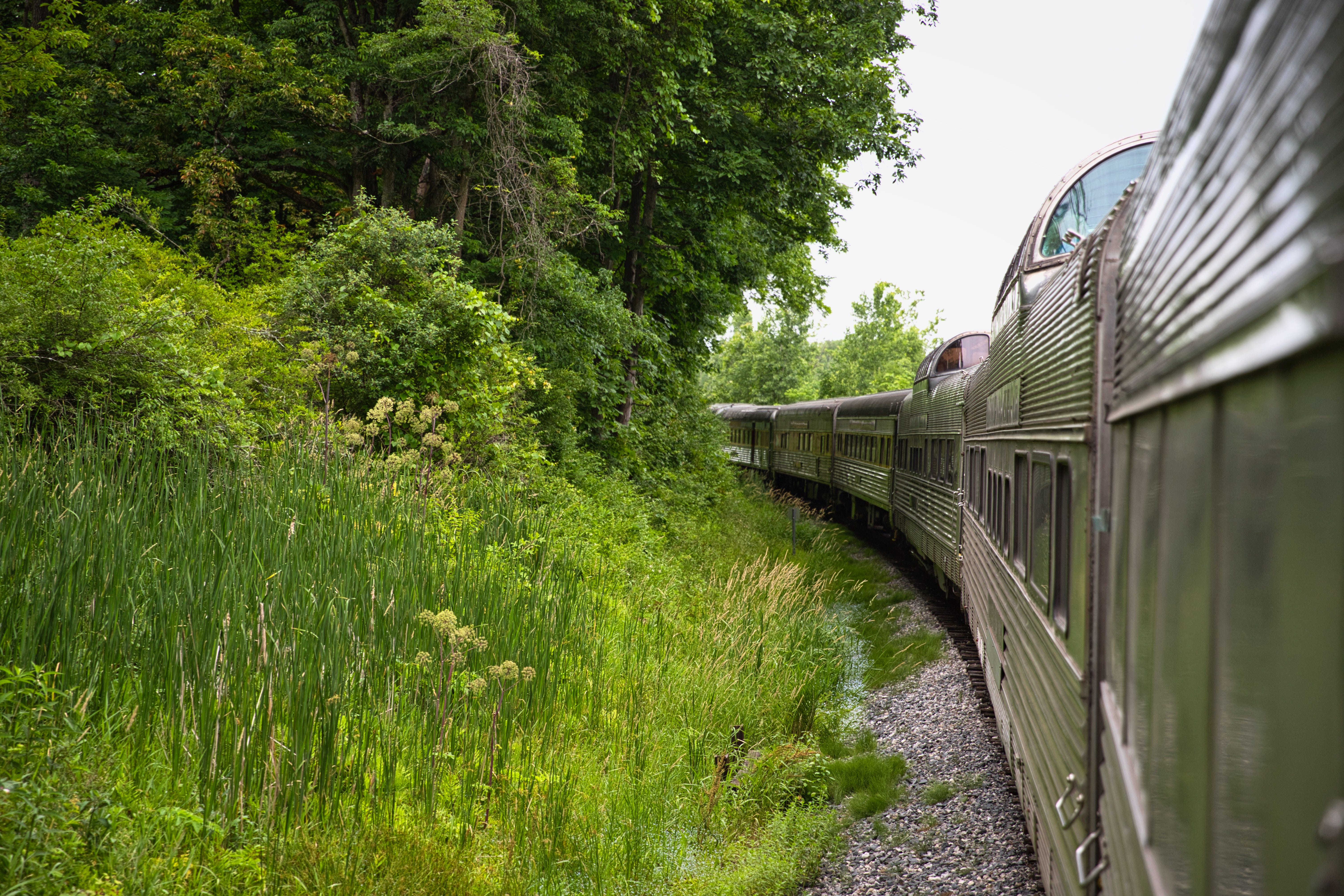
The line finally opened in 1880 and it didn’t take long before a bigger railroad took notice of its immediate success. The Baltimore and Ohio Railroad (B&O) bought a controlling stake in 1890, although the formal merger wouldn’t happen until 1915. It was the same year the B&O introduced the Cleveland Night Express, an overnight sleeper service that would run through Washington, D.C. and Pittsburgh to Baltimore. The train service lasted until 1962 and was killed not by a mechanical failure, but by the same thing that killed a big chunk of American passenger service: the interstate highways and personal automobiles. Freight transportation along this line remained, but it was nothing like the volume the valley once seen.
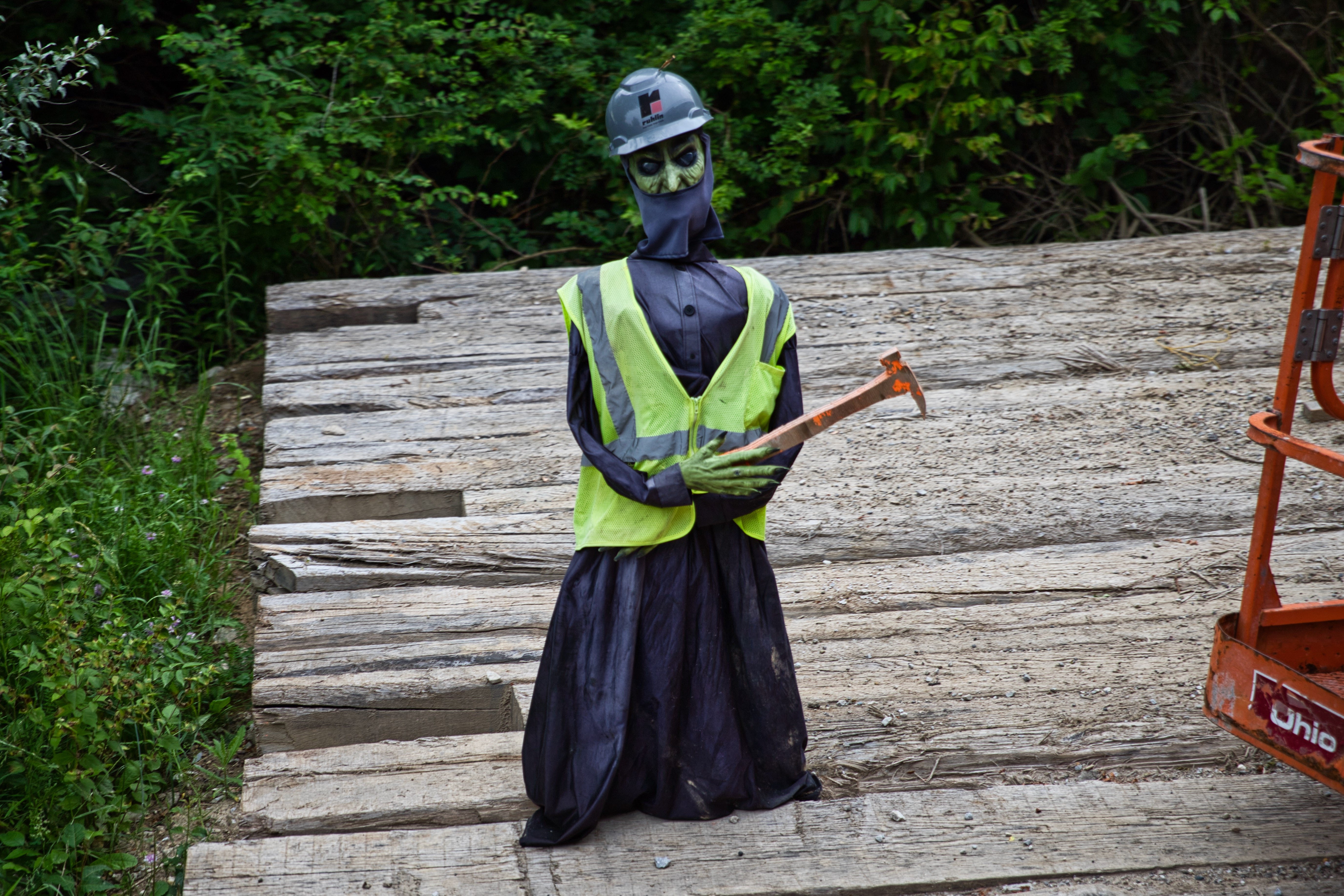
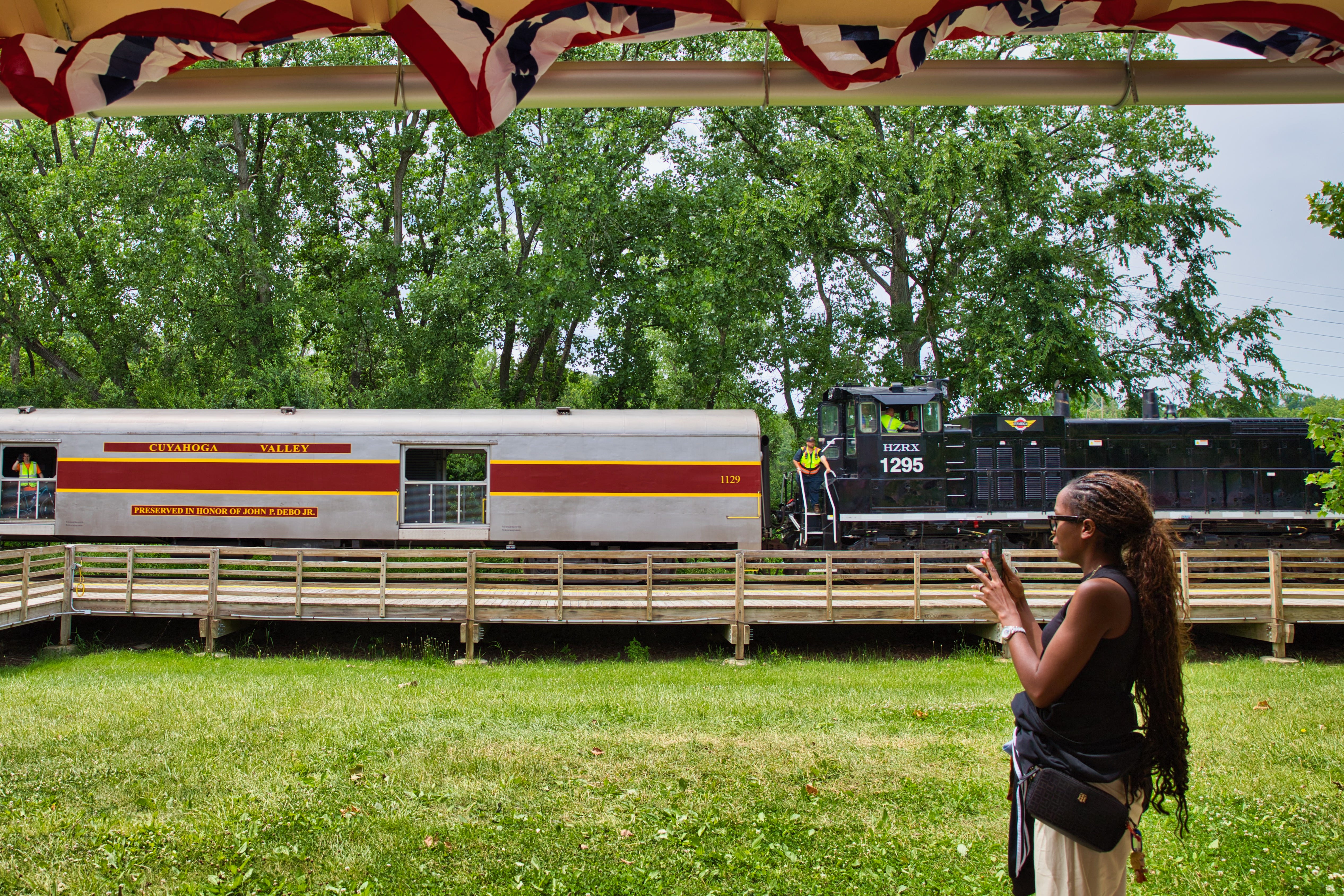
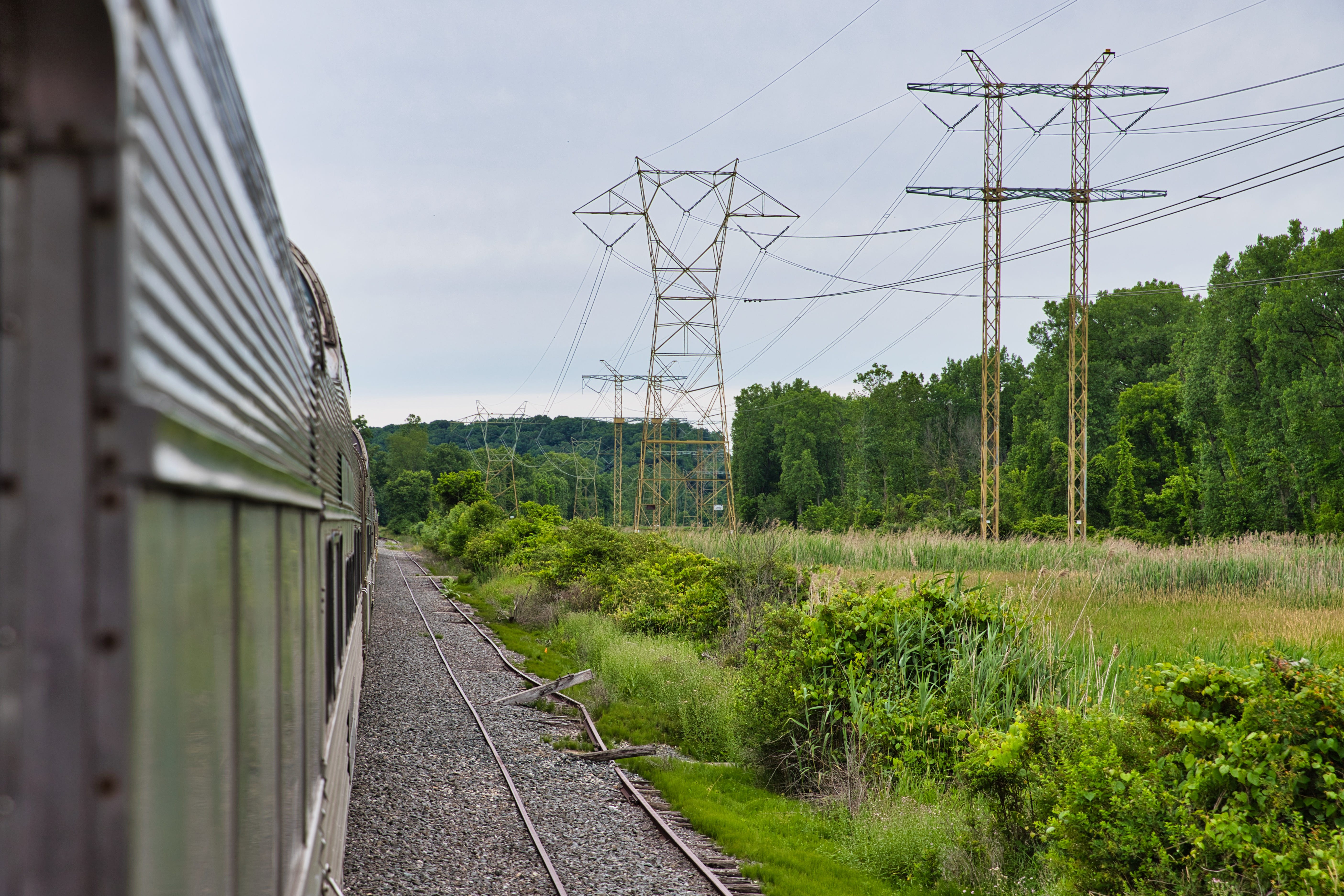
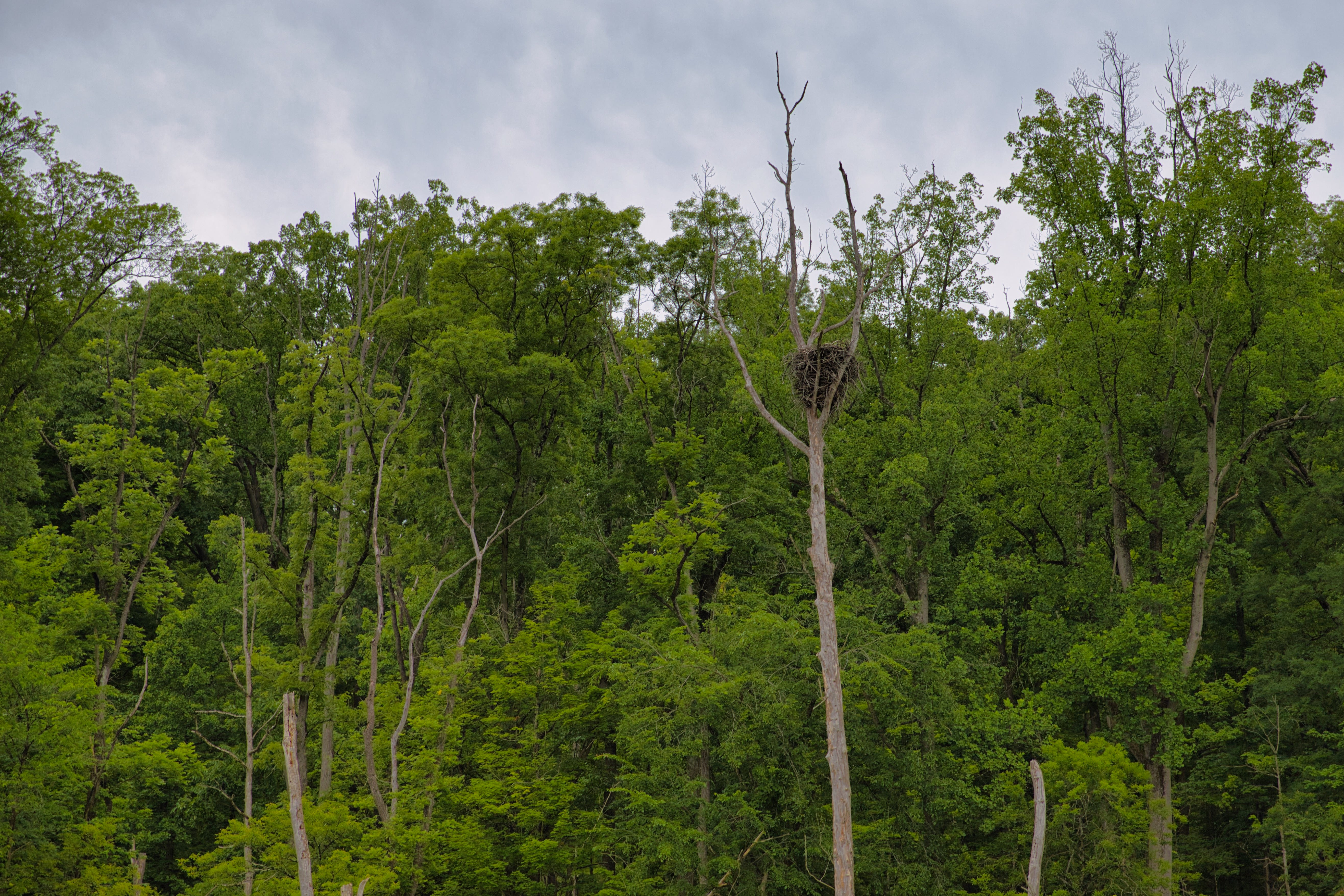
What saved the line wasn’t just nostalgia for the railroad itself, but the nature around it. The Cuyahoga River corridor here cuts through Carolinian forest, wet meadows, and biologically diverse marshes, full of wildlife, that a slow train tends to be one of the better ways to experience. The scenery aligned with a broader conservation effort in the 1970s: the rail corridor became Cuyahoga Valley National Recreation Area in 1974, and was upgraded to full National Park status in 2000. Many people still challenge this status as the park is frankly nowhere near other national parks like Yellowstone, Grand Canyon, and Yosemite. Having said that, Cuyahoga Valley has a big advantage as it sits inside a metropolitan area rather than hours beyond it, so it’s very accessible to people.
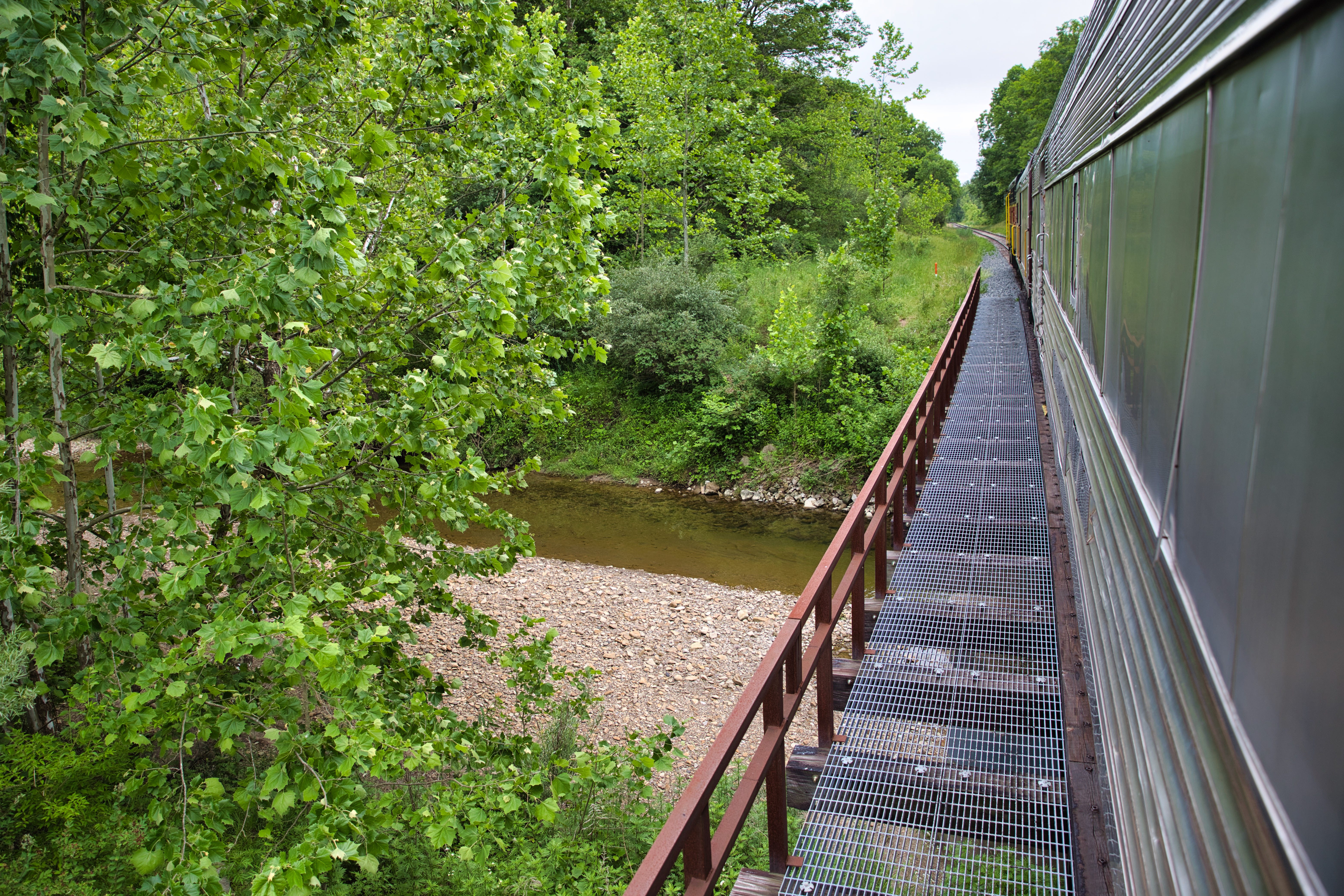
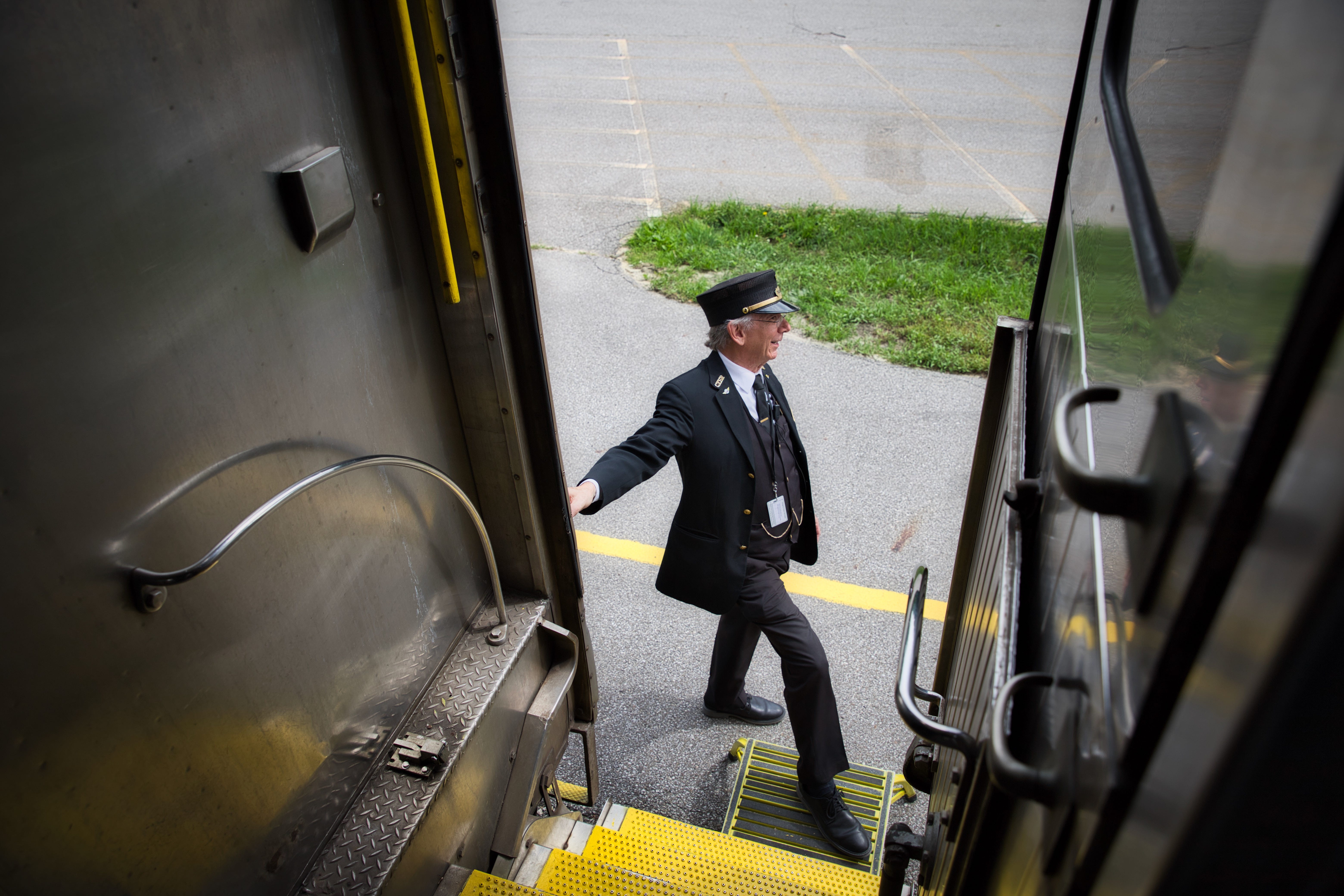
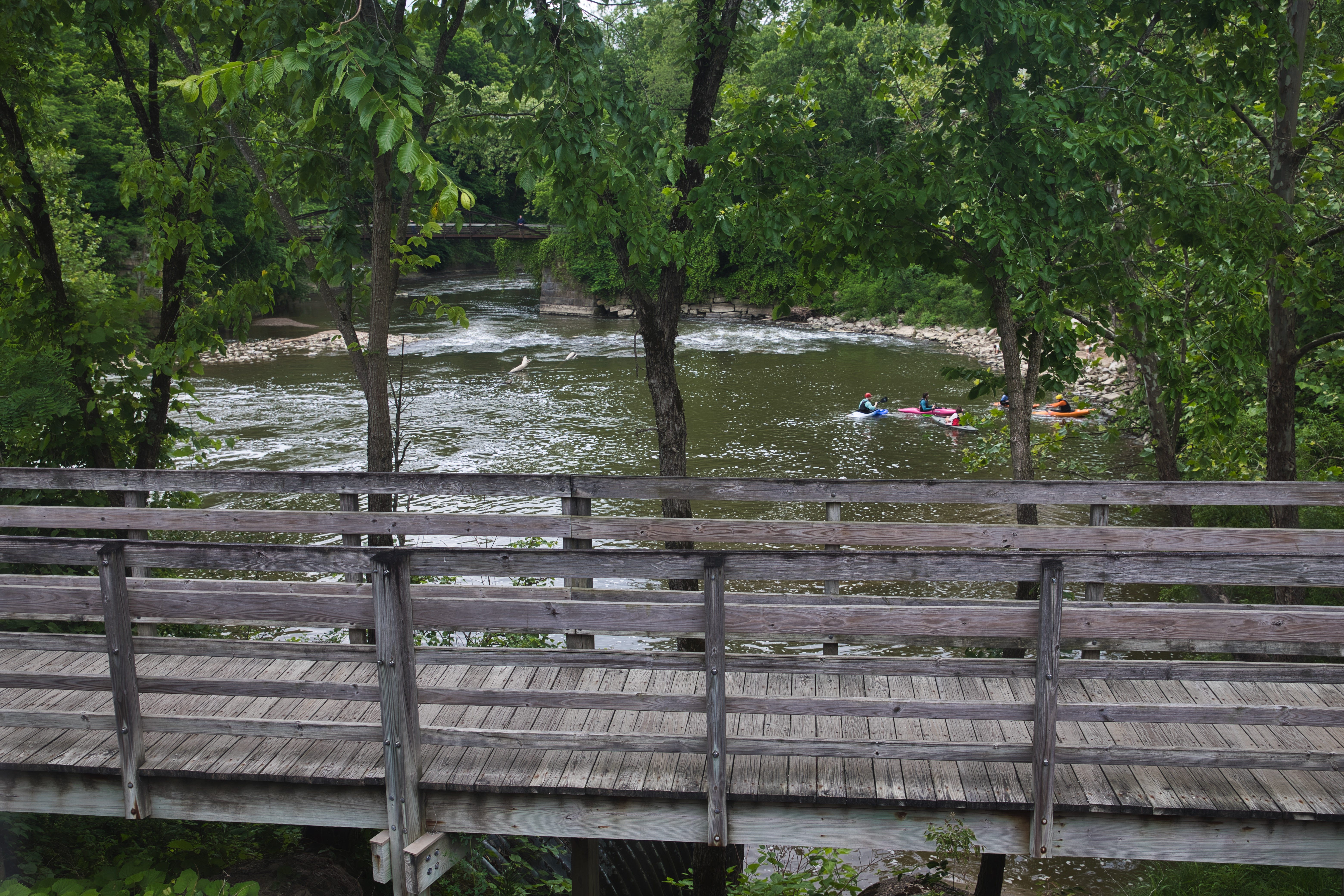
The first weekend excursion train ran in 1975, and more than fifty years later it’s still running, which for a tourist railroad is a strong track record.
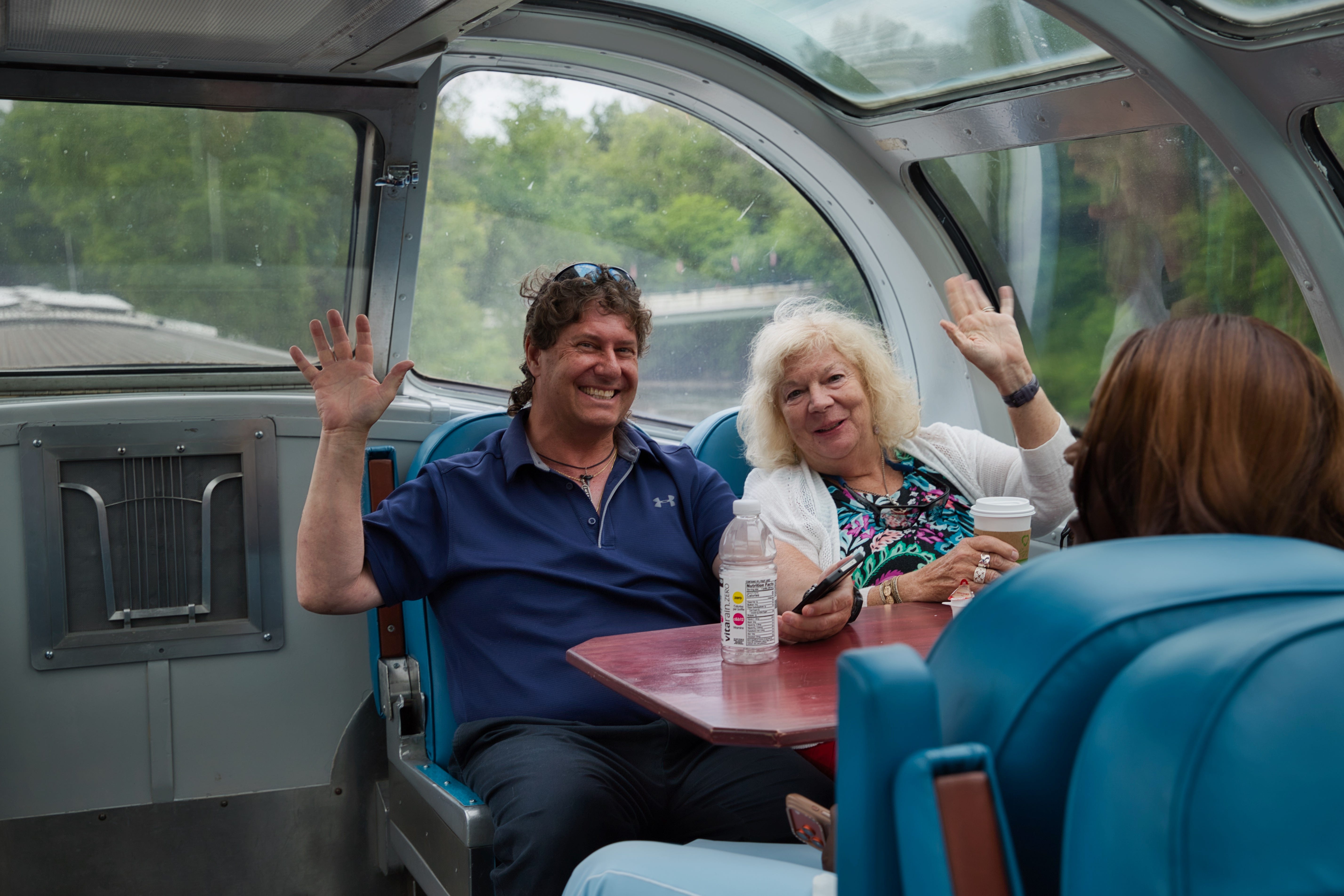
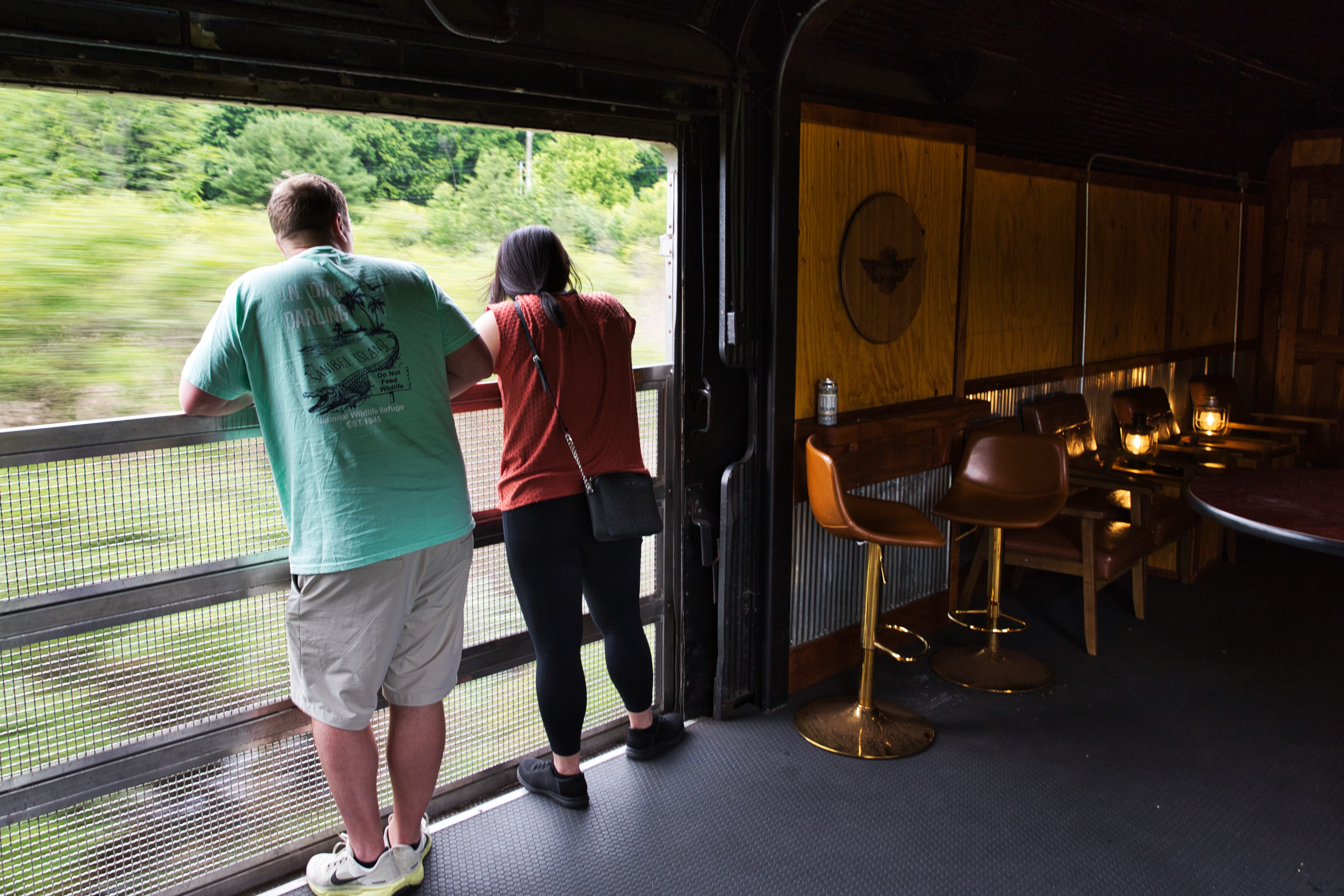
The current schedule offers two round trips a day on summer weekends. The train runs the full length between Akron and Rockside and takes about two hours each way. Ticket classes run from coach up through table service, first class, a domed observation car, and a car with open-air seating.
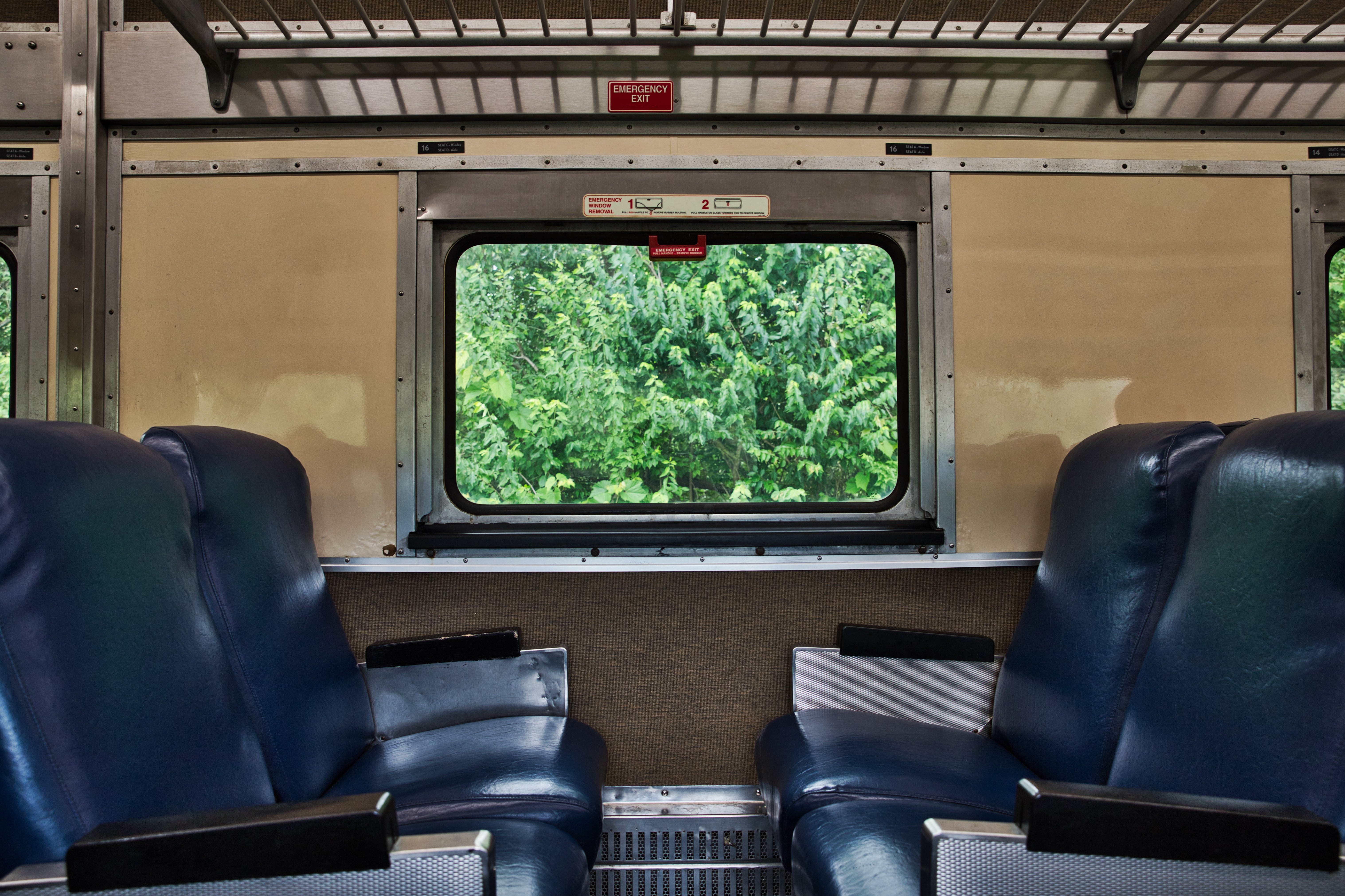
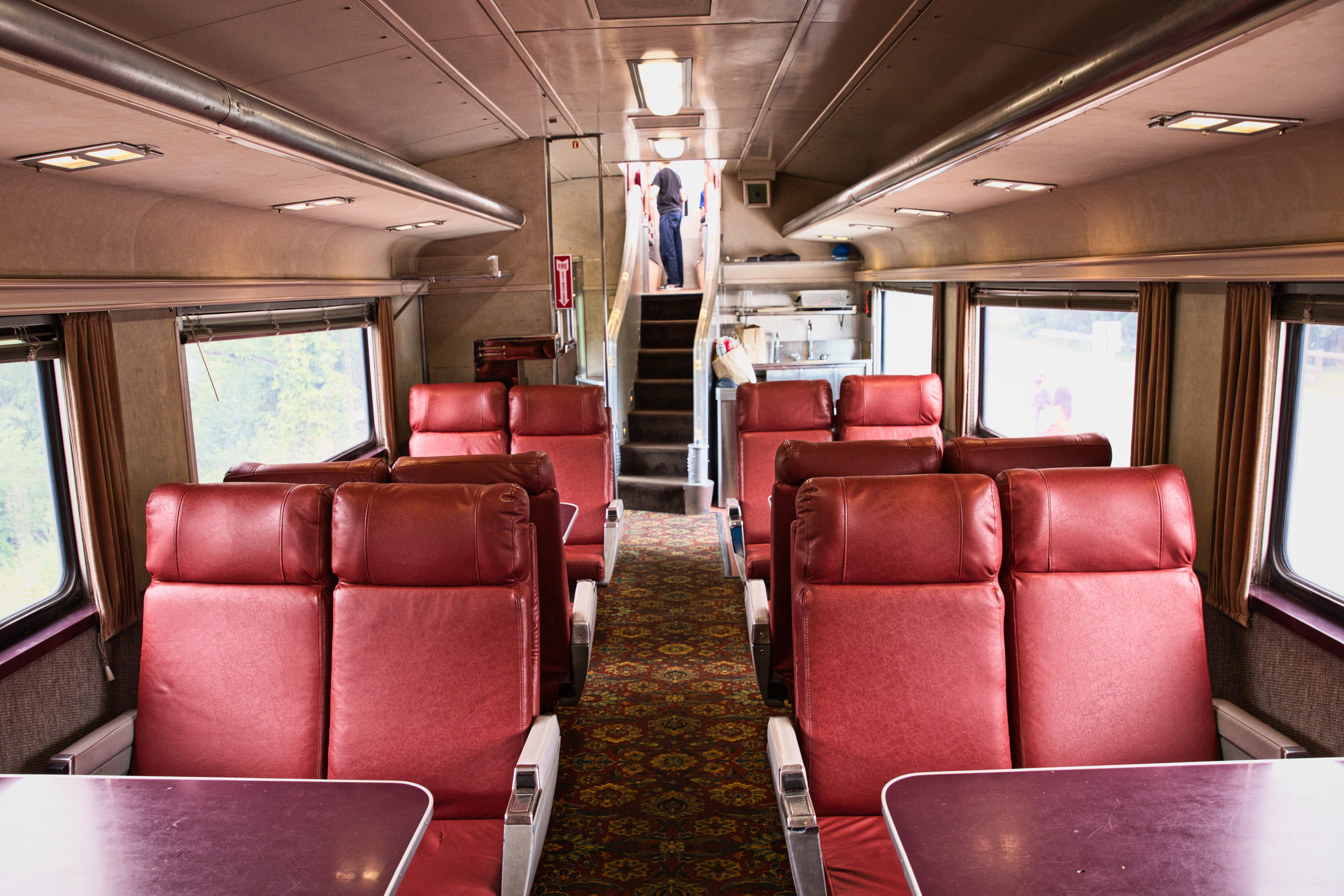
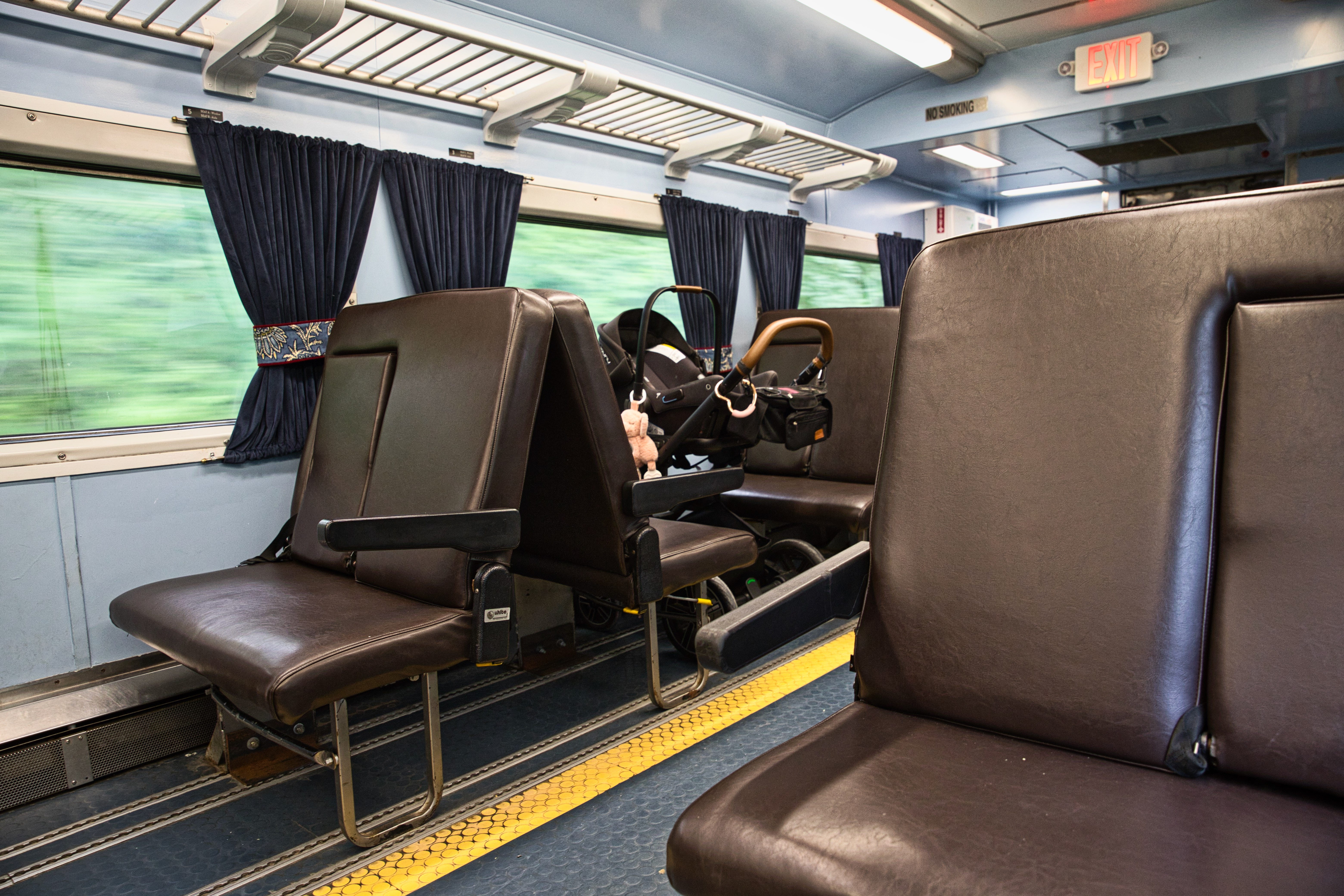
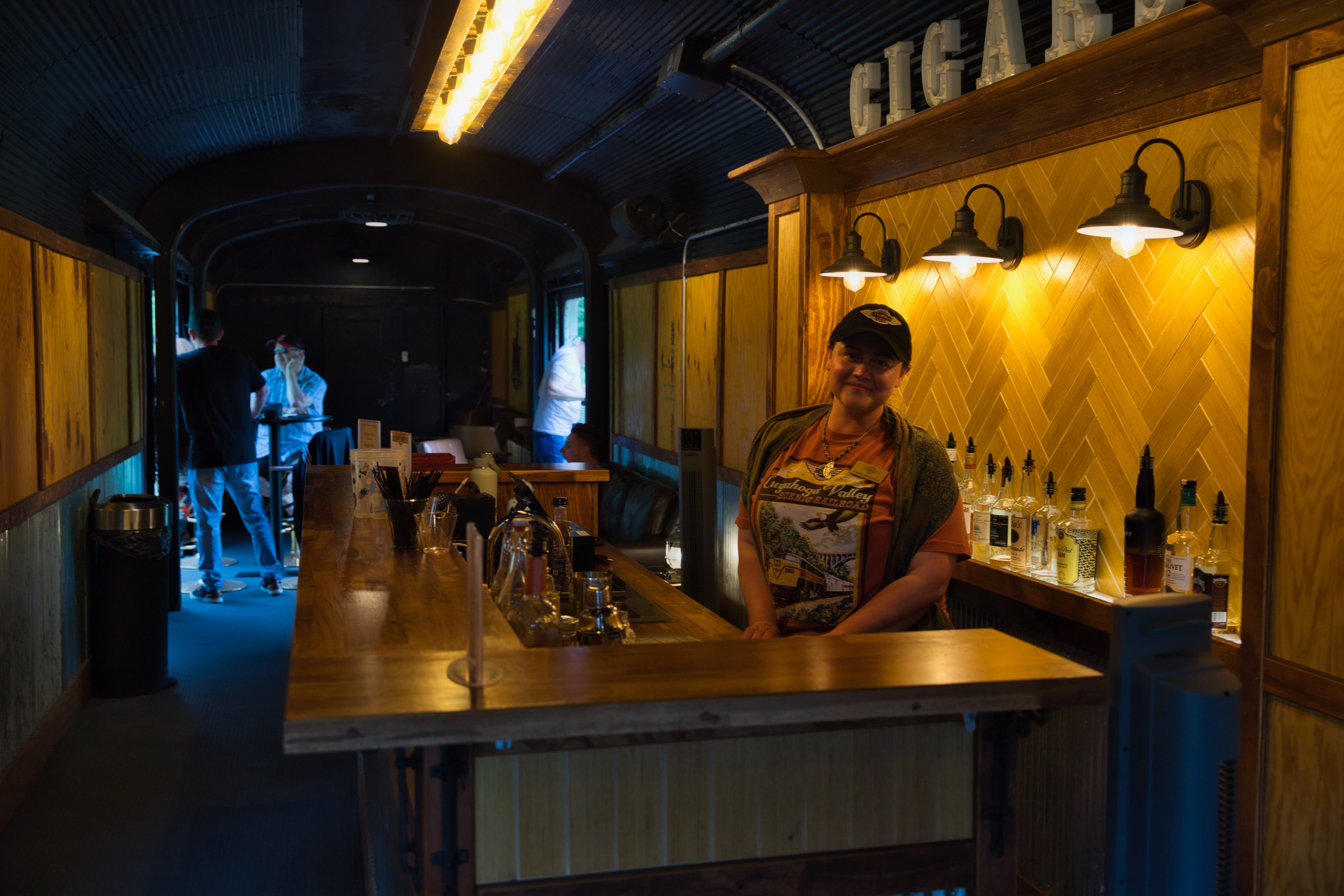
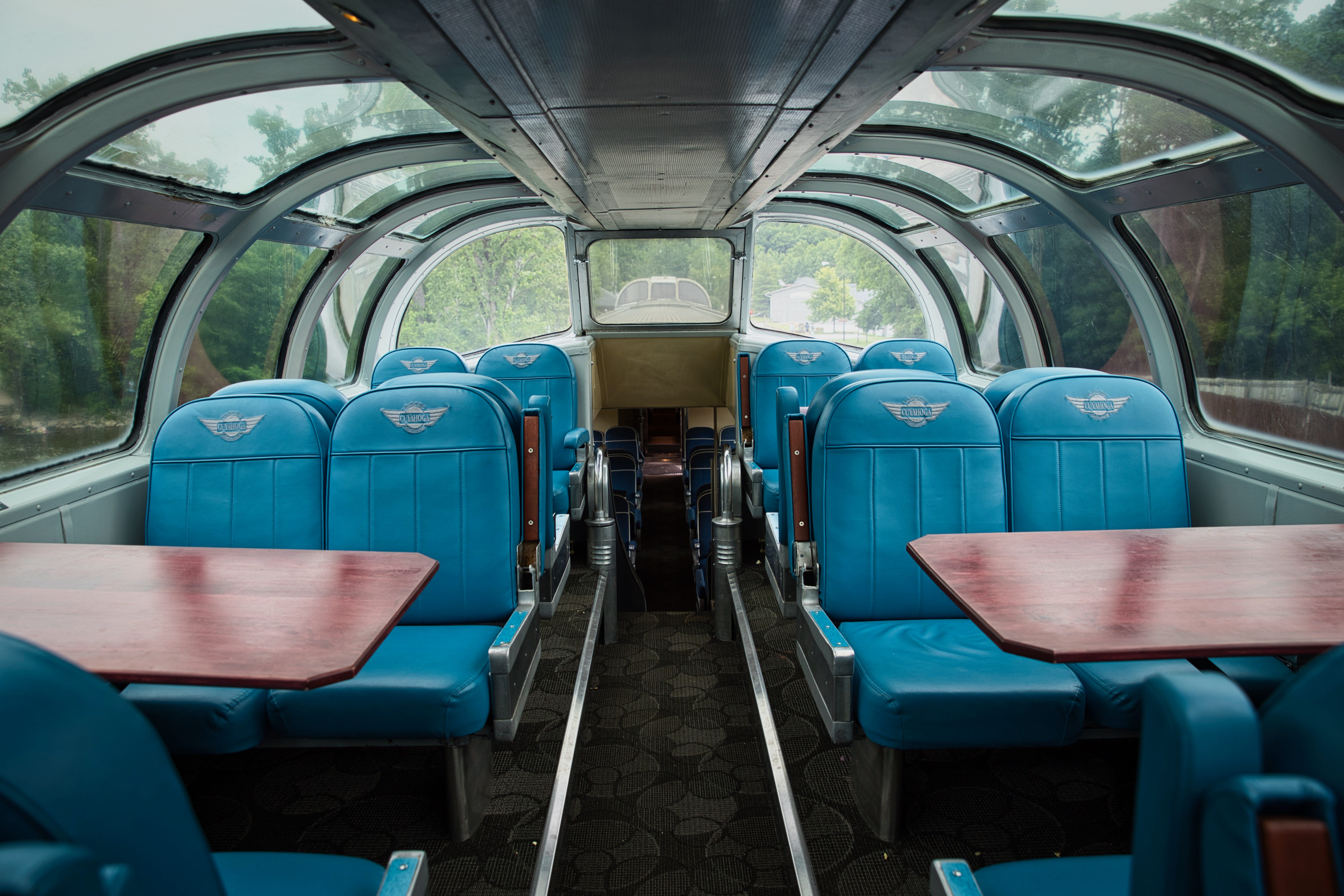
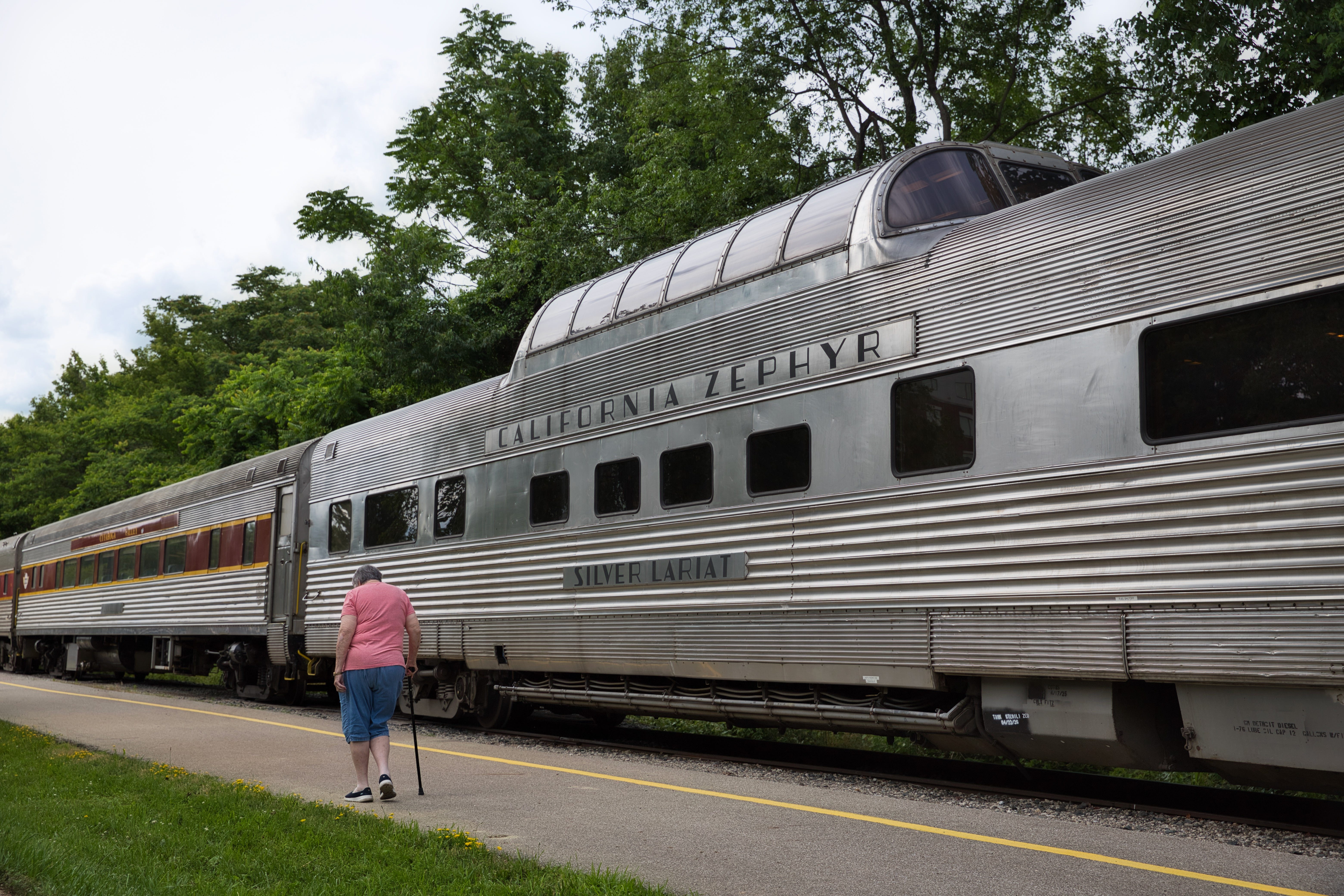
Most of the coaches trace back to the 1950s, built for the Pennsylvania Railroad. I saw two that were previously run on the iconic California Zephyr, the transcontinental train that still links Chicago and San Francisco Bay today.
One of the best way to use the railroad is for recreation purposes, and if I lived in Cleveland, I would absolutely take it frequently. Between June 1 and October 31, you can ride one direction and hike or bike back along the Ohio & Erie Canal Towpath Trail, or paddle the river by kayak, canoe, or paddle board. With eight train stops along the route, you can choose your own mileage. The boarding process is very low-tech: show up ten minutes early and flag the train down by waving both arms over your head, the same gesture that’s probably worked for flag stops since the nineteenth century.
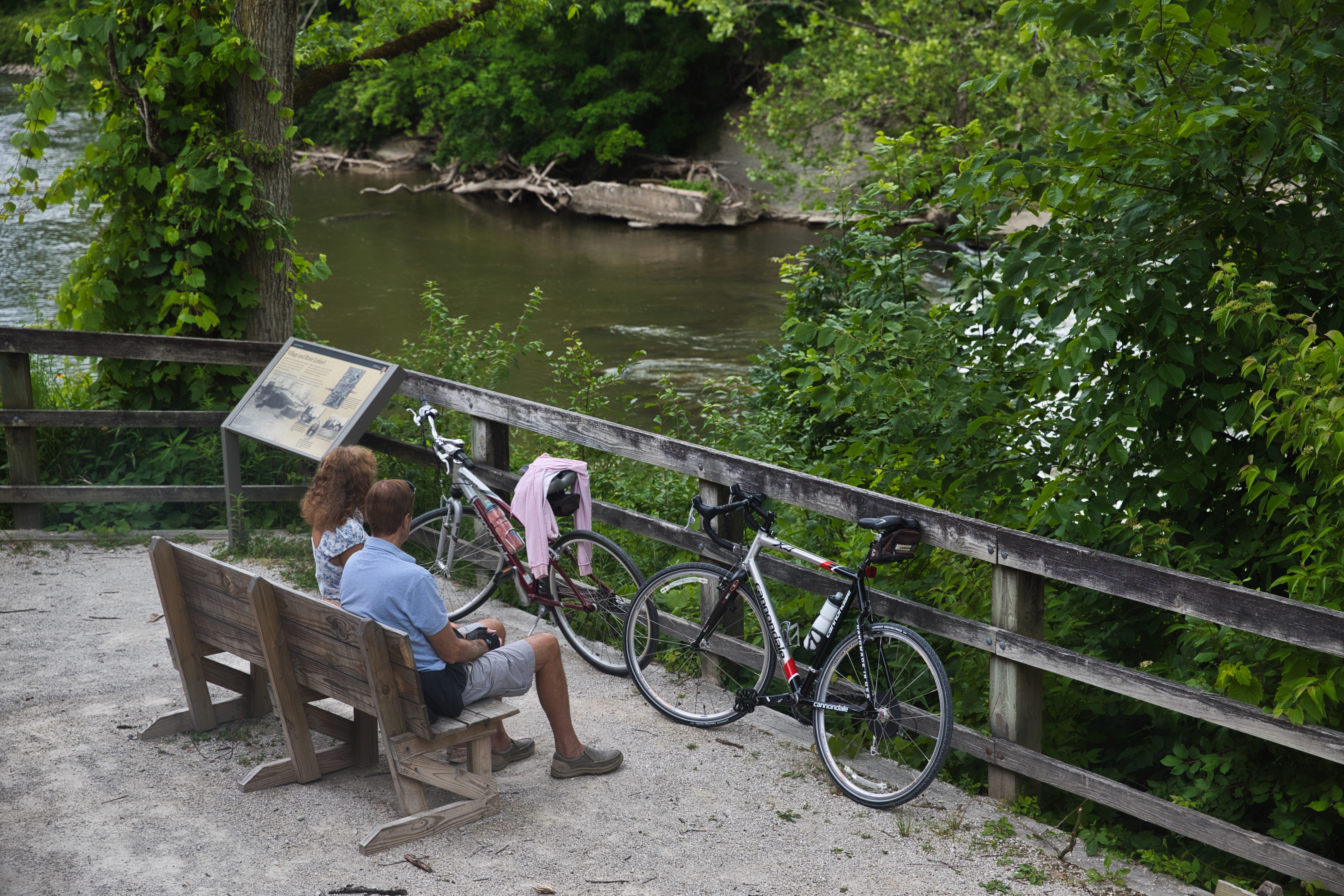
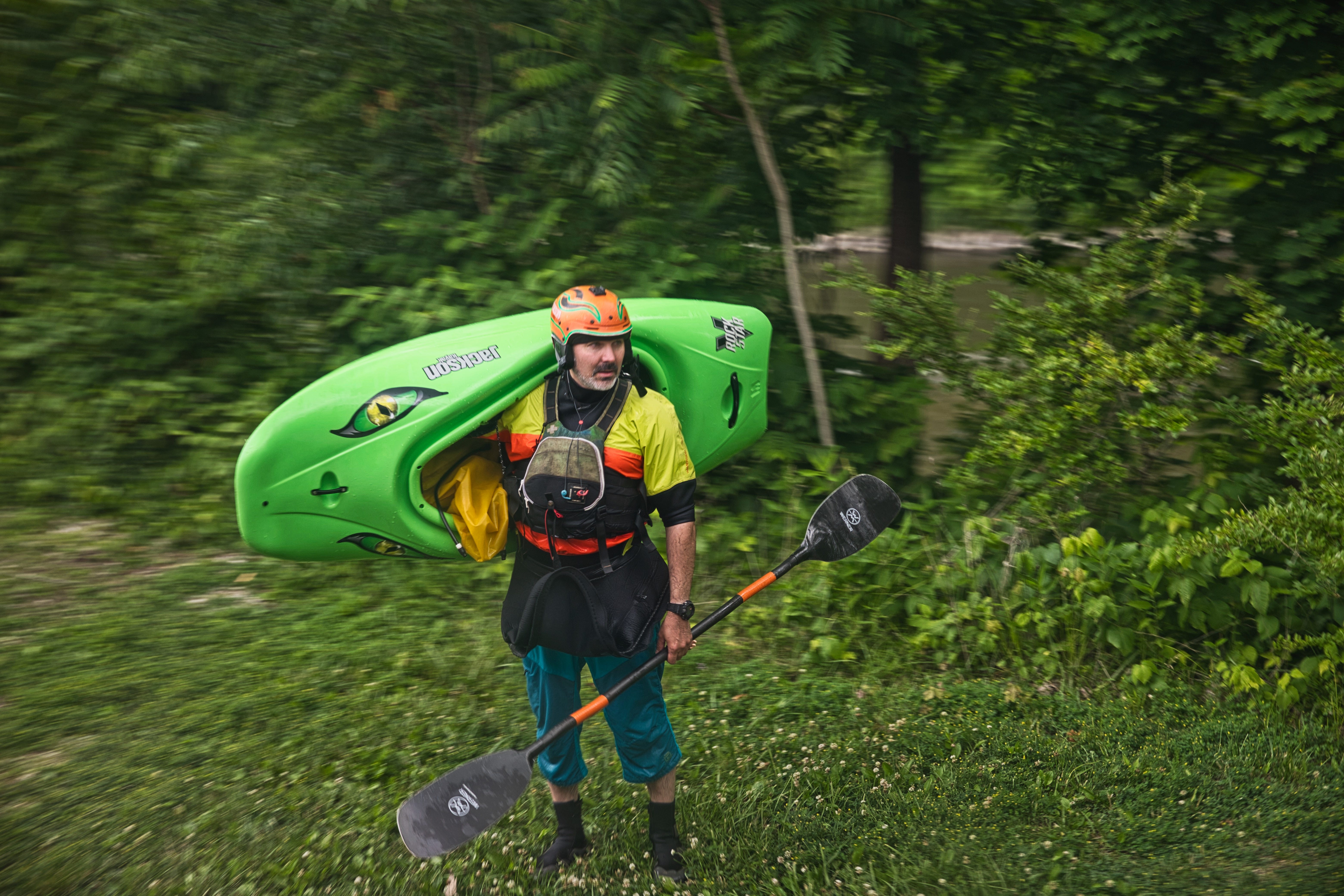
The railroad also gives you access into the Cleveland Metroparks system or the “Emerald Necklace” which includes 500+ km / 300+ miles of trails around the city.
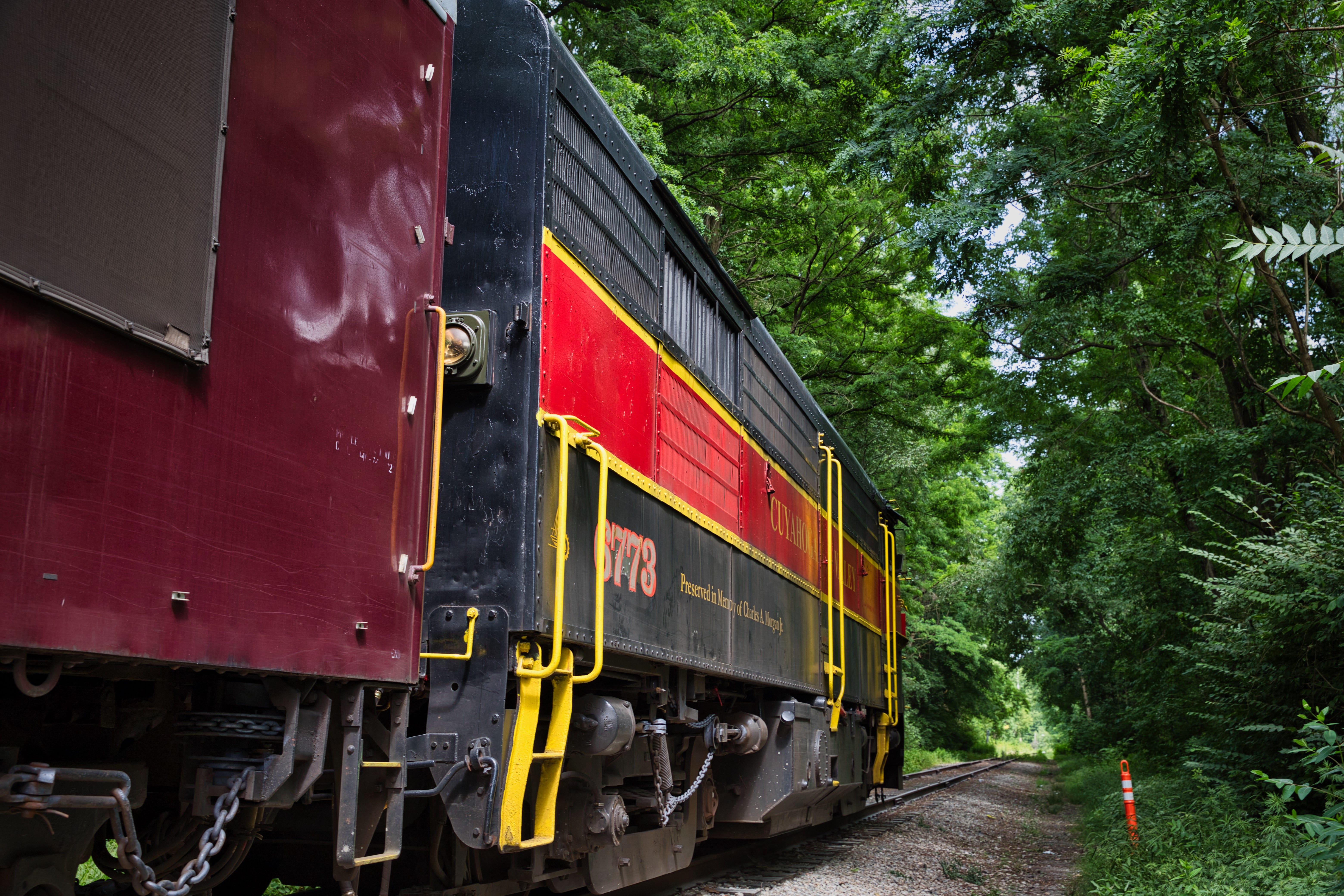
In the 1870s, this valley existed to move coal and ore out of the way of a growing industrial city. Today it exists to move people back into a stretch of forest that same city was smart enough not to pave over (although there are a few highways on tall viaducts crisscrossing the park). Having seen how many families were on my train that Sunday, riding it seems like a perfect way to spend Father's Day ∎.