Riding the Keihan Keishin Line: Streets, Tunnels, and Mountains
A Kyoto-to-Lake Biwa train ride on one of Japan’s steepest adhesion railways

Japan is full of fascinating, sometimes borderline weird, railways. Today’s essay covers one of them - the Keihan Keishin Line. When I first saw a photo of a four-car subway train running down a busy street alongside cars and pedestrians, I knew I had to see it in person.
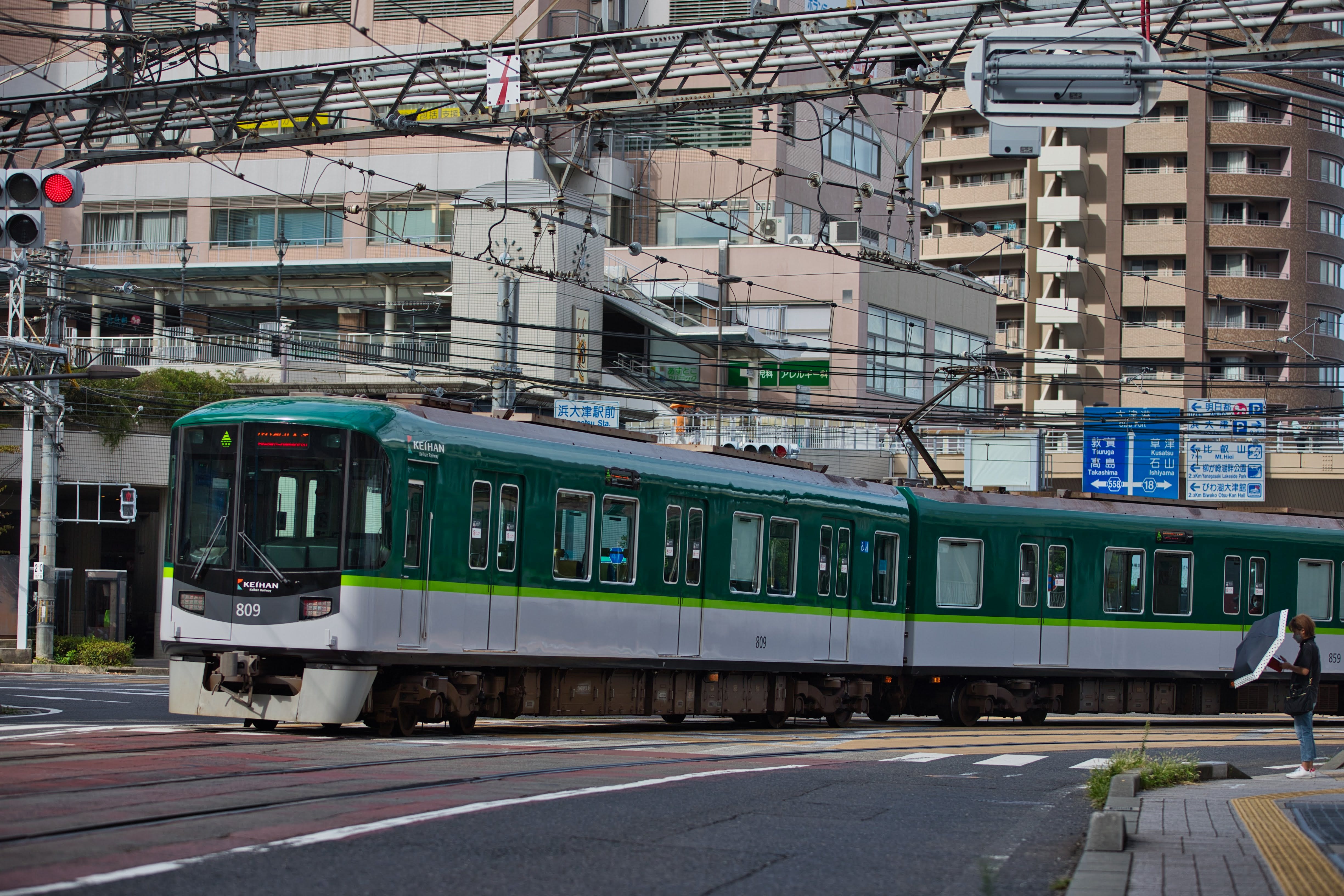
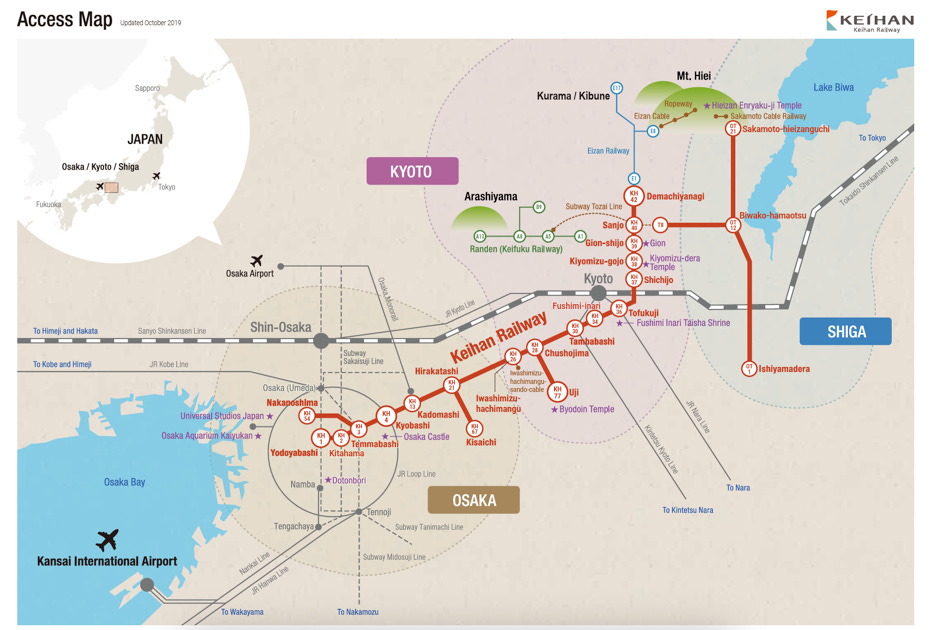
The Keihan Keishin Line is a 7.5-kilometre (4.7-mile) interurban railway in Japan that has been running for almost 115 years. It’s privately operated by the Keihan Electric Railway and connects Kyoto with Ōtsu in Shiga Prefecture.
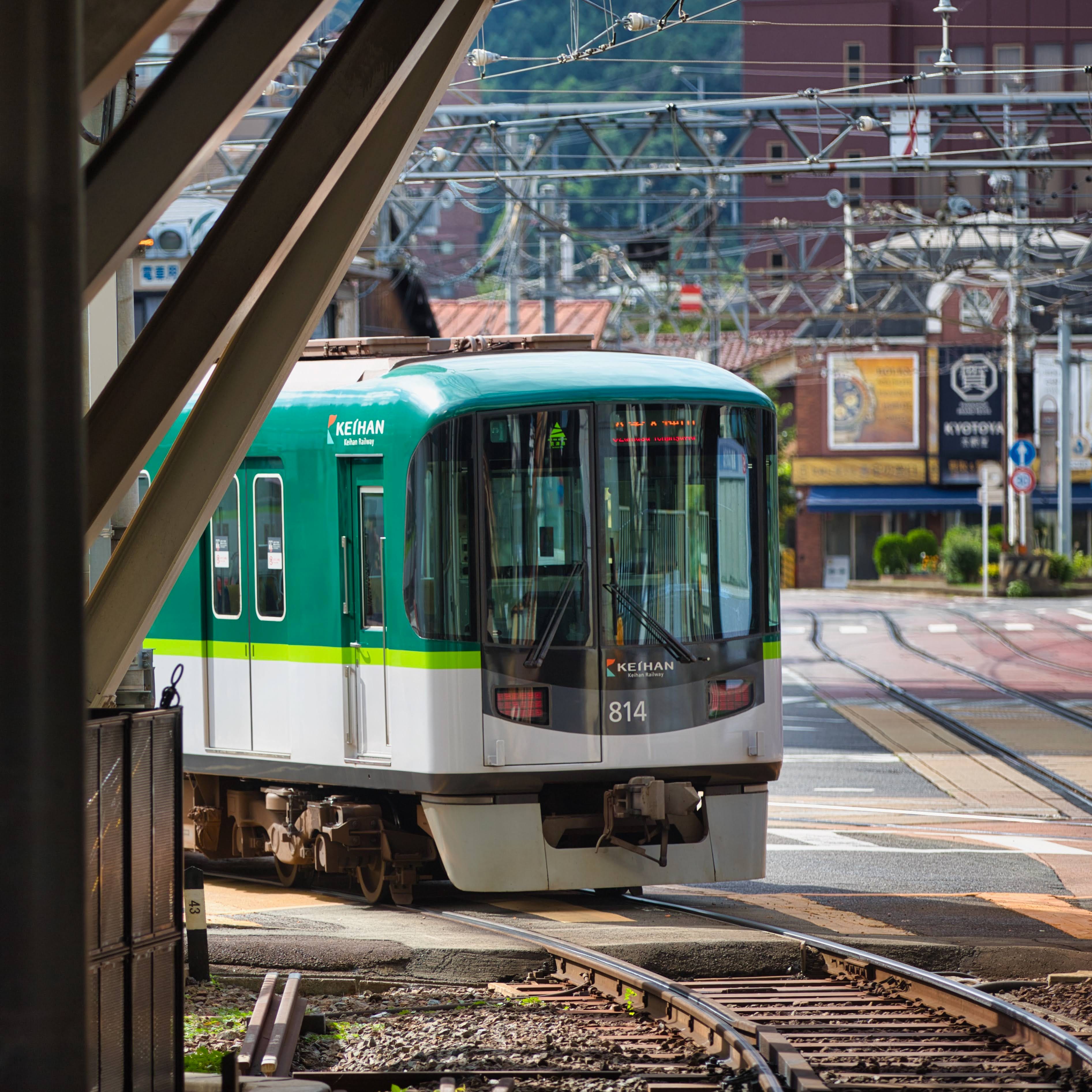
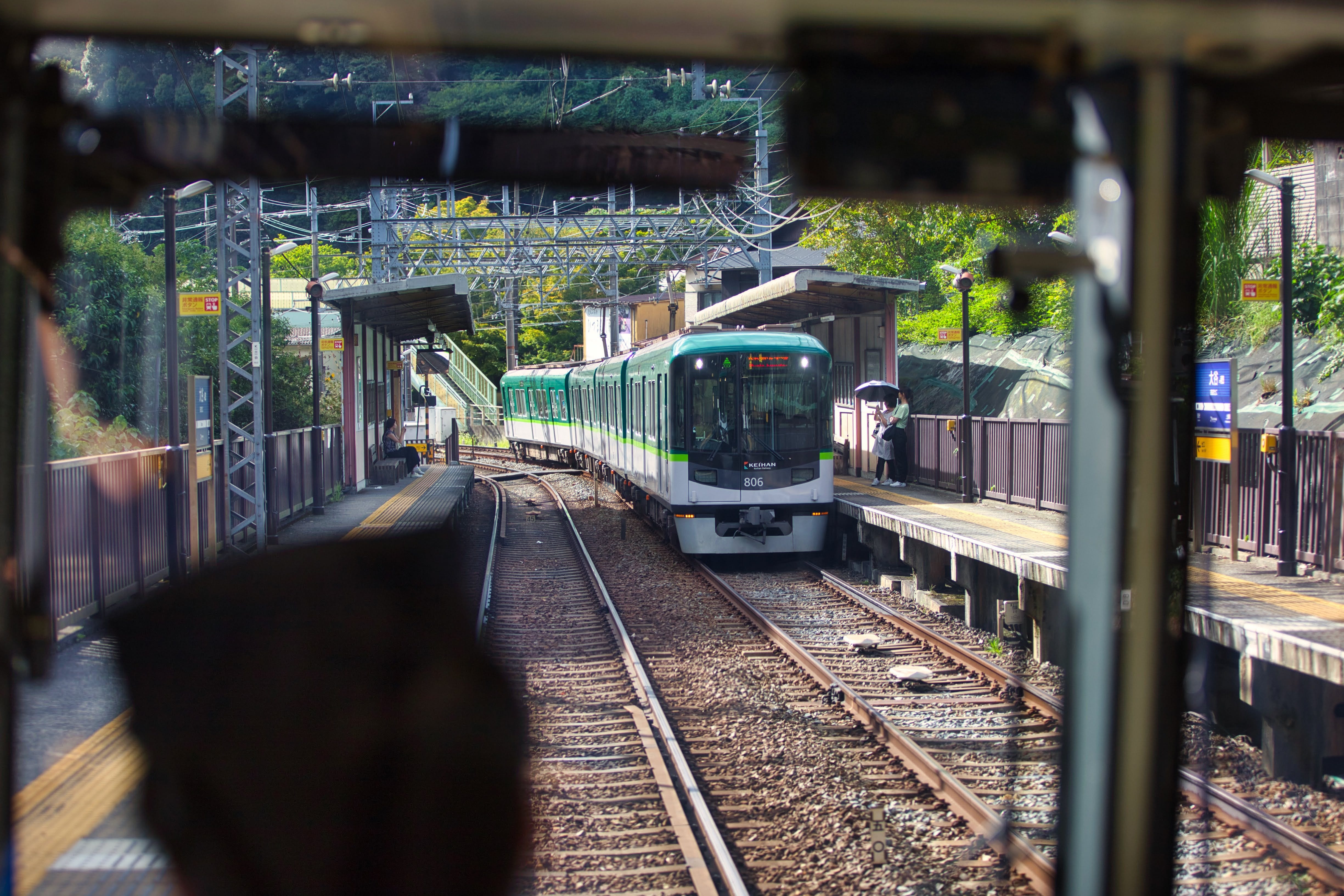
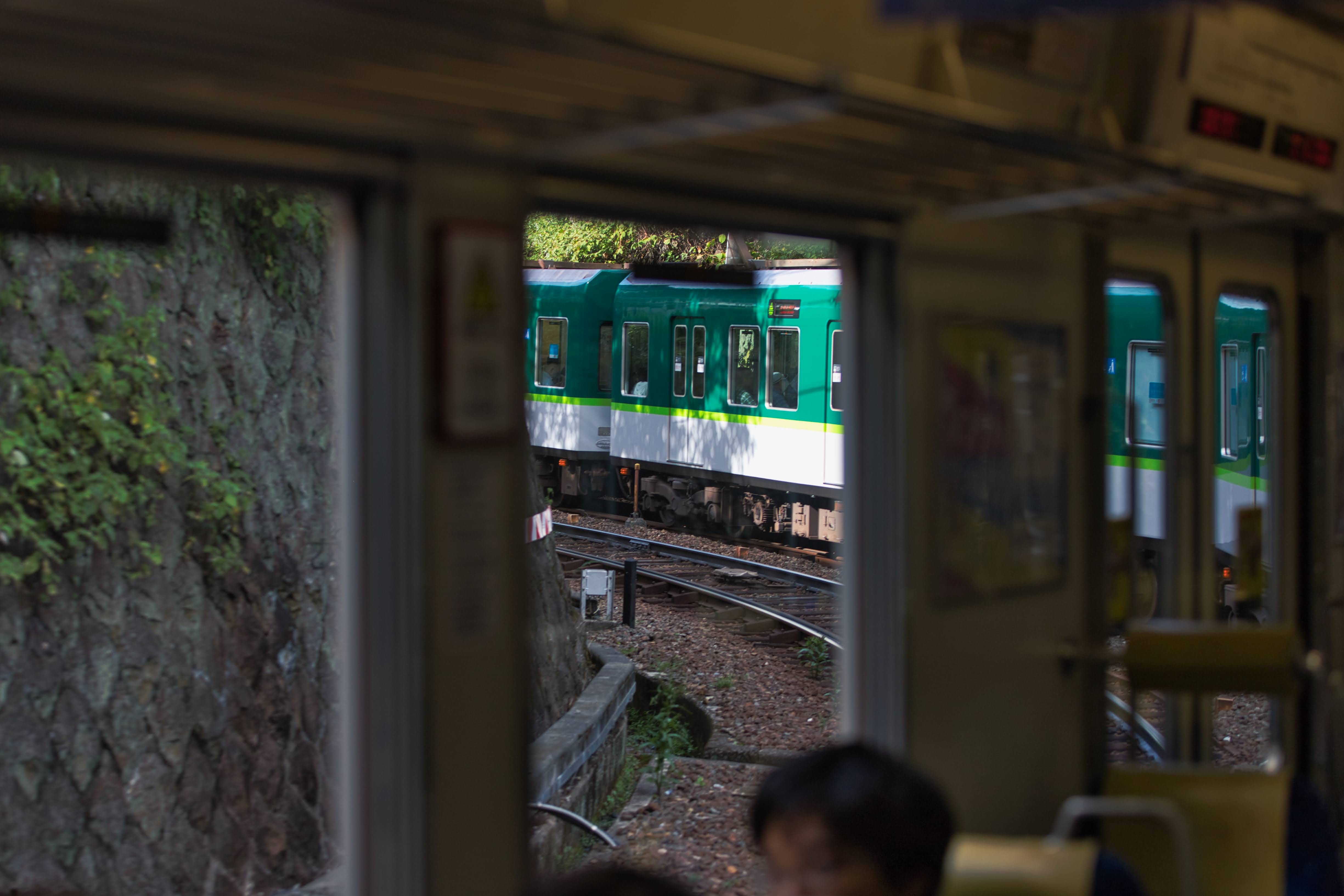
What makes this railway really cool is it runs across three very distinct modes in a single journey: a subway, a mountain railway, and a streetcar. As a passenger, you will run through underground tunnels, navigate steep mountain climbs, and bypass cars and pedestrians on a street-level running section. And it’s all without leaving a train!
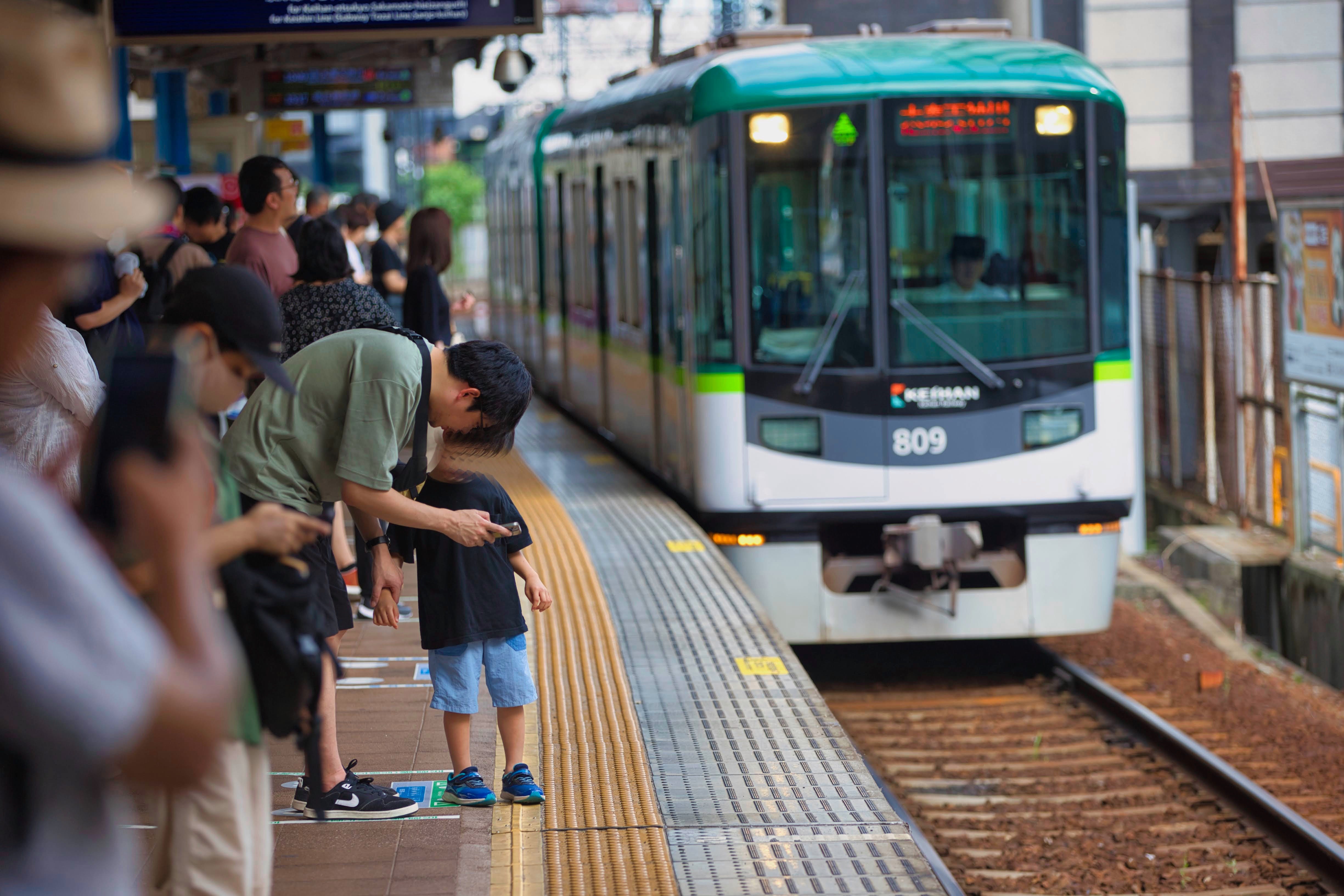
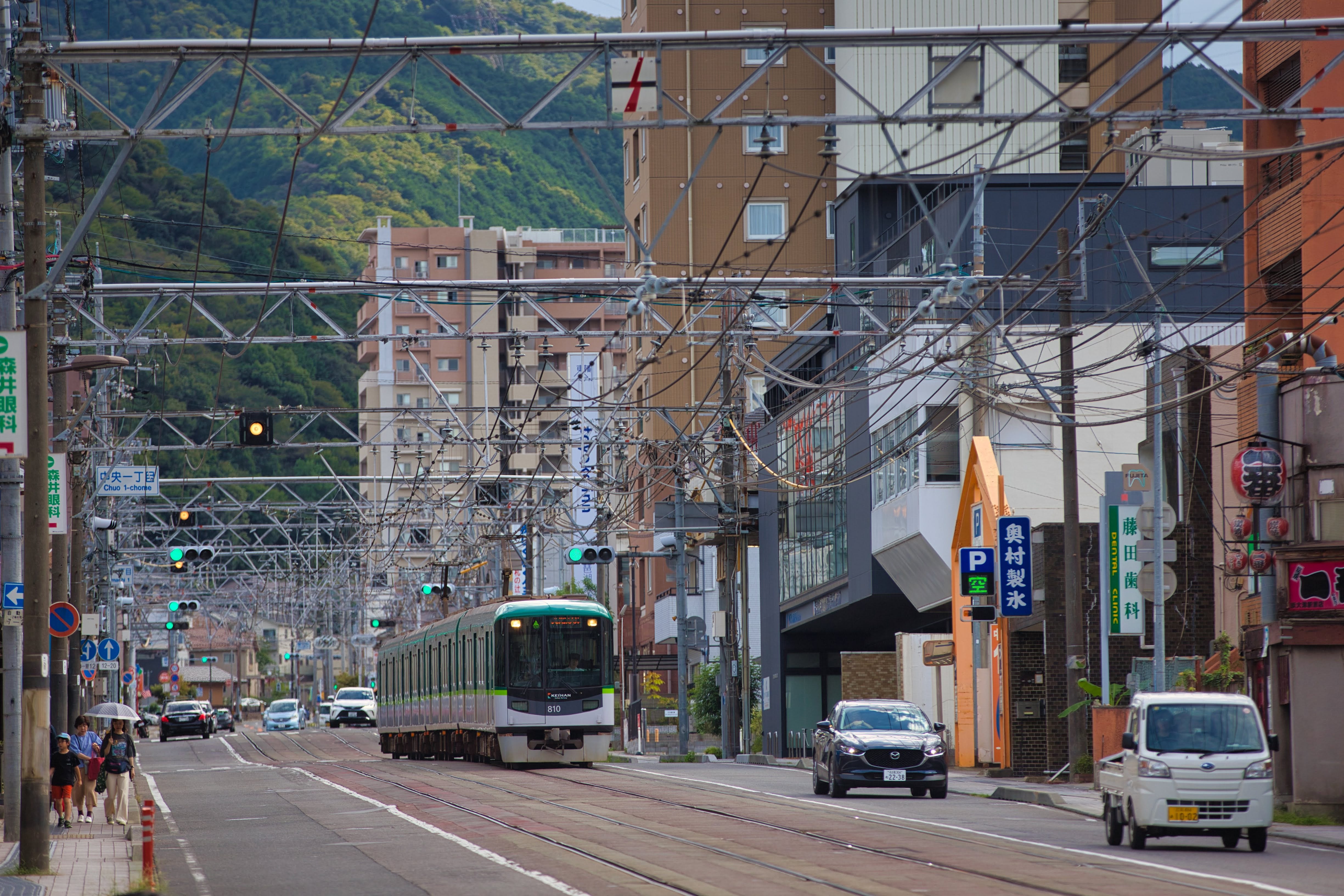
This railway is also unique in Japan: the final stretch into Biwako-Hamaotsu is the only place in Japan where you can see full four-car trains on shared city streets. It actually reminds me of Michigan City, Indiana, which is on my bucket list. Is there anywhere else in the world where something like this exists?
Another weird thing about this railway is that it successfully negotiated with the City of Kyoto to use its newly built subway tunnel to run its trains. West of Misasagi Station, trains enter underground tunnels and run directly onto the Kyoto City Subway Tōzai Line all the way to Uzumasa Tenjingawa Station. It still blows my mind that this thing exists in Japan: different train operators use the same stretch of a subway tunnel to run passenger trains. I’ve seen it already in Tokyo and Osaka, and Kyoto is just another example.
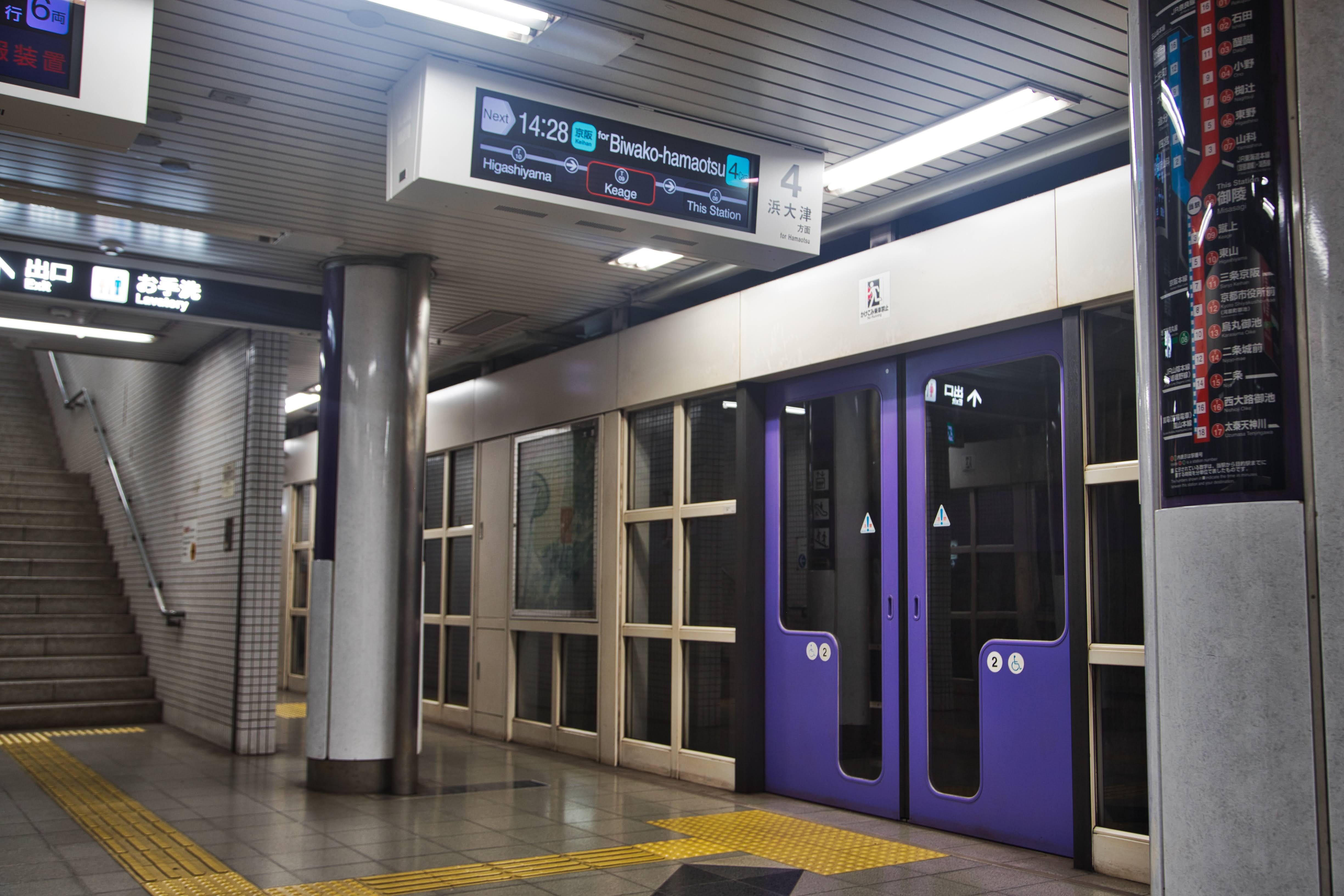
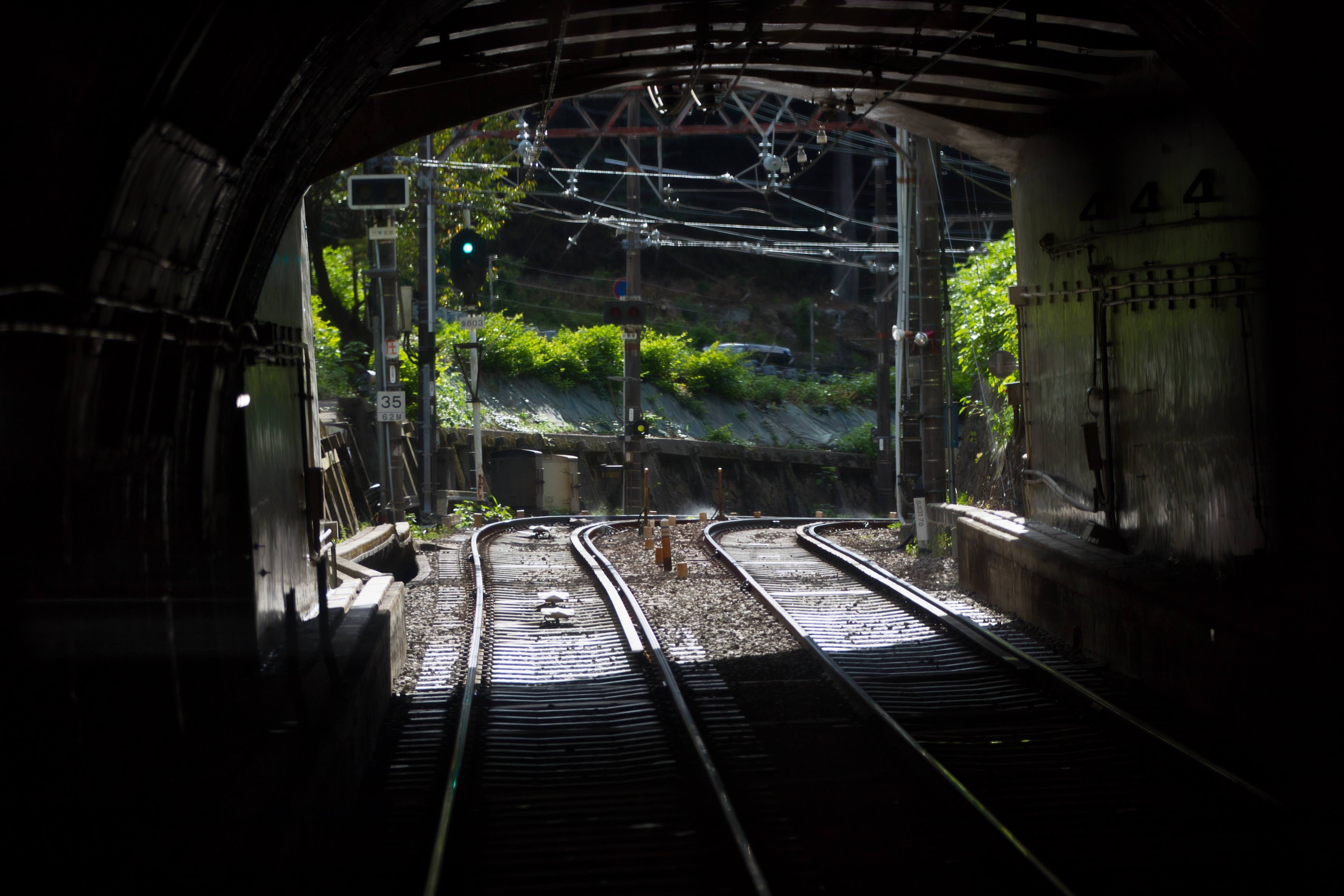
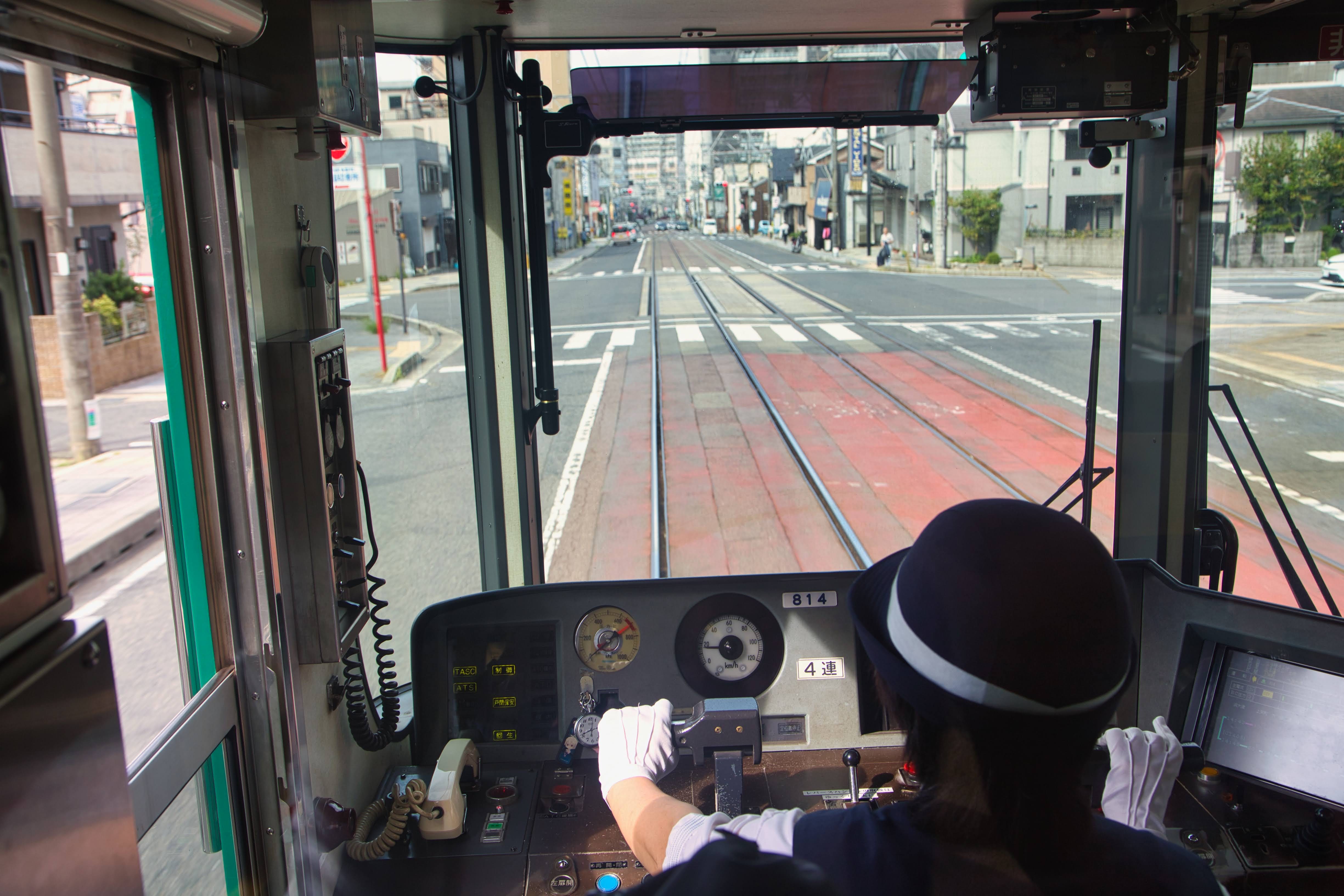
About halfway through the route, the tracks begin to climb through the mountains with sharp curves and gradients reaching 6.1%. Although it does not sound that impressive, but note that these trains don’t use a rack (cog), so because if this, the Keihan Keishin Line ranks among the steepest adhesion railways in Japan. On the hot day I rode it - with temperatures climbing to 38°C (99°F) - the train moved quite slowly. It was also the first time I saw trackside sprinklers being used to cool the rails to prevent thermal expansion and excessive wear.
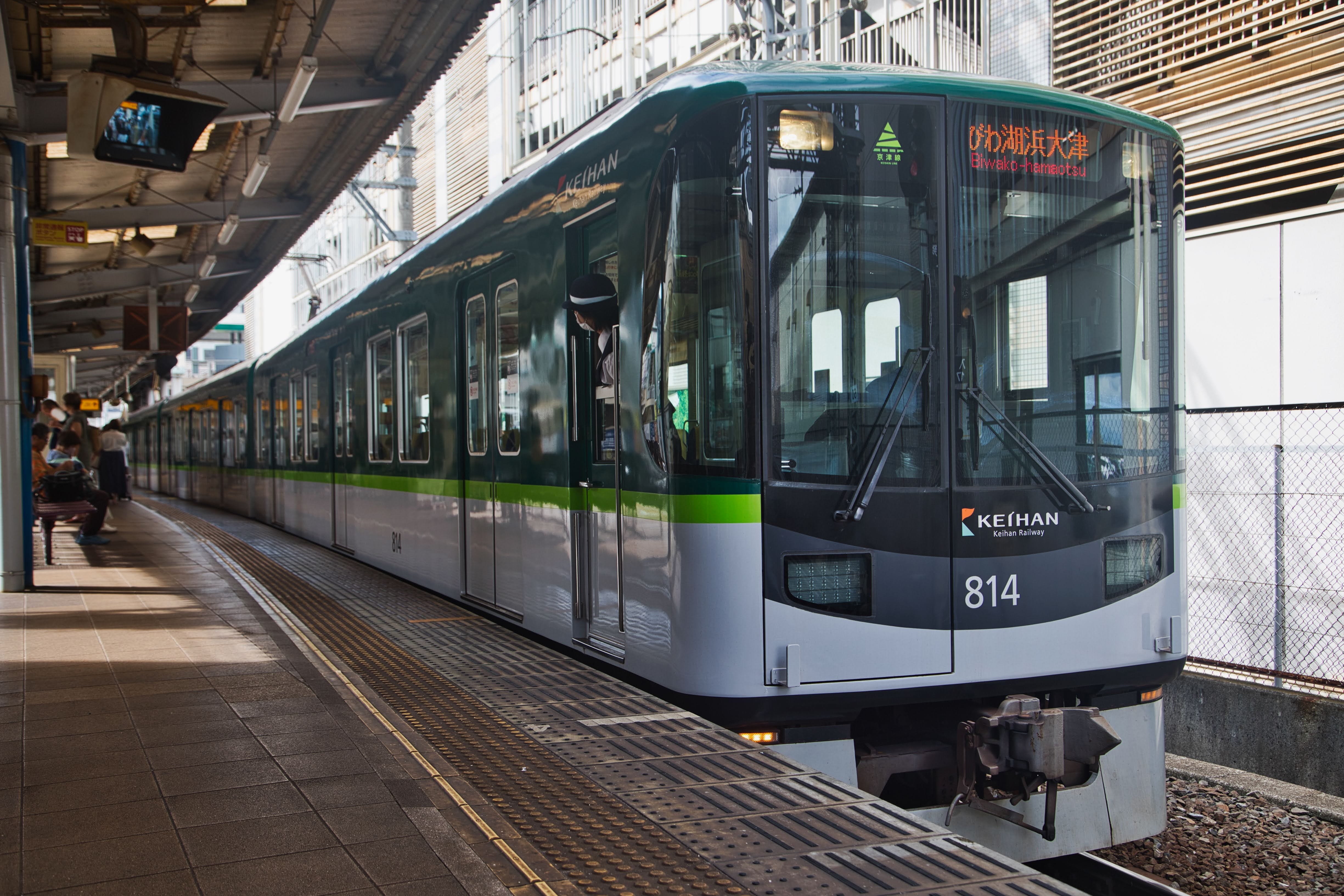
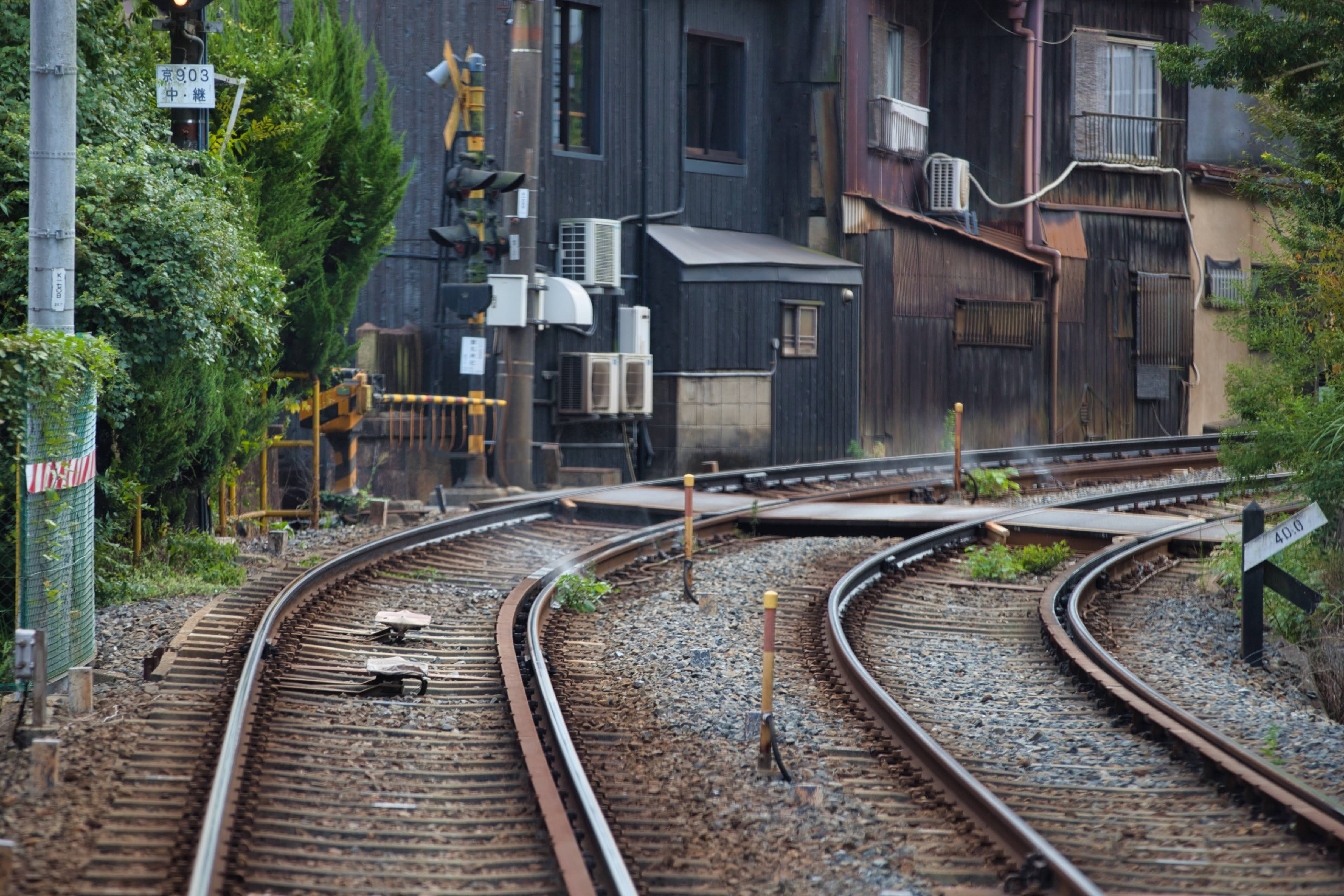
Keihan uses custom-engineered four-car Keihan 800 Series electric multiple units (EMUs) to be able to handle these diverse conditions. I really enjoyed riding these cool trains! ∎
You mentioned that you didn’t believe that “it sounded that impressive” that this was an adhesion railway whose profile in some sections is as steep as six percent and that at the same time this is not a cog railway. A six percent grade in my view is pretty steep for a railway.
Here in America, I don’t know of any similar railroad that has or had that steep a profile or steeper that wasn’t either a cog railway or used a Heisler or Shay or Climax locomotive on its trains — or isn’t of the funicular type — to conquer such steep terrain.
So, the fact that a so-called “standard” adhesion-type train in Japan or anywhere else for that matter that can do this, I find that pretty amazing!