The train journey between Winnipeg and Churchill, in the Canadian province of Manitoba, is one of North America’s most extraordinary passenger rail experiences. Over the course of 48 hours, VIA Rail northbound train 693 covers a distance of almost 1,700 kilometres (1,050 miles) and passes through three distinct eco-zones: flat prairie farmland, dense subarctic boreal forest, and the frozen expanse of the Arctic tundra along Hudson Bay. Travelling to Churchill on this train had been on my bucket list for at least a decade, so I was very excited to finally make the trip in October 2026.
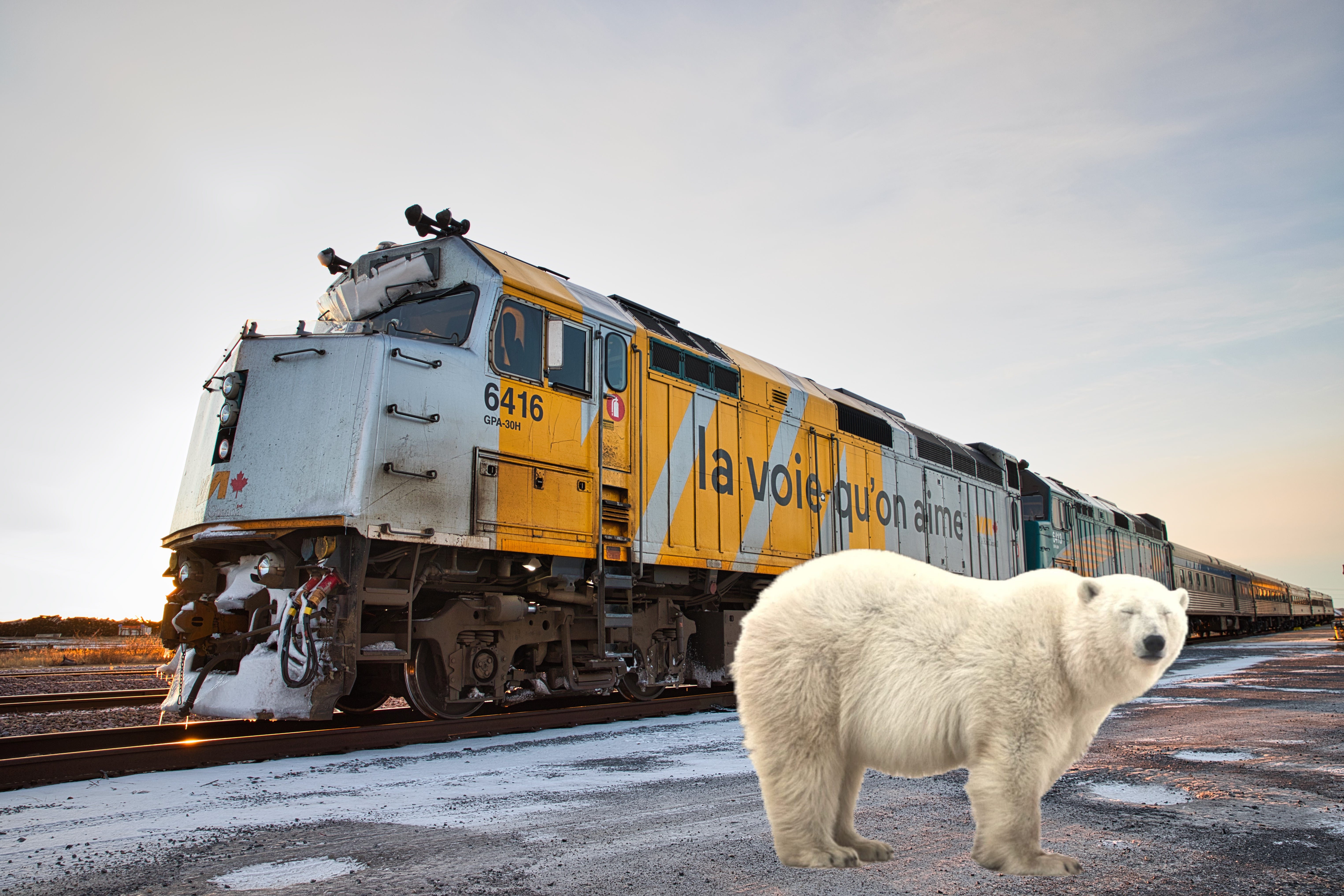
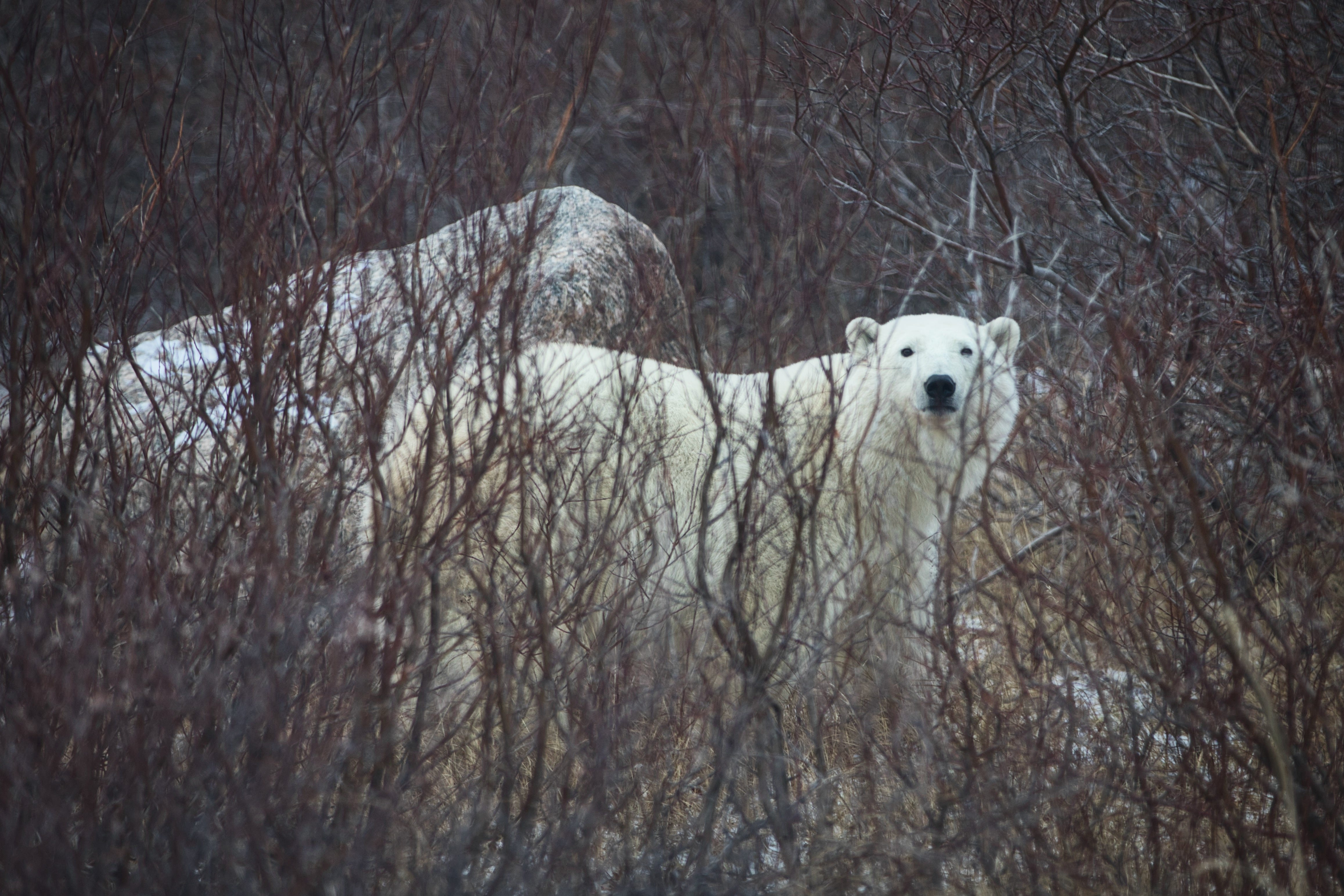
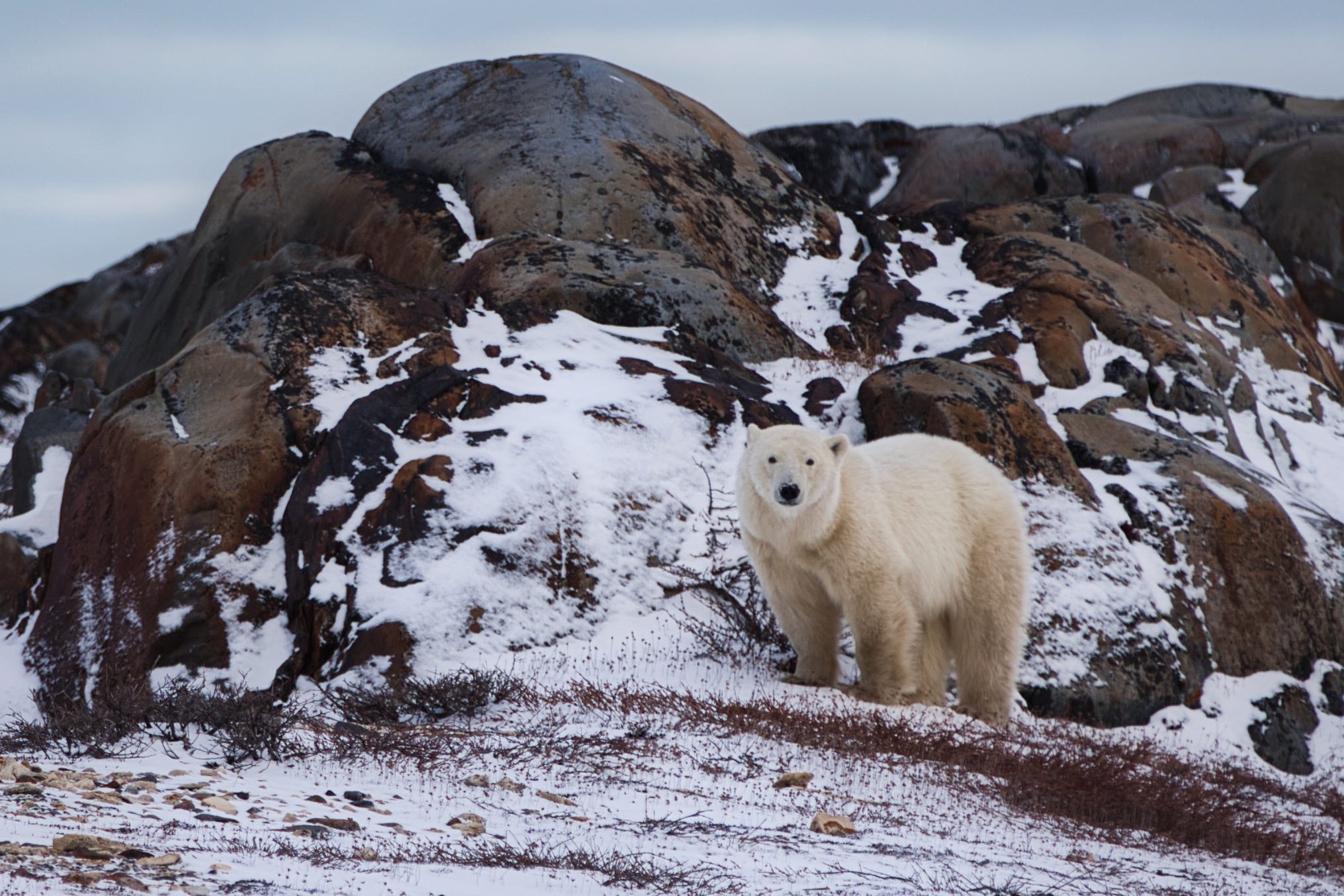
But what is so special about Churchill, a town of 900 people, that I was willing to spend two days travelling on the slowest VIA Rail train? As you might have already guessed from the title of this essay, every year in October and November, Churchill becomes the Polar Bear Capital of the World, and for good reason: dozens of polar bears come to this tiny town waiting for Hudson Bay to freeze so they can go on ice floes to hunt seals.
Besides, Canada’s expansive north features some of the most extraordinary natural treasures Mother Nature has to offer. Having been fortunate to travel to Northern Canada a few times already - to Nunavut and the Yukon Territory - I had pretty high expectations for Churchill, and it certainly did not disappoint.
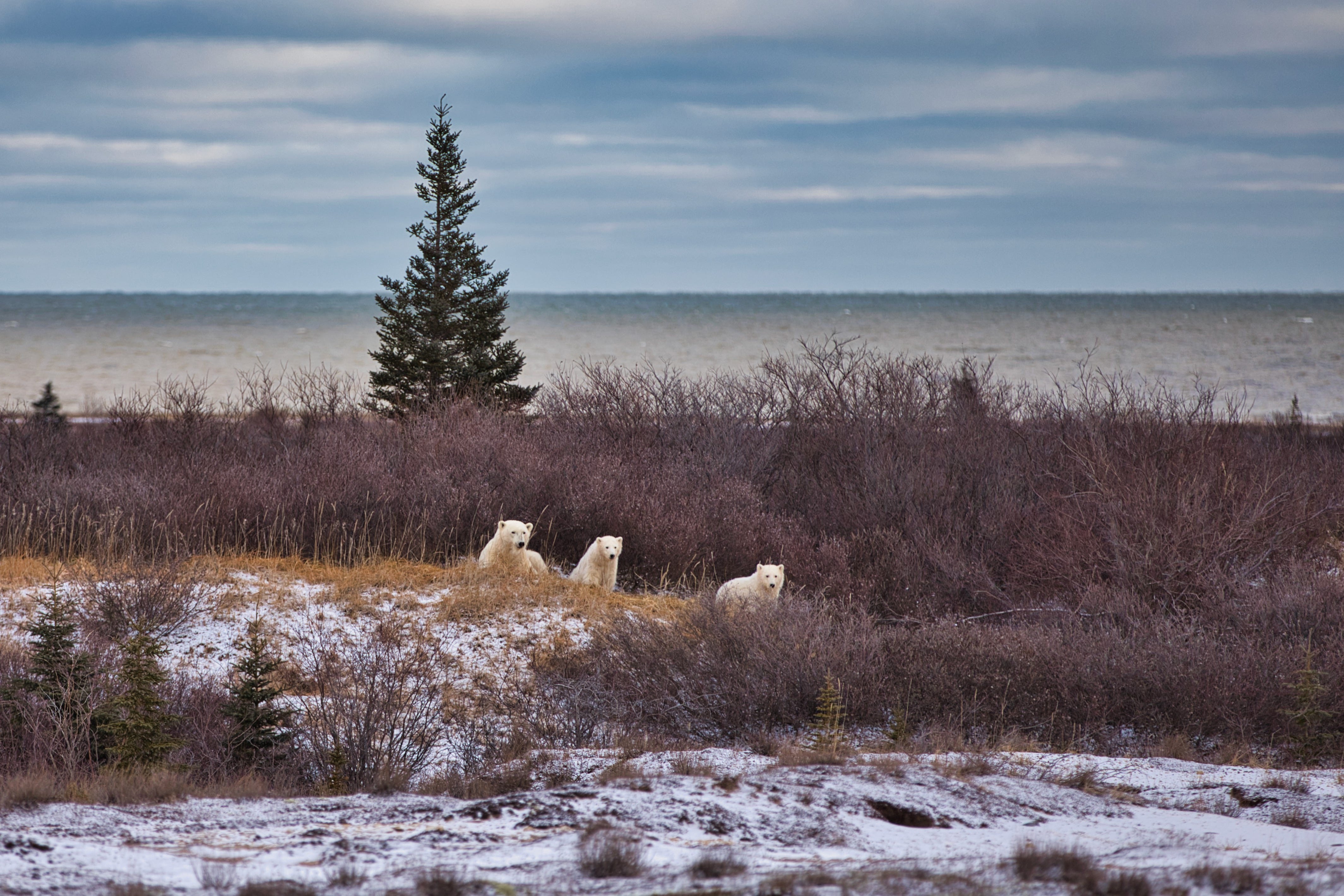
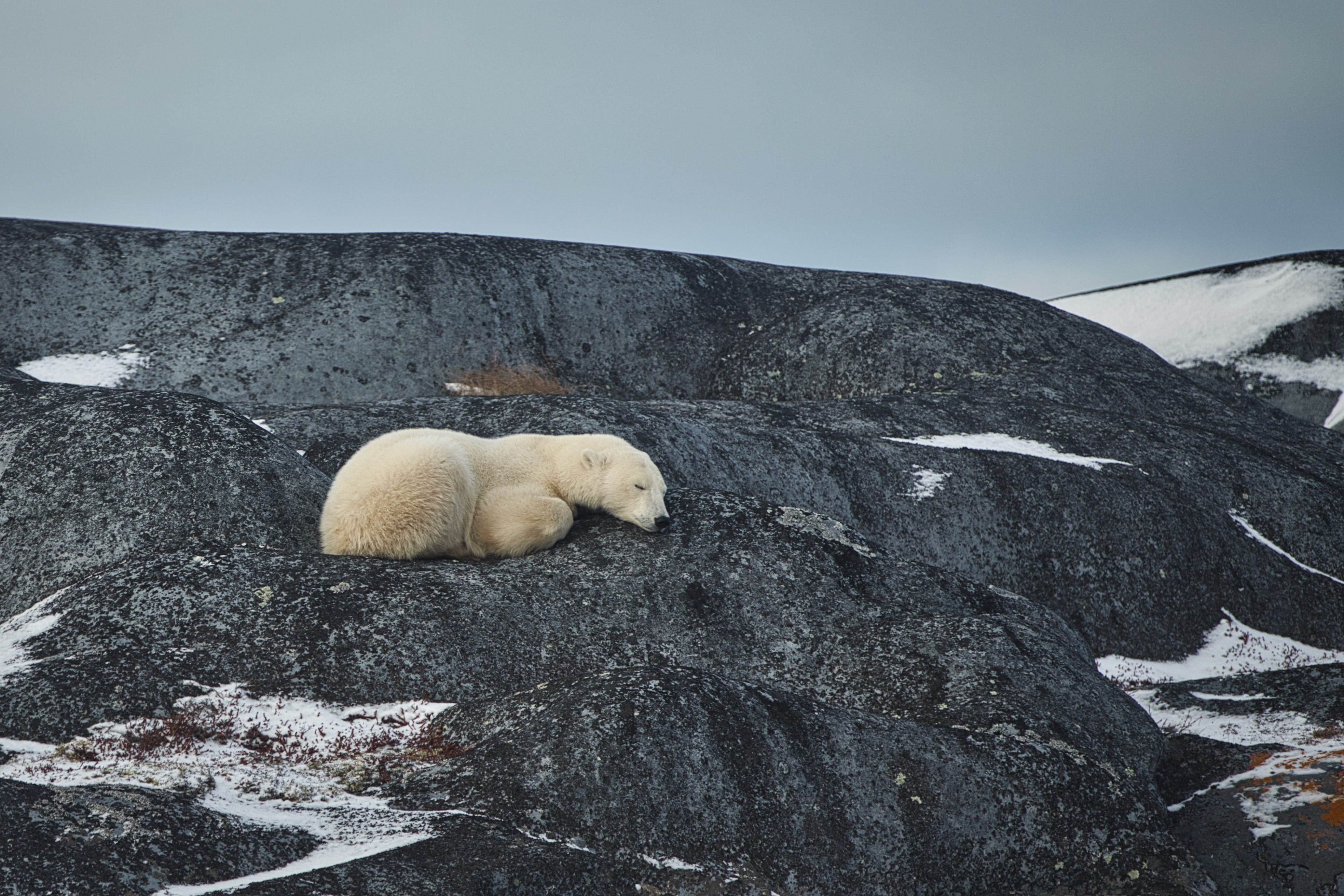
Polar bears live along the shores of the Arctic Ocean because they depend on sea ice to hunt for seals in winter. Obviously, they don’t only live in Churchill, but all over the Canadian Arctic. However, Churchill is probably the most accessible and safe place in Canada to see them. The reason so many polar bears congregate here is that they are simply waiting until the ice on Hudson Bay is thick enough to venture out, typically in late November or early December. Because of massive freshwater discharge from the Churchill River into the shallow coastal waters of Hudson Bay near town, ice forms here first, which explains why Churchill is so popular among polar bears.
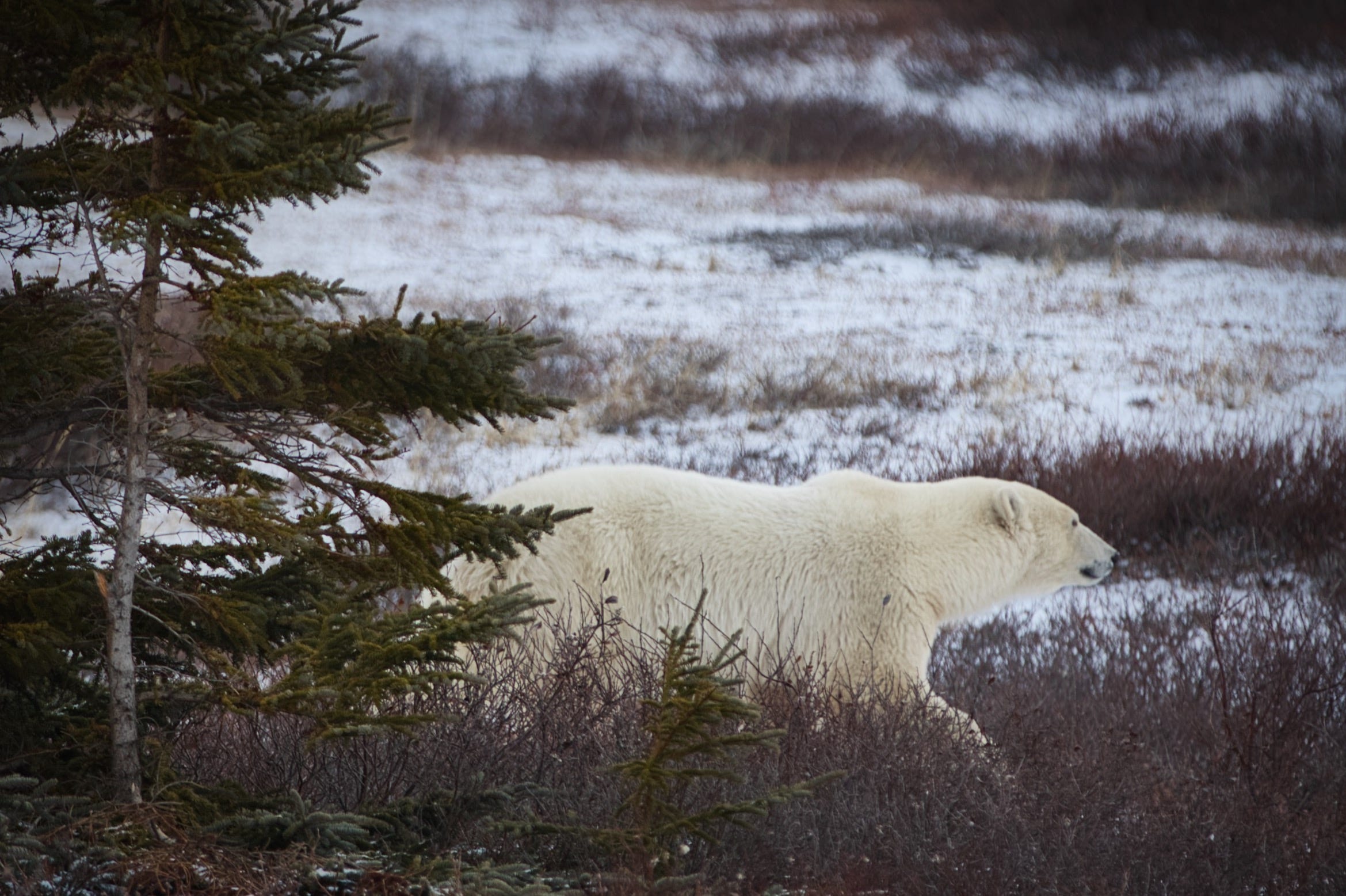

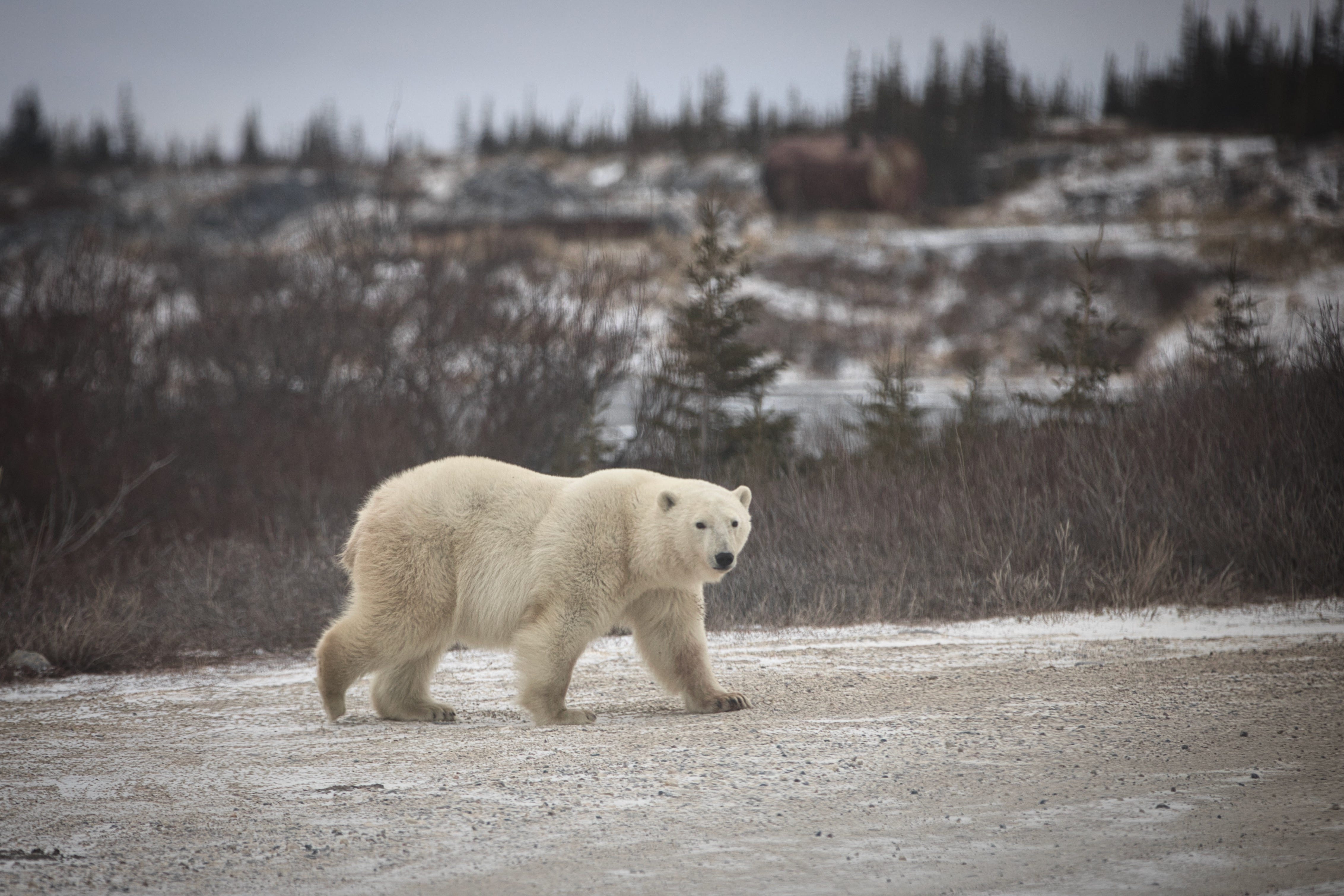
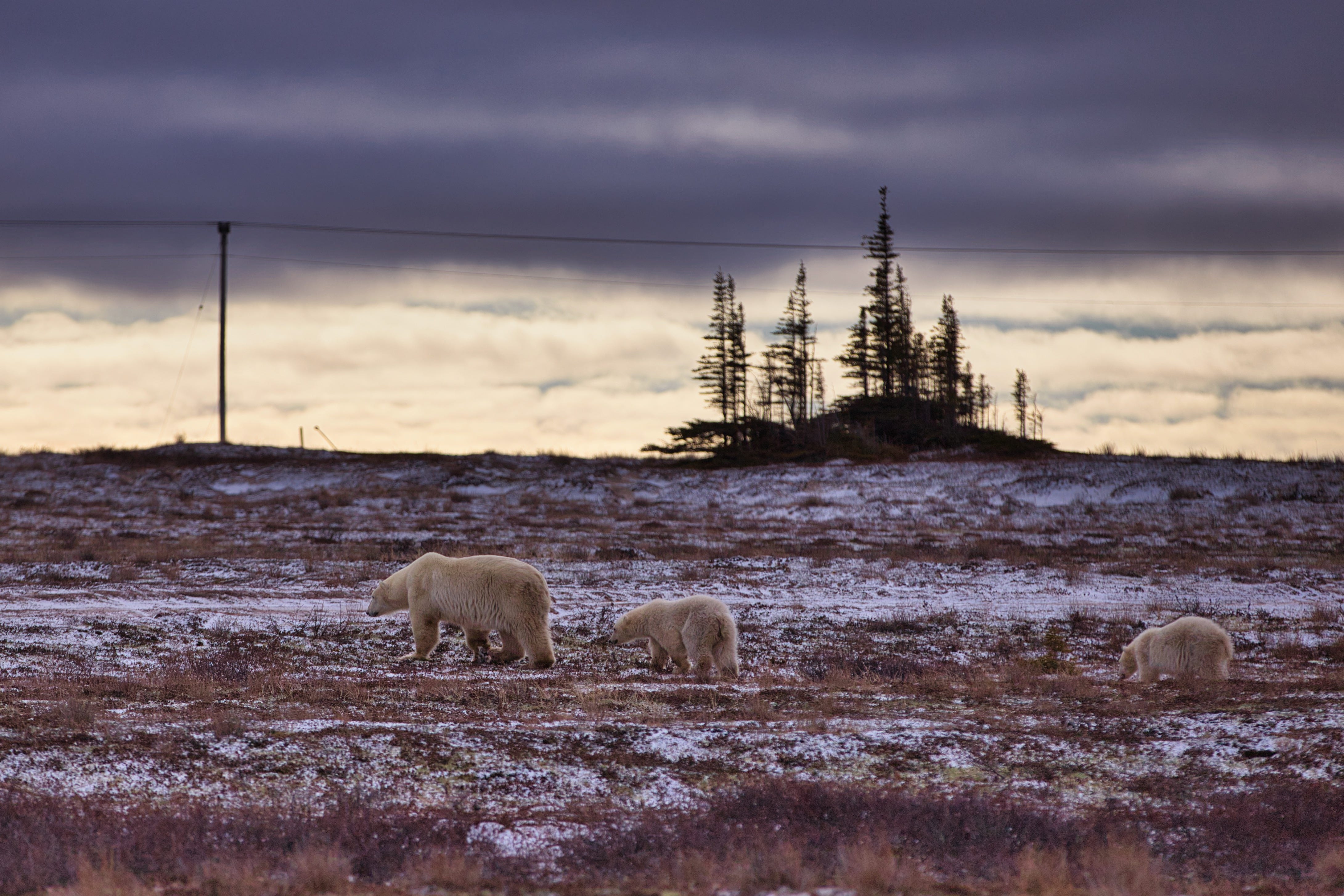
You definitely don’t want to encounter a polar bear while on a walk or hike, as these gorgeous animals will eat anything, including humans. Because of this, during the day, they are scared away from town by conservation officers using pyrotechnics and sometimes shotguns. However, at night, the town becomes the polar bear territory which is signalled by a siren that goes off daily at 10 pm. You don’t want to be outside after that. Churchill has an unwritten rule that drivers leave their vehicle doors unlocked, so they can serve as emergency shelters if a pedestrian is suddenly surprised by a bear on the street.
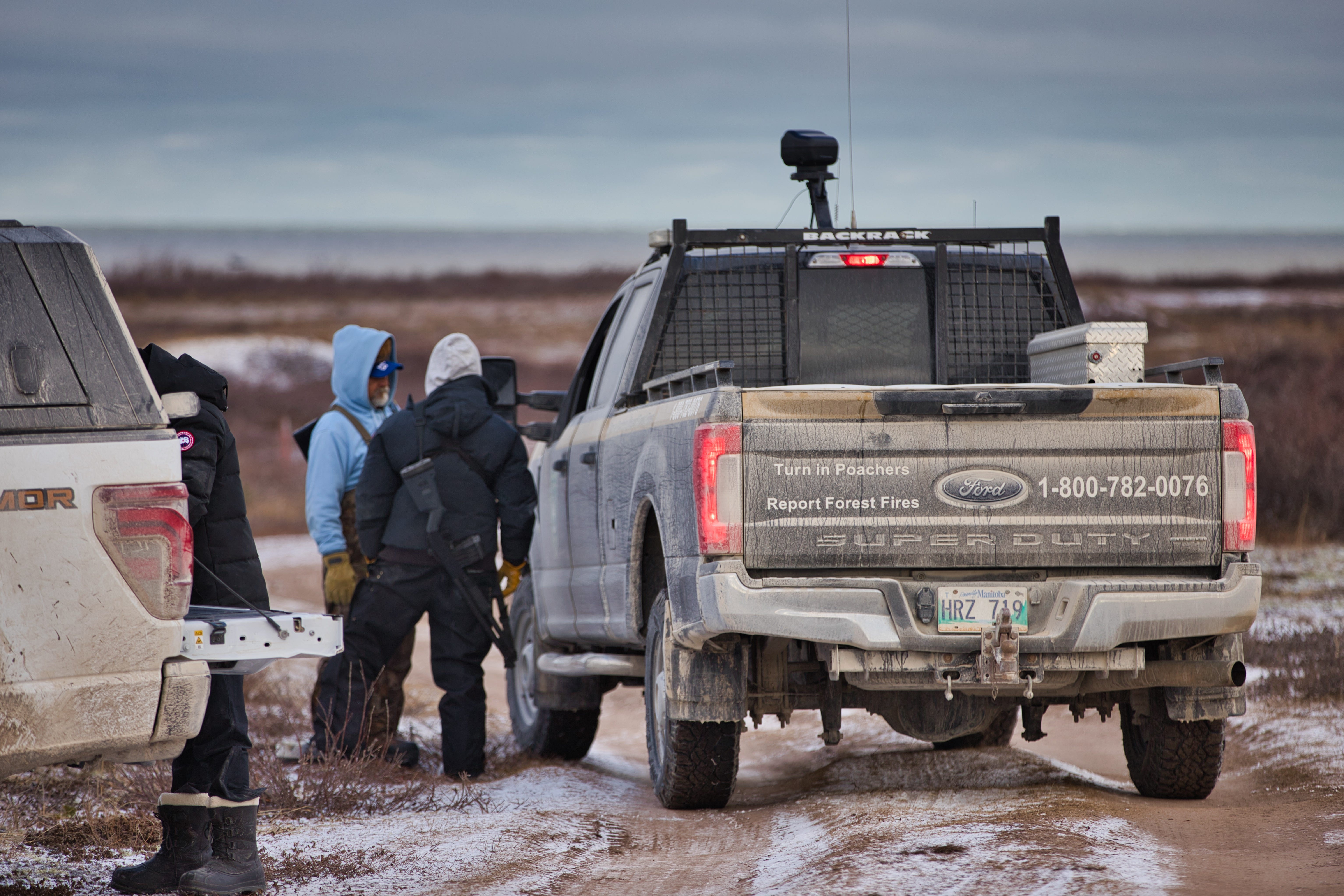
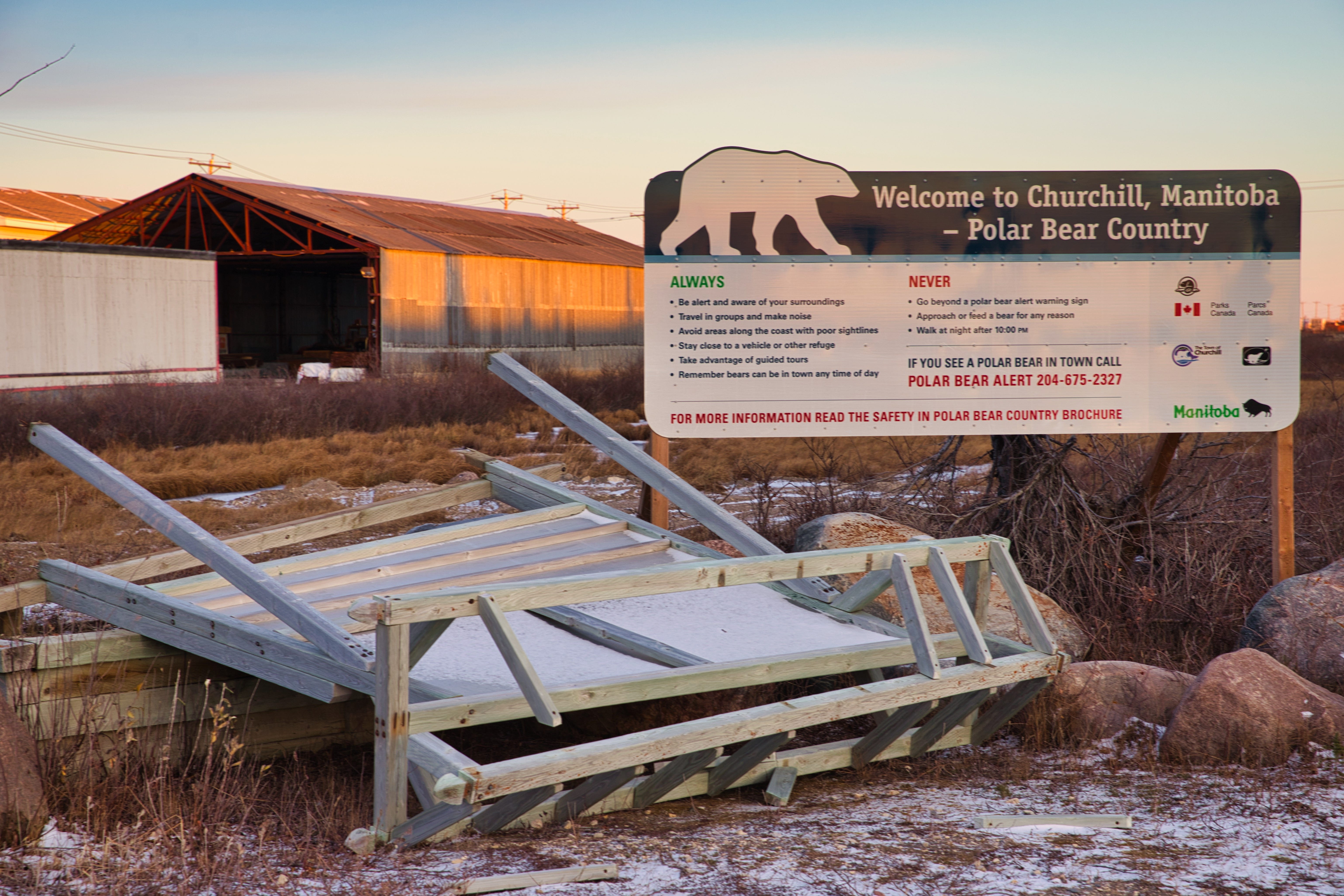
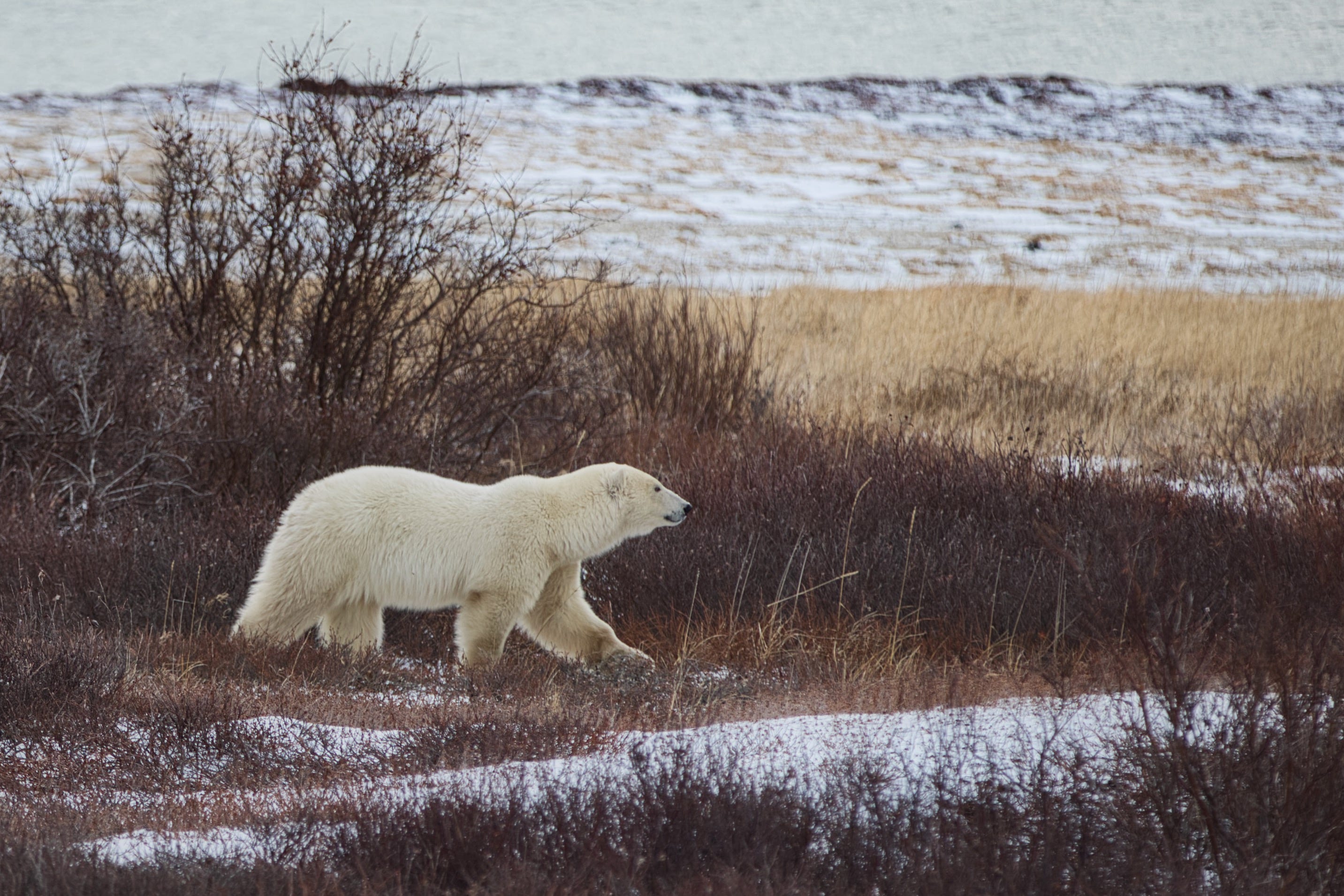
Most travellers see polar bears on a guided tour using tundra buggies: these huge vehicles with oversized wheels are absolute favourites among travellers. I’ve seen pictures and videos of bears rising on their haunches to peer up at people in a vehicle, whether out of curiosity or simply hunger. If the latter, they obviously have no luck eating people, as the vehicles are simply too high for them. Unfortunately, there were no tundra buggy tours available on the day my wife and I were in town. Apparently, there is less and less availability for day trippers year over year as these businesses that own tundra buggies cater to people who buy week-long packages that cost up to $10,000 and more per person.
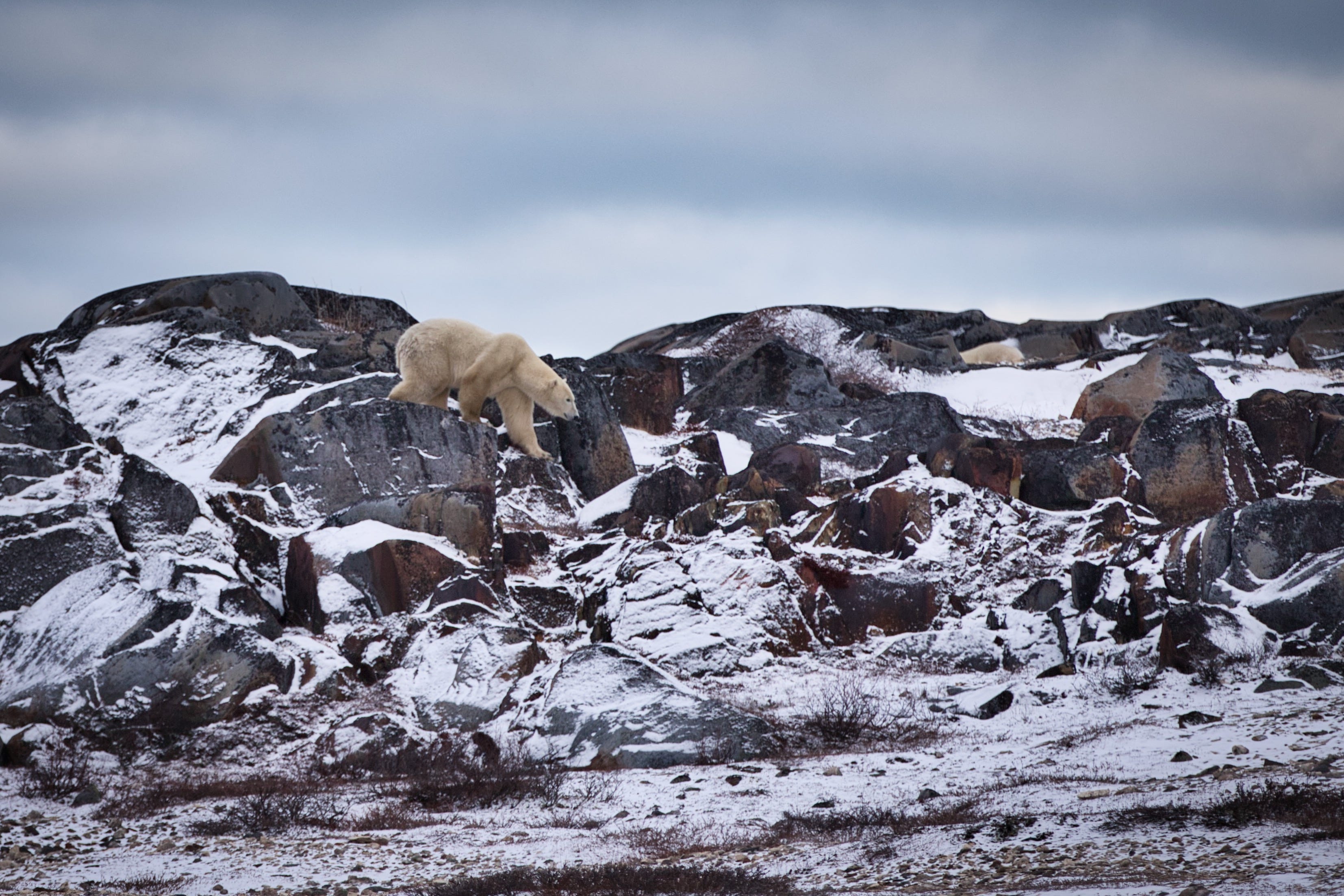

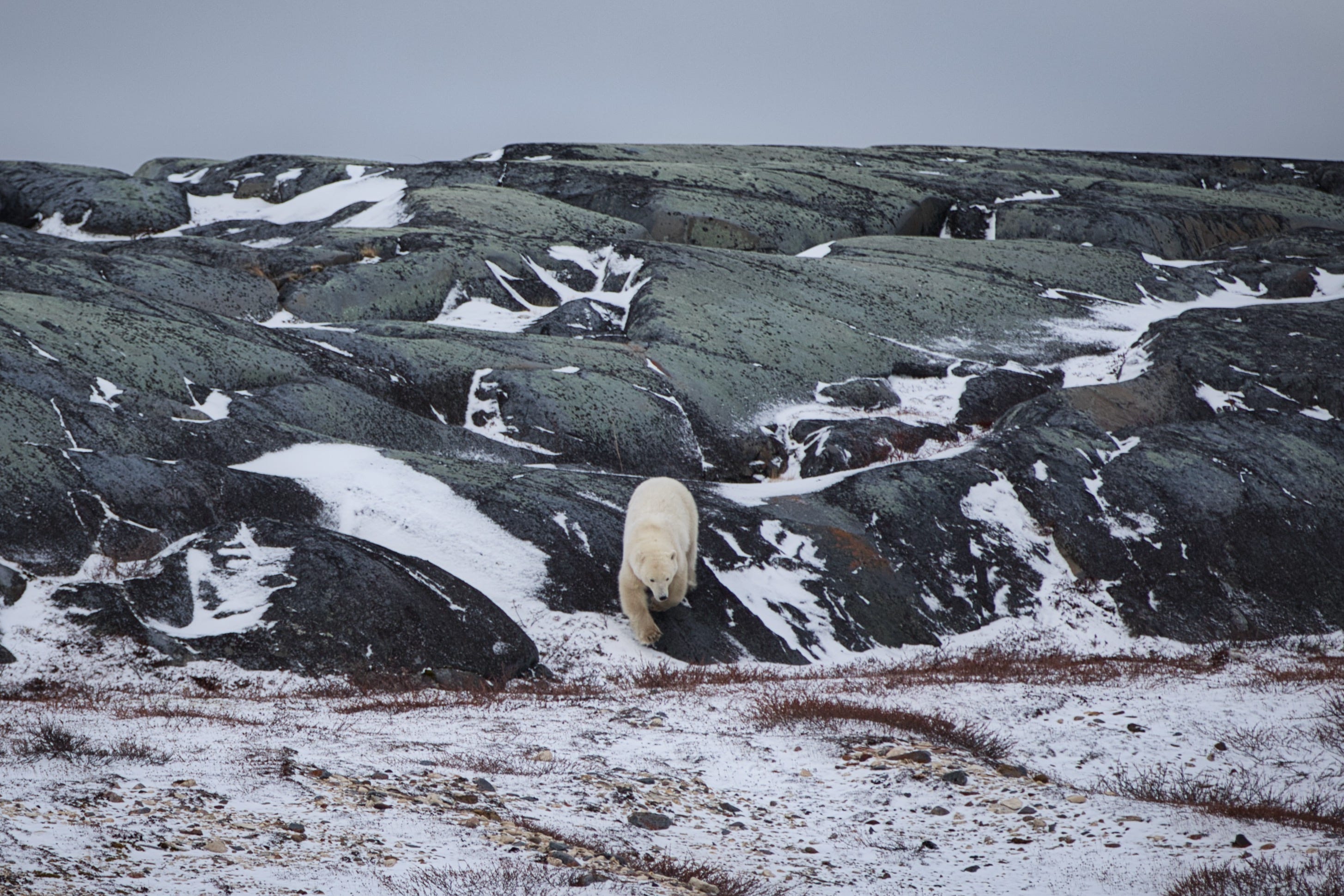
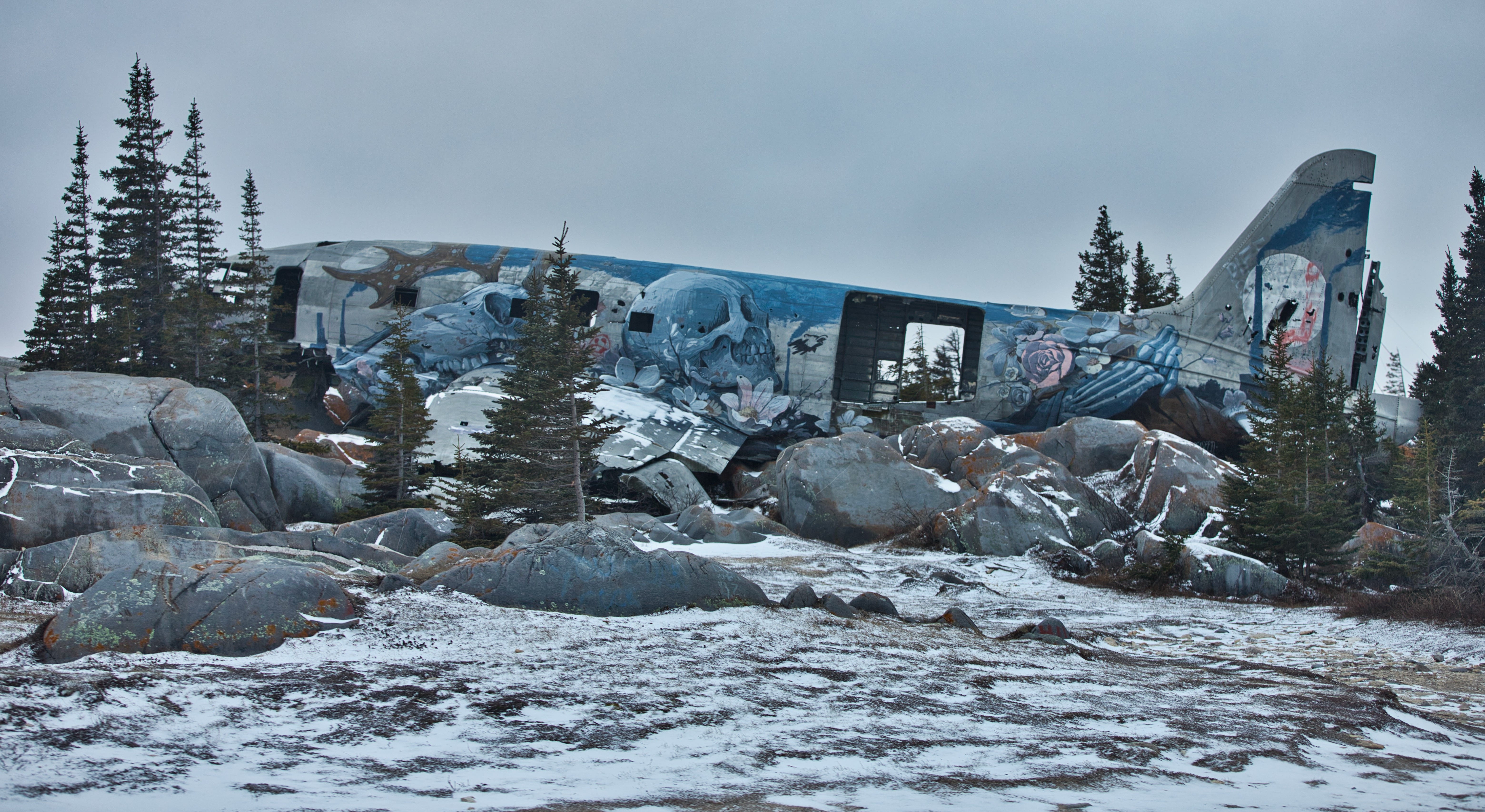
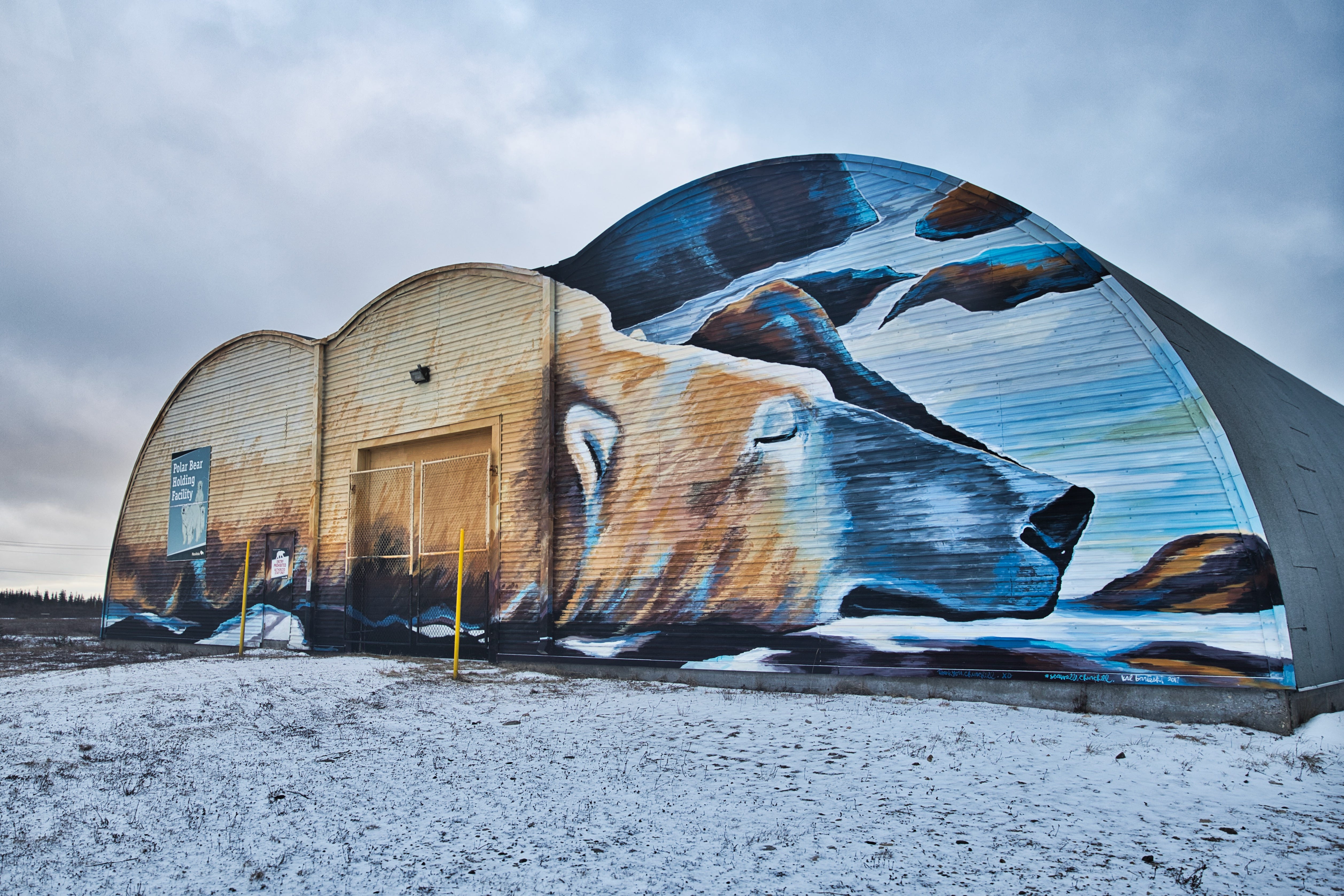
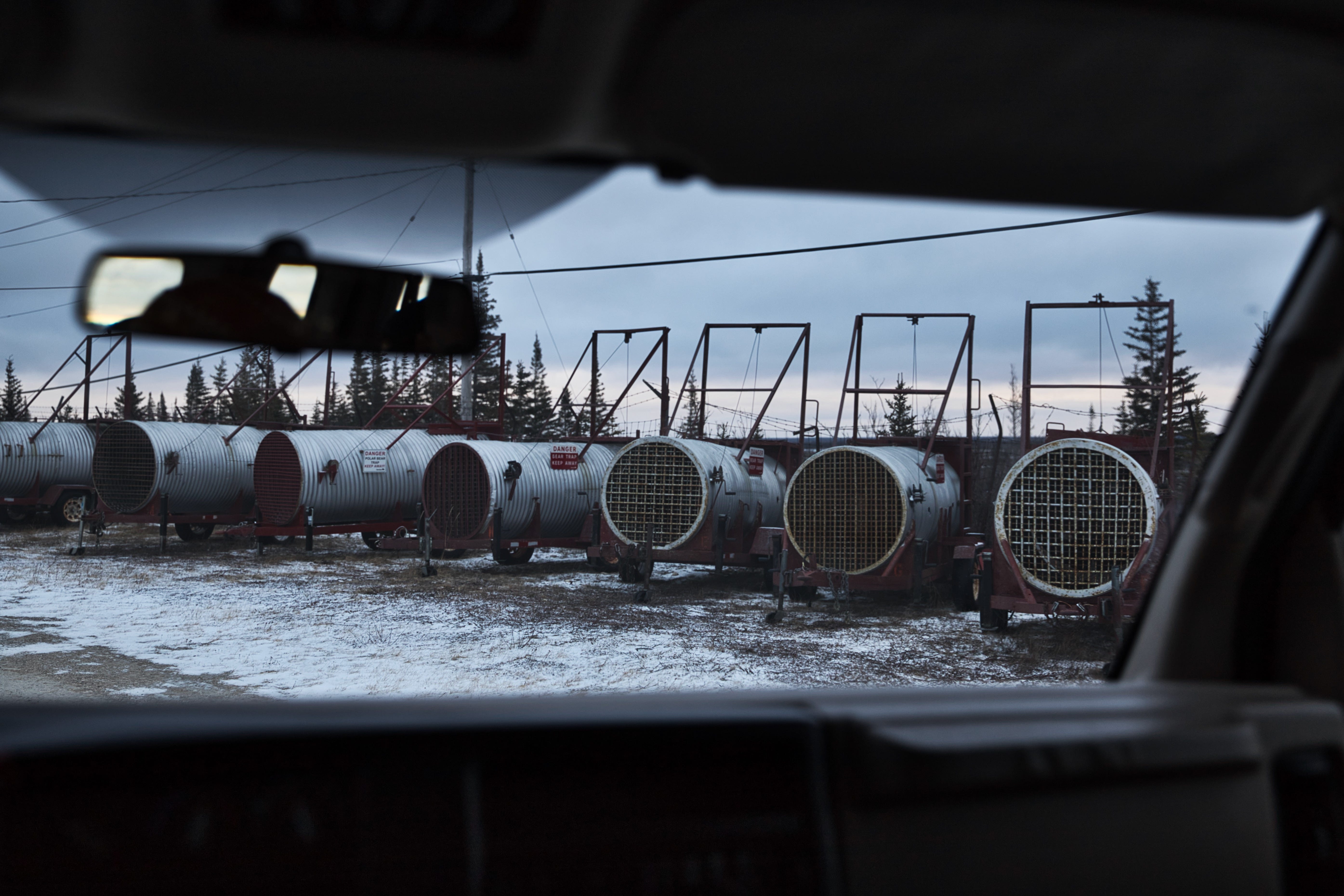
But we were lucky to find a good alternative for seeing polar bears from a minivan. On our tour, we visited some local attractions, such as an airplane crash site called Miss Piggy and a polar bear jail, where bears that attempt to hunt humans or scavenge garbage in town are detained until the sea ice is thick enough for them to be safely released into the wild.
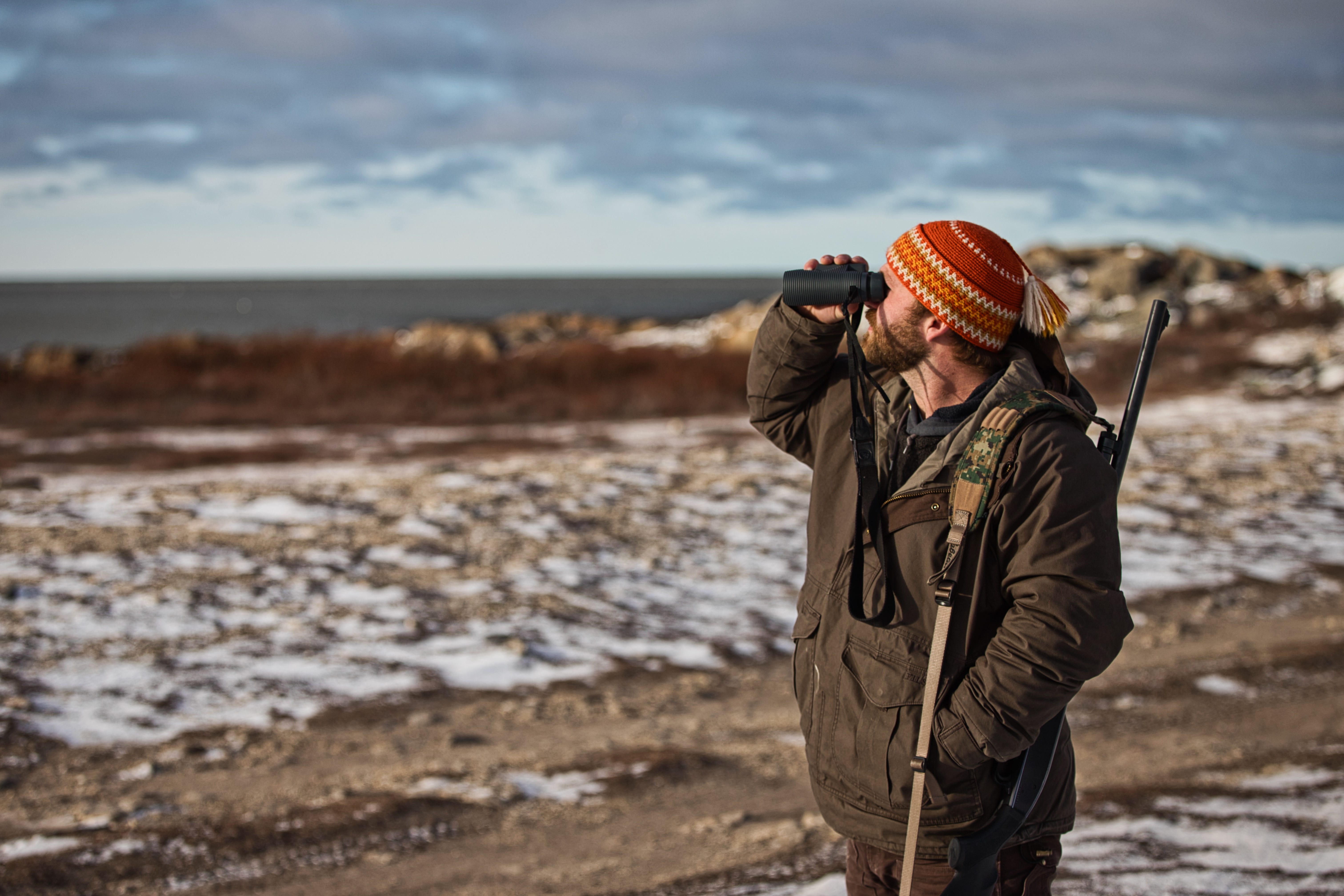
The question you might be tempted to ask: was it safe to walk around knowing that there are dozens of polar bears nearby that can easily outrun you? I’d say yes, and here is why. Our tour guide was very knowledgeable and always carried a shotgun as a last-resort lethal weapon. In addition, he had cracker shells and bear bangers, which he would have used well before resorting to lethal force. Plus, we never went more than 20 m (60 ft) from our minivan, so we could quickly hop back inside if needed, and yes - that’s what we had to do once when a bear came too close.

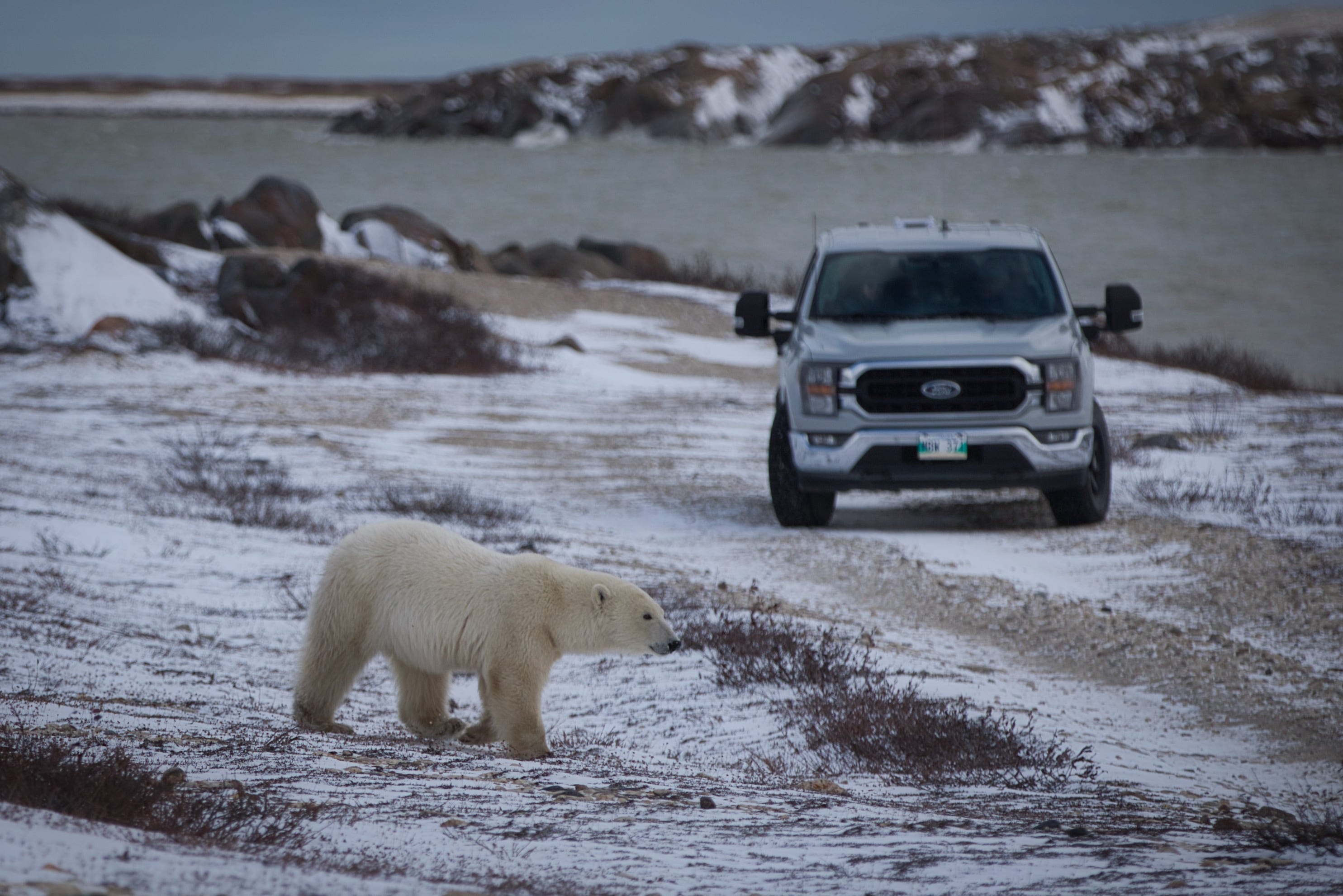
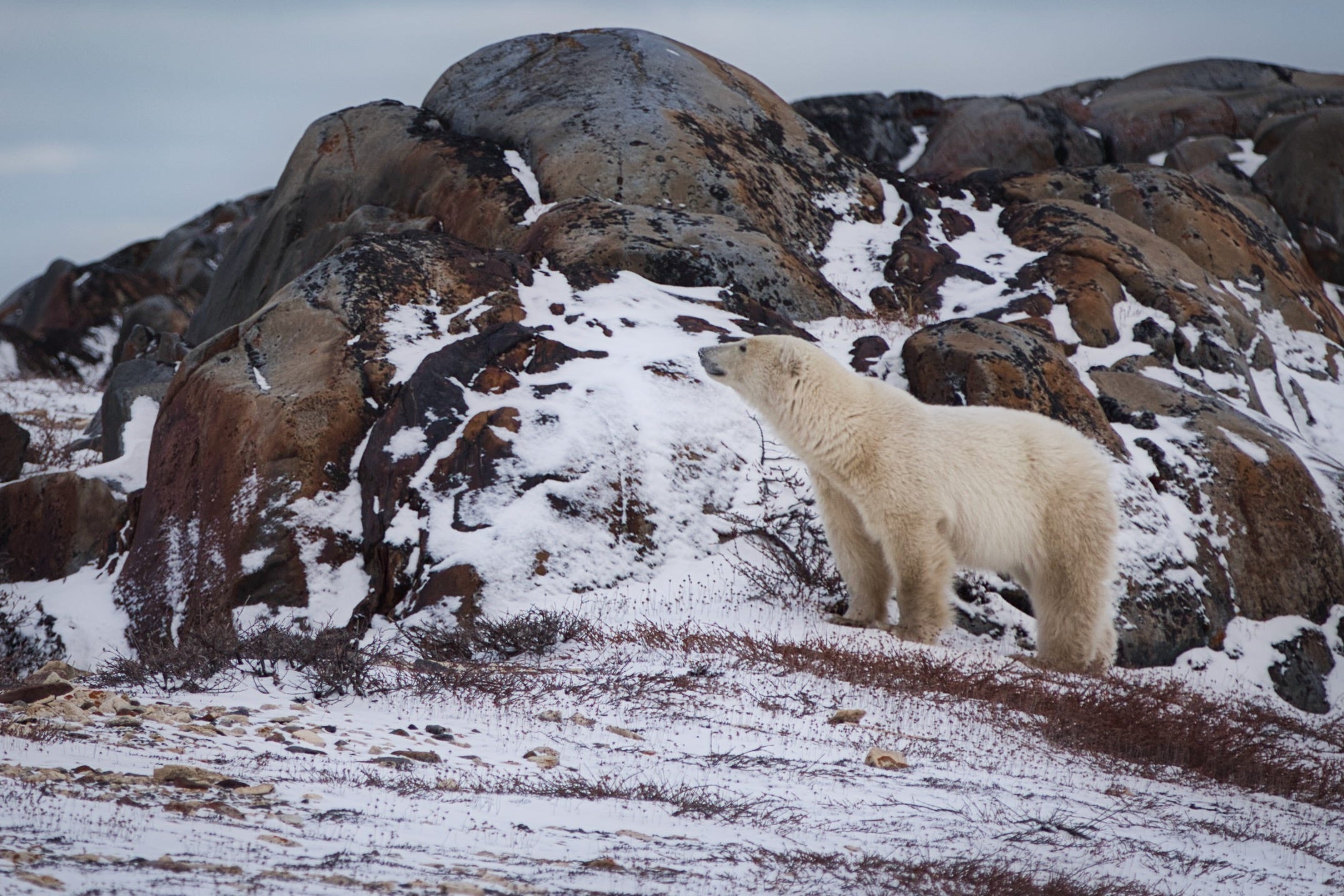
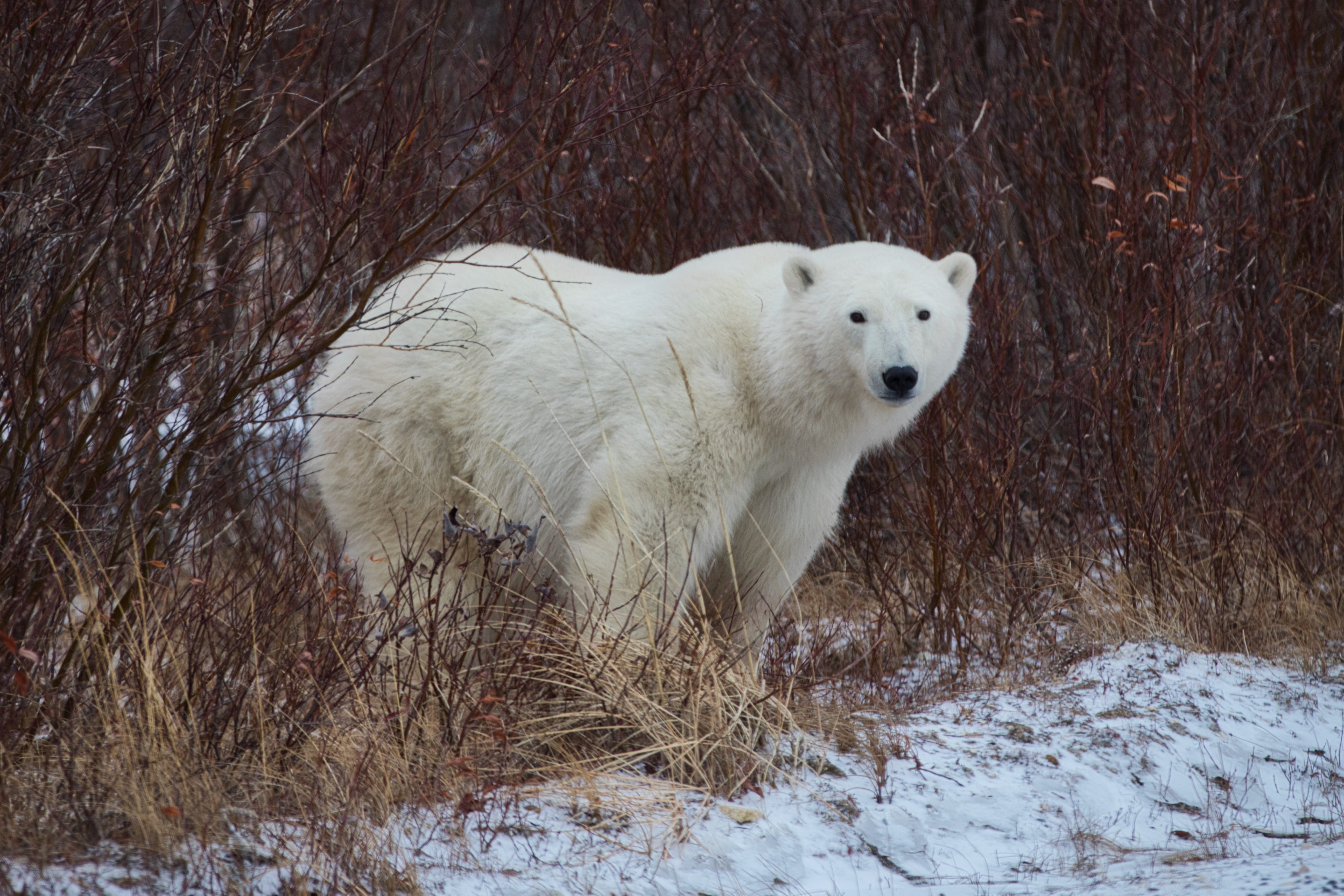
Polar bears are truly magnificent creatures. Seeing them in the wild almost feels like a spiritual experience. They are also smart and curious. Unlike black and grizzly bears, the facial expression of a polar bear never reveals what it’s thinking about, so if a polar bear approaches or circles you, it’s likely they want to hunt you, so you must seek shelter immediately. They never attack a vehicle or a house, at least not in Churchill.
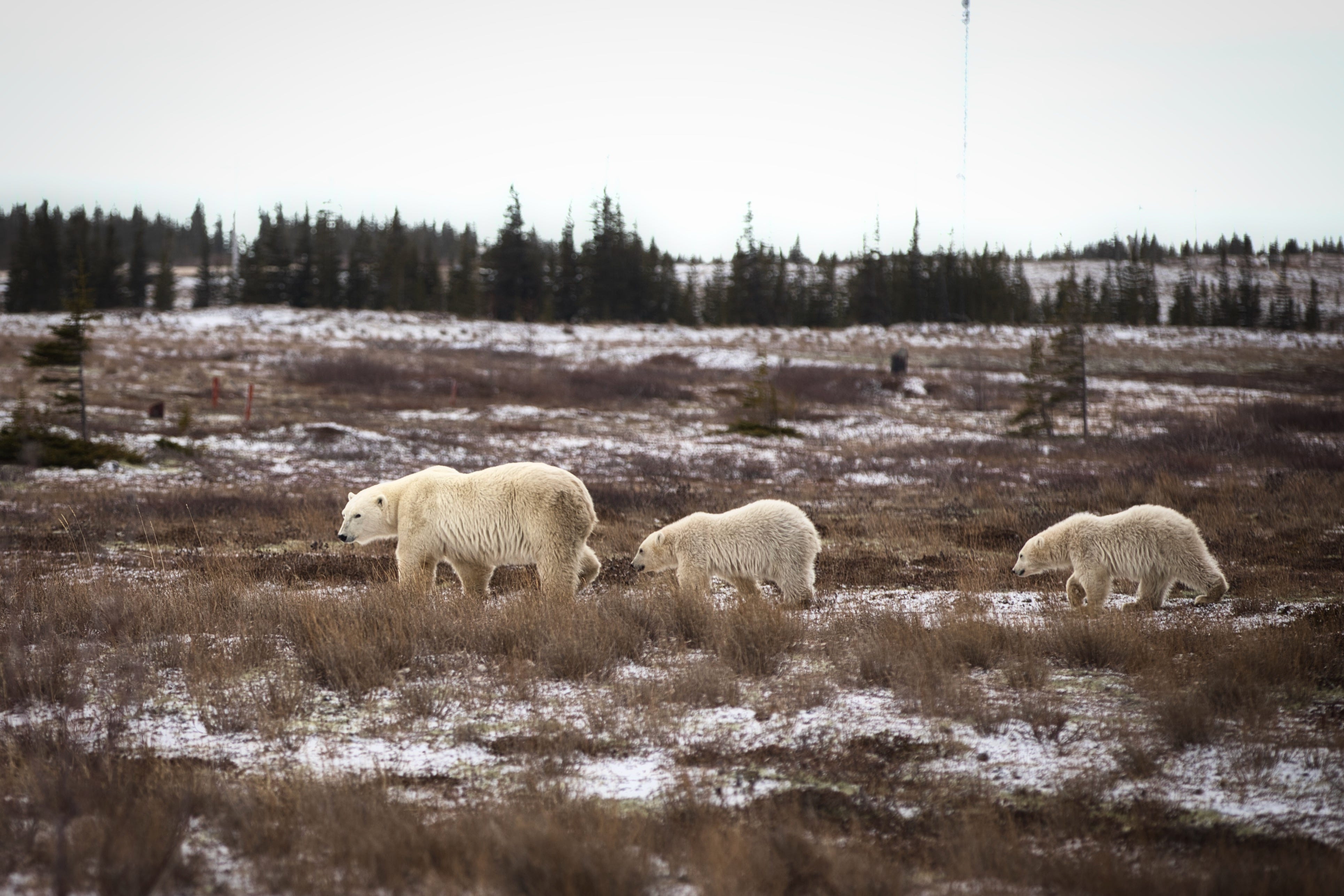
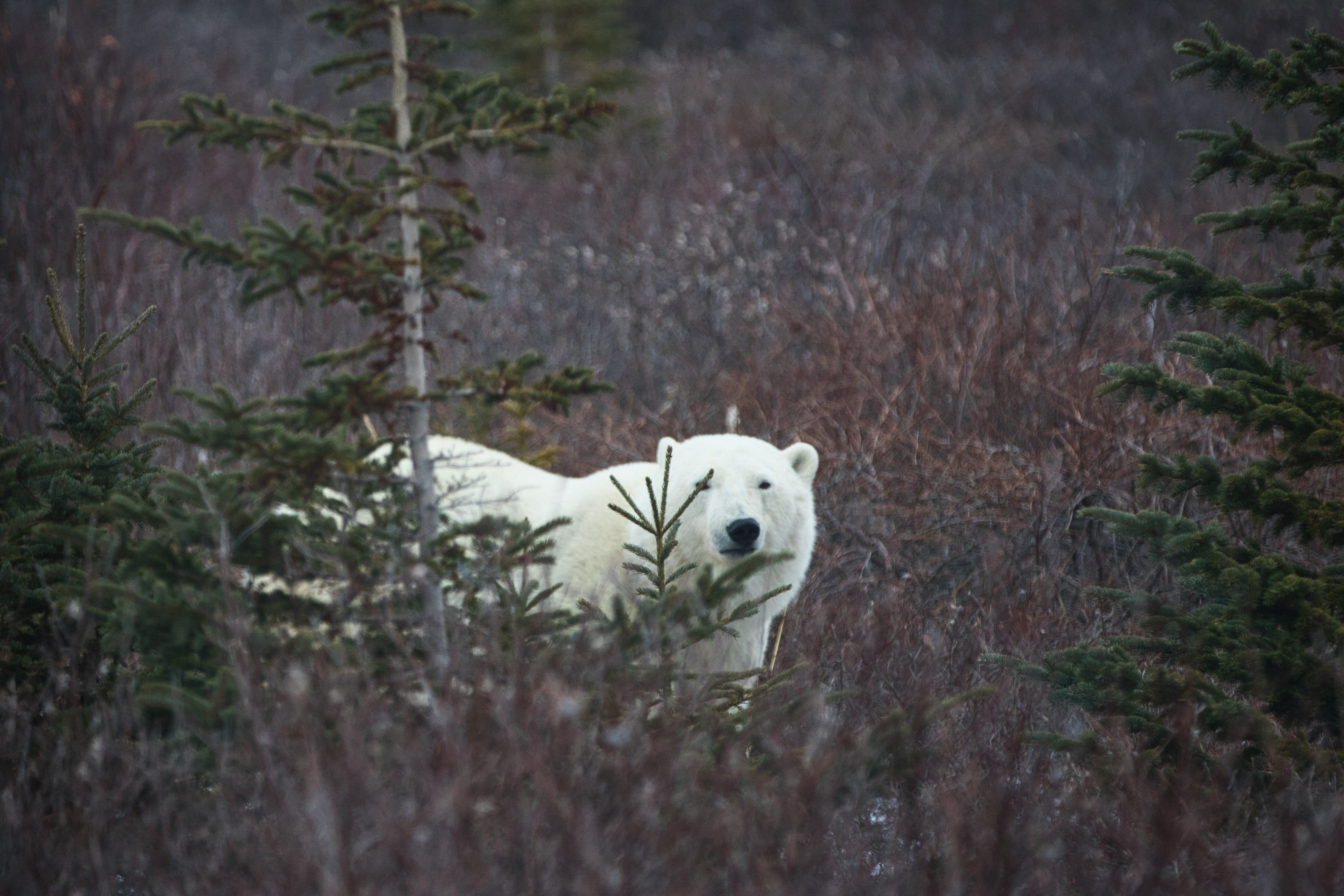
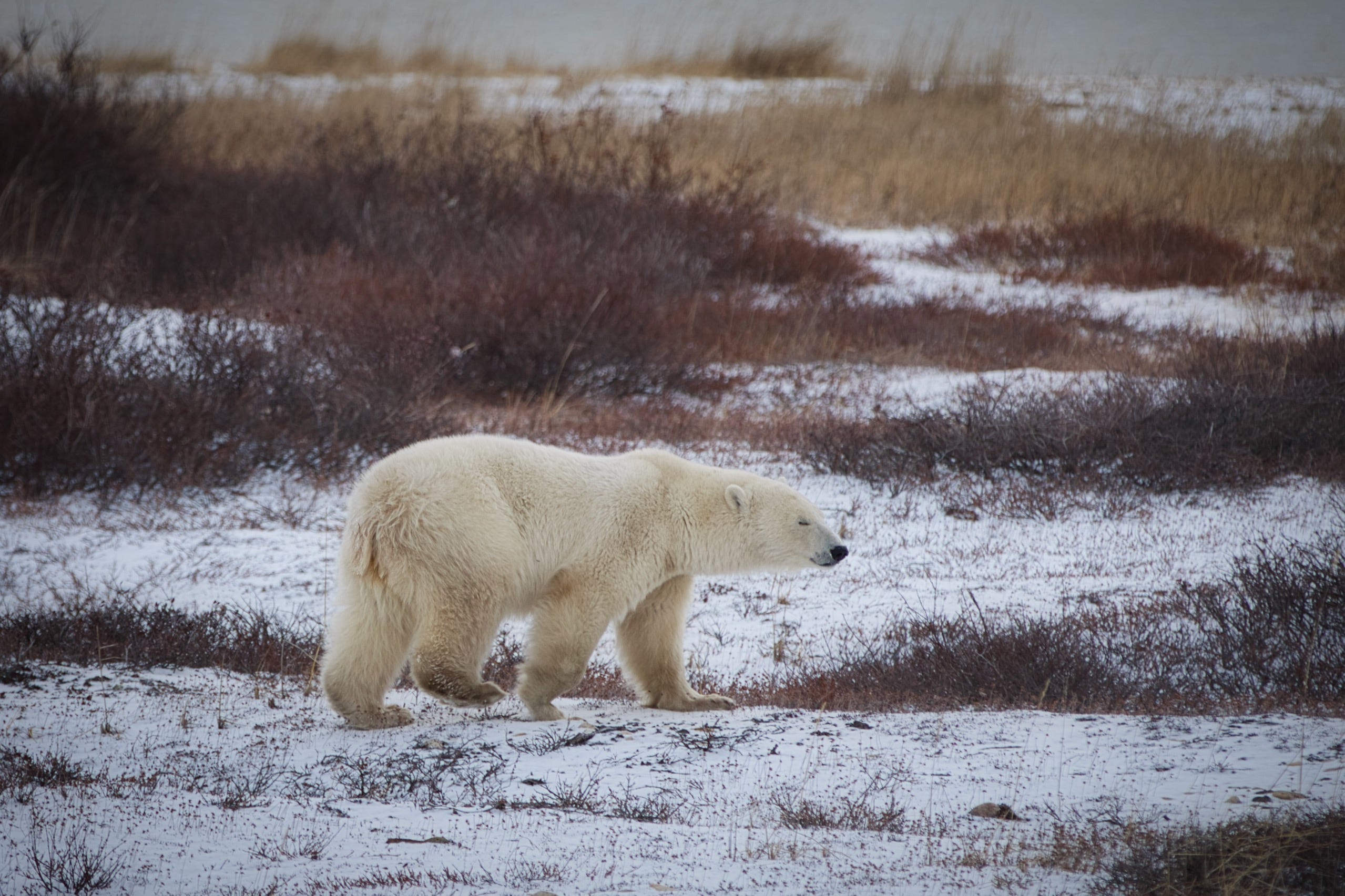
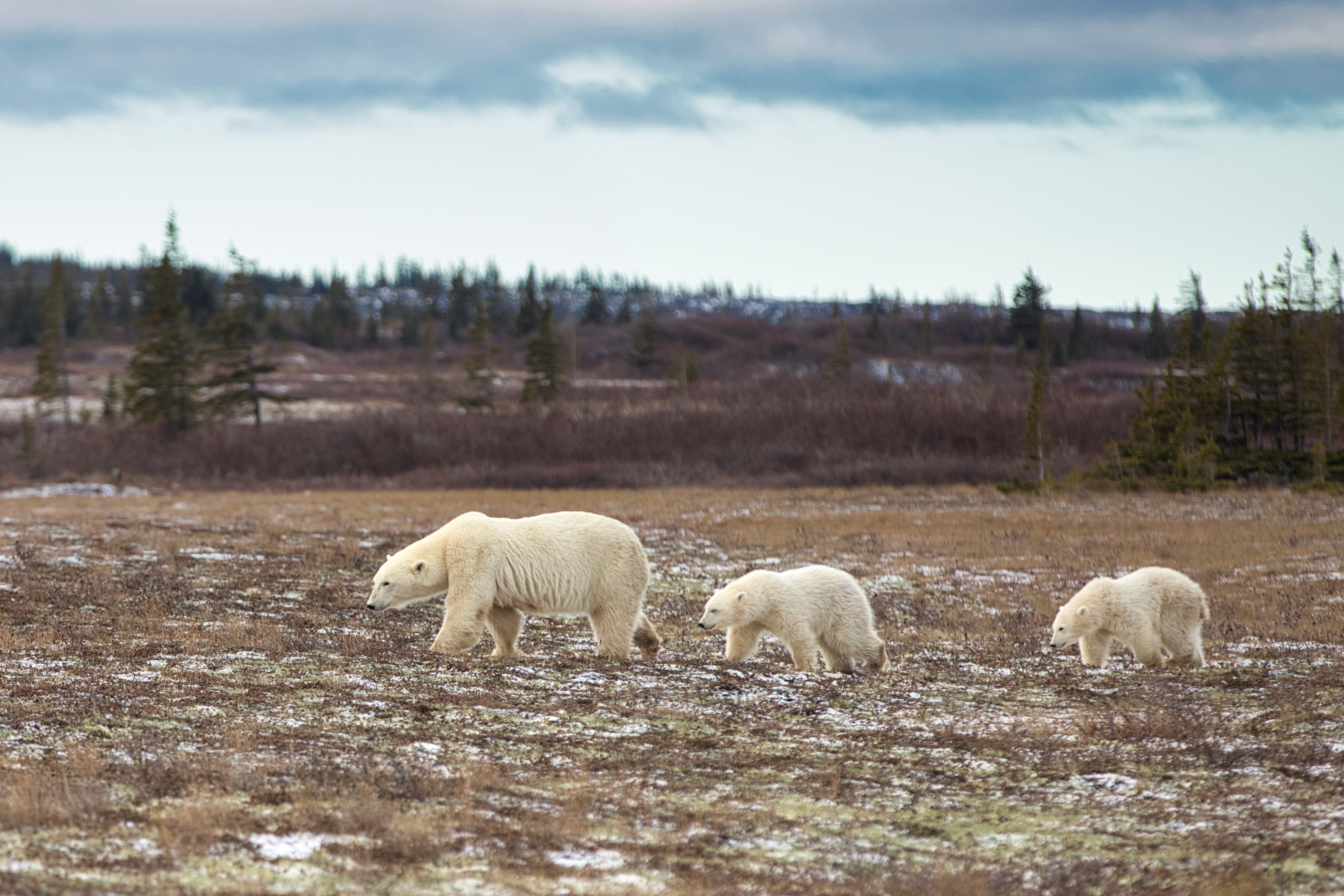
We saw seven different bears, including a mama bear with two cubs that were born this year in the spring. They are very cute, and at some point I even put away my camera to just observe them. Their diet is primarily seals, and seals live in the water, so most bears are fasting for about half a year. It’s fascinating to see how they hunt, I highly recommend you watch videos about it.
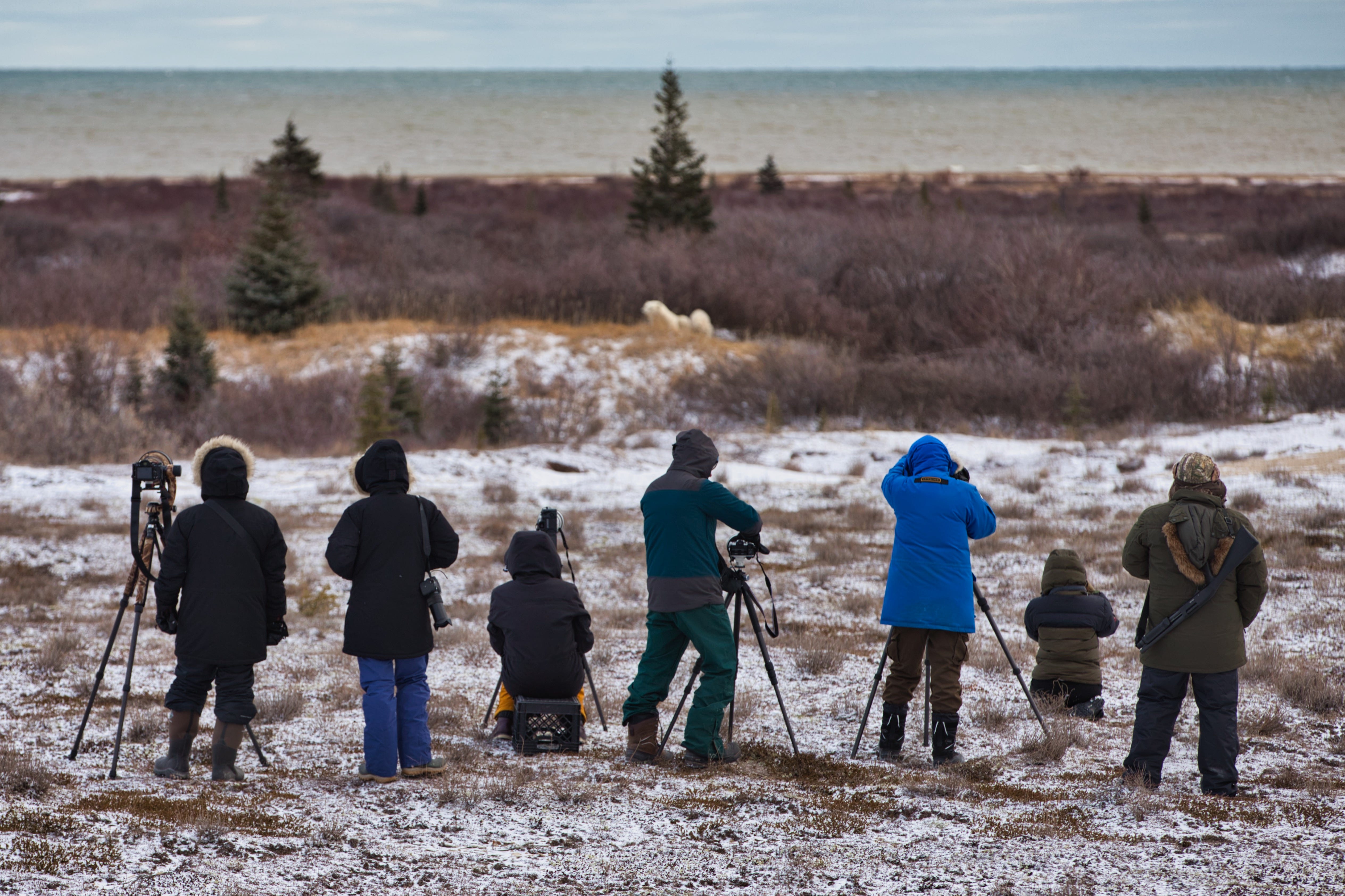
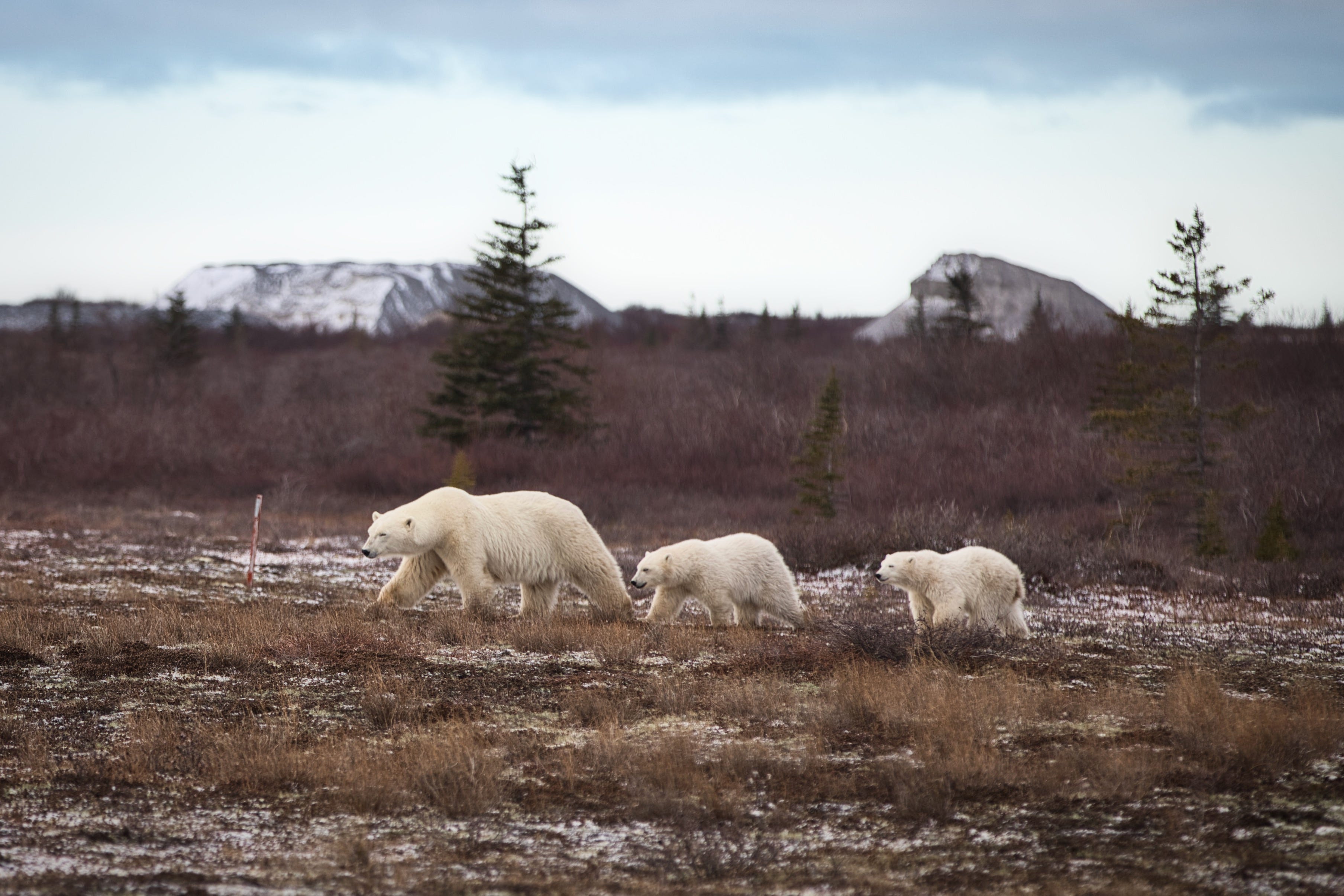
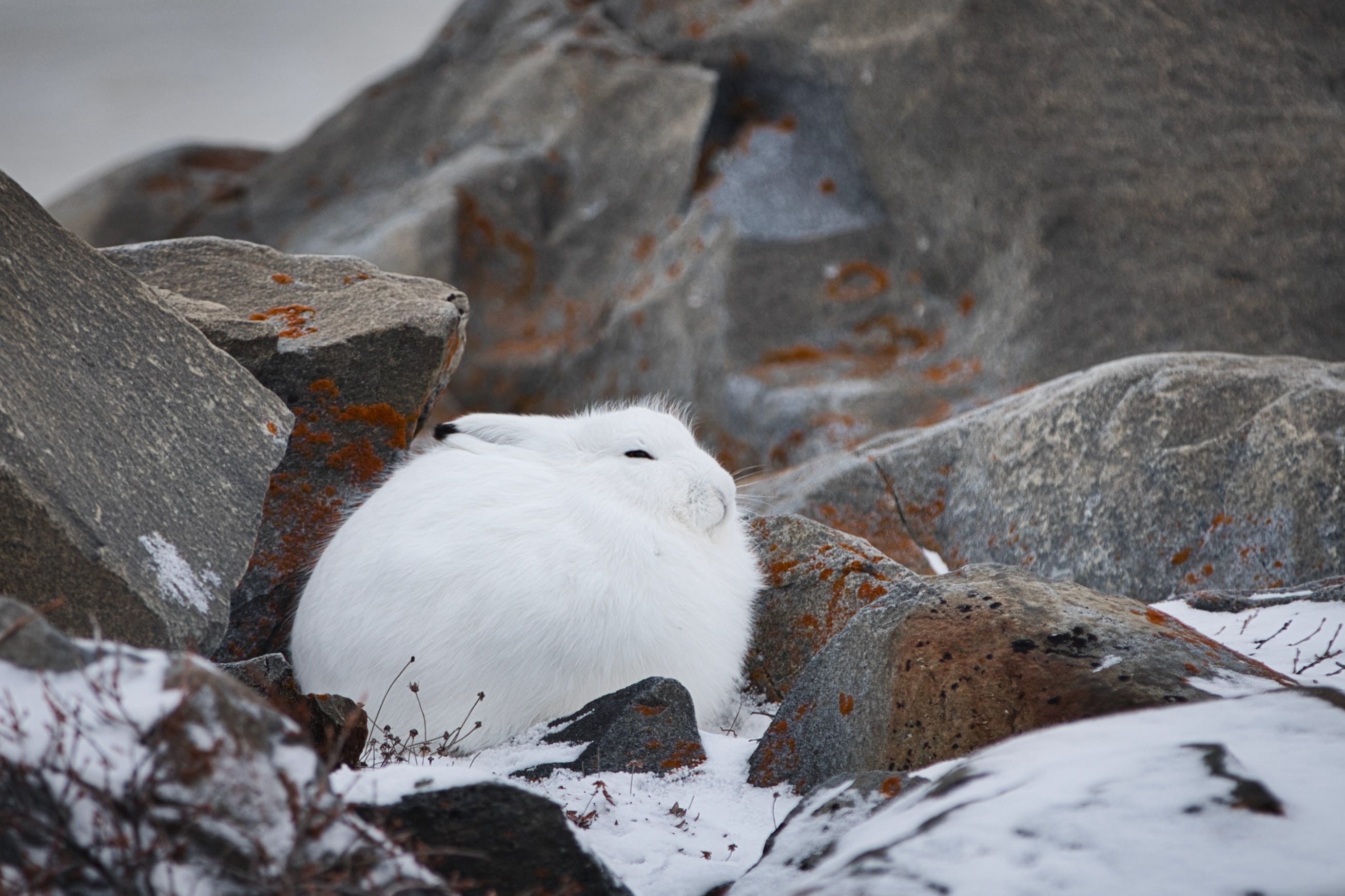
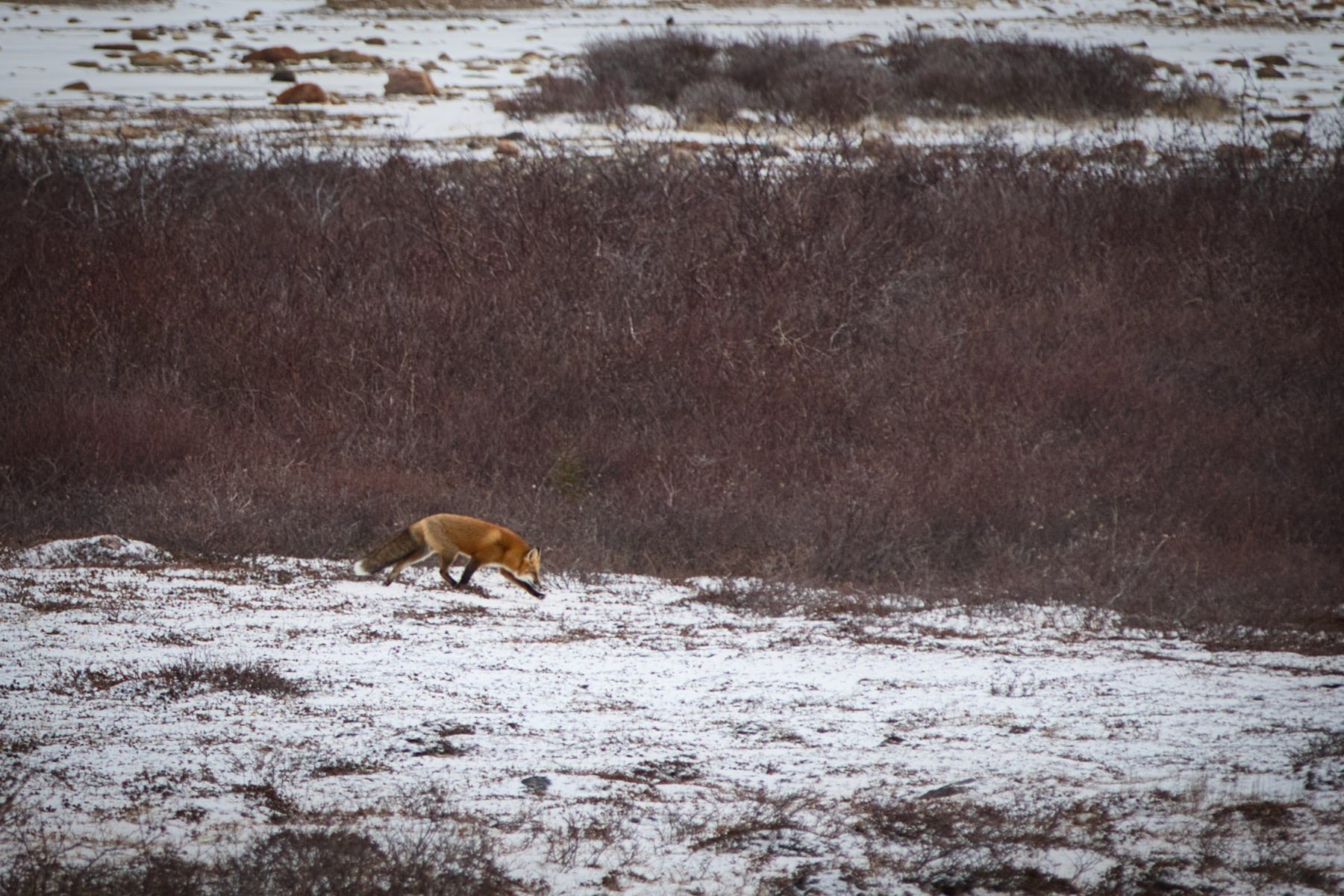
A bonus was the chance to see other wild animals, such as an arctic hare and a red fox. Because the skies were overcast, we didn’t get to see the northern lights, scientifically called the Aurora Borealis. Our tour guide told us that the best time to visit Churchill is August because you can see all three B’s - bears, borealis and belugas. Apparently, over 30,000 belugas come to the town in the summer months.
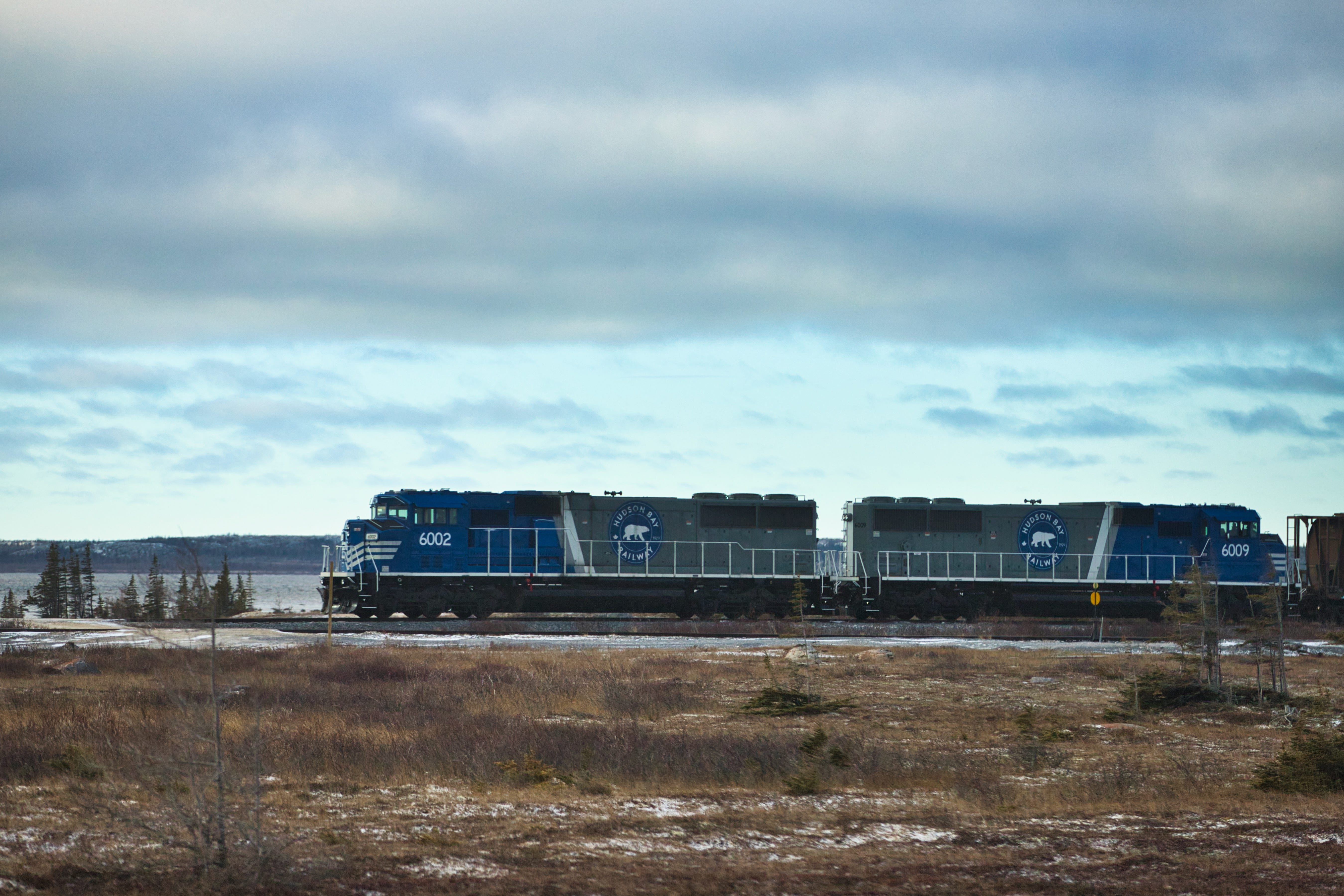
Let’s talk about the Winnipeg-Churchill train, shall we? Unlike most VIA Rail routes, this one is only partially operated over CN tracks, between Winnipeg and The Pas. Beyond that, all the way to Churchill, the railroad is owned by Hudson Bay Railway, an Indigenous- and community-owned company in Manitoba.
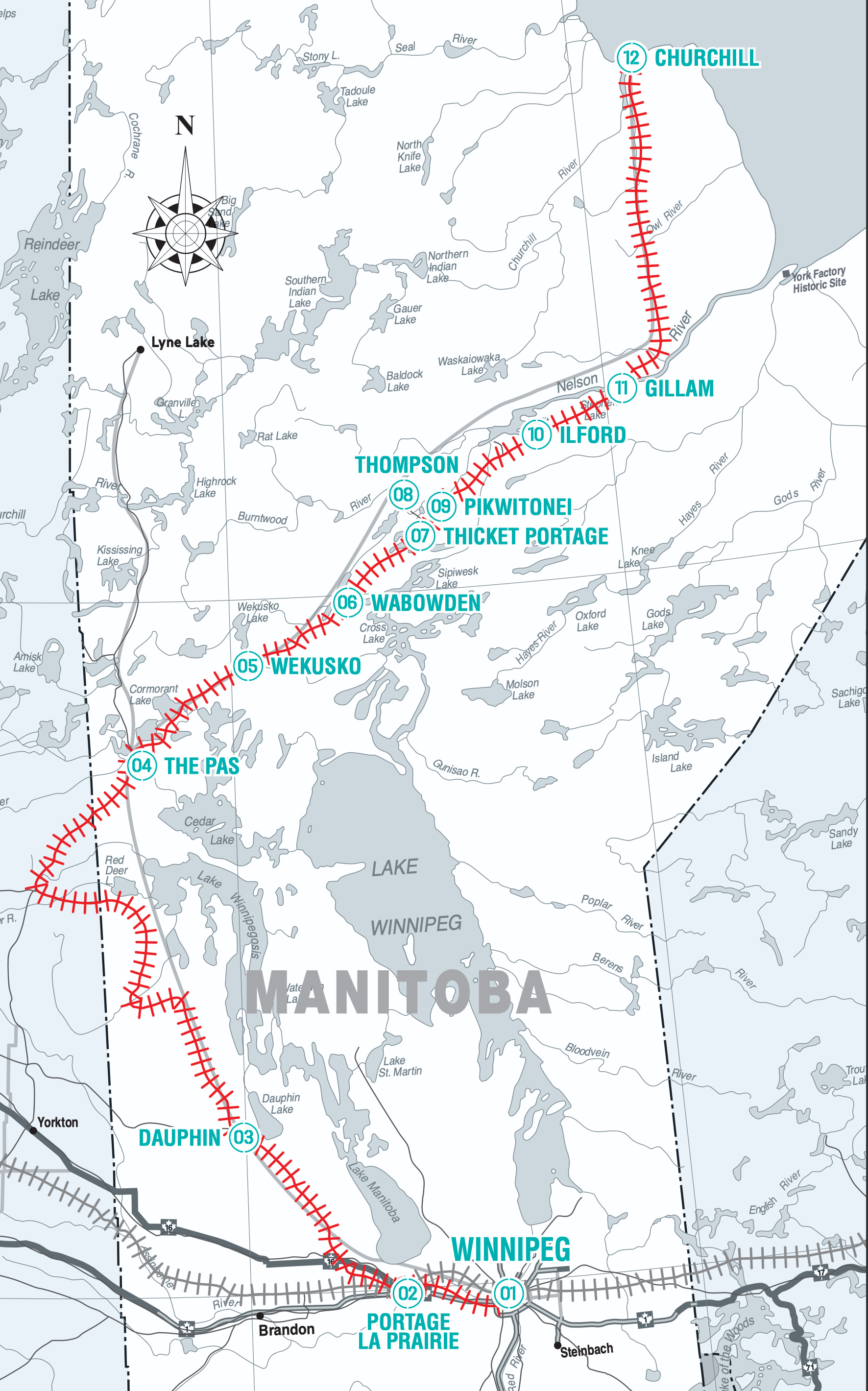
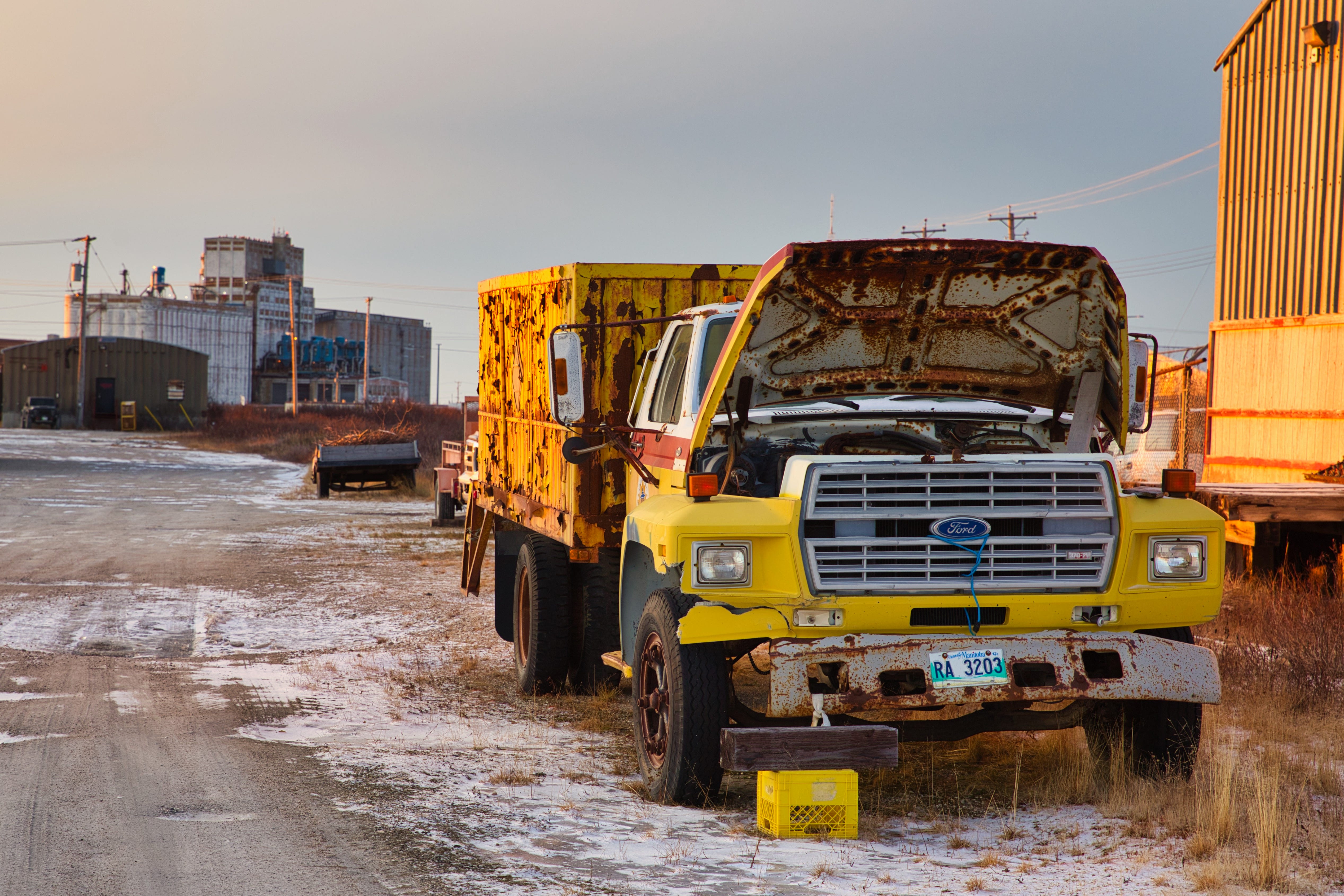
But why does this railroad exist, you might be wondering? Because Churchill has a good deep-sea port, whose main purpose has been to ship grain from the Canadian Prairies to Europe. Shipping by sea is significantly cheaper than shipping by rail through the ports of Vancouver, Montreal or Halifax, so the Manitoba government is planning to increase its usage by deploying ice breakers that would help extend the shipping season from four to nine months.
Construction of the railway started in the early 1910s and took almost two decades to finish. Without any exaggeration, the railway is an engineering marvel, like most of the railways built in Canada in late 19th - early 20th centuries. The most challenging part of the construction was the section of the railway between The Pas and Churchill where the crew of 3,000 workers had to dig frozen soil by hand with pickaxes.
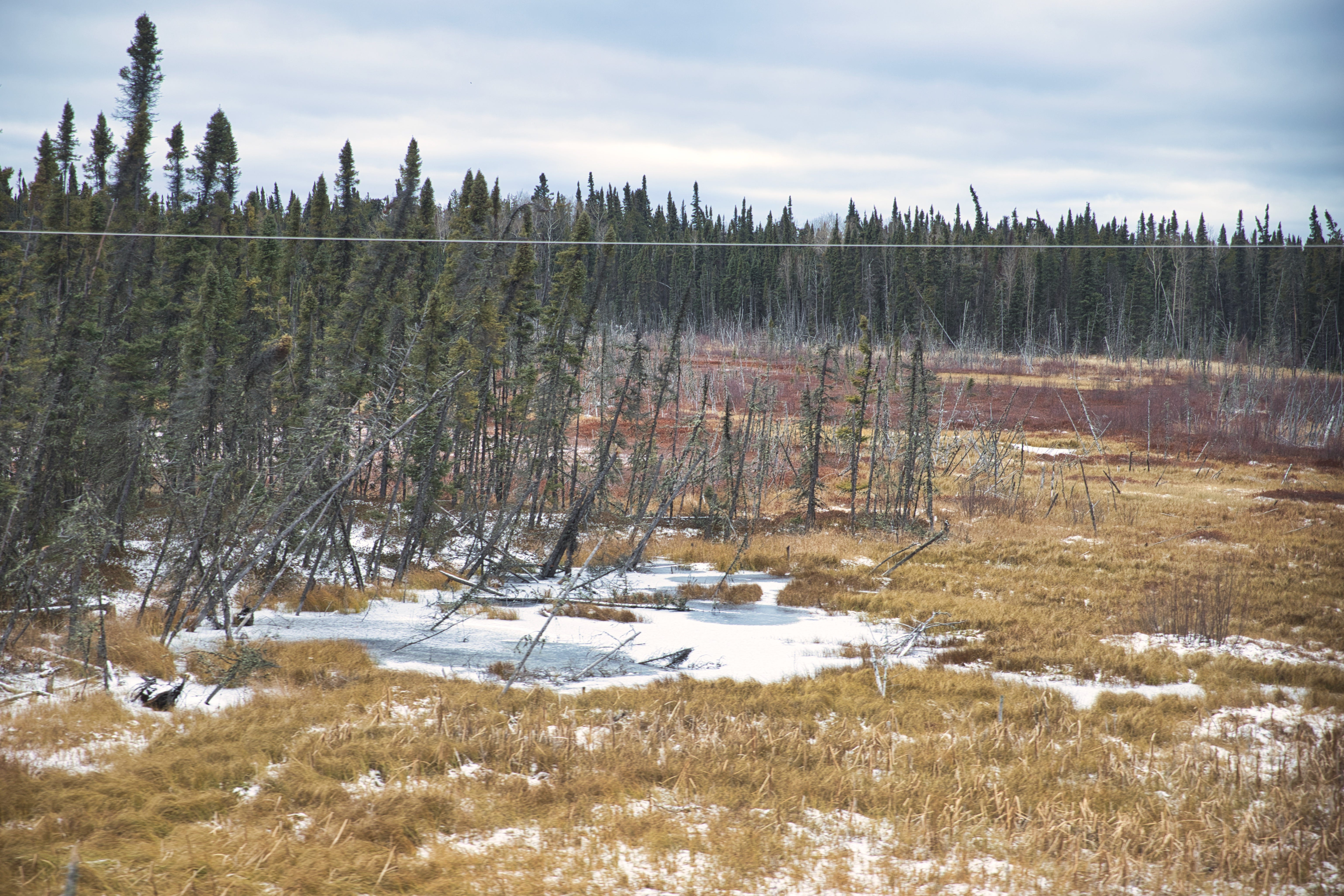
Given that the railroad is built partly over muskeg, a type of wetland commonly found in northern Canada, and partly over permafrost, it goes without saying that it’s very challenging to maintain it. Where permafrost thaws, which happens more and more often due to climate change, the soil settles unevenly and the tracks can sink or shift. To prevent derailments, a specialized track geometry car runs over the line, measuring it as it goes and looking for places where the tracks have sunk or shifted, so they can be repaired quickly, even at negative 40 degrees!
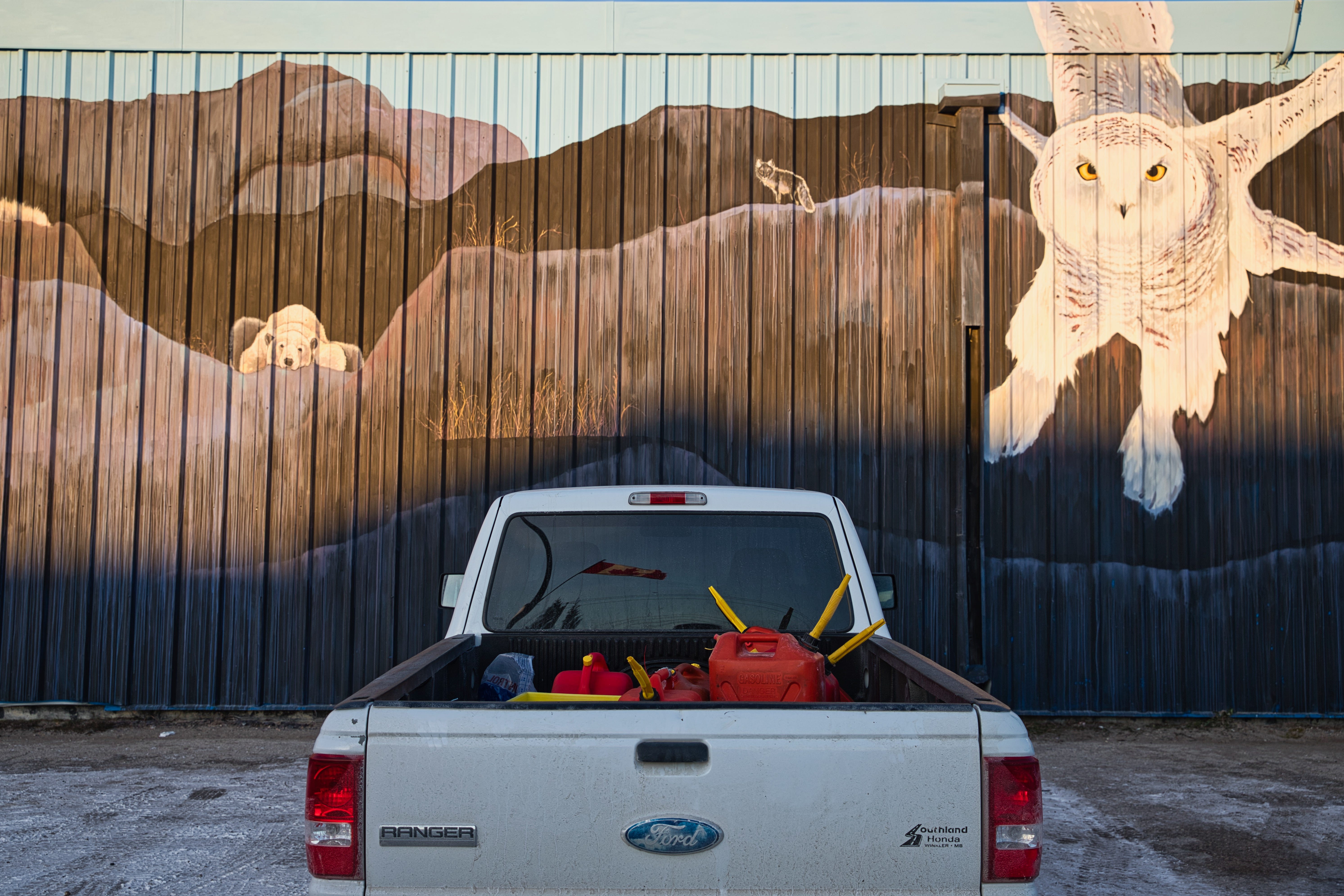

However, even with all the maintenance, the train travels at slow speeds, often only as fast as 15-30 km/h. It’s also quite shaky, which, on the bright side, lulls you into bed very quickly.
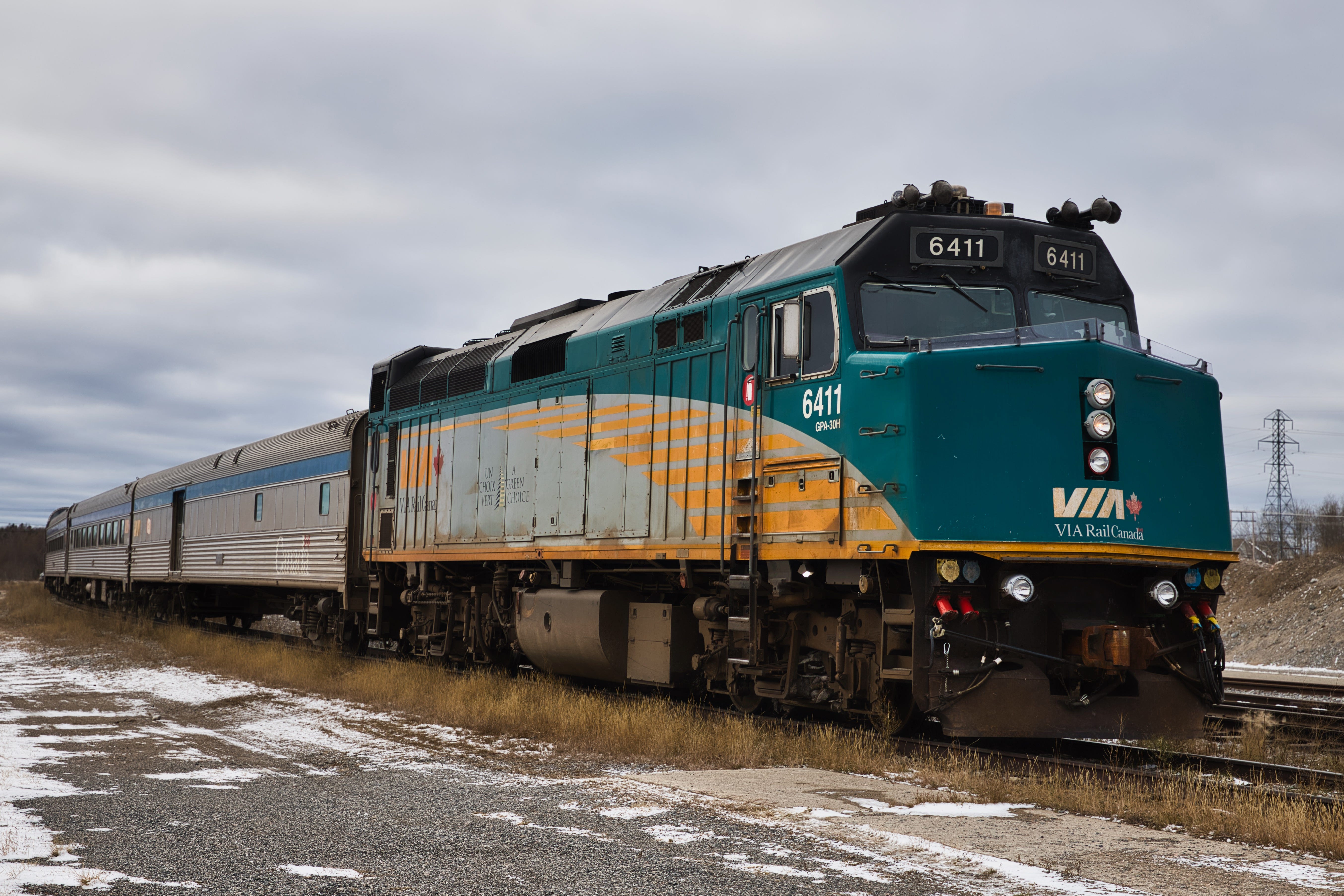
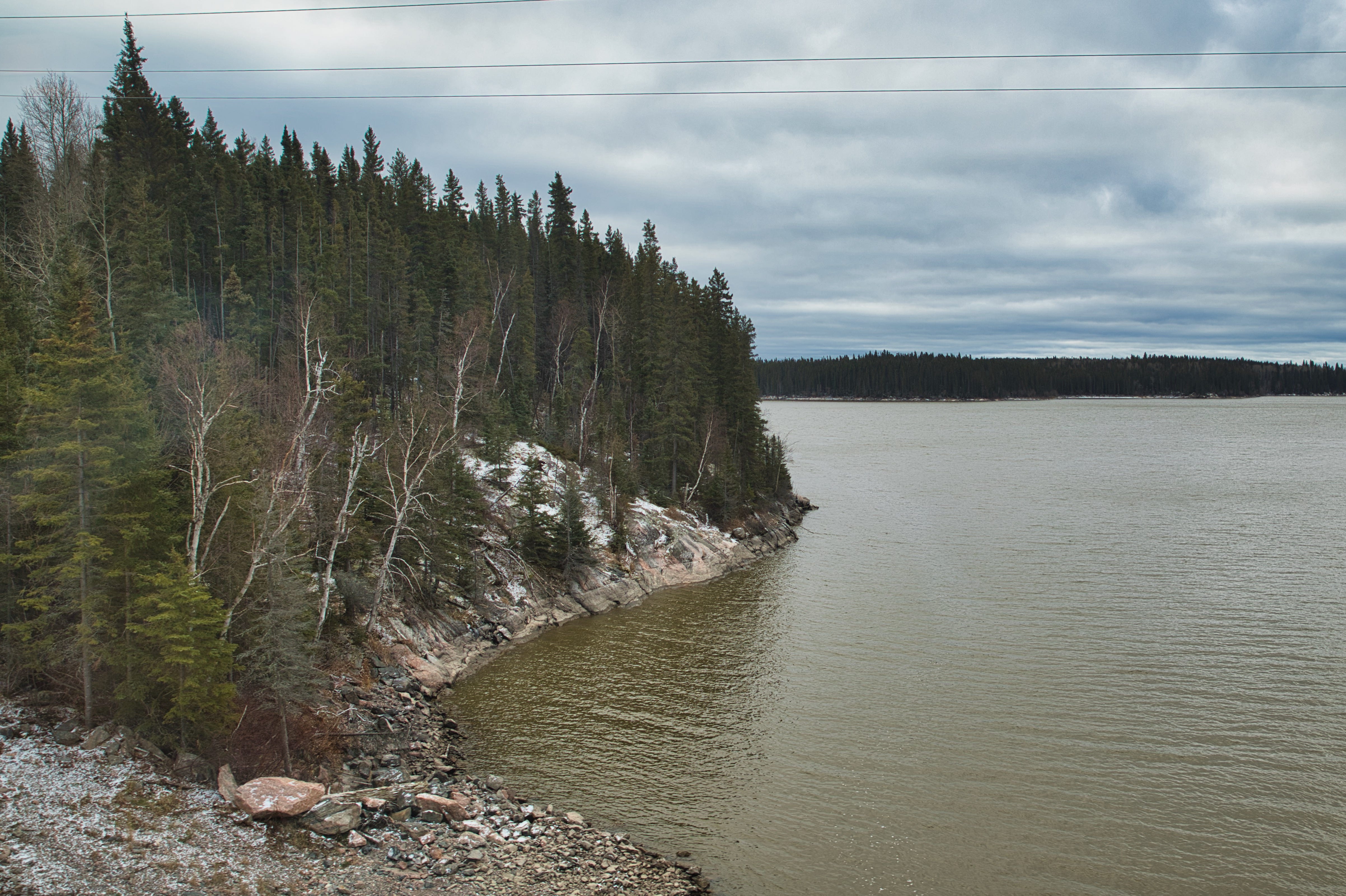
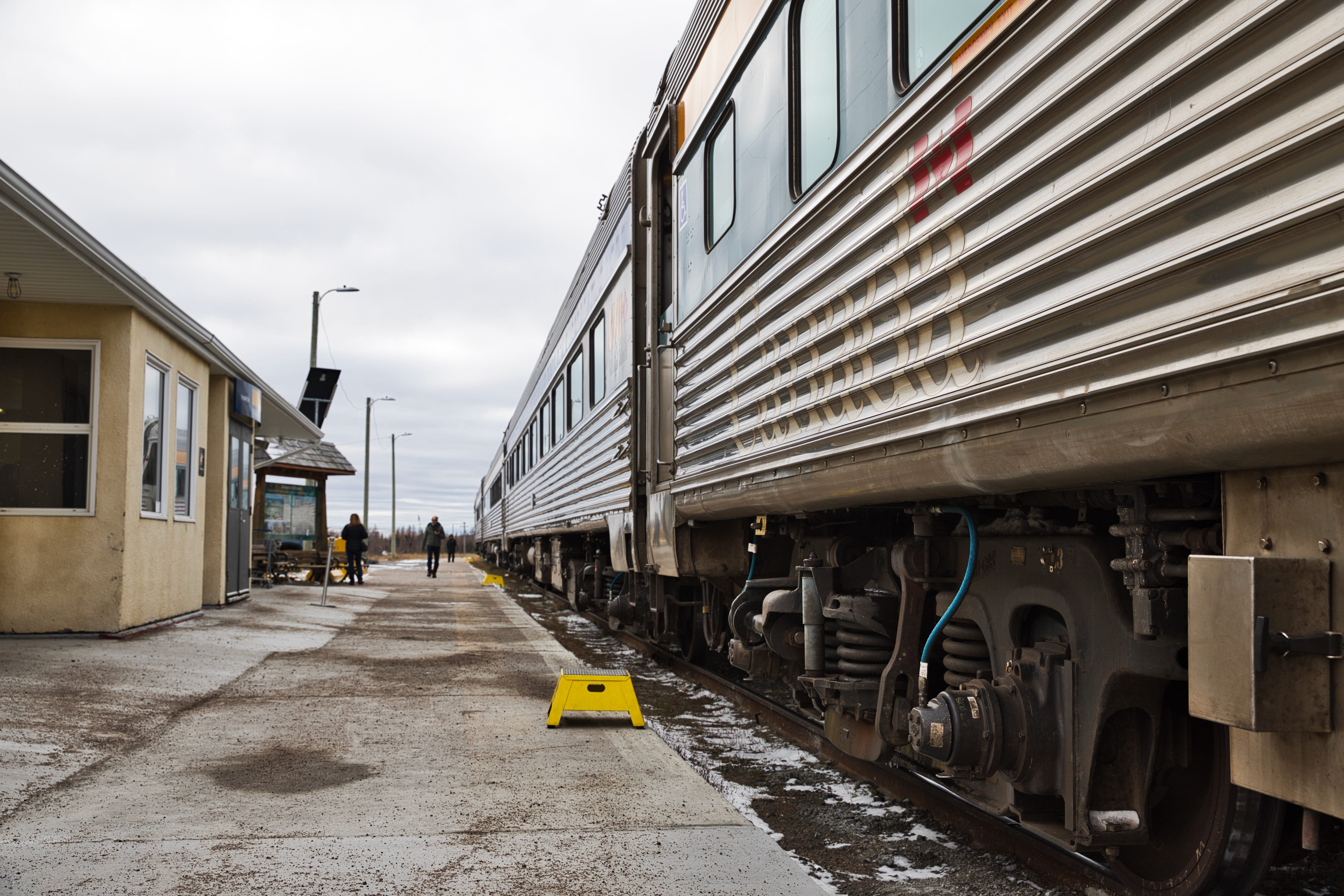
Sometimes, though, the damage is far beyond routine repairs. On May 23, 2017, the railway suffered severe flooding, caused by unusually heavy snowfall in March that year: over 100 cm (40 inches)! The flooding washed out the tracks in 19 locations between Gillam and Churchill. The repairs dragged on for almost 18 months, mostly due to ownership issues. All that time, Churchill was a fly-in community, which obviously caused the price of food and fuel to skyrocket.
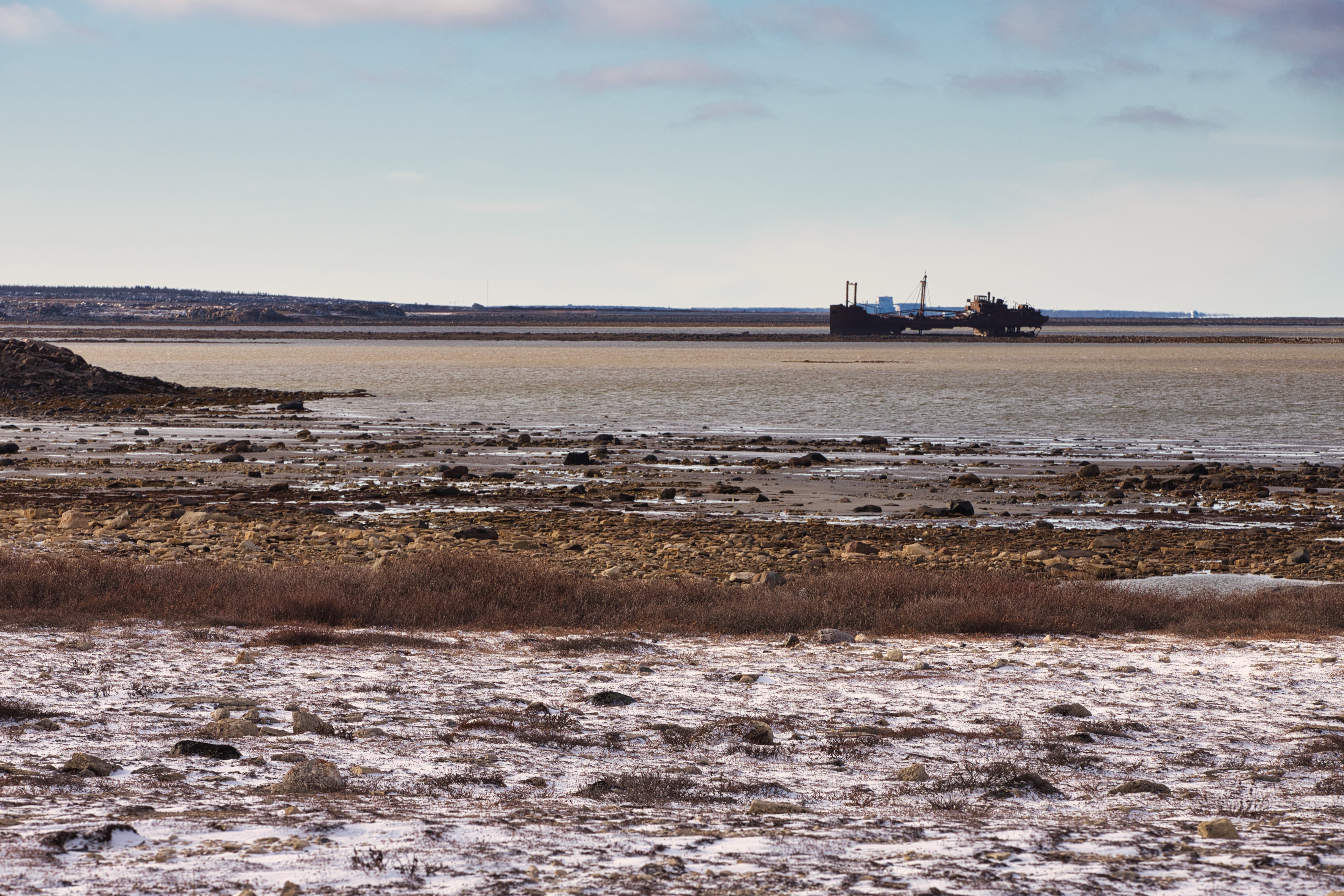
Interestingly, the railroad was originally supposed to terminate at Port Nelson, not Churchill, but Port Nelson’s harbour proved unreliable due to shifting channels and depositing silt. If you look at Google Maps, you can still see the abandoned 80 km spur line to Port Nelson.
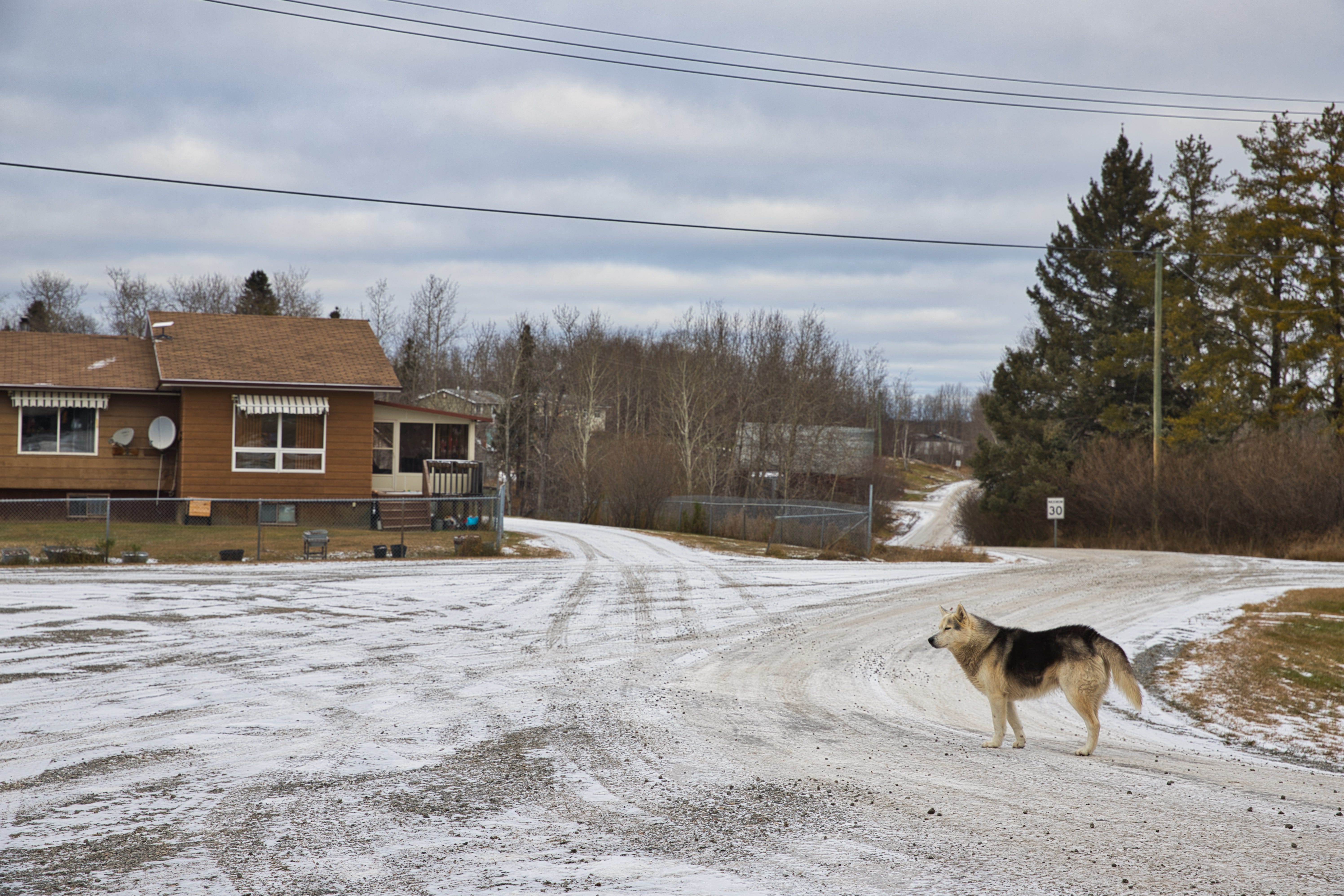
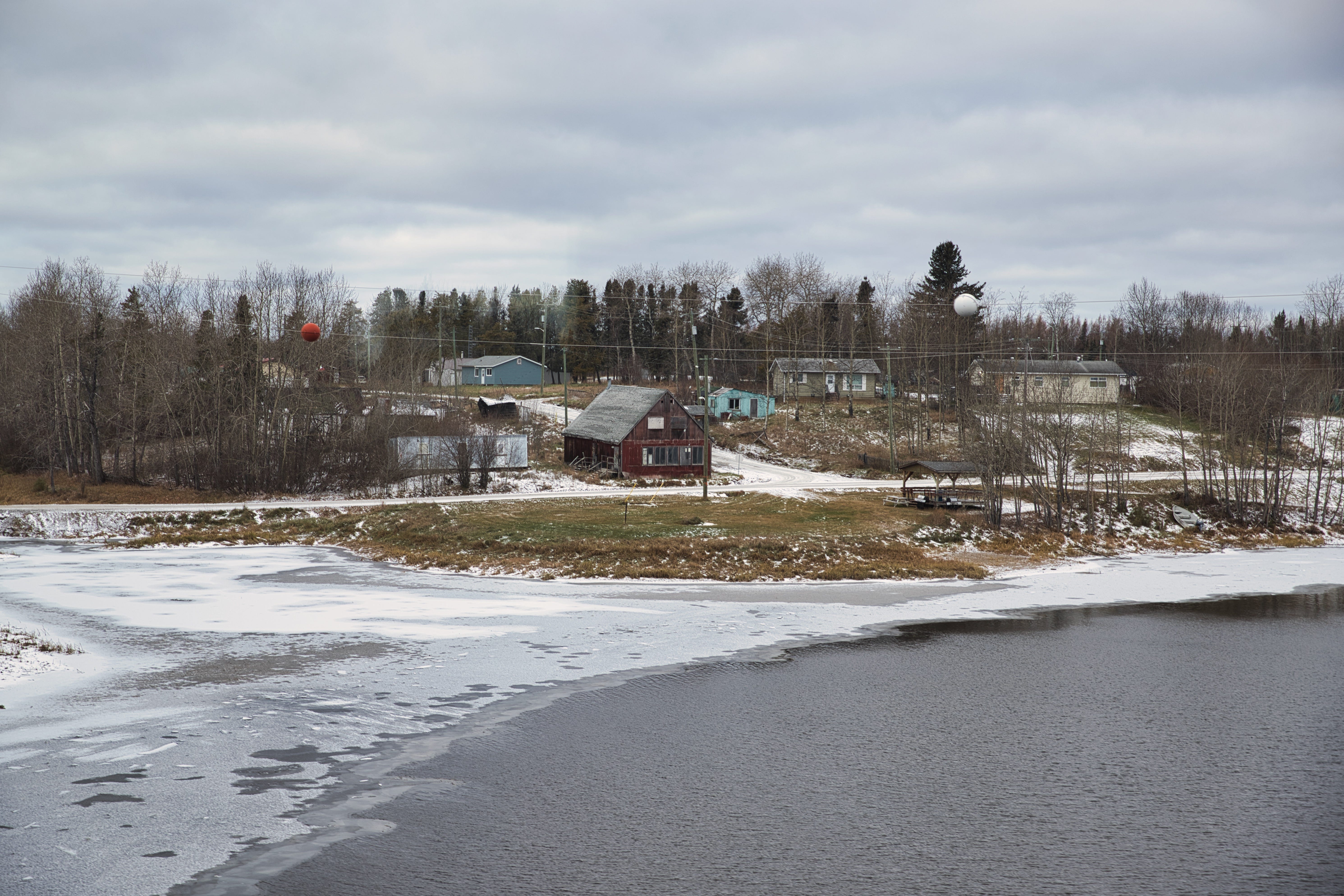
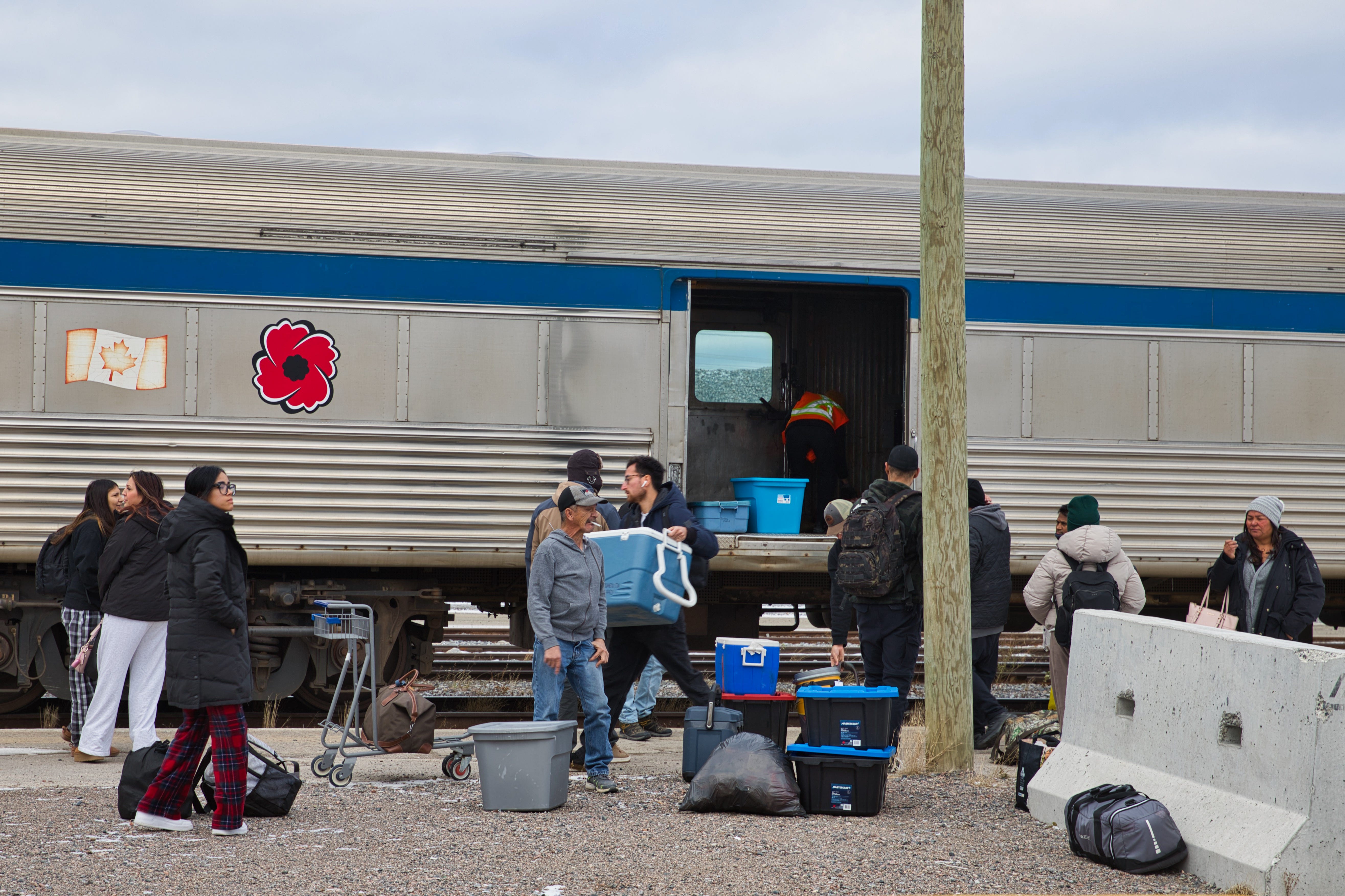
There are no roads to Churchill, so the only ways to reach it are by air, water, and train. With Calm Air airfares costing as much as $900 for a one-way ticket, the train is the only affordable option for travelling to this town. And what about the other northern communities that lie south of Churchill? For them, the train is the primary connection to the outside world, which brings groceries, fuel, mail, access to healthcare, and other essential goods and services.
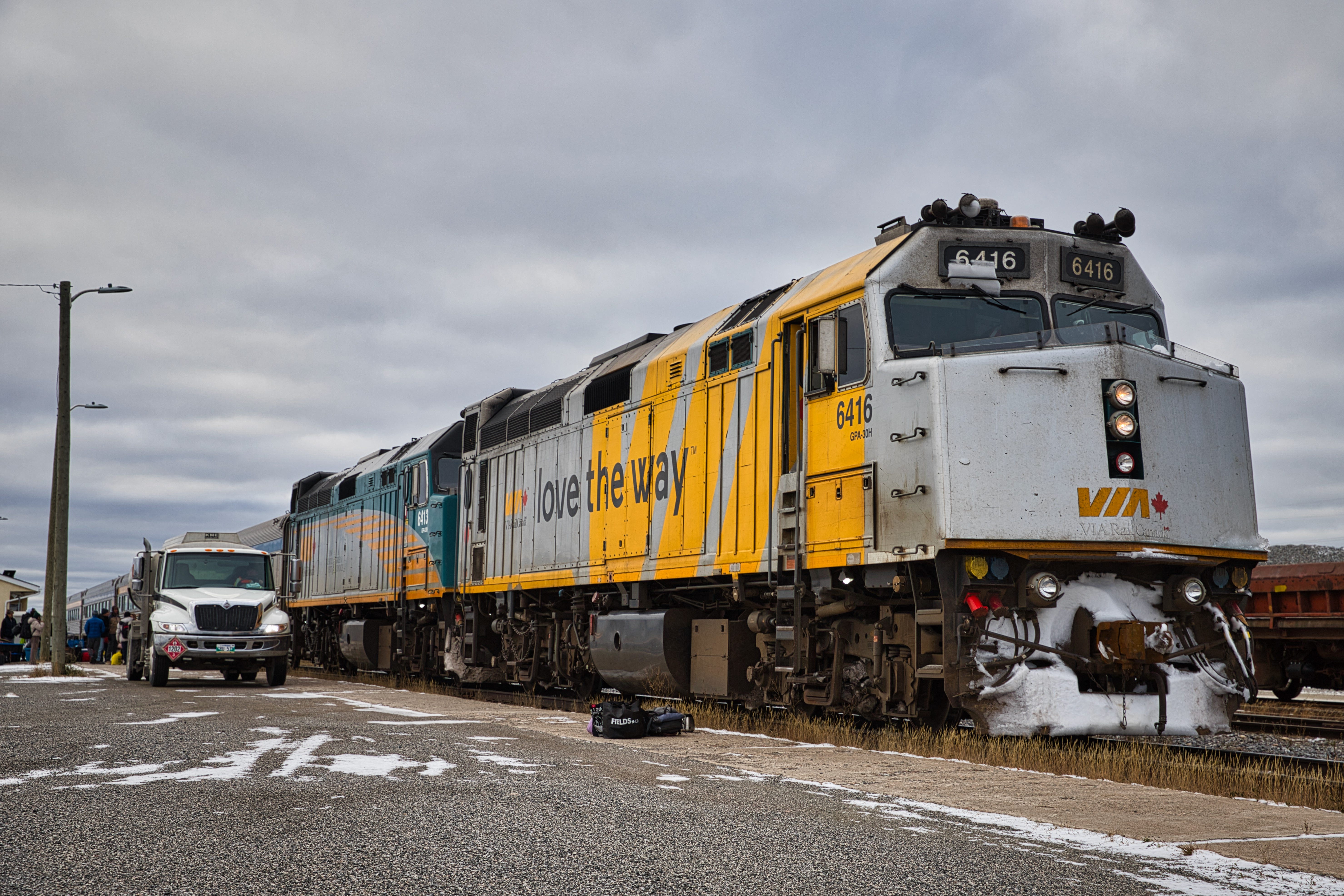
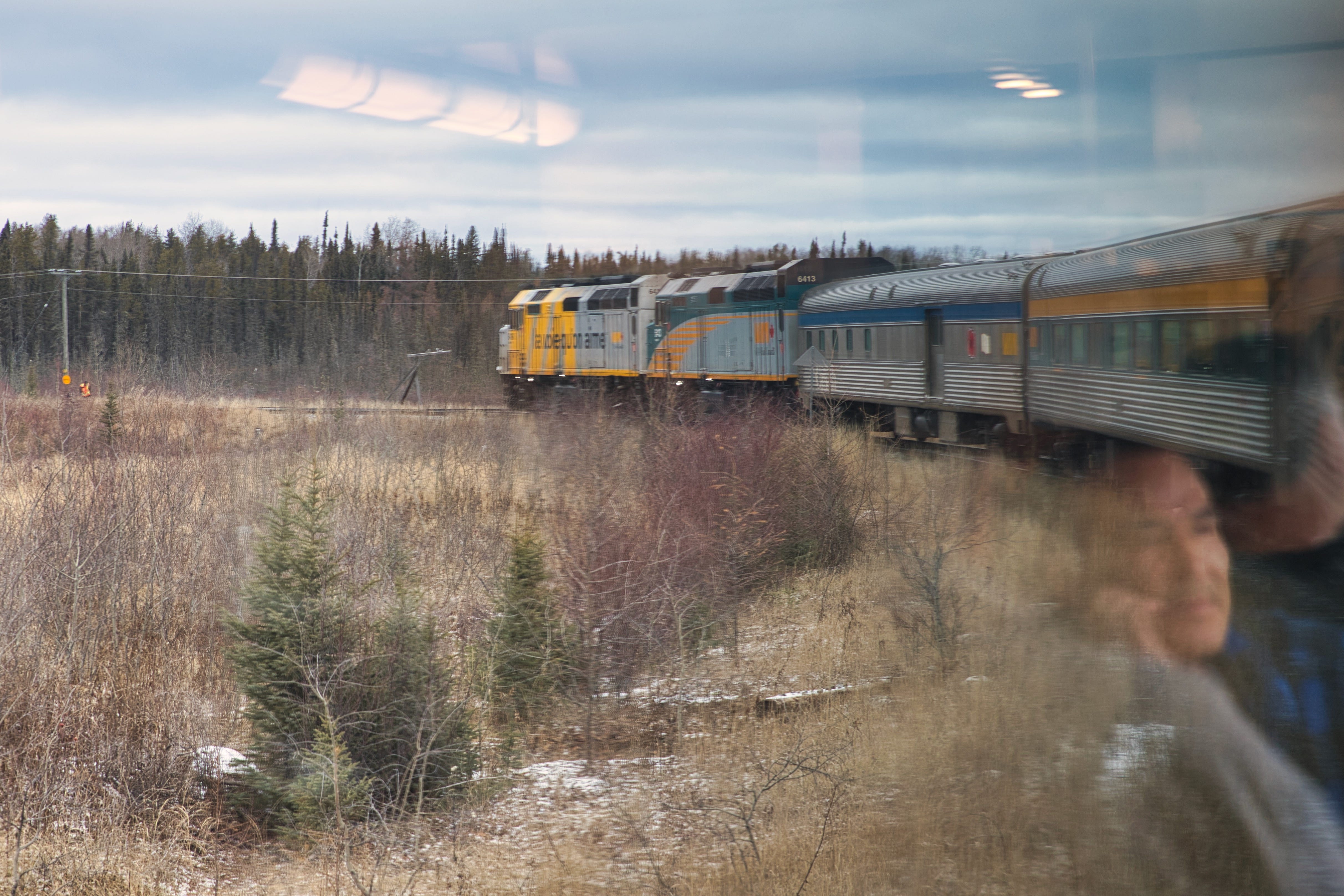
I was under the impression that the rail line to Churchill was the northernmost in Canada. Well, yes and no. Churchill sits at about 58.8°N, which makes Hudson Bay Railway the northernmost passenger rail service in Canada. However, there is another line in the Northwest Territories, Great Slave Lake Railway, that reaches an even higher latitude, at 60.8°N, but it has no passenger service. Having said that, Churchill is undoubtedly Canada’s only rail-connected Arctic seaport.
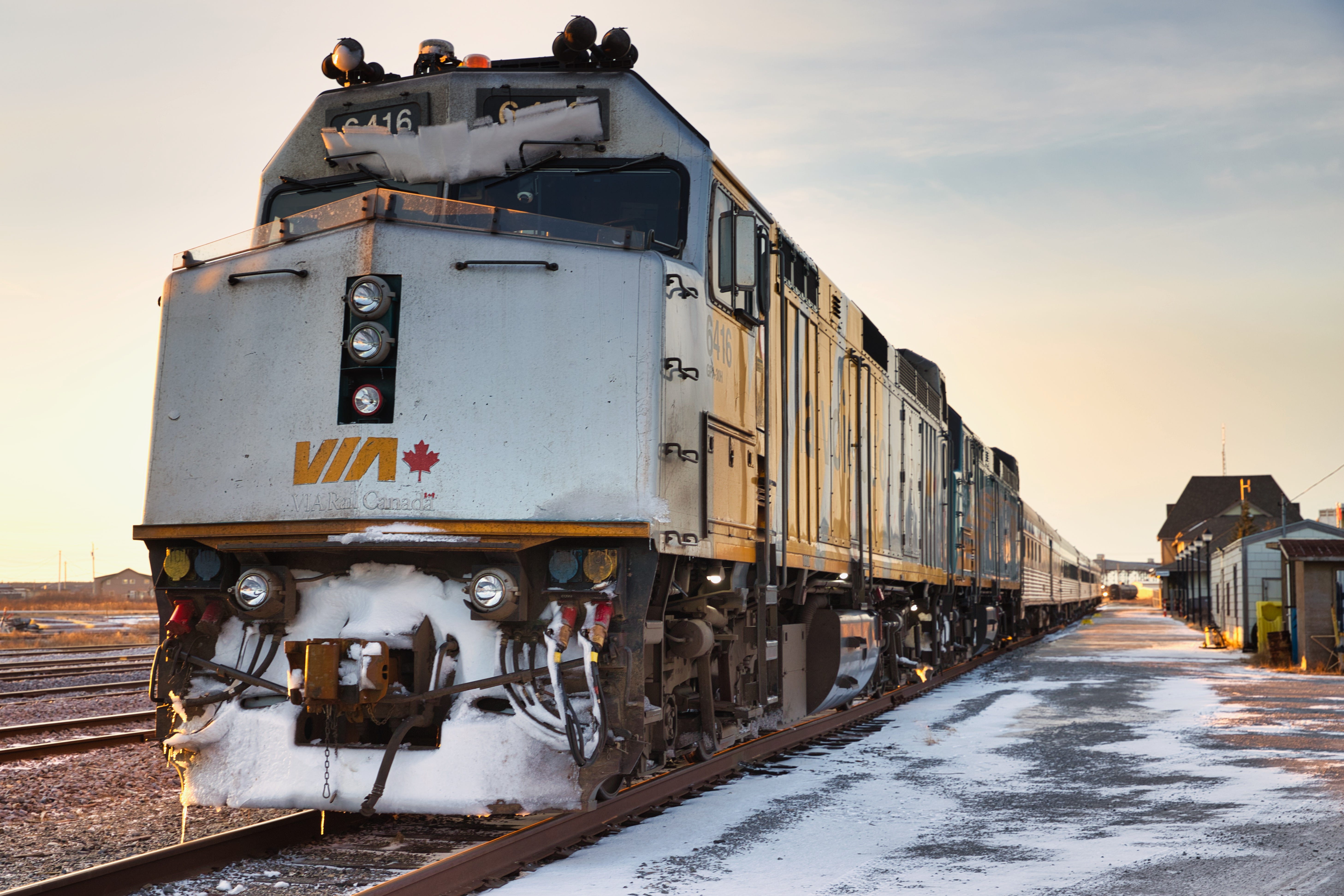
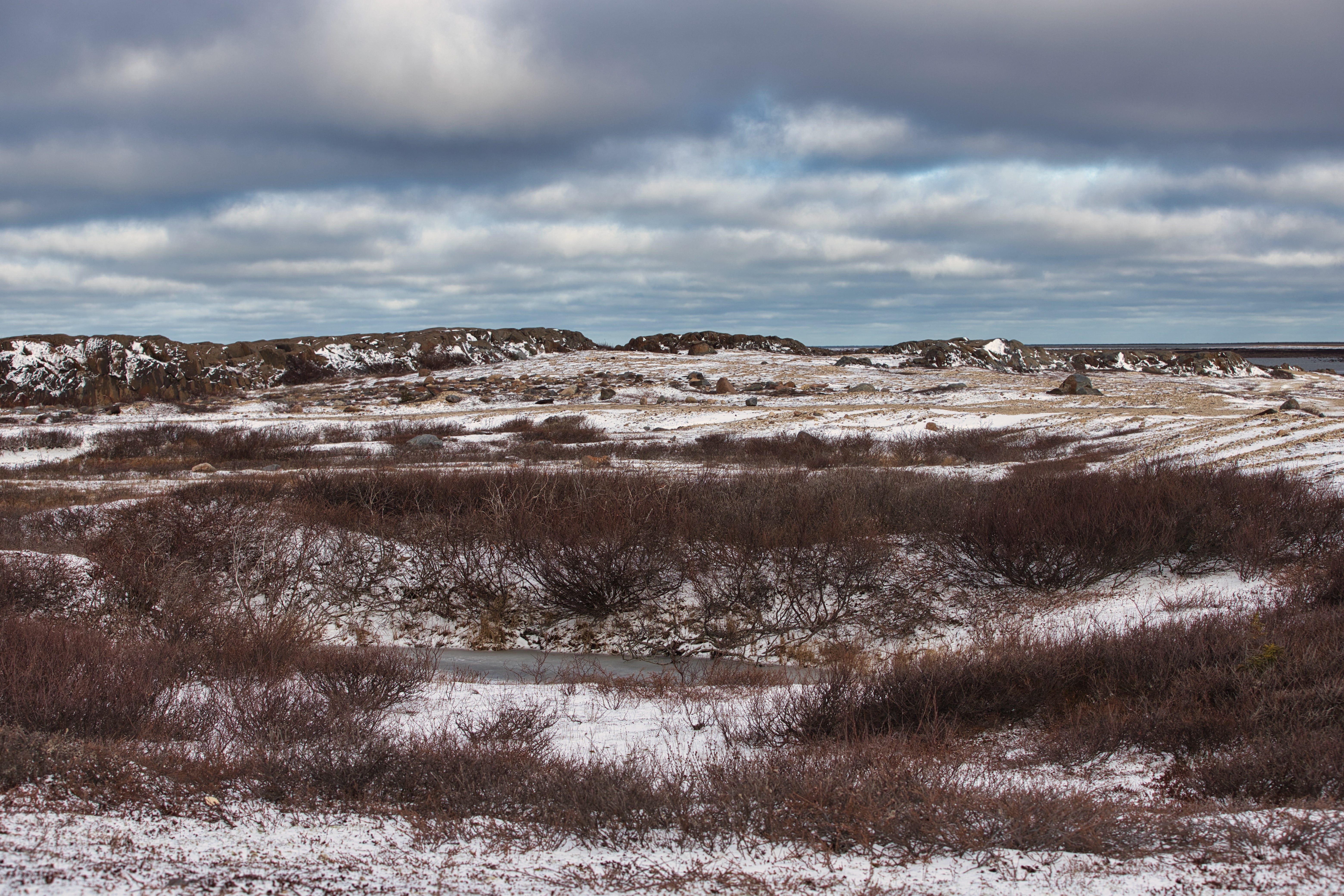
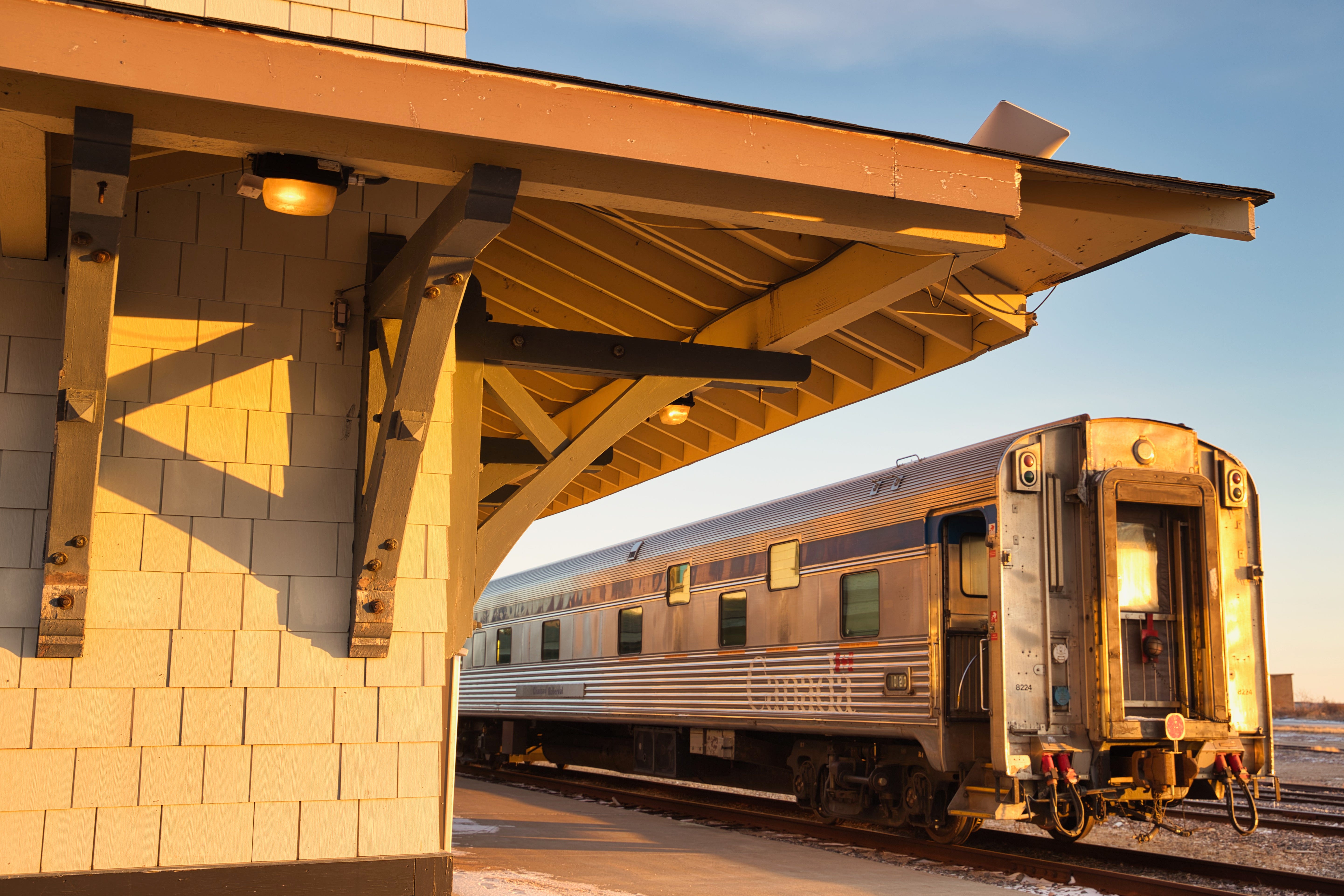
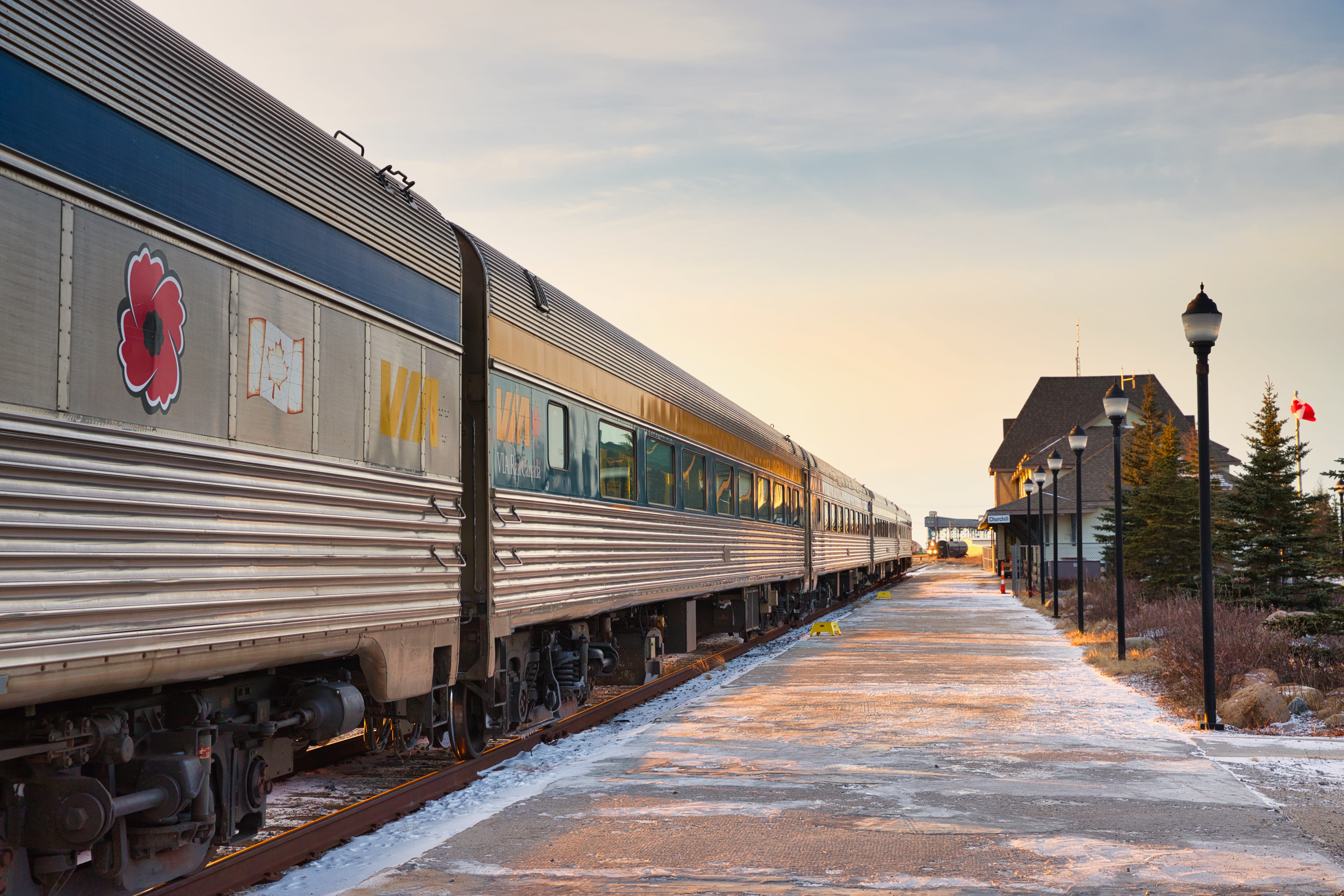
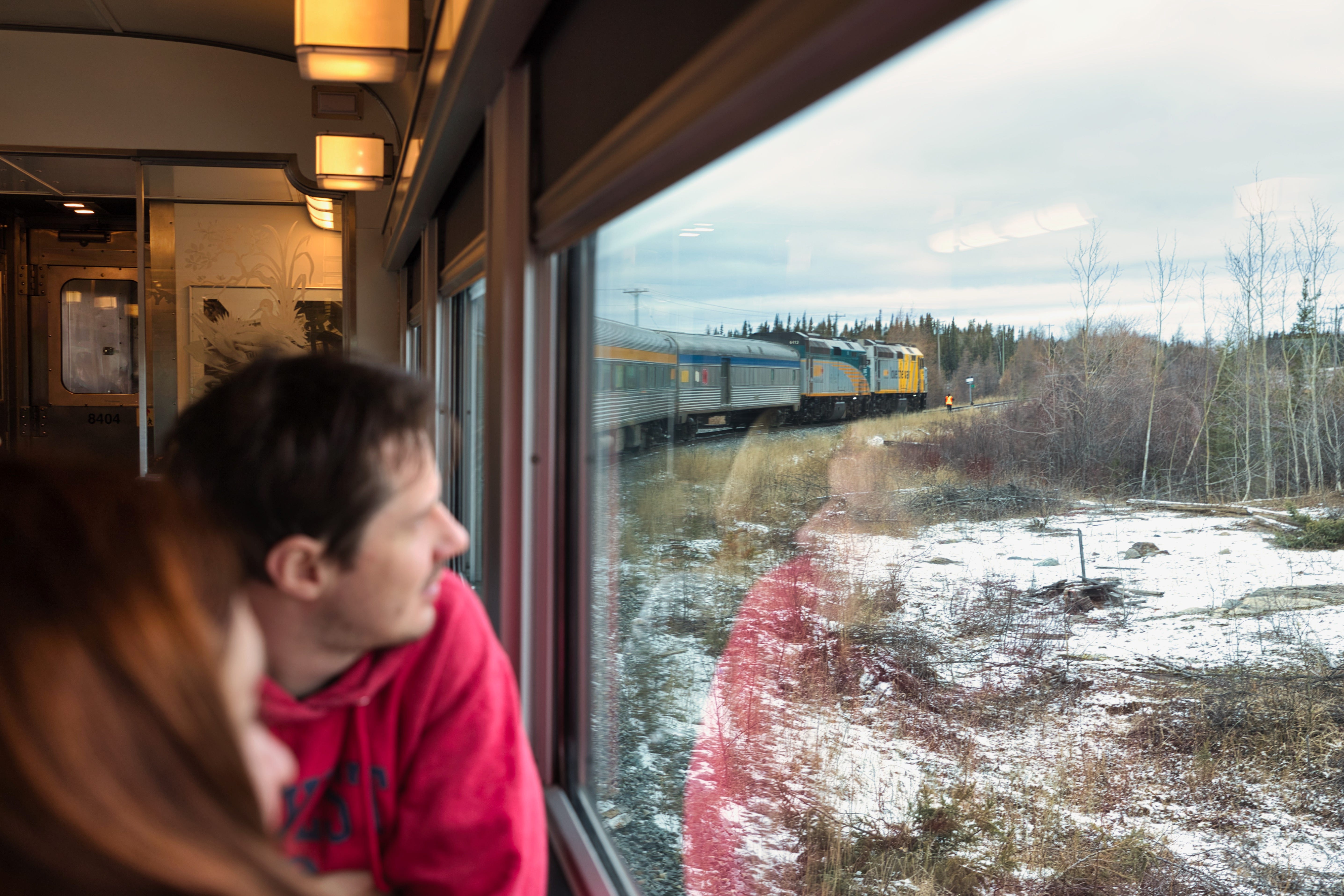
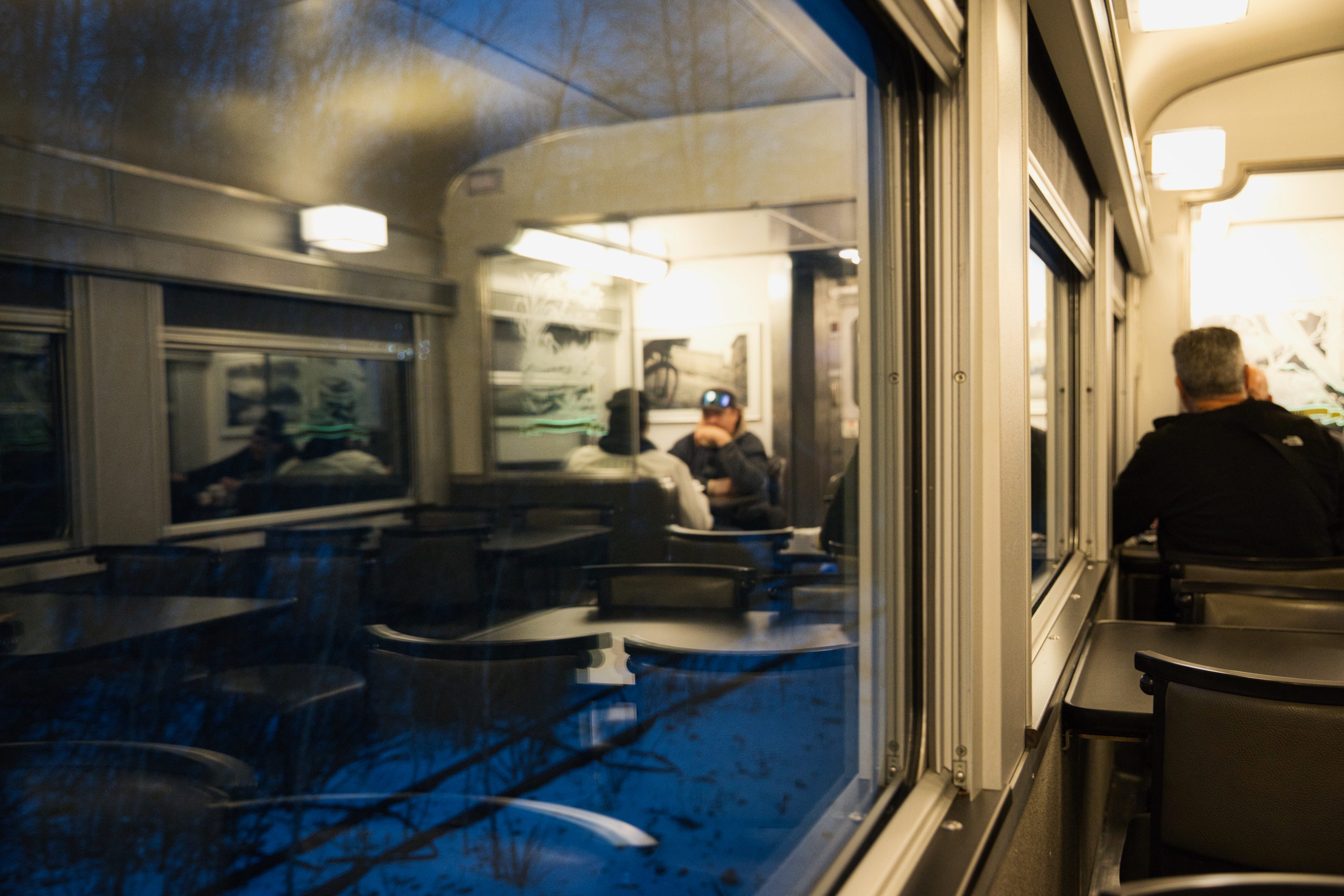
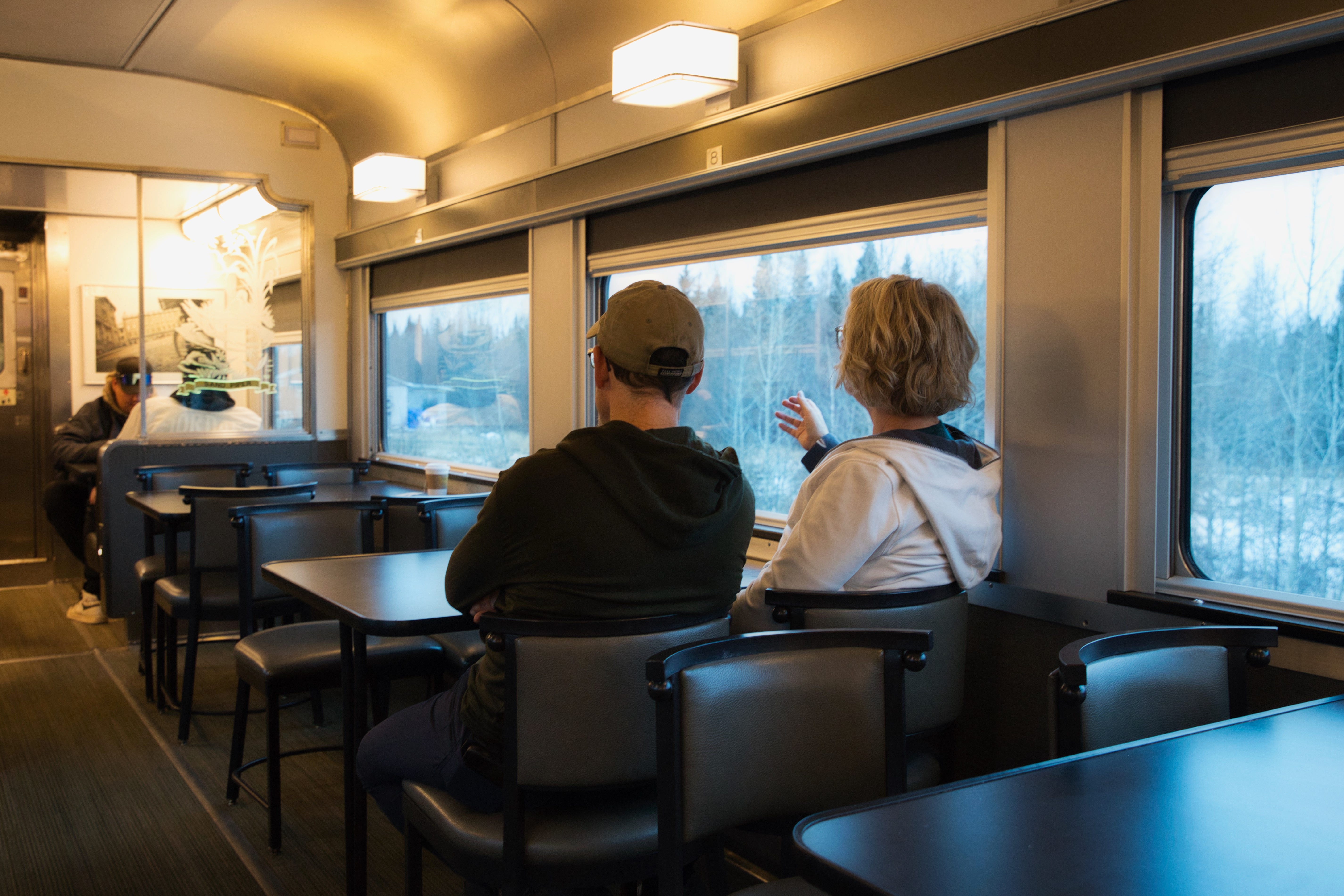
Life onboard a train is slow, which gives you plenty of time to enjoy the views outside a window, catch up on good sleep, or strike up an engaging conversation with fellow passengers. Out of two train consists that travel to Churchill as of October 2026, only one has the Skyline Dome car. We weren’t so lucky as our train didn’t have it, so we ended up spending most of our awake time in a cafe car instead.
The Canadian: A Journey of a Lifetime

Many countries can say they built railways, however very few can brag that they were built by the railways. Canada is one of the few where the railway was the reason the nation exists in its current political borders. Despite various natural and man-made obstacles, the Canadian Pacific Railway linked Montreal and Toronto to Vancouver in 1885. In early 2…
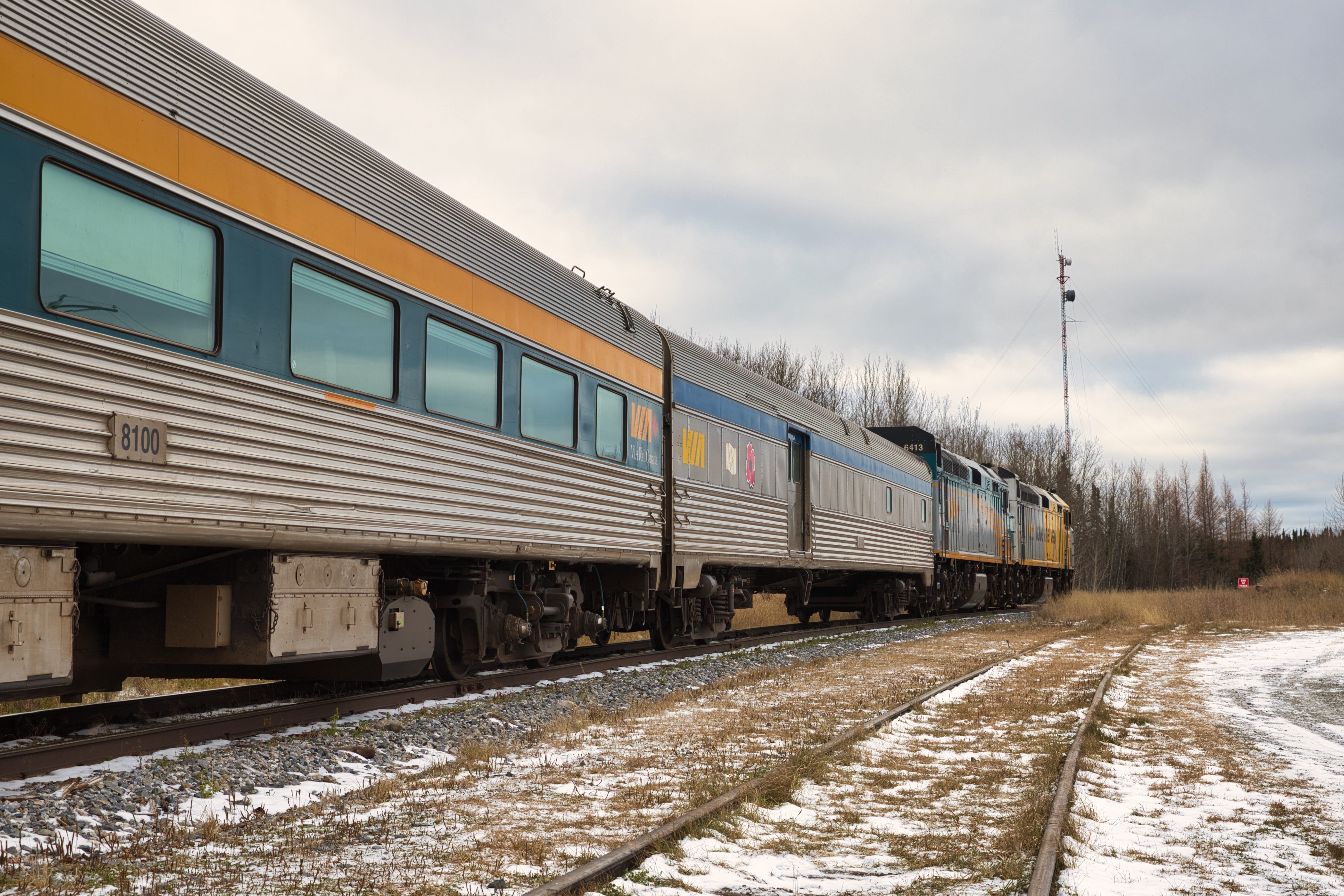
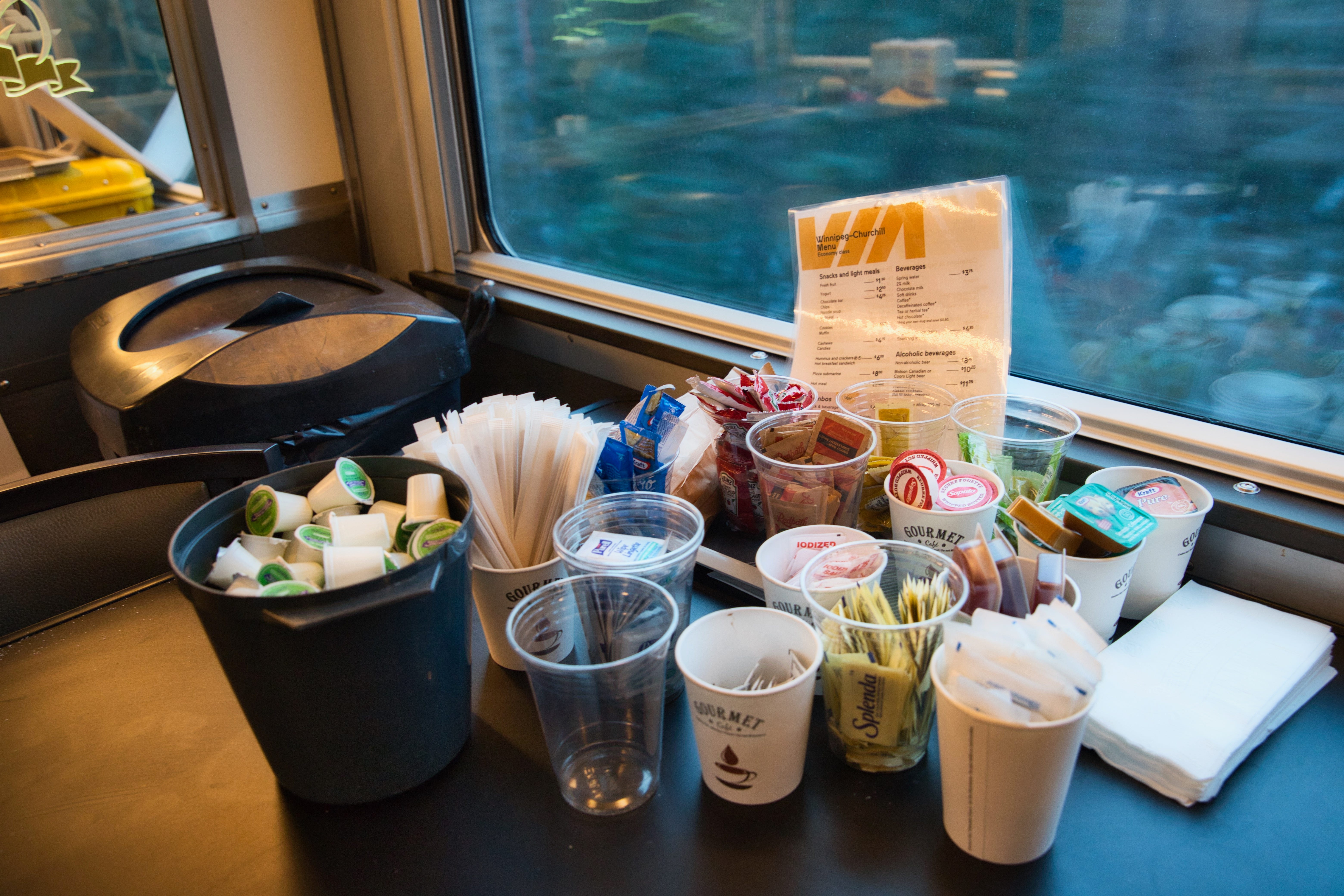
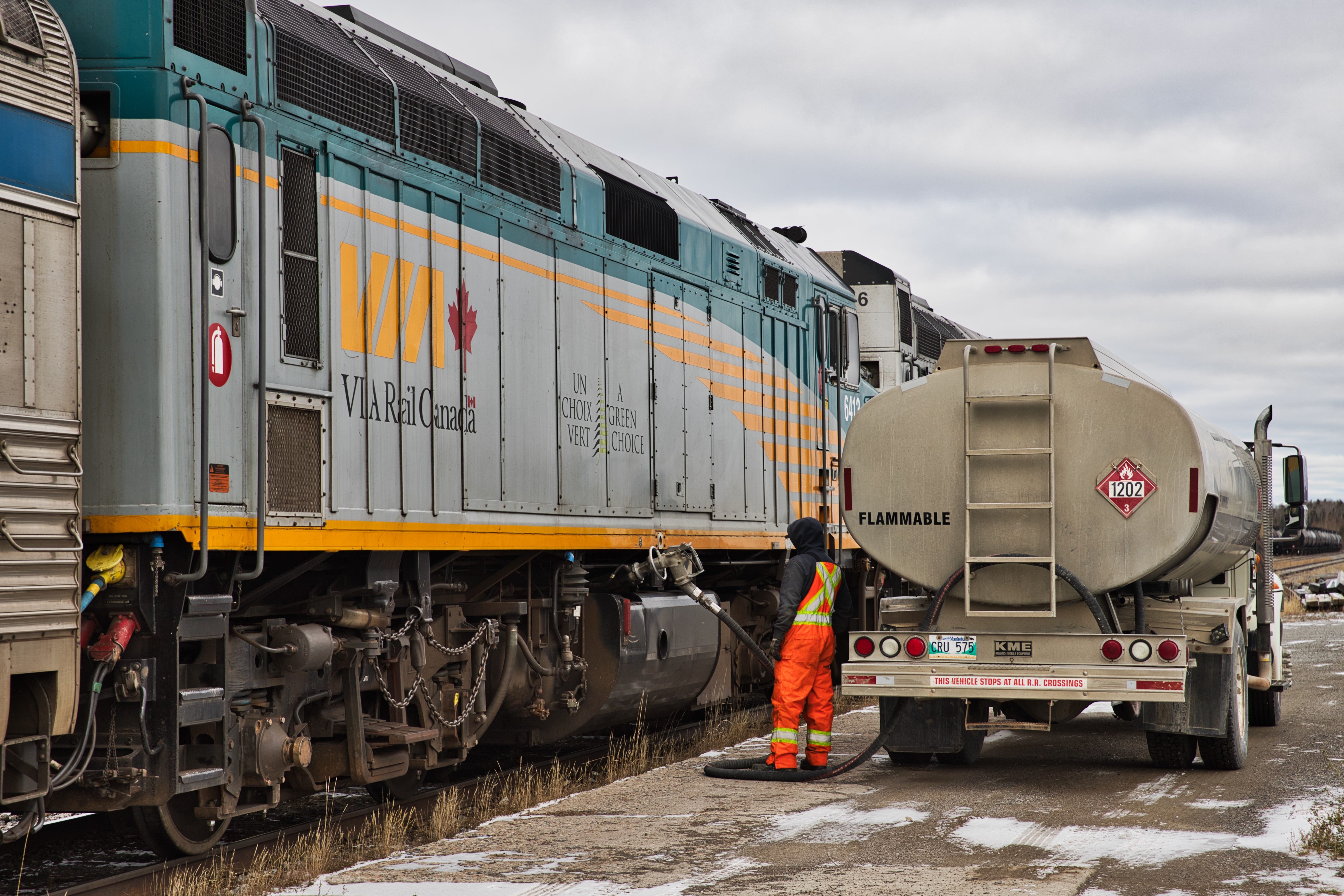
Unlike the other two overnight trains in Canada we have taken so far - the Canadian and the Ocean - this one doesn’t include meals and hot drinks for sleeper class passengers. You’re welcome to bring your own food or buy takeout-style meals from a train kitchen. We saw people who even managed to order pizza in Thompson and have it delivered to the train, while our train was refuelling and replenishing water and other supplies.
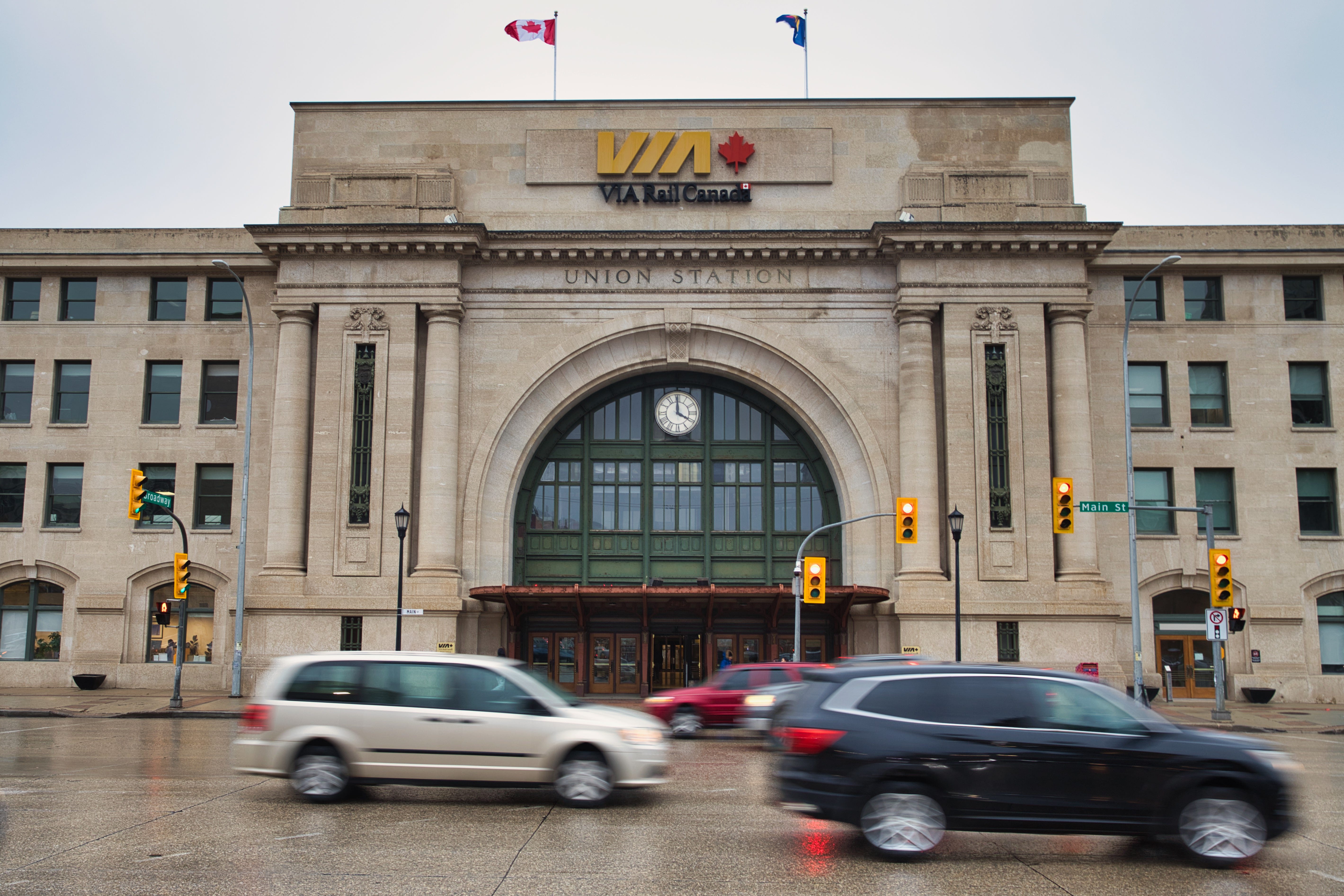
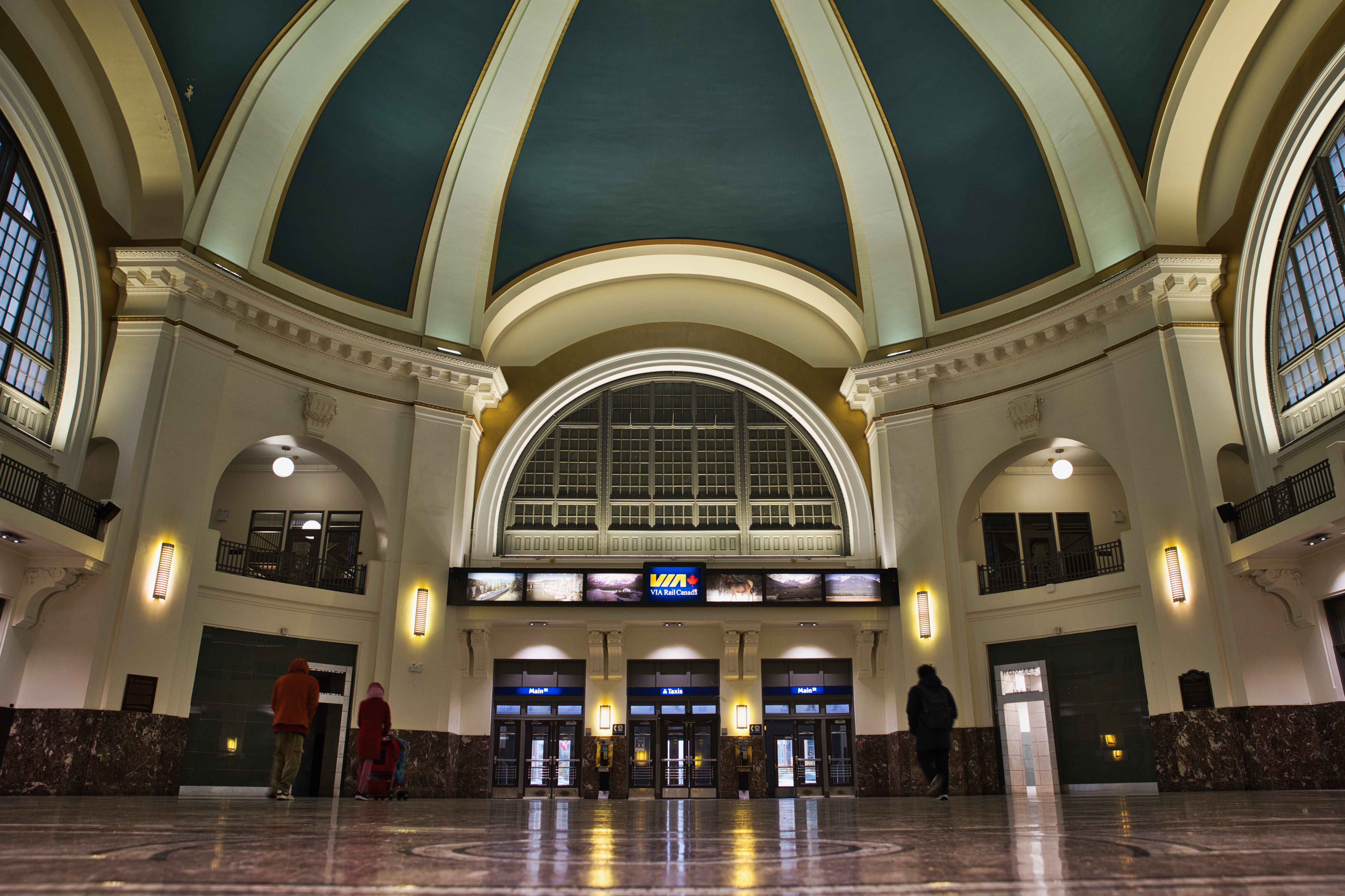
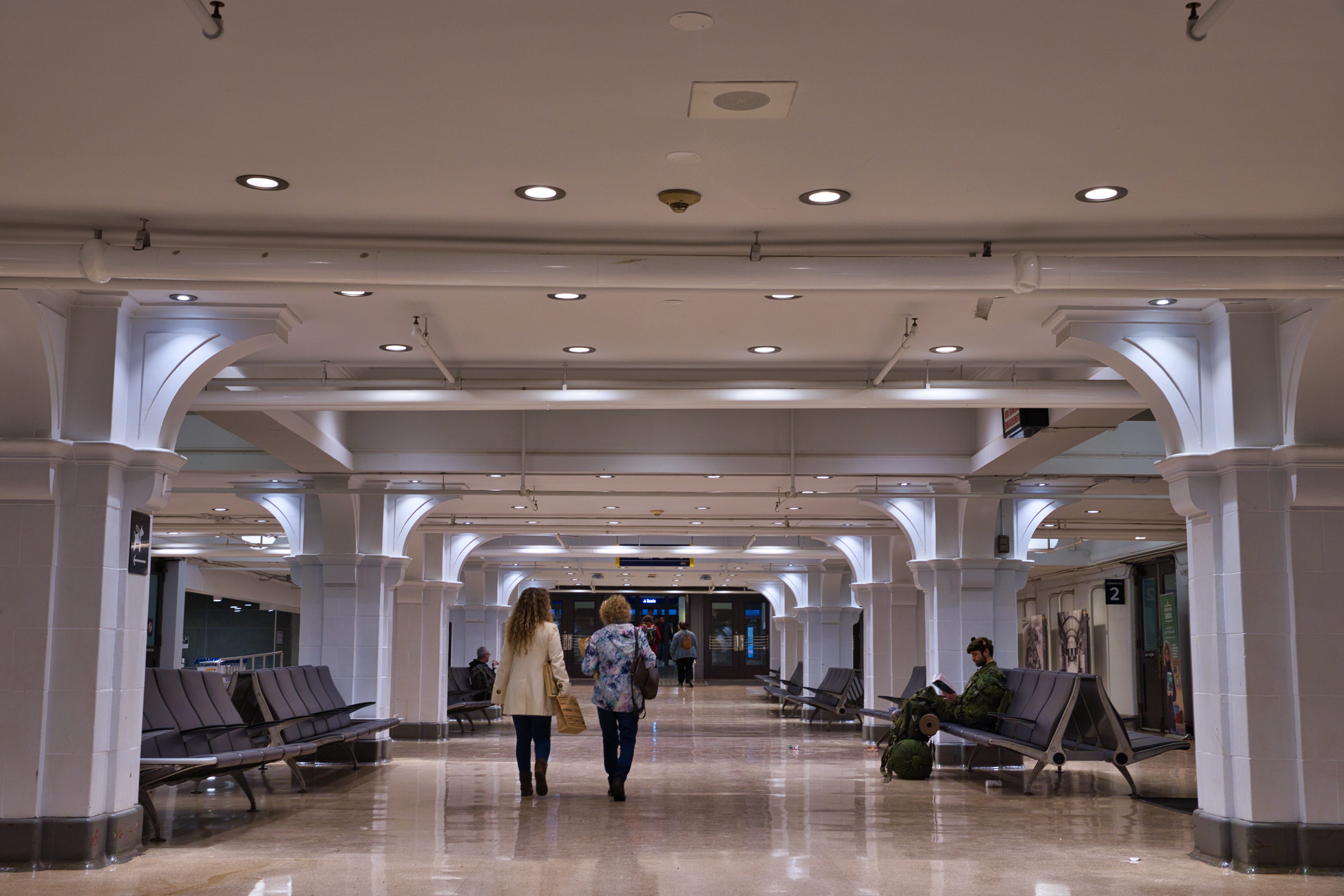
Both terminus stations - Winnipeg and Churchill - are remarkable historic buildings. The Winnipeg Union Station is my favourite train station in Canada. Its main hall, with a grand Beaux-Arts four-story-tall rotunda and huge lunette windows, looks and feels like a cathedral. Not surprisingly, it’s on the list of national historic sites in Canada. The station was designed by the New York firm Warren and Wetmore, the same architects behind New York Grand Central. No wonder both stations look so similar, albeit the one in New York is much bigger. Sadly, Winnipeg Union Station only sees two trains per week to Churchill and two trains per week in each direction to Vancouver and Toronto.
Riding the Ocean Train from Montreal to Halifax

Established in 1904, the Ocean is more than just a train: it’s a living piece of Canadian history. As the oldest continuously operating named passenger train in North America, it has witnessed the rise and fall of epochs, carried soldiers to Halifax during the Second World War, and connected the Maritime provinces to the rest of the country long before …
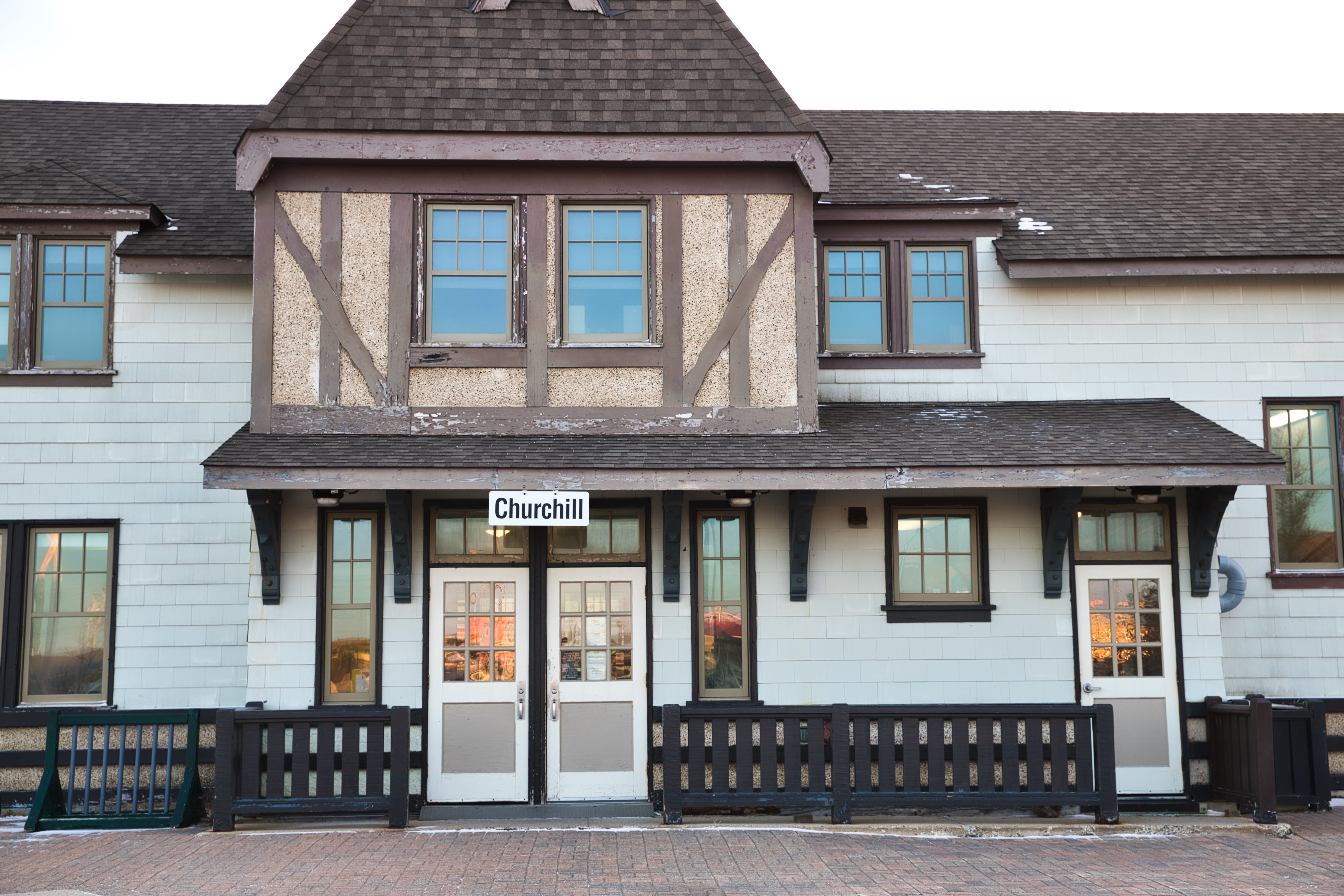
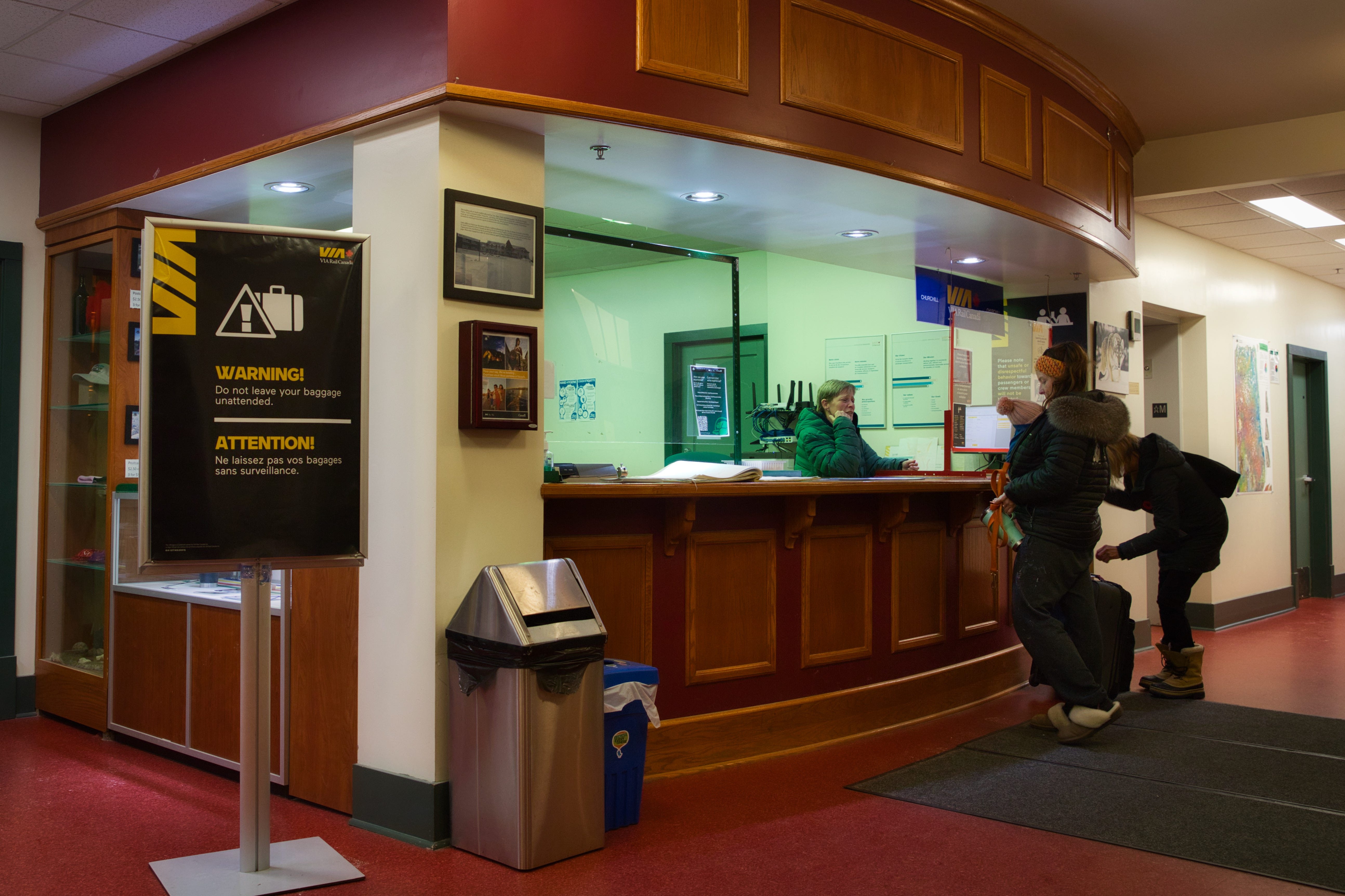
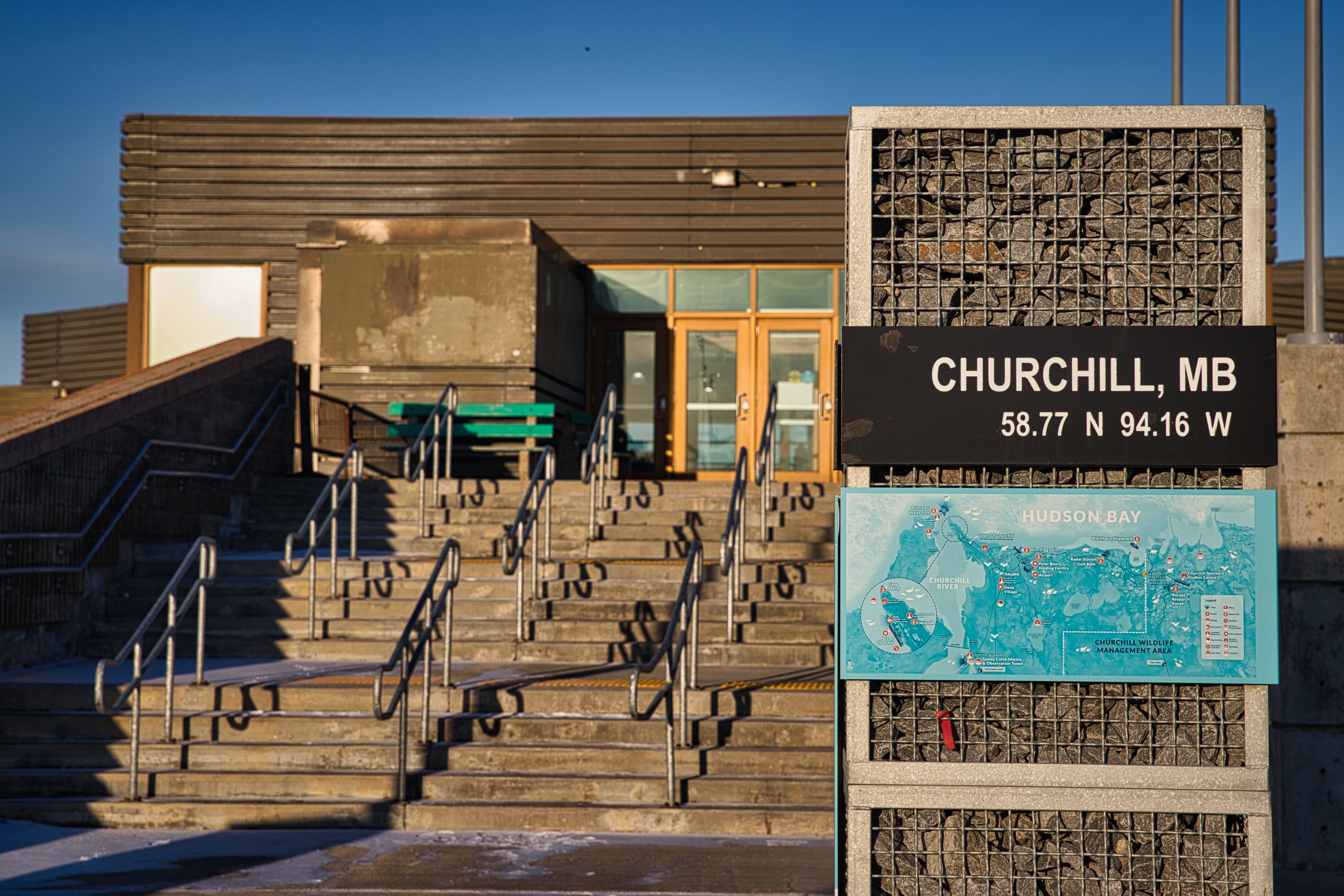
The Churchill station is bigger and more visually appealing than most similar stations in Western Canada. Given the railway gave Prairie farmers access to grain markets in Europe, the station was in a way a celebration of that remarkable milestone. The station building is now owned by Parks Canada, which completely renovated it in 2002. Interestingly, the station doubles as a visitor centre for Wapusk National Park, as well as Prince of Wales Fort and York Factory National Historic Sites, and a park ranger does a check-in for passengers! ∎.