

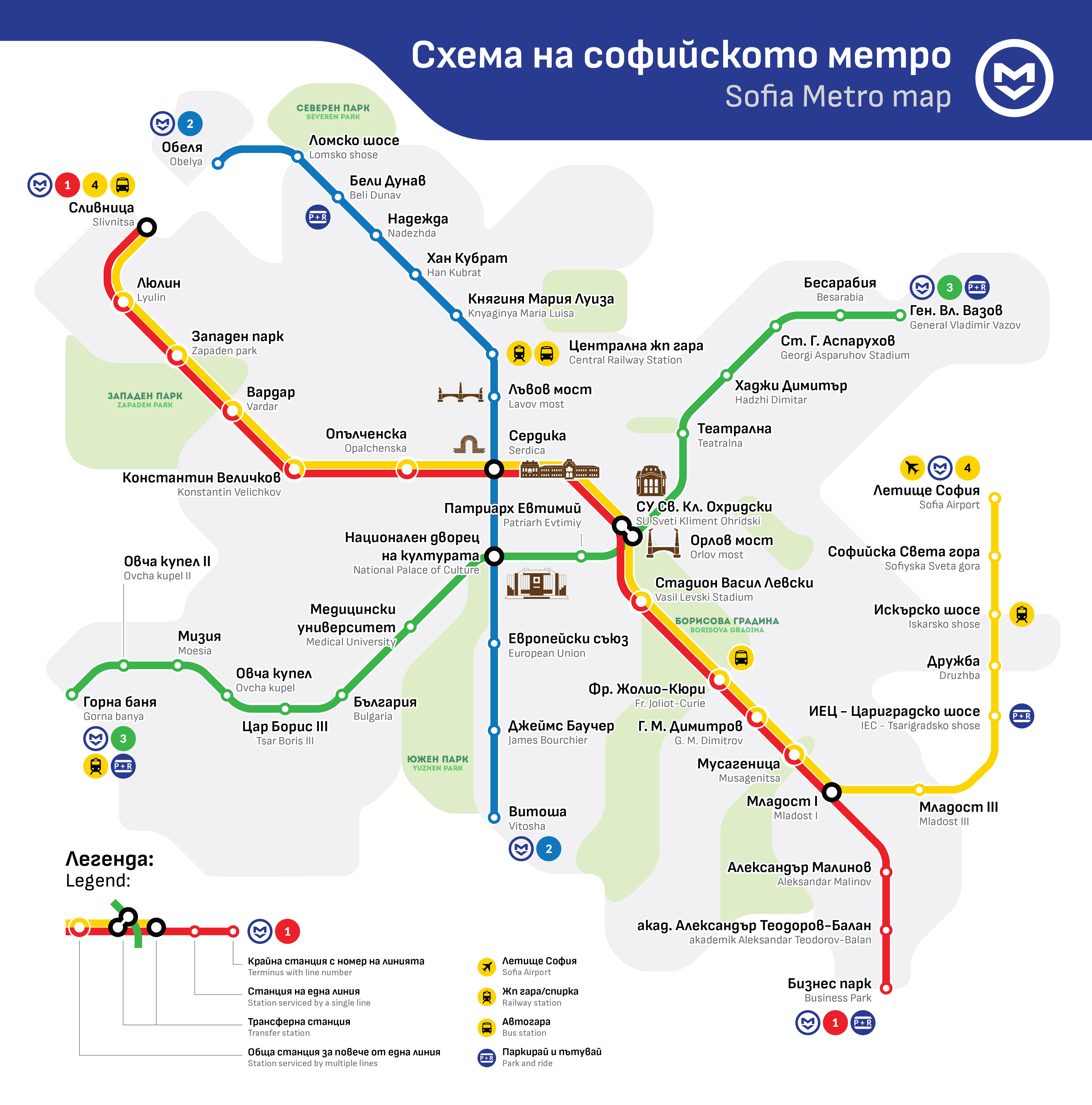
The Sofia Metro is one of the nicest metro systems I’ve ridden in Europe. Sofia, the capital of Bulgaria has a population of about 1.3 million people, and remarkably its metro system has four lines, 50 stations, and 52 km / 32 miles of track. For a city that size, the network is clearly punching well above its weight: it feels like a system built for a much bigger city. Maybe that’s what peak urbanism should look like? Or is Bulgaria anticipating a steep future population growth? After all, I think Sofia is an amazing place to live, all things considered, so I wouldn’t be too surprised.
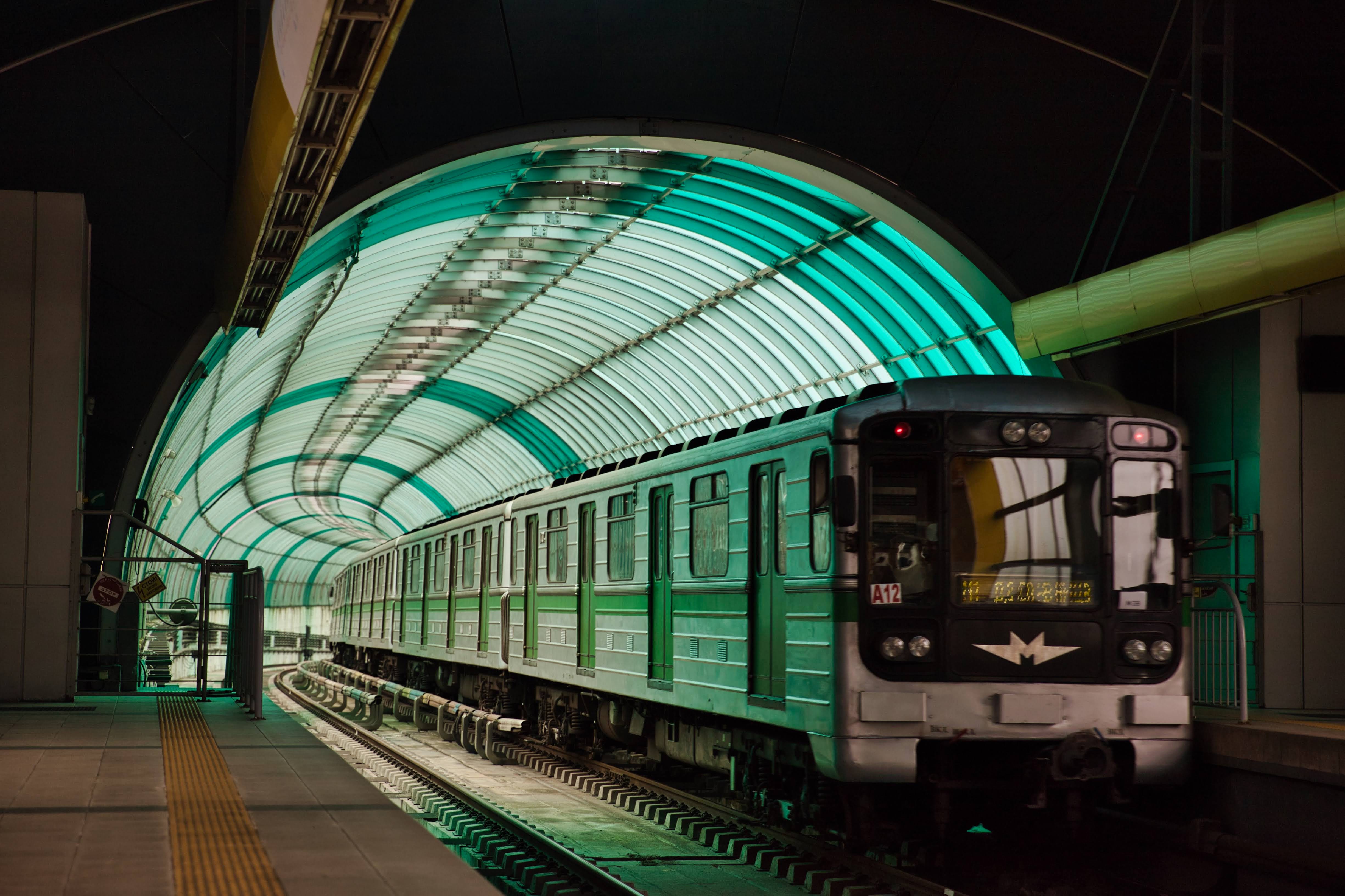
The story of the Sofia Metro starts with a rule that shouldn’t have applied to Bulgaria at all.
Bulgaria was never part of the Soviet Union - it was a Warsaw Pact state. This means that while it was formally a separate country, it was inside the Eastern Bloc run by a puppet government from Moscow. This distinction didn’t matter much when it came to urban planning as the Soviet regime allowed any city crossing a population of one million to build a metro. Having an “underground city” was also a sign of prestige for state officials besides of course helping address transportation demand. The same rule triggered metro projects across the Eastern Bloc: Kyiv reached this milestone in the 1950s, Minsk in the 1970s, Yerevan in the early 1980s, and so forth. There are over a dozen of cities across the Eastern Bloc that were able to build a metro system this way before the Soviet Union finally collapsed in 1991.
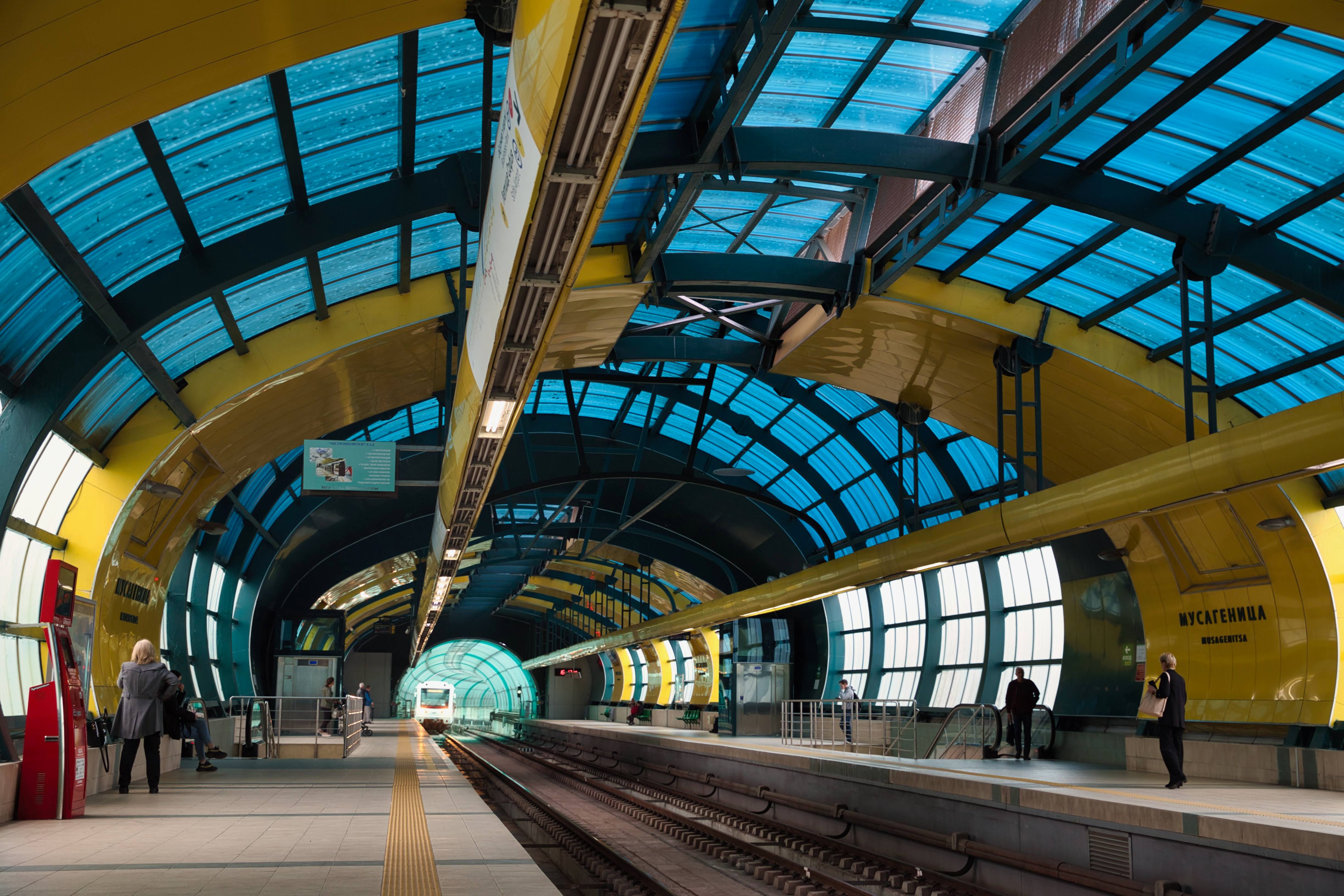
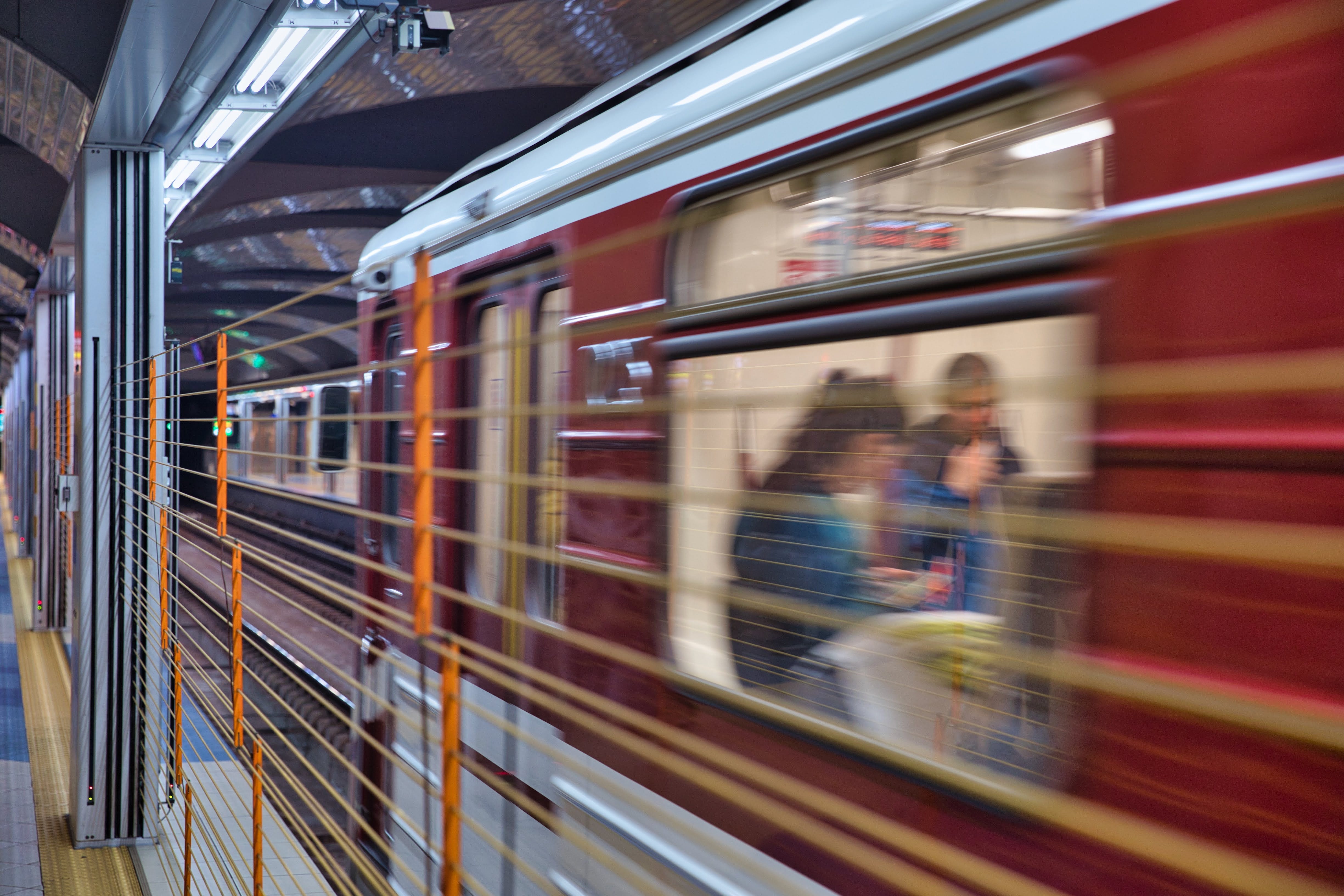
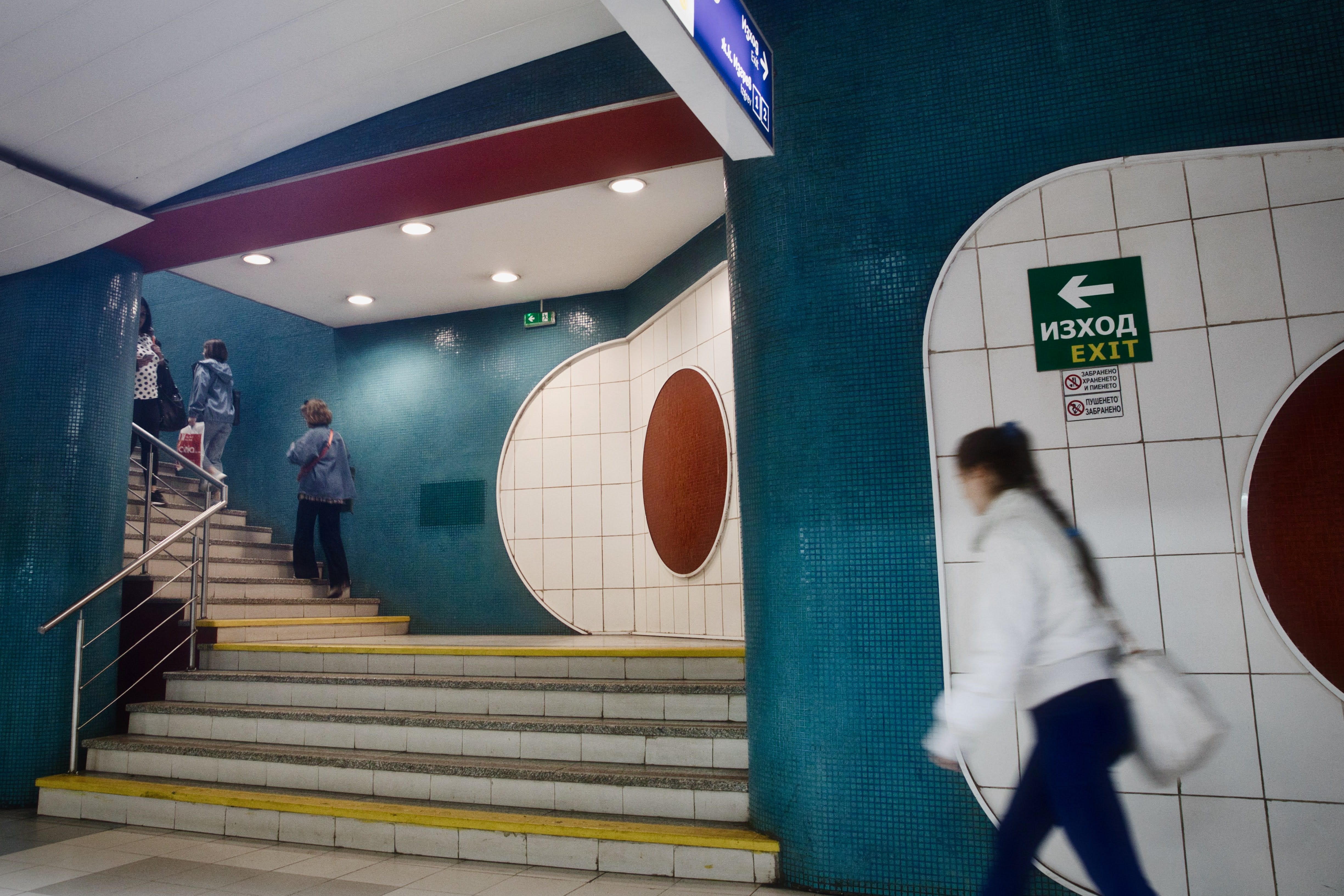
Sofia reached one million in the 1970s. While the metro construction started on time, due to various political and economical reasons, the project was only completed in 1998 after missing opening deadlines at least three times. But what happened next has been quite admirable: Sofia has kept expanding its metro system ever since.
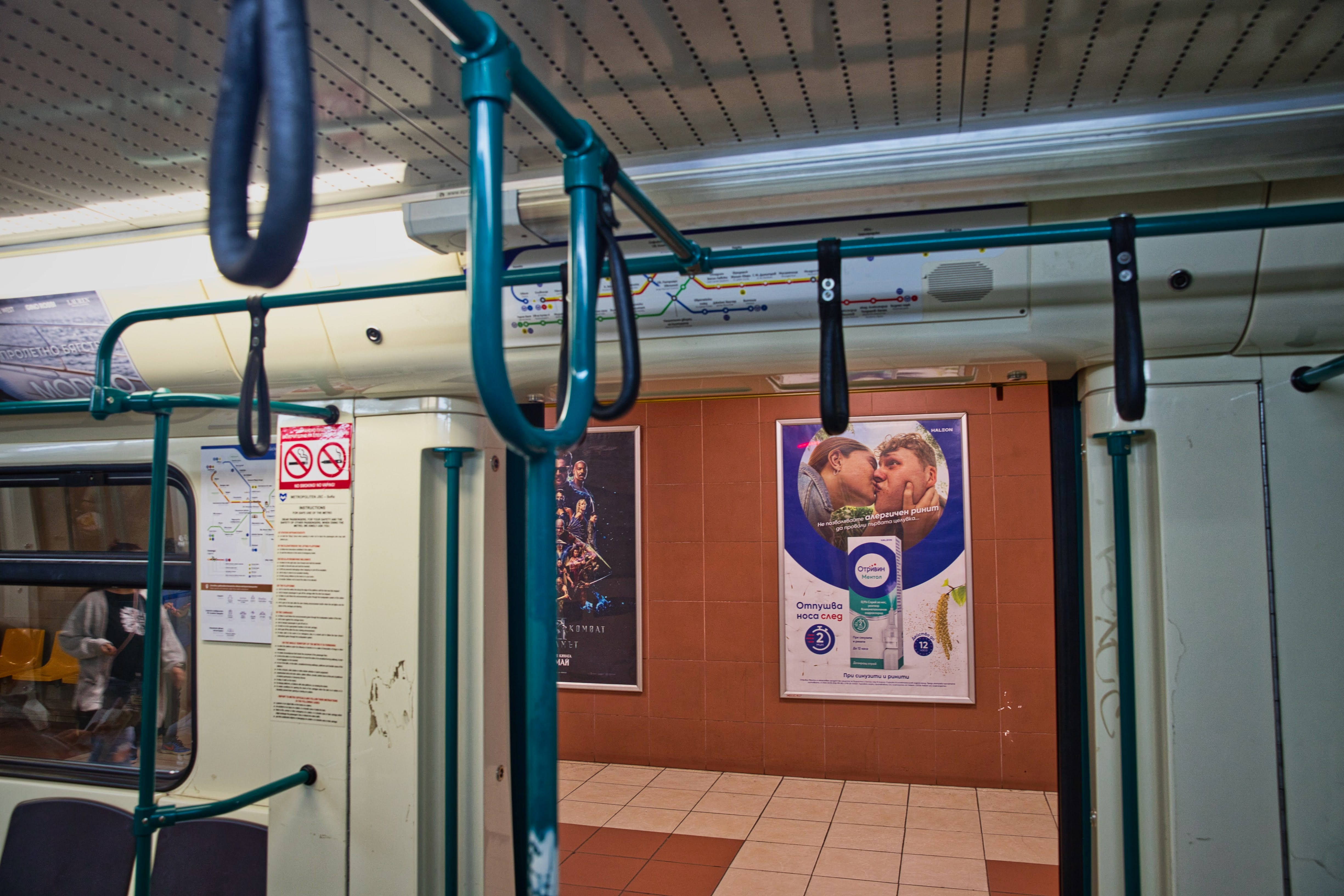
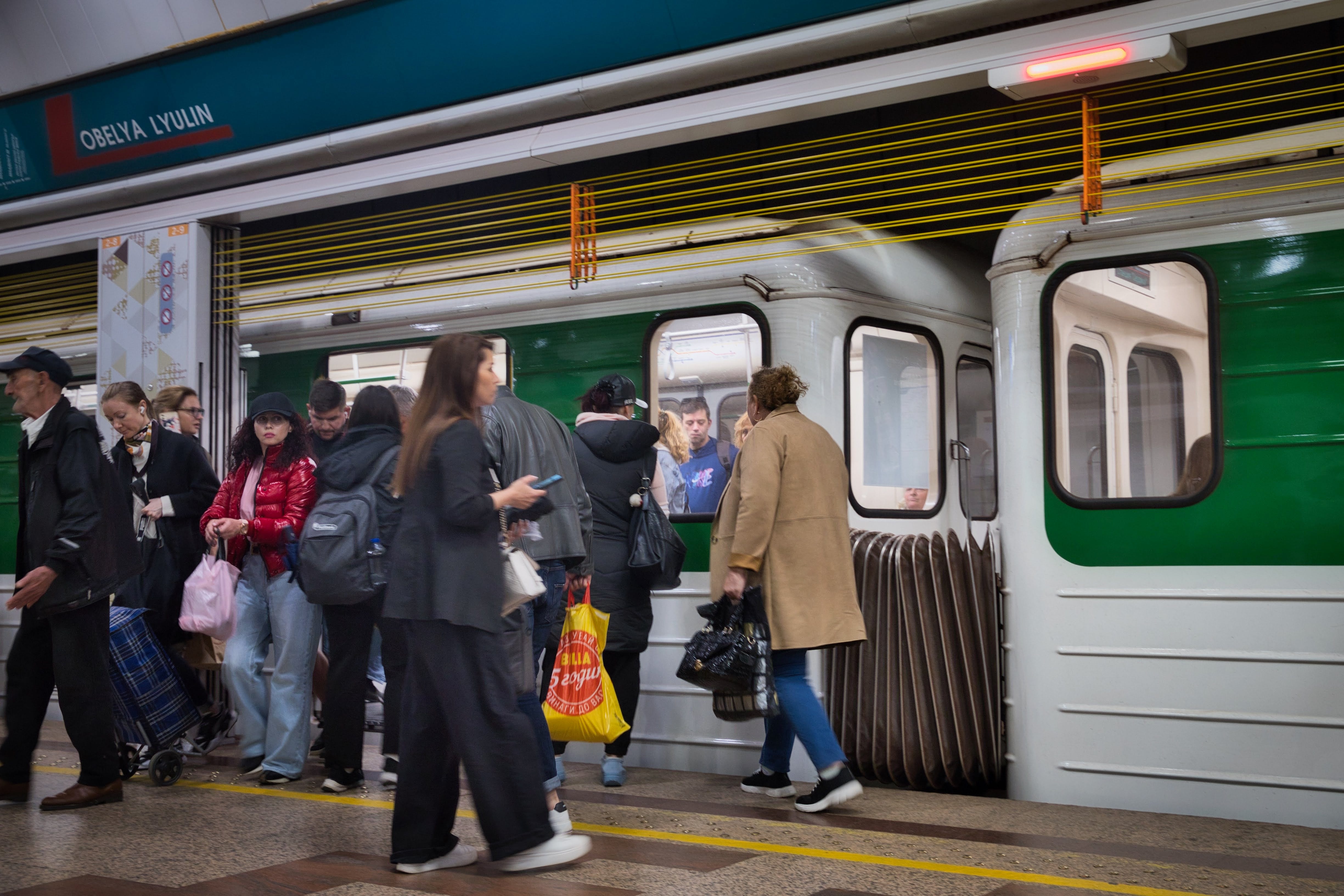
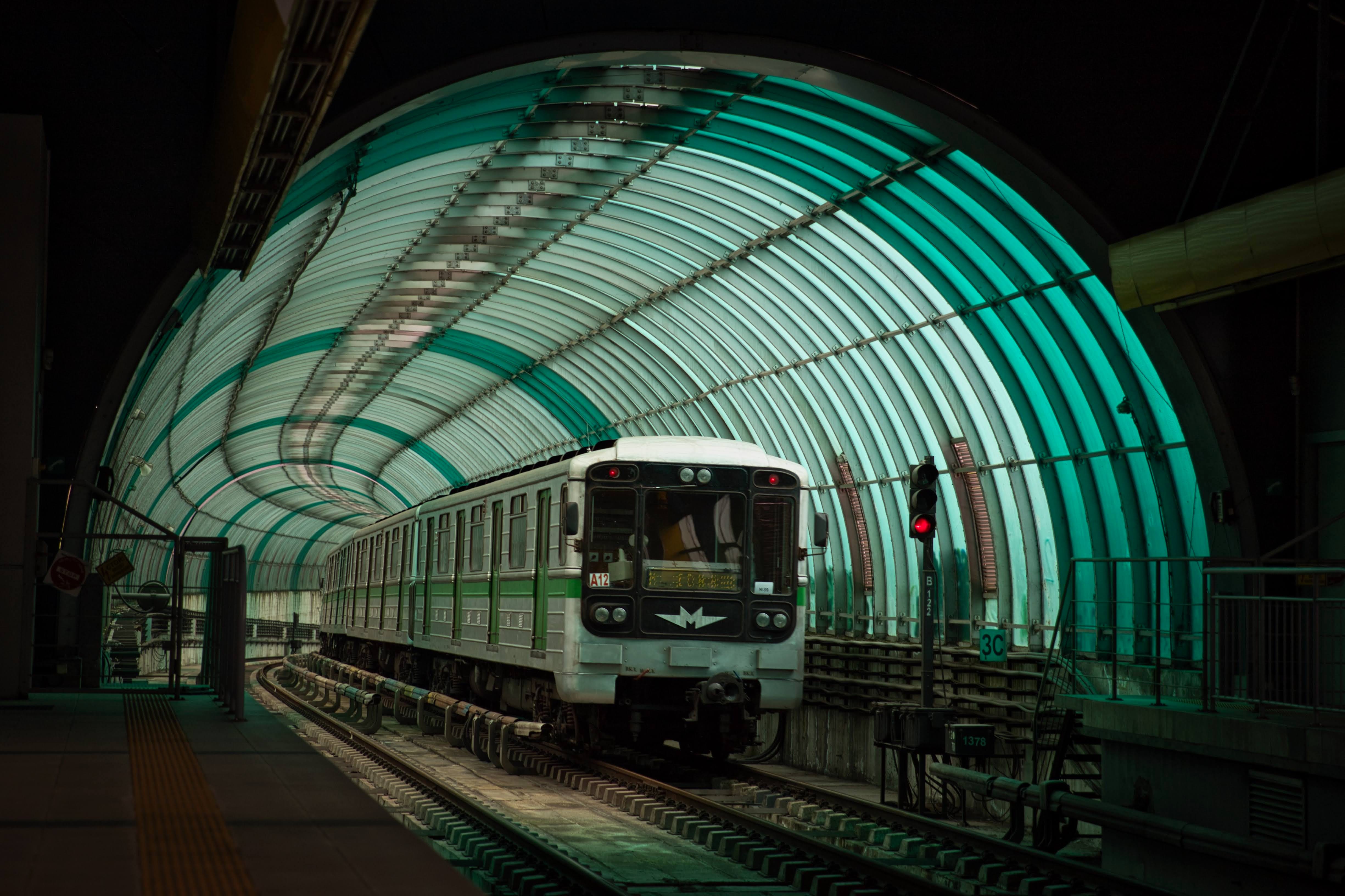
Up until recently, the main workhorse of the whole system were Metrovagonmash trains built in Russia. The first batch was delivered in 1991 and a number of these trains still operate on Lines 1, 2, and 4, albeit most of them were refurbished. But back in the 1990s, these trains were kept sitting in a storage facility for seven years before they began doing what they were order to do: transporting people.
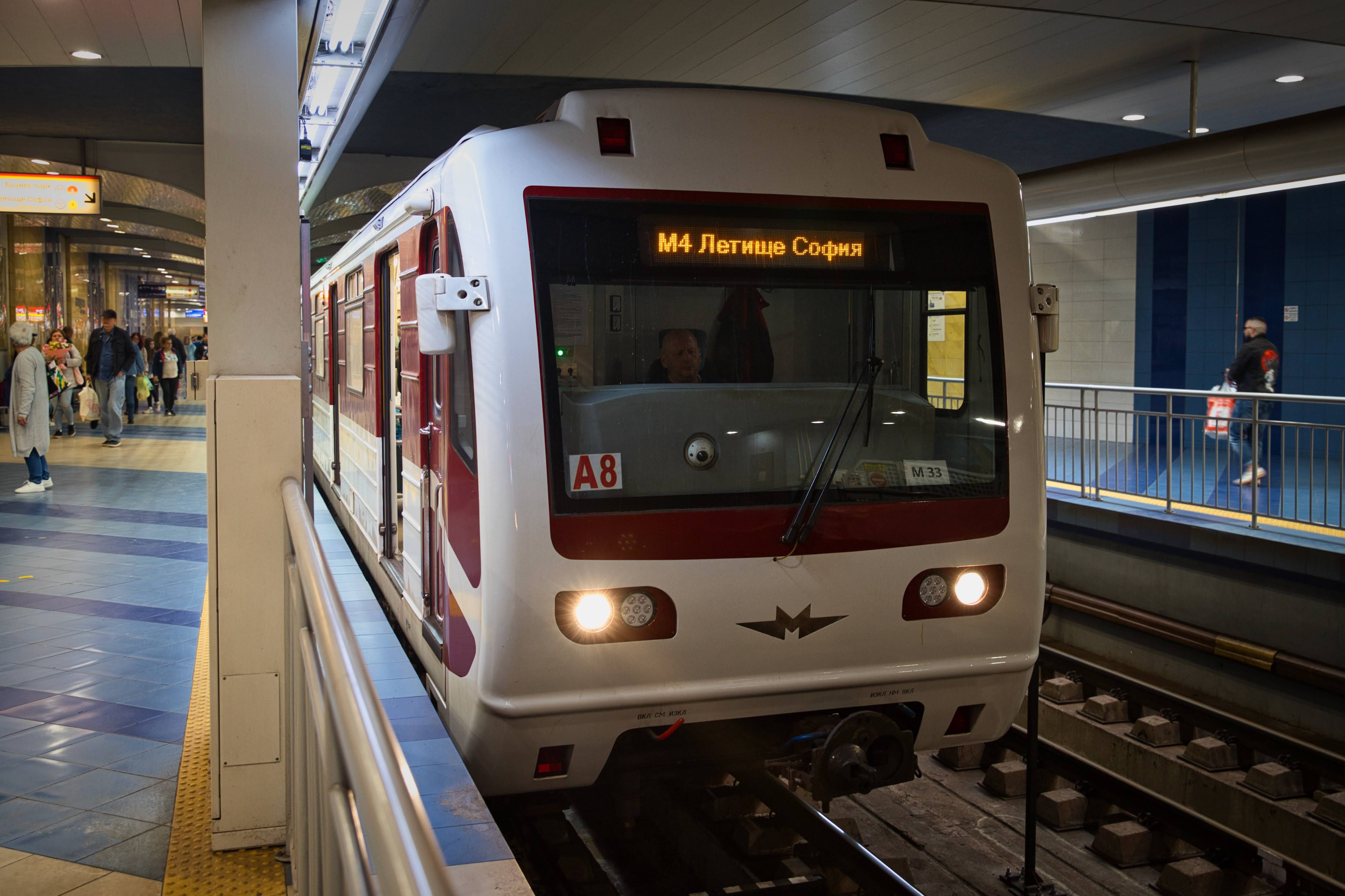
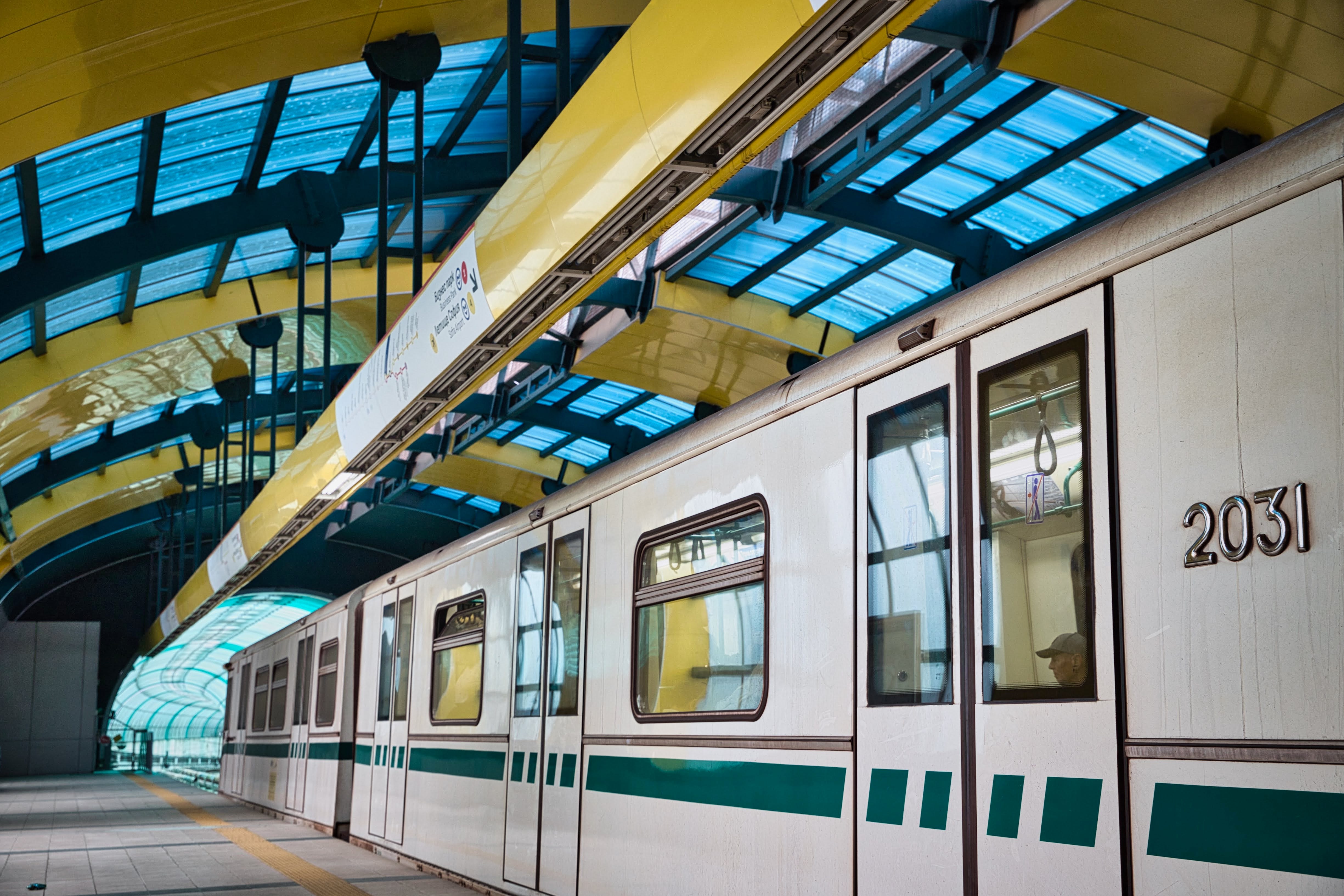
As mentioned earlier, these trains have proven themselves quite reliable for the past almost 30 years. Finally, Sofia began replacing them in 2026 with new sets made by Škoda in Czechia. Originally, the replacement trains were supposed to come from Russia, but because of the sanctions due to Russian war in Ukraine, the order was cancelled.
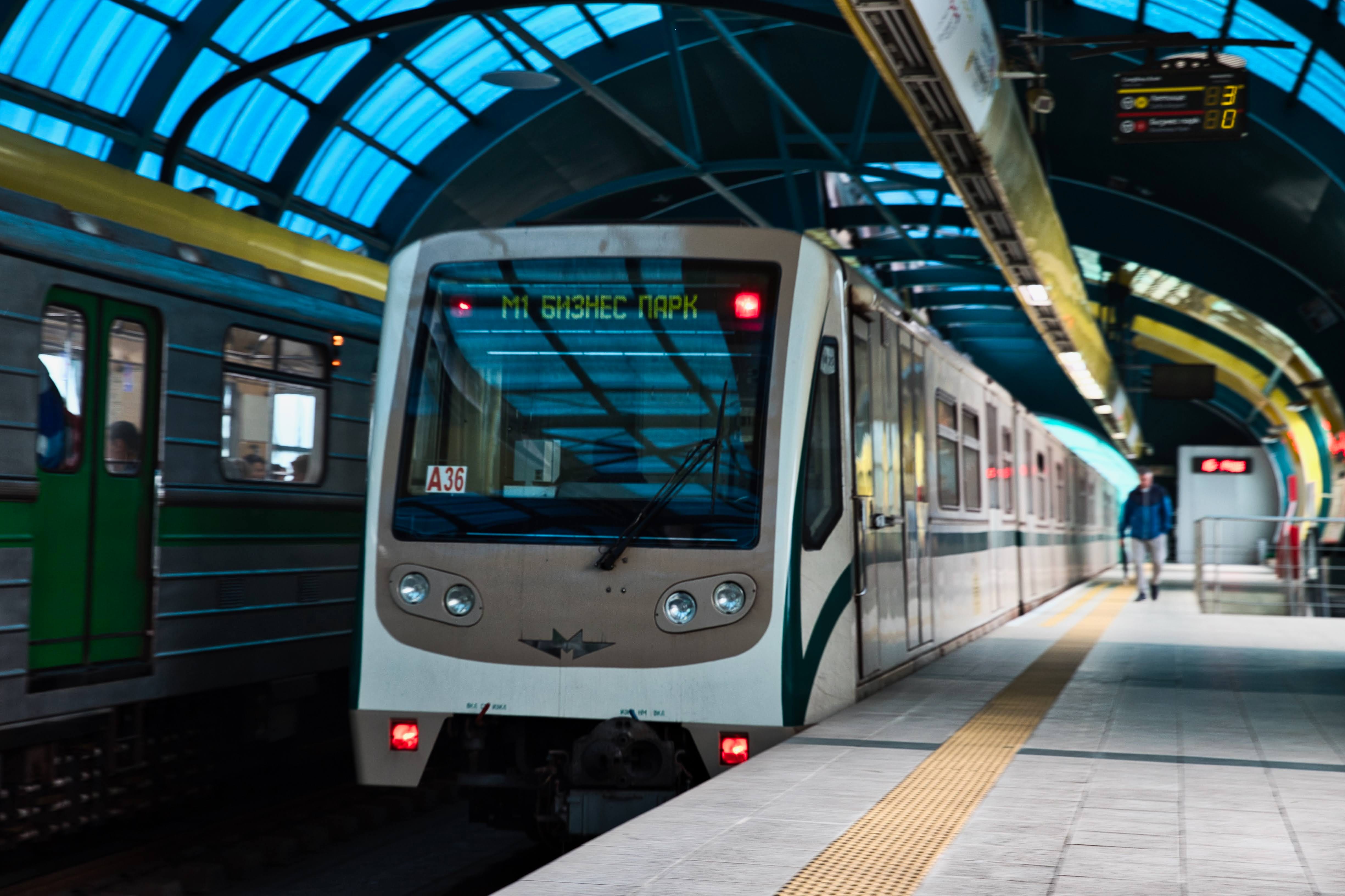
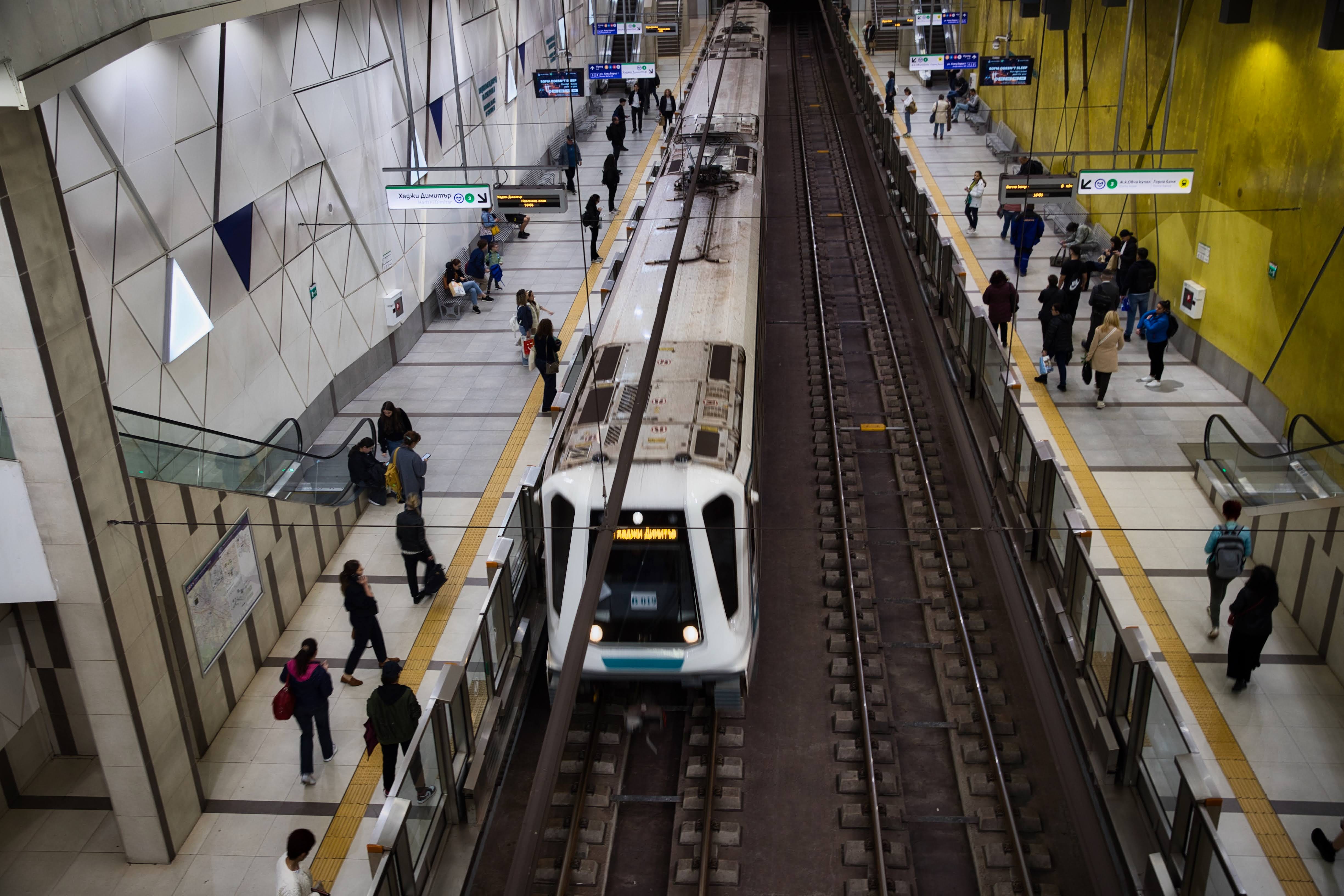
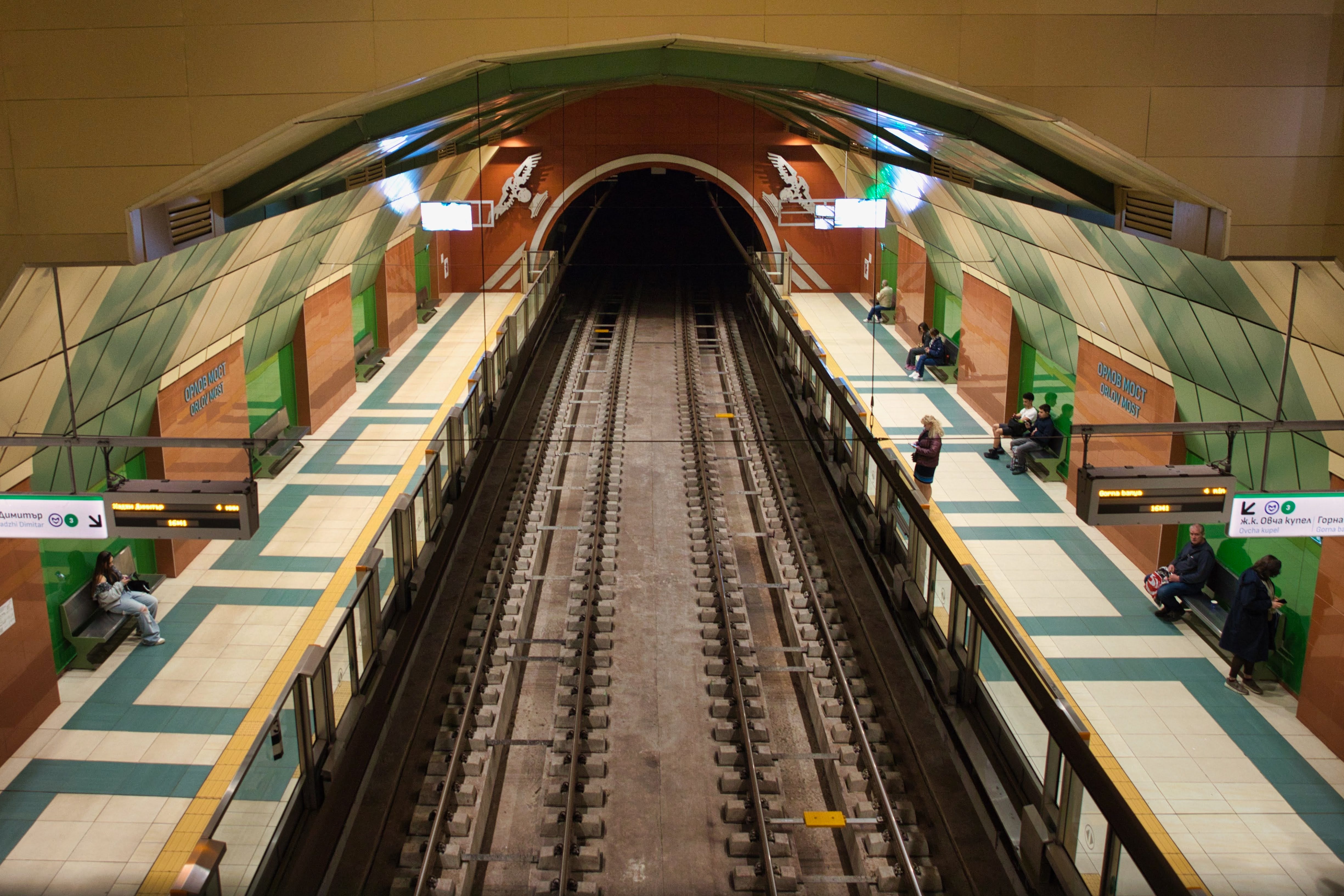
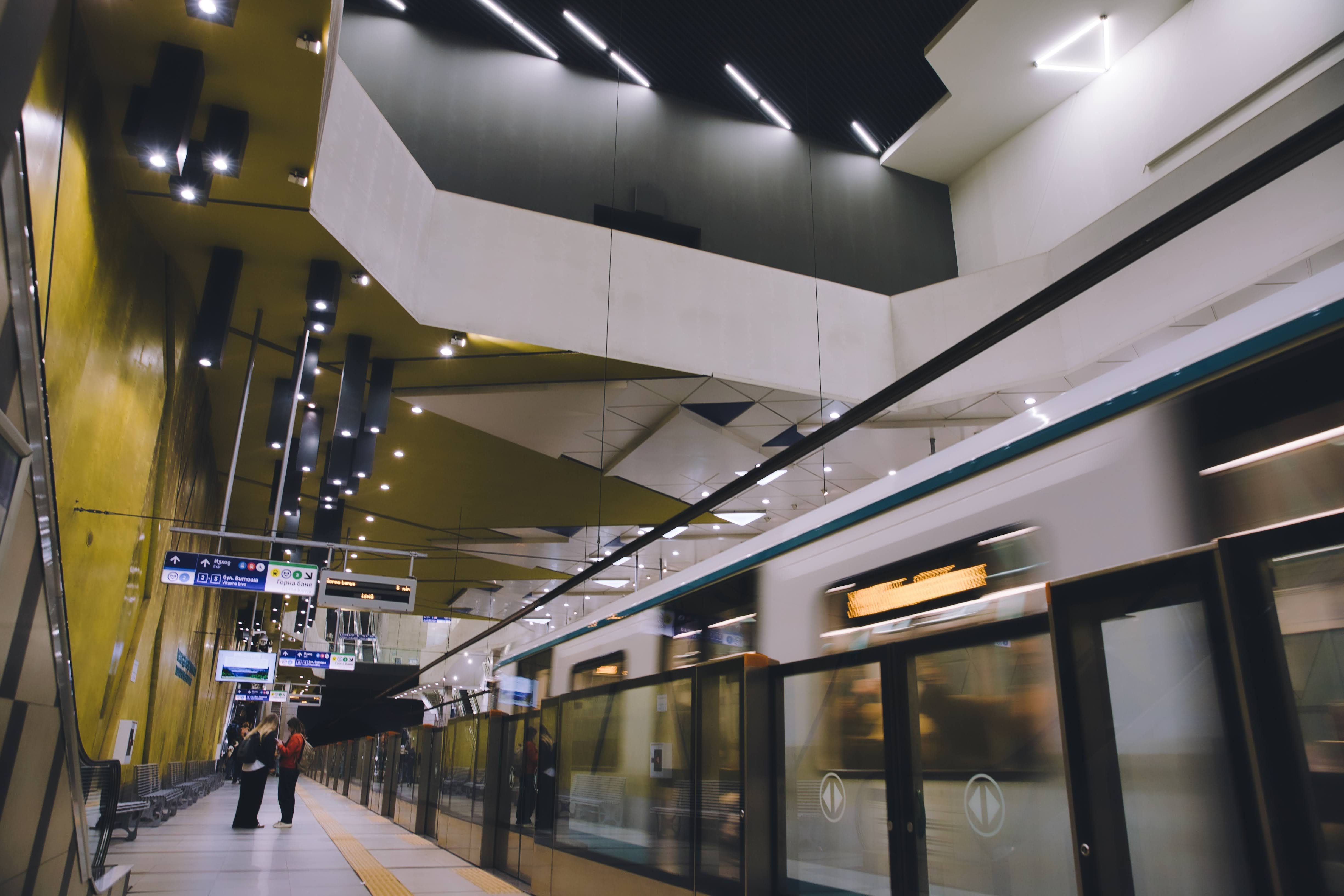
My favourite line on the system is Line 3. It’s the newest line in the system (opened in 2020), and is much more quiet and smooth compared to the older metro lines. The line is built to a completely different standard. For instance, it uses overhead wires instead of third rail. It also runs modern Siemens Inspiro trainsets and is equipped with partial platform screen doors to prevent people from accidentally falling on tracks.
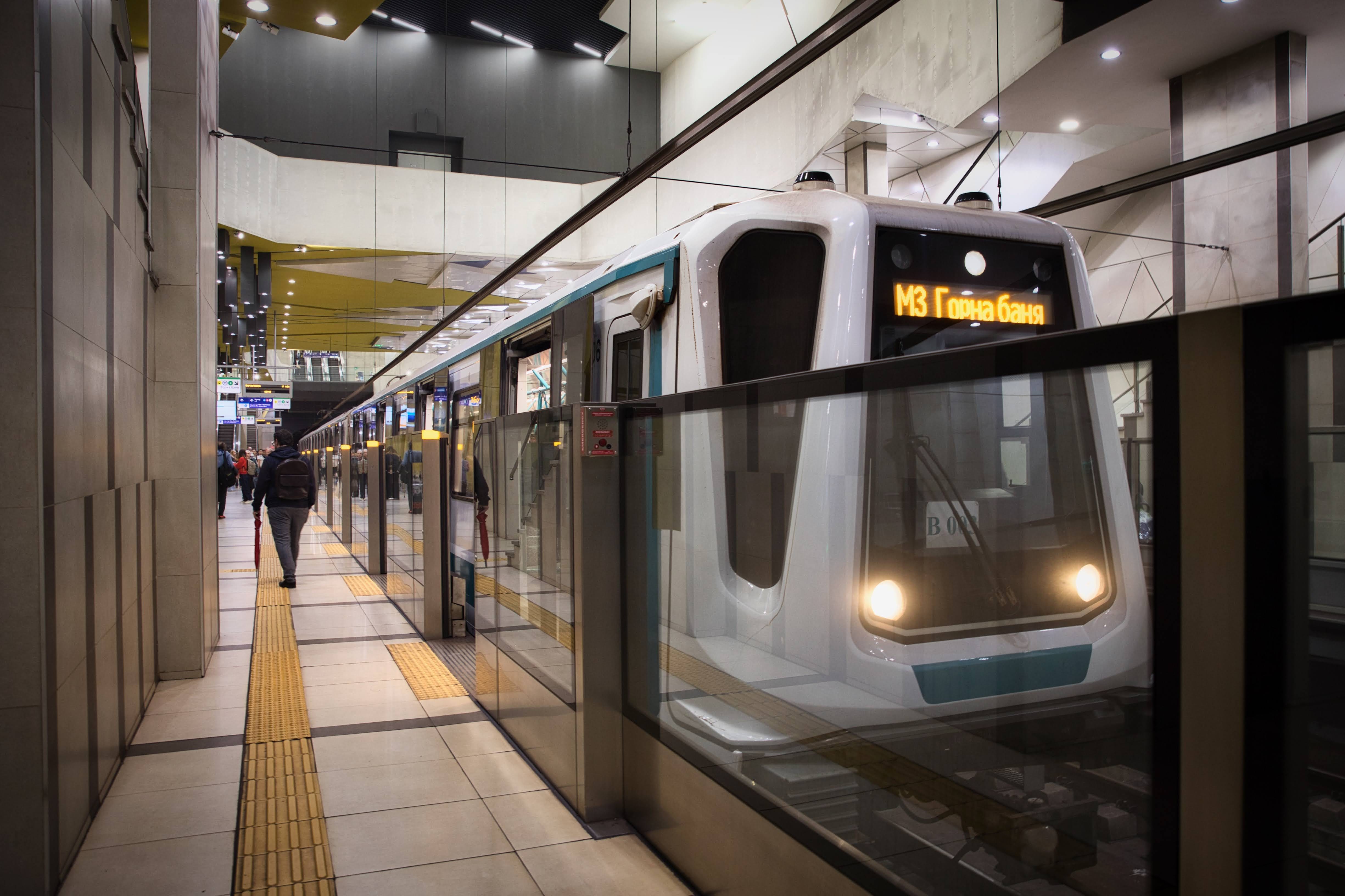
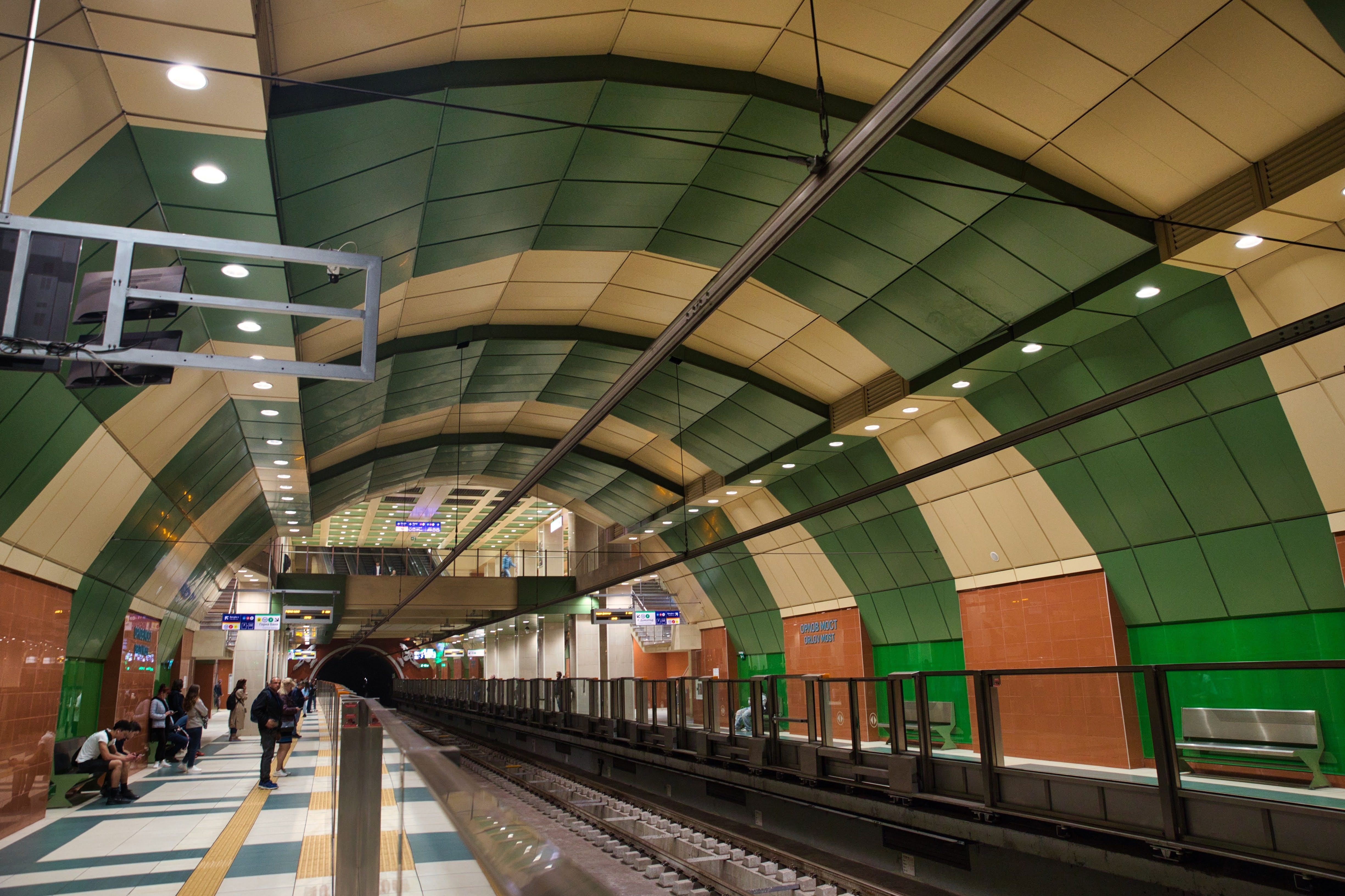
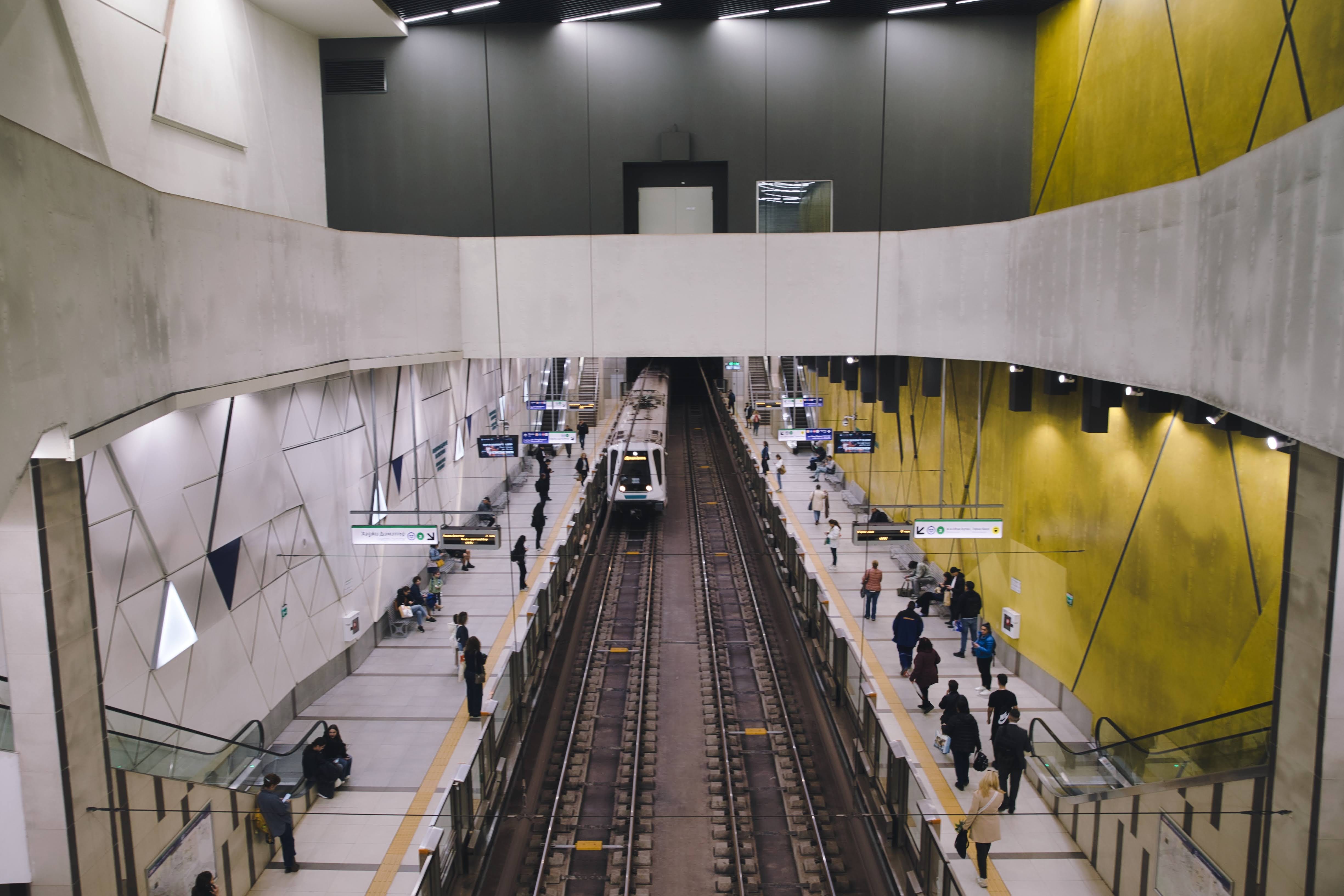
Lines 1 and 4 share a long stretch of track so I would say they function more like branches of a single line os opposed to two separate lines. The plan eventually is for Line 4 to connect with Line 2 at Obelya Station which will loop around the northeast of the city.
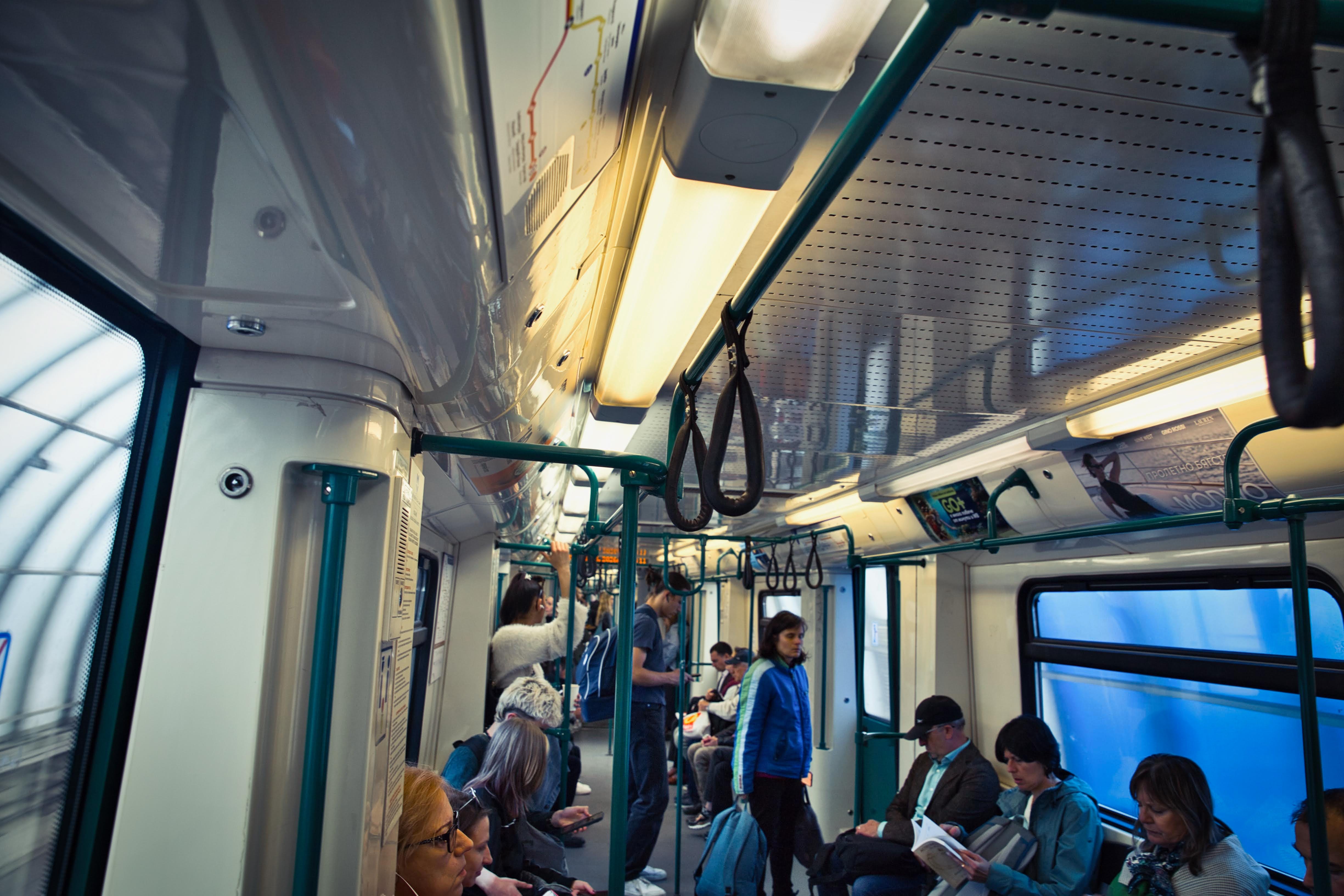
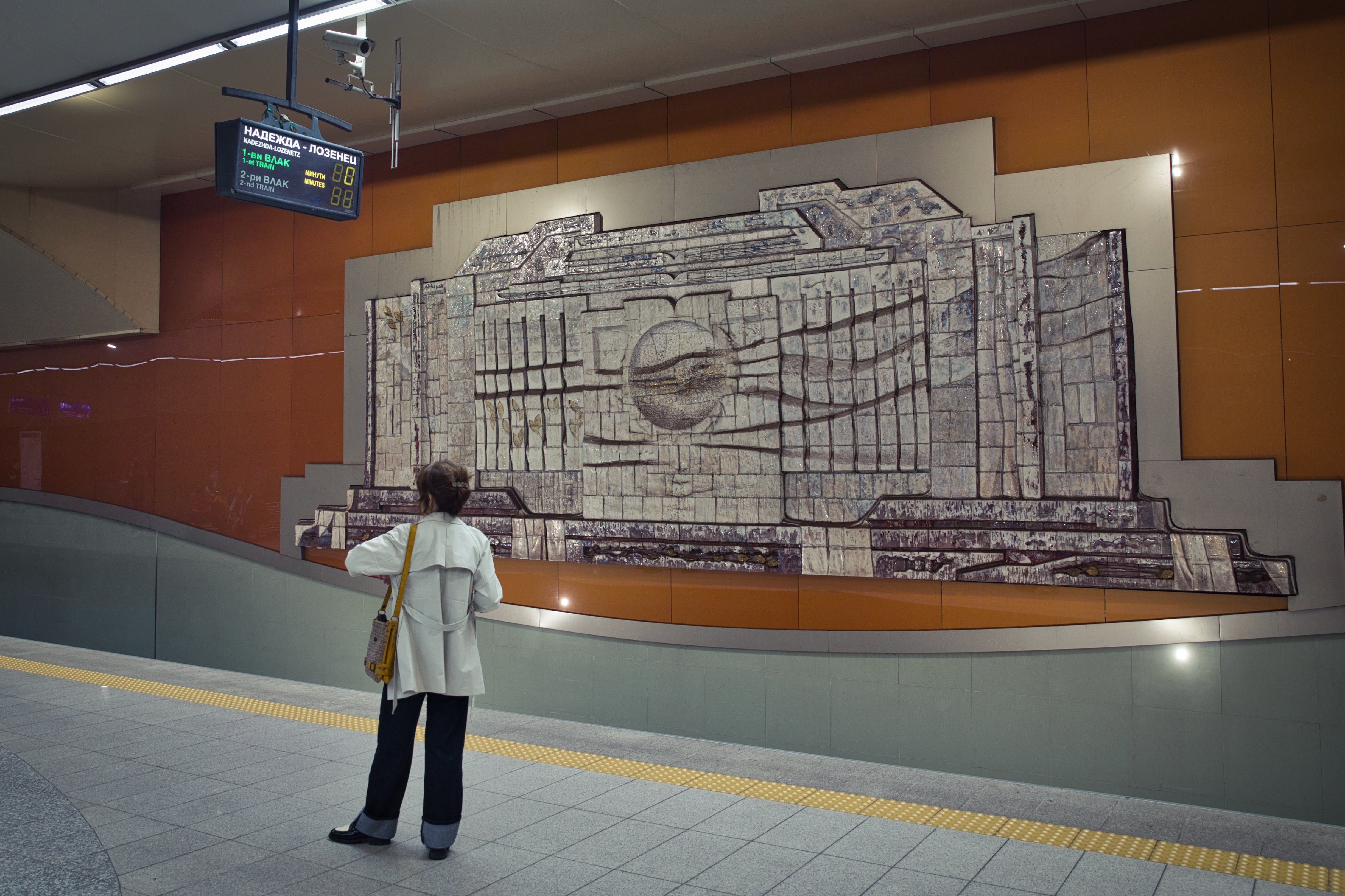
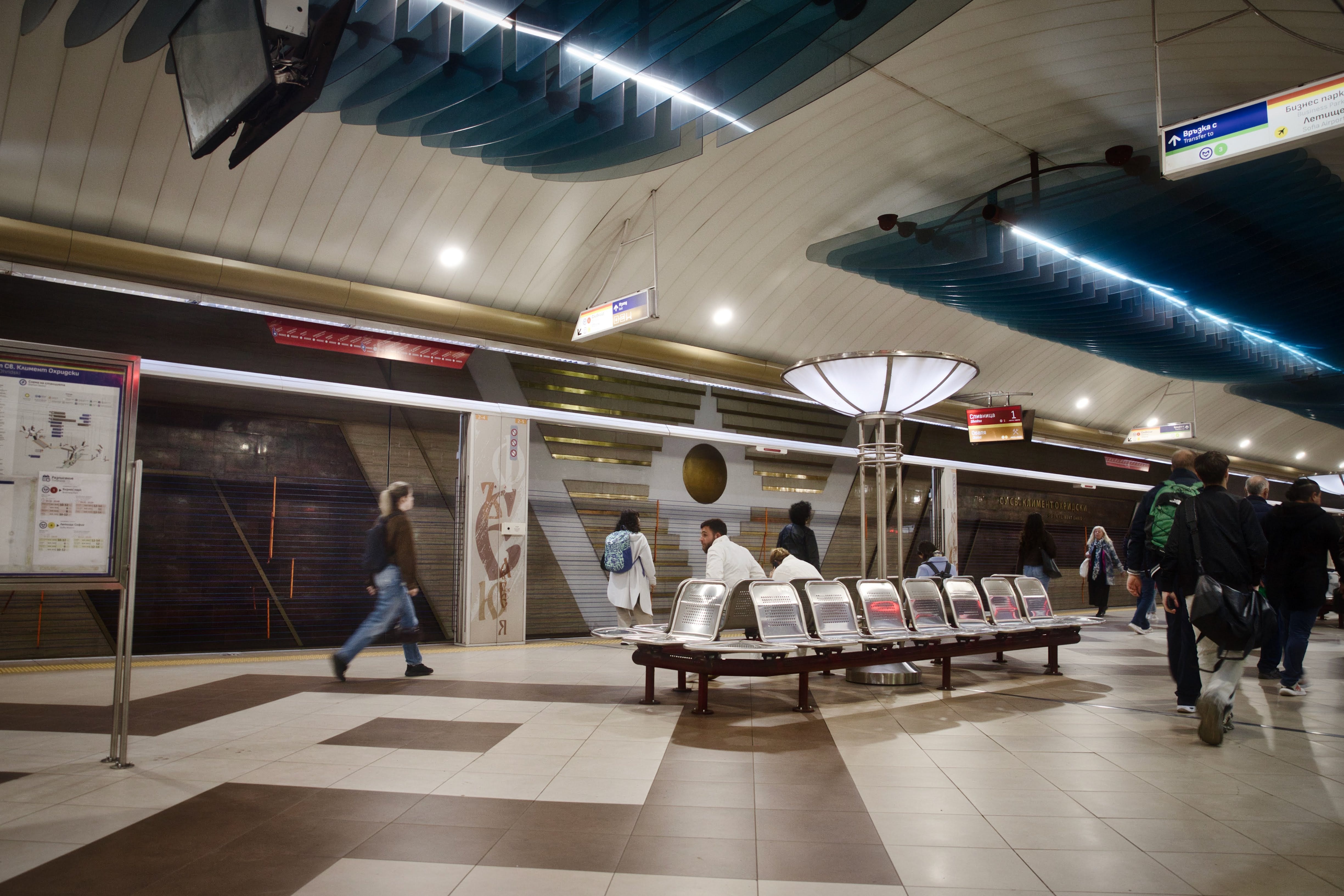
If you are into station architecture, Sofia metro is the must-visit. Long after the collapse of the Soviet Union, the city continues to build monumental and well-decorated masterpieces. That’s actually not surprising: Sofia shares this trend with other Eastern European cities such as Kyiv, Warsaw, Tbilisi, Budapest, Bucharest, and others where a metro station was always more that just a place where people board a train. The station had to be beautiful.
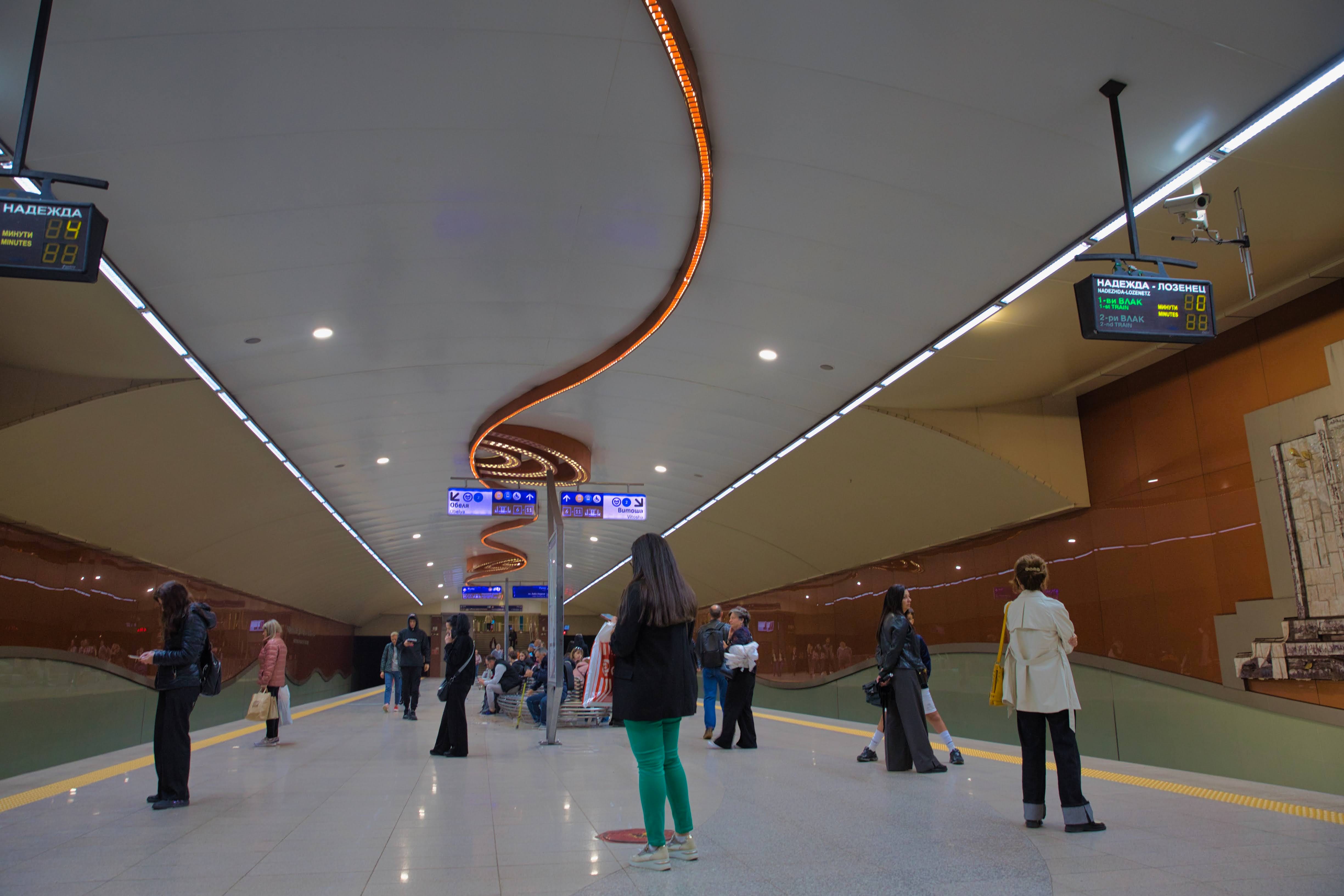
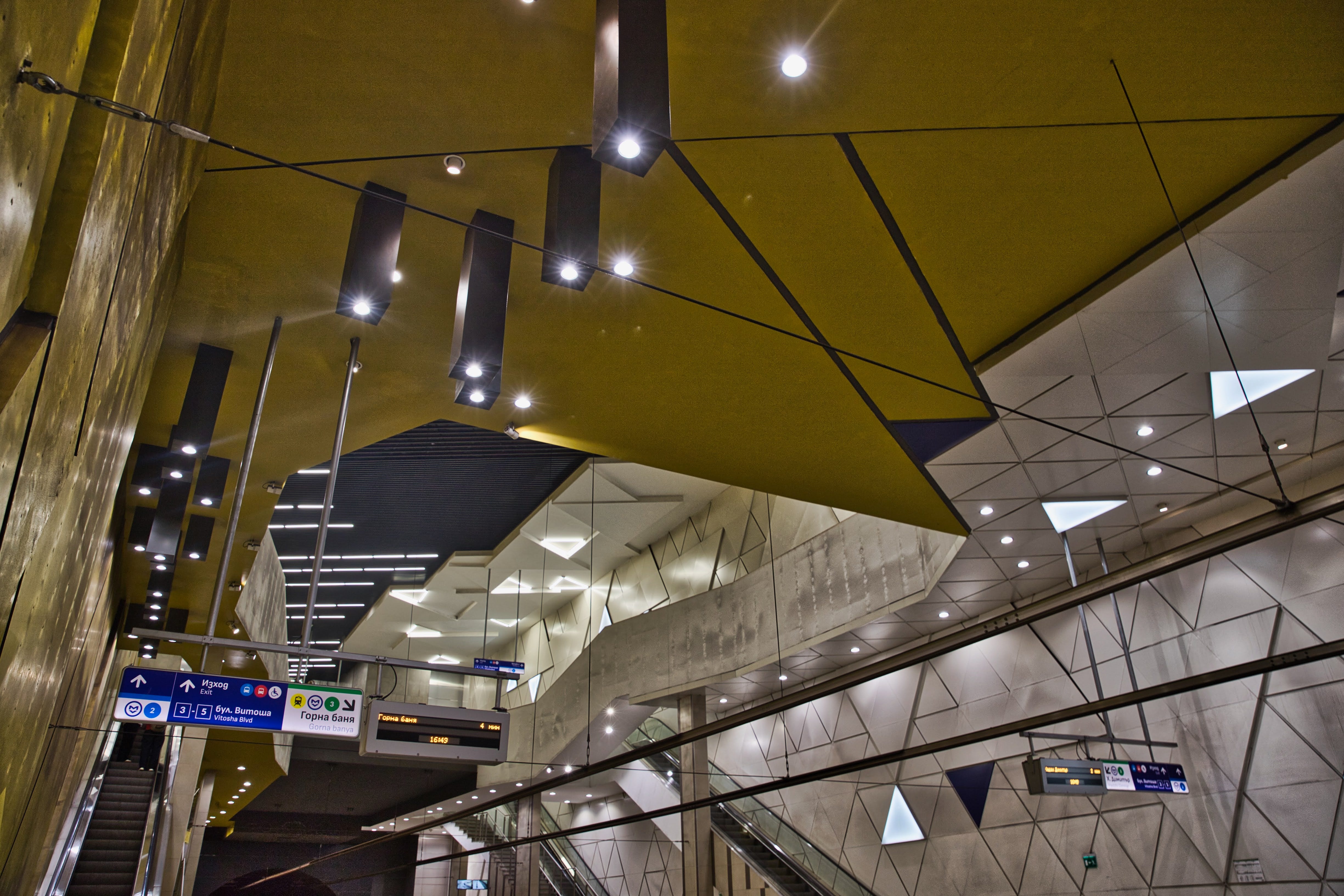
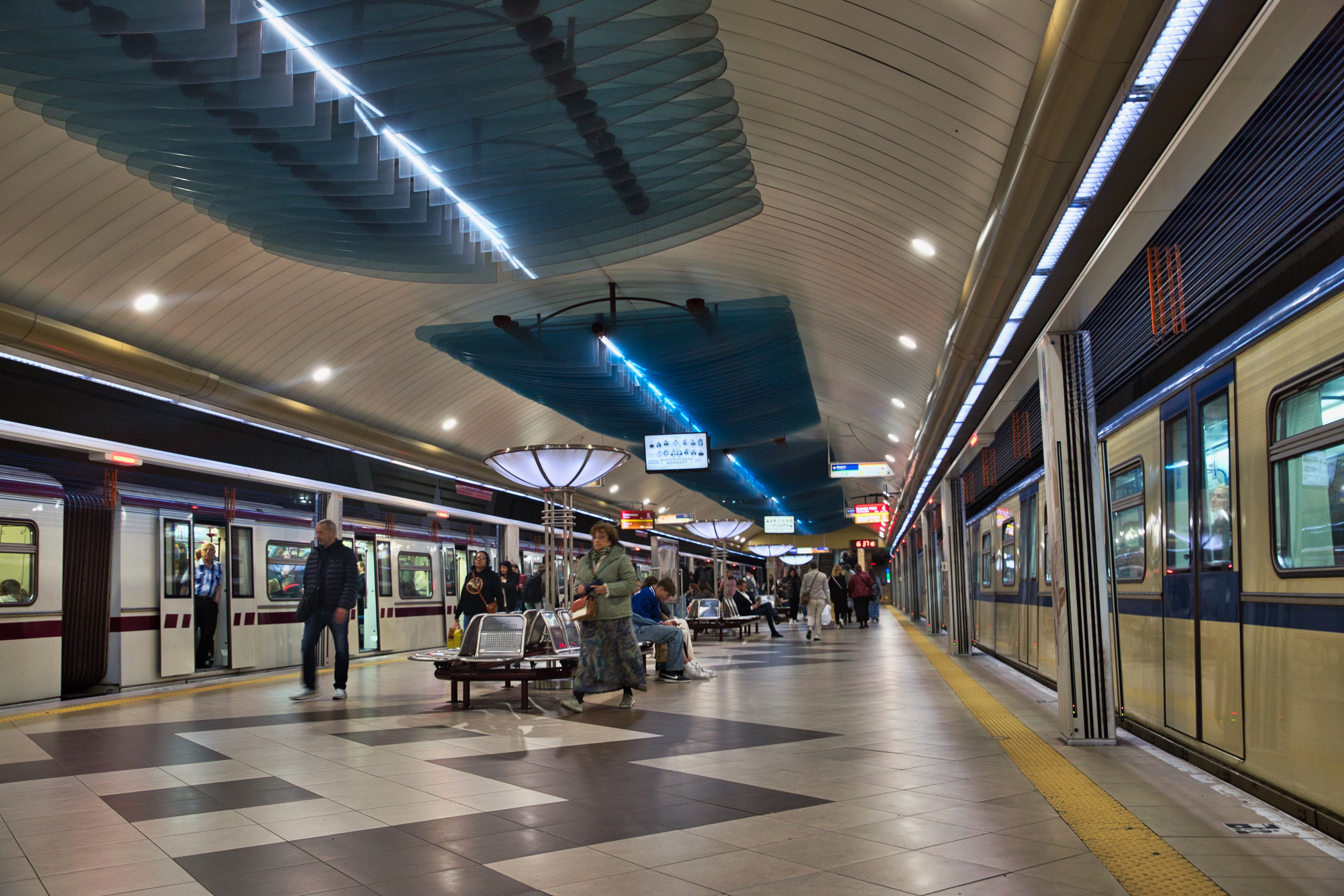
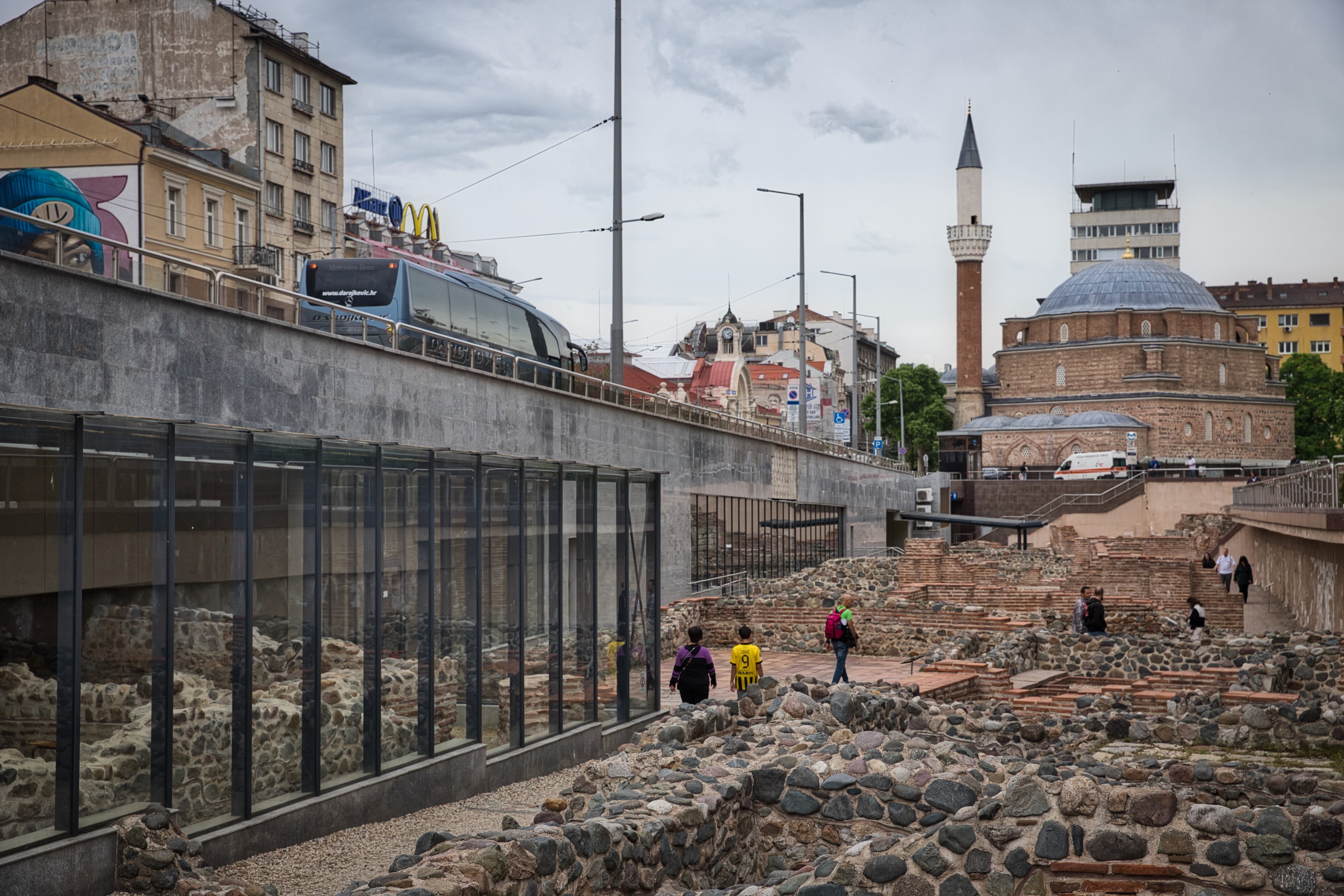
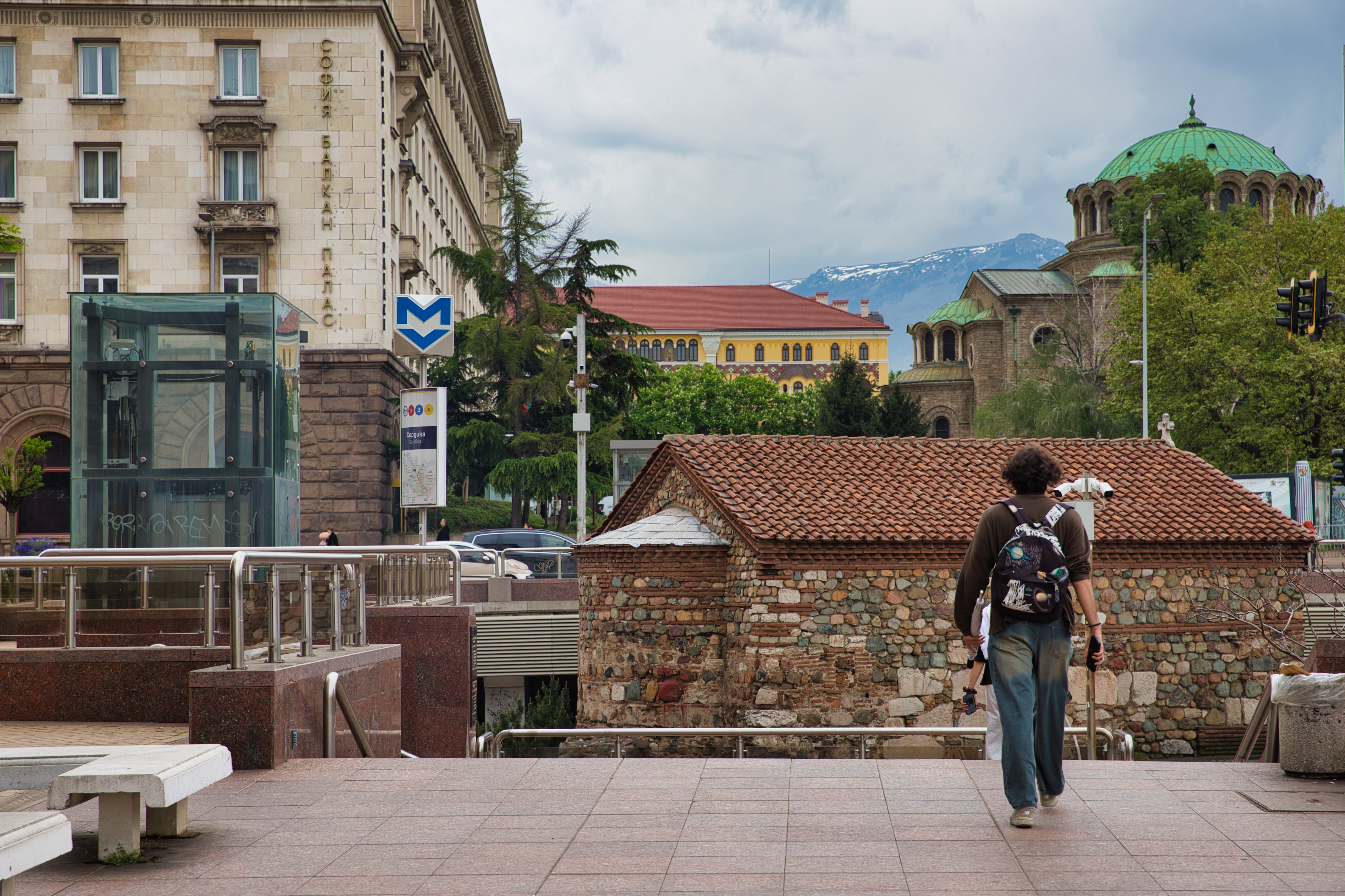
If you only have one hour to explore Sofia’s metro, you should head out to Serdica Station. But not because it's the central interchange station between the Lines 1, 2, and 4. What deserves special attention is that the station is located right underneath an ancient Roman city of Serdica, which would not be known to the world if not the metro expansion between 2010 - 2012. The whole eight streets, including a main street Cardo Maximus, Roman baths, mosaic floors, and an early Christian church were excavated that are now part of the site open to public.
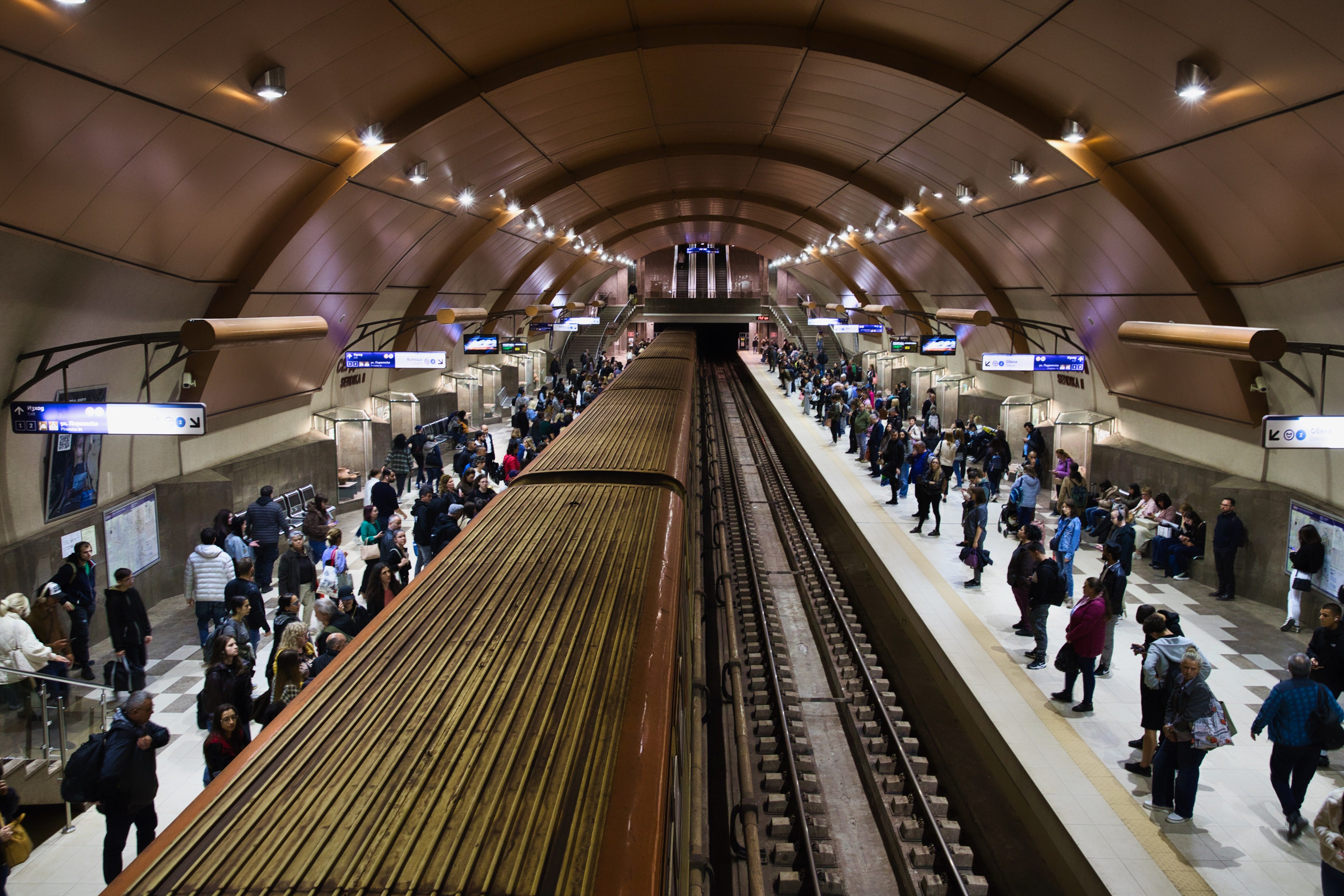
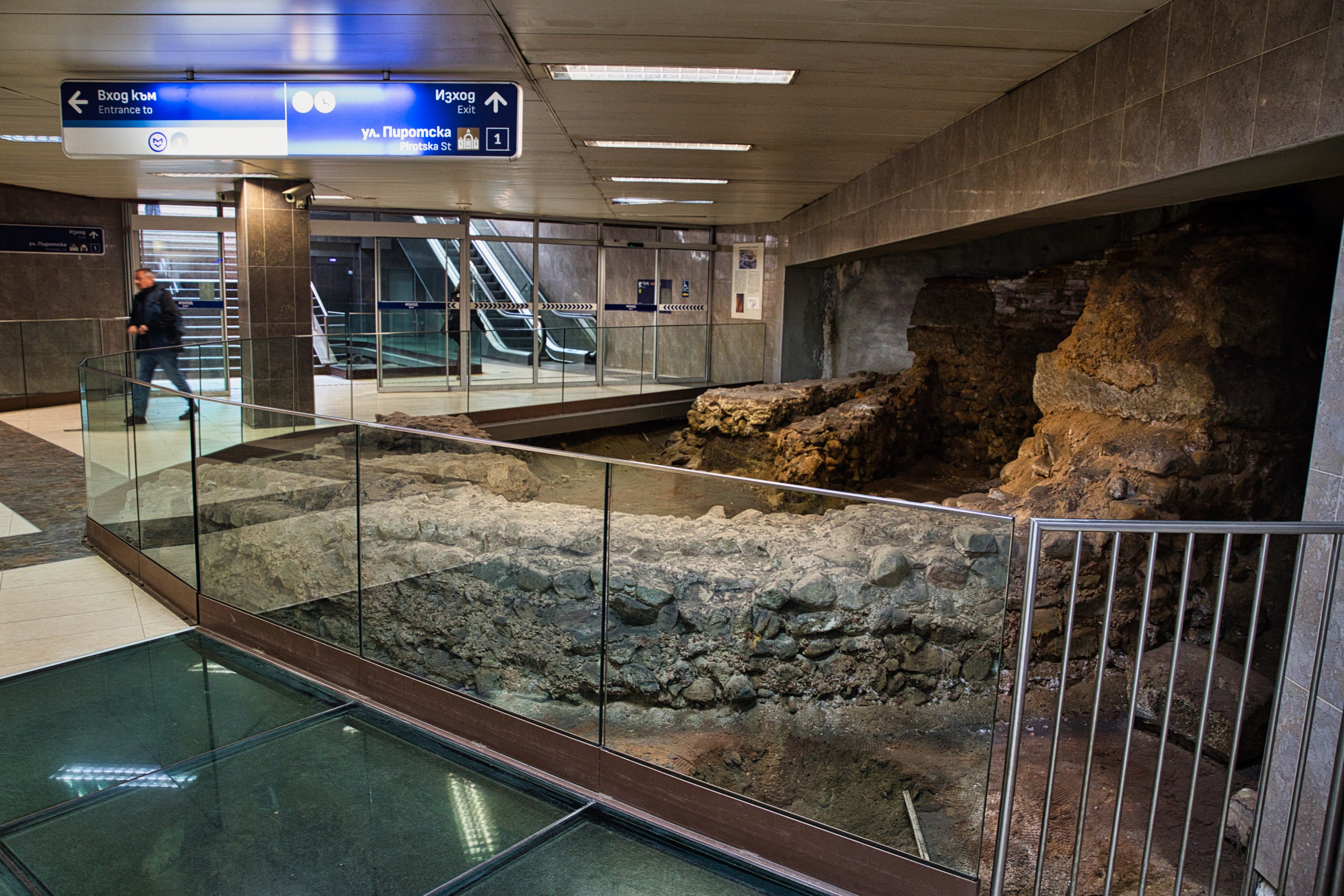
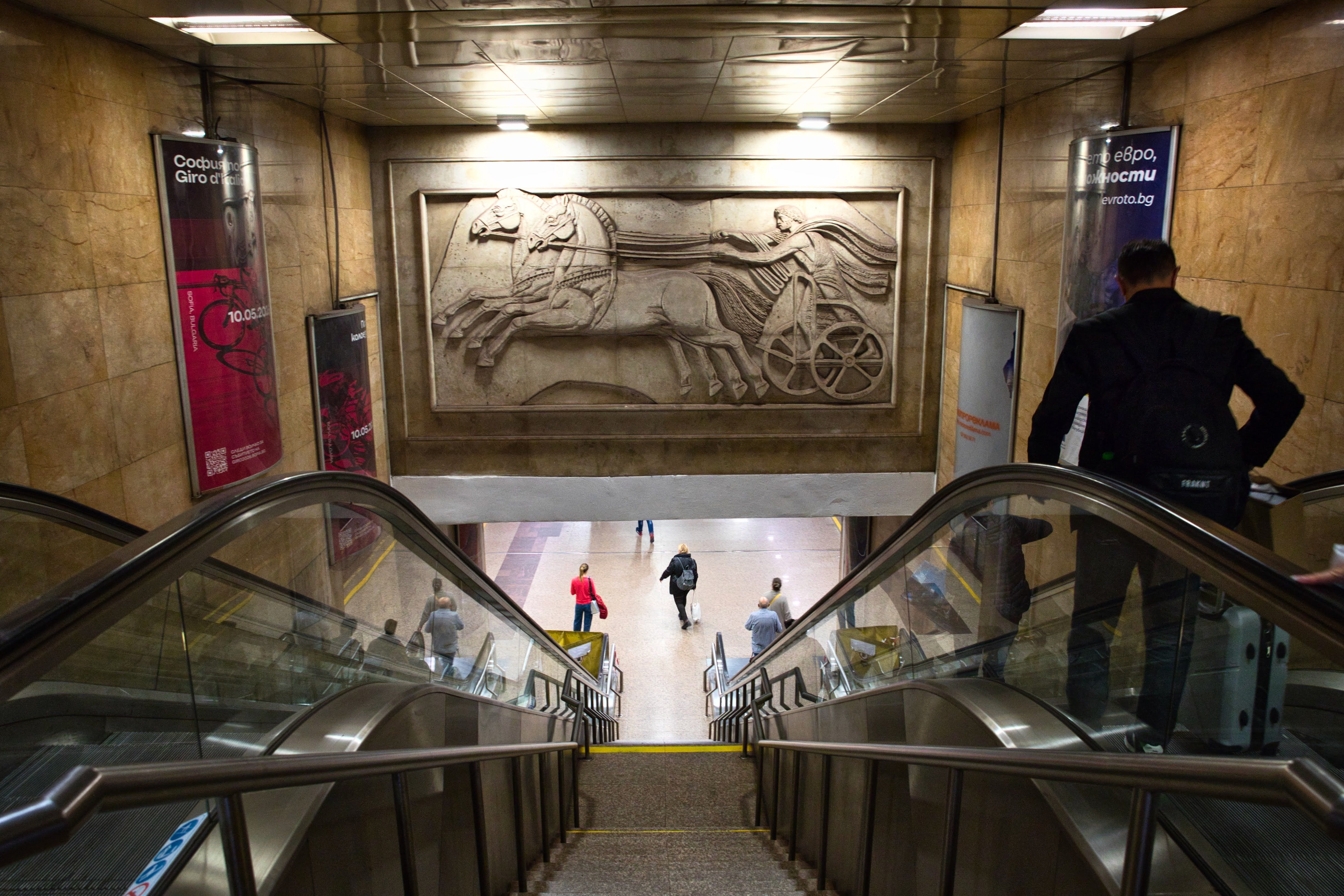
Once on a platform, you walk past glass cases of precious artifacts and then exit into an ancient street with cobblestones from the 4th century! What's remarkable is that you're in the middle of a busy transit hub.
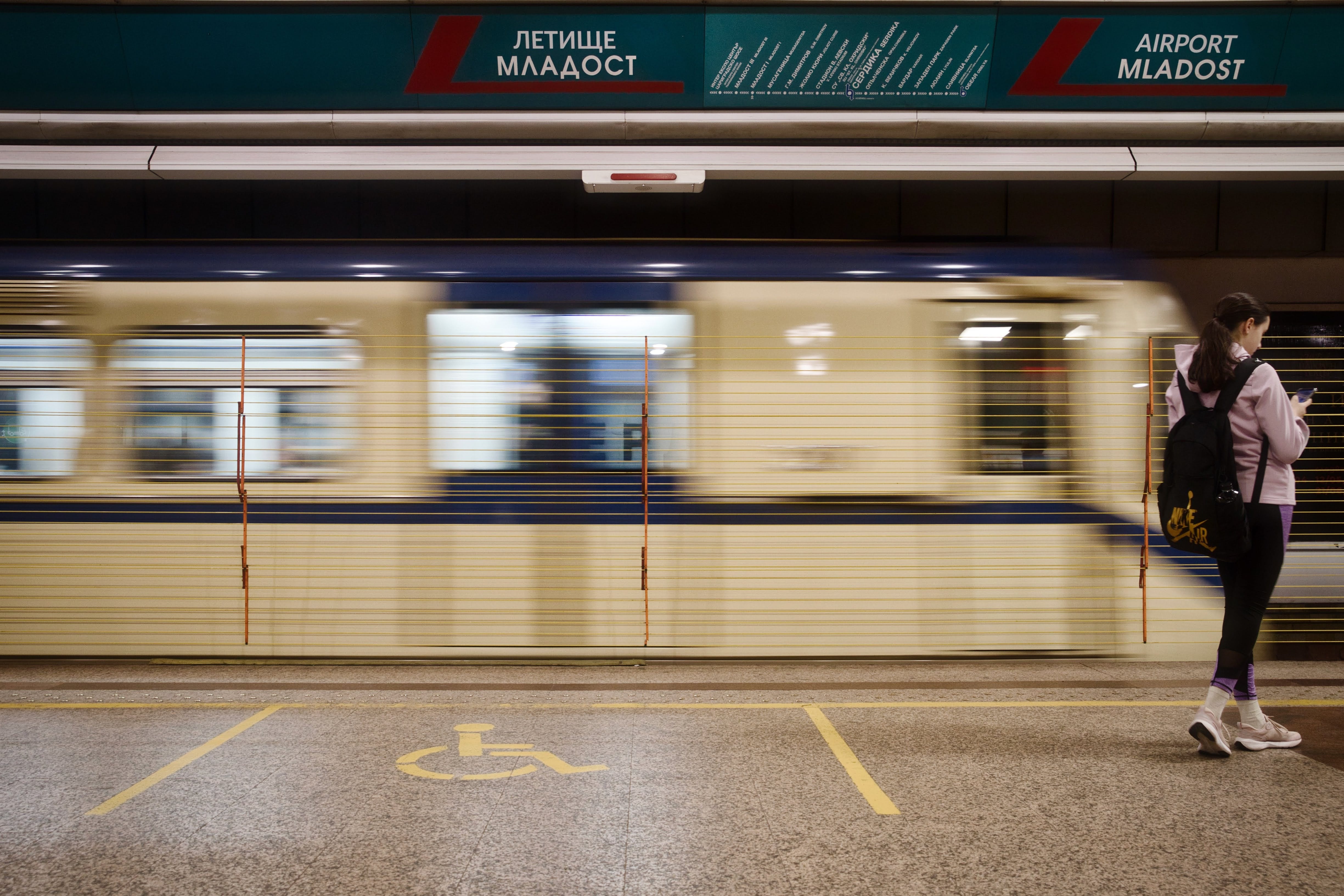
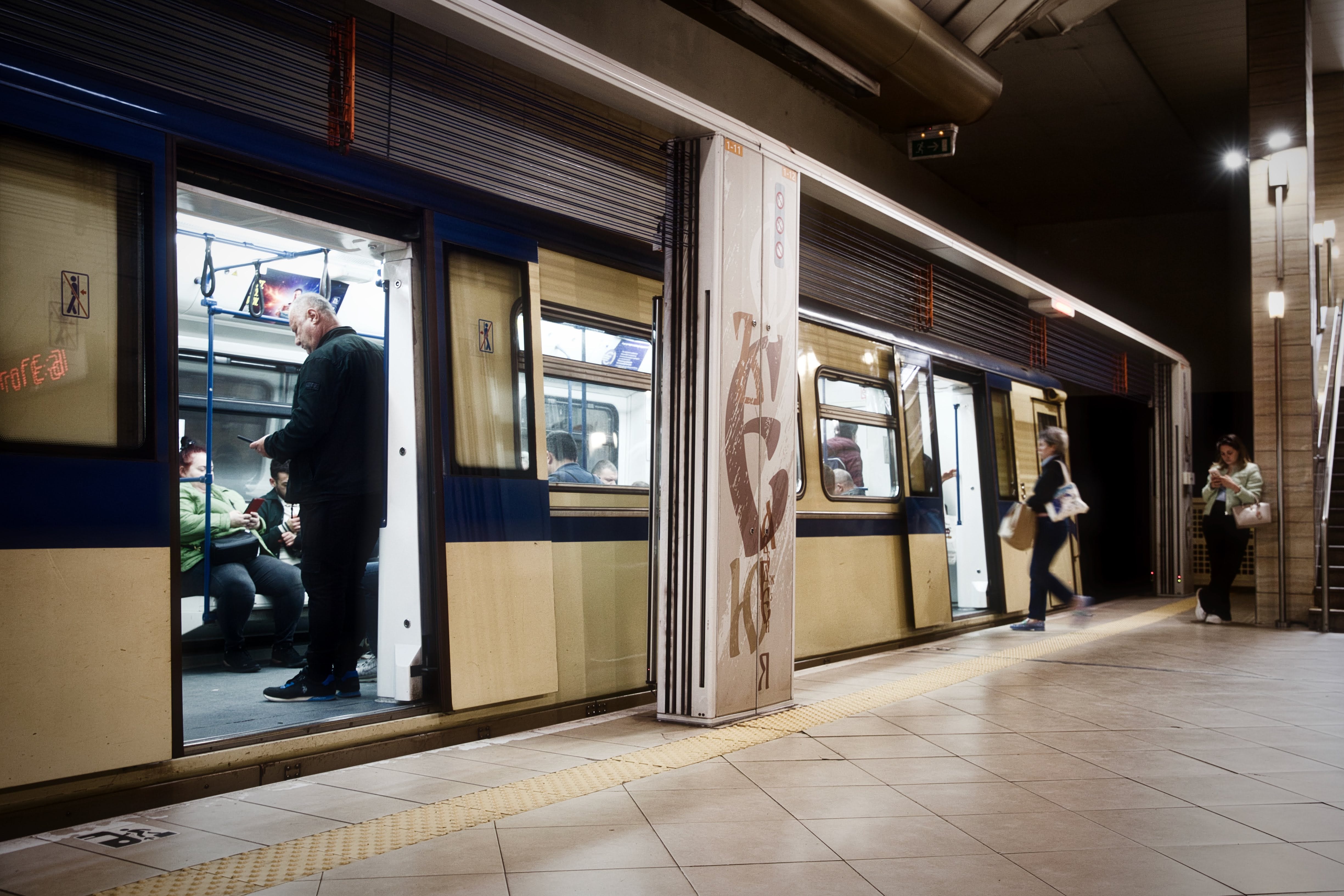
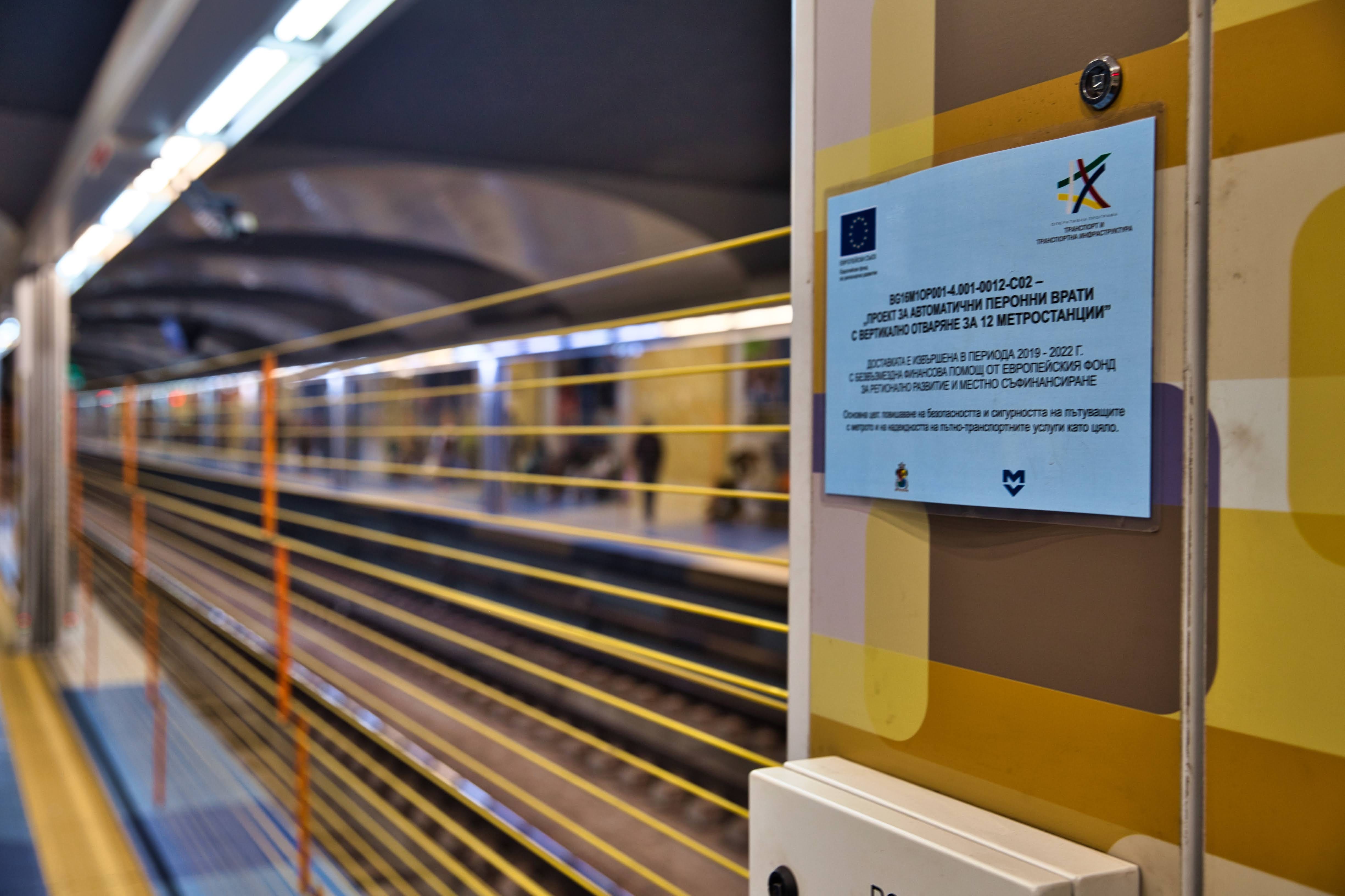
Using the funding from the European Fund of Regional Development, Sofia metro installed some really cool platform screen doors on 12 busy stations on Lines 1 and 2. The rope doors raise like curtains when a train approaches a platform.
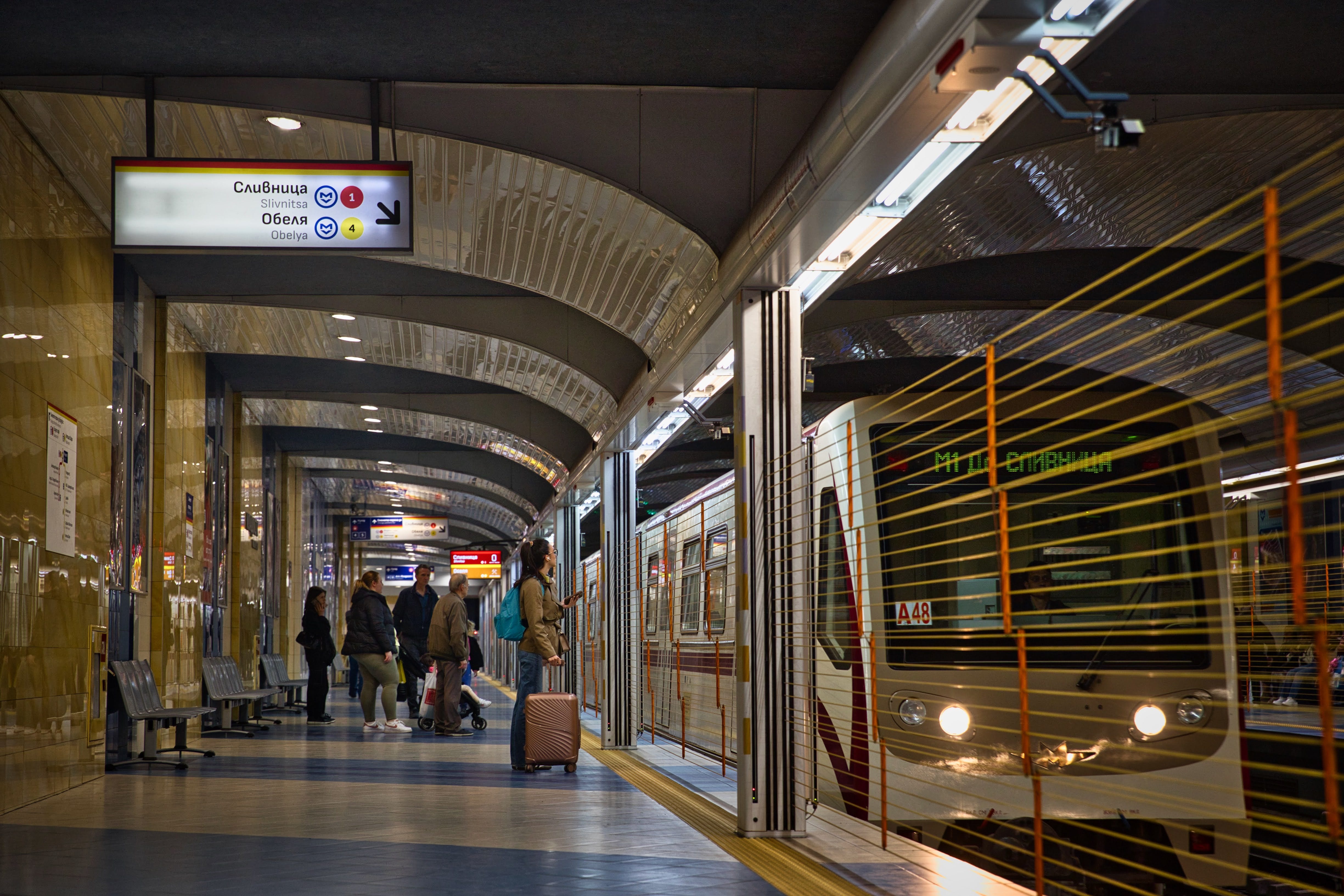
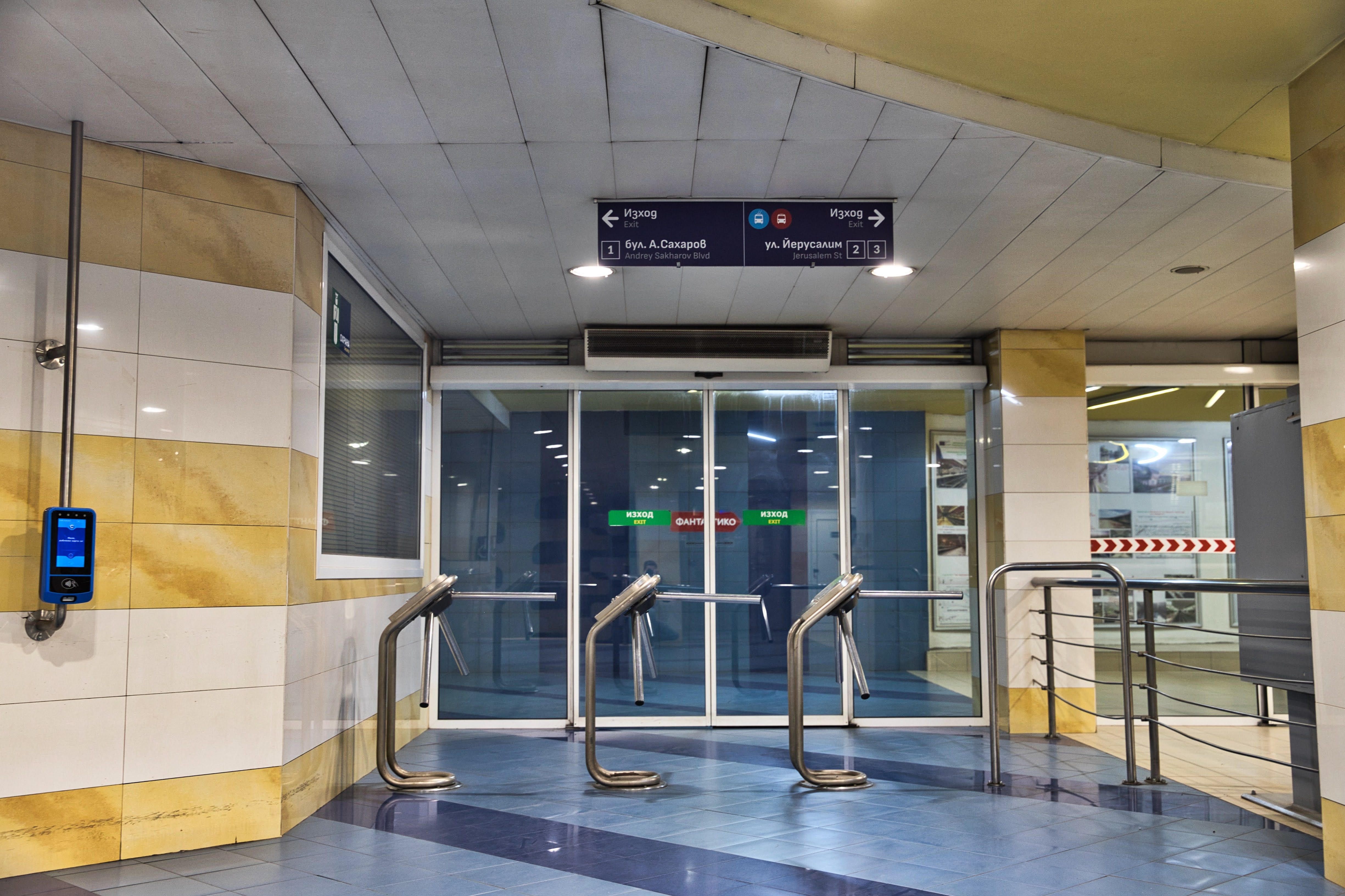
As a foreigner, it was very easy to navigate Sofia’s metro system. All signs and announcements were in both Bulgarian and English, so you don’t really need to know how to read Cyrilic. I also like that the station maps included small pictograms so you know which landmark is close to which station. As an added bonus, Line 4 connects straight to Sofia International airport, so you can quickly get to the city centre for 80 Euro cents. The daily limit is capped at 2 Euros if paying with the same card, so here is you cheap and easy way to explore the whole city which has so much to offer! ∎
Oh cool! archeology in the metro station. Just like Mexico City.
As a "Sofian" - great post, thanks! :)
Used to play and generally hang out with friends in the massive digs and construction sites of that metro :) Rode bicycles, styrofoam rafts... watched the demolition of a school building... Great memories, haha! :)