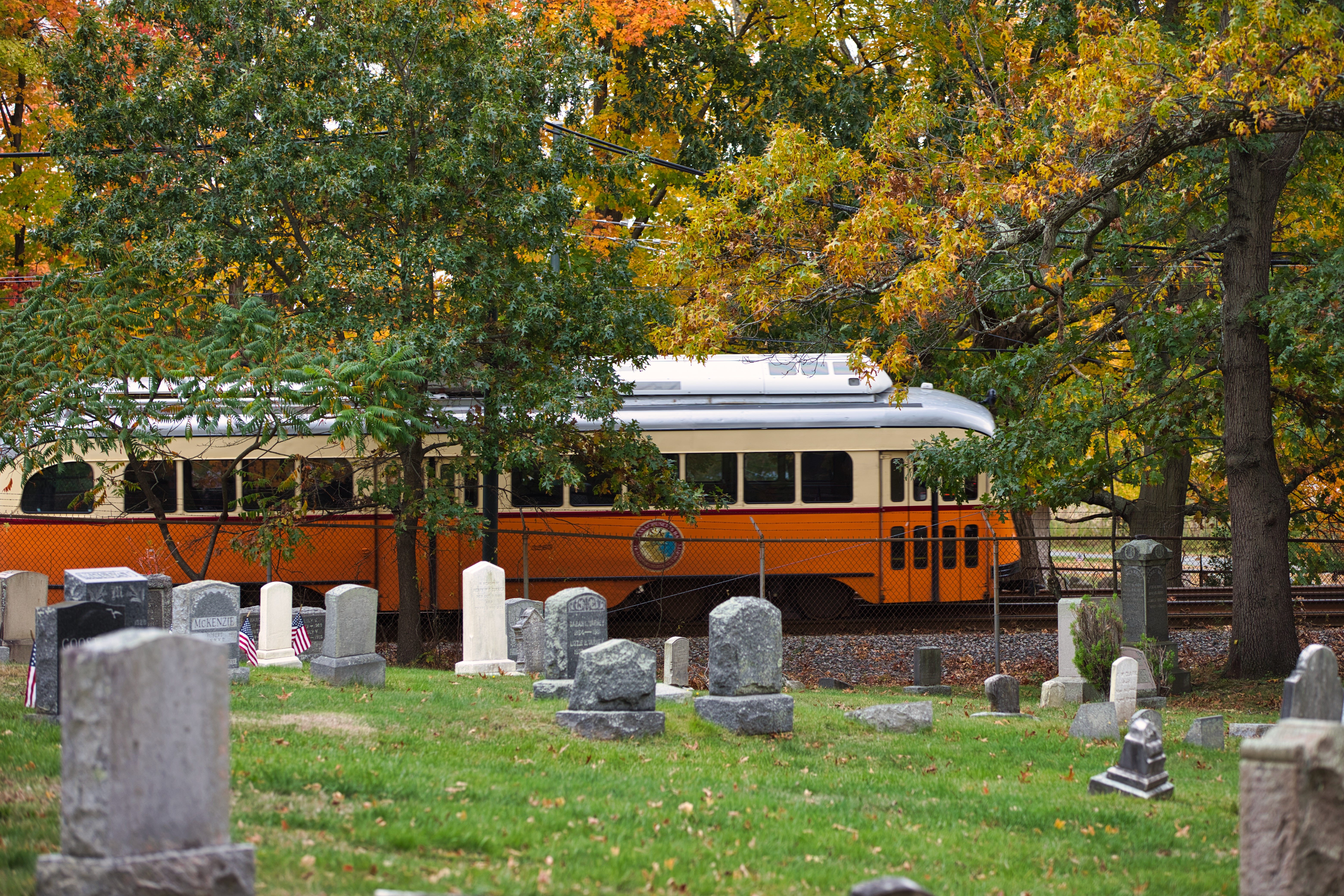
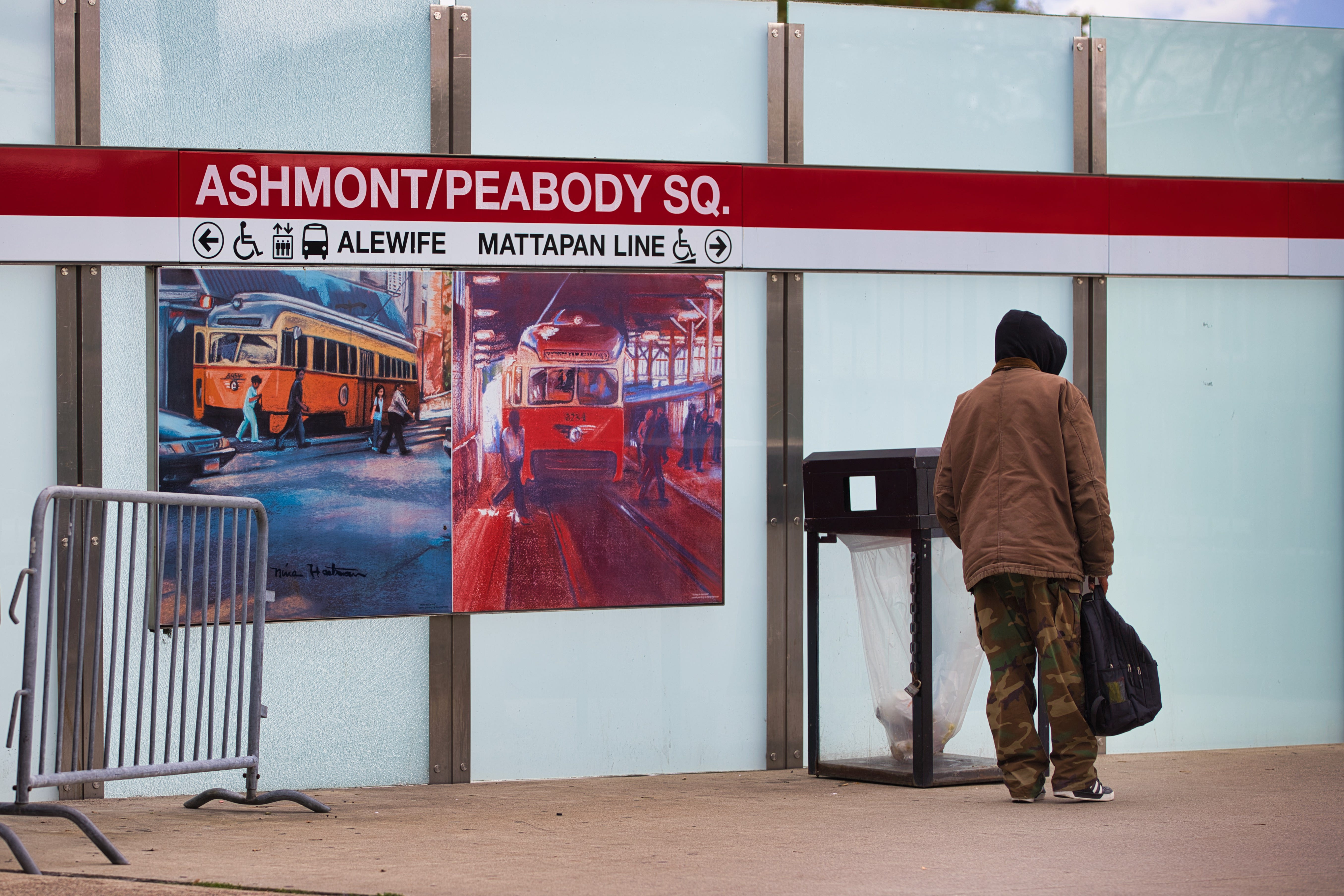
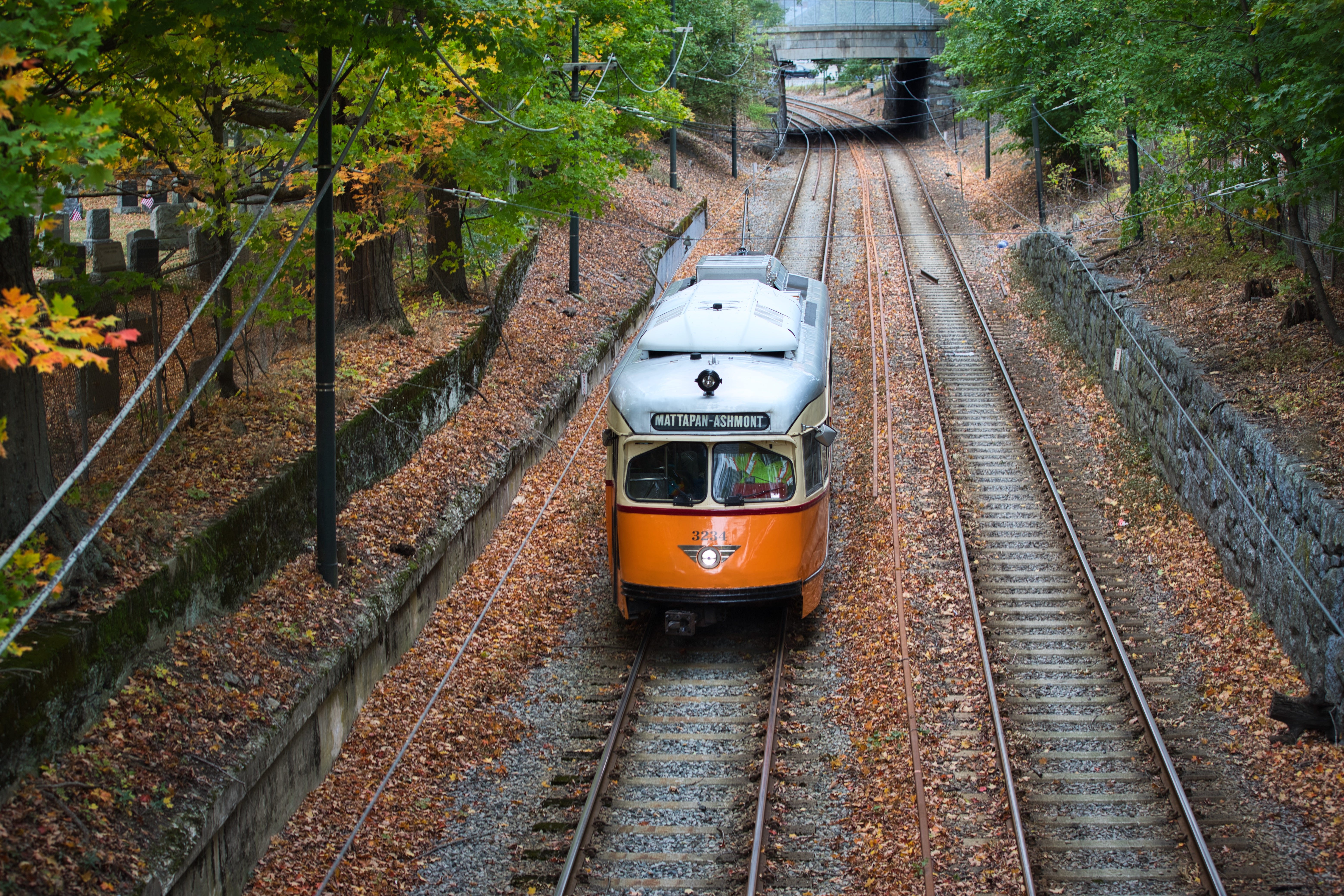
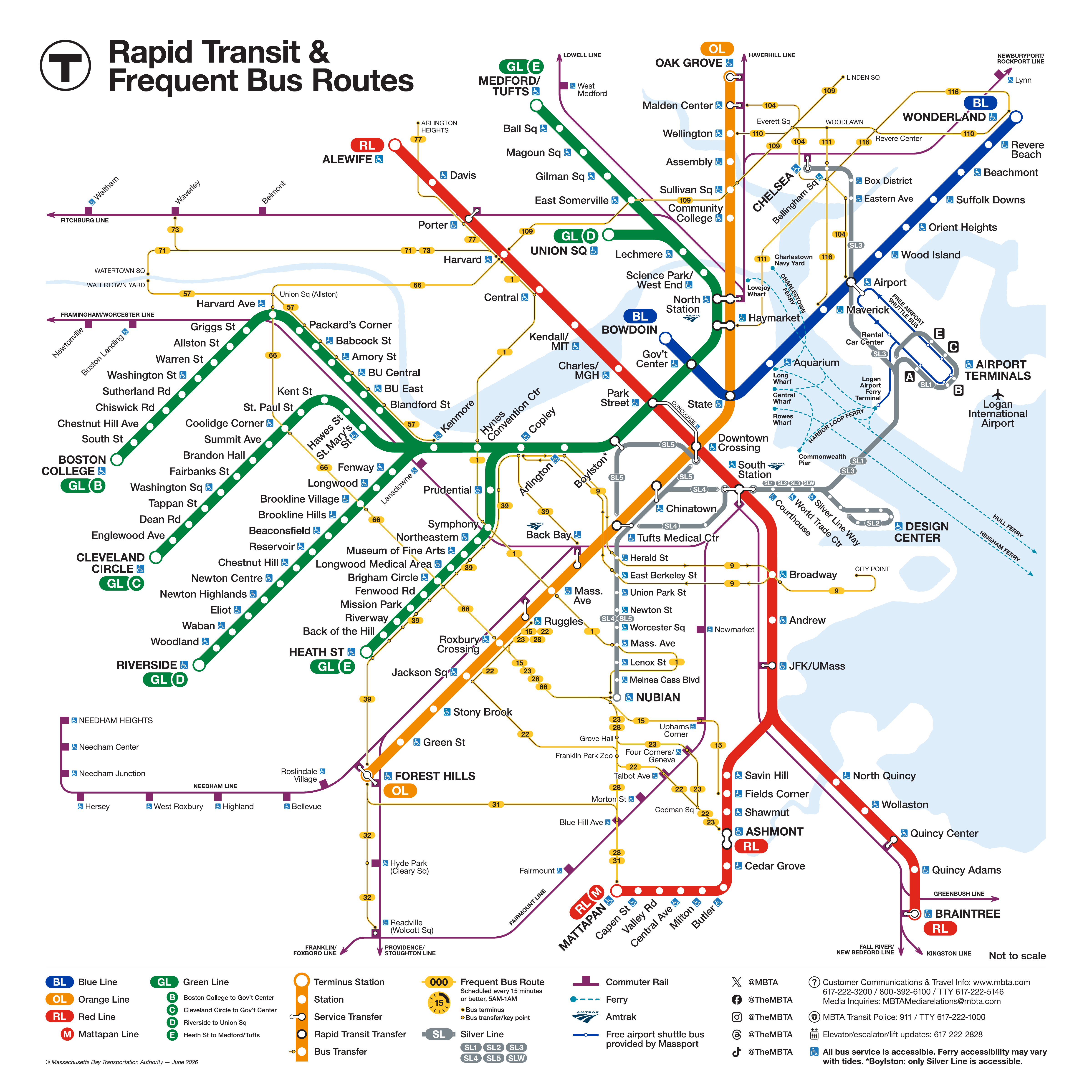
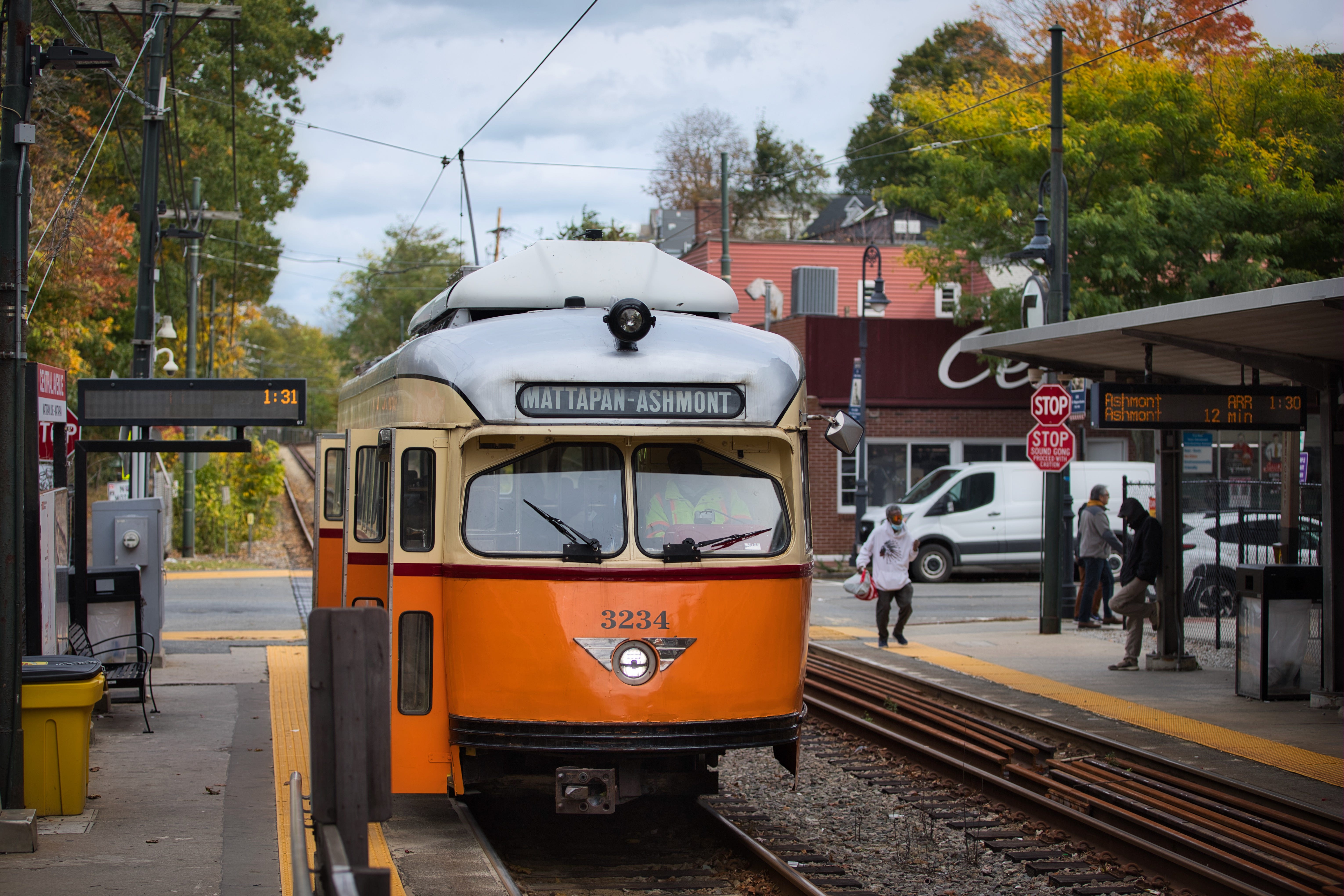
If you think these historic trolleys in Boston are just a tourist attraction, you’re wrong. The Ashmont-Mattapan High Speed Line, or the Mattapan Line for short, is a regular 2.6 mile (4.2 km) transit line that’s part of the MBTA network. It connects Mattapan, at the southern end, with Ashmont in Dorchester, the largest neighbourhood in Boston, with a short stretch through the town of Milton in between. The line has been running since 1929 and is still kicking, with big plans to upgrade it with modern, accessible light-rail vehicles. A part of me is sad about that, and I’m definitely not alone, because these cute 80-year-old trains are living history.
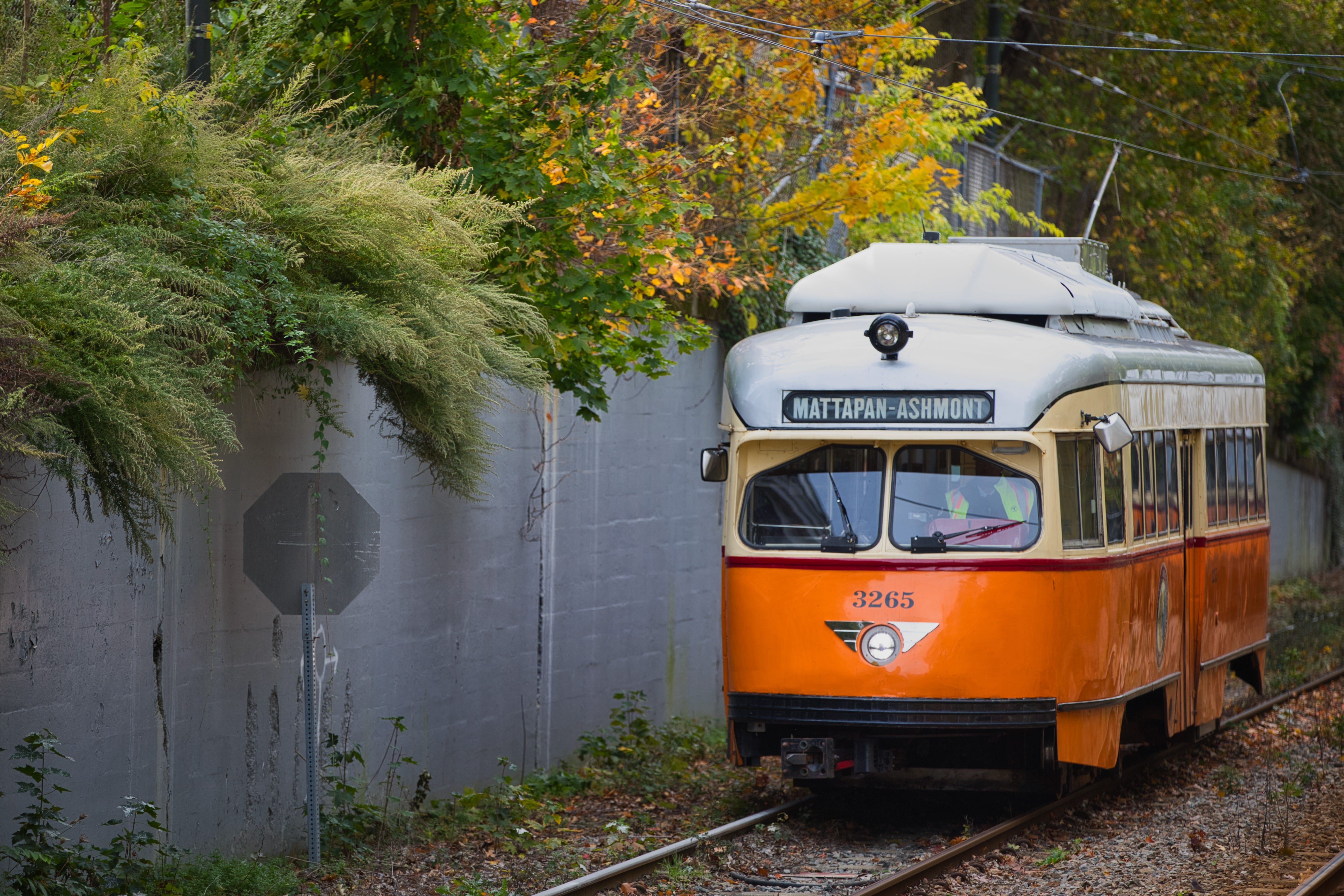
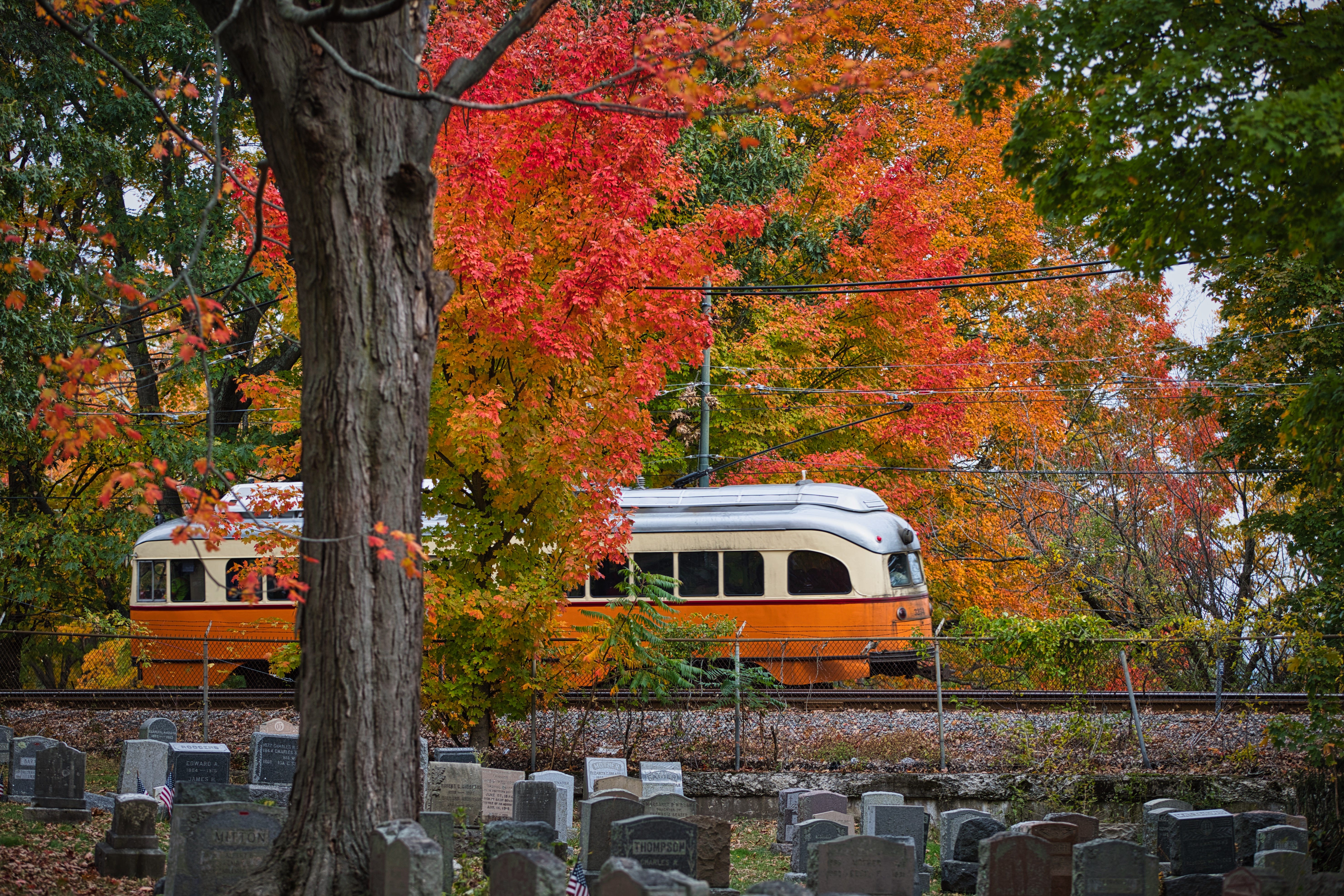
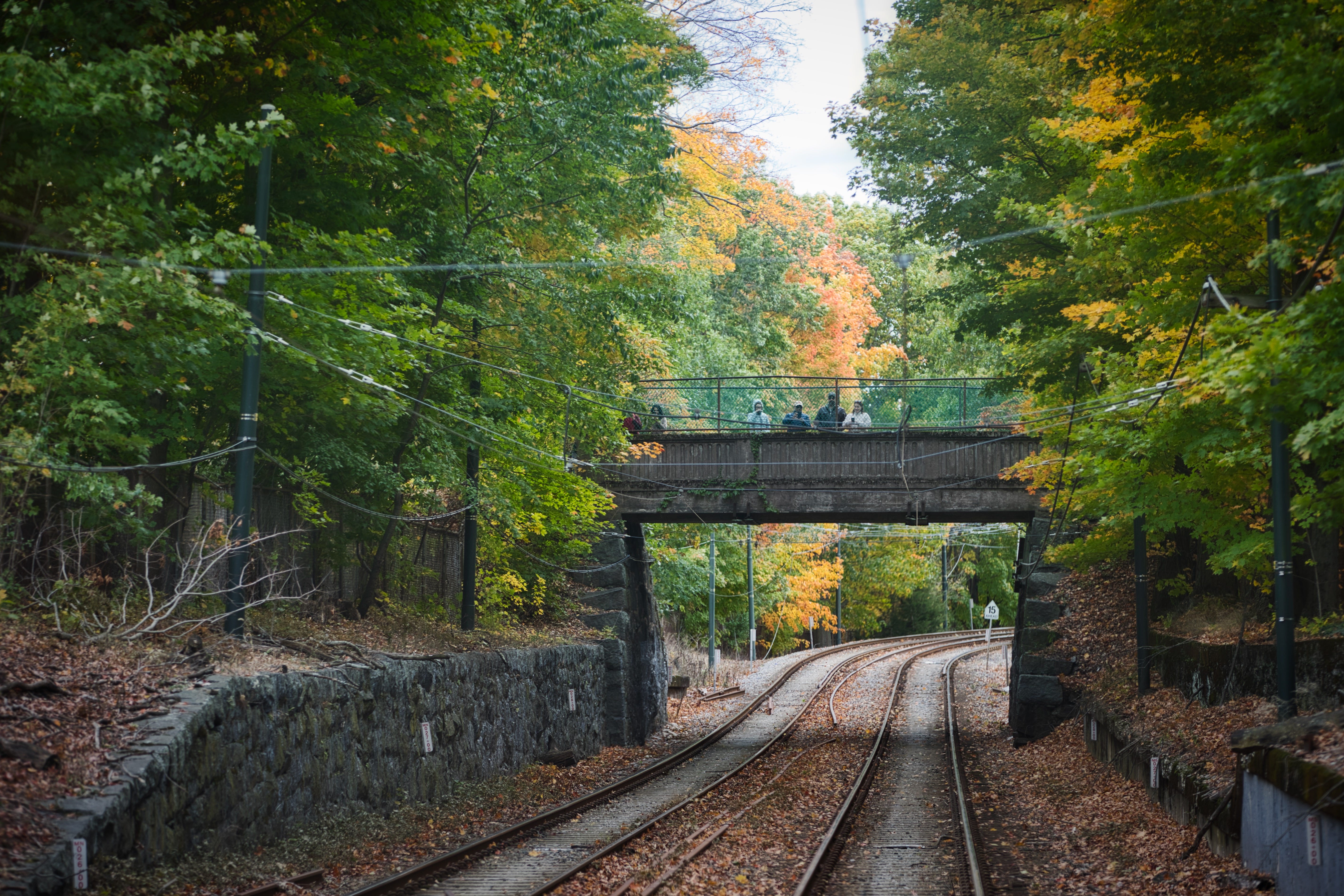
The best part of this line, apart from riding these iconic trains, is the scenery. The right-of-way follows the winding Neponset River, which empties into Dorchester Bay. Above the Lower Mills dam in Milton, it’s a freshwater river lined with old-growth trees. Below it, the river becomes tidal and widens into a salt marsh, where herons and egrets love to fish. On the edge of the marsh sits the very picturesque, Victorian-era Cedar Grove Cemetery. The train line divides it in the middle, and the bridge connecting the cemetery is a favourite spot to take a picture of a passing train against beautiful red and yellow foliage. With gravestones and trains in the same frame together, the view almost feels haunted.
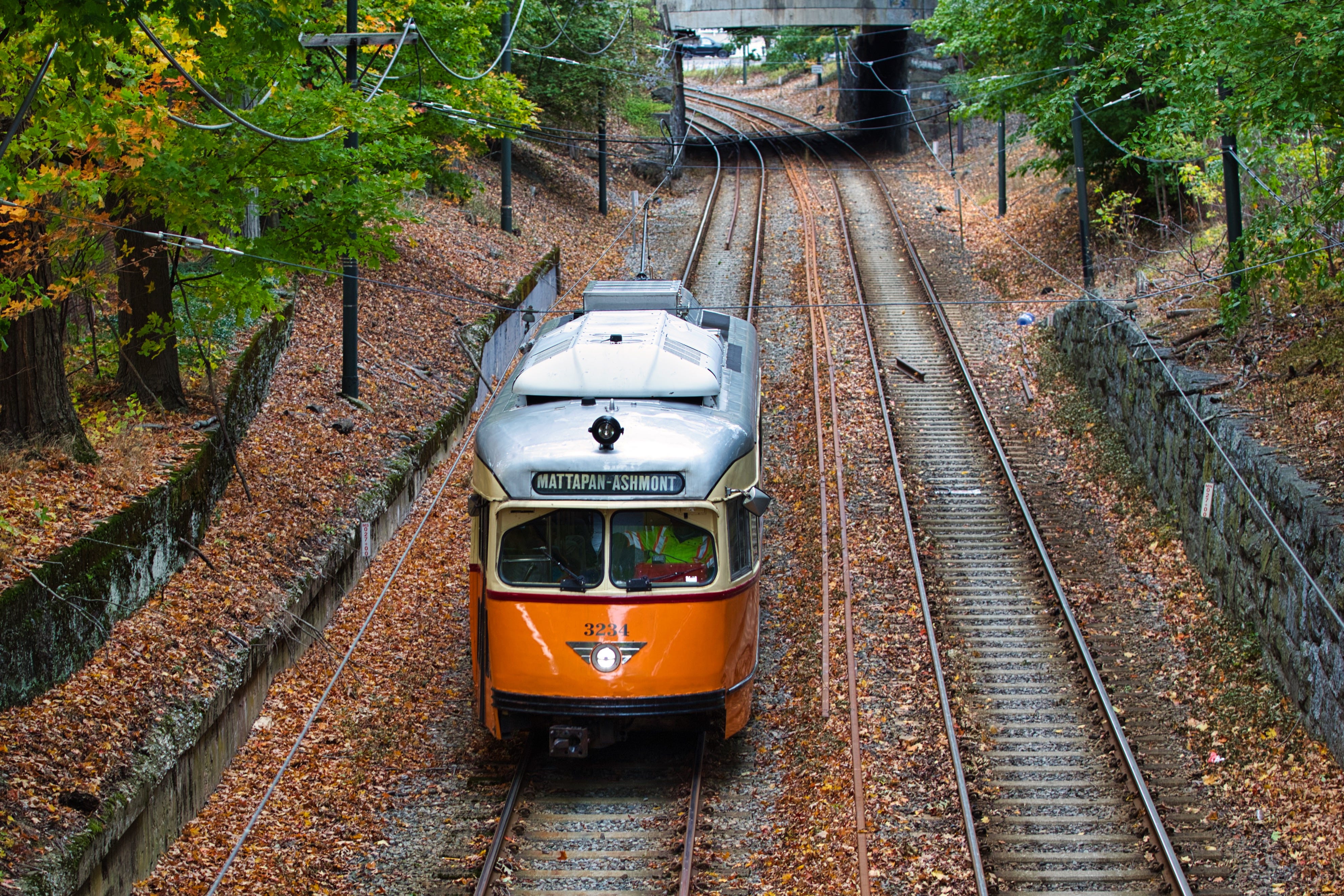
The Mattapan Line opened in 1929, and its right-of-way was converted from the Old Colony Railroad, which had run steam trains between Boston and Plymouth since 1845. Trolleys were hugely popular in the 1920s: their electric motors allowed quick acceleration, and the light cars could make frequent stops. There was a chance the Mattapan Line could have become a continuous part of the Red Line, running all the way from Cambridge, but due to cost considerations, the predecessor of the MBTA decided to terminate the heavy rail line in Ashmont. The journey from there to Mattapan would continue by trolley.
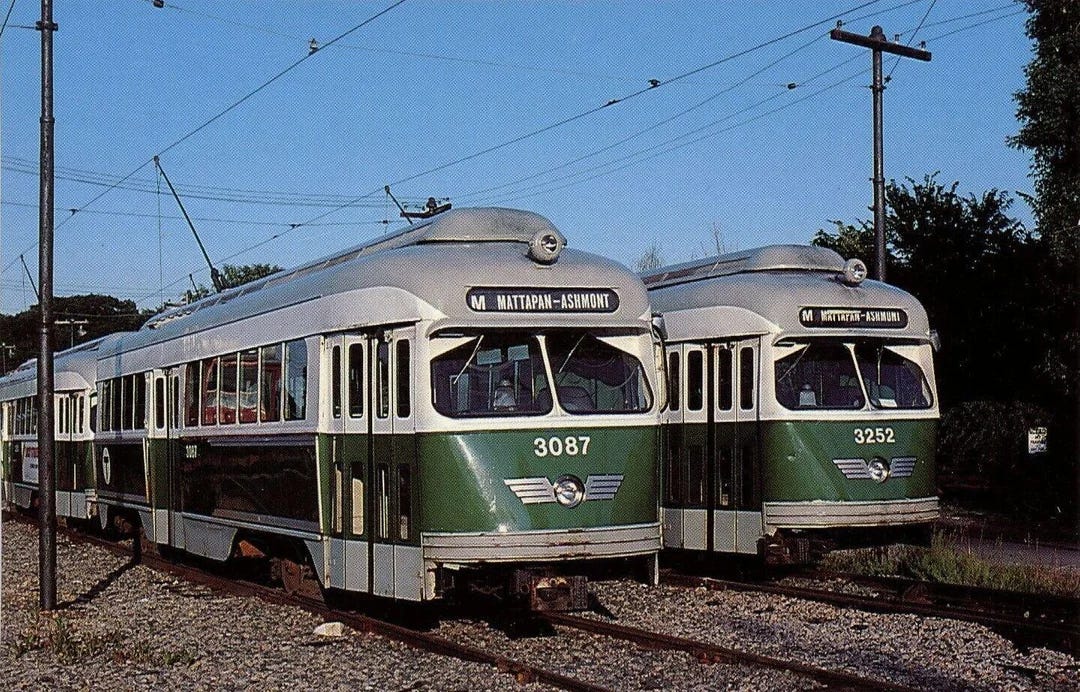
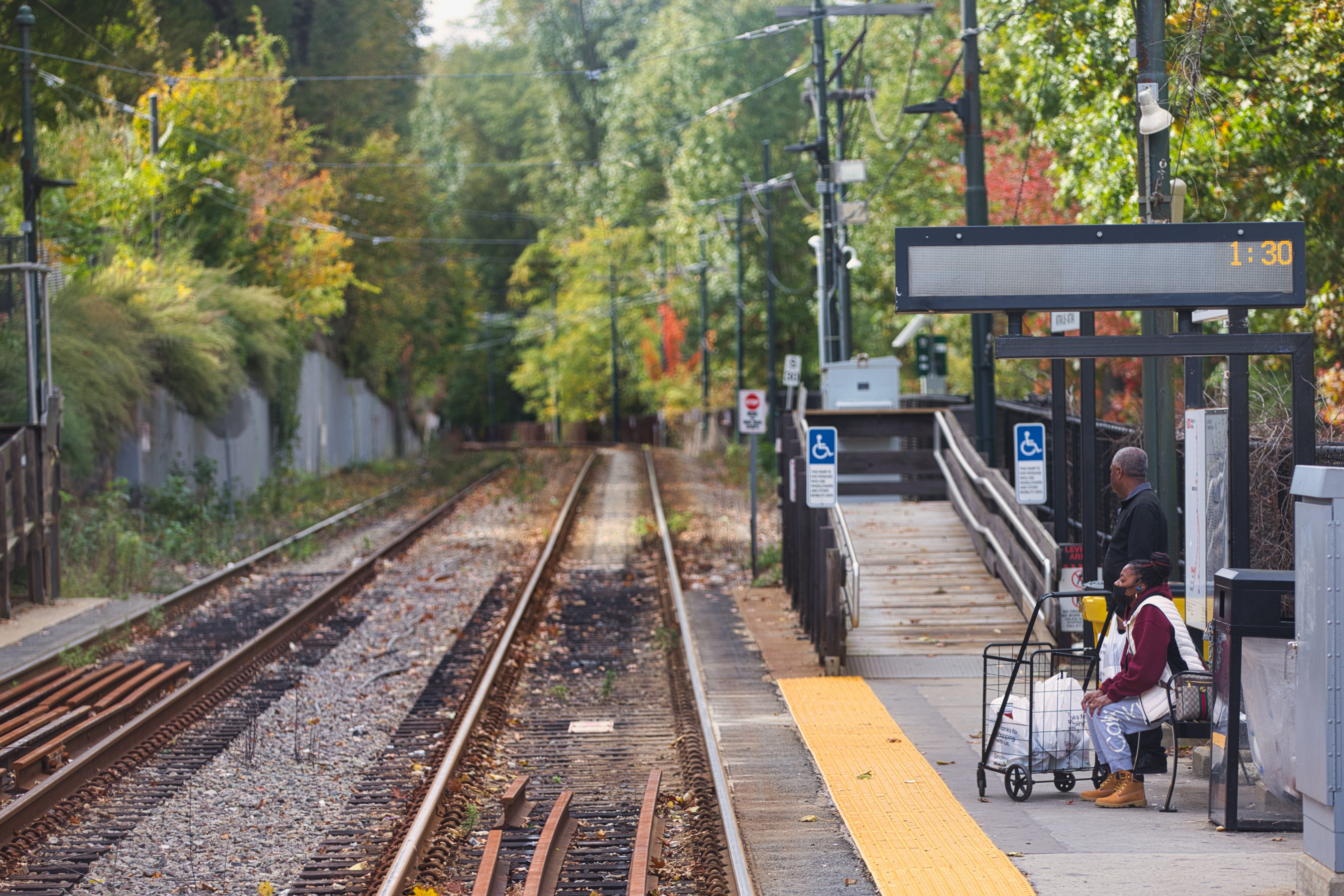
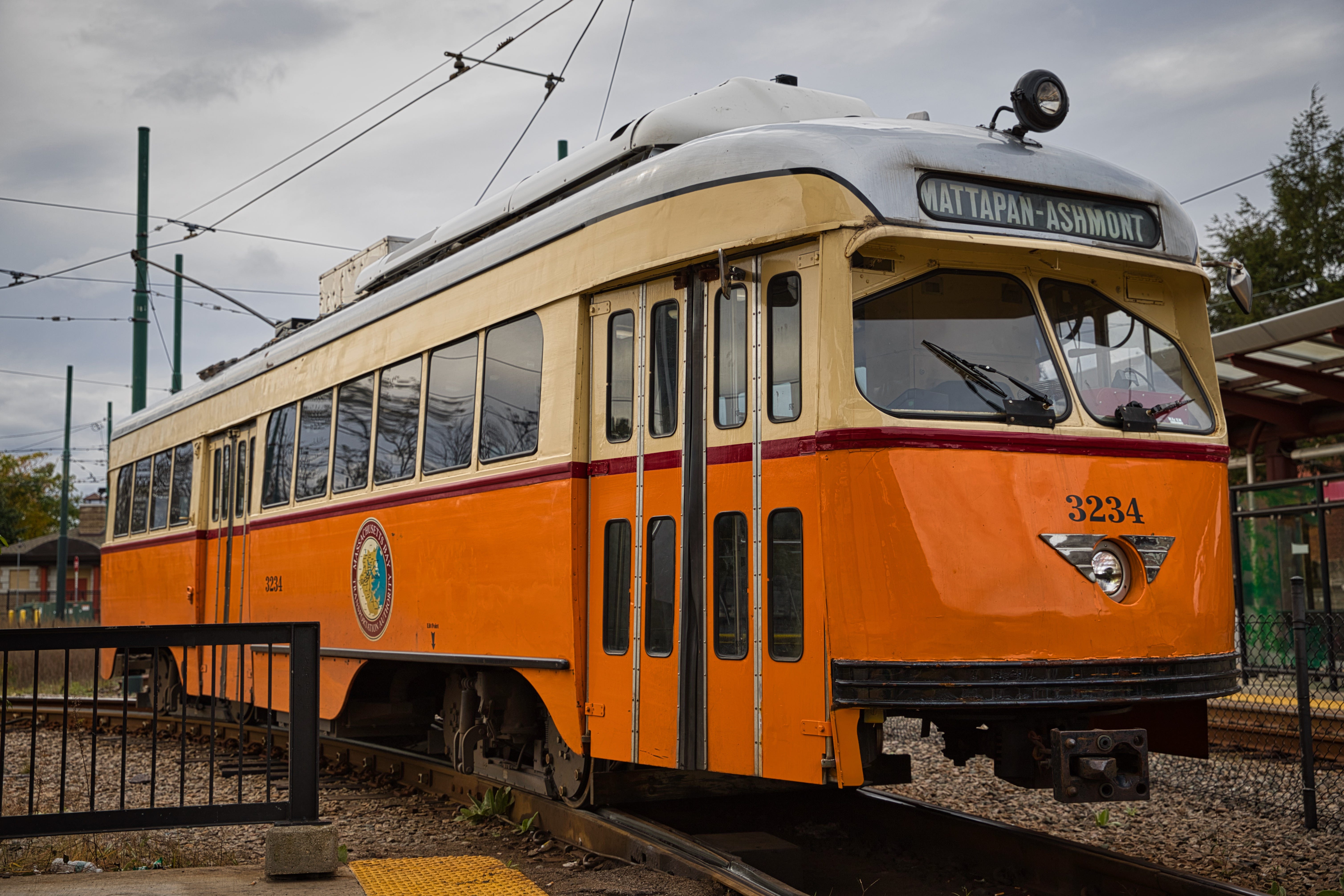
All the trains on the Mattapan Line today were built in 1945–1946 by Pullman-Standard. They previously served on Boston’s Green Line before being transferred to the Mattapan Line in 1955.
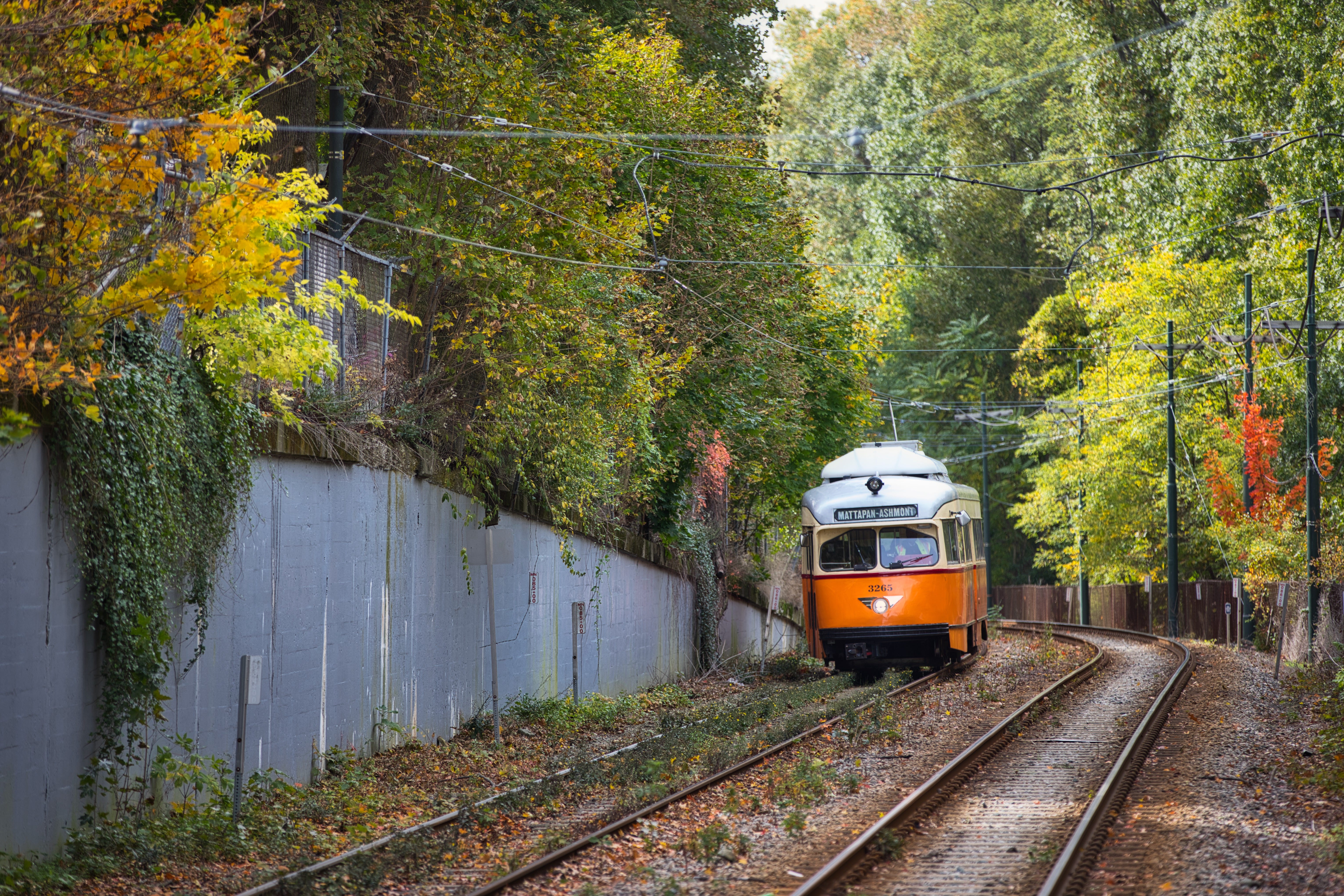
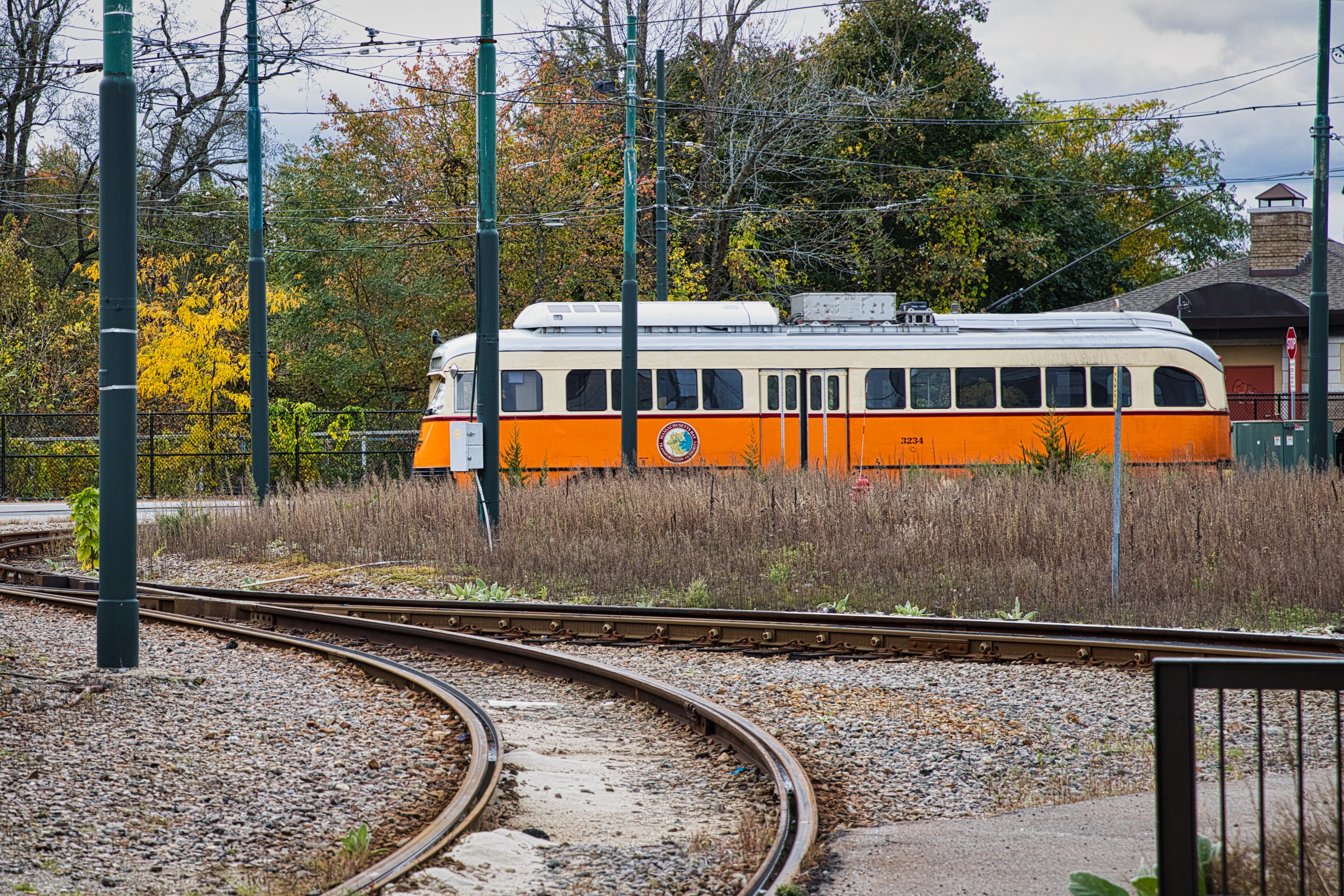
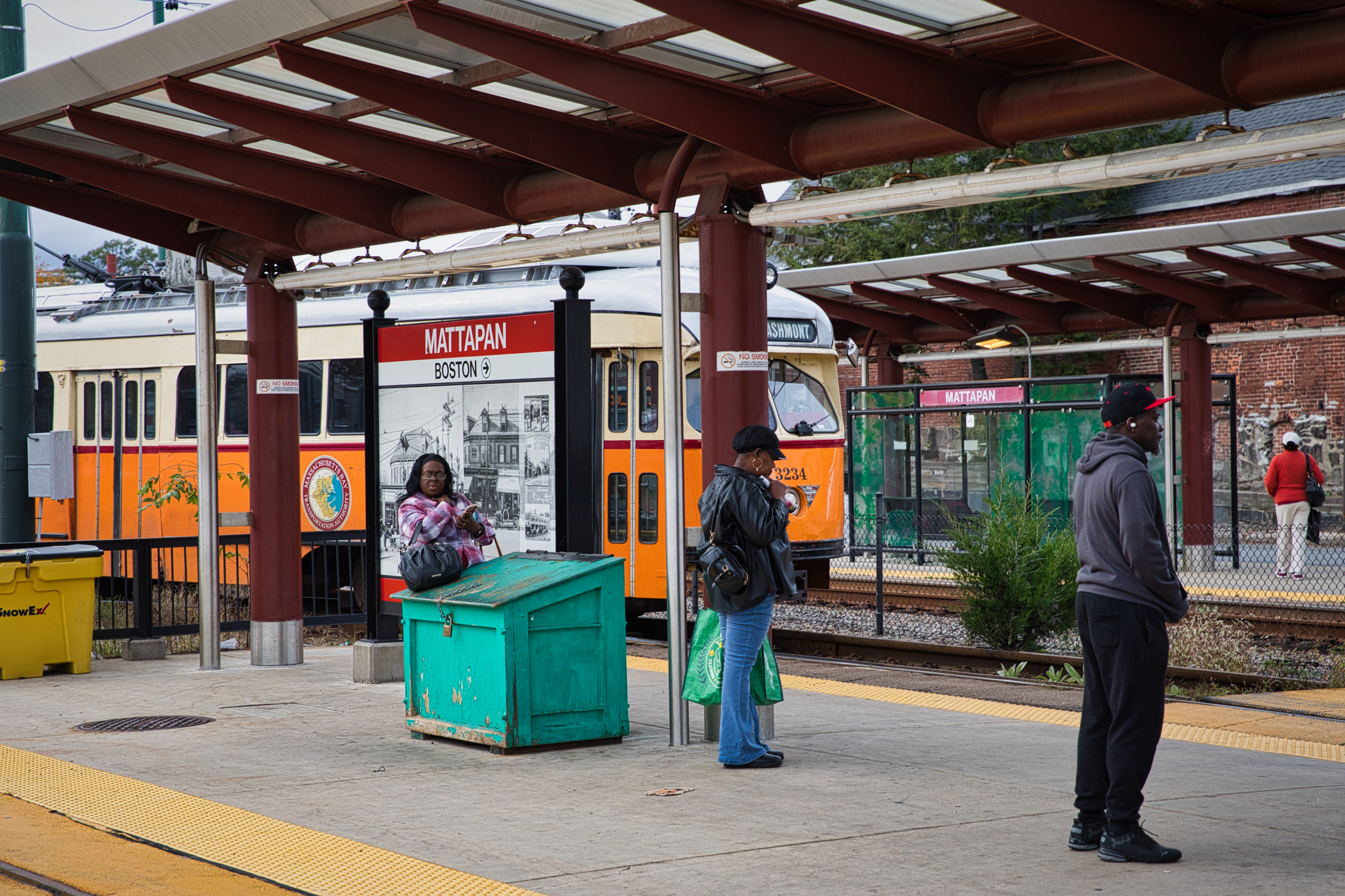
But why are these trains called PCC? It’s short for “Presidents’ Conference Committee”, a national public transit committee that designed these cars in the 1930s. They proved so popular that almost every city in North America added them to its fleet. Toronto, for instance, bought 745 of them. Fun fact: the Mattapan Line is the only line in the US that has never stopped using these iconic PCC cars. Other systems that currently use PCCs are San Francisco, Philadelphia, and El Paso.
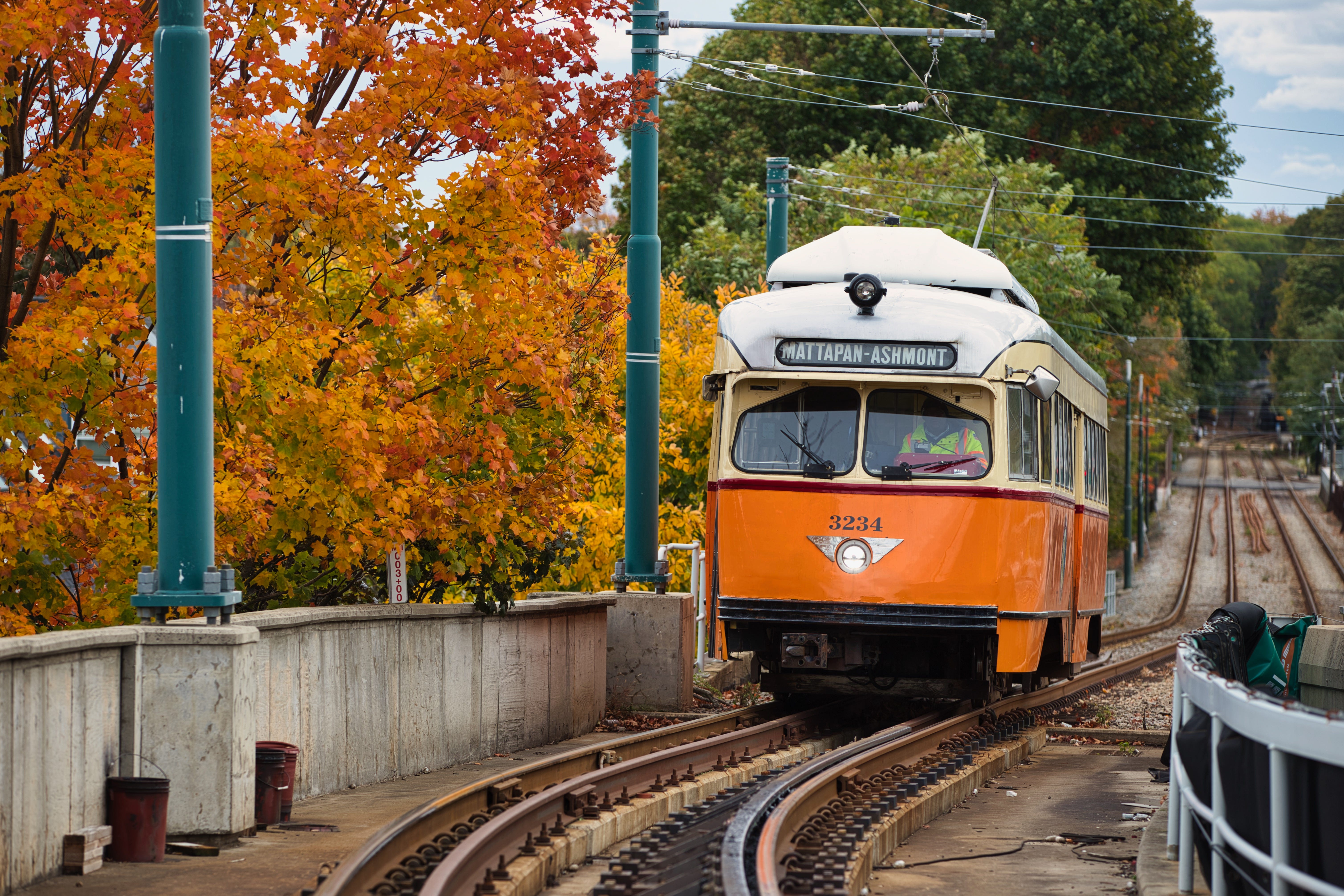
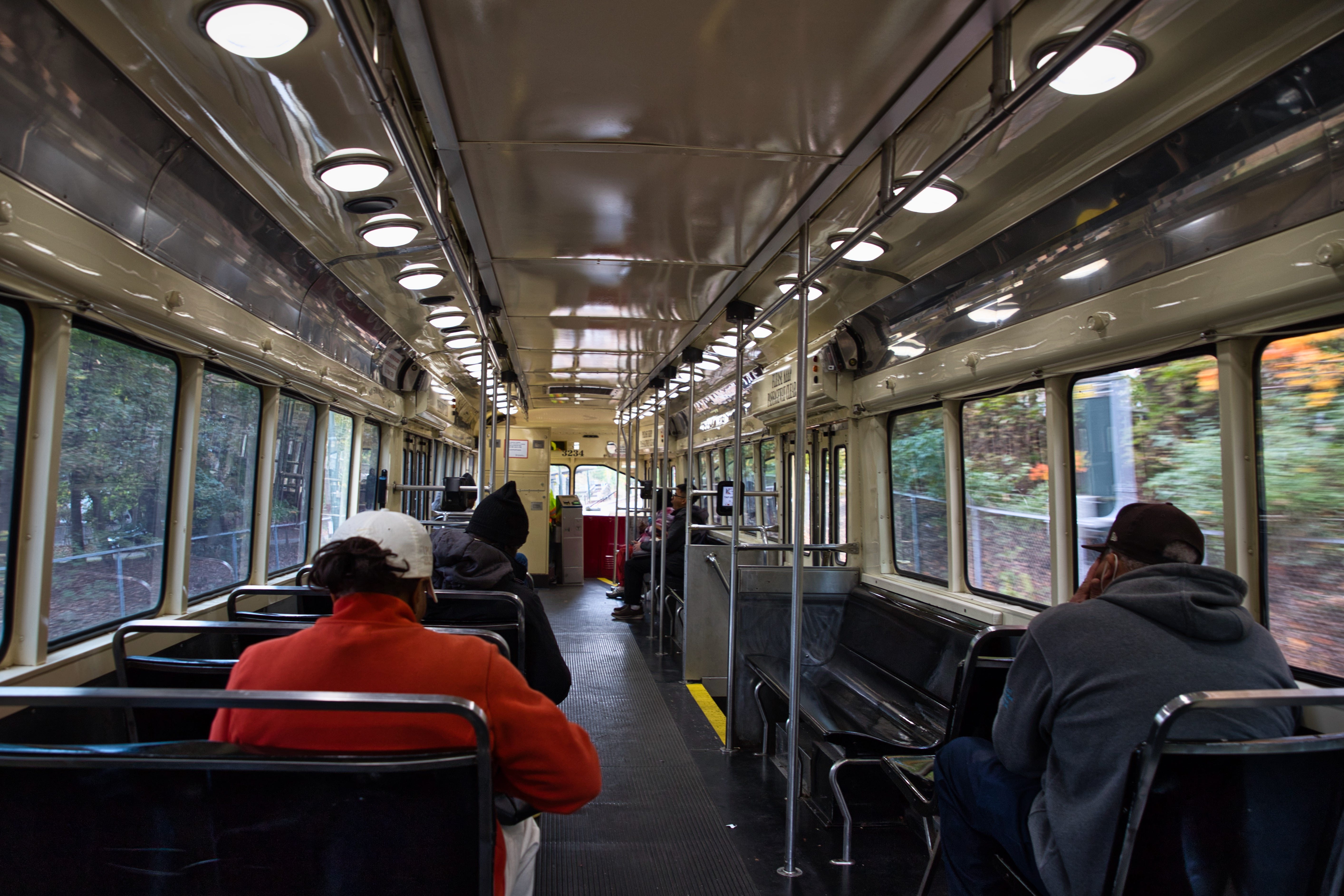
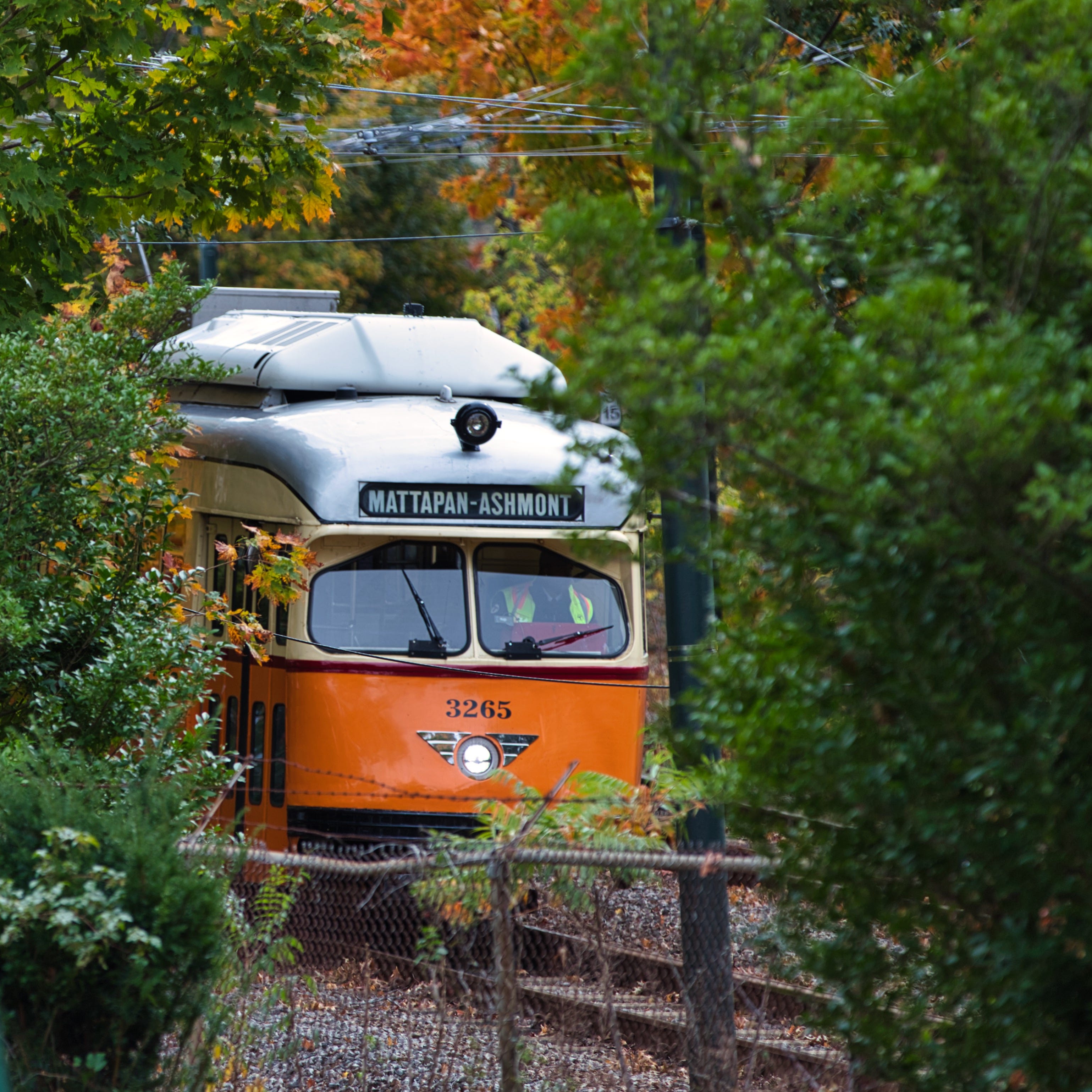
Another fun fact: Boston PCCs are unique because they have a centre door on the left side to accommodate island stations. Butler is the only station where that left door is ever used at an island platform. So if you see a PCC in Boston livery in San Francisco without one, it isn’t actually from Boston.
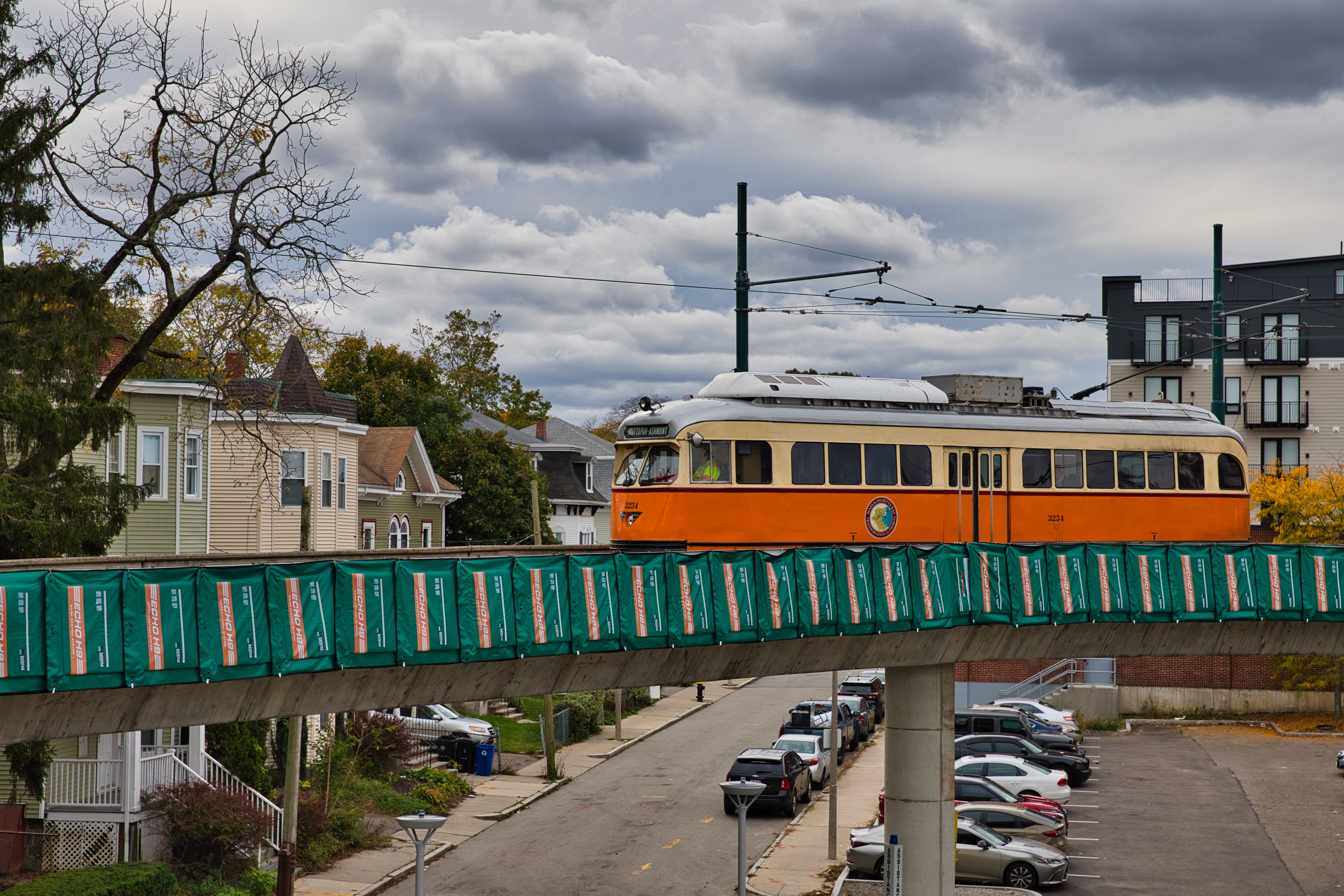
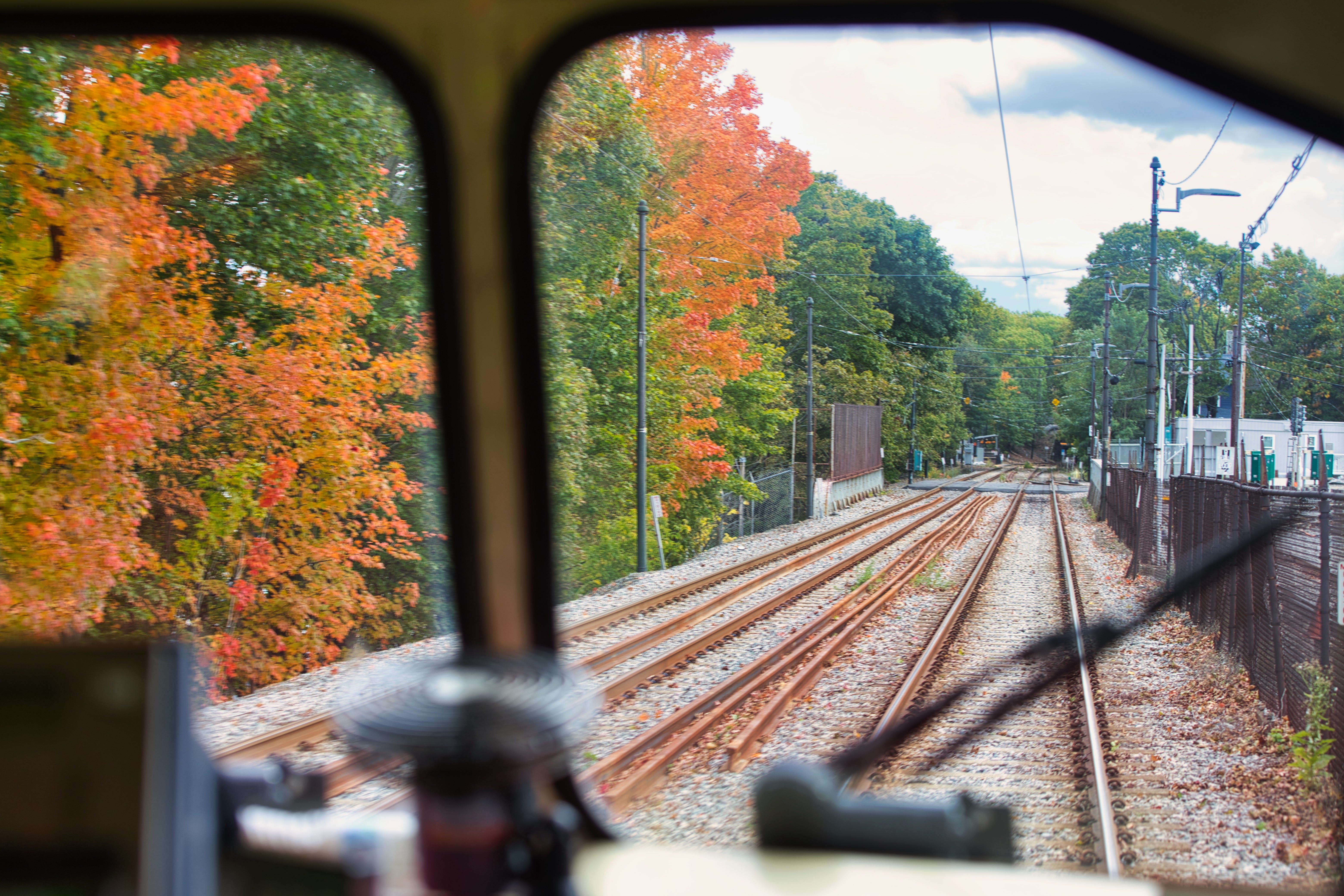
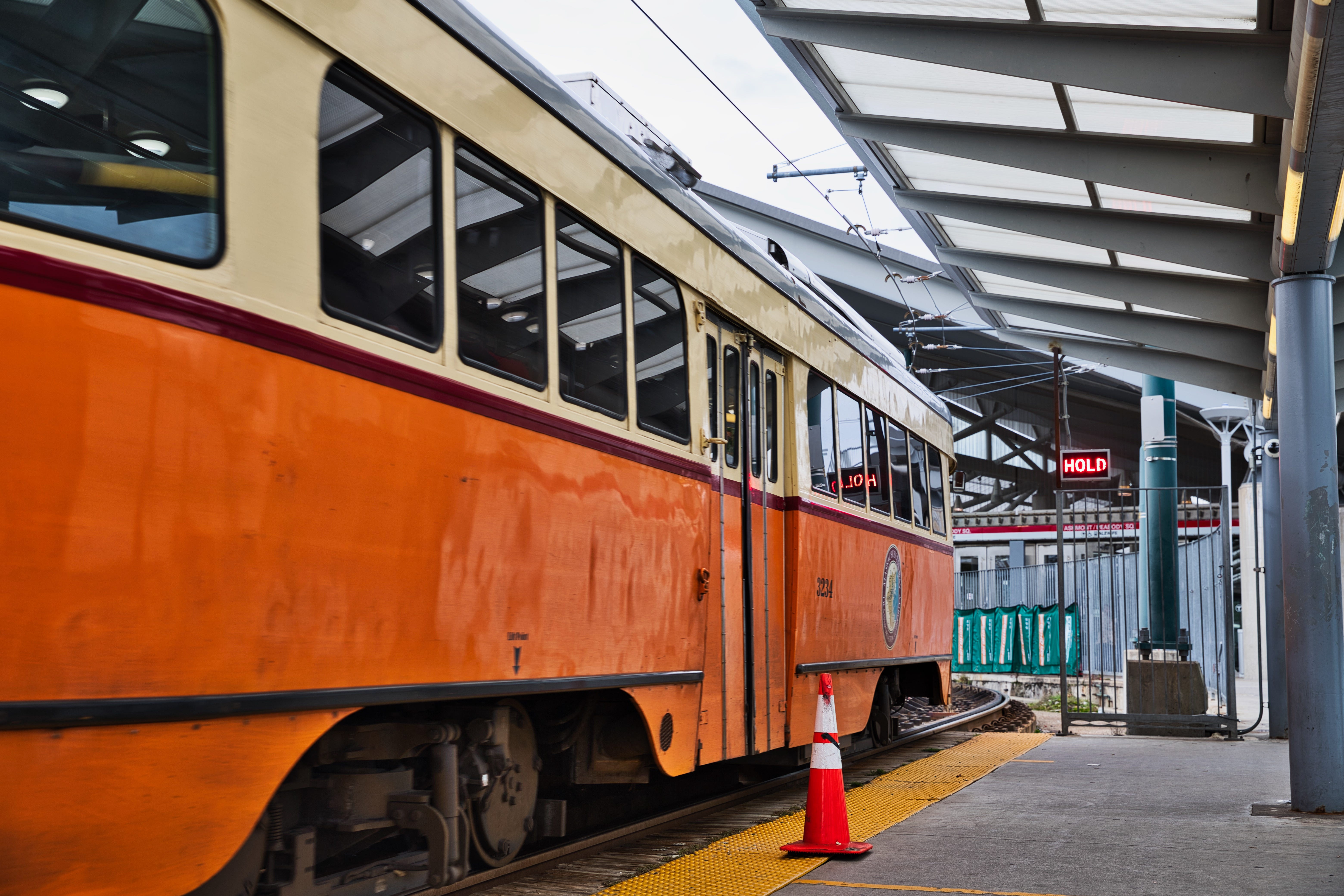
These trains were so popular that they were also licensed to be built in Europe, where they served cities including Antwerp, Brussels and Ghent in Belgium, The Hague in the Netherlands, Sarajevo in Bosnia and Herzegovina, and Barcelona in Spain.
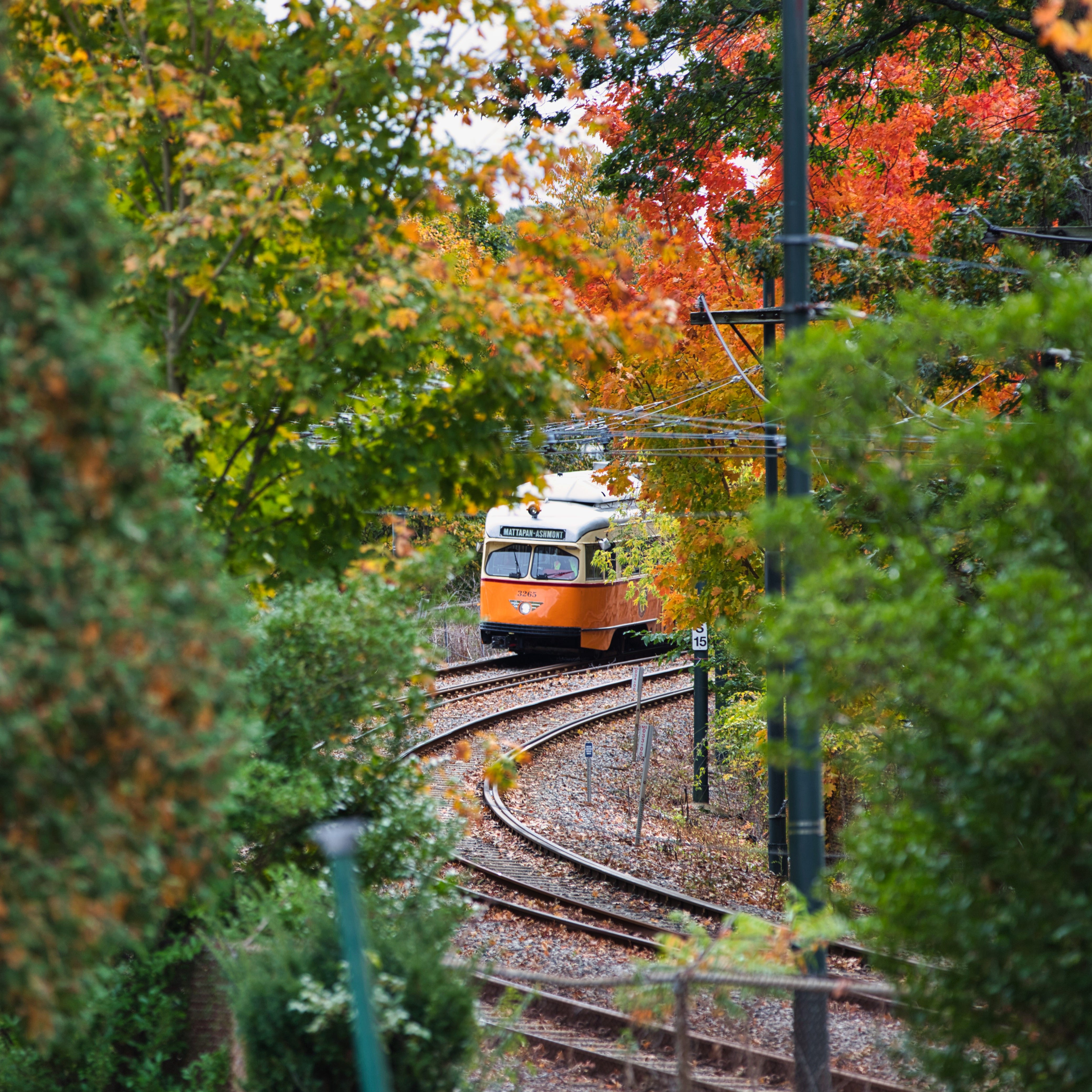
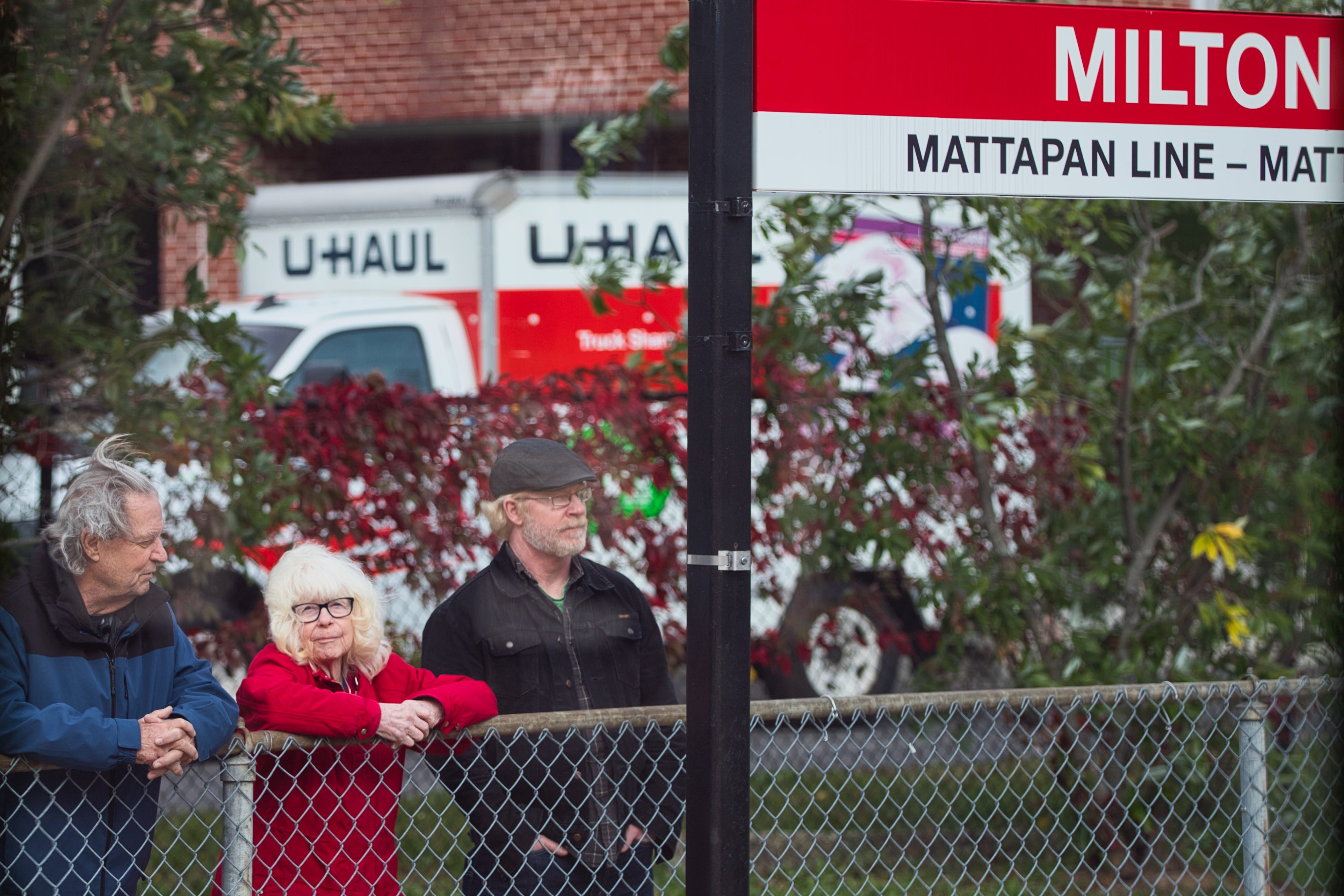
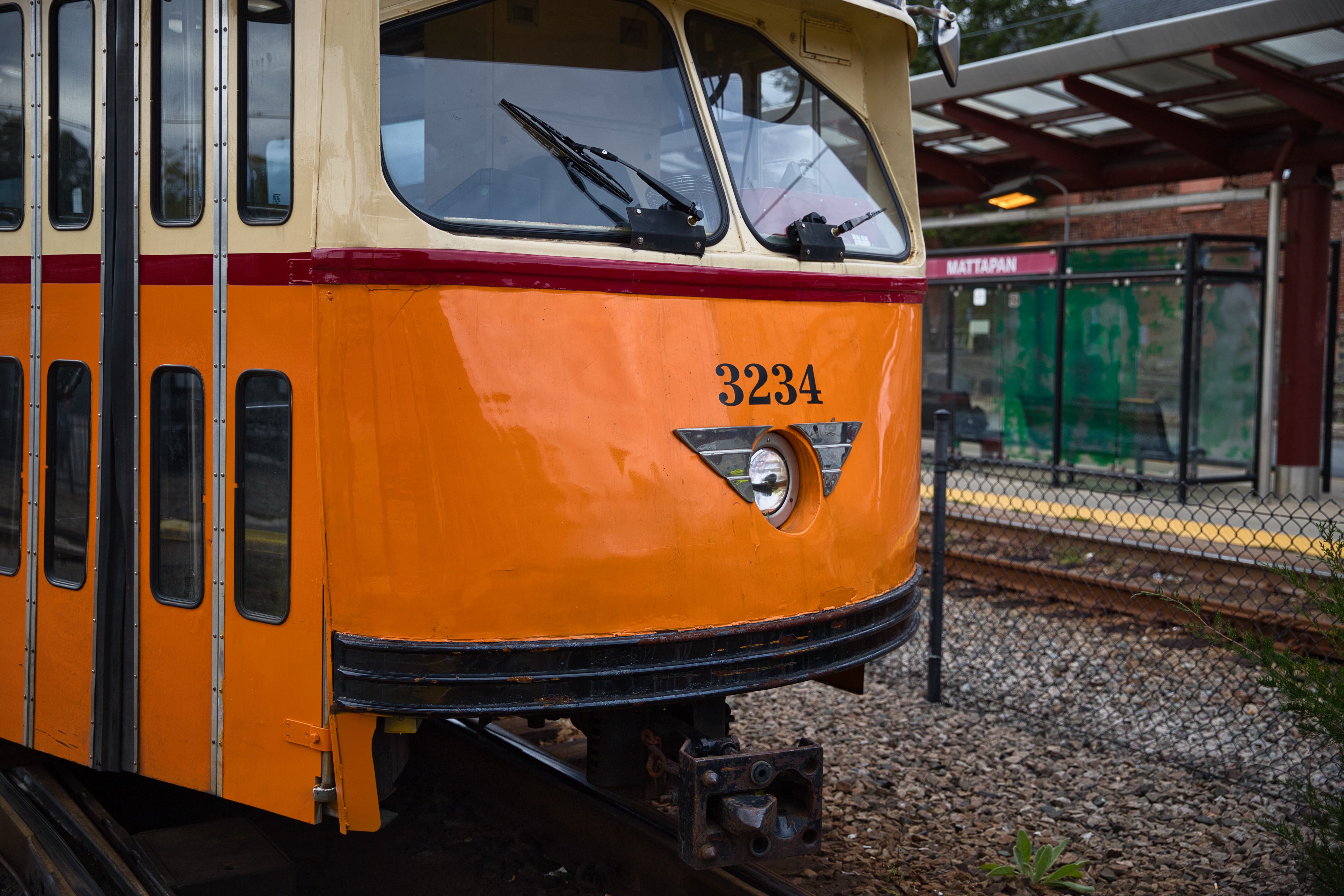
While these trains from the 1940s are very old, there are a few reasons they’re still in use, and it’s not just nostalgia, although that’s a big part of it, with the local community and politicians continuing to push the MBTA to keep these historic trains. There are also structural limitations on the two bridges that cross the Neponset River, which prevent the use of heavier light-rail vehicles.
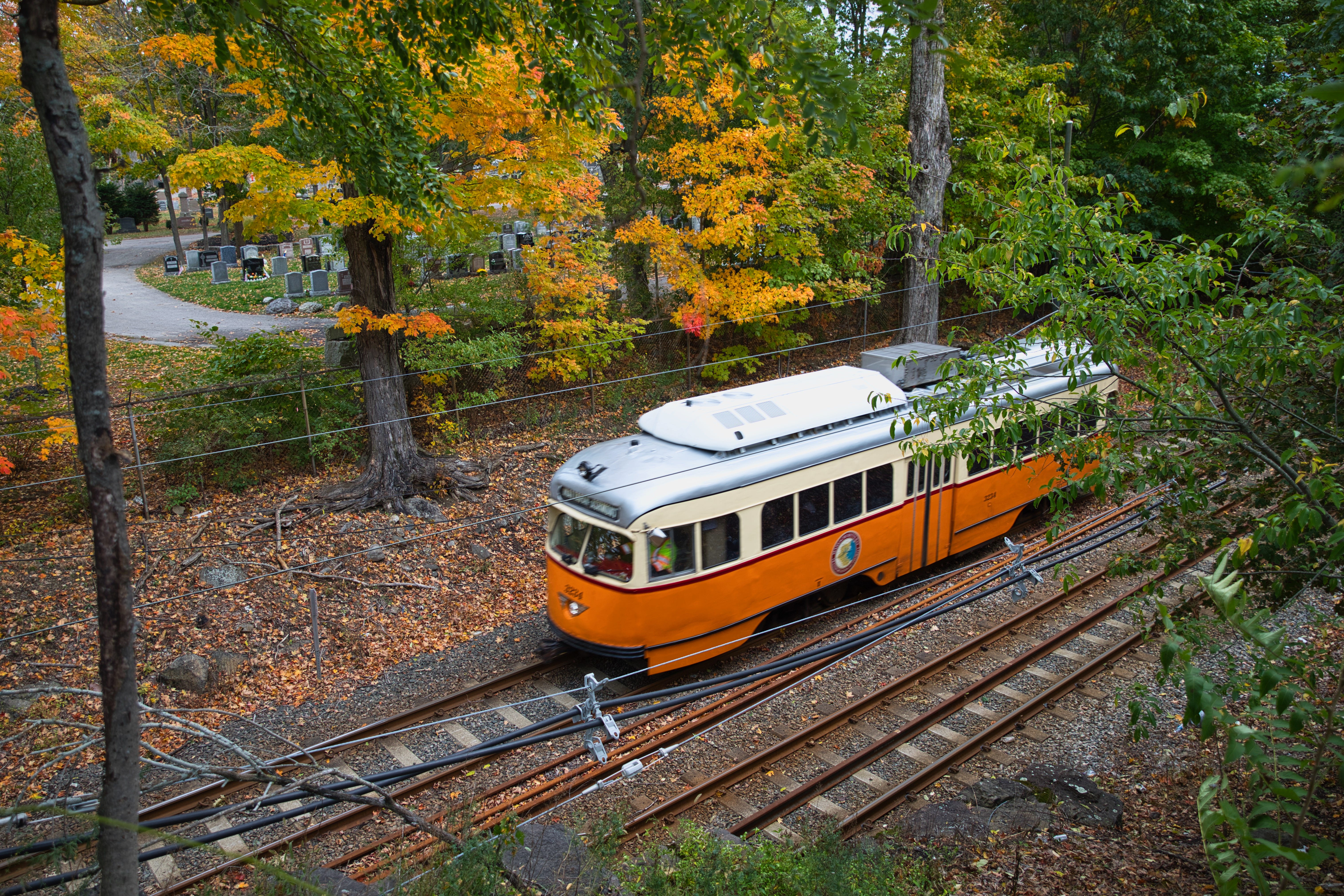
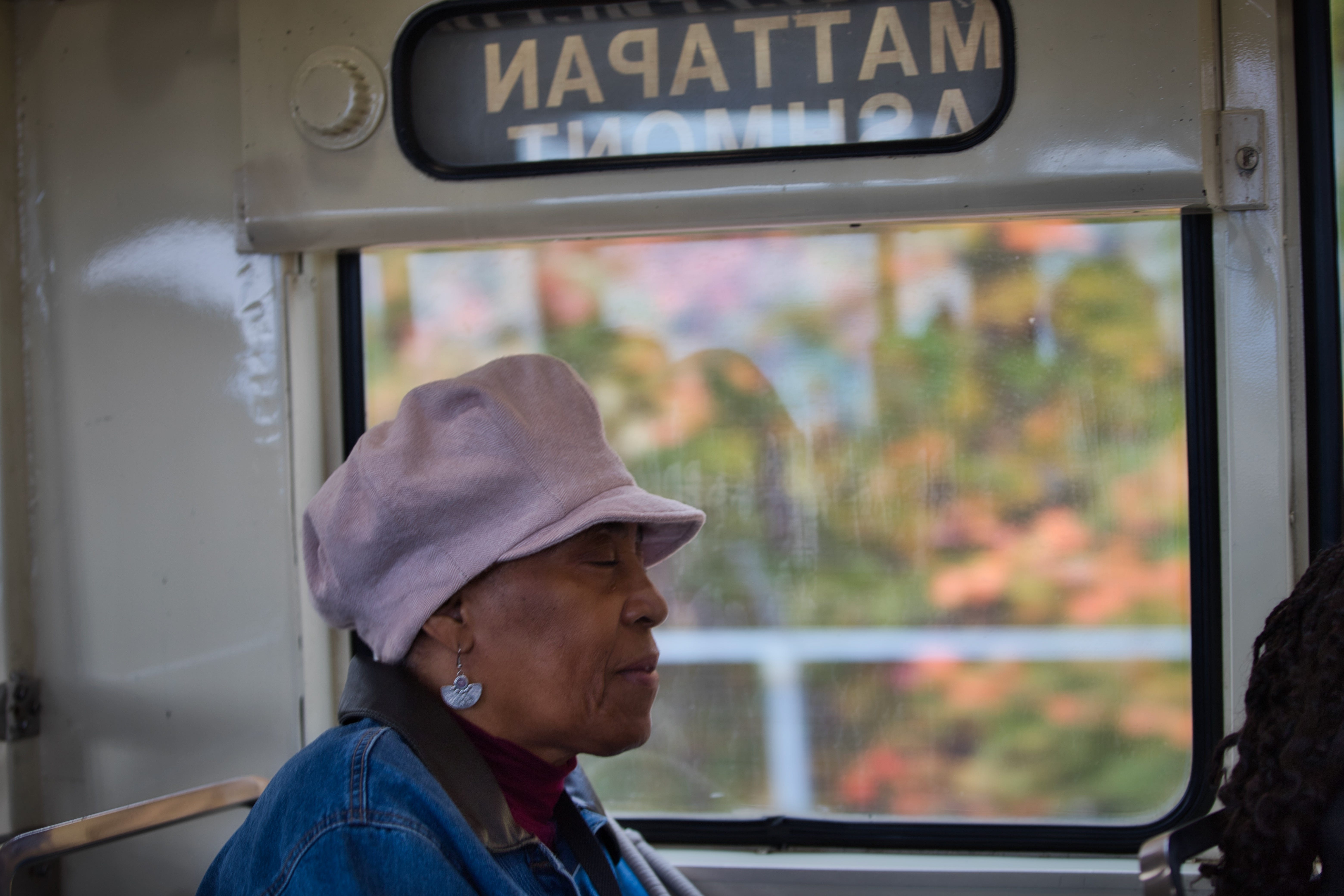
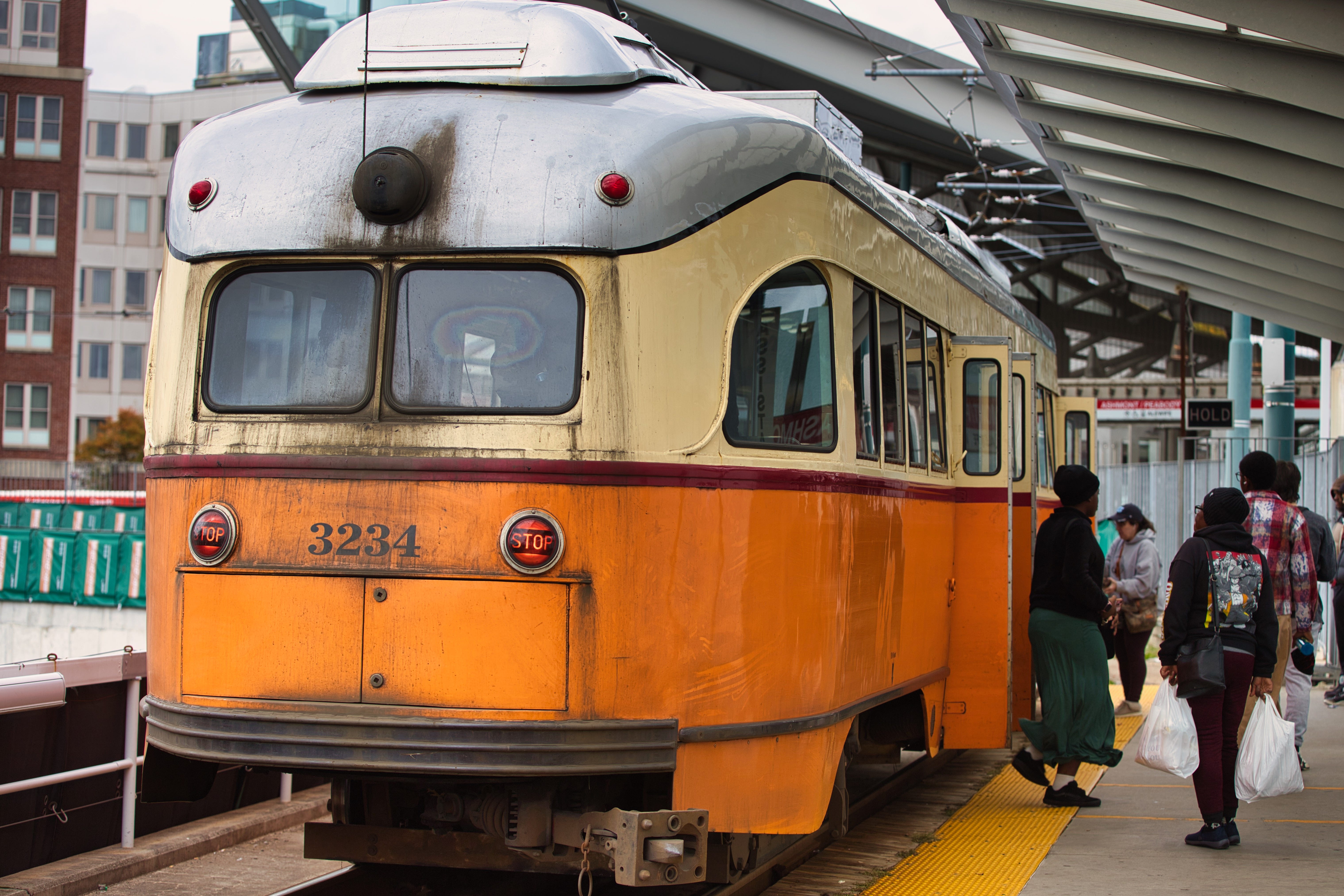
Having said that, only six cars are currently in service, with two more being rebuilt as we speak. These trains, while super cool, are ageing machinery, and I understand that the cost of maintaining them keeps going up while their reliability inevitably deteriorates. They have already undergone three major restorations in their lifetime, the latest of which installed new propulsion systems and LED lighting.
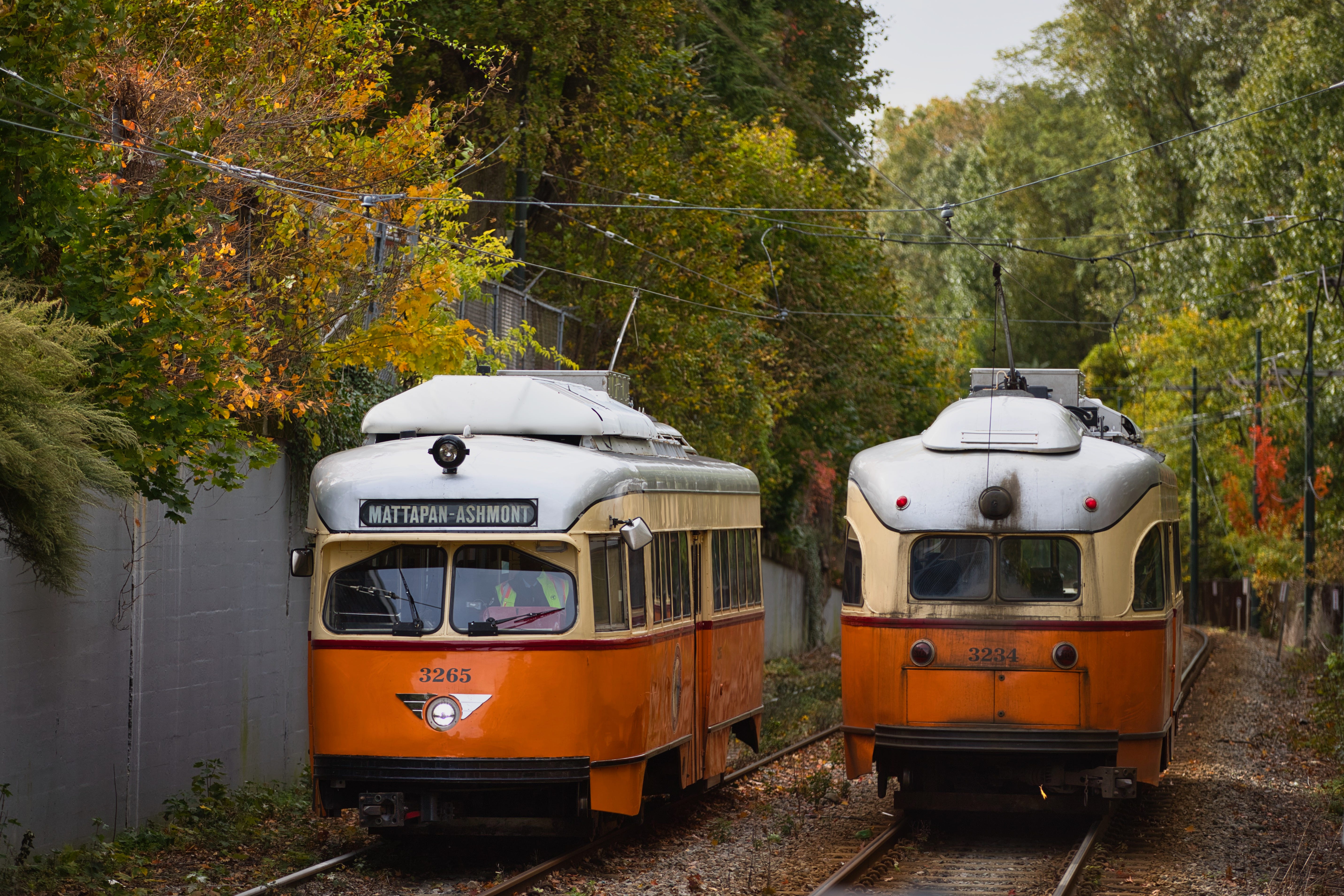
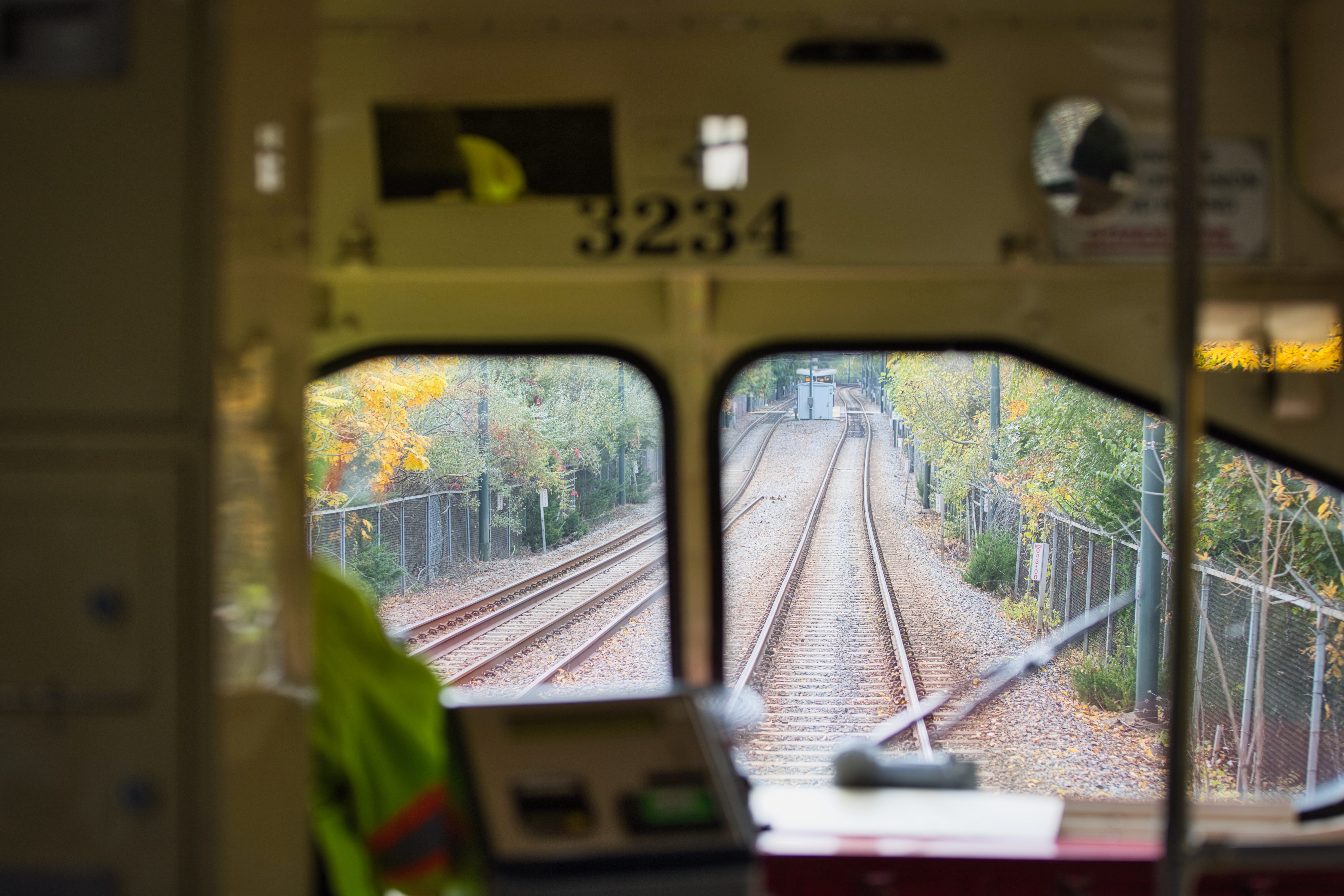
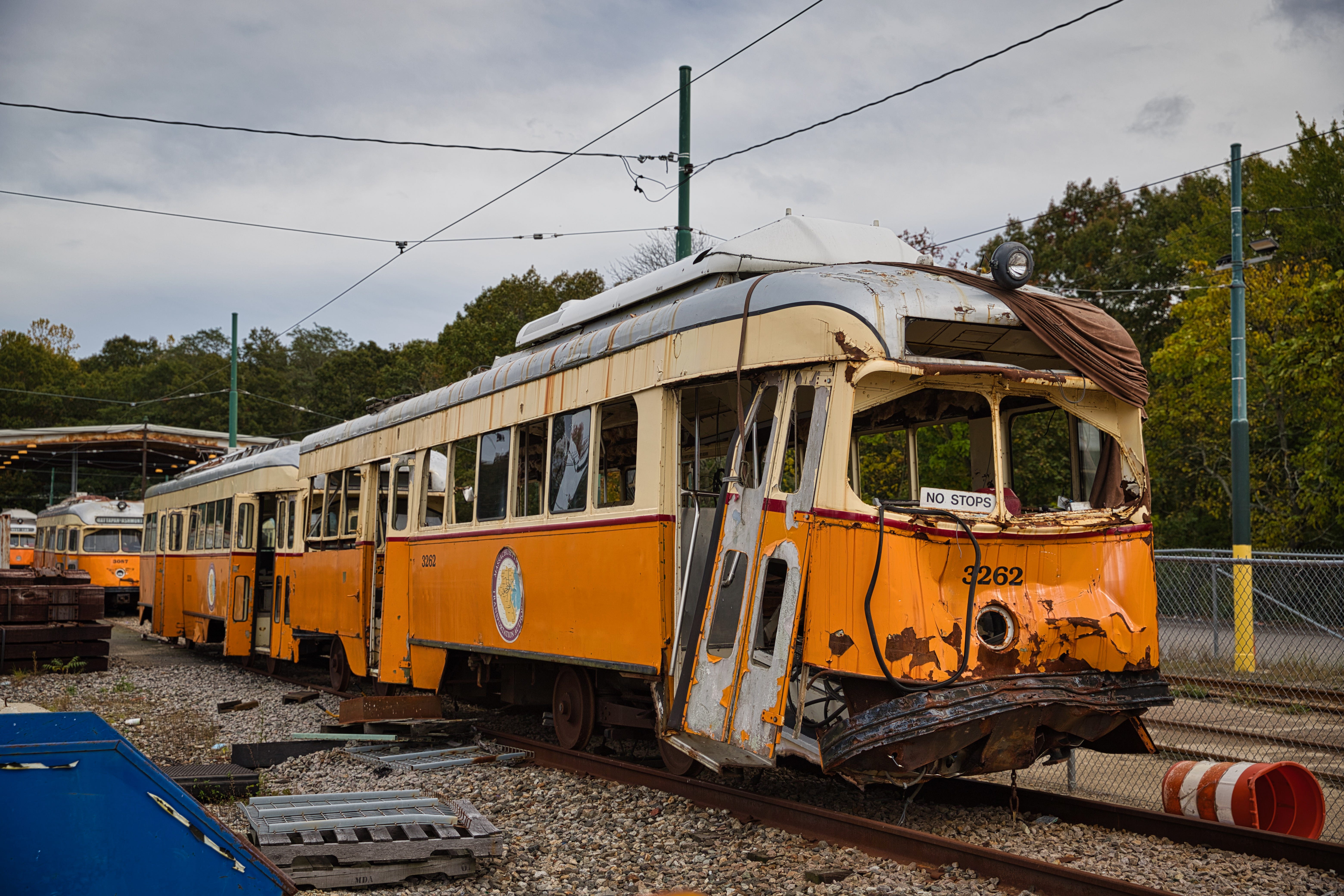
However, I don’t believe the MBTA has any appetite to keep repairing them. So it was decided that once the Green Line has received enough Type 10 light-rail vehicles (the first started arriving in October 2026), the Type 9 vehicles will be transferred to the Mattapan Line. To run these heavier trains, the two bridges mentioned above will have to be reinforced and the overhead wires replaced, and a new storage and maintenance facility will have to be built to replace the hangar at the end of the line in Mattapan, which has no doors. I guess one benefit of modern light-rail vehicles is that they have driver cabins on both ends, so no turning loops will be necessary.
I really hope all the current PCC trains will be preserved in train museums once they're taken out of service. Or maybe San Francisco can give them a second life on the F Market & Wharves Line? ∎