

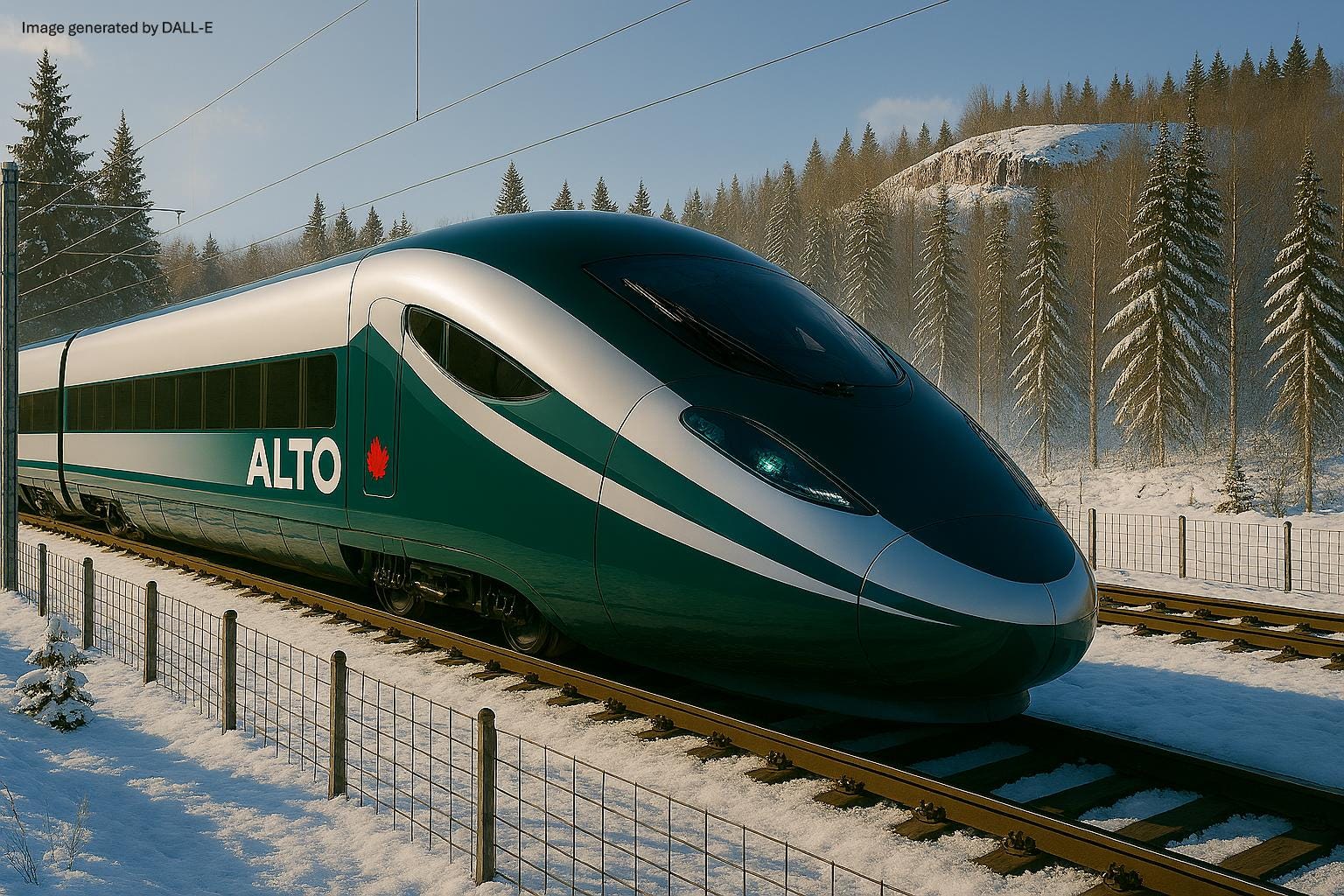
1It looks like high‑speed rail is finally happening in Canada 🇨🇦 - and this time it actually feels real. Demand for fast, reliable intercity travel between Toronto, Ottawa, Montréal, and Québec City has been rising year over year, and ALTO - the new Canadian crown corporation - is aiming to meet that demand as soon as in the mid‑2030s.
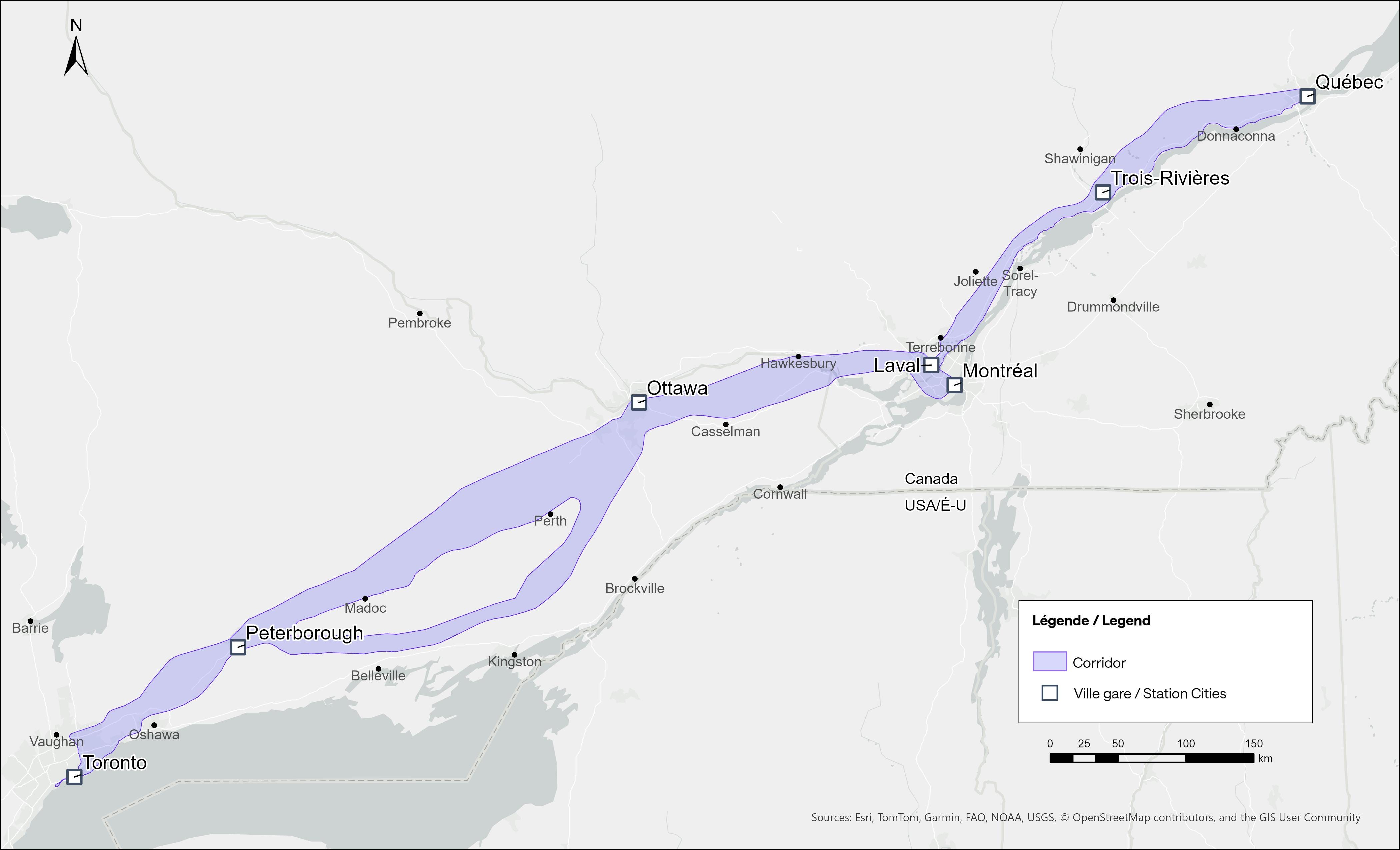
This week, ALTO hosted its public consultations in Ottawa that gave people the chance to ask questions and share comments and suggestions directly with ALTO employees. But there’s also another important feedback channel on ALTO’s website: the interactive map. It outlines the boundaries of the future rail corridor and lets people drop pins at specific locations to leave comments about issues, opportunities, concerns, or ideas tied to that spot.
I decided to analyze the public comments submitted through this map - now more than 1,200 entries - to understand what people are saying and to see whether my own thinking aligns with the broader public sentiment.
Source of comments
ALTO’s publicly browseable website: ALTO’s Interactive Map. Note that this resource is a public feed that allows anonymous users to provide self-selected inputs that should be treated like signals, not a statistical representative survey. To analyze the dataset, I manually copied the comments from the website into a file, parsed it to a clean table, removed duplicates and usernames, and ran a set of AI-powered tools (i.e. M365 Copilot) to extract sentiments and summarize comments. And then I built some simple charts using Google Sheets.
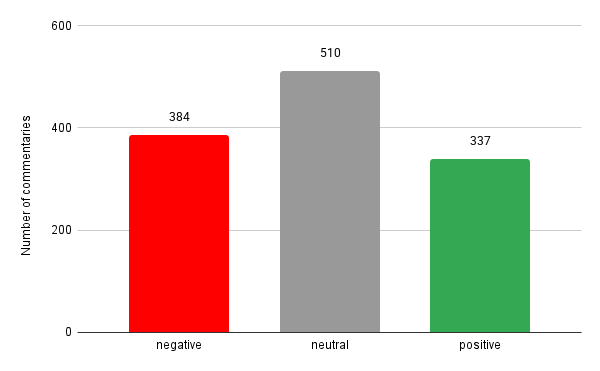
Summary
As of January 24, 2026, there were 1,231 unique comments after duplicates were removed. Overall, the sentiment is 27.4% positive, 41.4% neutral, 31.2% negative. This indicates a slightly negative tilt, but with a large neutral share - typical of issue‑focused public consultations where many contributions are informational or conditional.
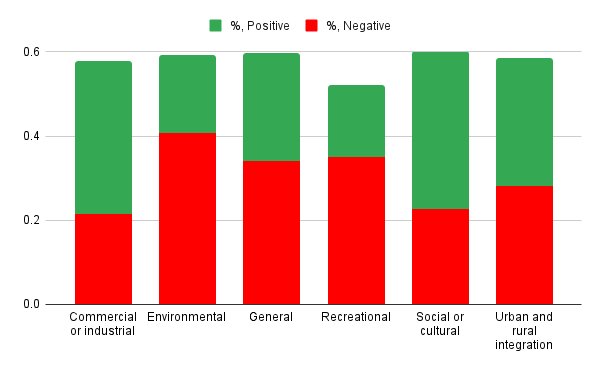
By category, the most negative comments appears in Environmental (≈ 41% negative / 18% positive), reflecting sustained concerns about sensitive habitats, trails, and rural impacts. Commercial/Industrial and Social/Cultural threads are more constructive/positive (≈ 36% and 37% positive, respectively), often proposing station integrations and economic linkages.
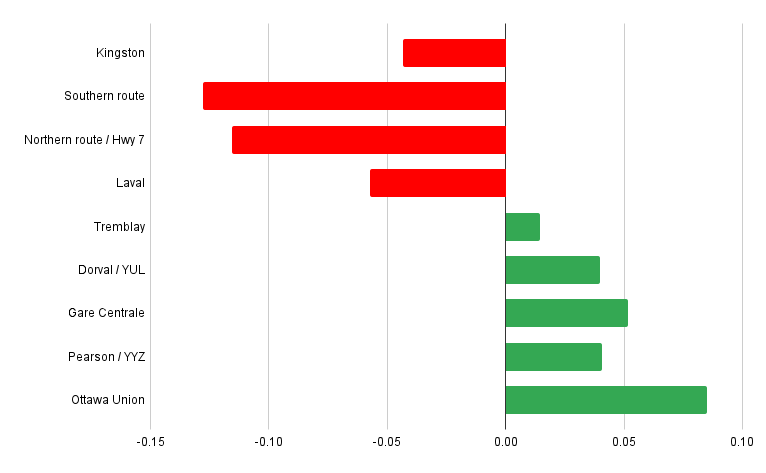
By entity or place, sustained negative sentiment centres on the “Southern route” (56% negative on average) and, to a lesser extent, the “Northern route/Hwy 7” (50% negative on average). Downtown station integrations (e.g., Gare Centrale, Dorval/YUL, Pearson/YYZ, Ottawa Union) are net positive that reflects enthusiasm for intermodal, central hubs. Kingston is heavily discussed but mixed (36% negative, 32% positive) - debate circle around wanting a Kingston stop vs. concerns about detours and environmental costs.
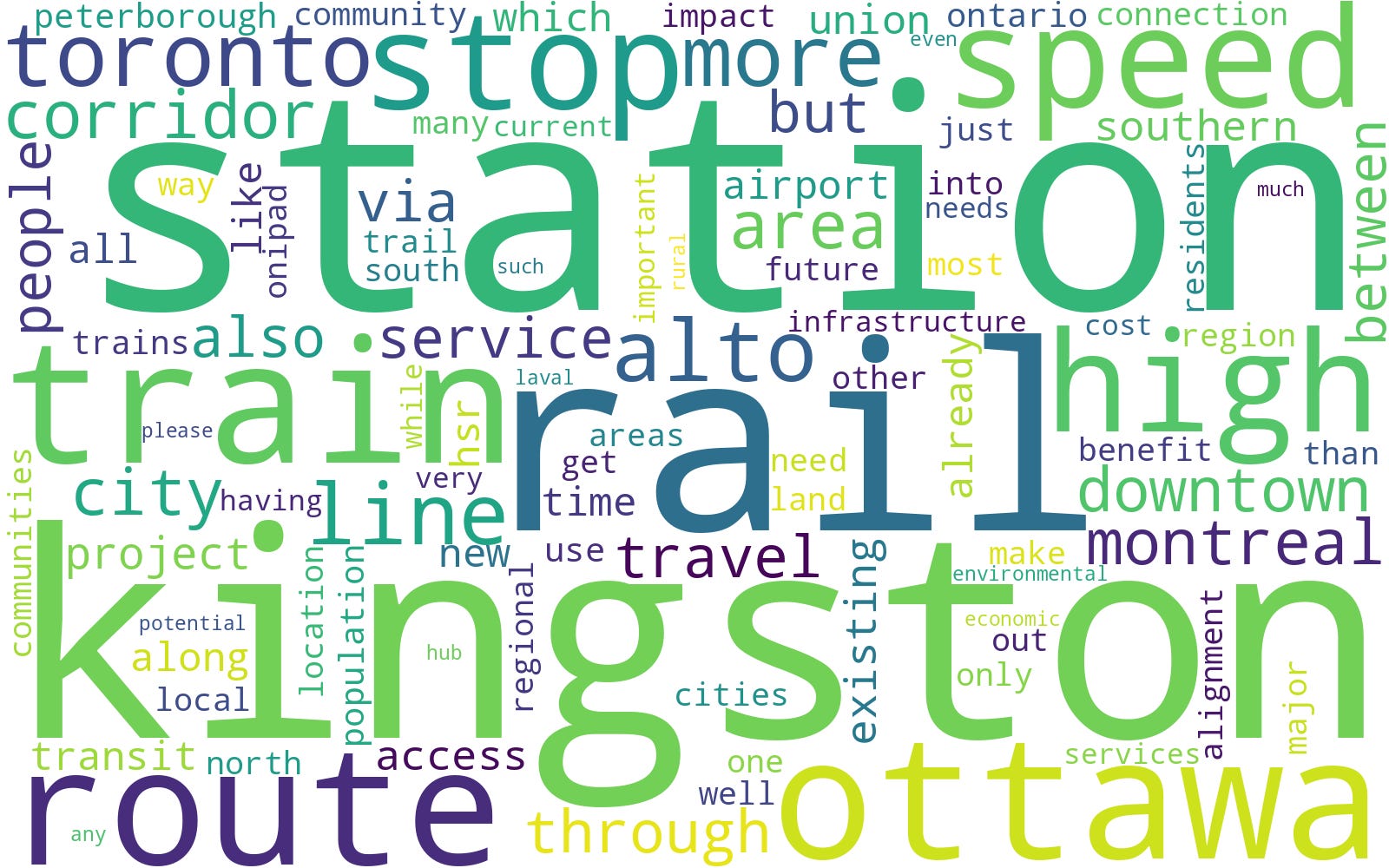
Dominant unigrams (i.e. single words) include: station, Kingston, rail, Ottawa, route, speed, stop, corridor, Toronto, pretty much mirroring what we saw on the previous chart.
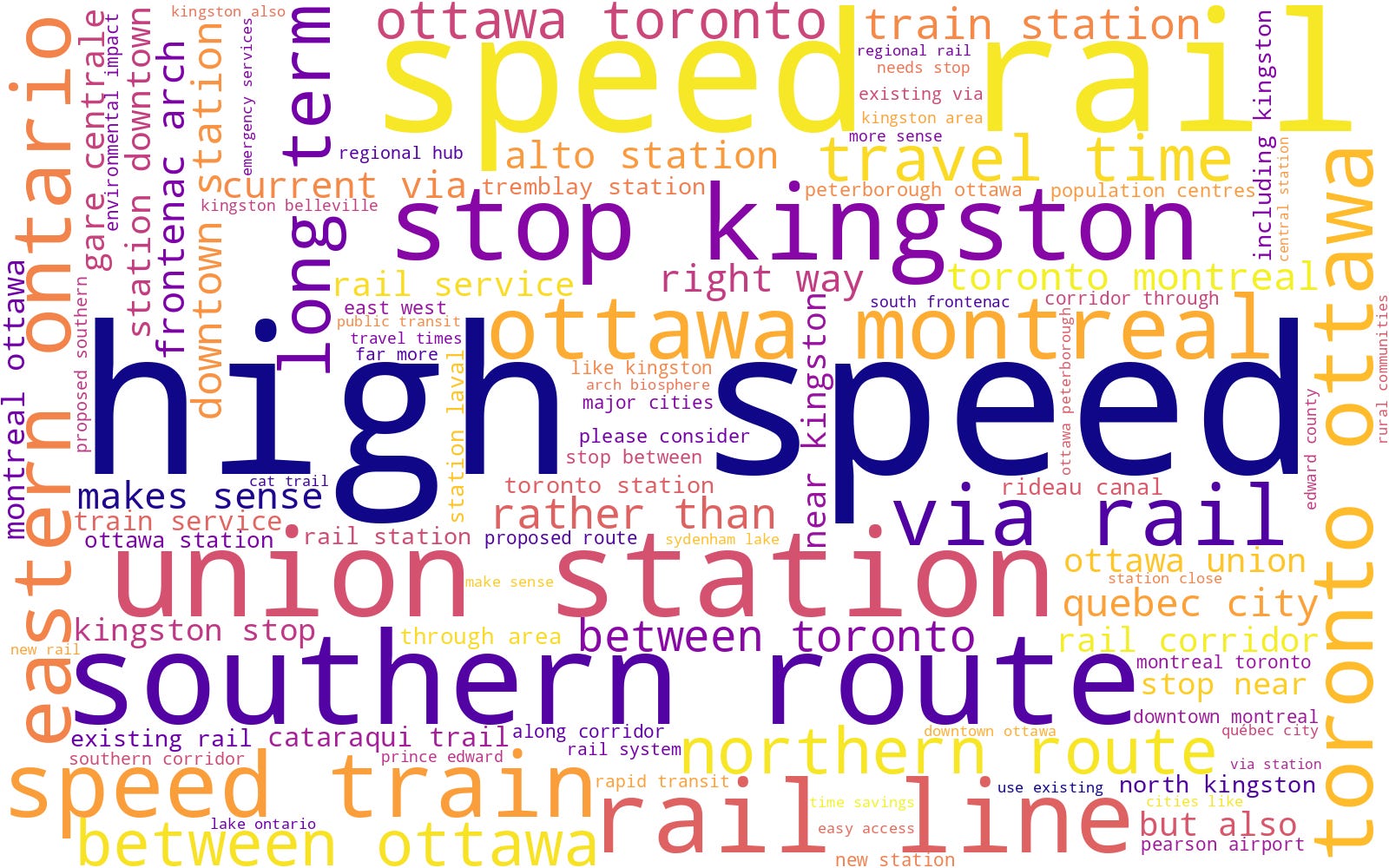
Dominant bigrams (i.e. pairs of consecutive words) include: high speed, speed rail, southern route, union station, stop Kingston, Ottawa Montreal, Toronto Ottawa, VIA Rail, which is not suprising as these cover the core debates.
Top Sentiments
People are aligned on the type of stations that work: central, connected, intermodal. When comments mention Union Station in Toronto, Gare Centrale in Montréal, a former Union Station in Ottawa (now the Senate building), and airport links - YUL (Dorval), YOW (Ottawa), YYZ (Pearson), sentiment is net positive. The public clearly wants easy and quick transfers to the existing metro systems, such as Montréal Metro, REM, and EXO, Ottawa’s O-Train, and Toronto’s GO and TTC as well as their respective airport connections. These are perceived as nation‑building choices that maximize ridership and convenience.
The corridor choice is the most polarizing topic, especially the Southern route between Ottawa and Toronto. “Southern route” comments are majority negative, driven by environmental concerns over Frontenac Arch (a UNESCO’s Biosphere Reserve) and other conservation areas. People are against a disruption without local benefit when no stop in the area is planned. Even “Northern route / Highway 7” draws criticism (speed vs. access), but the negative intensity is stronger on the Southern option.
“Include Kingston” is high‑energy topic, but highly conflicted. While the volume and passion are high, sentiment is mixed because supporters argue that Kingston will have decent ridership and deserves equity, while opponents cite a detour will penalize speed or urge upgrades to the existing VIA corridor instead.
Environmental comments are the most negative - and specific. Environmental threads concentrate on a UNESCO’s Biosphere Reserve Frontenac Arch, wetlands, endangered species (snakes, turtles), recreational trails, and farmland fragmentation - with concrete mitigation asks like wildlife over- and underpasses, trail replacement, grade separations, and wide right of ways to avoid future conflict. The message is clear: if the corridor touches sensitive natural areas, mitigation must be timely and visible.
My Opinion
Below is my position on key ALTO’s points of contention which I also compared with the available public comments.
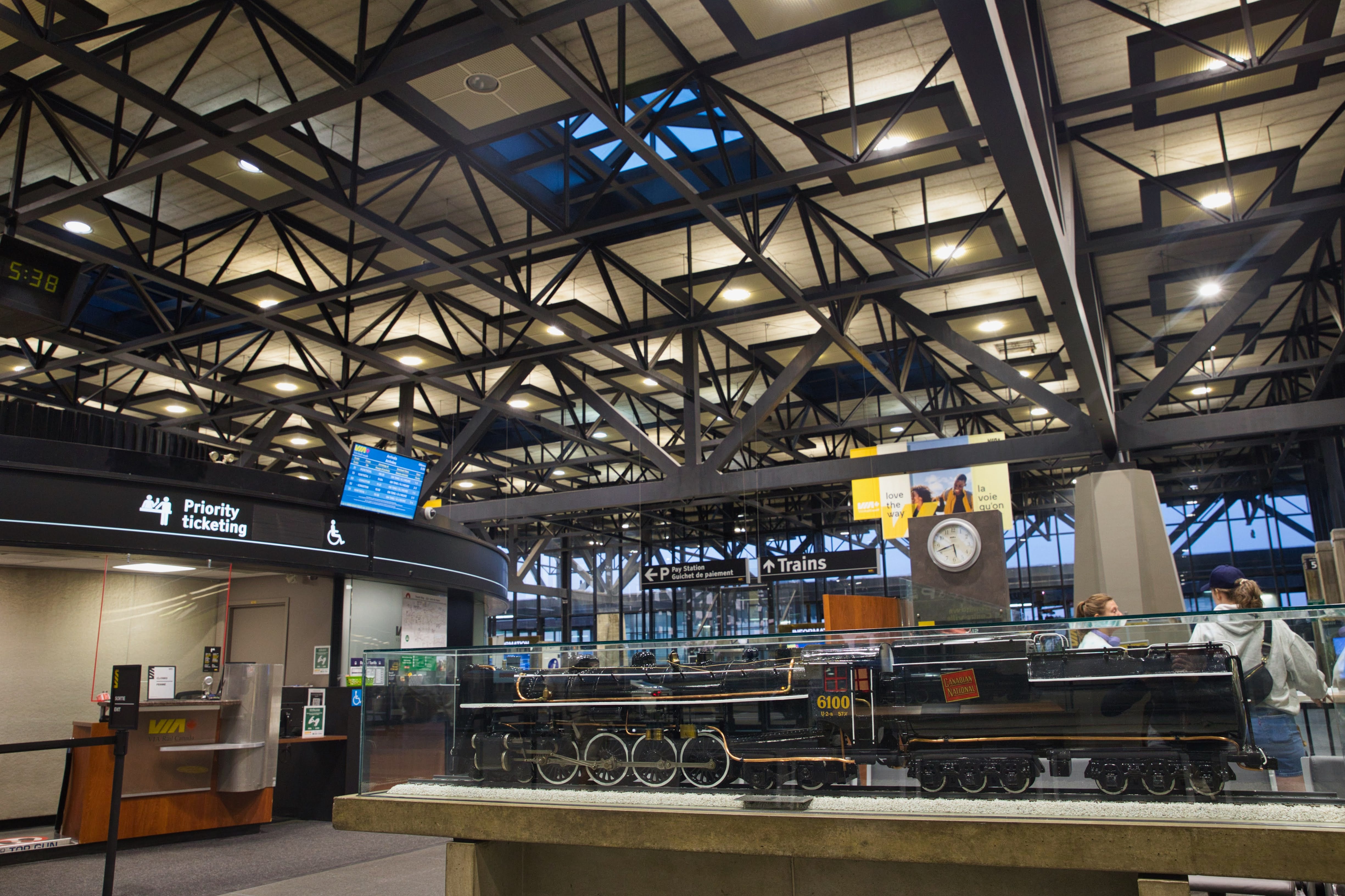
Use the existing Tremblay station in Ottawa instead of building a costly downtown right‑of‑way.
Tremblay should be kept as Ottawa’s high-speed train station. It already has an O‑Train connection that brings riders downtown in about 10 minutes. Building a new downtown tunnel or right‑of‑way would significantly increase cost and construction risk for limited additional accessibility benefit.
Does public sentiment support this? No, many more people support Ottawa Union Station as opposed to Tremblay Station. Especially, if votes on comments were taken into account (they were not).
Data analysis shows more explicit public support for Ottawa Union Station downtown than for Tremblay based on clear positive sentiments matches in comments. Many comments explicitly oppose Tremblay, flagging it as “too suburban”, serving east and south ends, and lacking weather‑protected transfer quality.
Choose the shorter Northern / Highway 7 alignment between Ottawa and Peterborough and avoid Kingston and the Southern route due to environmental impact.
Since Peterborough is already committed to have a station, the Northern / Highway 7 corridor is the natural fit: shorter, straighter, and far less environmentally disruptive than crossing the Frontenac Arch and other protected natural corridors. Skipping Kingston is consistent with this logic.
Does public sentiment support this? Yes - strongly for avoiding the Southern route. Mixed for skipping Kingston.
“Oppose Southern route” is one of the strongest arguments in the comments, with significantly higher counts than “Support Southern route,” reflecting public worry about environmental harms.

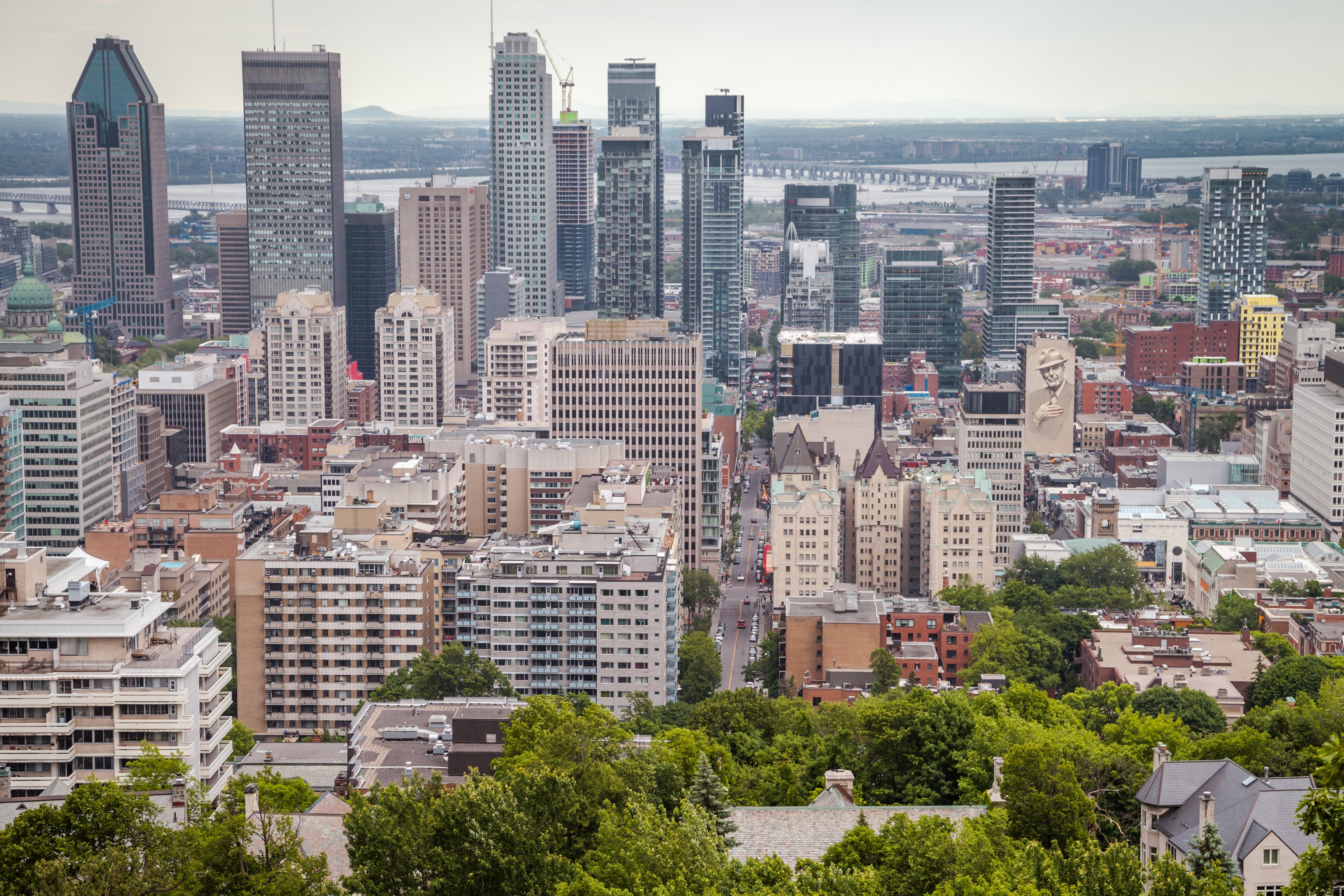
Dig a tunnel under Mount Royal to reach downtown Montréal (Gare Centrale).
High-speed rail will not succeed without direct access to downtown Montréal. Gare Centrale is the only station that guarantees high ridership, connectivity to REM/Metro, and national rail network coherence. Therefore, a tunnel under Mount Royal is justified.
Does public sentiment support this? Yes, very clearly.
Sentiment for Gare Centrale is strongly positive, the most positive of major entities.
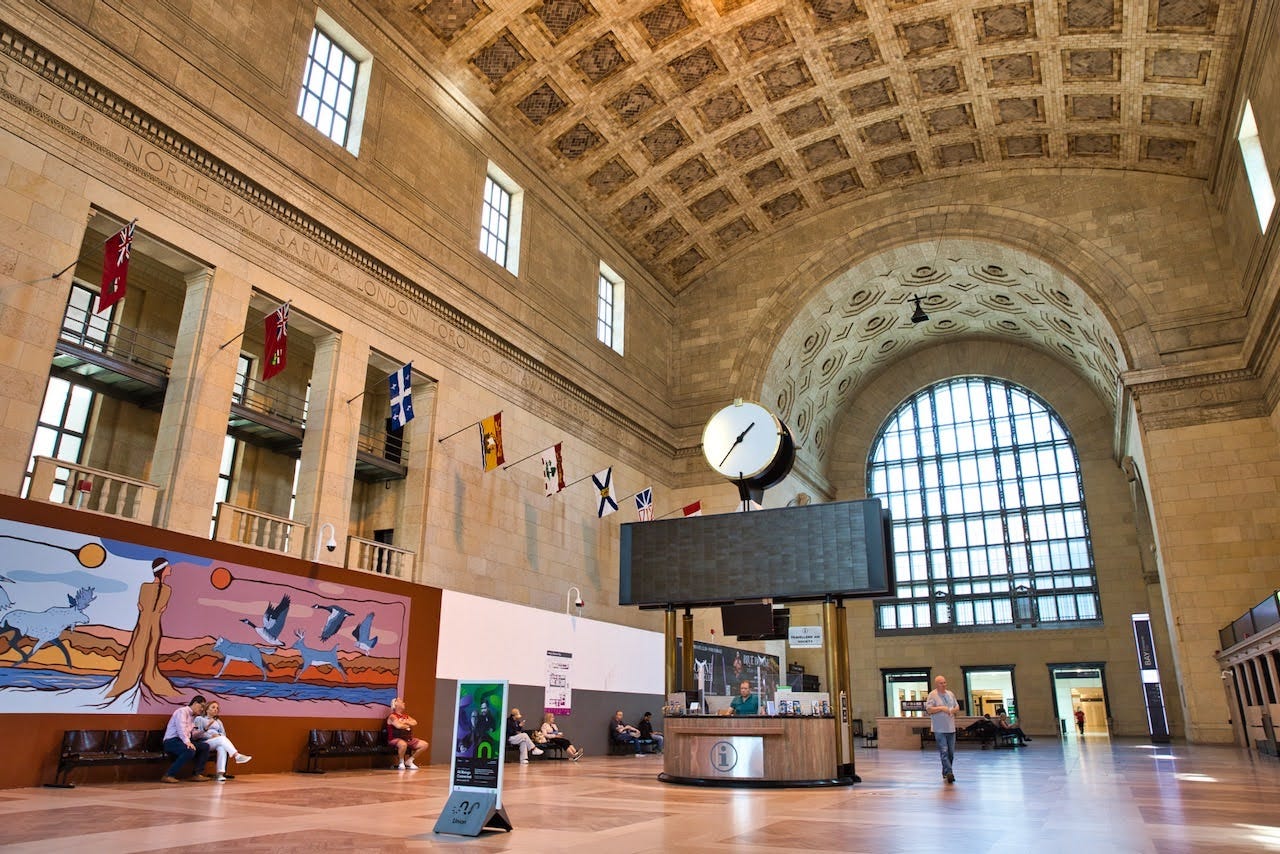
Terminate the line at Toronto Union Station, no need for tunneling.
The ALTO line should definitely terminate at Union Station. GO’s new Exhibition and East Harbour stations will offload a significant volume of passengers from the existing GO train network and create space for two dedicated high-speed rail tracks. So there is no need for additional tunnel excavation, which will save lots of money and time.
Does public sentiment support this? Yes.
Union Station is the preferred Toronto terminus and there is no broad public demand for alternative terminal alignments.
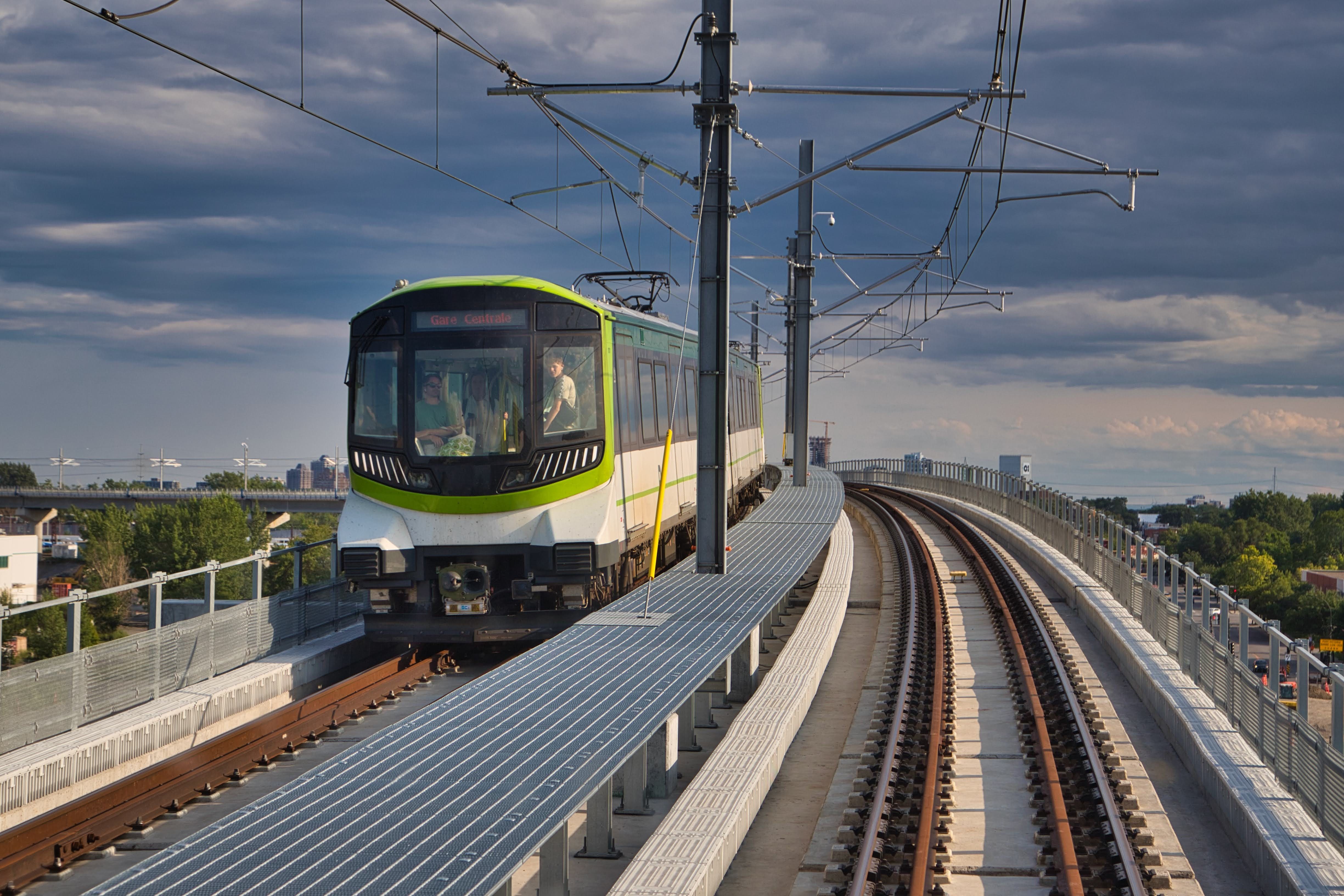
No need to connect the airports YUL, YOW, or YYZ directly - metro links already exist (or will exist soon).
Airport‑direct high-speed rail alignments add cost, curves, and complexity while offering minimal benefit in a corridor where downtown travel dominates. Since Montréal (YUL), Toronto (YYZ), and Ottawa (YOW) have or will soon have metro links, a direct ALTO stop is unnecessary.
Does public sentiment support this? Partially - more interest in airport links than my position suggests.
Data analysis shows some explicit public support for YYZ and YUL connections. Sentiment on airport‑related entities is mildly positive, not negative.
Conclusion
With public consultations continuing in cities along the proposed corridor until March 2026, the next major step will be the start of the formal planning phase. My hope is that all of the public feedback already gathered - and the thousands of comments still coming - will inform the decisions ahead and guide ALTO toward the best possible alignment and station choices. I’m genuinely excited about this project. It’s long overdue: Canada remains the only G7 country without a true high‑speed rail network, and the demand between Toronto, Ottawa, Montréal, and Québec City has never been clearer. If ALTO delivers on its vision and stays on track for a mid‑2030s launch, this could finally be the transformative, nation‑shaping rail project Canada has waited decades for.
This is genuinely interesting—I hadn't heard about ALTO until reading this piece. You did an excellent job analyzing the issue, though if Toronto's Eglinton LRT has taught me anything, it's that we might be waiting another 20 years before any of this materializes. That said, this was a great analysis and I thoroughly enjoyed reading your piece.
Great news, and, I think it’s long overdue to have such high speed connection. Author’s conclusions make perfect sense. I hope this project will come to fruition soon!