
I can definitely say quite a few nice things about Nashville’s only commuter train, the WeGo Star, because I’m a train buff and all trains are awesome by definition. But if I’m honest, the train’s name says it all: it was planned to be a “star”, a network of seven rail lines radiating from downtown Nashville. Instead, there is only one commuter line, built over 20 years ago, with no meaningful service expansion on the horizon.
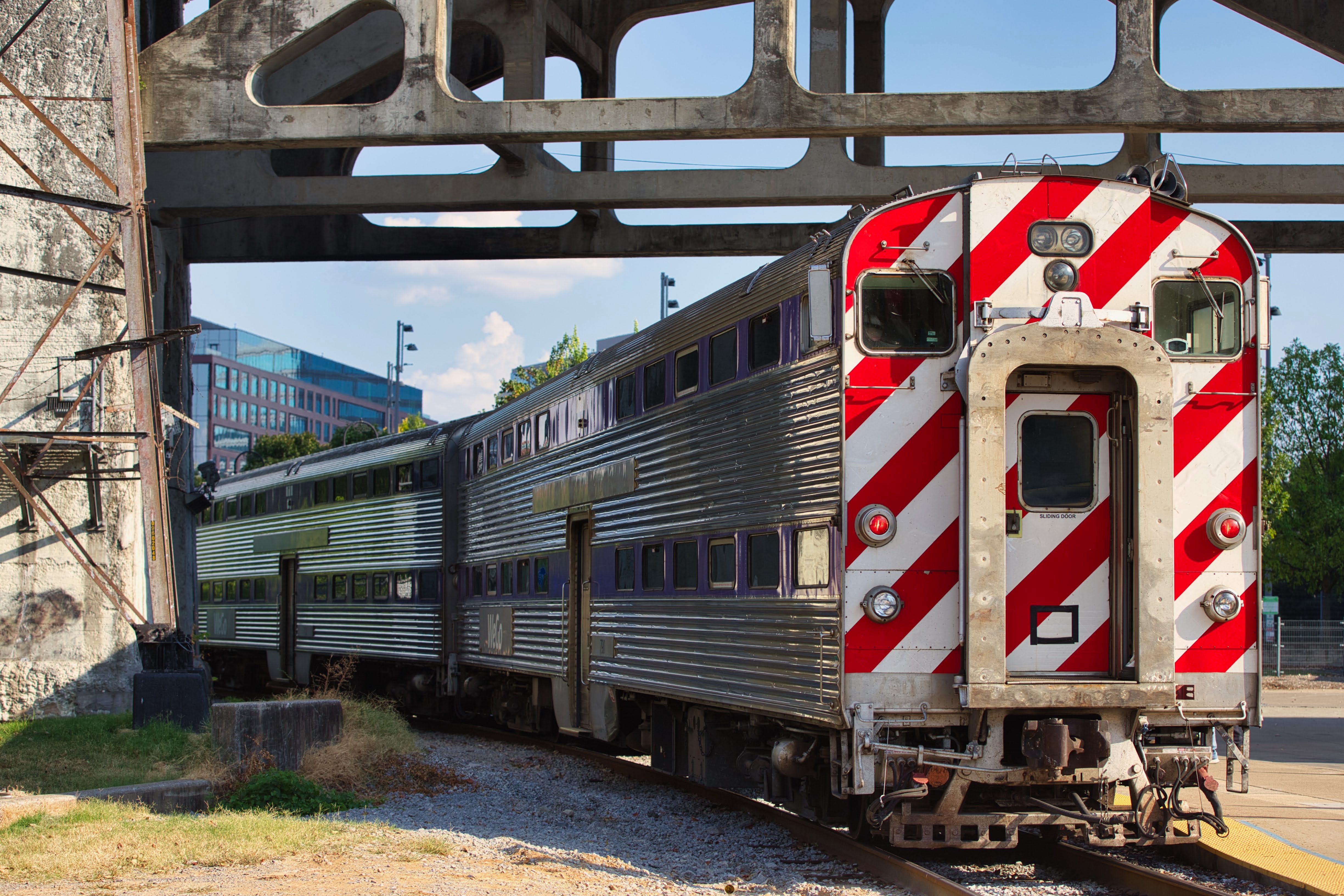
Those whose glass is always half full can argue that the name also originates from Nashville being the music capital of the United States, with many country music “stars” jump-starting their careers in this city (think Taylor Swift, Dolly Parton, Johnny Cash). That’s fair, but it still doesn’t make train service in Nashville any better.
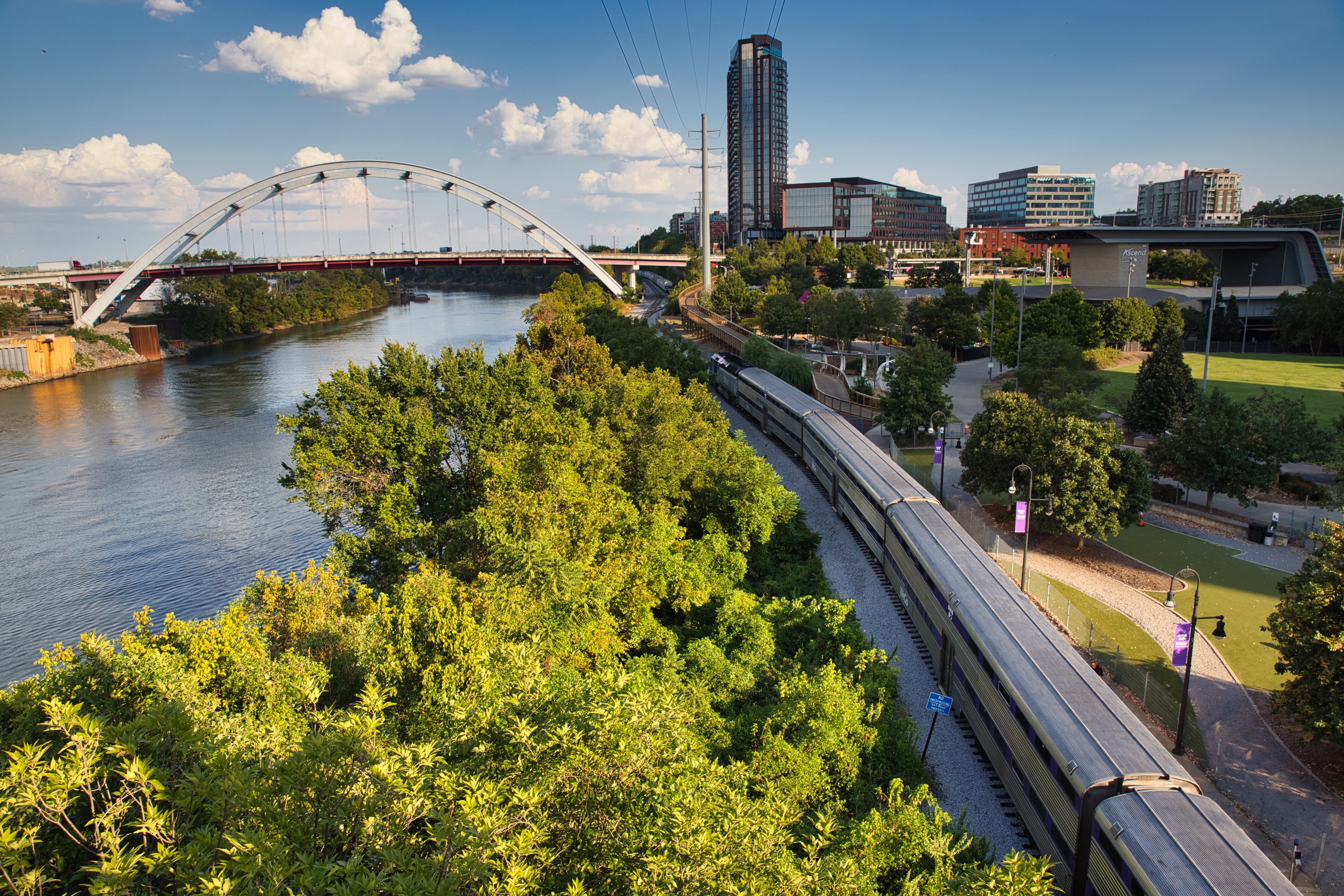
If, like me, you were wondering why the WeGo Star goes to Lebanon rather than Murfreesboro, Franklin, or other more populated suburbs of Nashville, the answer is simple: it was easier and cheaper to connect Nashville with Lebanon through the existing and much less busy RJ Corman short line railroad than it was to negotiate with CSX, which owns most of the other railroad branches radiating from Nashville.
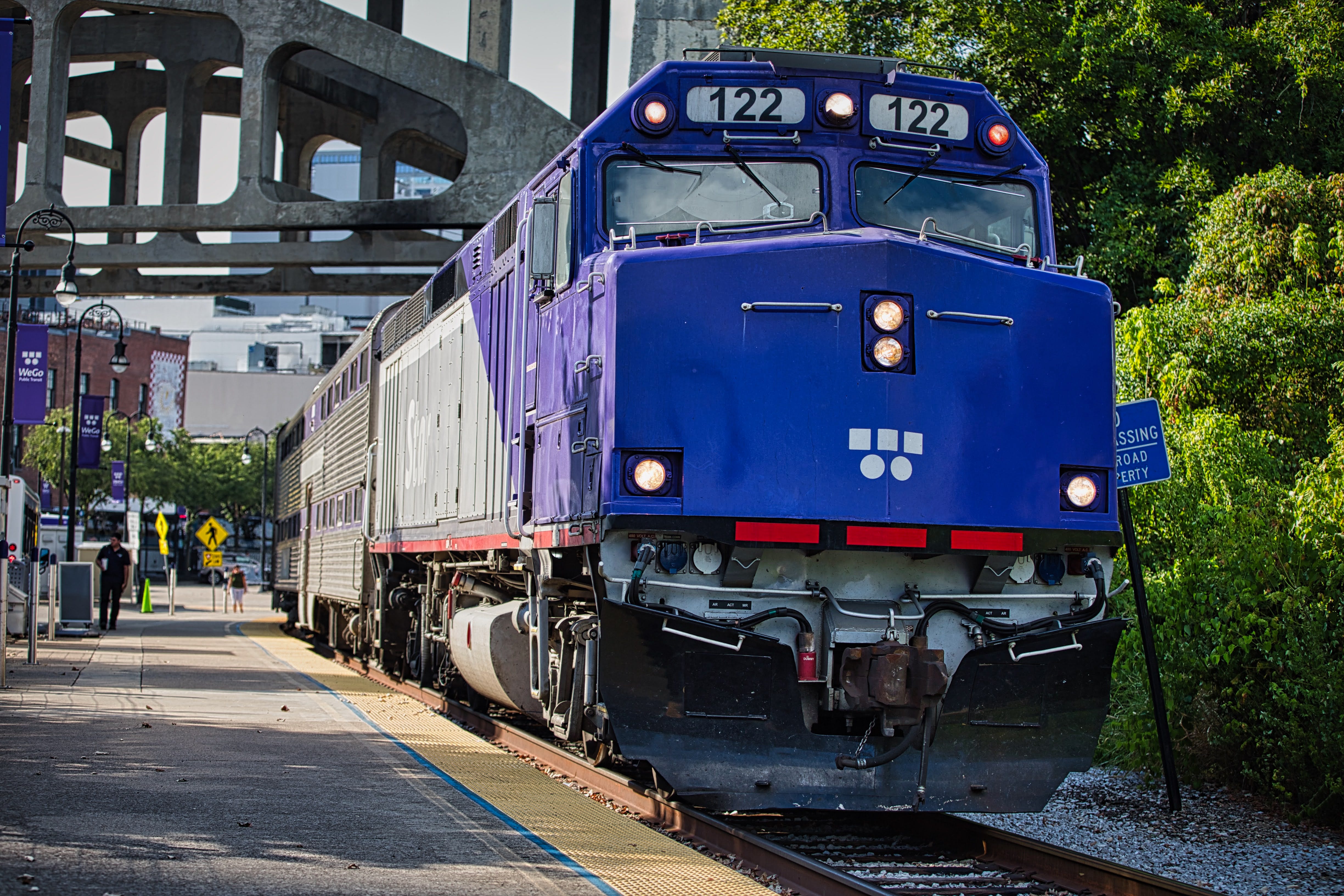
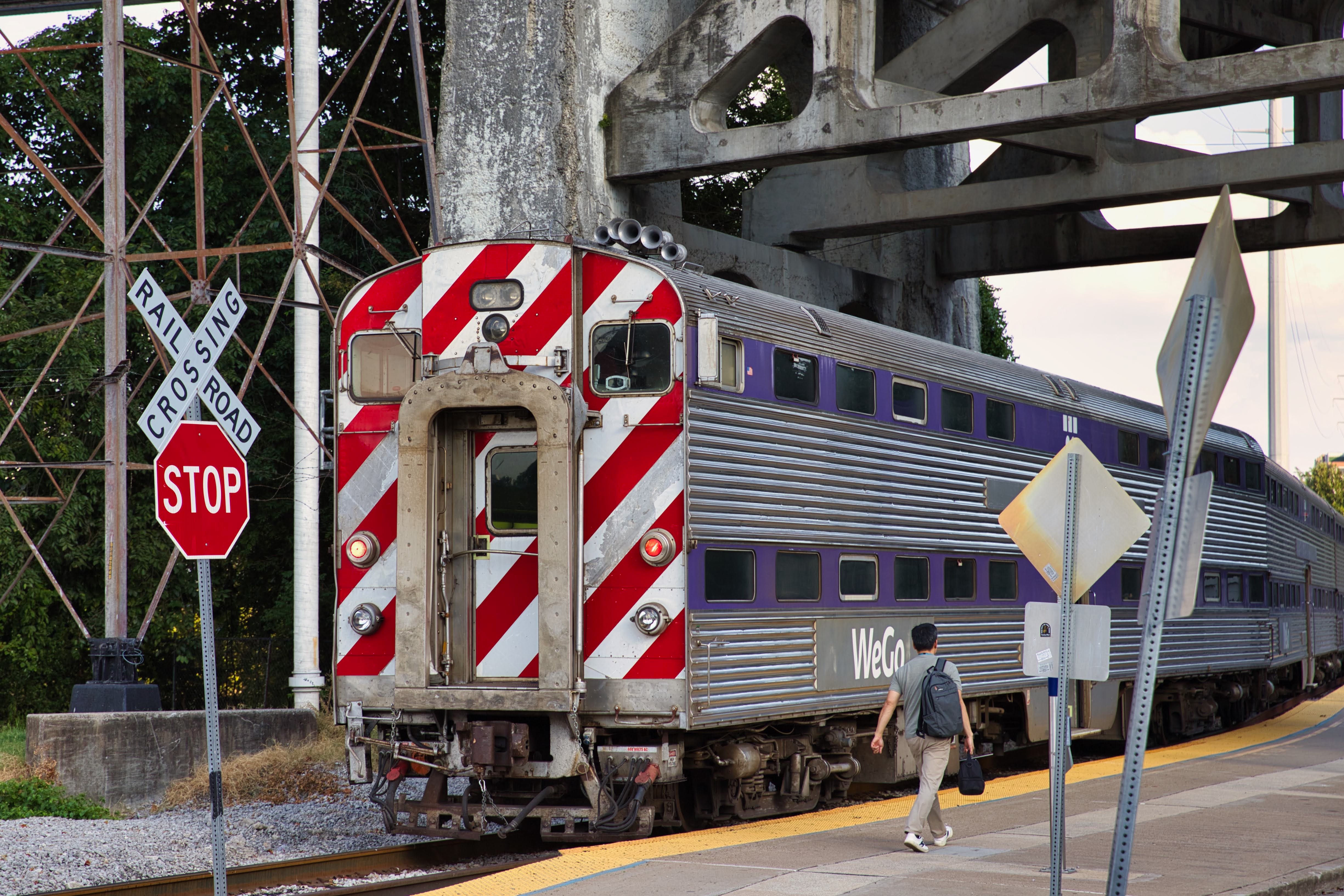
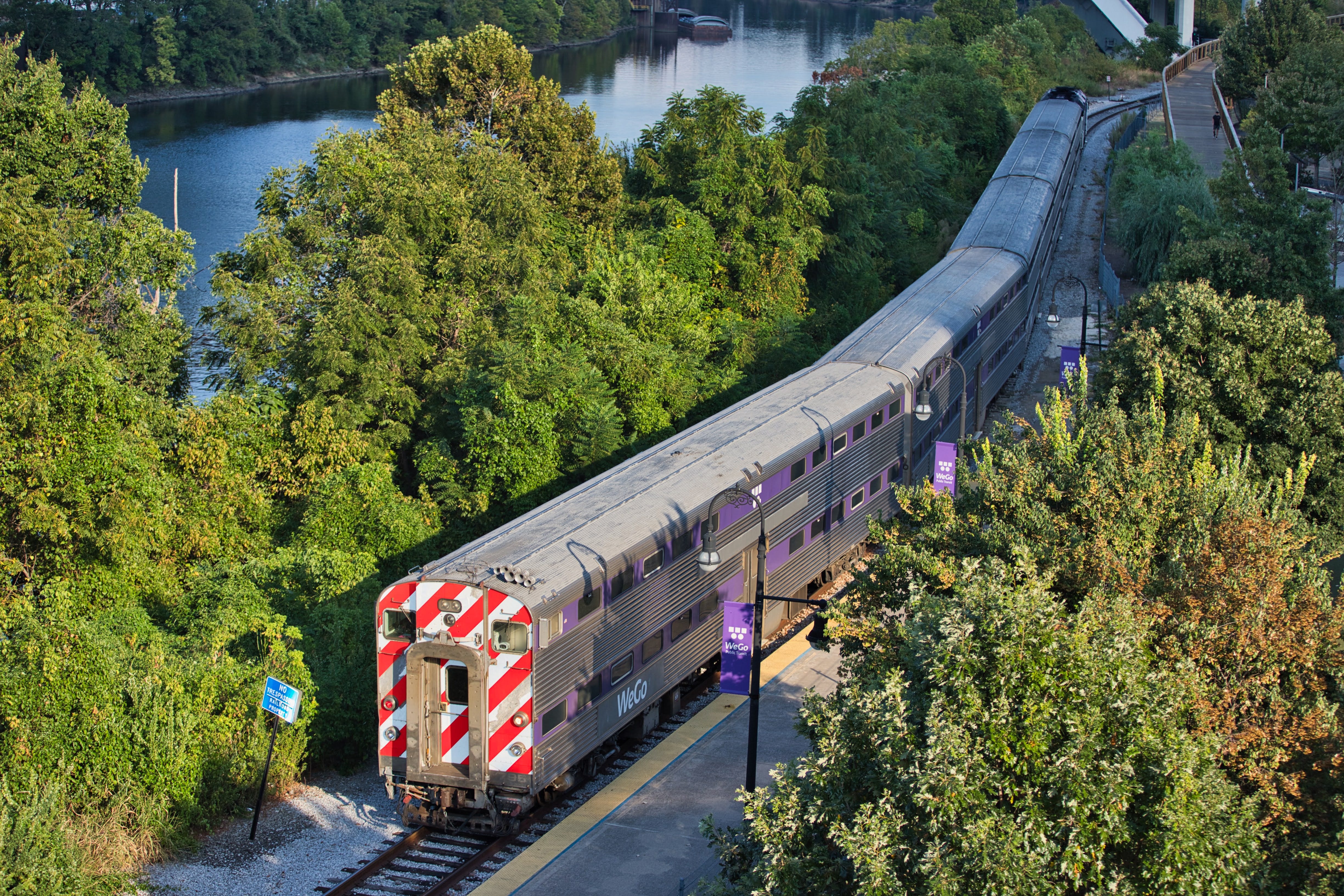
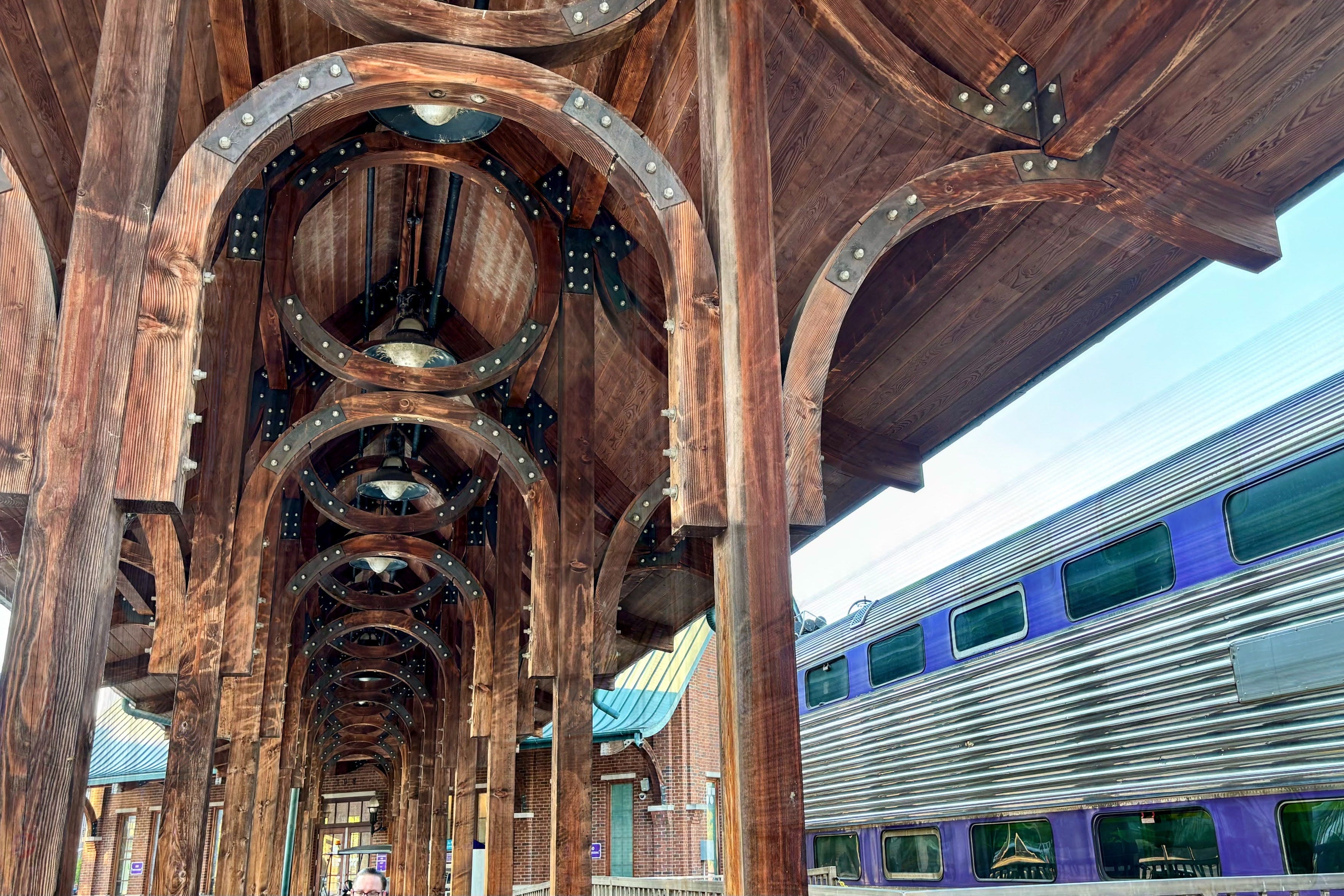
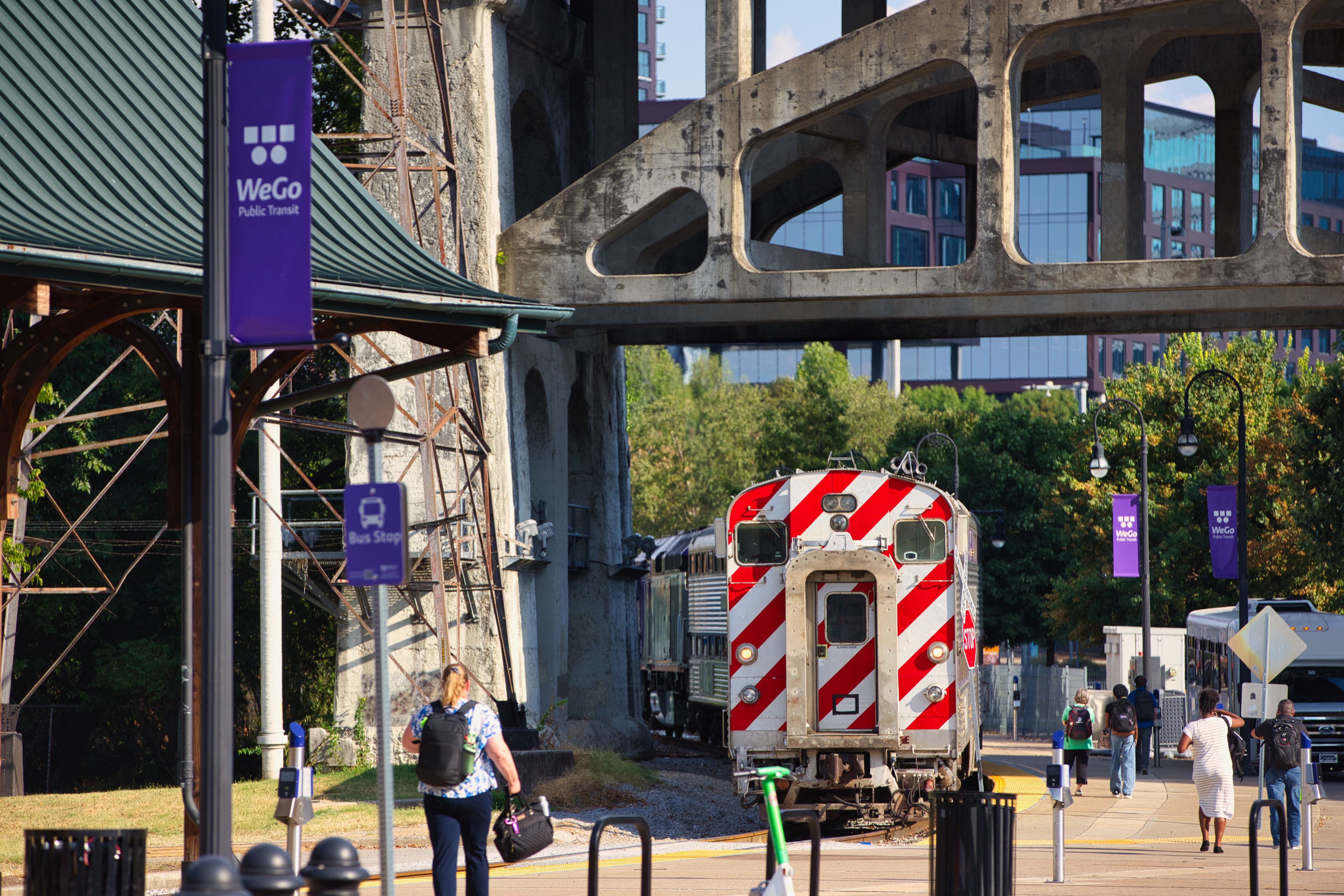
The rolling stock was also purchased second-hand, with locomotives coming from Amtrak and old-school gallery cars from Chicago’s METRA built in the 1950s and 1960s. The platforms are equally unpretentious but functional, with small shelters installed at each of the stops. The objective was to prove value for as little money as possible so the system could later be expanded based on the success of this prototype. After all, let’s agree that building a 51-km / 32-mile line for a price tag of only $39 million is quite remarkable.
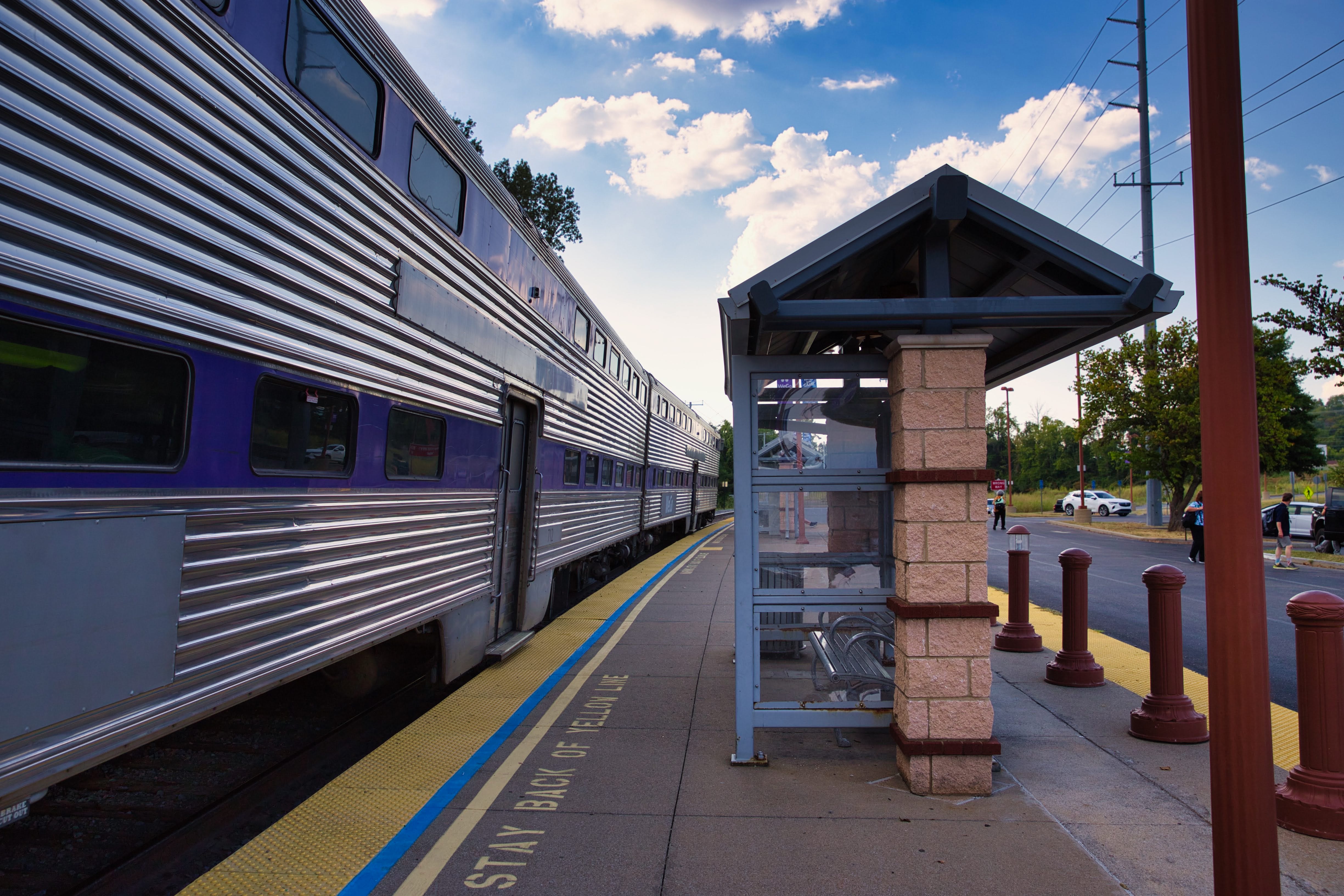
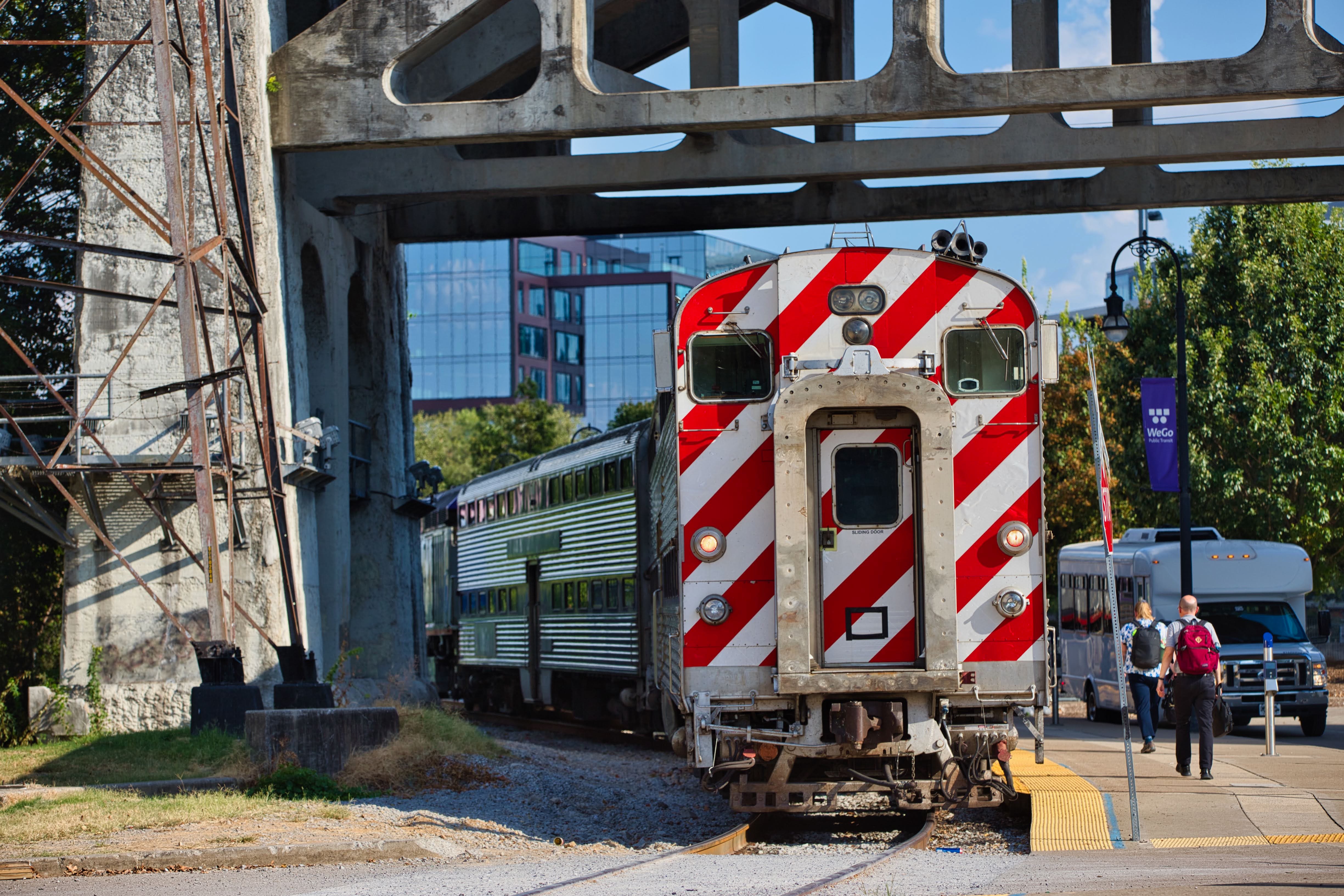
Unfortunately, the service has never expanded beyond its original pilot. The projected ridership of 1,500 passengers per day has never materialized, not before the COVID pandemic and certainly not since. Local politicians are quick to blame Nashville’s people love to drive, but the truth is that nobody enjoys sitting in traffic. I’m certain people would gladly take a train if the service were frequent enough.
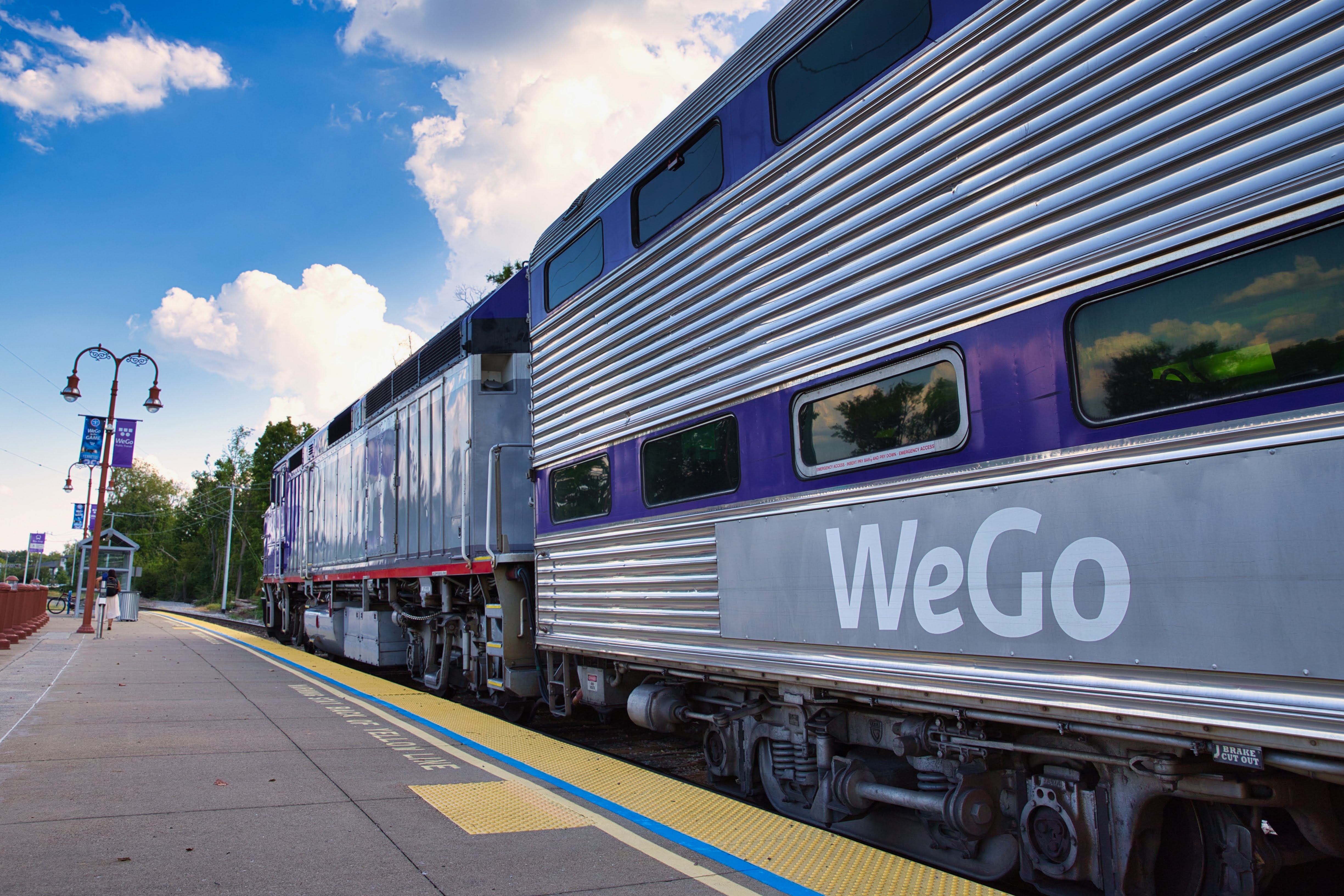
I witnessed first-hand how bad traffic in Nashville can be when I took a taxi from the airport, and the fact that this 2.2-million person metropolis keeps expanding suggests that things are only going to get worse.

Right now, the WeGo Star offers three morning and three afternoon departures each weekday. But because only two train sets are in service at any given day, the railroad does a little trick: only two departures go all the way to Lebanon, while one terminates halfway at Mt. Juliet. And the same in reverse.
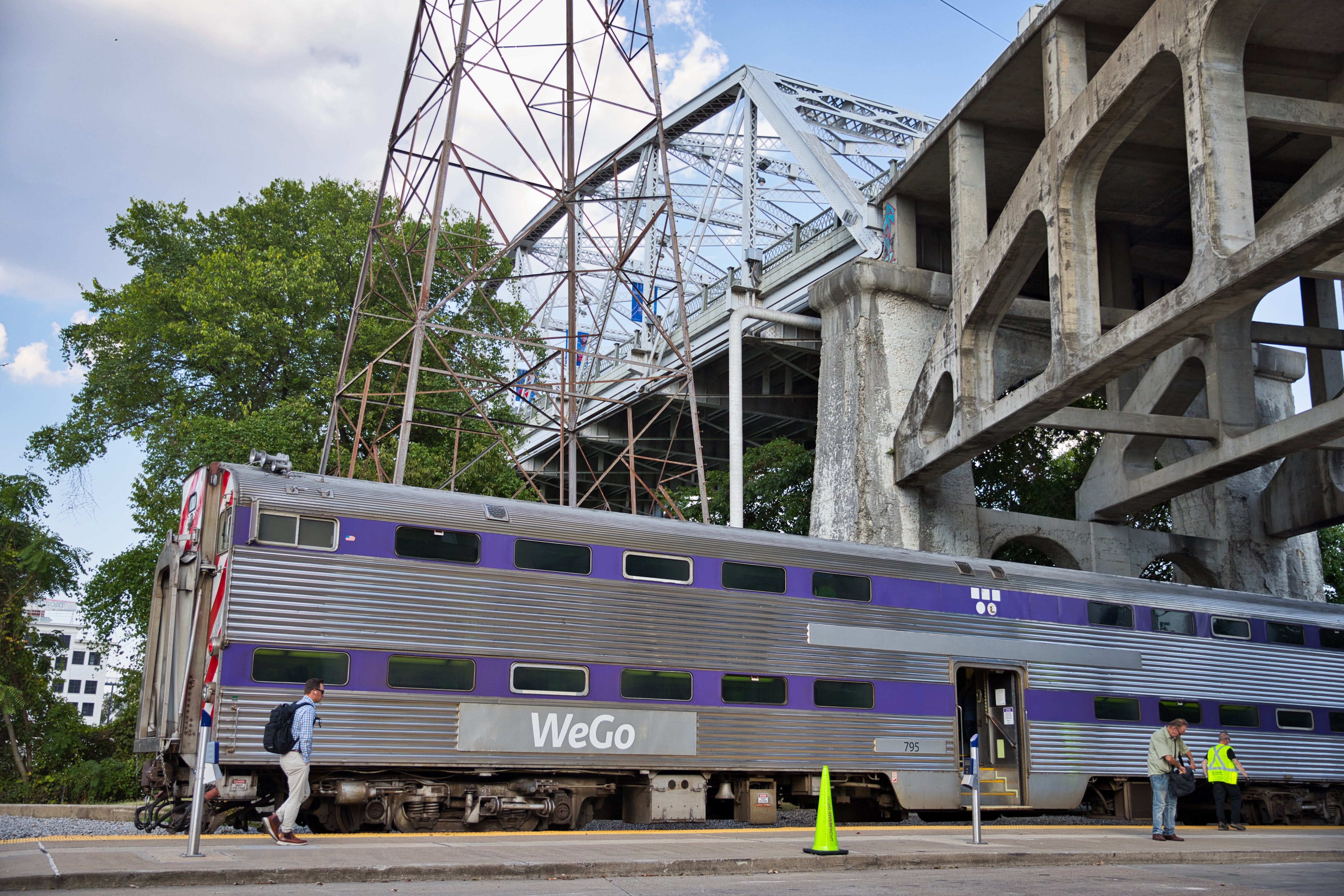
Let’s see how likely you would be to take the train to work if you lived in Lebanon. You essentially have two morning trains: 5:40 am and 6:35 am. But what if your workday starts at 9 am? Or what if you have an appointment and need to arrive later? Your only option is to drive. Likewise, if you miss the last train of the day, which departs Nashville at 5:55 pm, because you stayed for a social event with colleagues after work, good luck getting home.
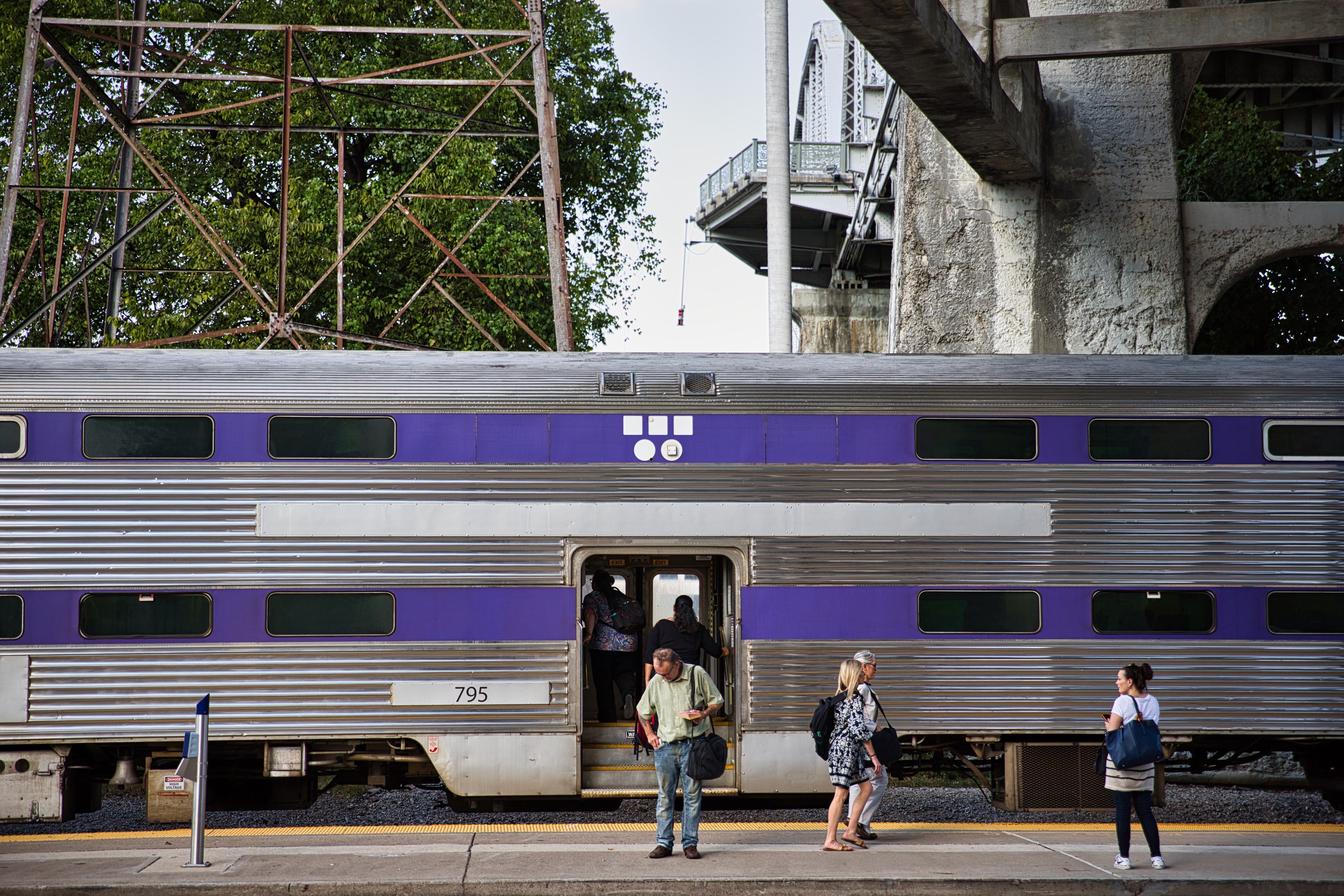
This short-sightedness among local politicians, who consistently fail to learn from best practices elsewhere in the world, is the main reason this train will probably remain a pilot project with little hope for expansion, as it has for the past two decades. The few people who do ride the train do not help the situation either, because politicians quickly point to low ridership and label the service as a waste of money. Yet it is commonly known that “if you build it, they will come.” People would use this train if the service were frequent, flexible, and reliable.
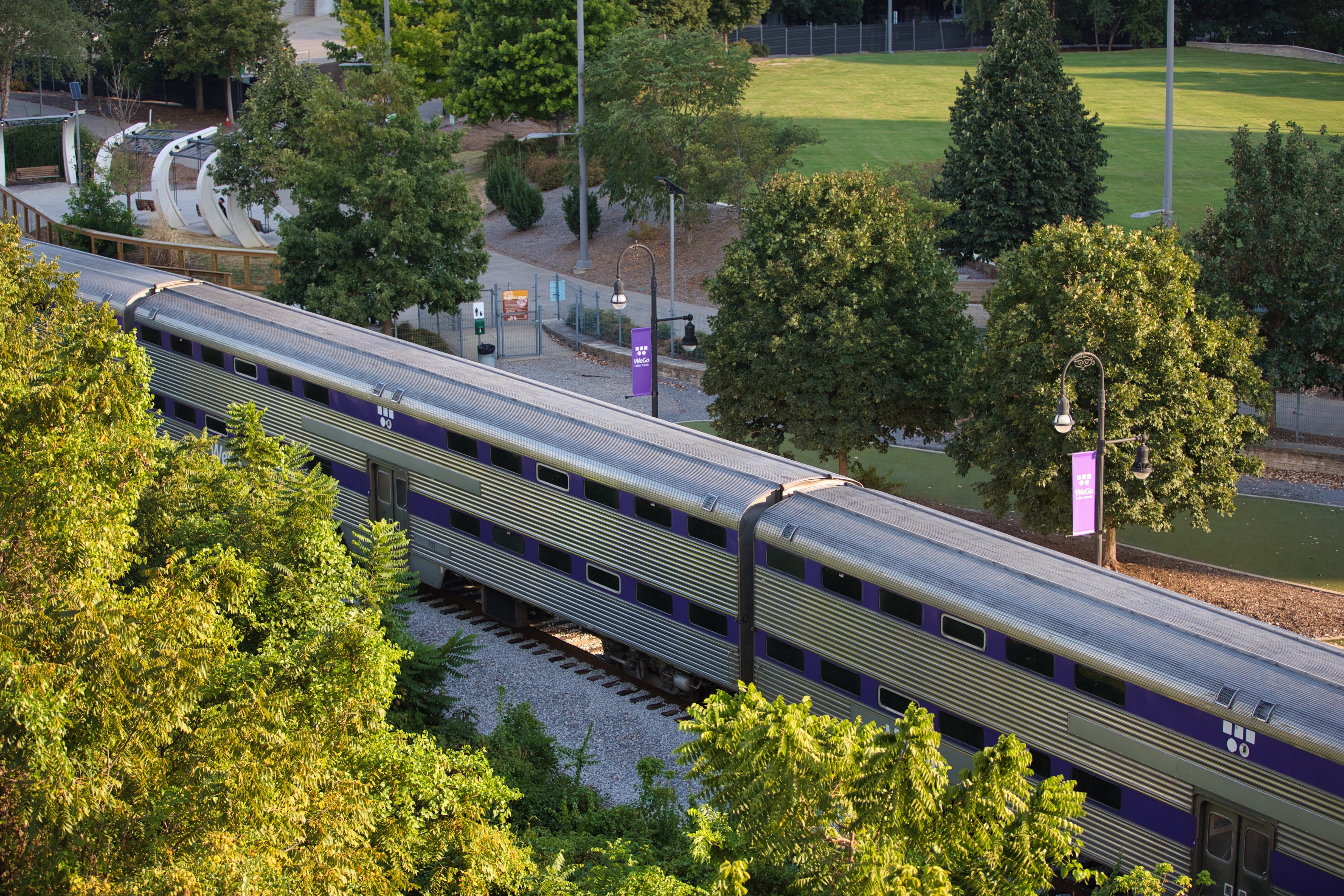
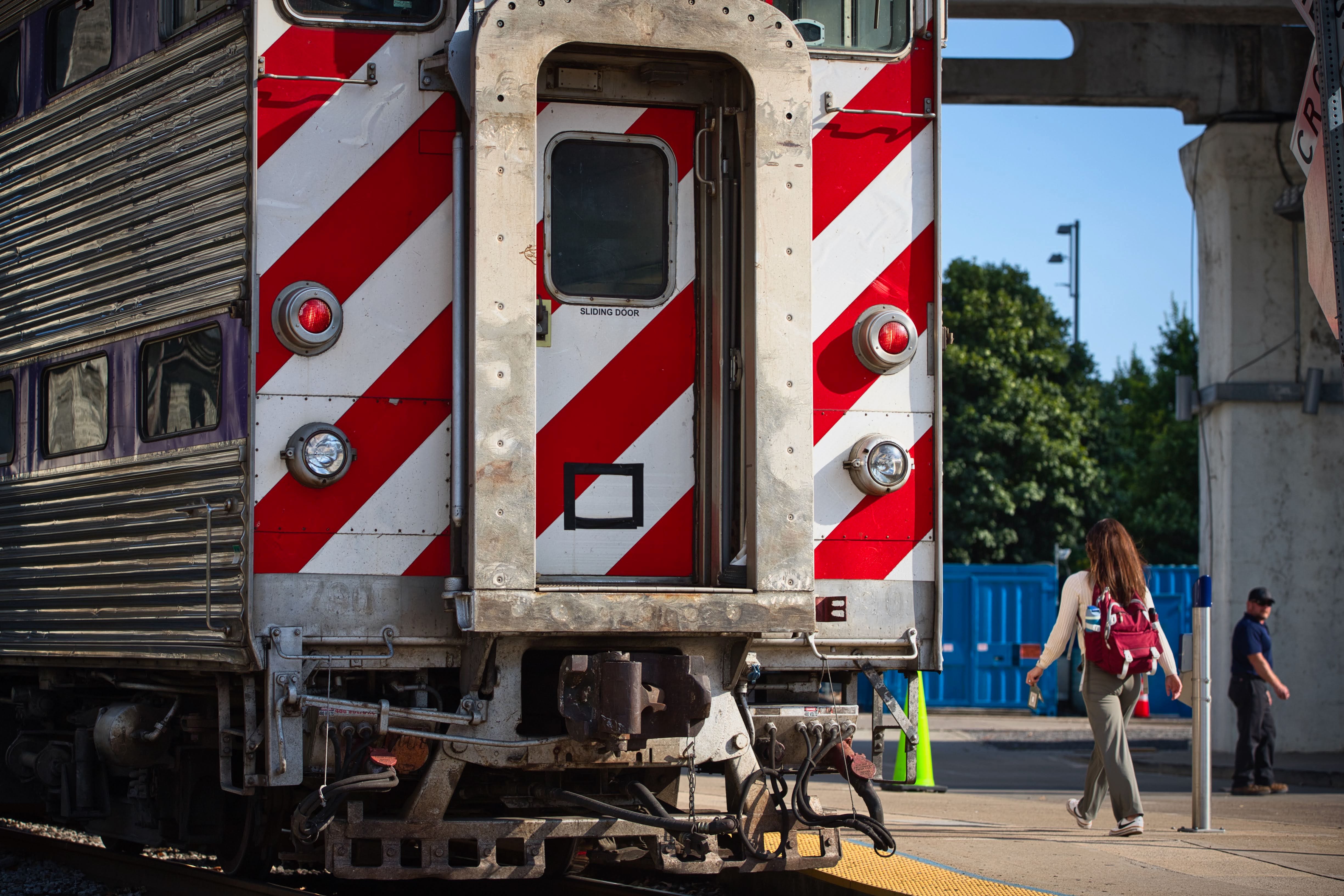
One of the biggest challenges with current commuter rail pattern is that these trains are essentially parking-lot shuttles. They serve only people who work downtown on weekdays, instead of moving people around the region throughout the day, every day, including weekends.
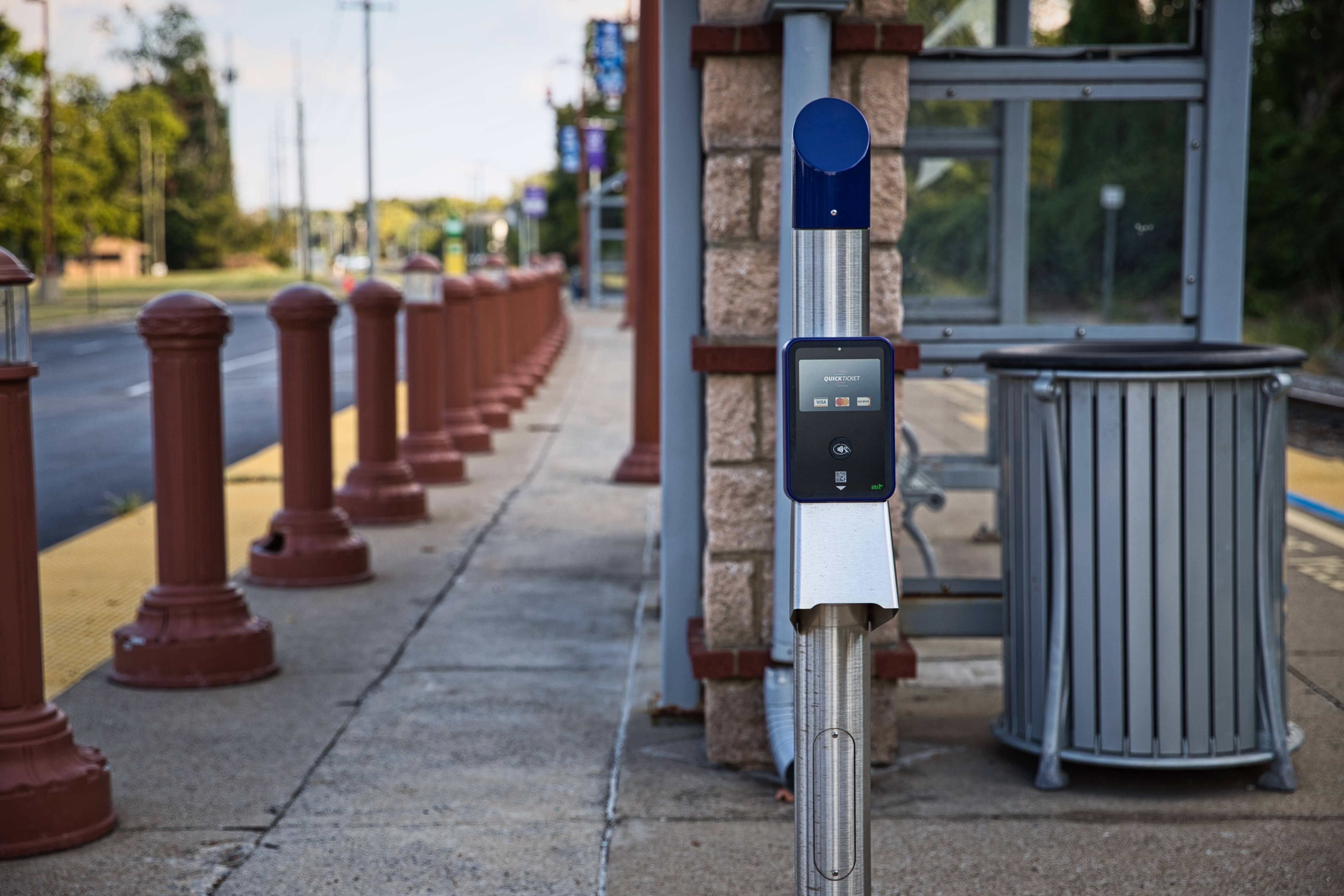
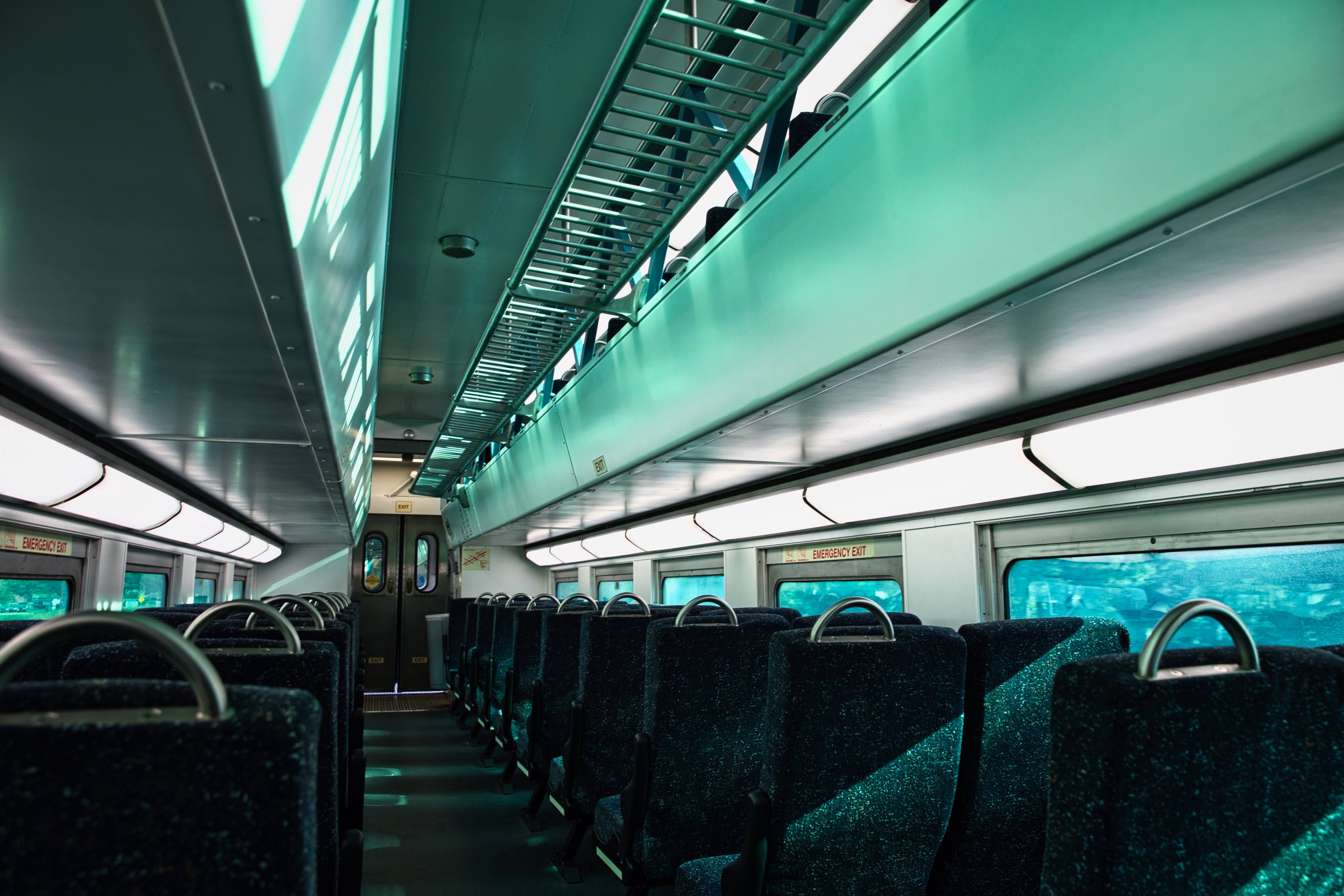
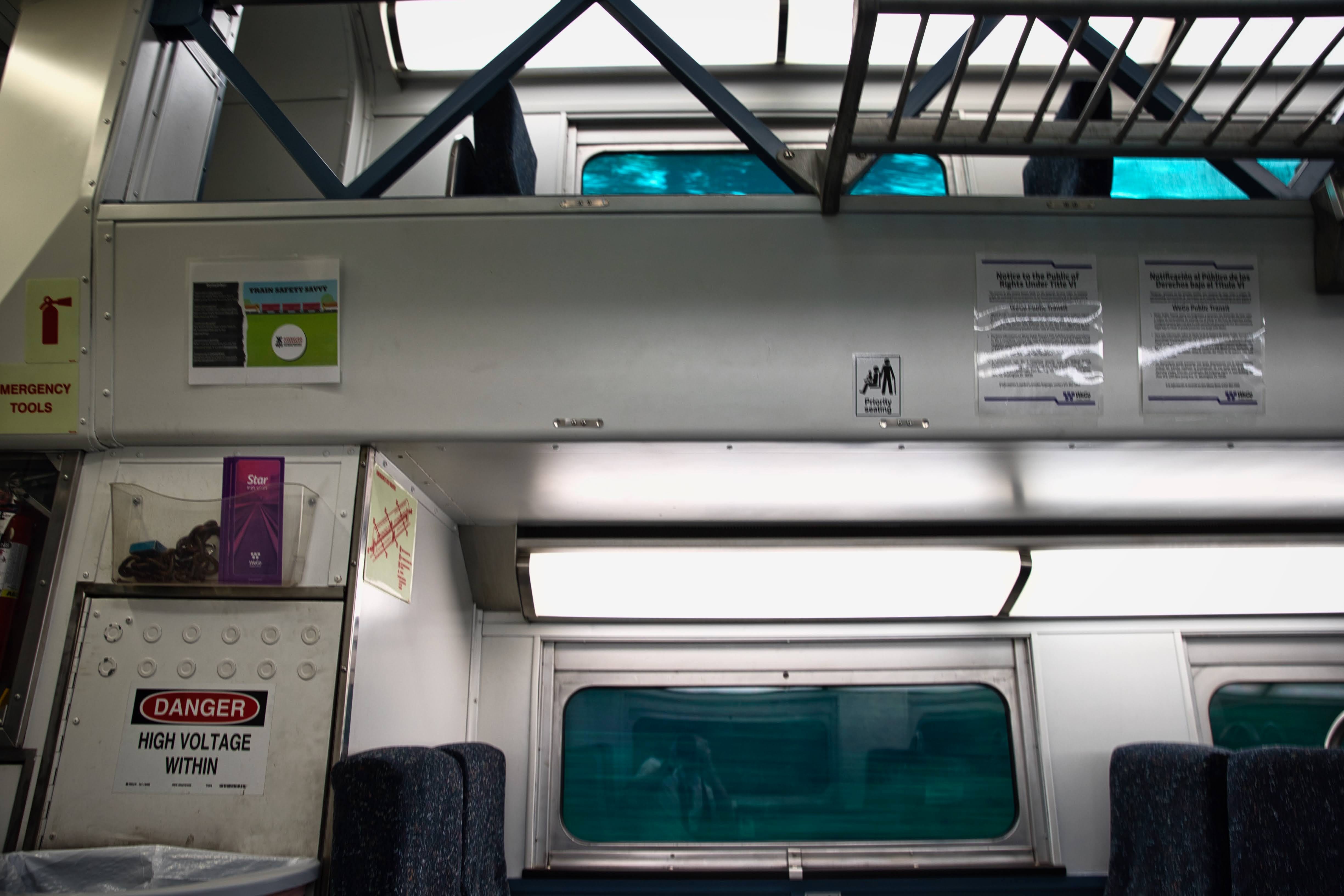
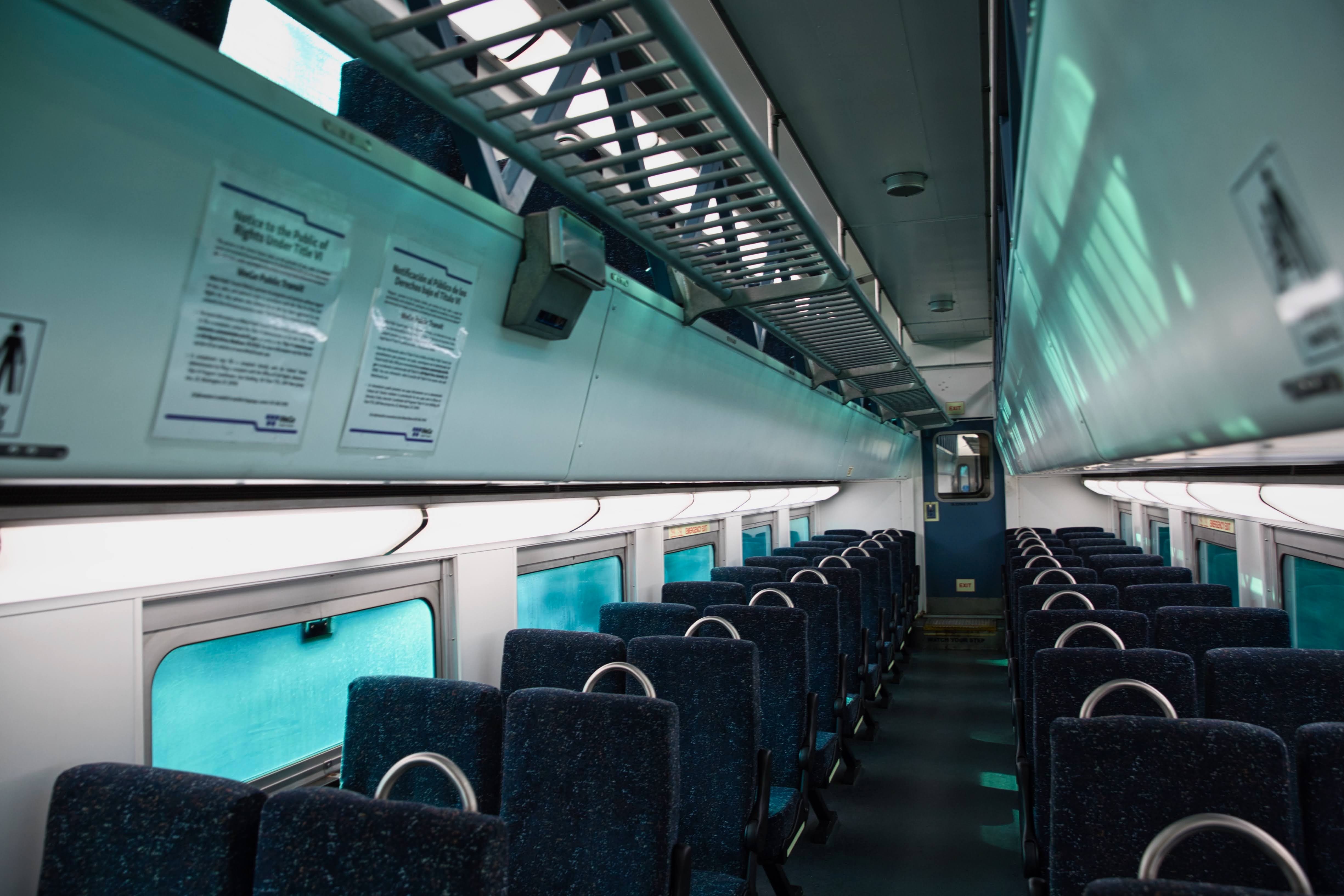
Remember I promised you a few good things about this train? Here they are. The train is quite fast and fun to ride. There is a distinct smell from a bygone era that gives it the feeling of a heritage railway. The seats are cushiony and comfortable. The windows are wide and tinted green: not ideal for photography, but perfect for admiring the lush vegetation outside the windows. Because there is only one line and virtually no competition with the freight railroad that owns the tracks, I can imagine the train is almost always on schedule.
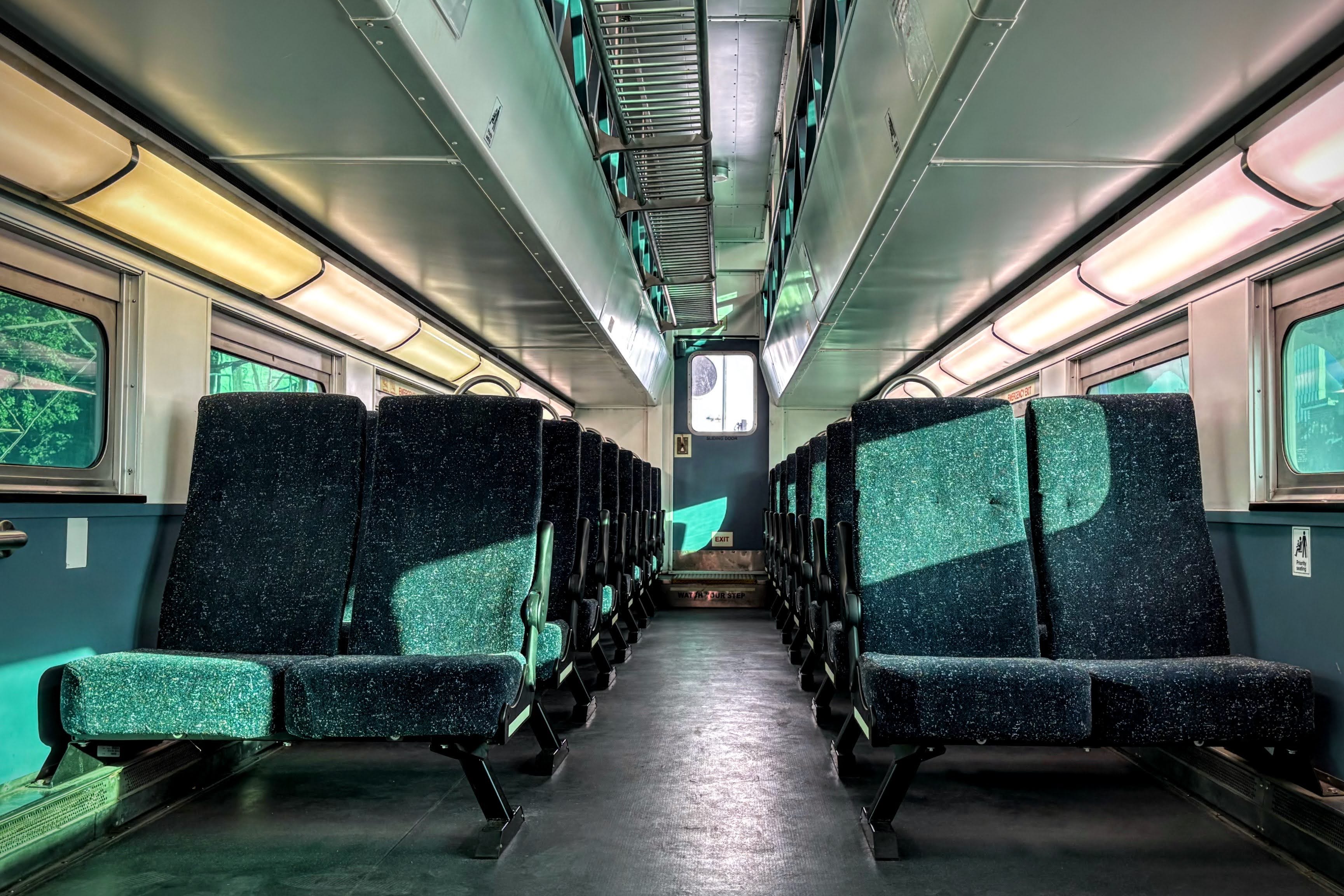

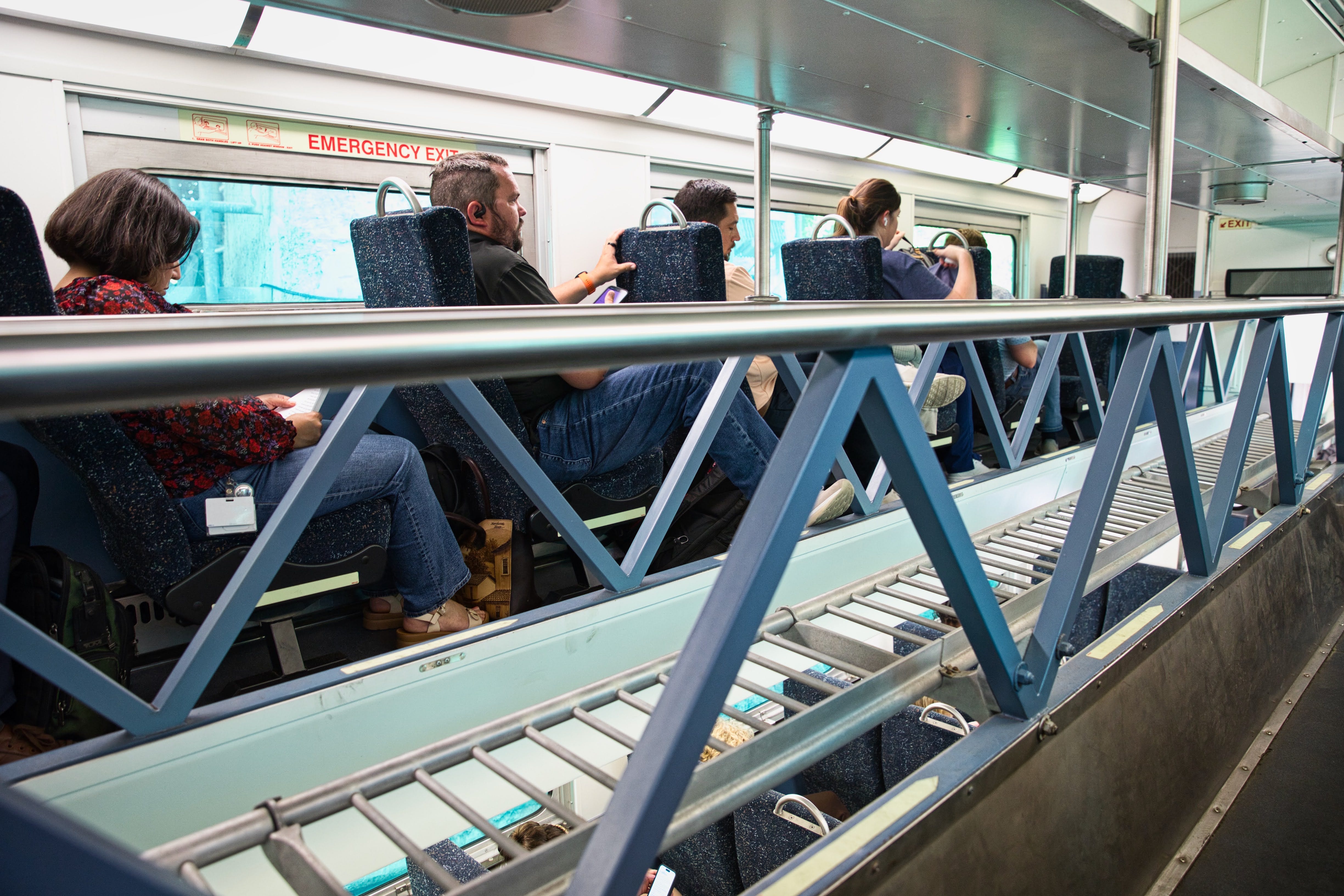
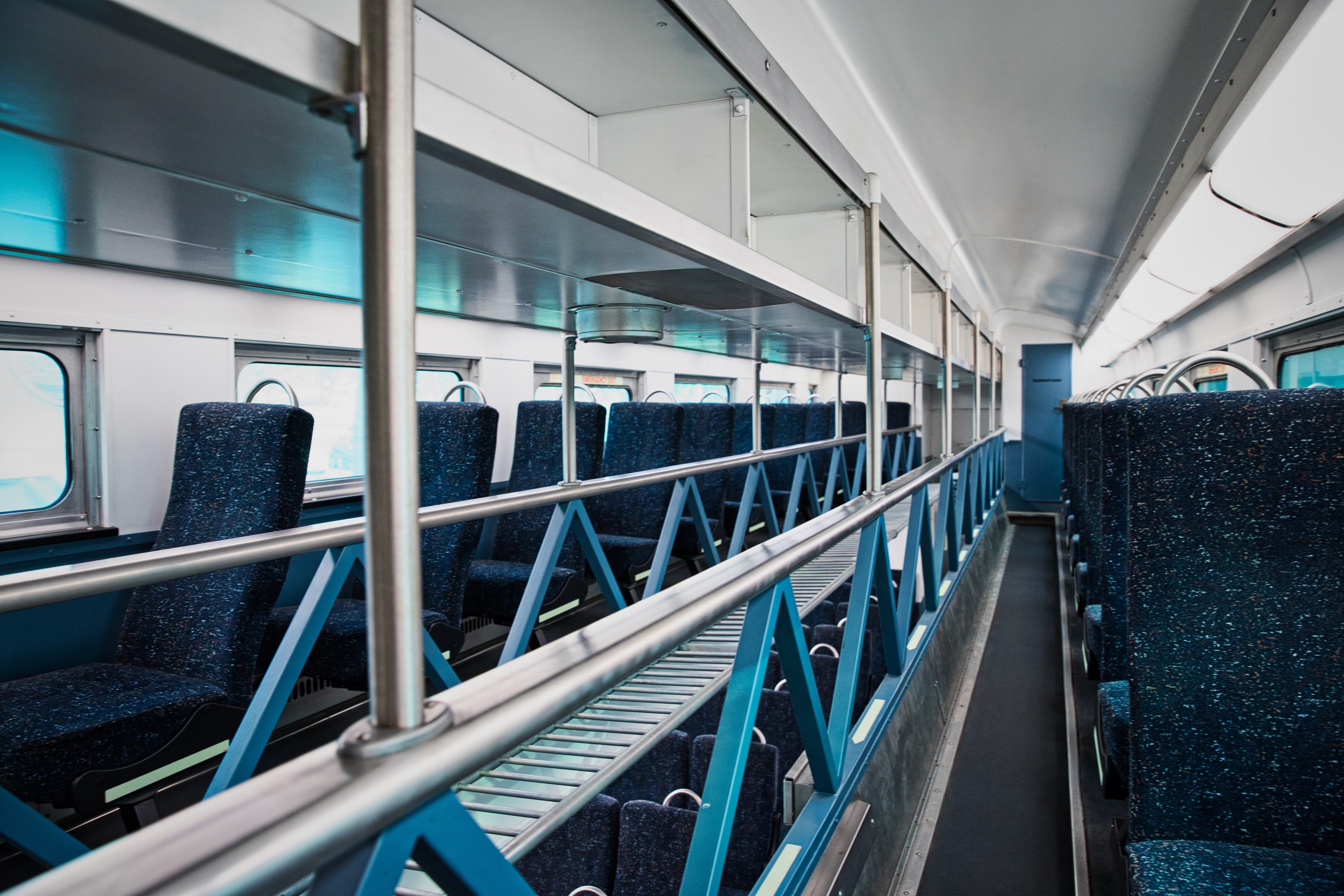
Let’s be honest: the old gallery cars are not the best invention in terms of passenger capacity. The gap in the middle is such a waste of space. Moreover, single seats on the upper floor don’t encourage people to strike up conversations with one another.
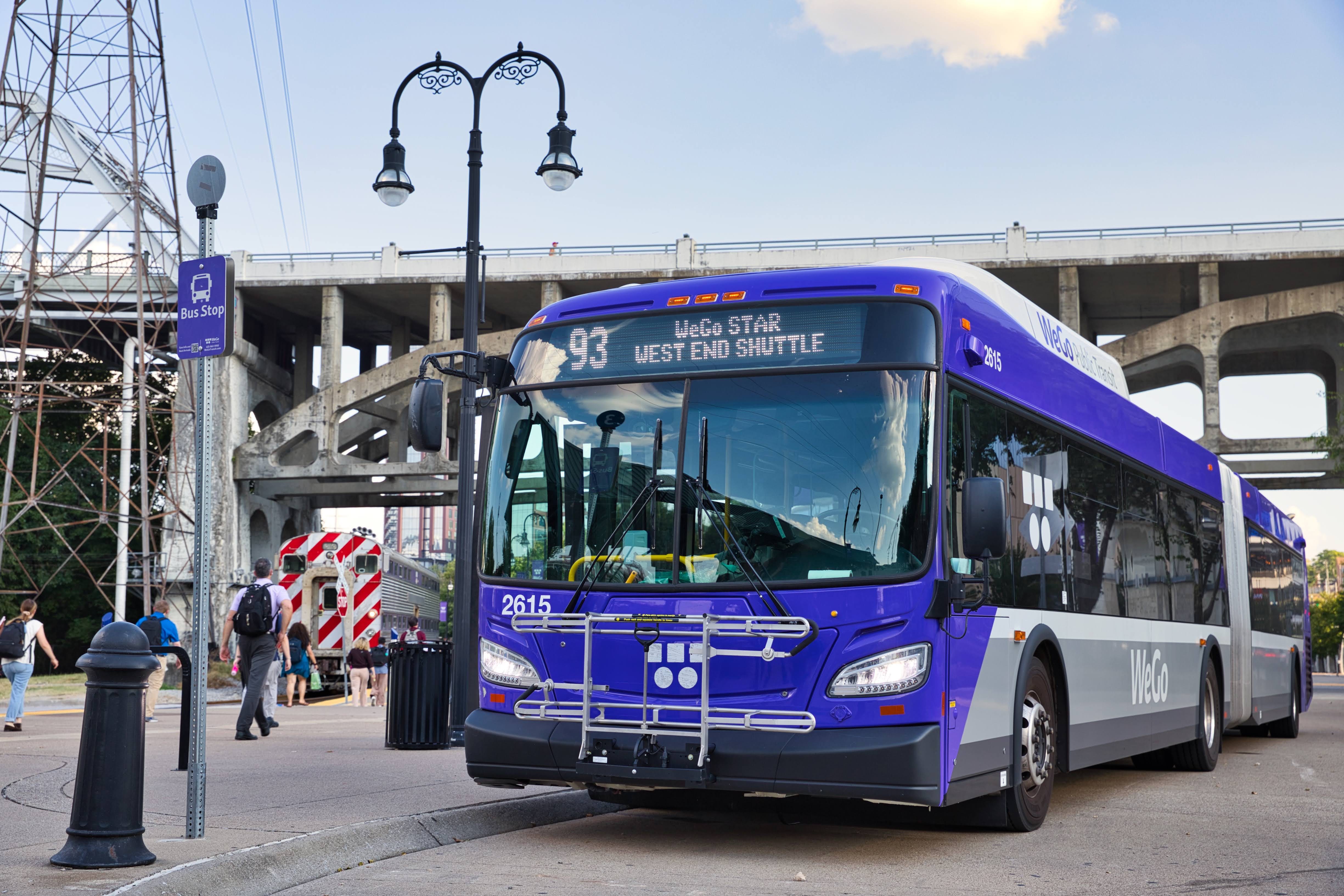
Nashville’s regional transit authority also provides a free shuttle bus connection for every train arrival and departure at Riverfront Station, its downtown terminus. I can see this being a convenient option for people who work or live in Midtown, where a considerable amount of office and residential construction is currently underway.
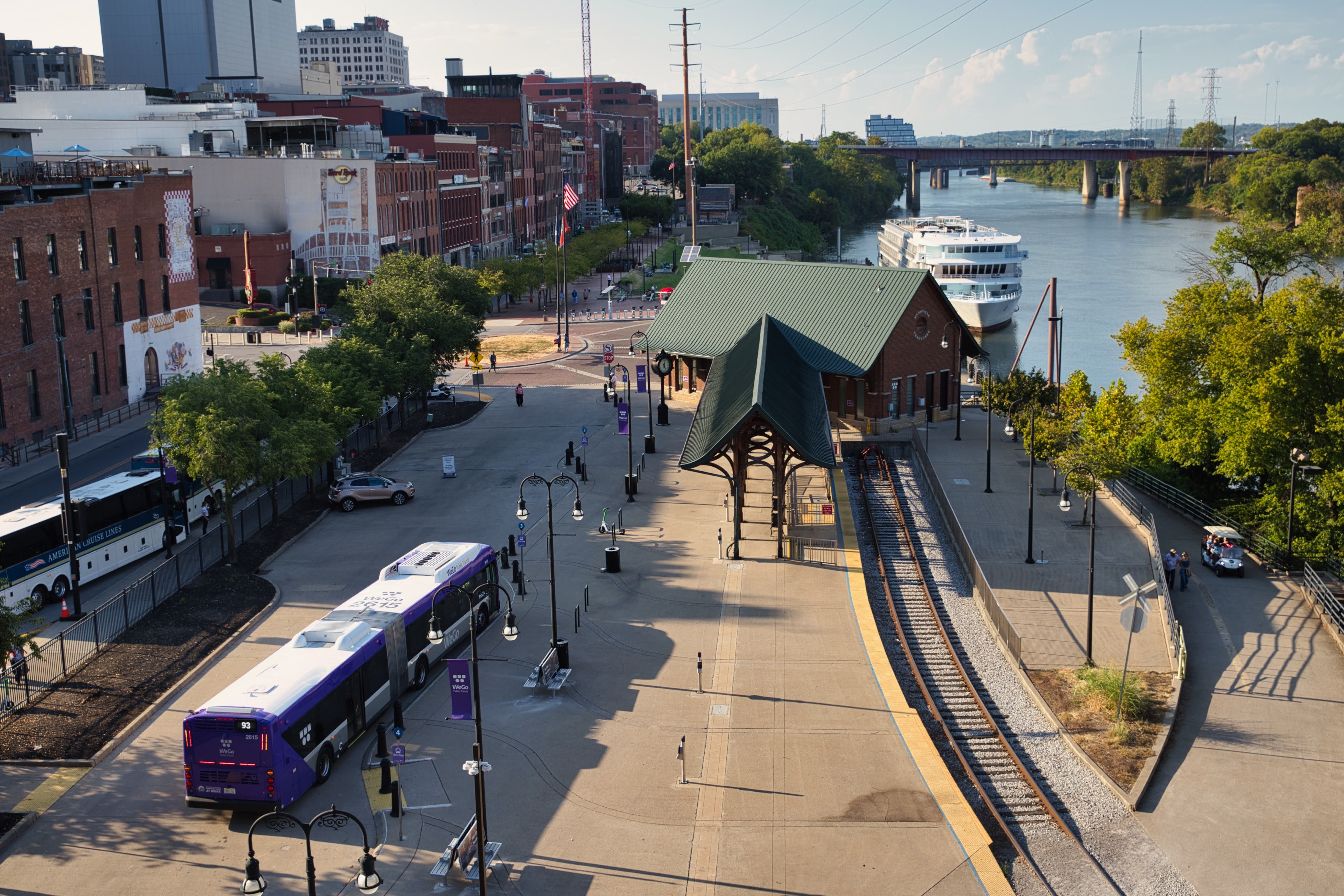
In summary, I believe the WeGo Star absolutely has the potential to grow into a true regional rail network, but it will require bold vision and political will to make that happen. The economic growth evident across Nashville, with shiny new office towers and dozens of construction cranes, should help move the conversation forward.
CSX is no stranger to lending its tracks to passenger trains elsewhere in the country, and there is already a place to receive passengers in the heart of the city near the former Union Station, now the stunning Union Station Hotel. So realizing the original vision of seven rail lines radiating from Nashville is not an impossible task after all.

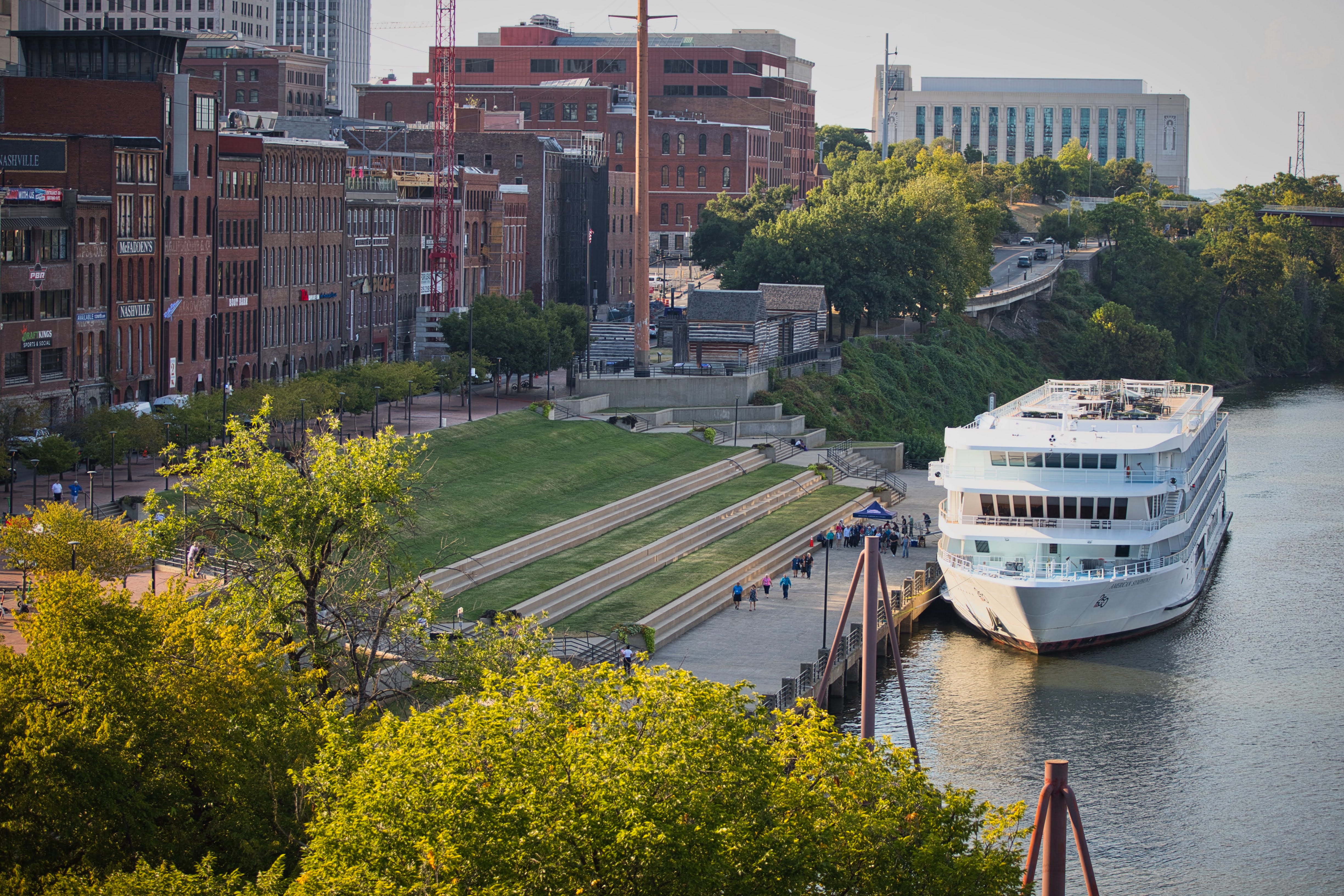
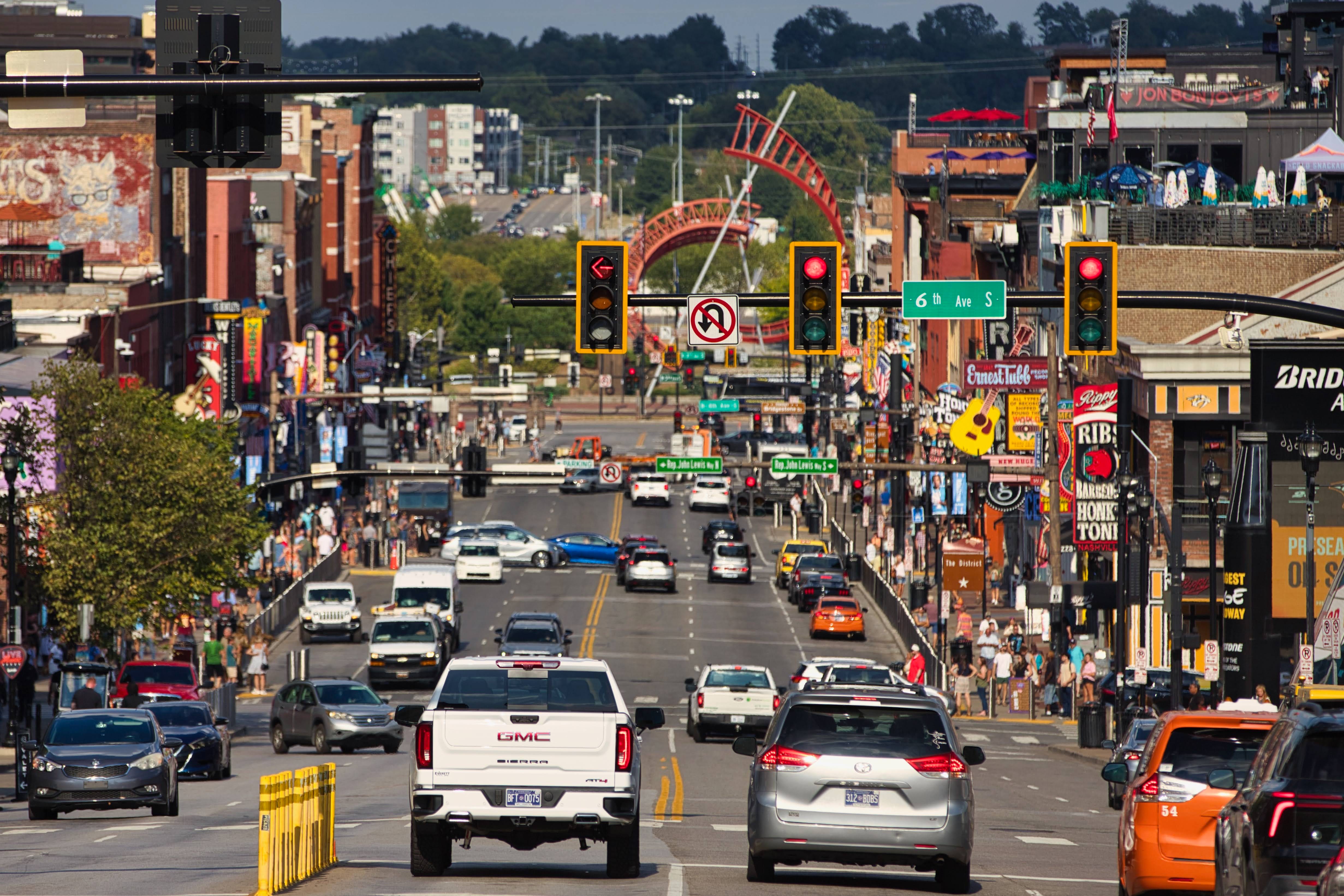
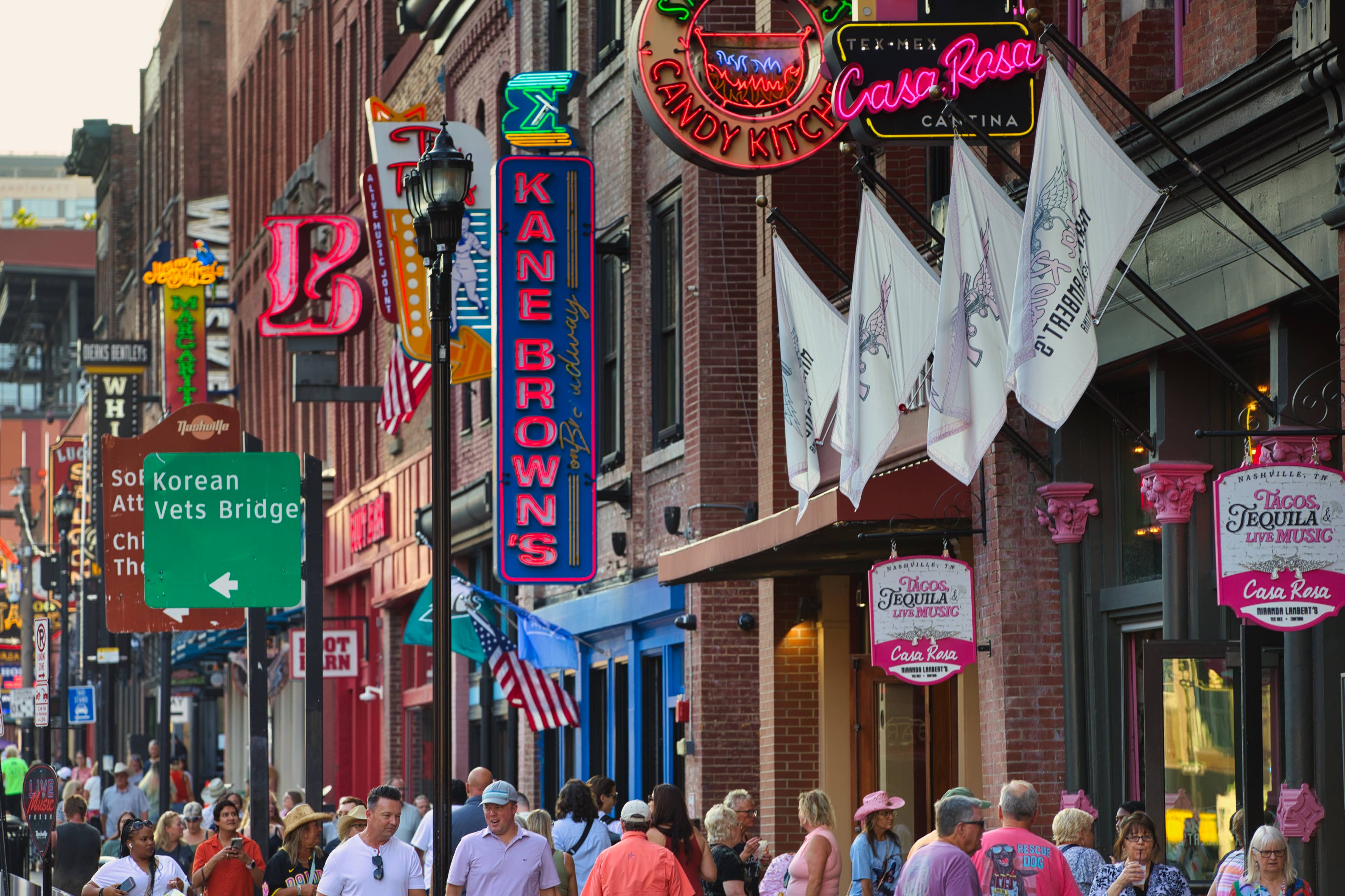
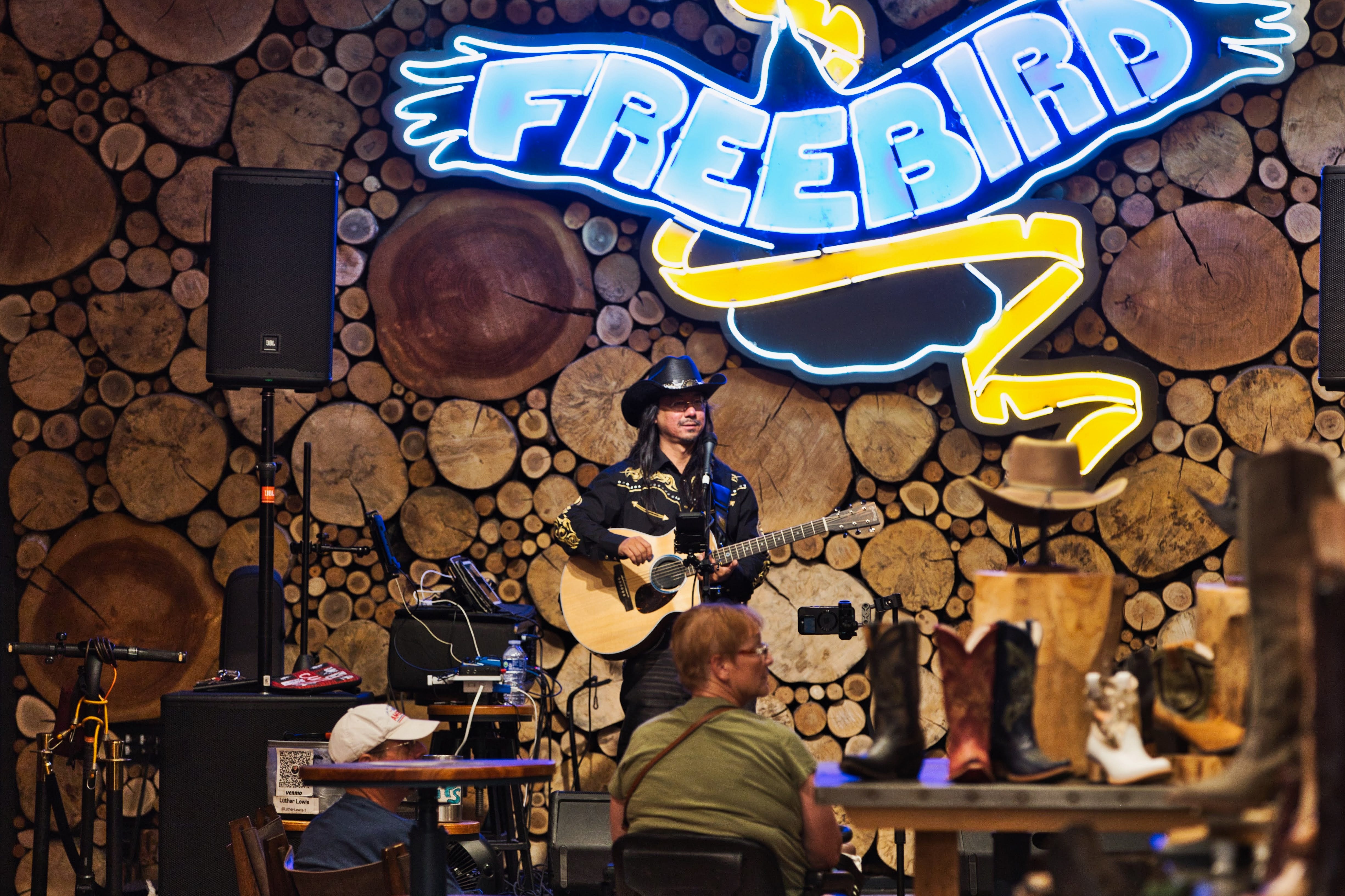
In the meantime, let me show you some of my favourite photos of Nashville, the music capital of the United States ∎.








This article hits every single one of our frustrations in the United States. Public transit is forced to prove itself on a shoe string, yet highway budgets are just assumed to be a given. It is so, so, frustrating.
Thank you for providing a wonderful overview of commuter-train service in America's country music capital!
I remember visiting Nashville when I was 16 in wintertime, circa 1969. I, unfortunately, don't remember much about the city beyond that. Reading your post, this fills in a lot of gaps!