

On the surface, Osaka is a chaotic mix of neon lights, wild food options, riverfront promenades with multi-story department stores and office buildings, and lots and lots of people. But below it lies a quieter power: a metro system that has moved this huge Japanese metropolis forward for nearly a century. Osaka Metro isn’t flashy, but it is very much vital for the city. Each major station feels like a small ecosystem with numerous passageways, shops, and restaurants, and each line is seamlessly embedded into the city’s fabric.
Opened in 1933, in the middle of the Showa Depression, the network grew from a modest project to help with underground mobility into one of the great rail systems of Asia. Today, it’s Japan’s second‑largest metro after Tokyo, with 133 km / 82 miles of track and 124 stations across 9 lines. And I don’t even mention a bunch of JR West lines, Osaka Monorail and three major private rail operators that help move people in and out of Osaka.
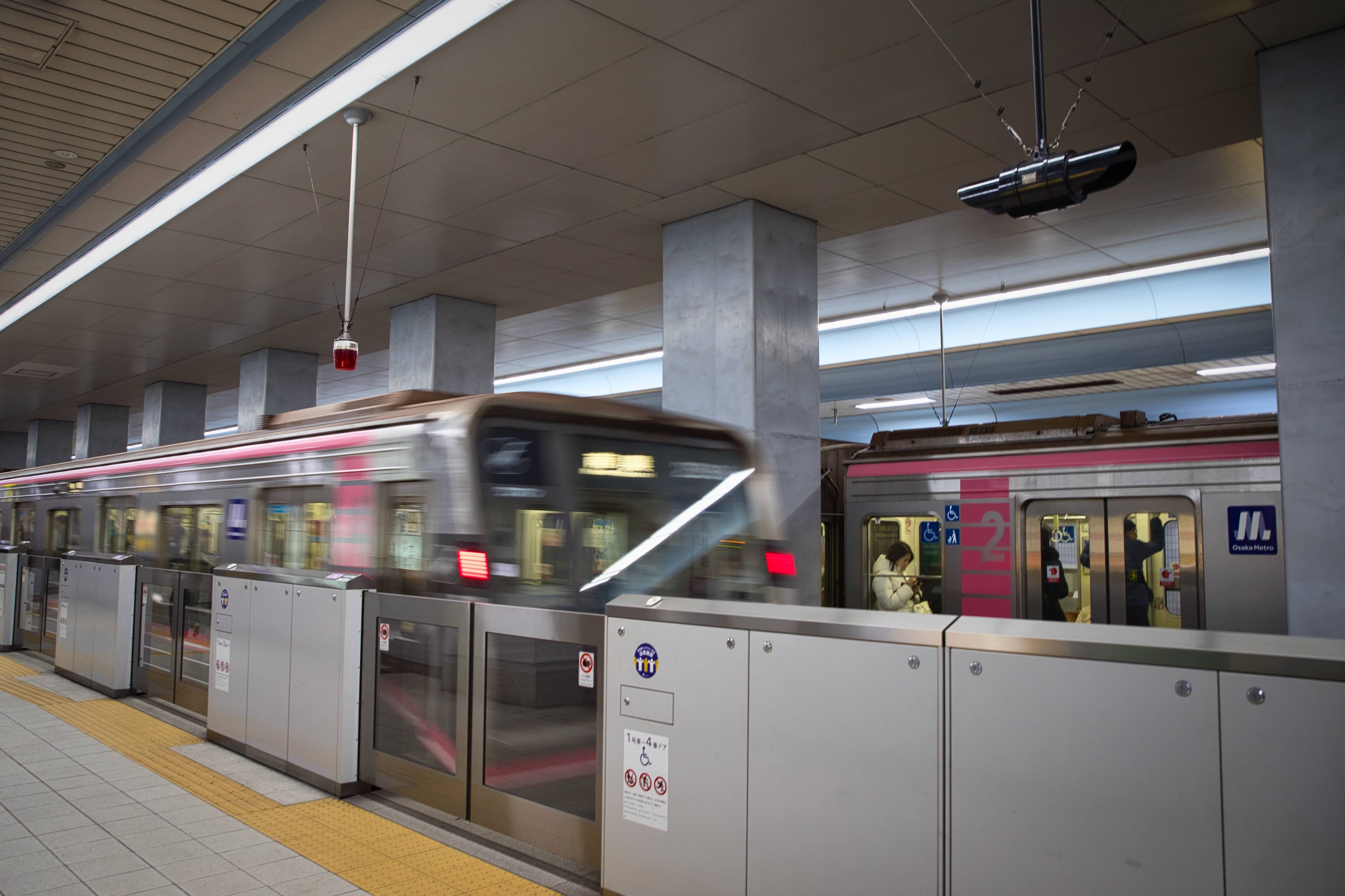
As of 2025, roughly 2.5 million riders take Osaka Metro on an average day. The system functions as the urban backbone not just for the city proper but for the suburban areas that circle around it. The metro links together business districts, shopping streets, residential neighbourhoods, and waterfront areas. The trains definitely compress distances, extend job markets, and make cross‑town trips feel mundane rather than heroic.
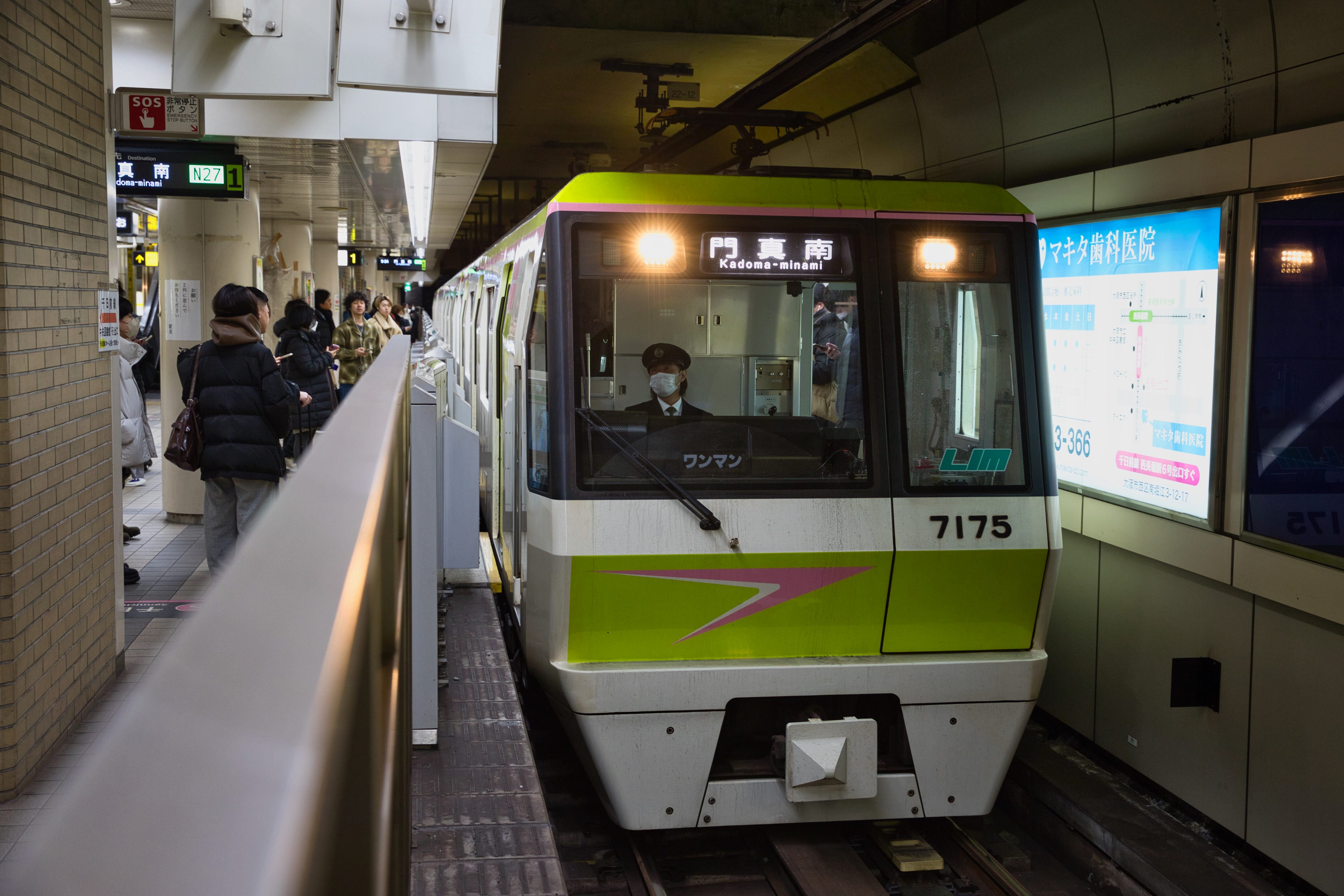
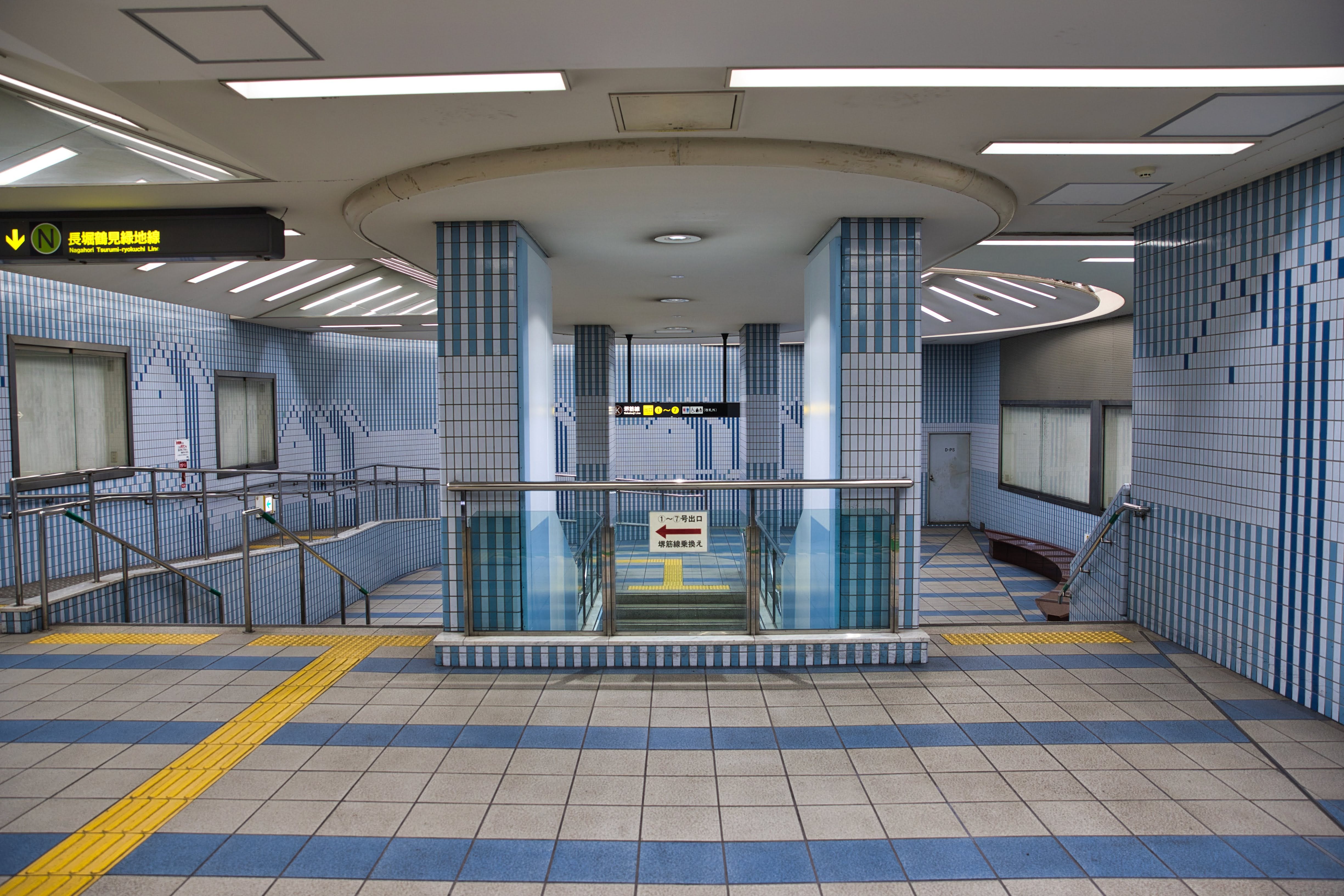
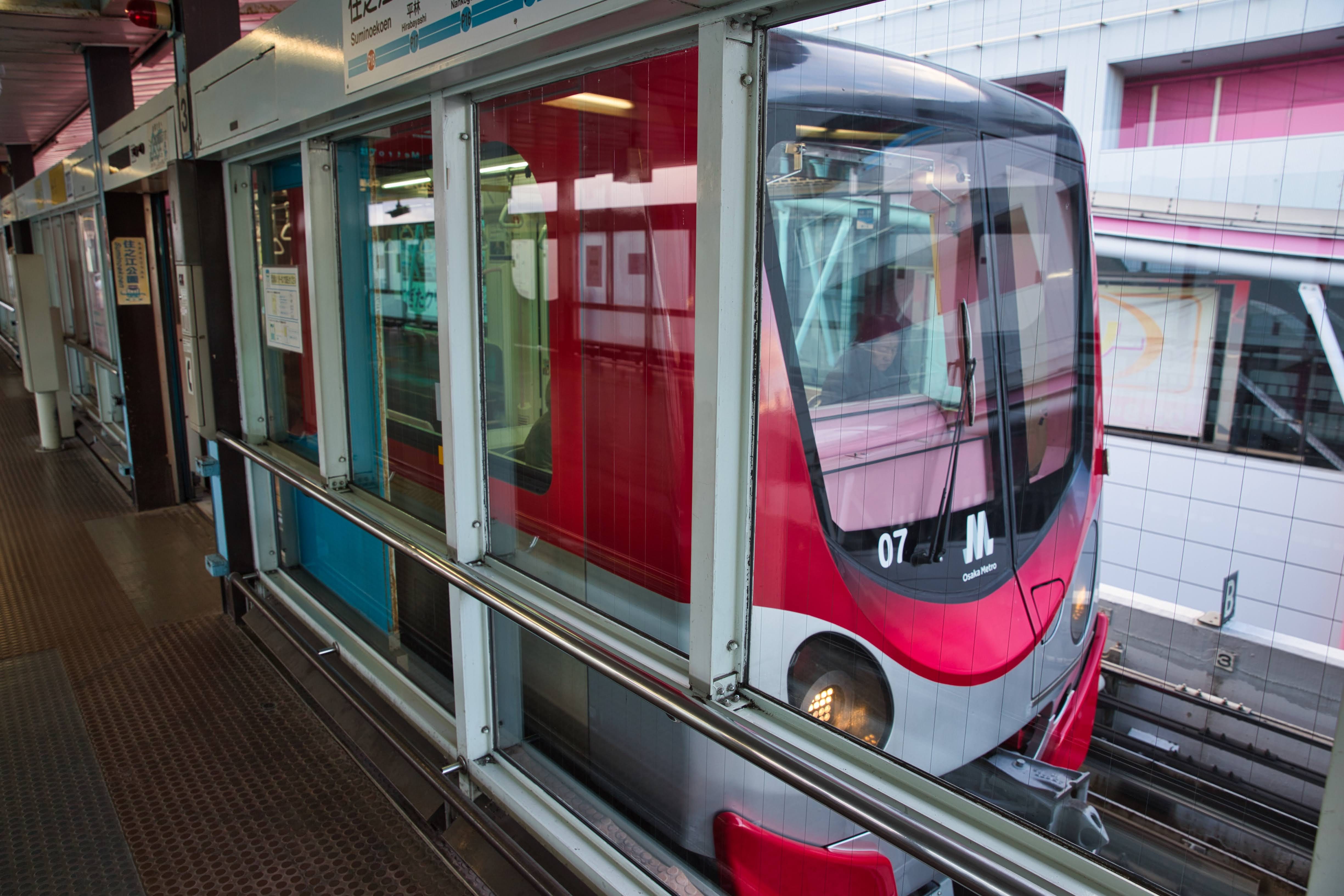
What makes the network particularly friendly to visitors like myself is how effortlessly it can be used as a city navigator. A day pass is all you need to taste Osaka’s many gems: 620 yen (~ USD $4) on weekends and holidays is literally a steal, 800 yen (USD $5) on weekdays still feels like a good bargain. With one card in your pocket, you should just follow your curiosity.
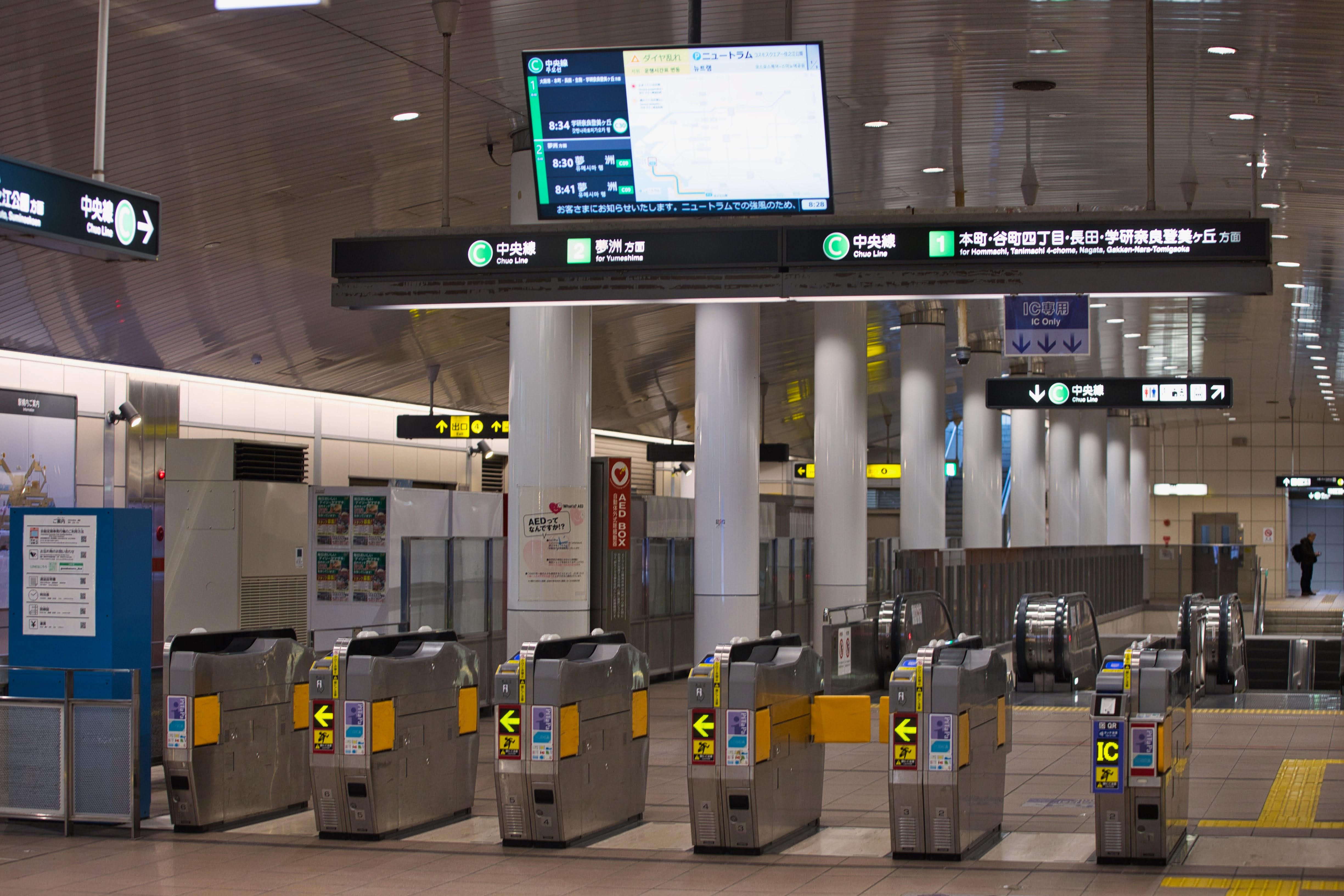
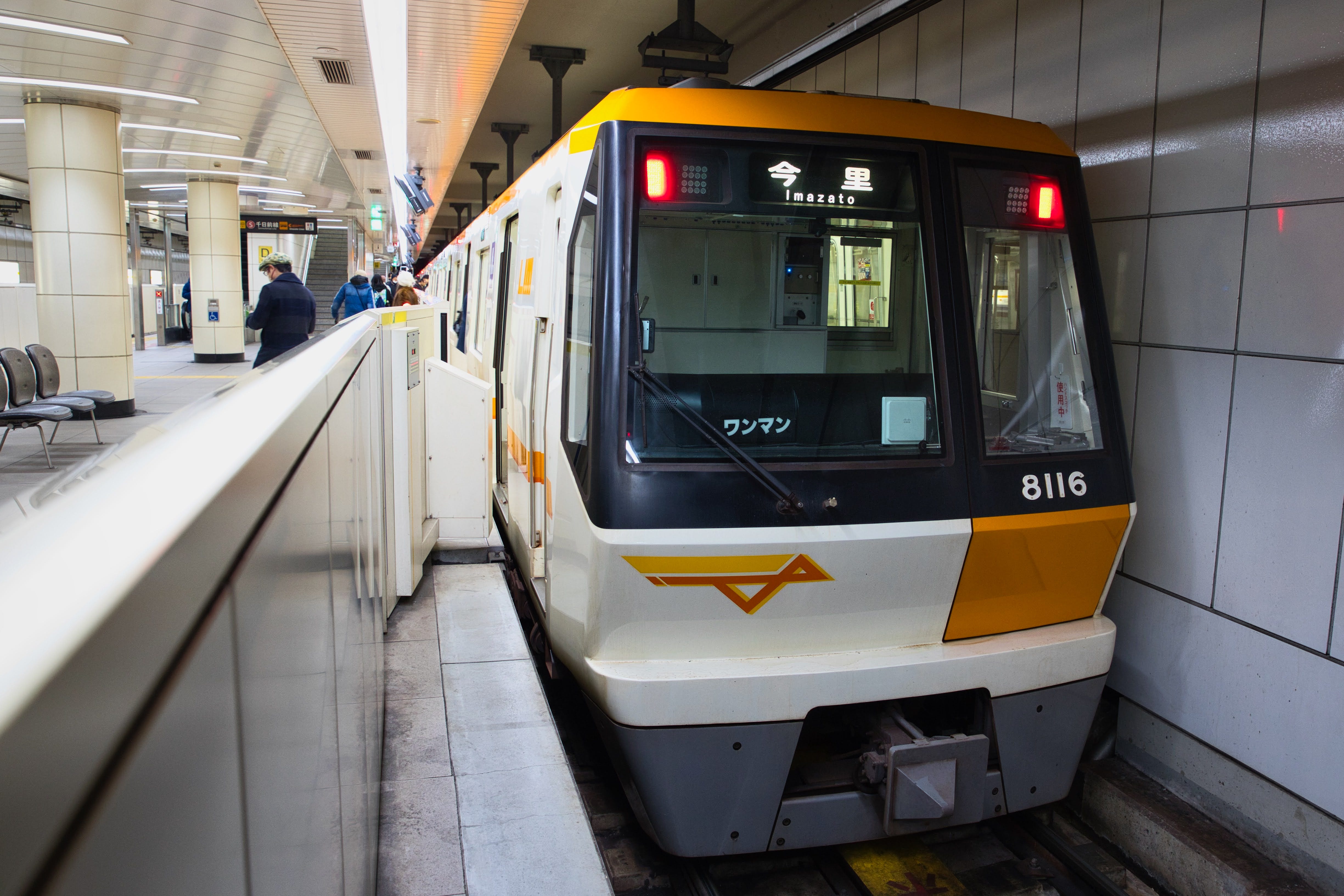
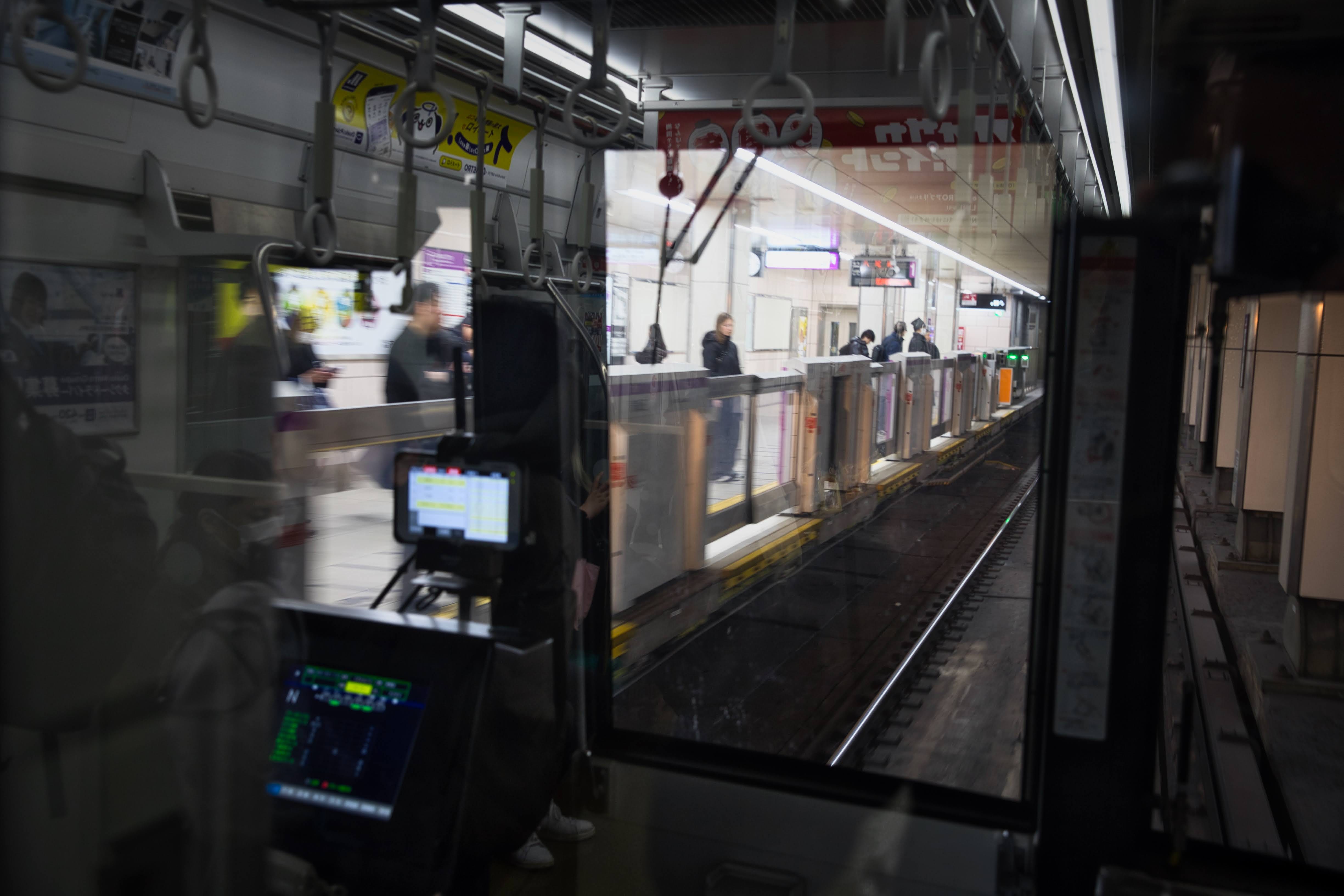
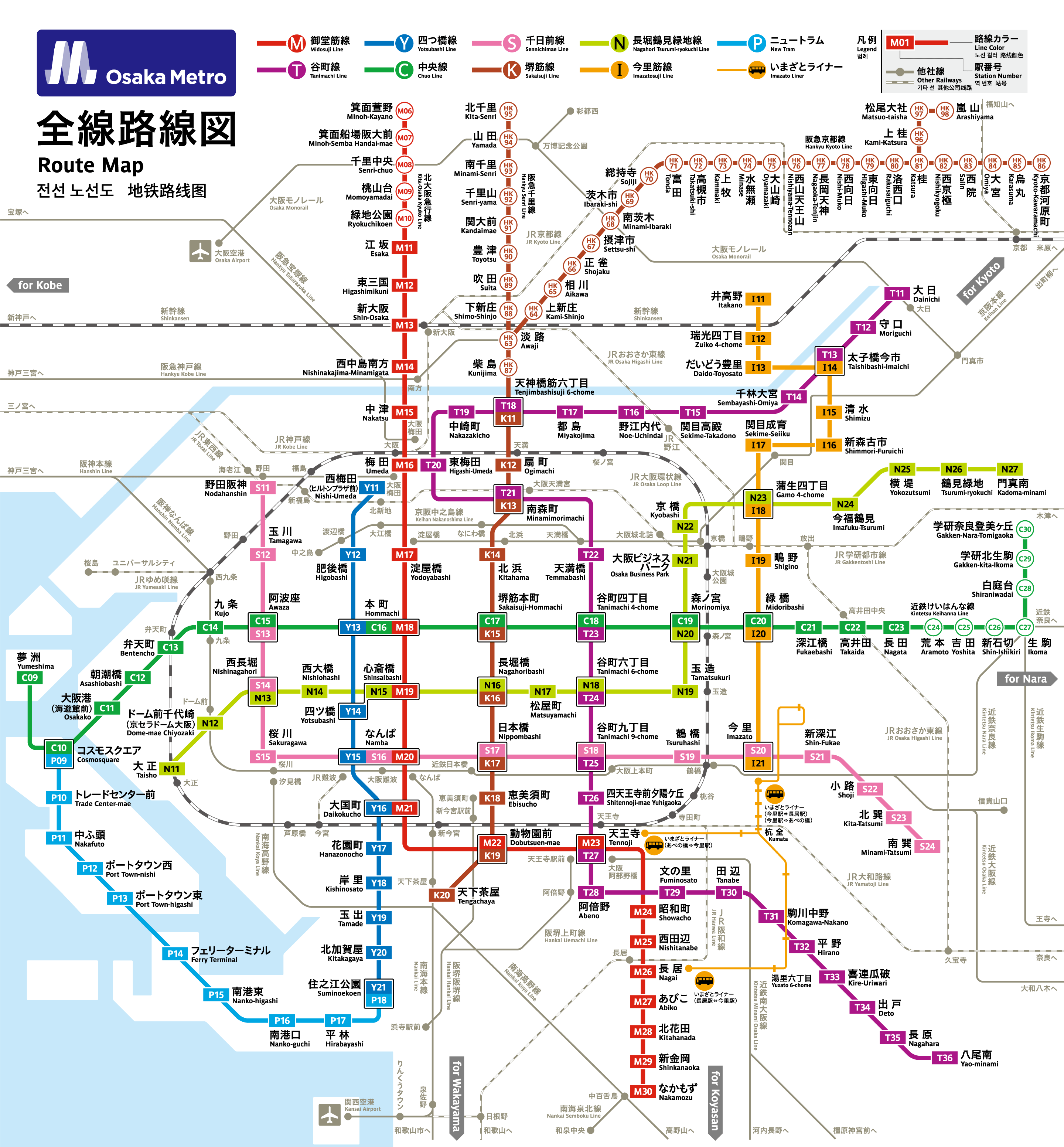
The map of Osaka Metro reads like a city planner’s sketchpad: an almost perfect grid below ground that mirrors the logical order above. At least, in the central part of the city. The map might seem familiar if you’ve seen the metro maps of Manhattan or Toronto. I guess grids are great for building and wayfinding, however, they’re not always the shortest path between Point A to Point B. But with a cut-and-cover method of building subways, I can see why Osaka chose it: this just made sense economically - quick and easy.
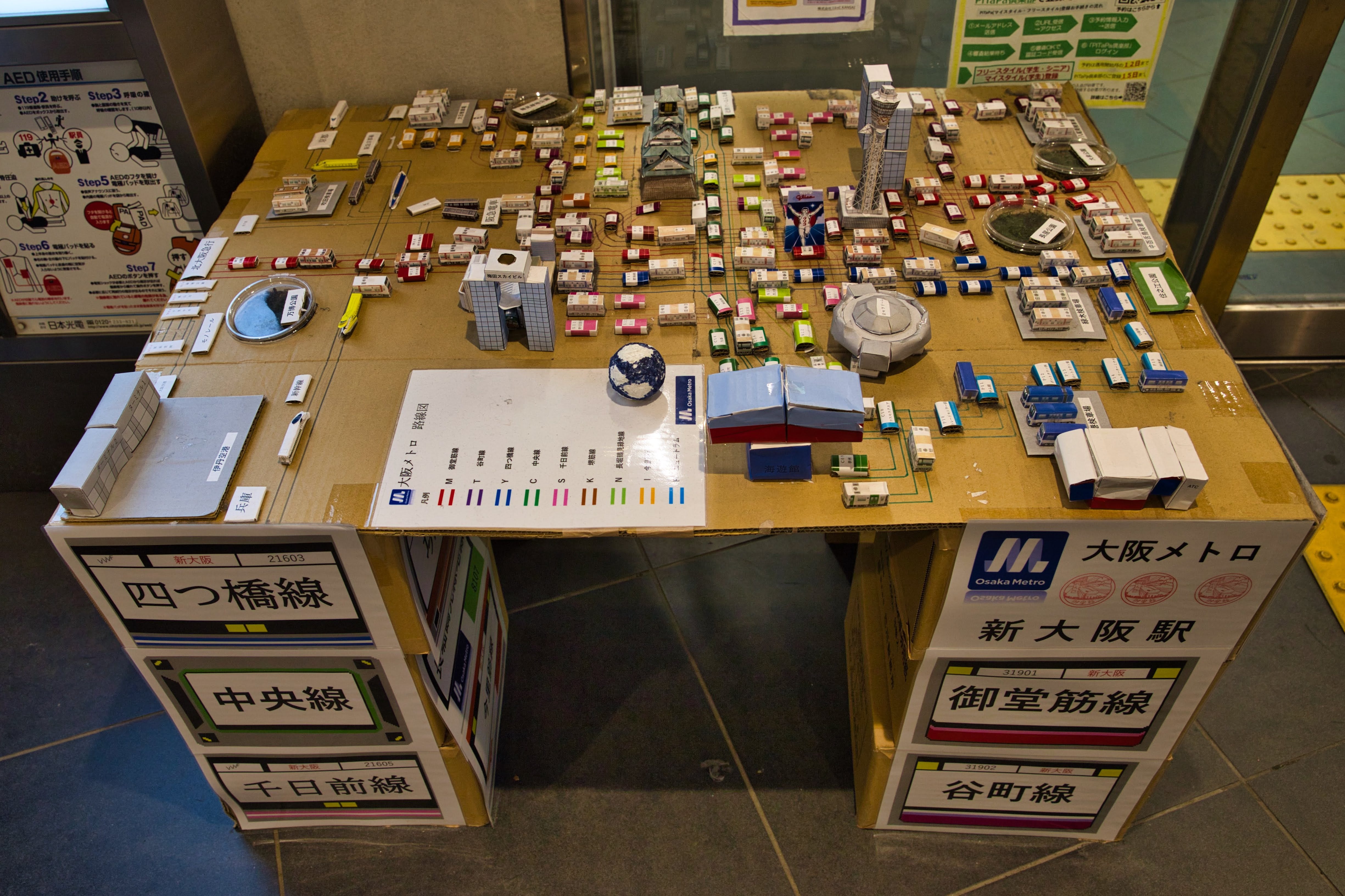
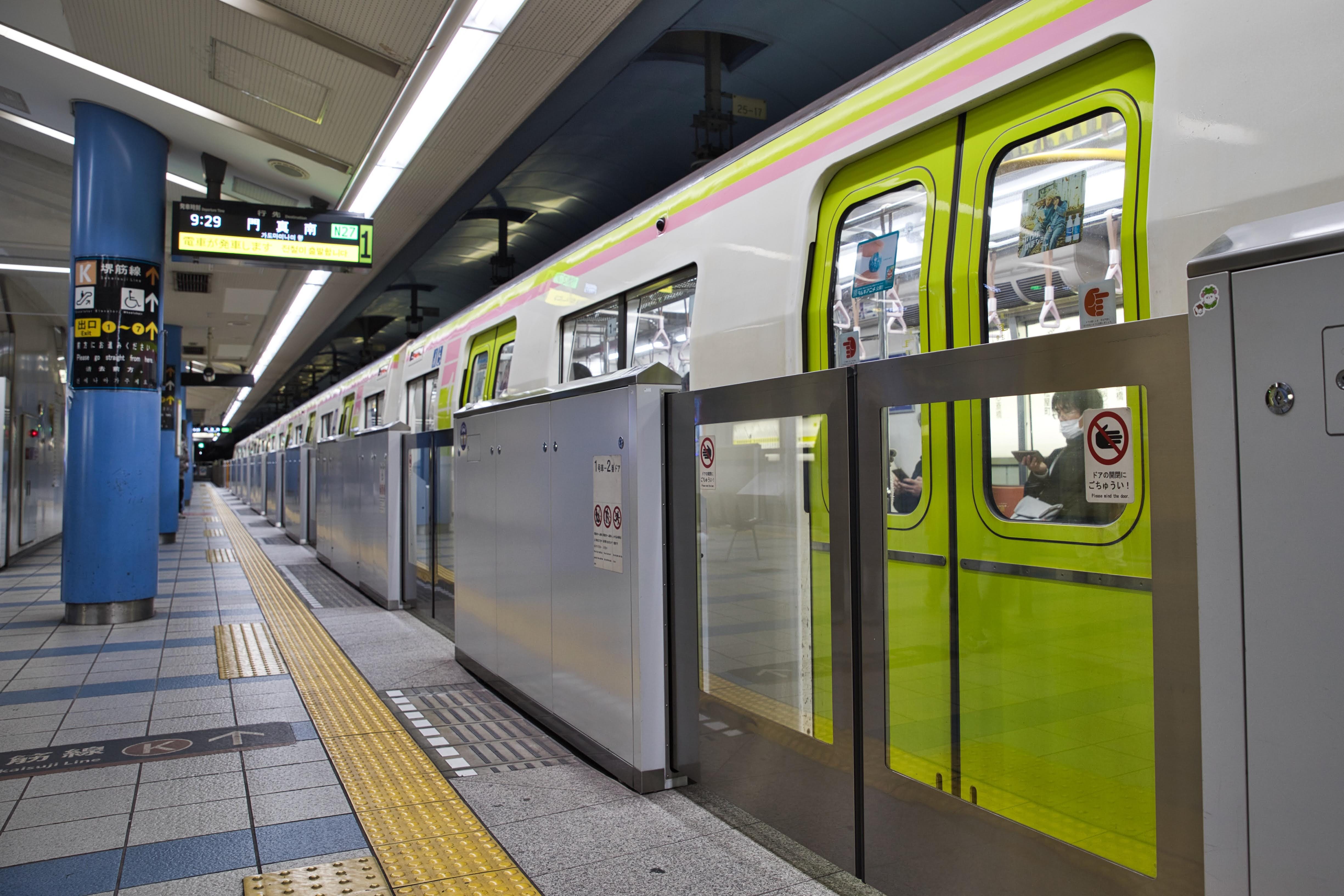
The Midosuji (M) line is the system’s backbone: first to open, most central, and still the workhorse that moves more than 50% of total passengers per day. It runs north–south through the heart of the city. Having said that, the line’s success has created its biggest problem: constant over-crowding. Even as ten‑car consists depart every few minutes, the trains are packed.
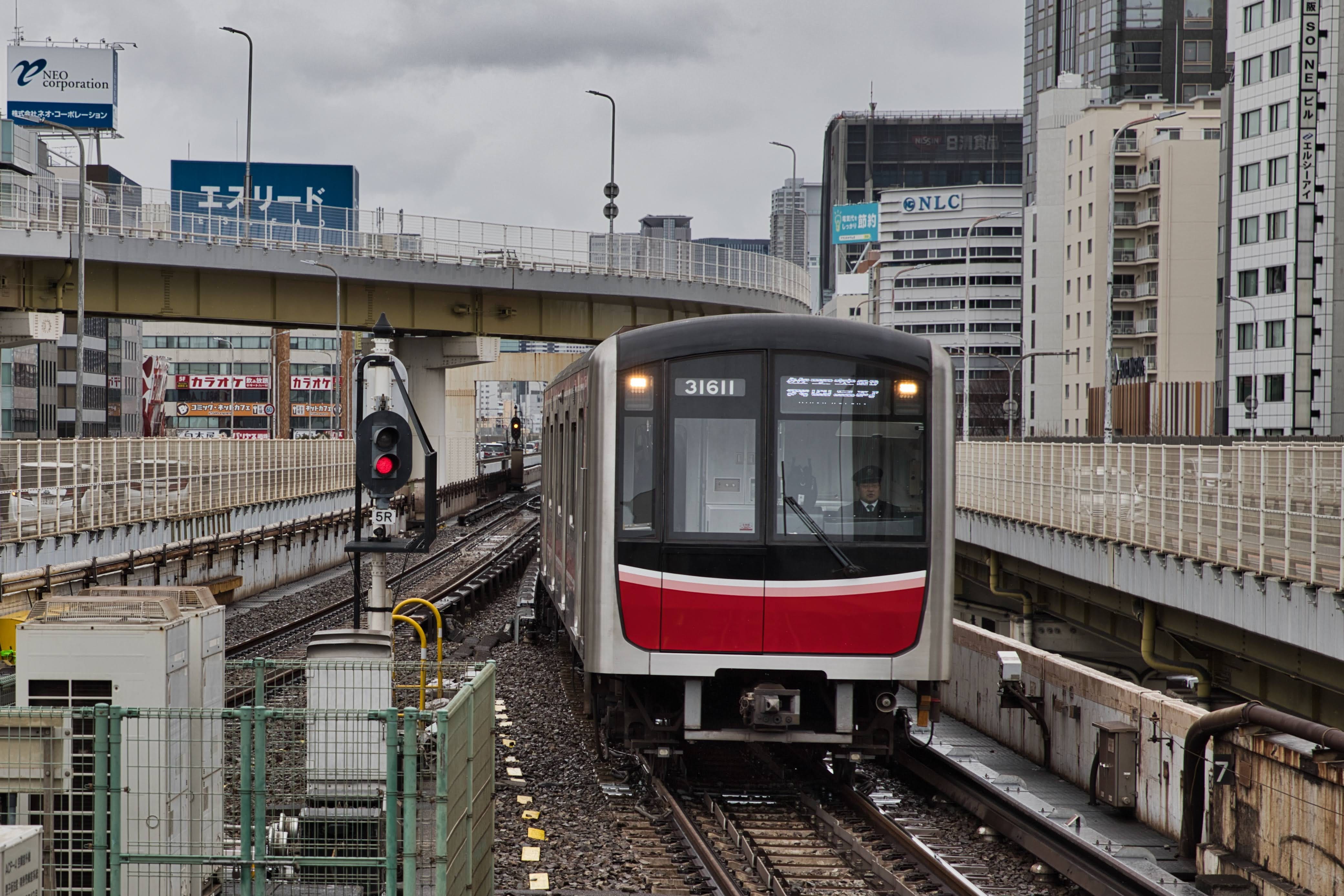
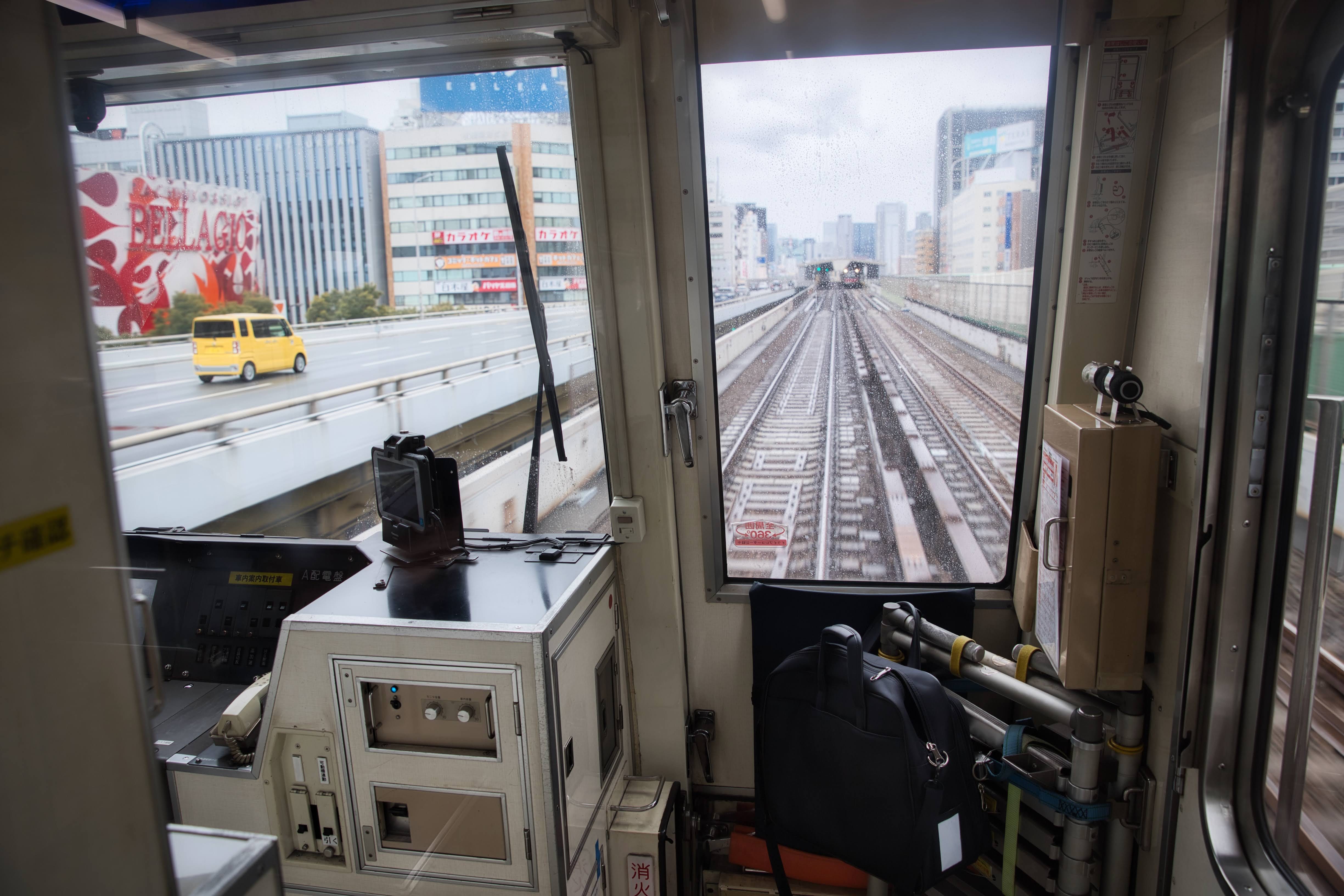
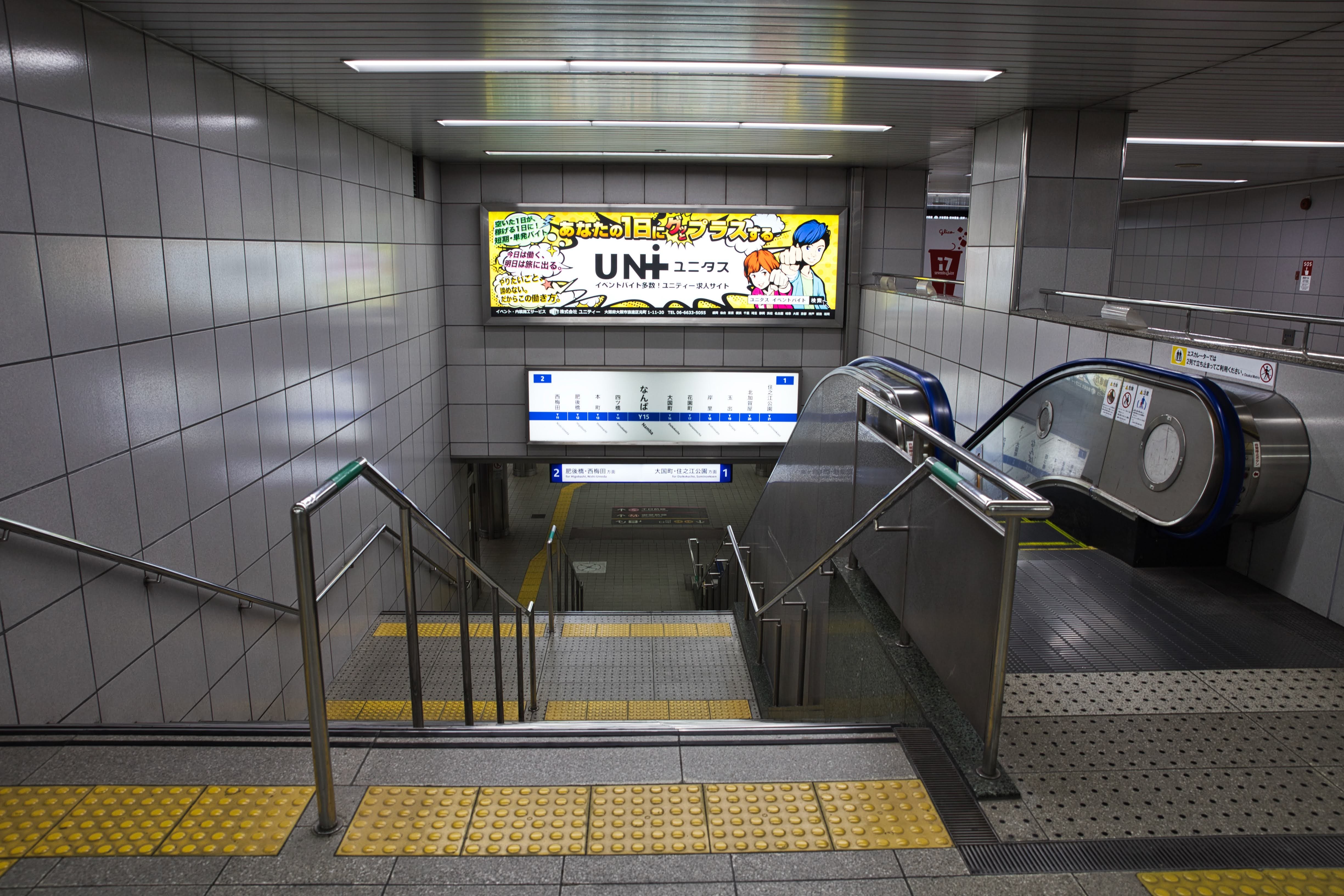
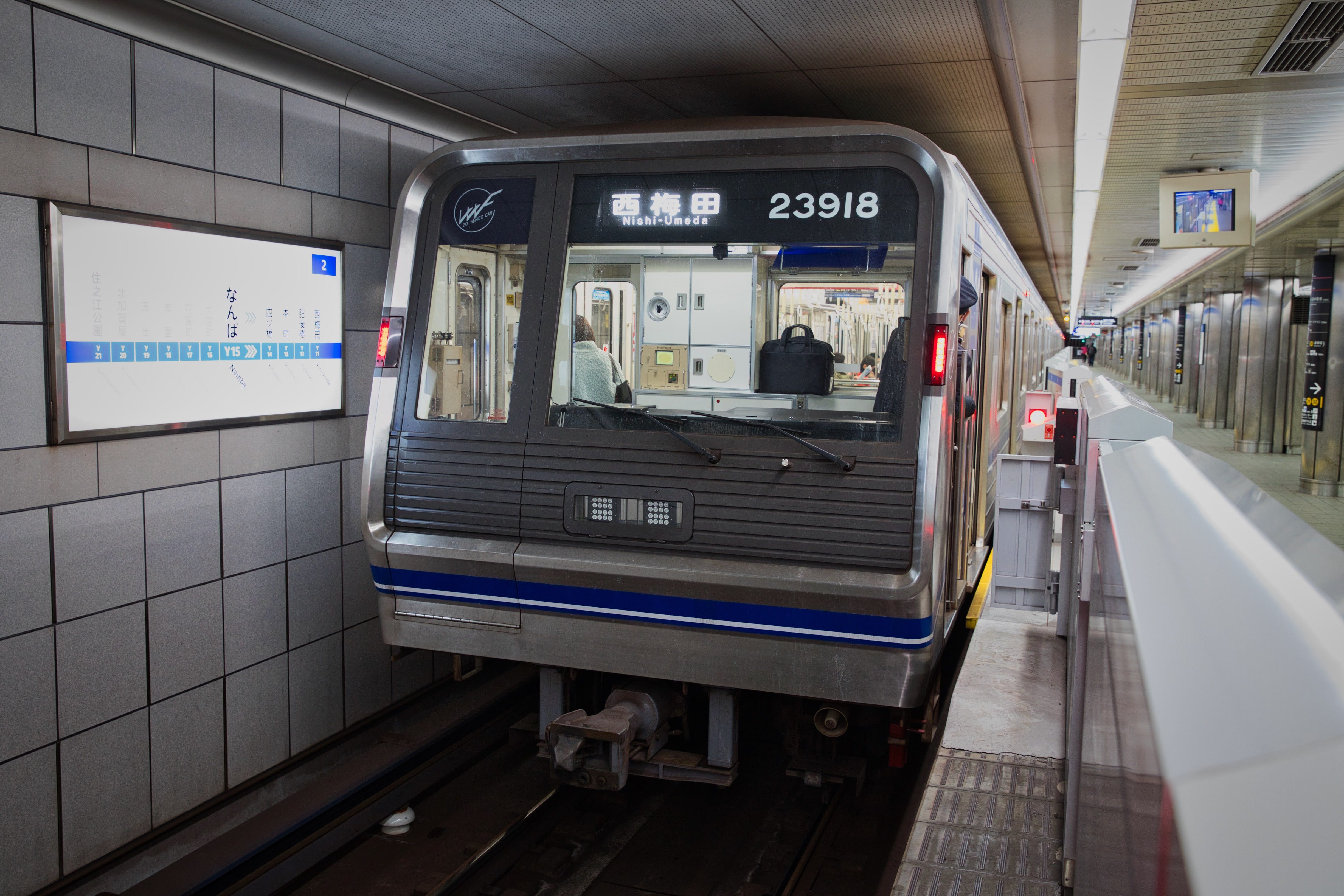
Osaka’s answer was pragmatic: let’s build parallel relief lines - Yotsubashi Line (Y) and Sakaisuji Line (K). They broadly sit in the same narrow corridor. Between Namba and Umeda, the two major city hubs, the proximity is quite visible: Yotsubashi (Y) is at times just a stone’s throw from Midosuji (M), with three consecutive interchanges that make transfers feel almost effortless. At Daikokuchō Station, you can even step across a platform from one line to the other, and train operators hold the doors those extra seconds so people can complete the maneuver between the two trains.
Osaka Metro, like much of Kansai Region’s infrastructure, carries the memory of January 17, 1995. The Great Hanshin earthquake wasn’t just a regional tragedy - it drove a set of “commandments“ to civic engineers on how to build a safe and robust train infrastructure. In the decades since, the network has been systematically improved so it can withstand natural disasters.
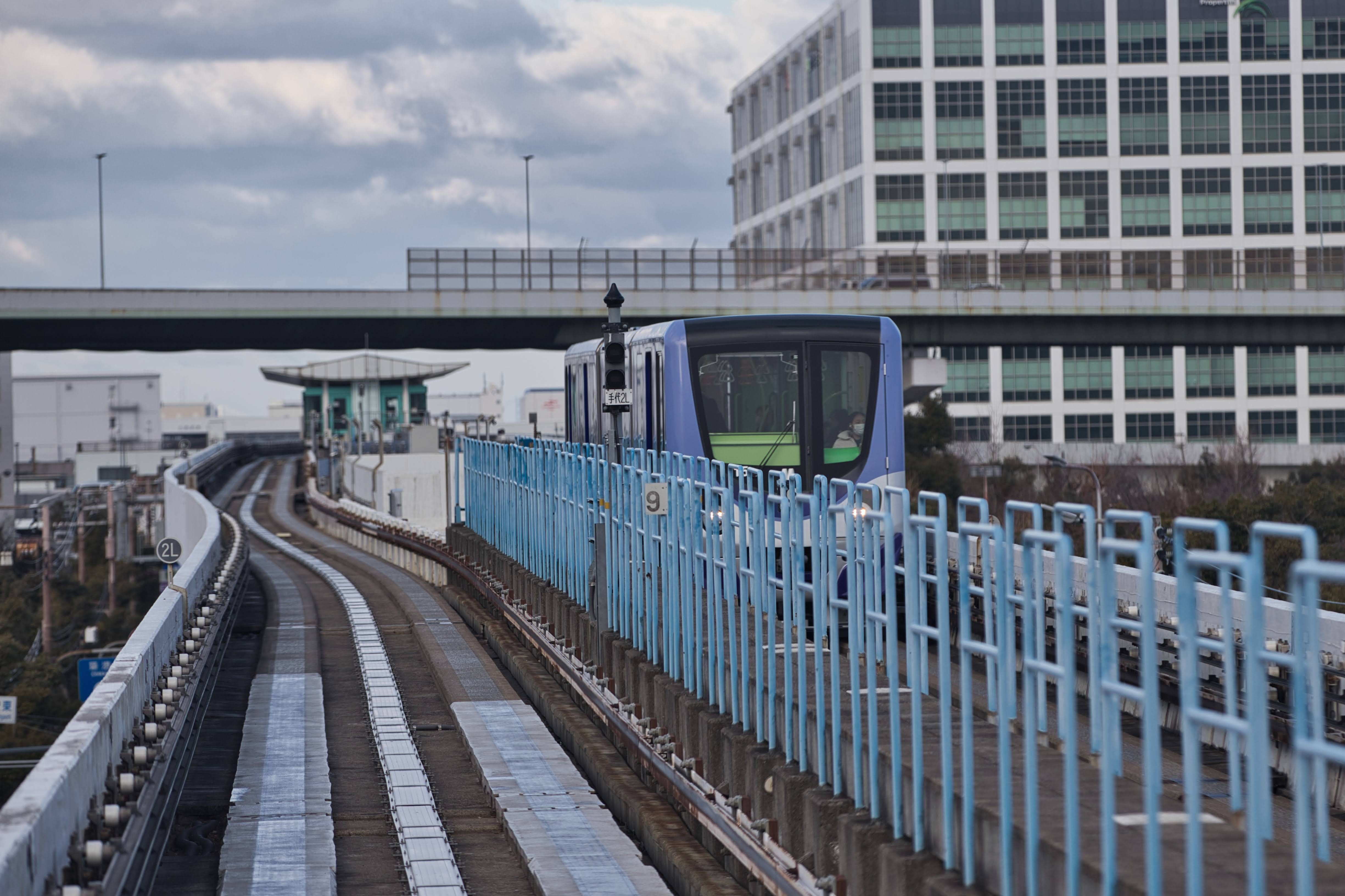
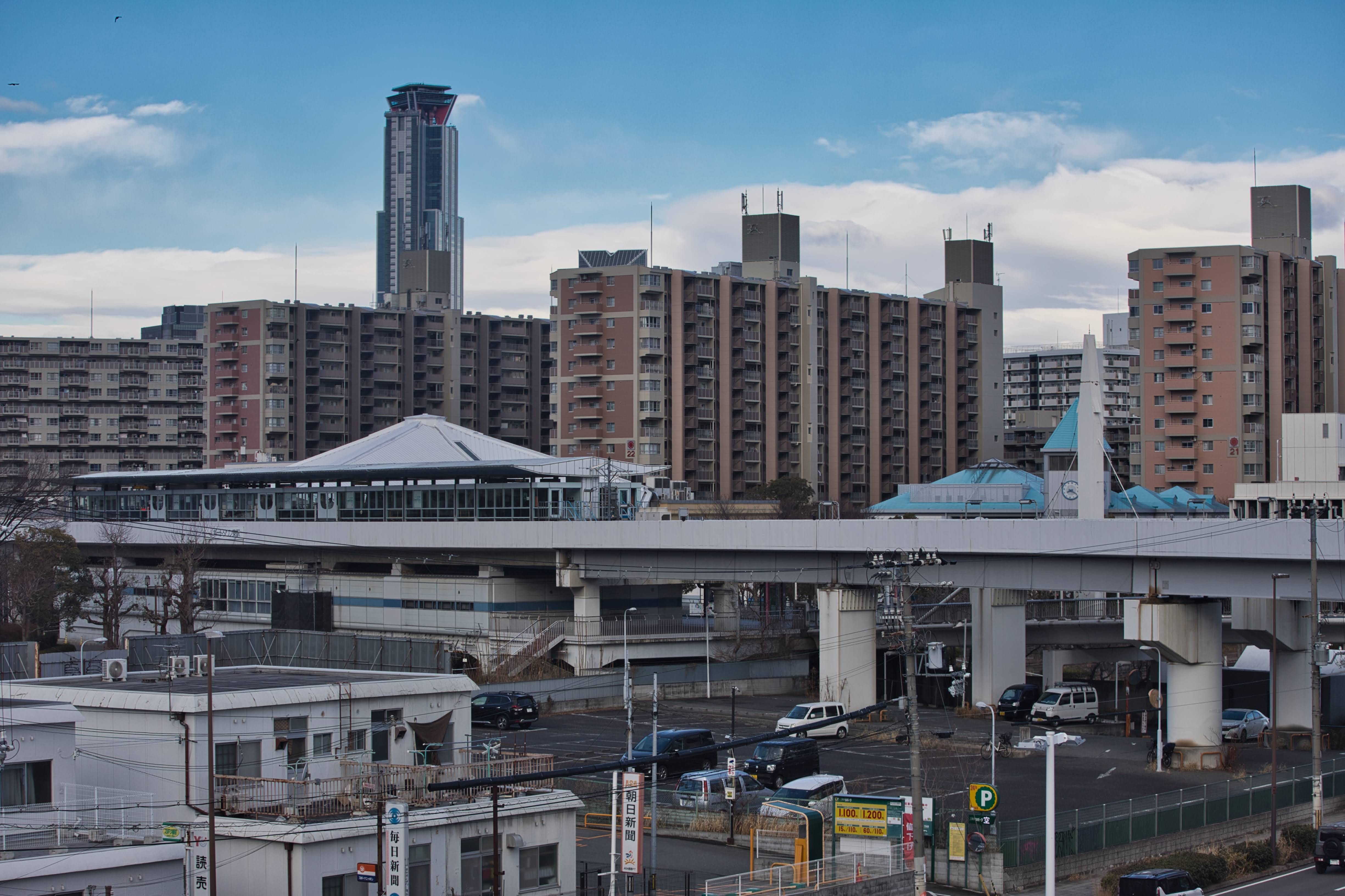
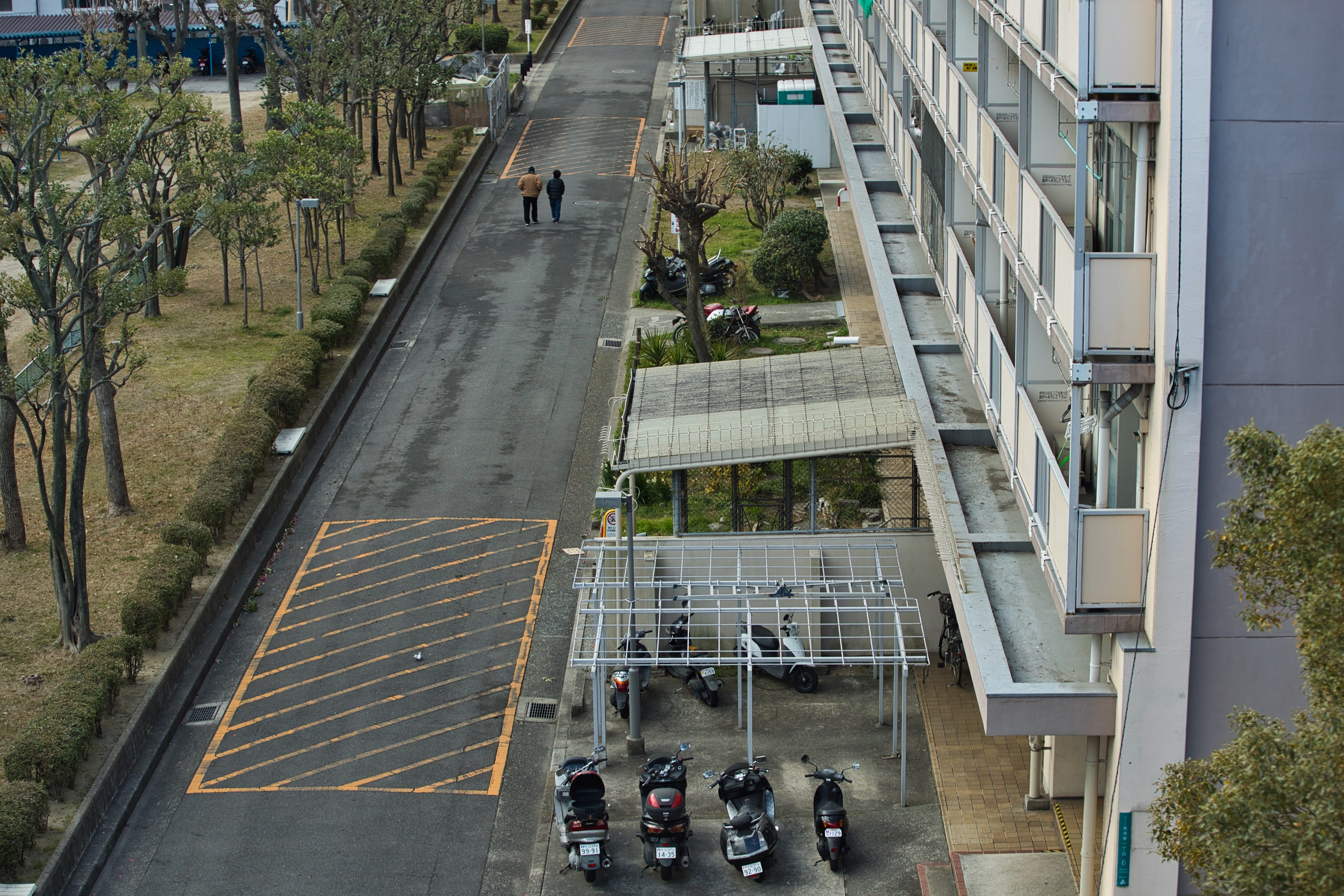
So what was done? A lot: seismic retrofits, enhanced earthquake‑resistant structures, and rigorous inspection procedures have become part of the system’s operations. Starting in 2014, the metro implemented flood and tsunami countermeasures that include barriers and gates, upgraded drainage, and contingency protocols that can transform open stations’ mezzanines into controlled, watertight spaces. In a coastal metropolis shaped by rivers, reclaimed land, and frequent typhoons, this is what preparedness looks like - a system that takes hazards seriously and bakes it into its DNA. Other coastal cities around the world should definitely take a note from Osaka Metro.
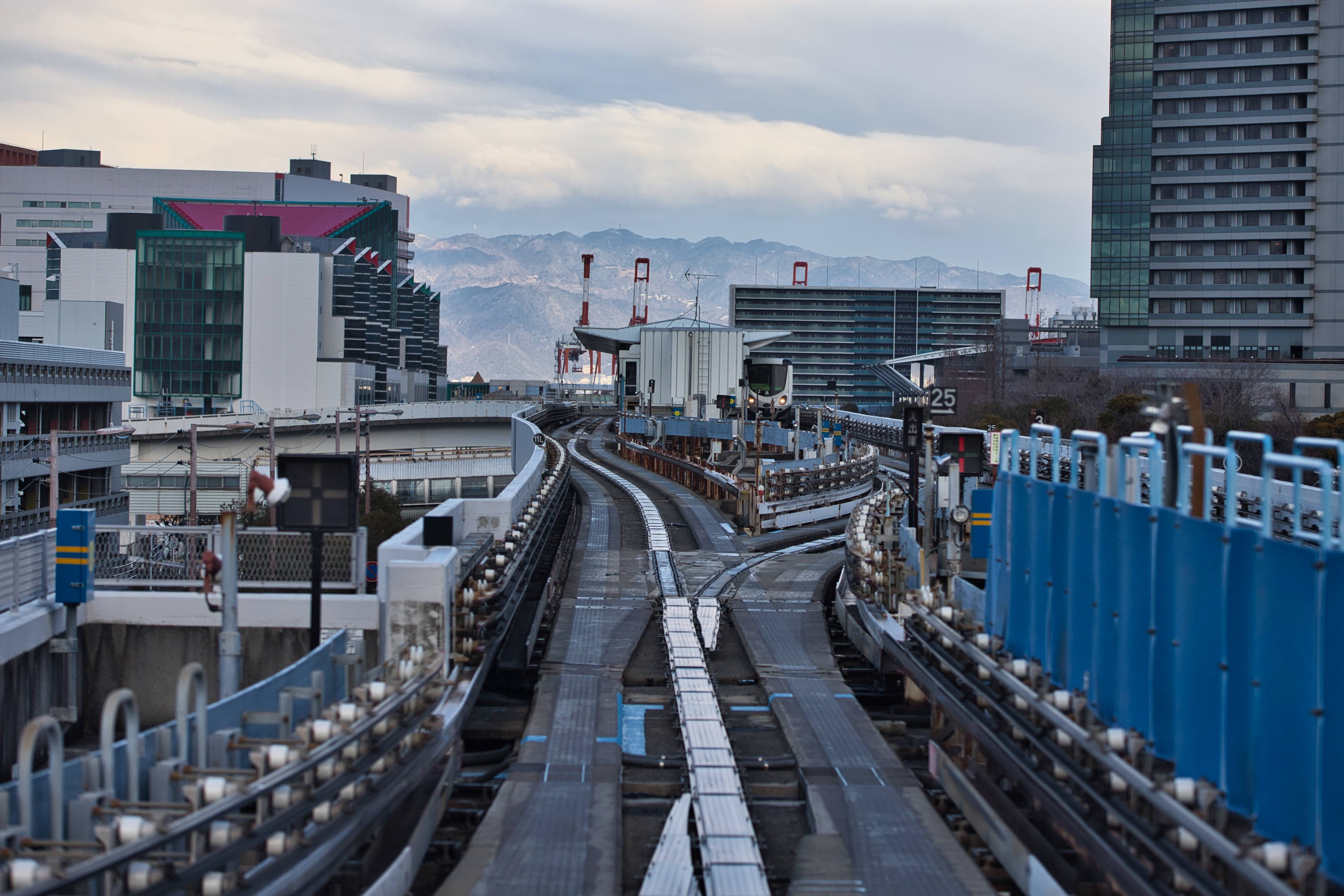
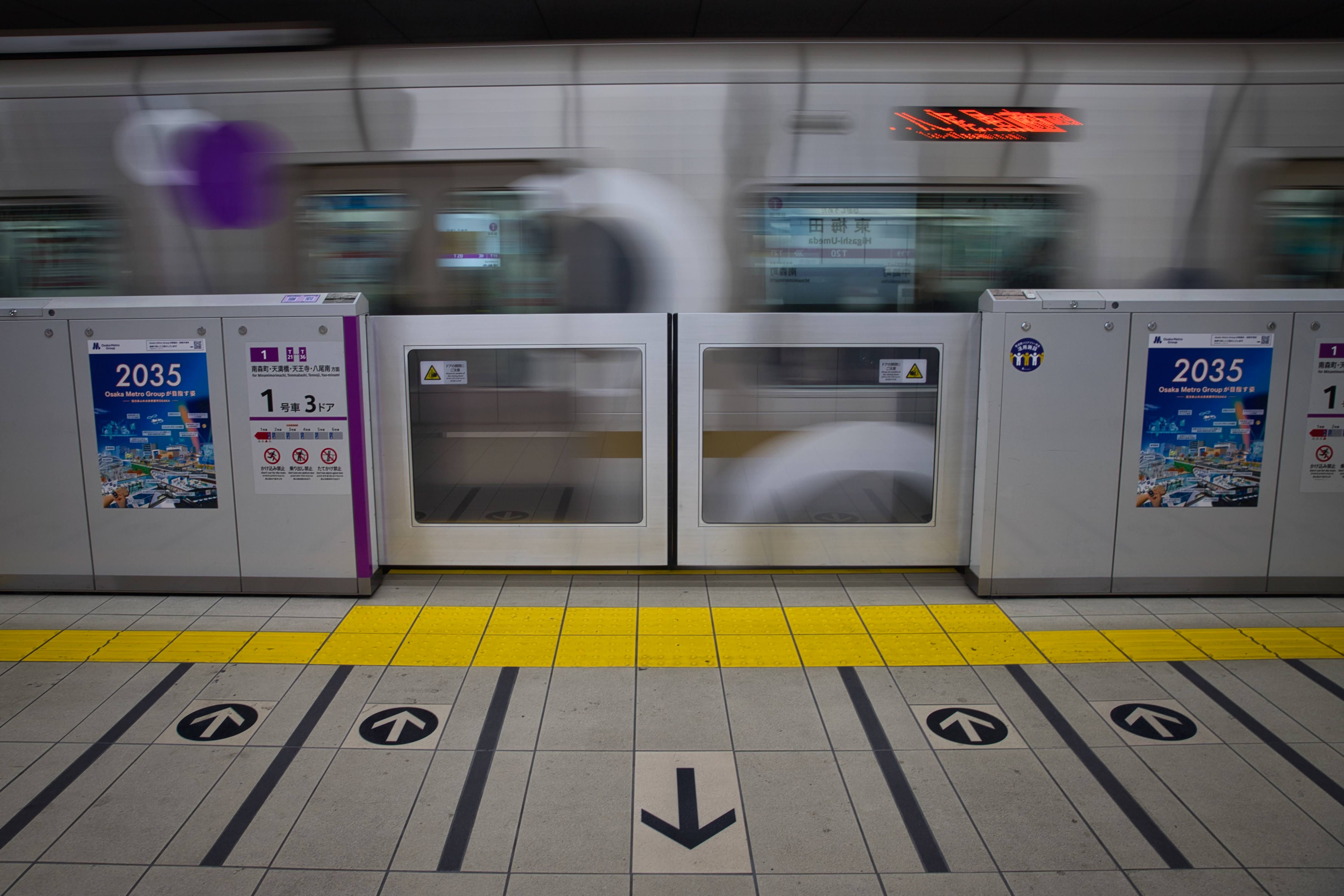
I even had my own little experience on how Osaka Metro handles adverse weather. New Tram is a monorail line that goes around the port area with a cute cab car’s front designed like a smiley face of a cartoonish personage. On the day I took the monorail, there were some rather minor delays due to strong winds. I guess the line completely shuts down in case of typhoons.
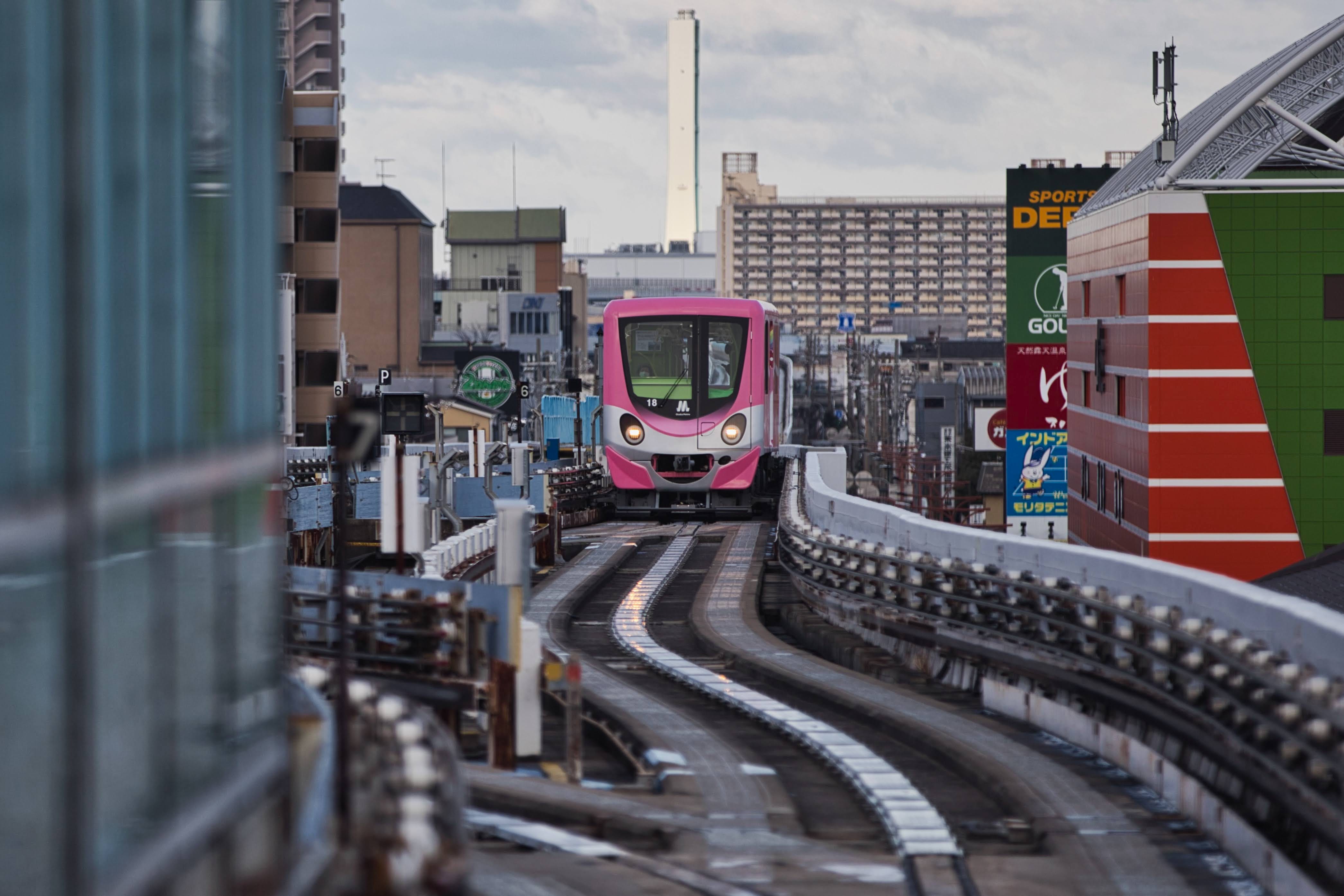
One of the joys - and occasional puzzles - of riding in Osaka is realizing that “the metro” doesn’t always end where the tunnels do. Private railways have long shared urban corridors with Osaka Metro. It’s a uniquely Japanese arrangement that rewards passengers with across‑city, sometimes even an inter-city reach, without a transfer.
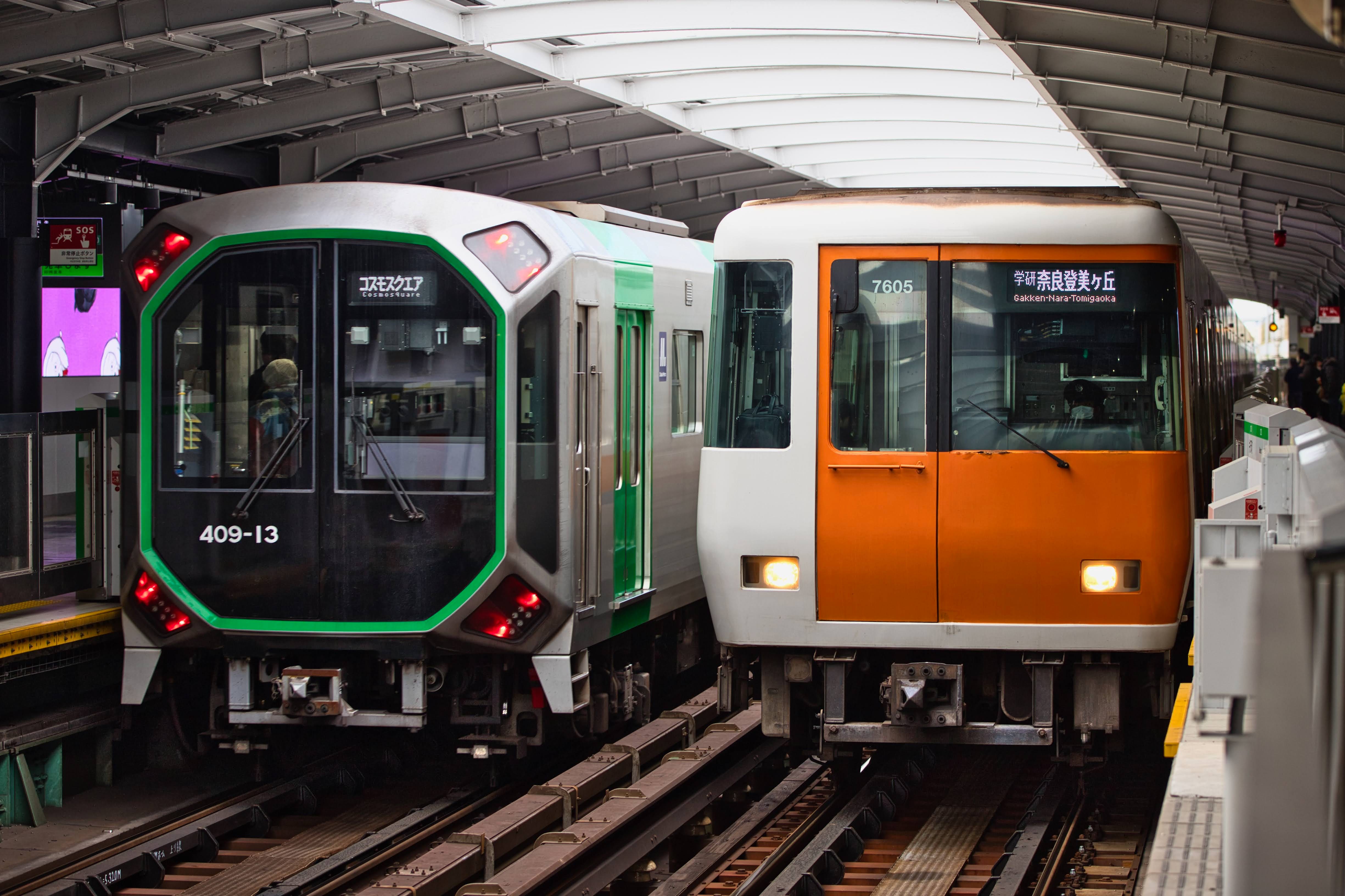
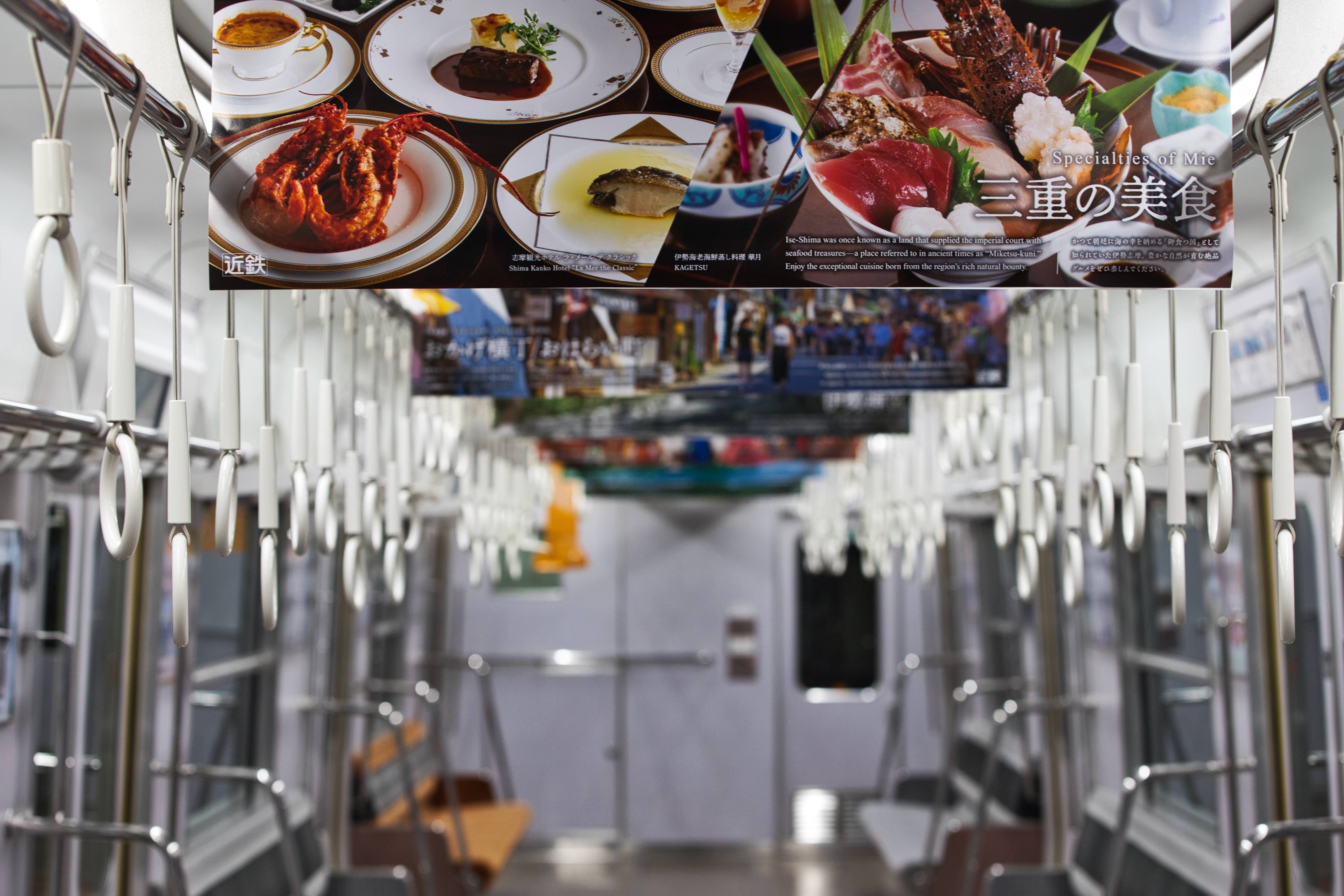
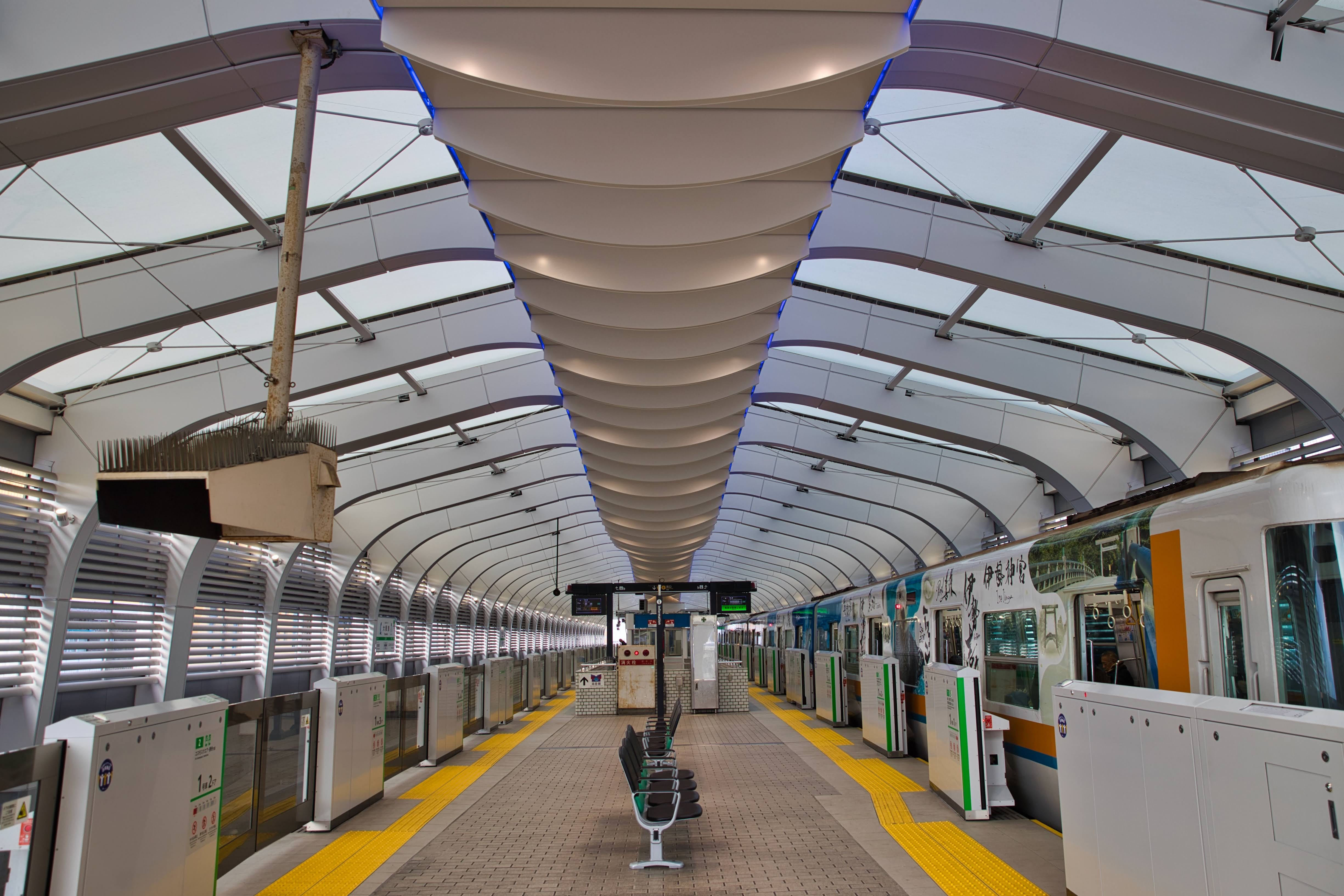
For Osaka Metro, I guess the upside is that it does not need as much rolling stock on these shared corridors, thanks to the private railways supplementing the train cars to meet the demand.
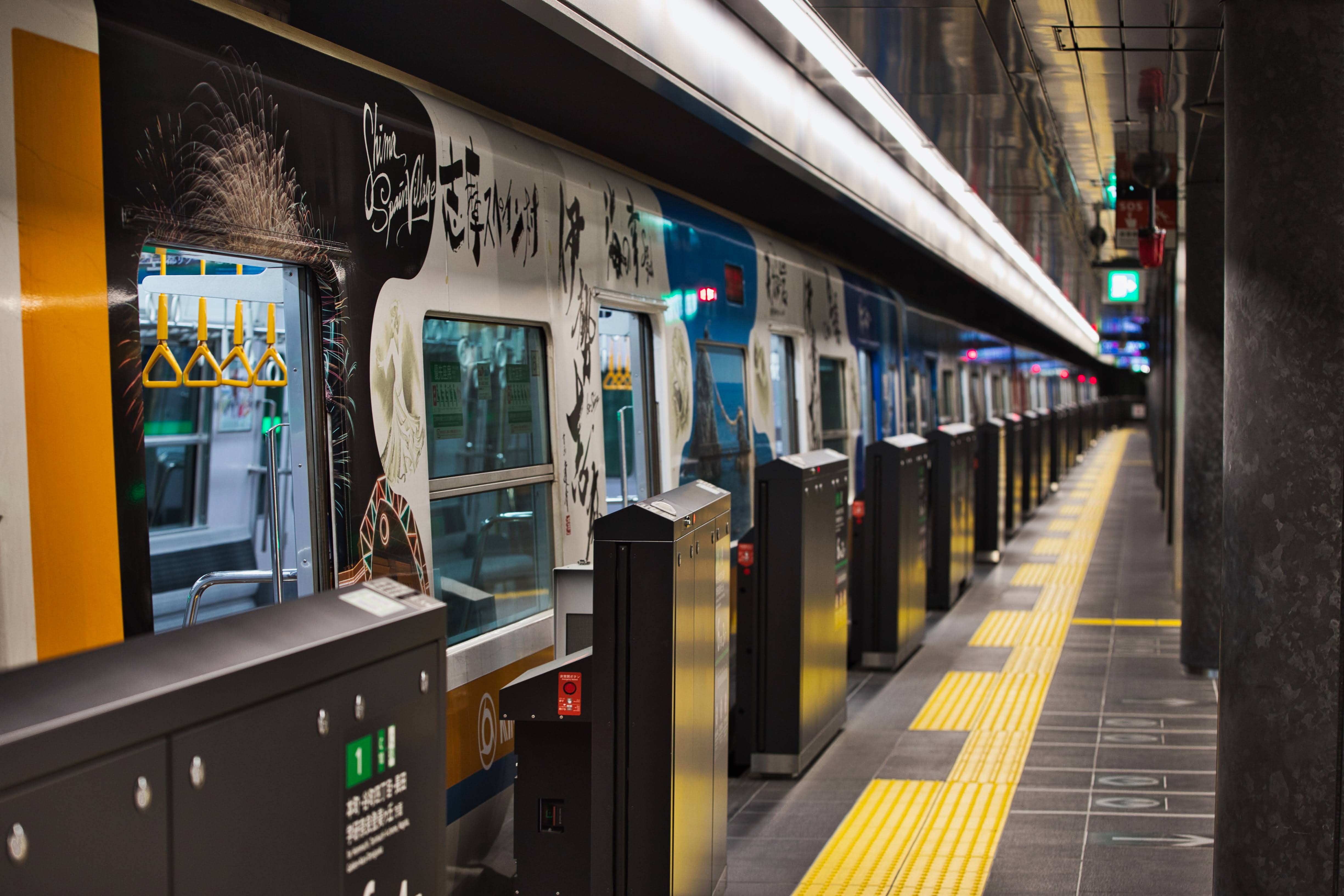
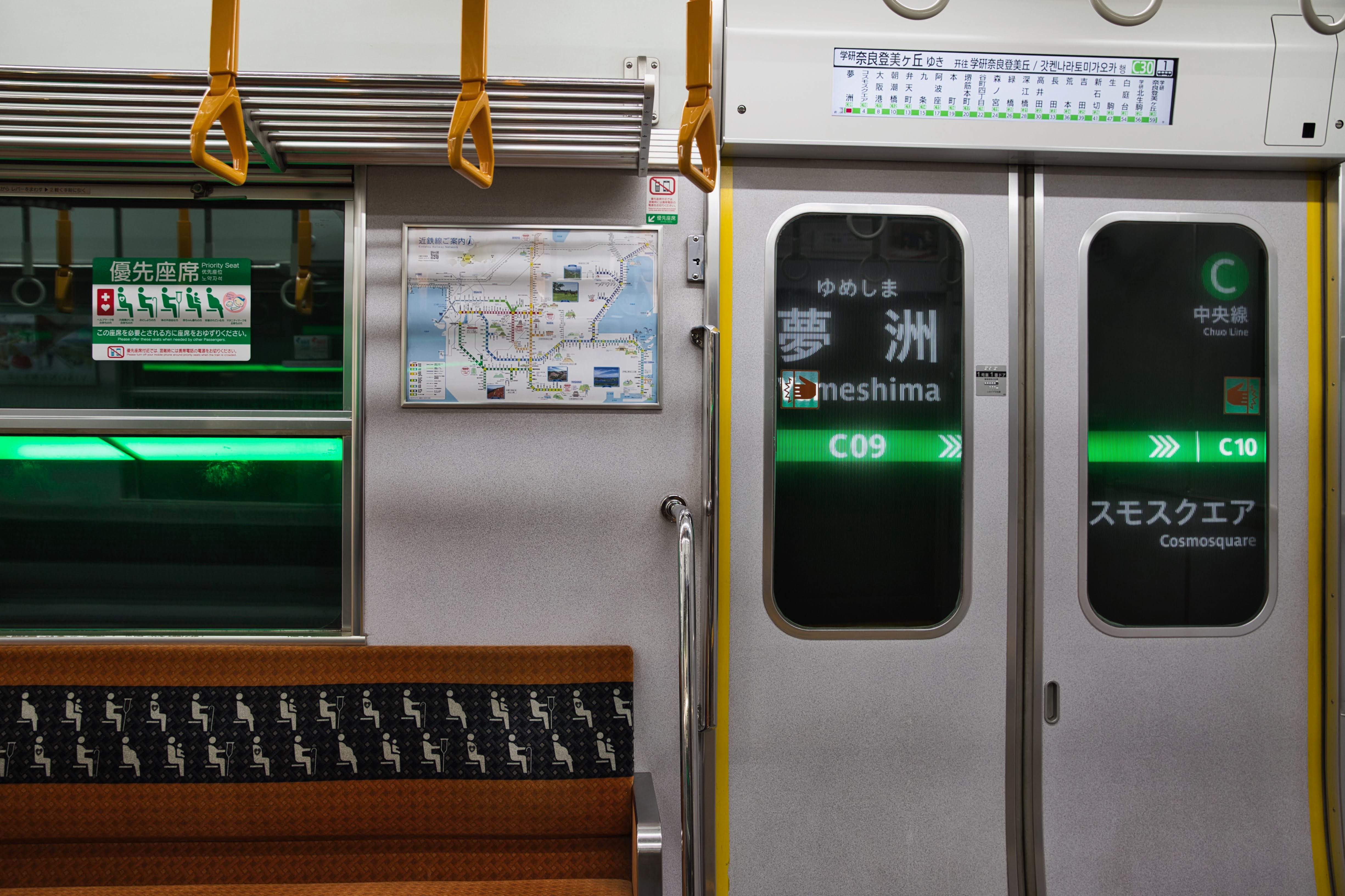
Consider the Chūō Line (C). On its eastern end, the tracks belong to Kintetsu Railway. Trains from both operators alternate in the corridor, but Kintetsu services continue far beyond the city limit to Gakken Nara‑Tomigaoka. If your journey crosses that invisible border, be ready to buy an extra ticket or you will be required to make a quick stop at a fare adjustment machine before exiting the station. A day pass is only good for Osaka and it does not cover suburbs or other cities.
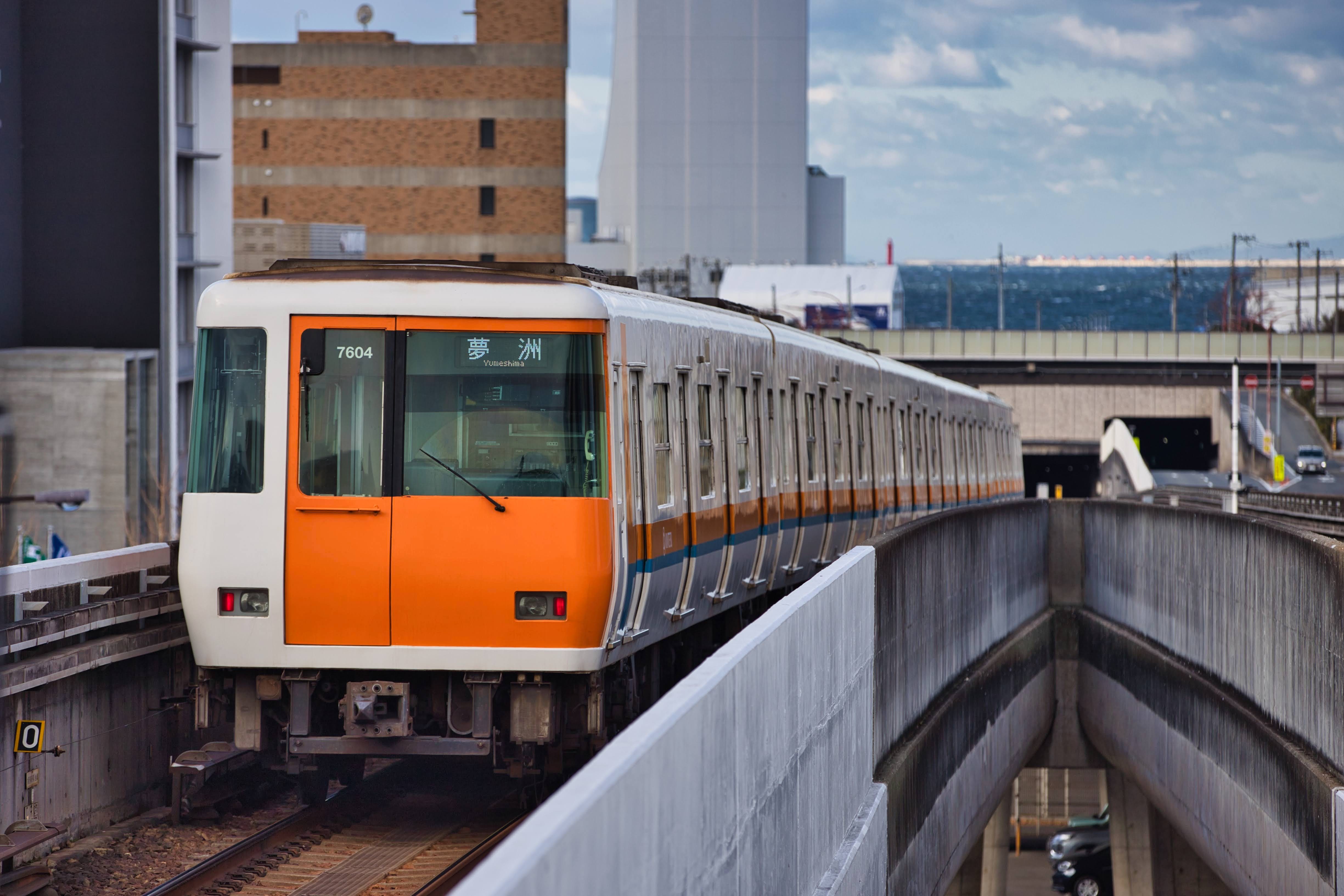
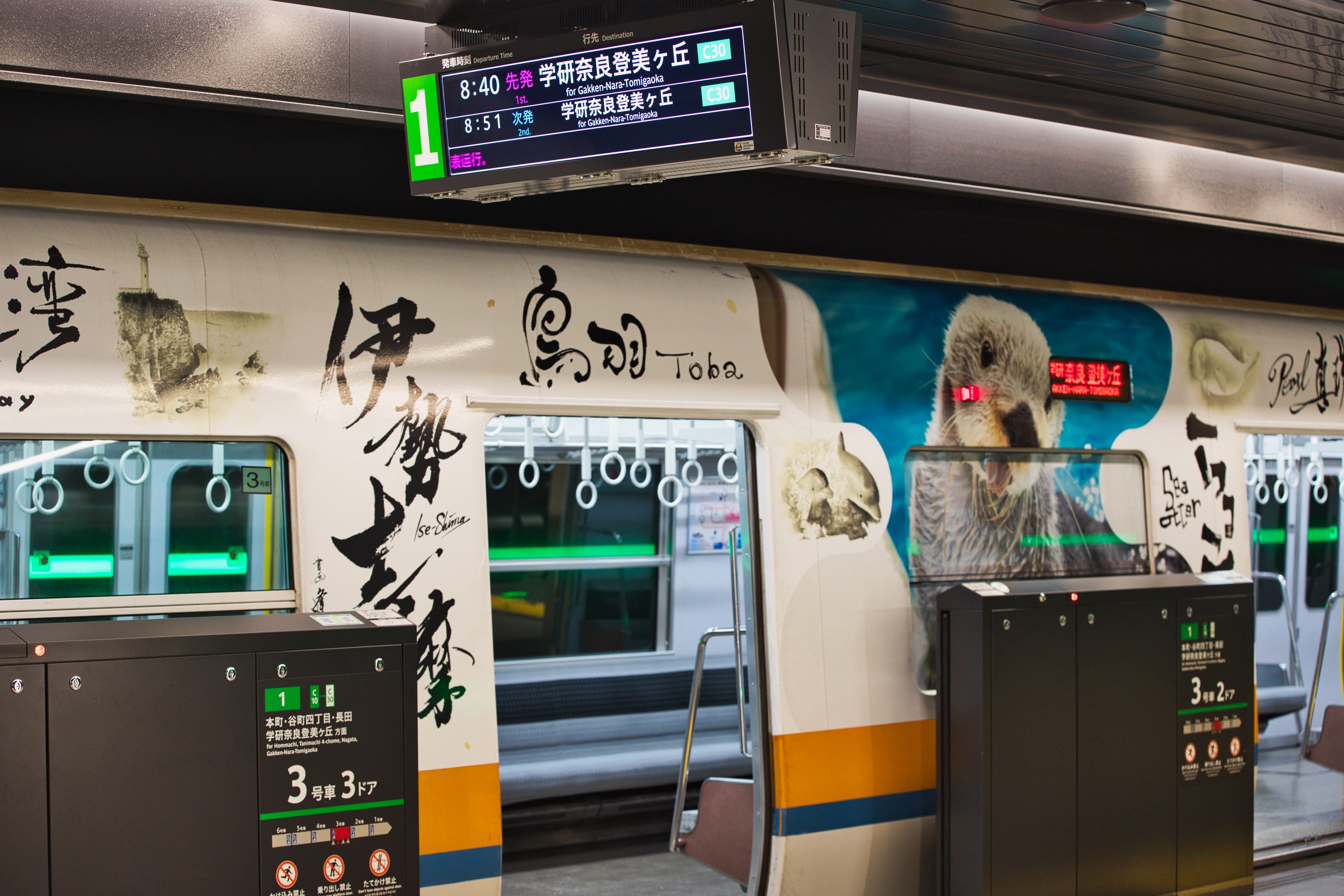
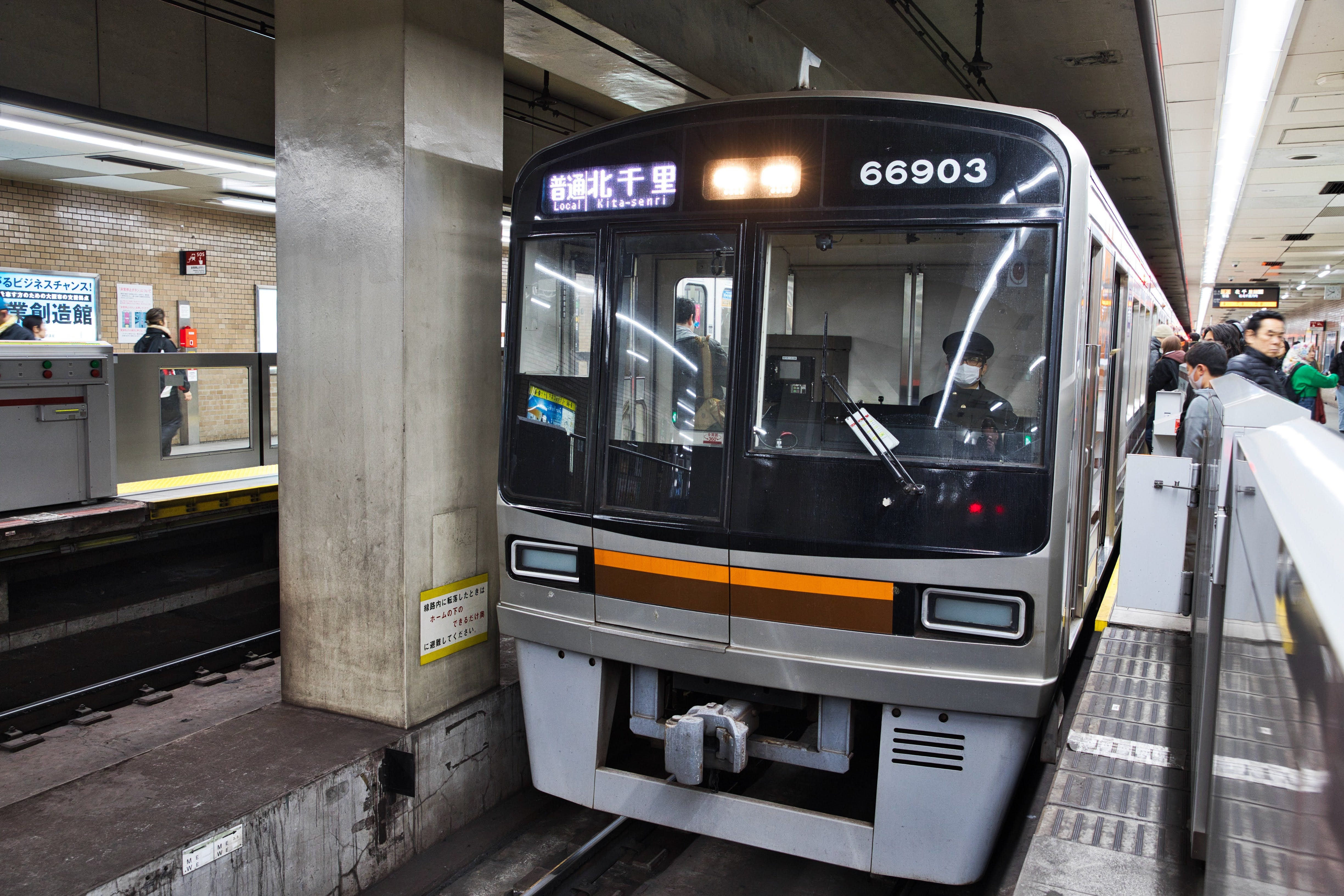
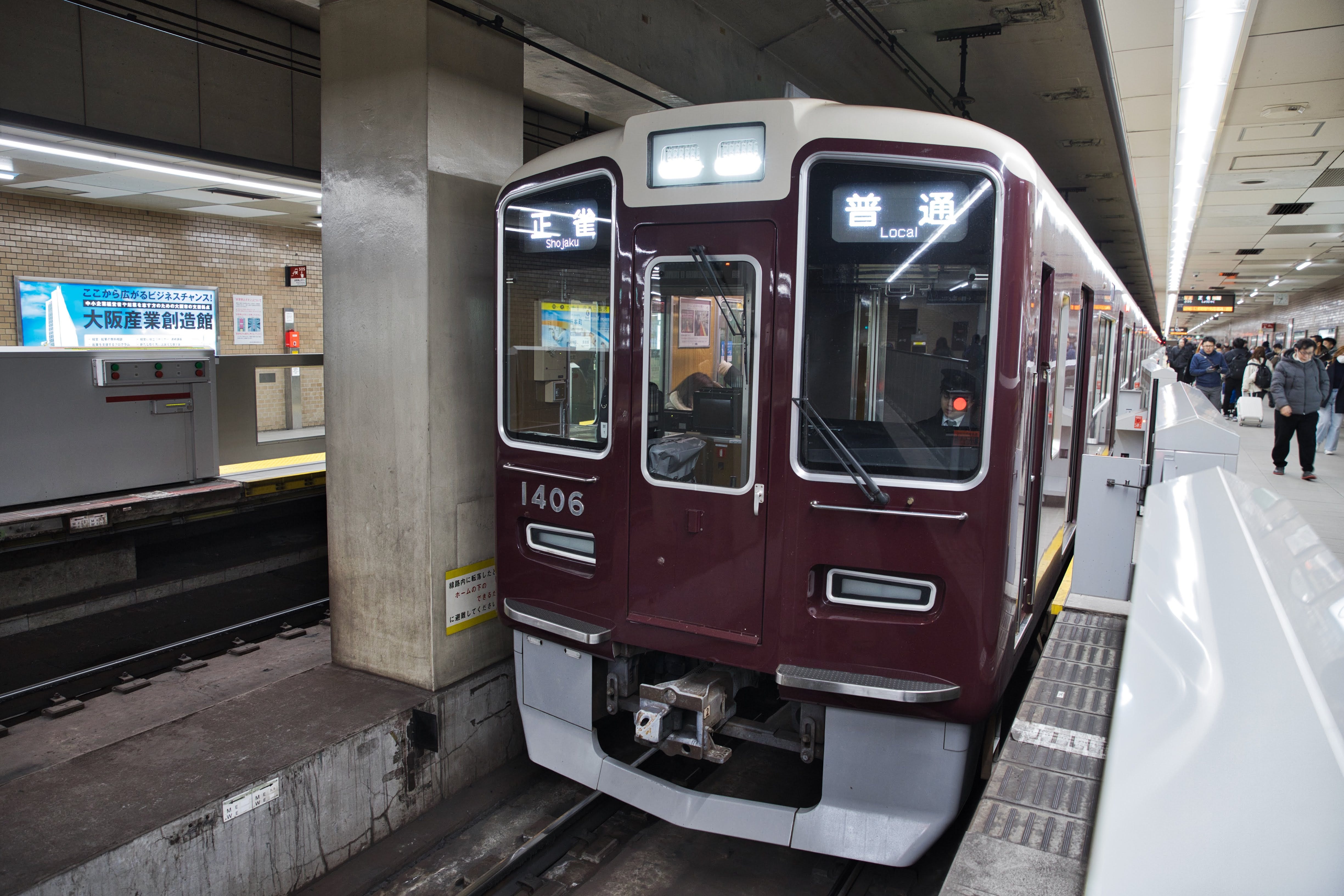
Then there’s Hankyū Railway, which extends the Sakaisuji Line (K) all the way to Kyoto. So be careful: if you fall asleep after work in Osaka, you might as well wake up in a different city, 60 km away! Having said that, digital screens have clear indication about where the next two trains are going, both in Japanese and in English.
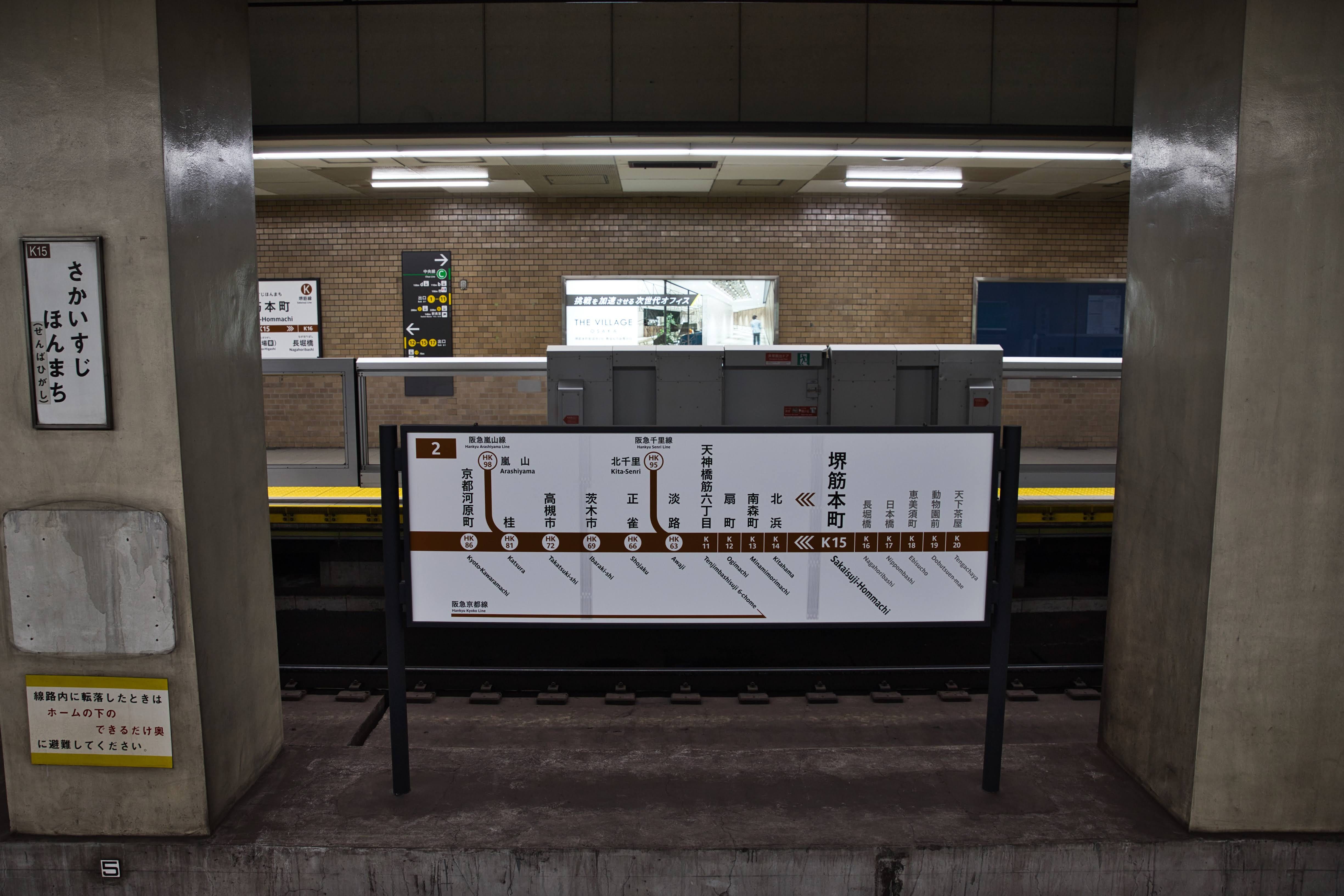
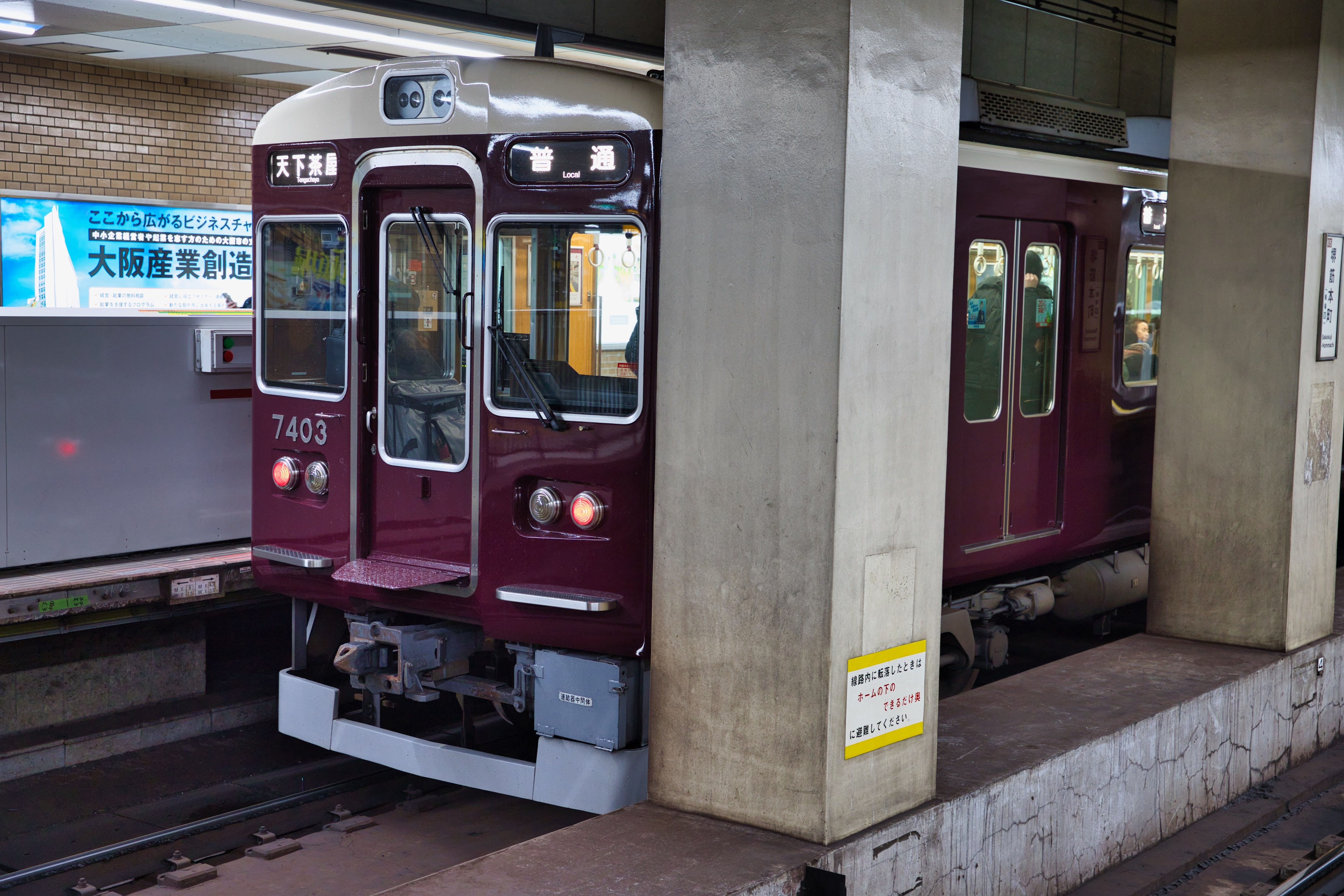
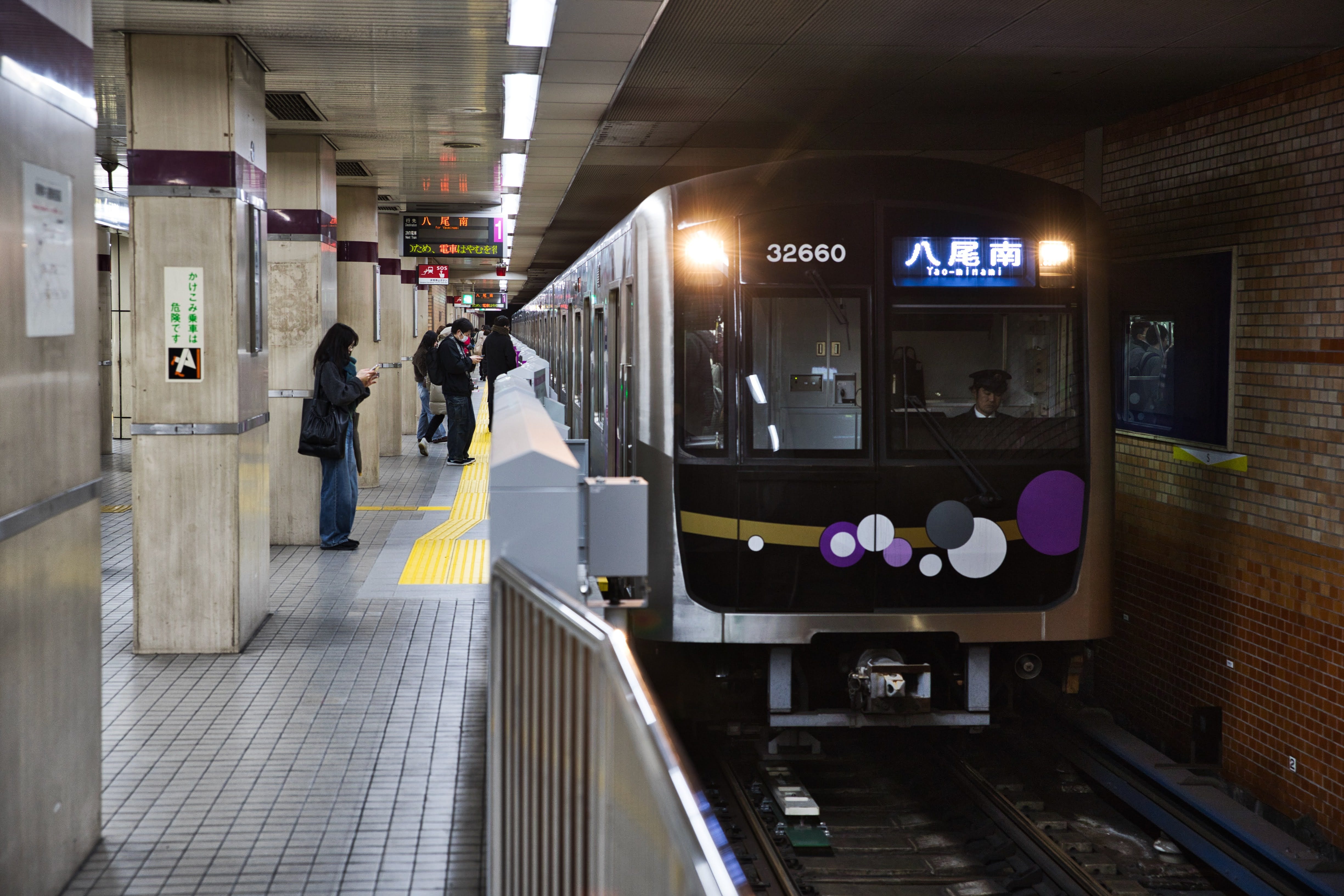
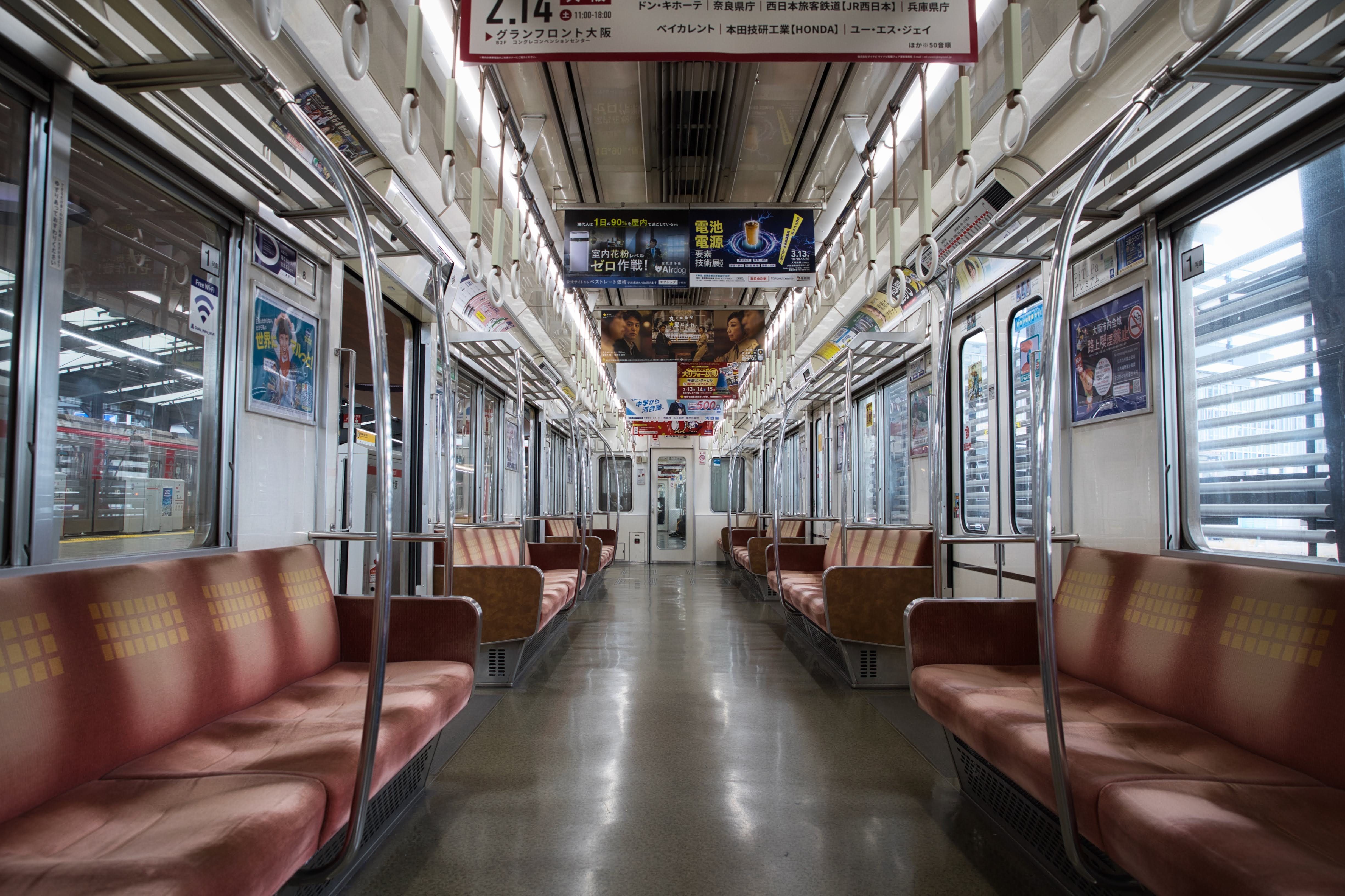
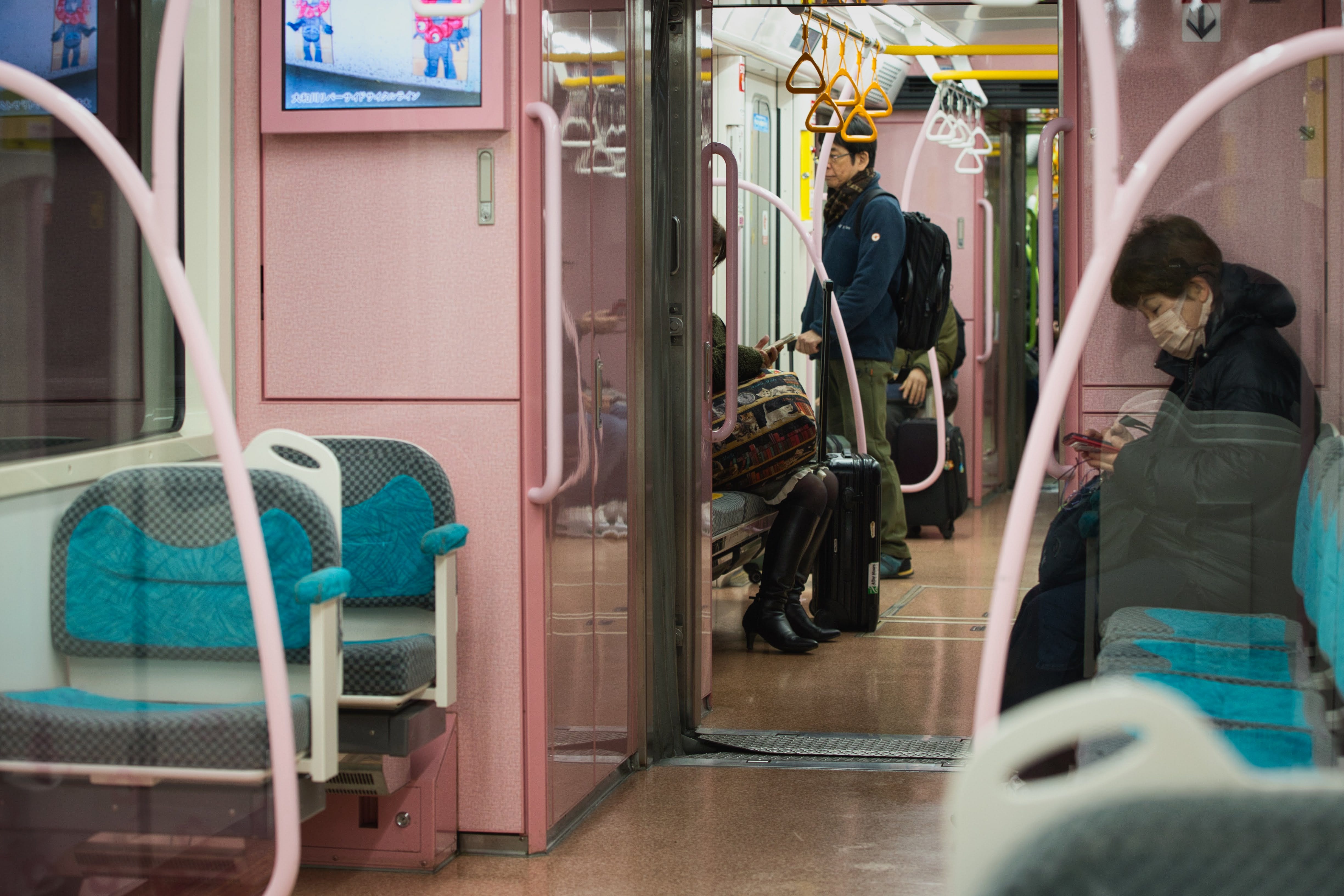
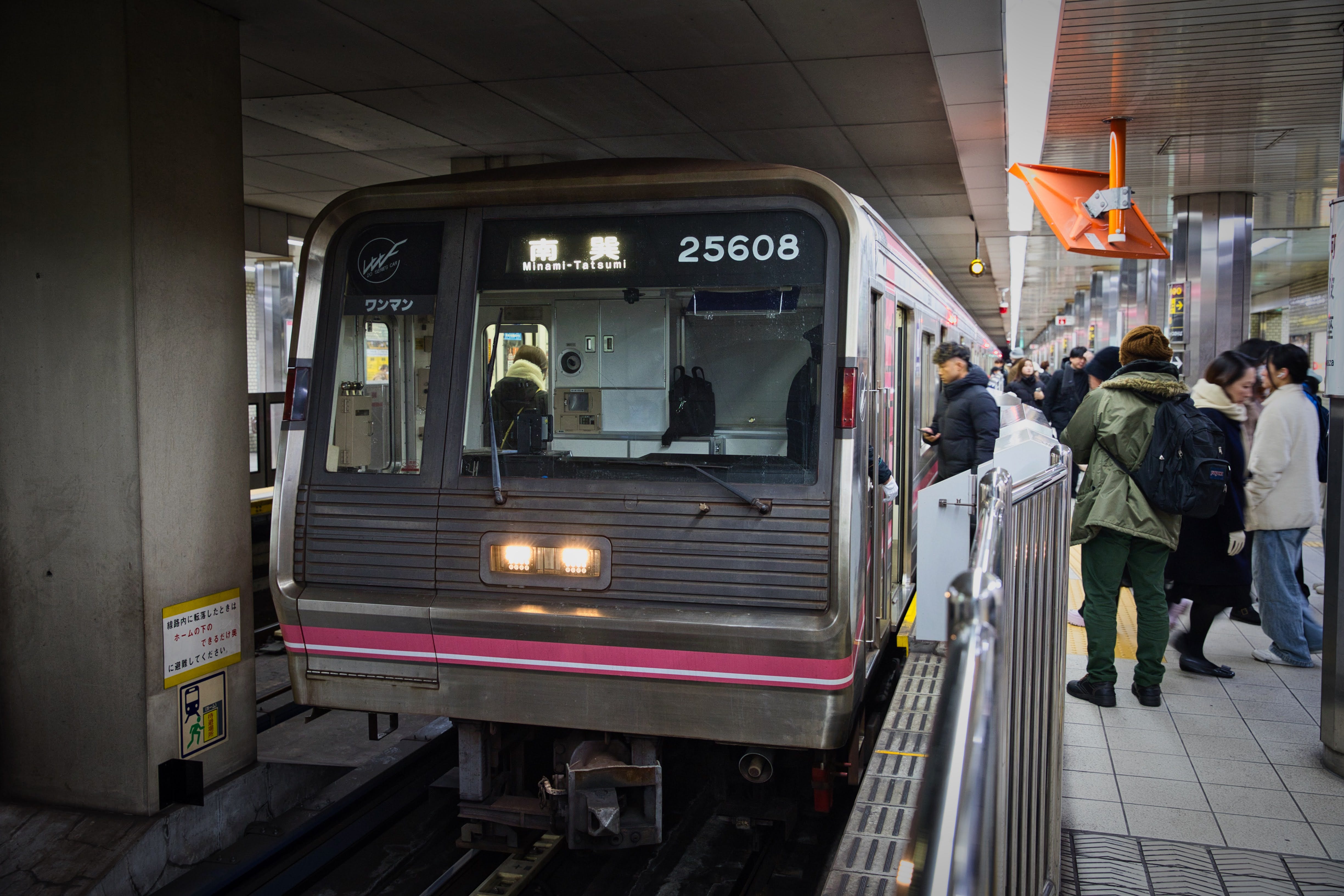
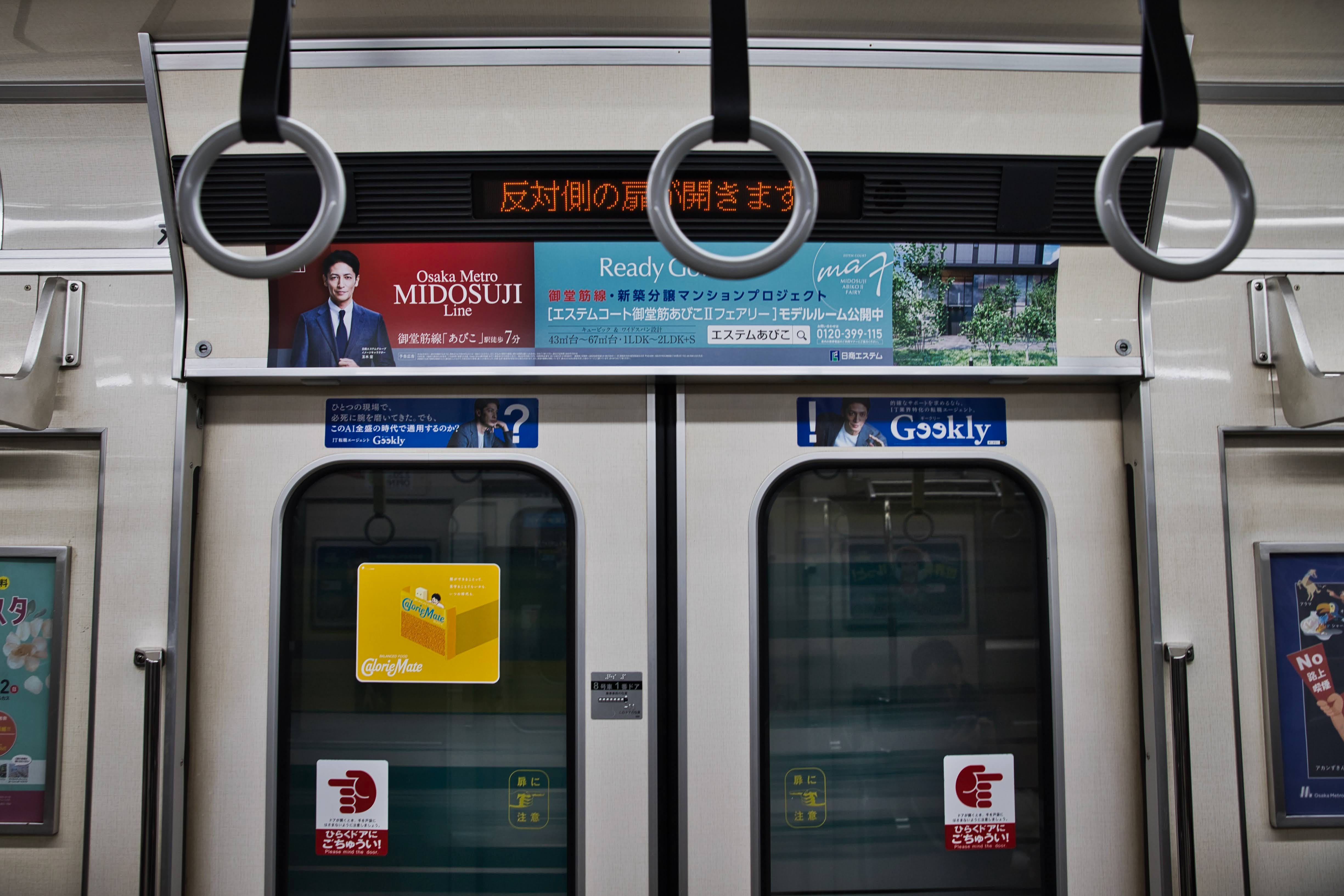
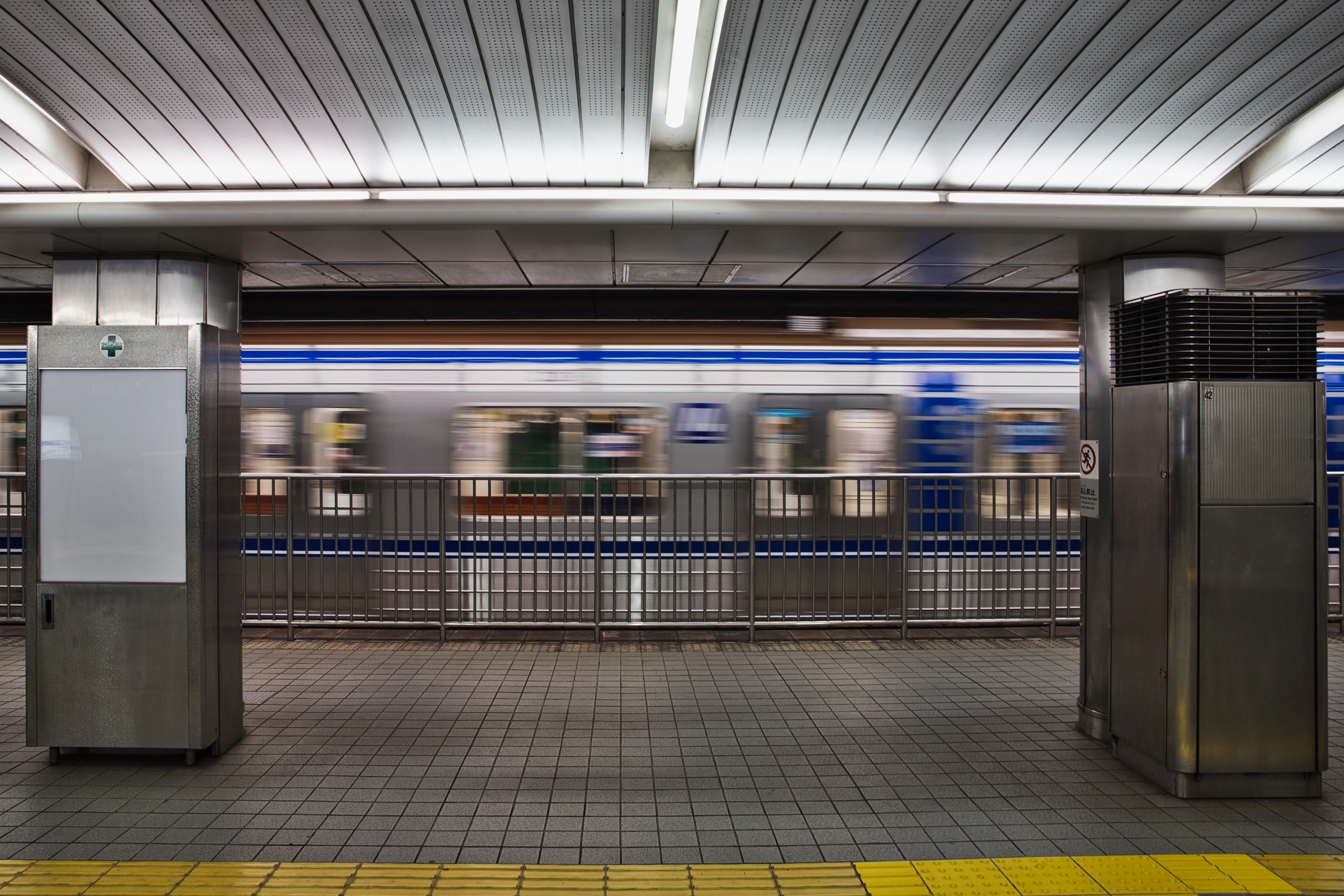
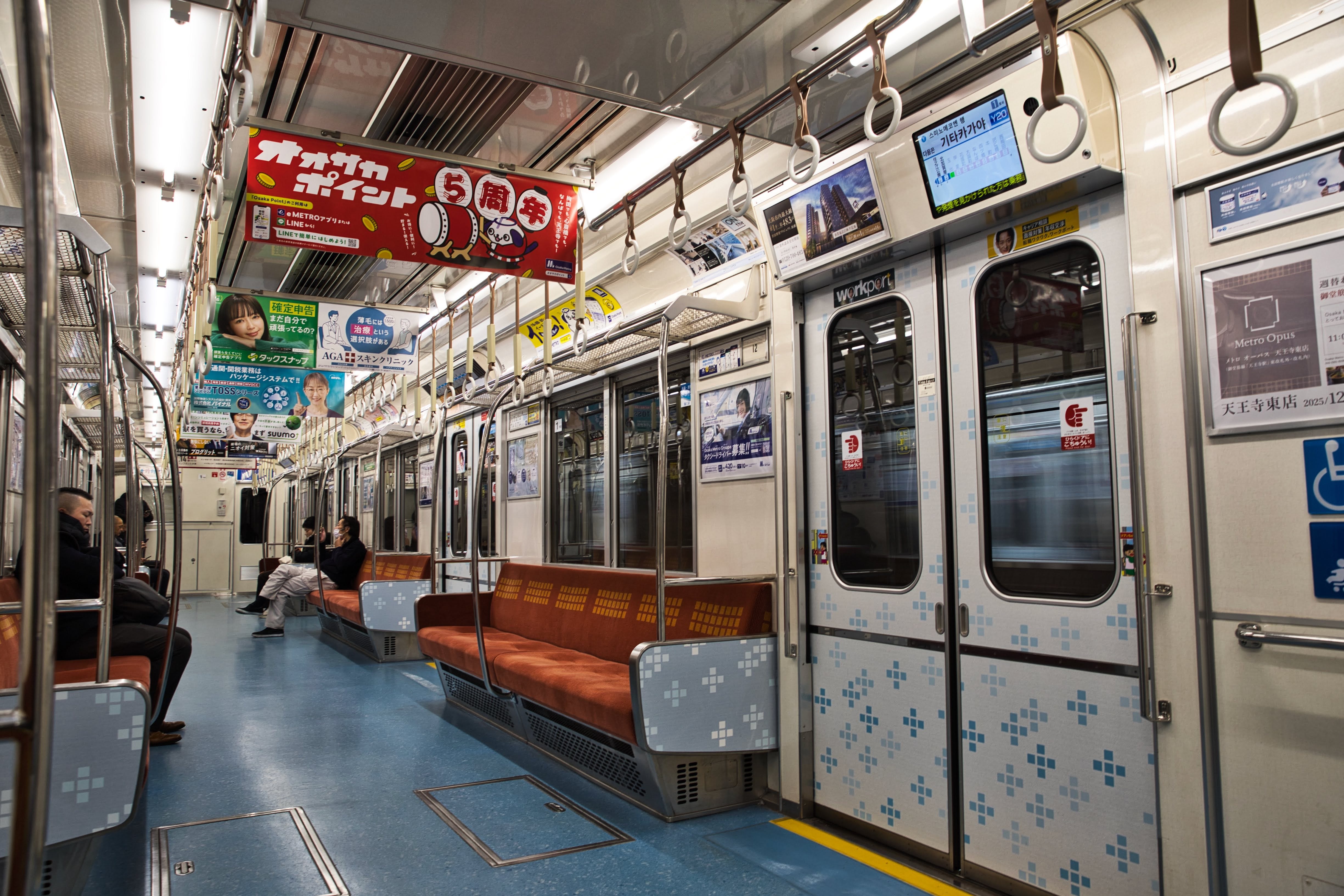
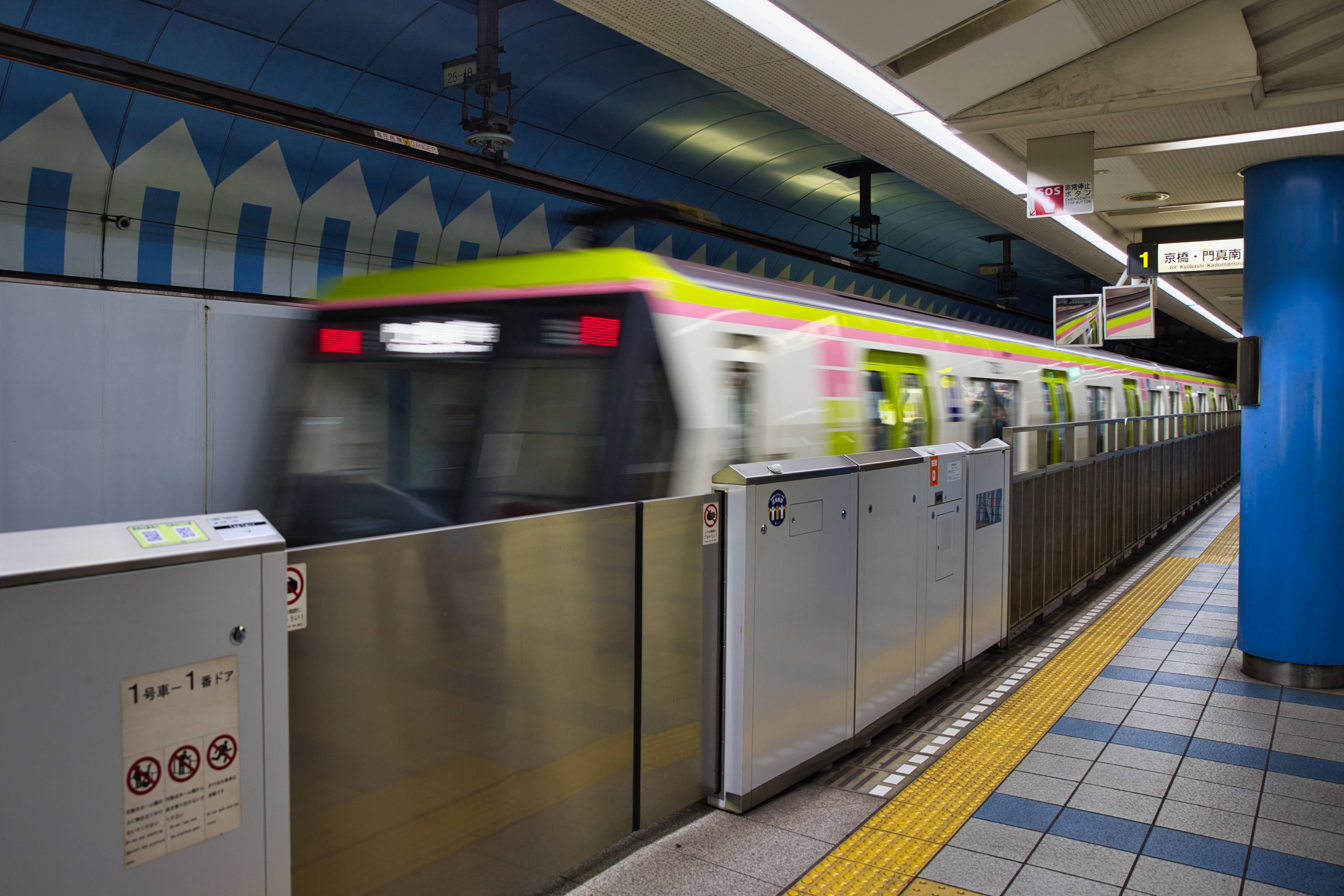
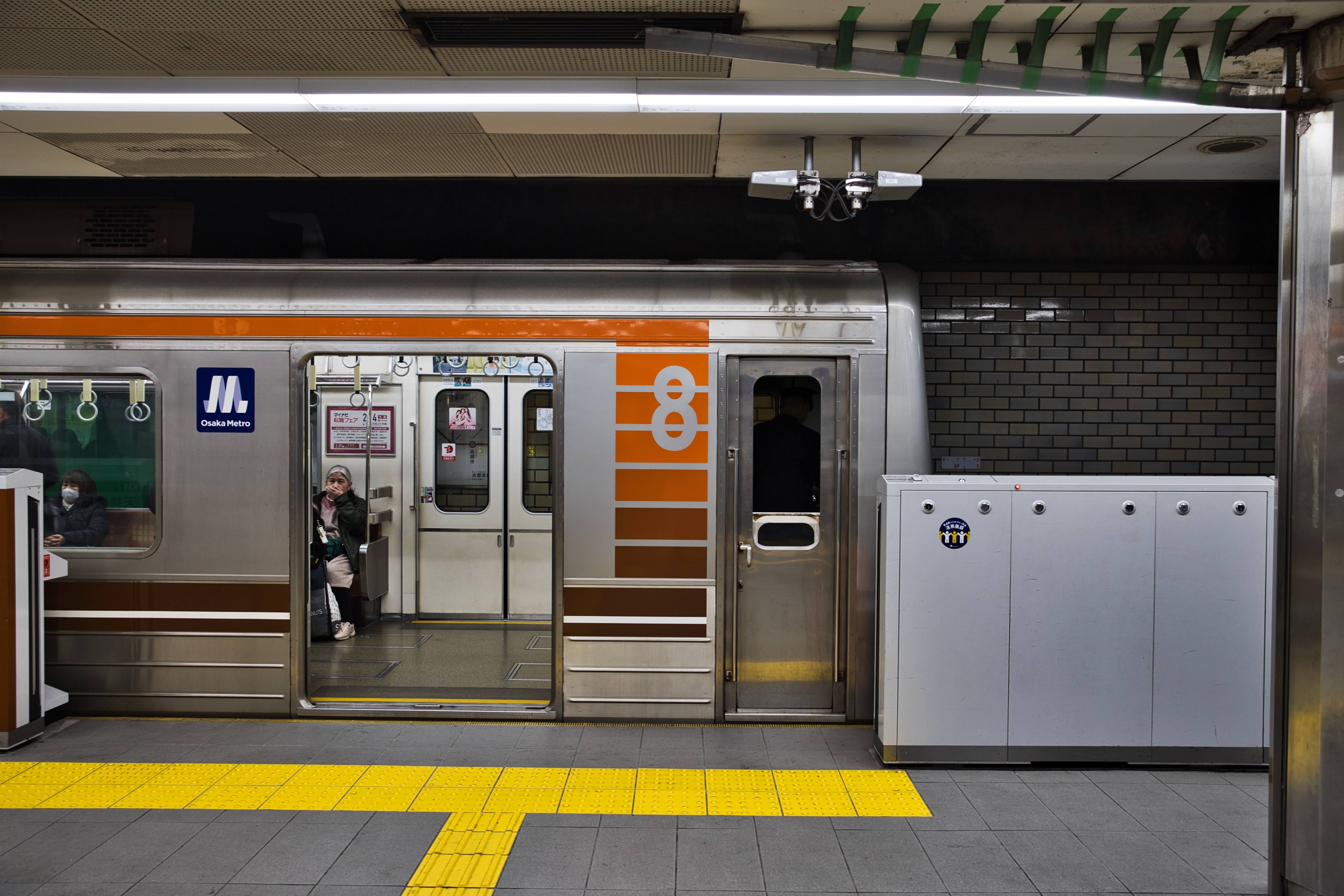
Many train cars on Osaka Metro feel like a time capsule from the 1990s. Not as nostalgia, but as evidence of a culture that values practicality over novelty. Cars may be older, but they are always tidy and fully functional. Fixtures are sturdy, floors spotless, hand straps plentiful. Above the doors you’ll even find occasional low‑tech signage that feels odd in an era of LCD displays, but it works!
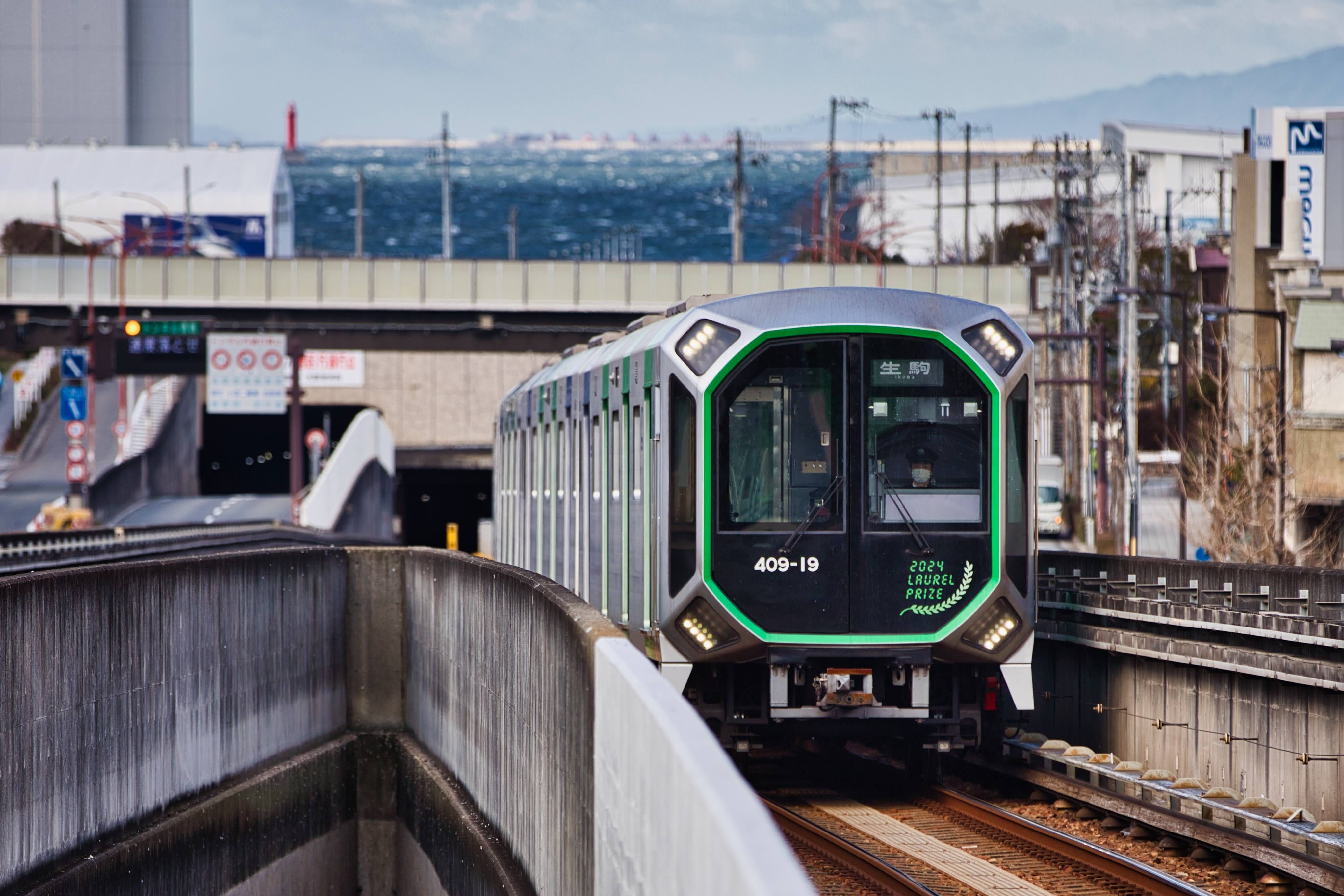
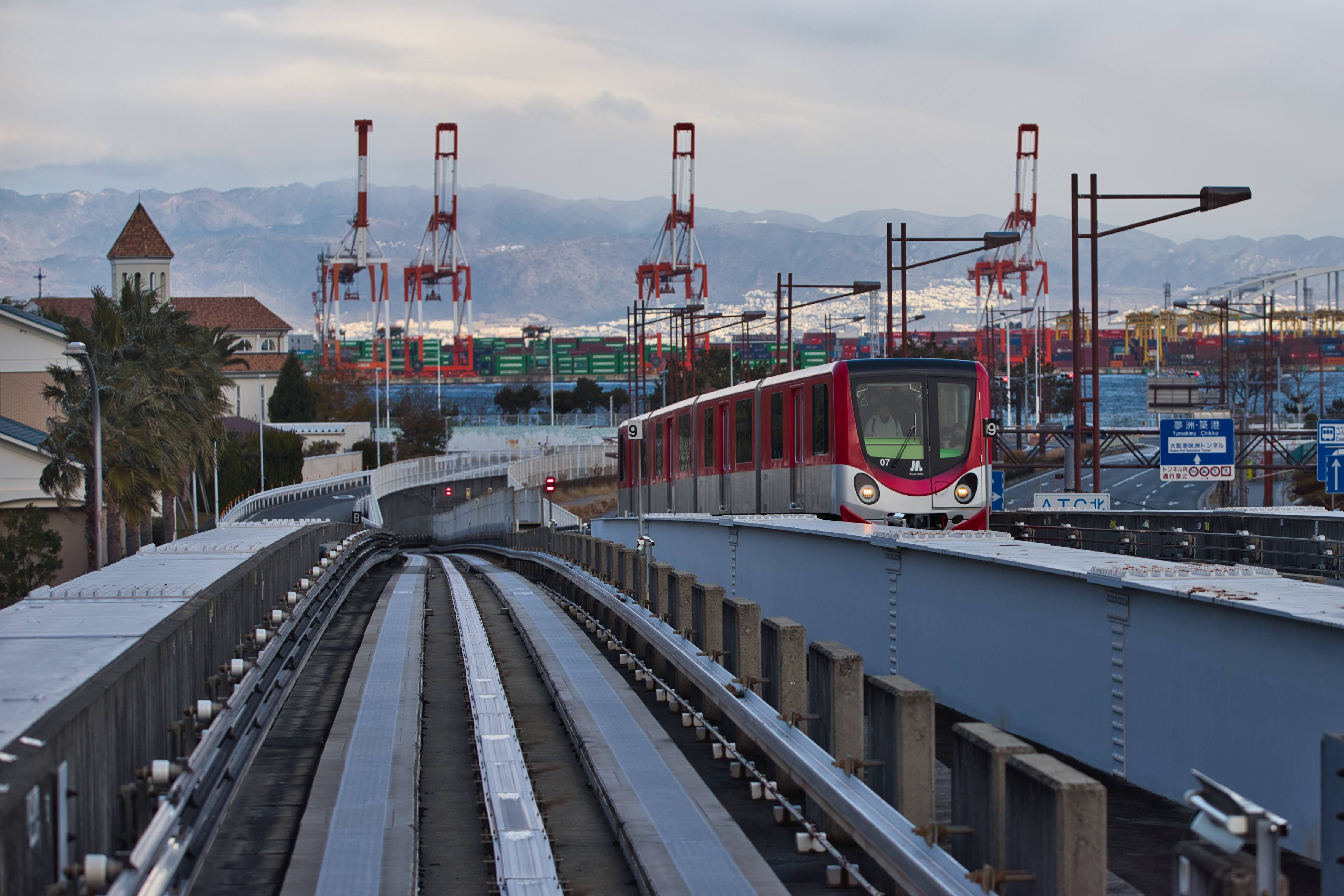
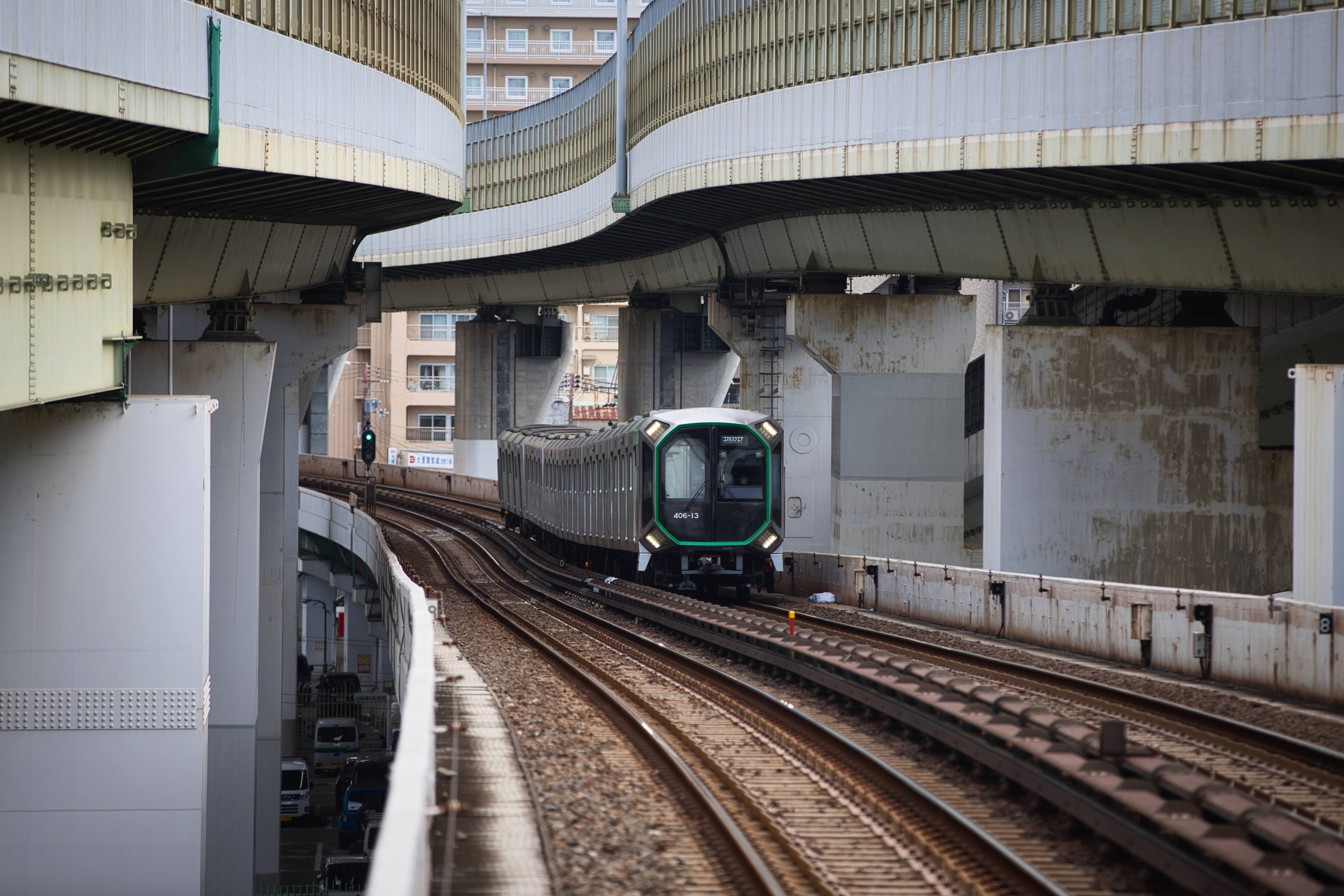
And then the future arrives - sleek and bold - on the Chūō Line (C). These are the very best trains in the fleet, a design so forward‑looking it earned a very prestigious Laurel prize by the Japanese Railfan Club in 2024.
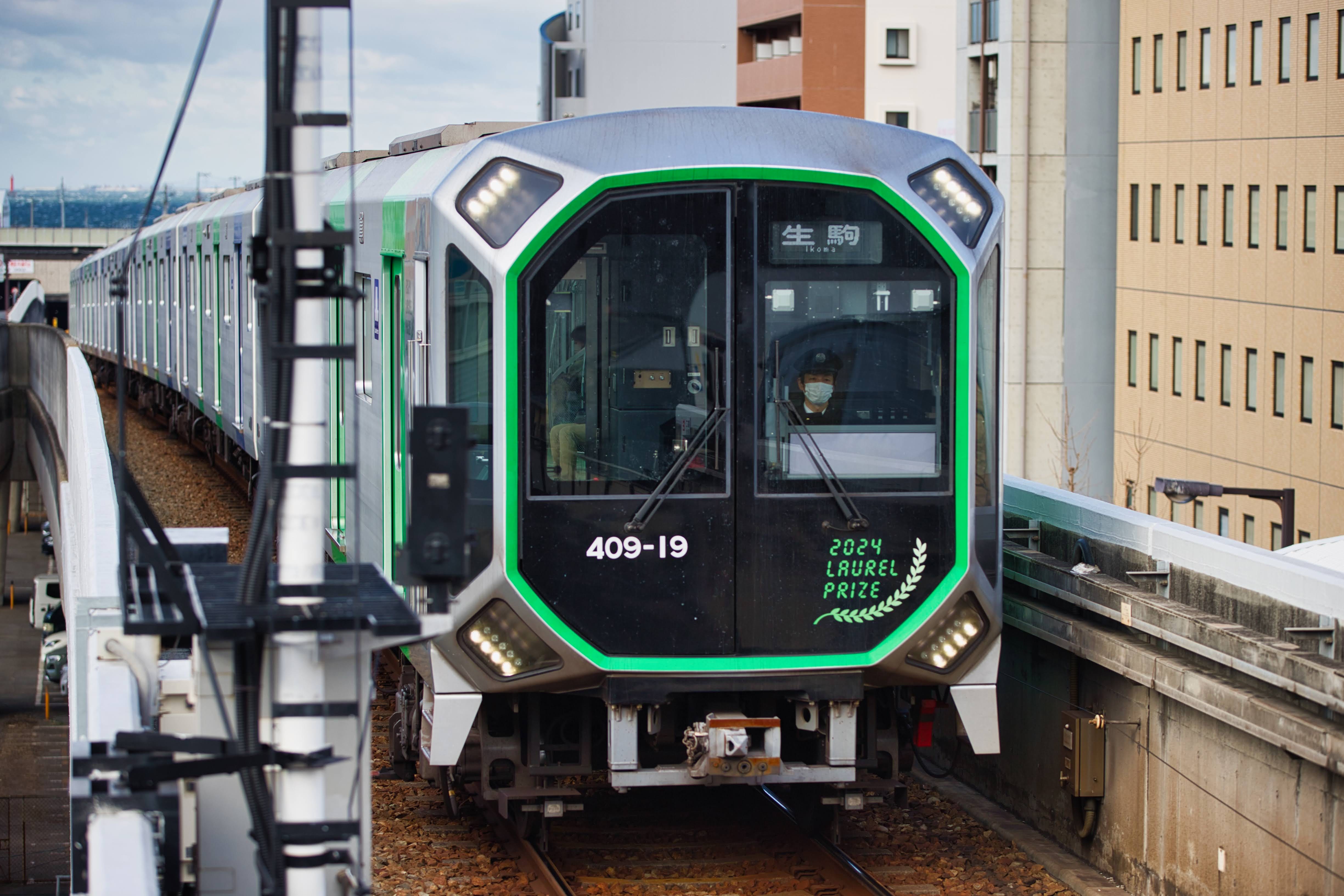
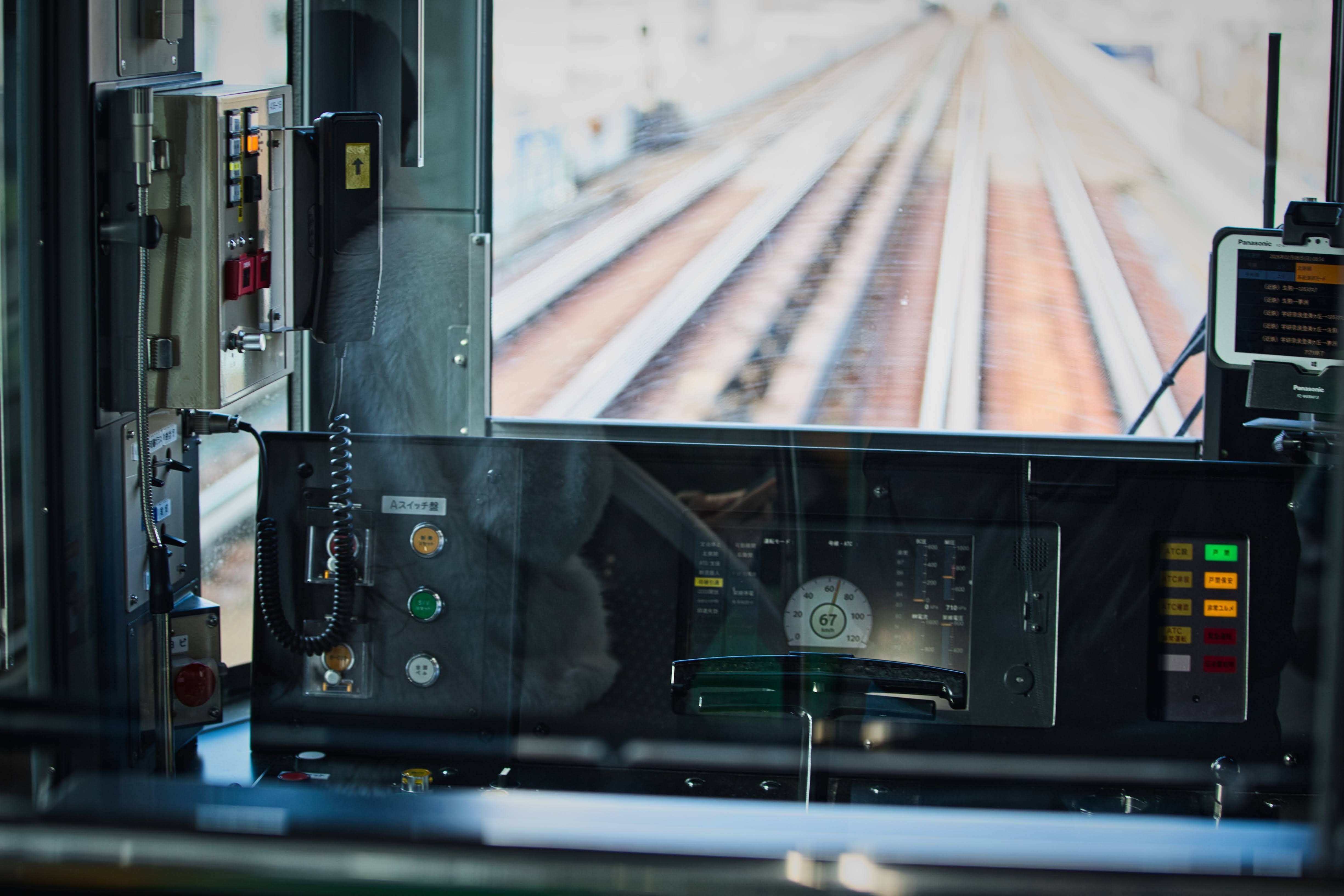
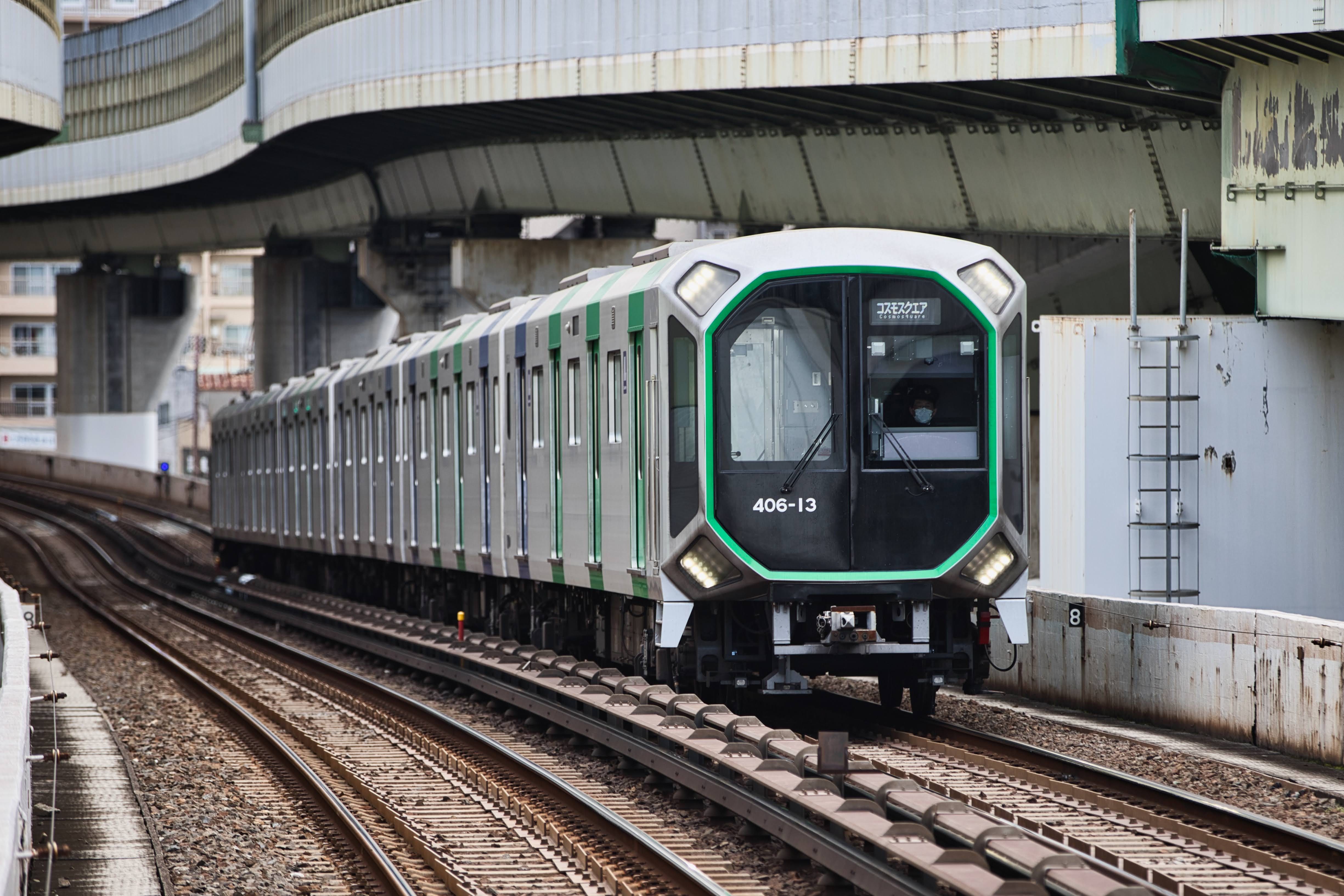
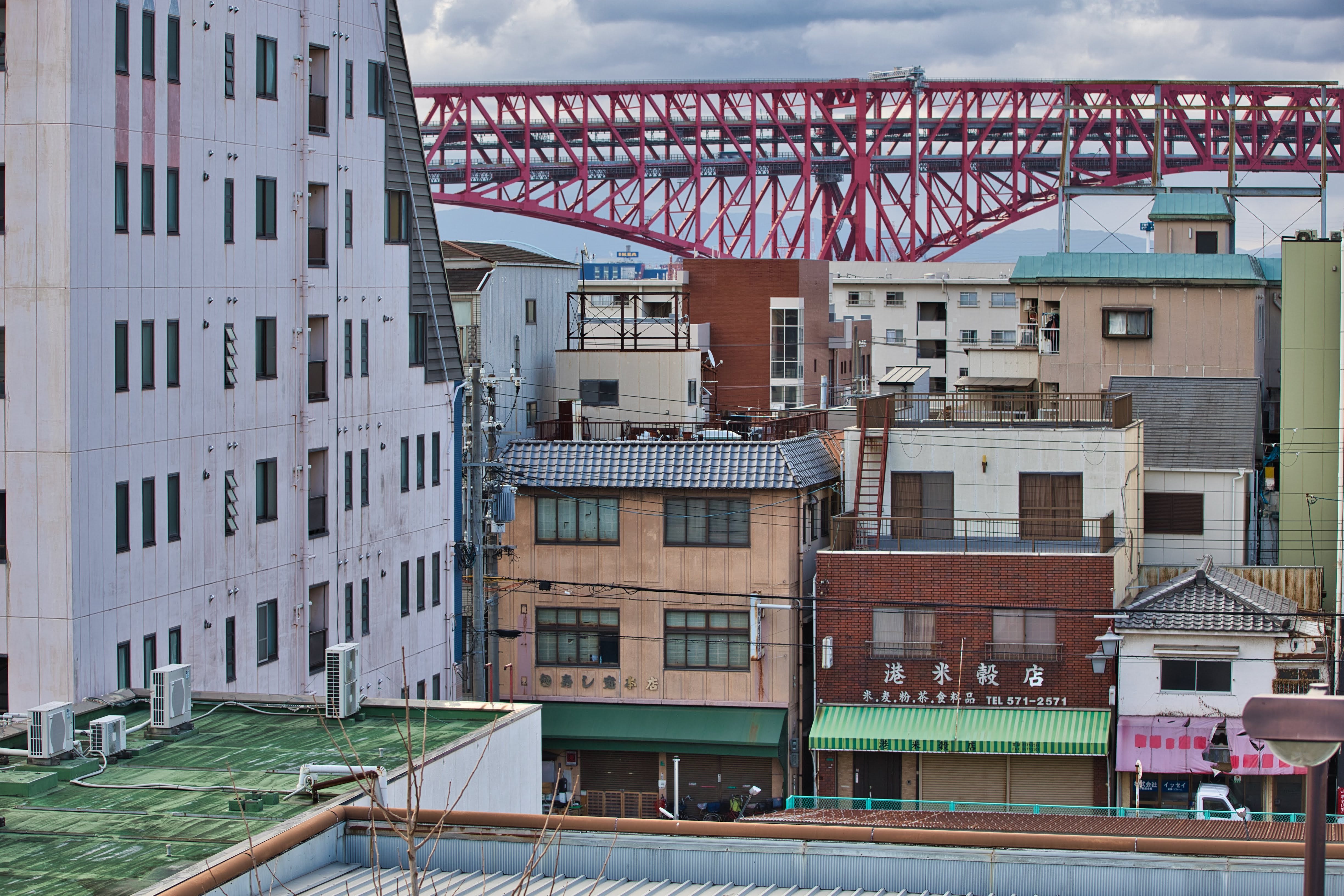
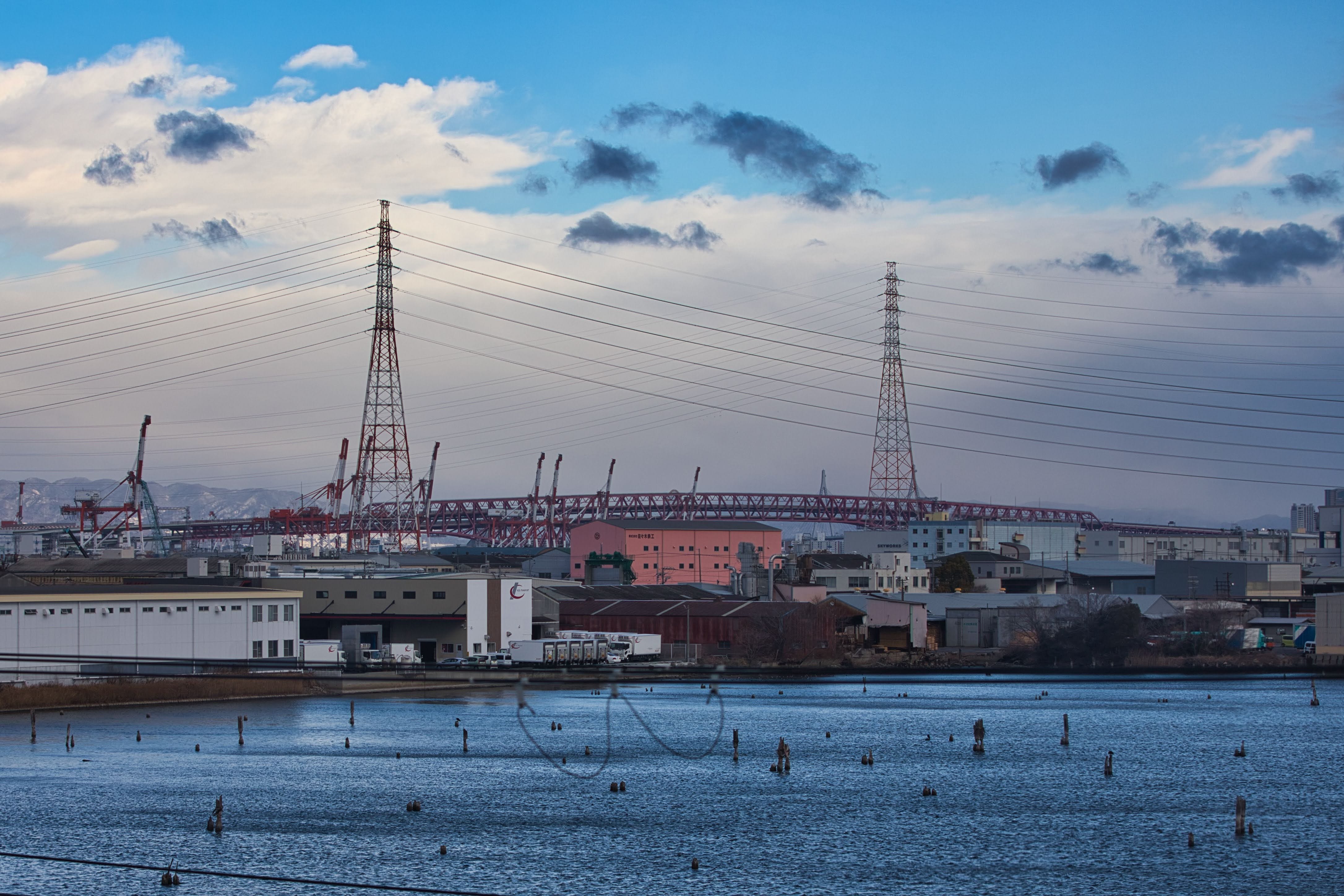
The line also offers a bonus that has nothing to do with a train design: some of the most scenic views of the expansive port, tall bridges, and the endless ocean. If you have only an hour to ride Osaka Metro, this is the ride to take.
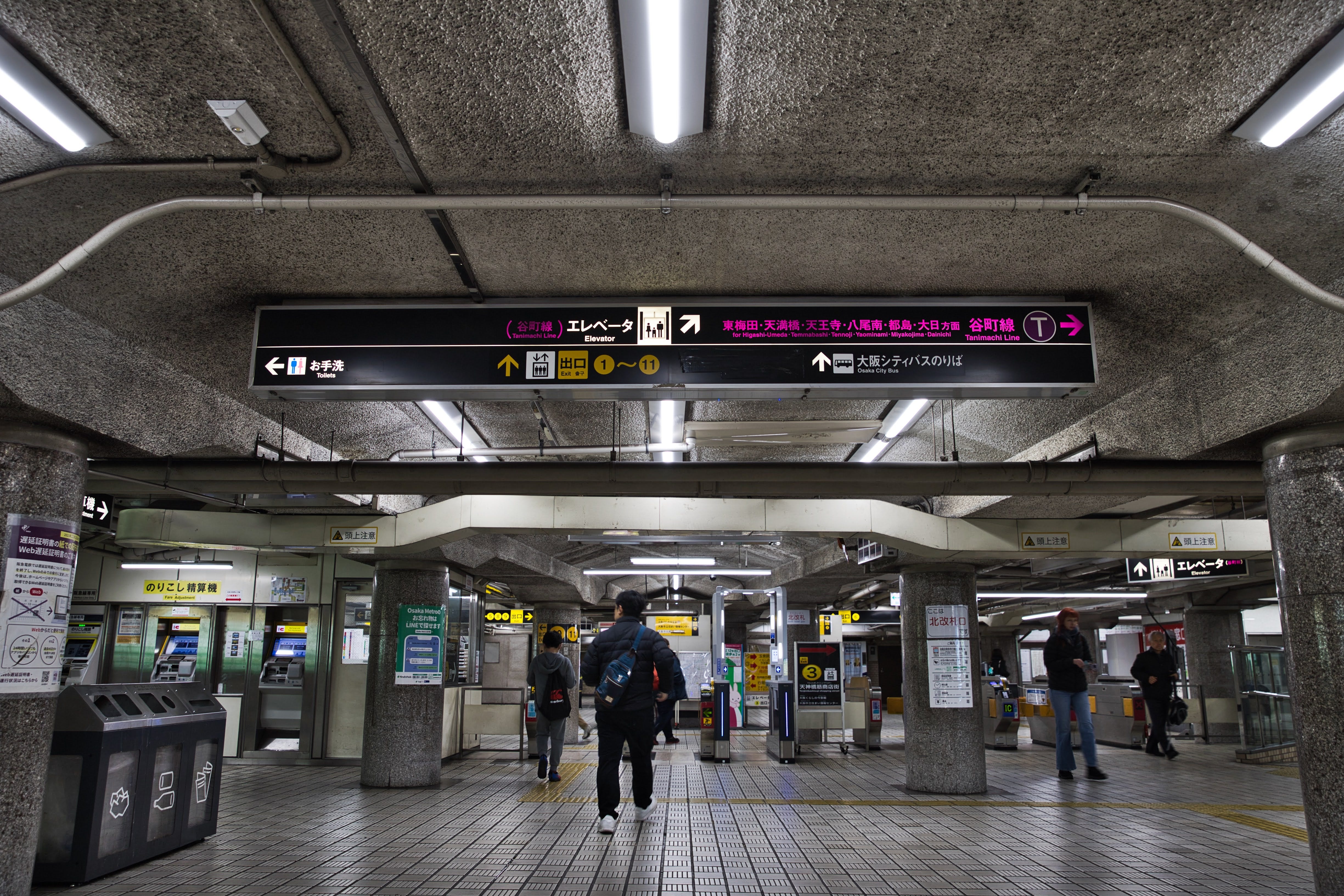
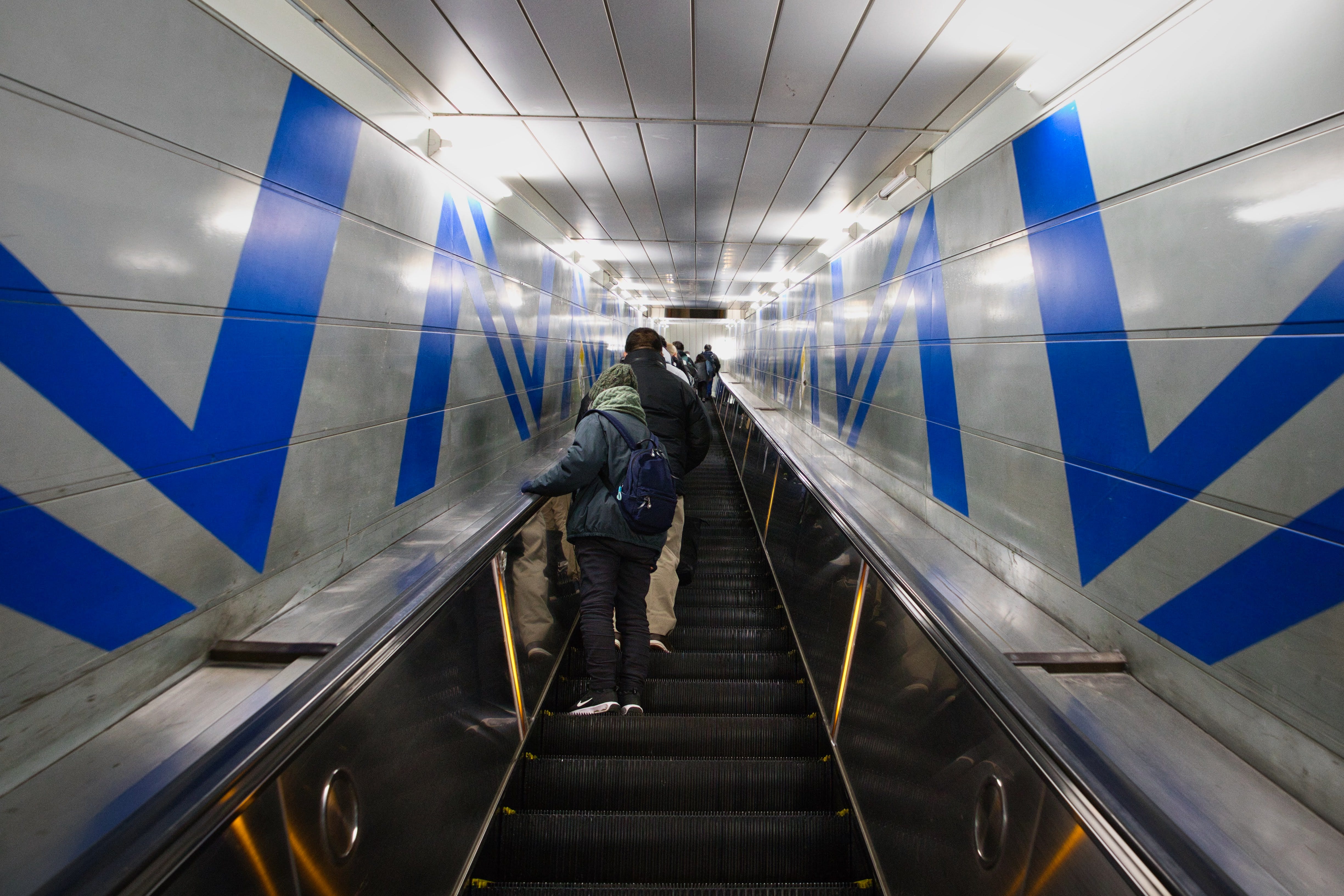
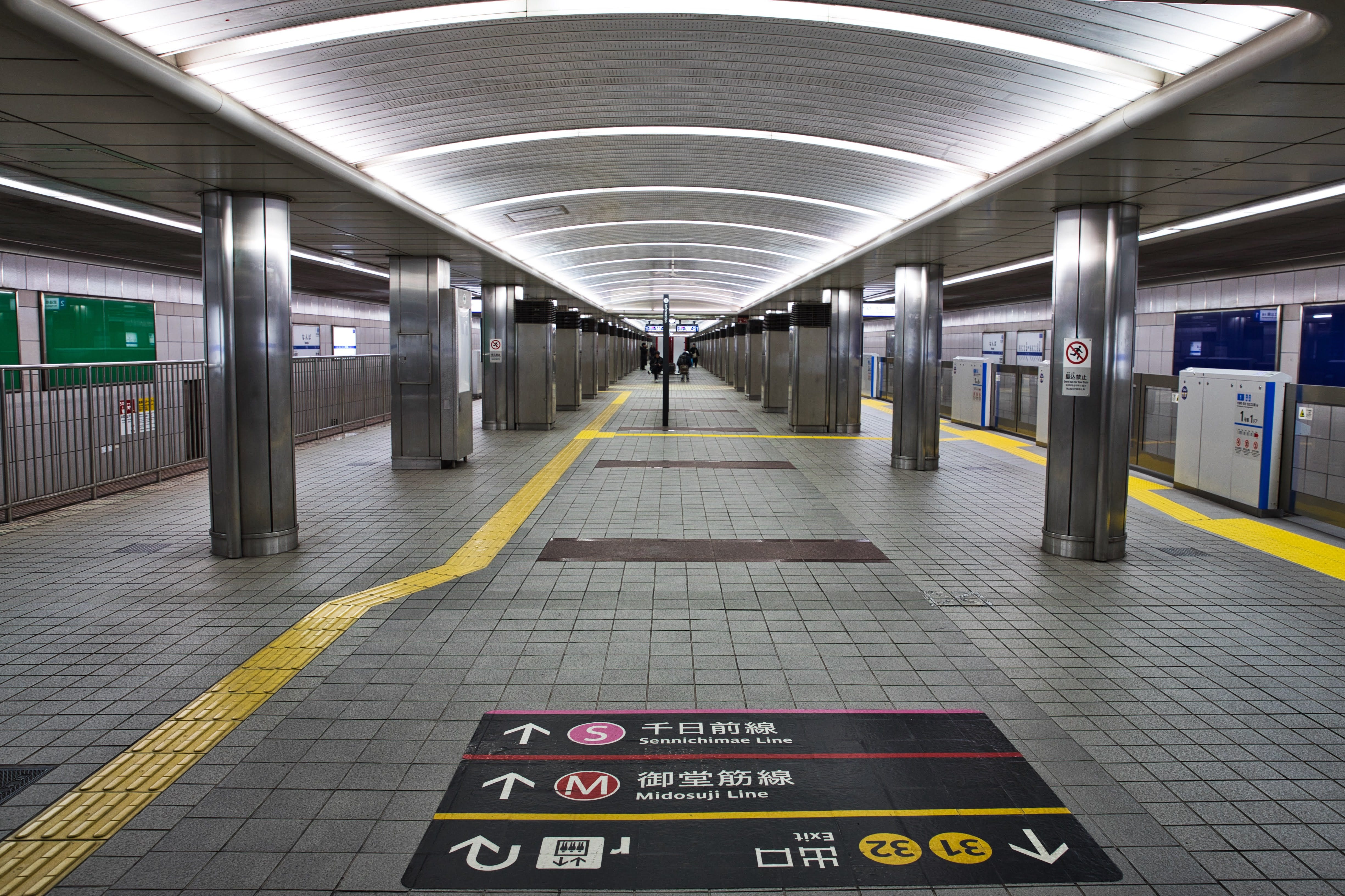
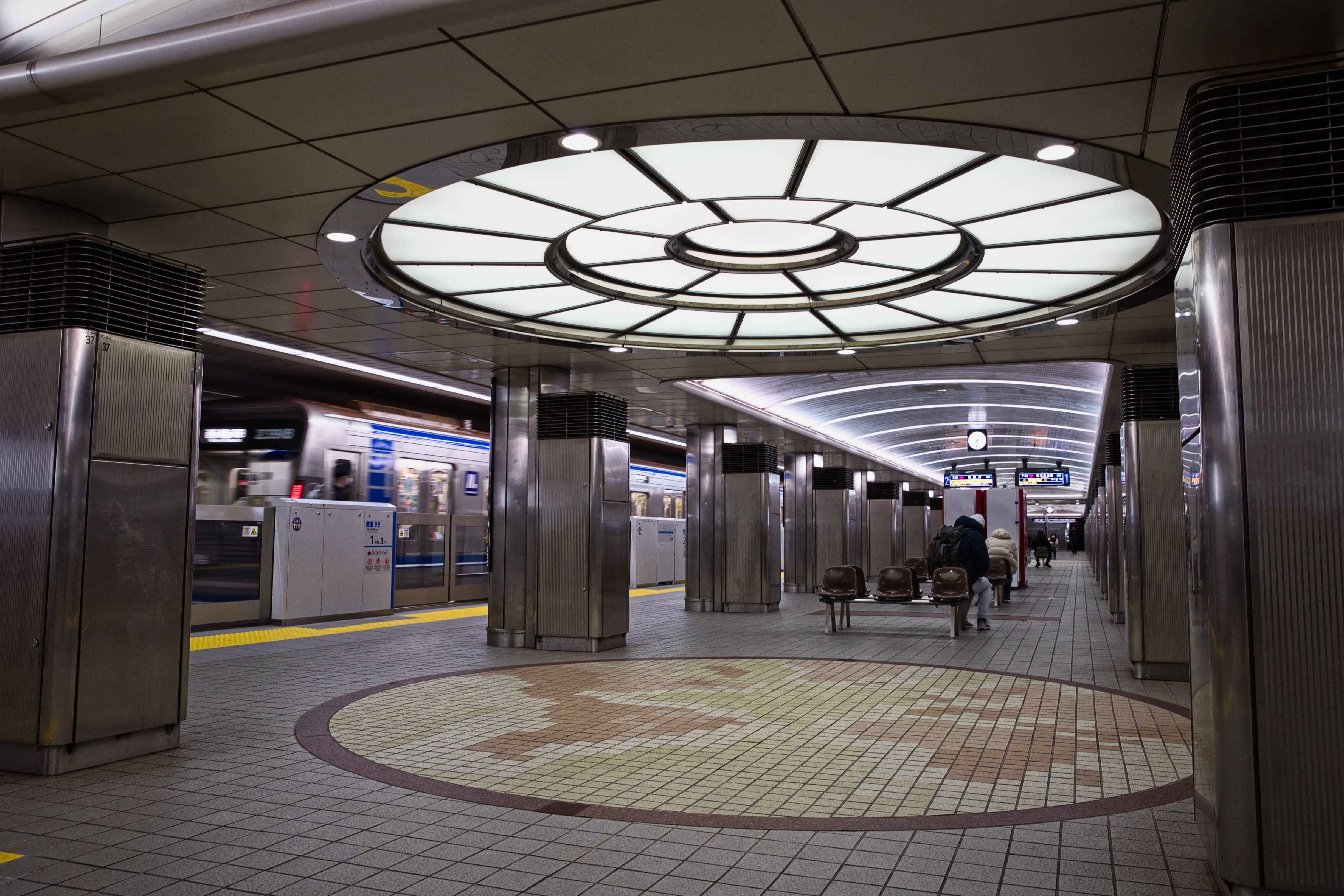
Osaka’s stations can be enormous. Osaka‑Namba alone feels like a small underground city, with exits that number in the few dozens. Yet the wayfinding is straightforward. Google Maps or similar can tell you which exit to use, and you just follow the consistent and bilingual signs. That’s what I like about a city navigation in Japan: it’s really hard to get lost even it seems overwhelming at first.
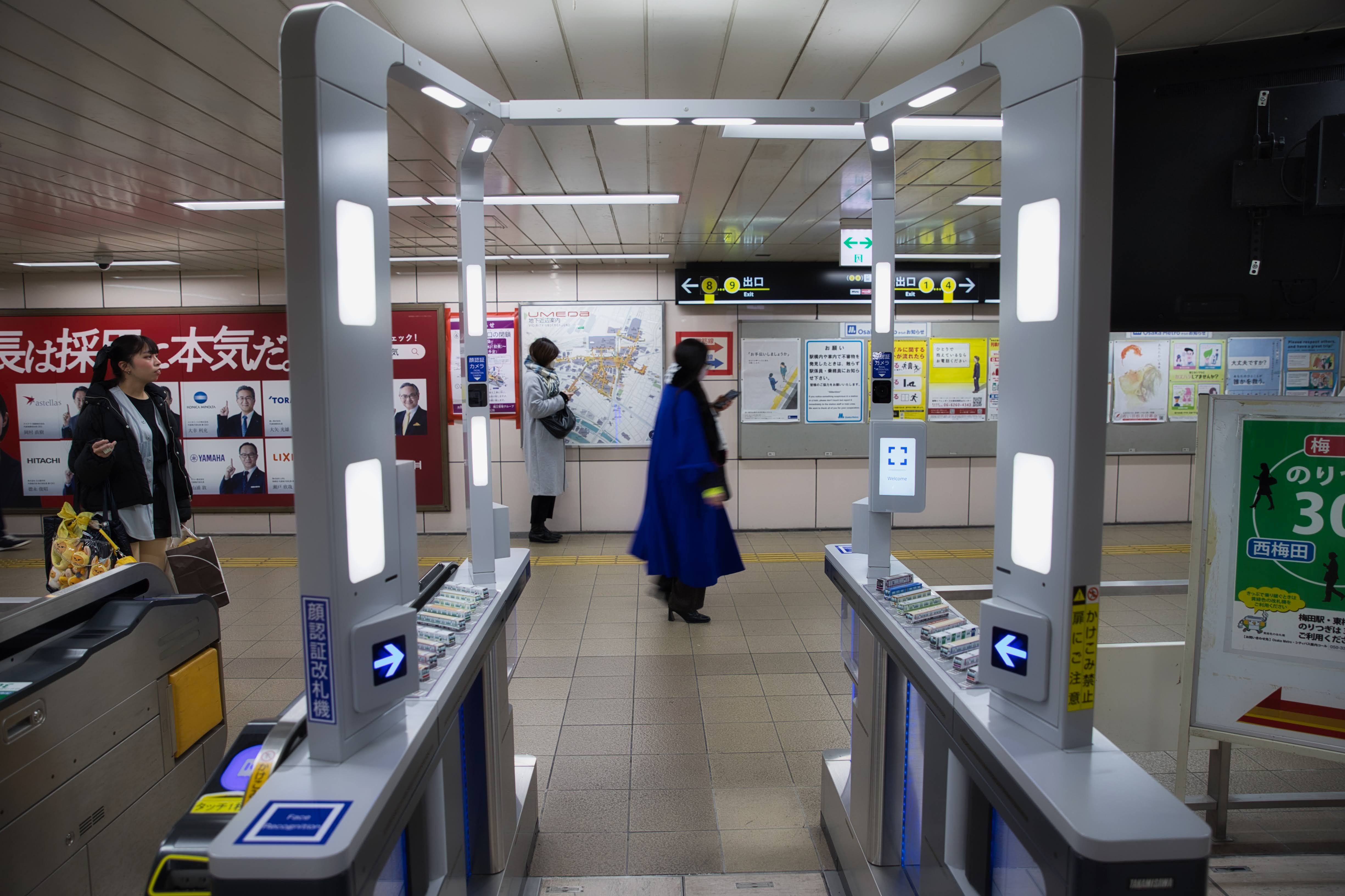
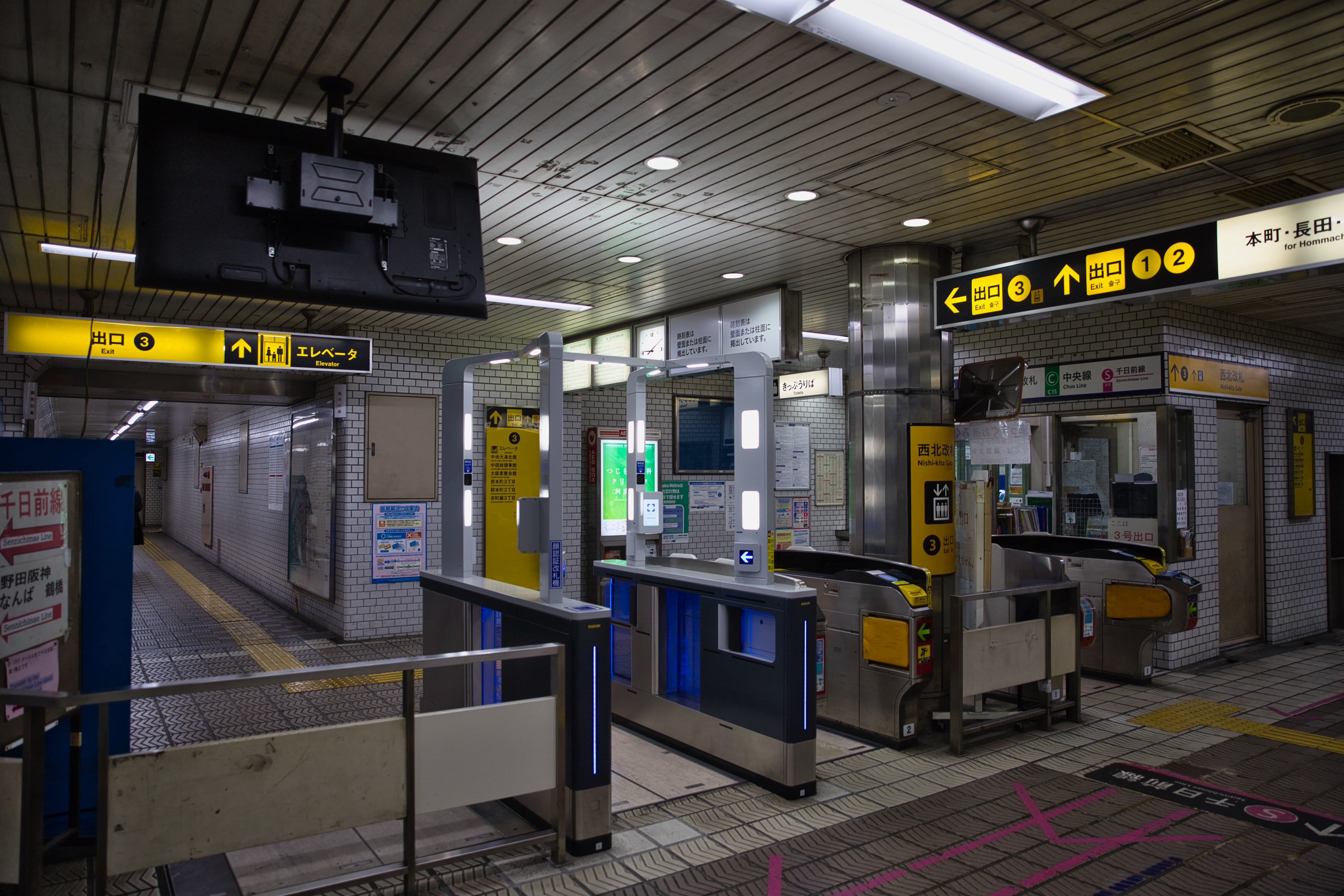
Osaka Metro began installing fare gates that use facial recognition. Public reaction to it is mixed: passengers who try it report smooth, fast convenience, but adoption remains low due to setup hurdles and limited compatibility with common fare cards. Some commuters also express skepticism or privacy concerns, despite official assurances that facial data is not stored. I guess people everywhere are generally fearing a “big brother“ and want to avoid it at all cost. Personally, I didn’t see anyone using it, but, to be fair, my experience riding Osaka Metro was very limited.
I think it’s important to talk about Osaka Metro not just as a transportation operator, but as a multi-business corporation. Its rebirth began on April 1, 2018, when the former Osaka Municipal Transportation Bureau was turned into Osaka Metro Co., Ltd. This shift to a corporatized structure - while still fully owned by the City of Osaka - was meant to improve efficiency, introduce more modern management practices, and help boost Osaka’s economy. The new company was created to offer better service and pursue new business opportunities beyond traditional public‑sector transit operations.
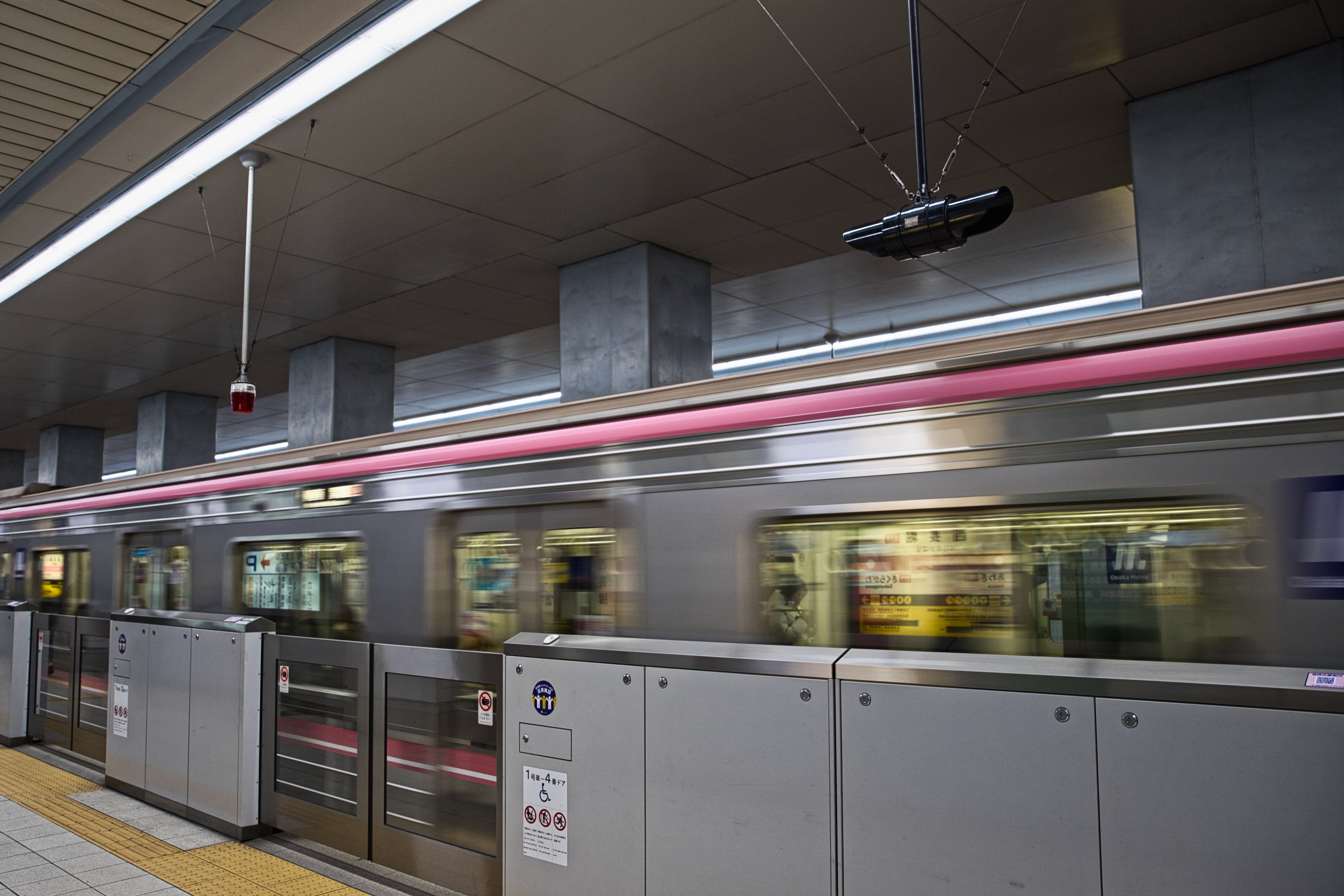
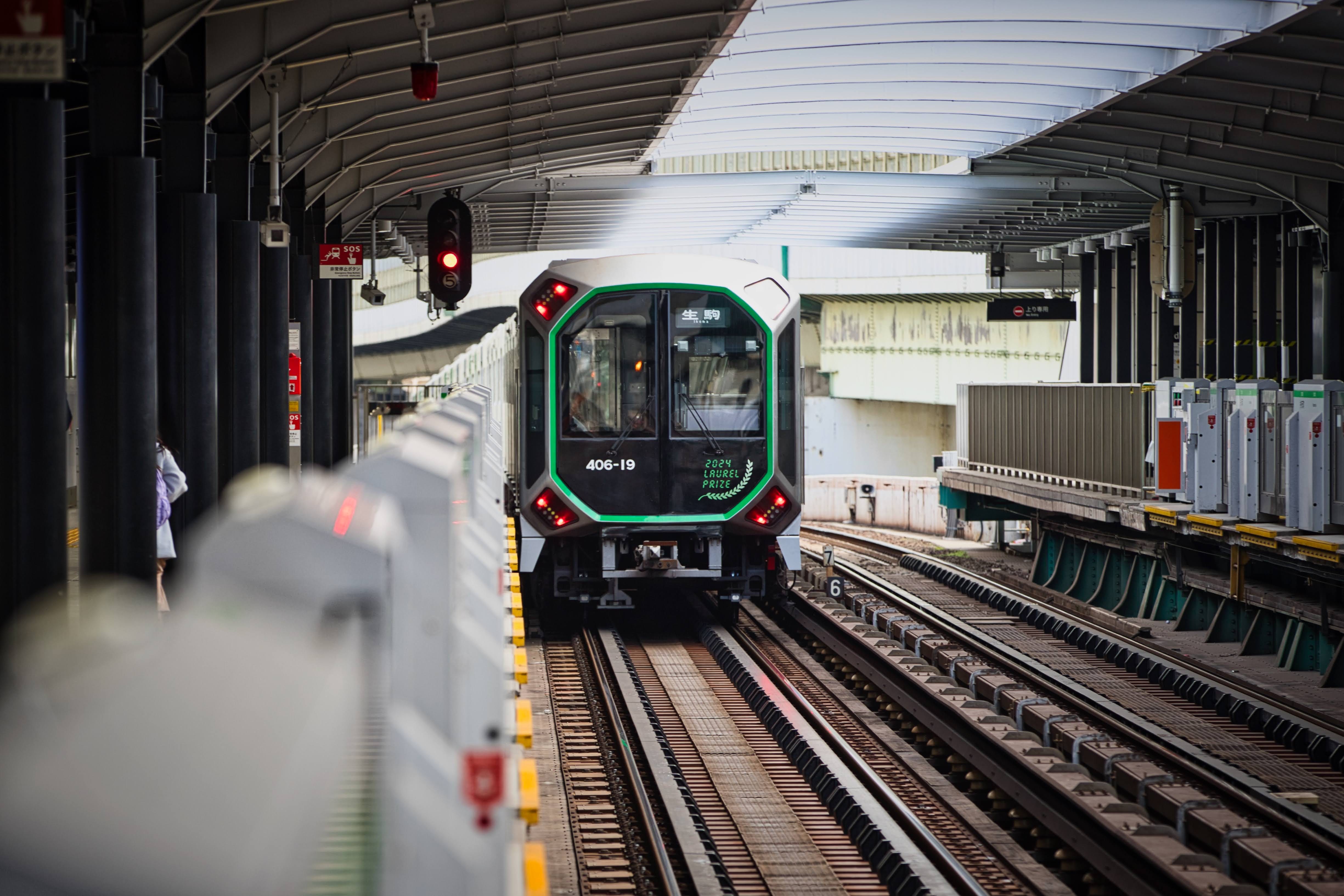
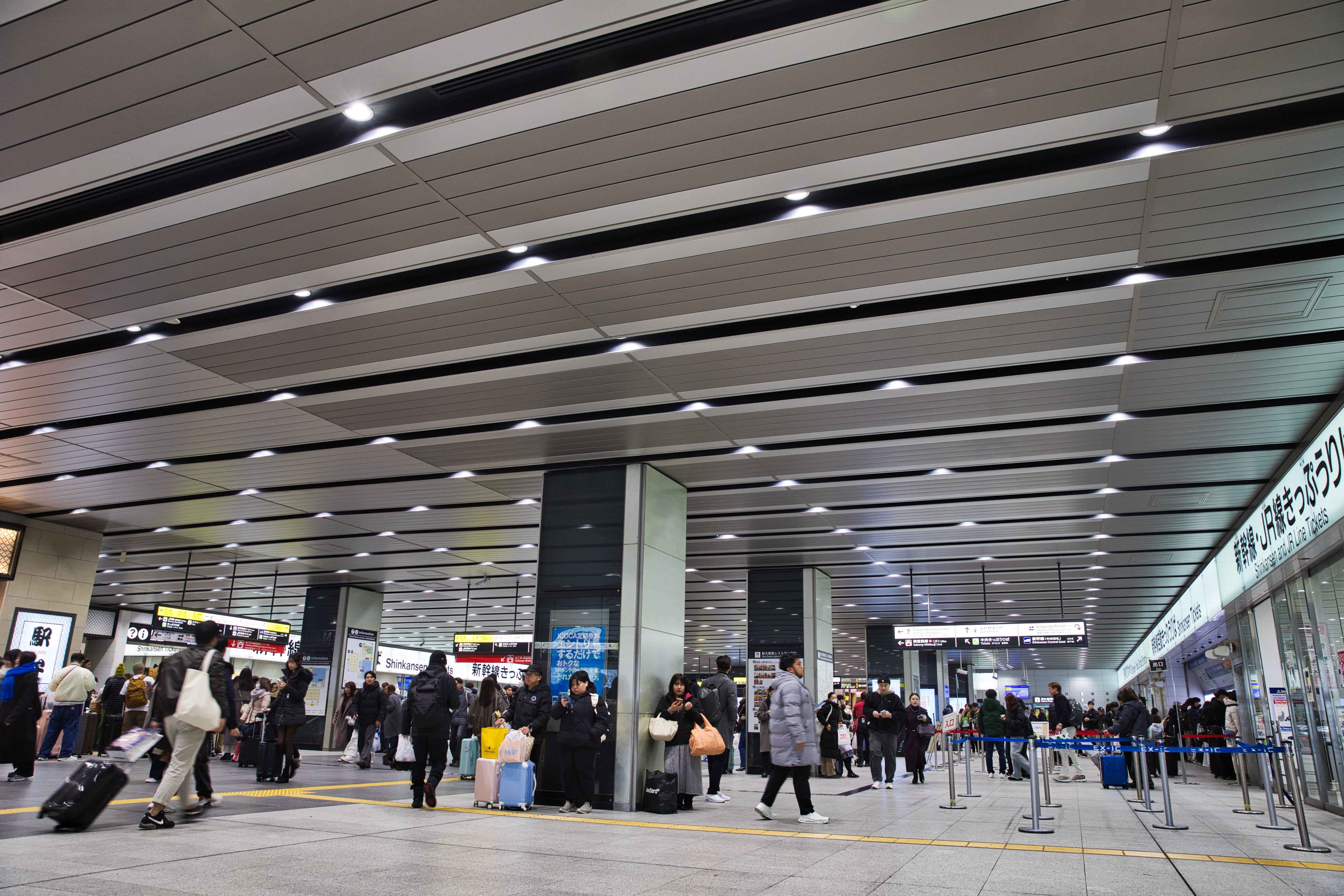
As part of its new strategy, Osaka Metro began focusing more on real estate and retail development, a common practice with other private railways in Japan. The new company plans to update underground shopping areas, modernize major stations, and redevelop land along key corridors such as the Midosuji (M) and Chūō (C) lines. I think this is a blueprint for other metro system across the world as it helps Osaka Metro position itself not just as a railway operator, but as a broader city‑building company, while keeping the fares relatively low.
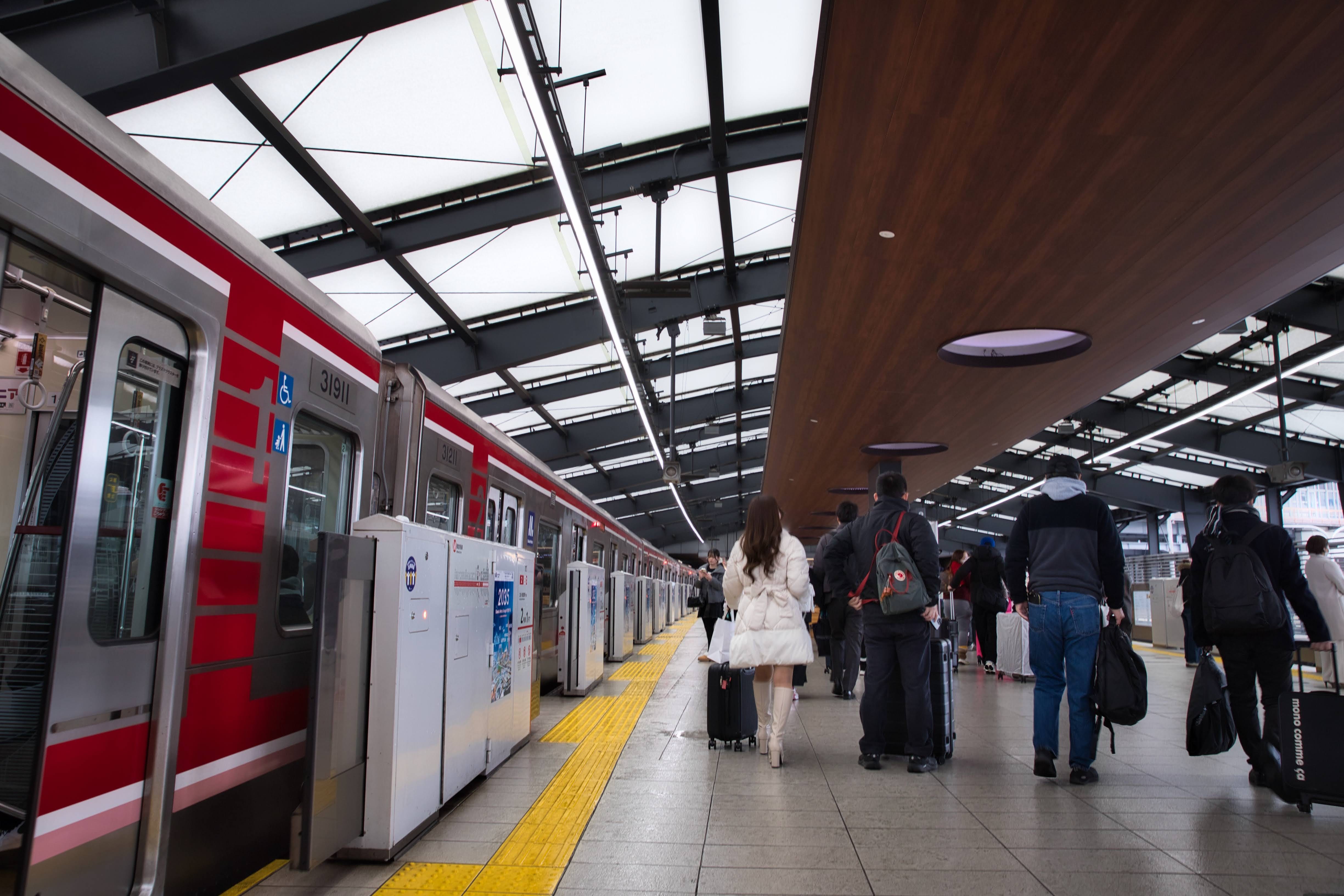
Read more about Japanese trains and metro networks:
Tokyo Subway: Commuter Hell or the Best Subway System in the World?

Tokyo’s subway system is the largest and busiest in the world - and for good reason: around 40 million people live in the city and rely on trains daily. However, the system is notorious for its rush-hour overcrowding, with white-gloved “pushers” cramming passengers into already packed cars, sometimes helping reach two to three times the recommended capa…
Very interesting article and photos.